
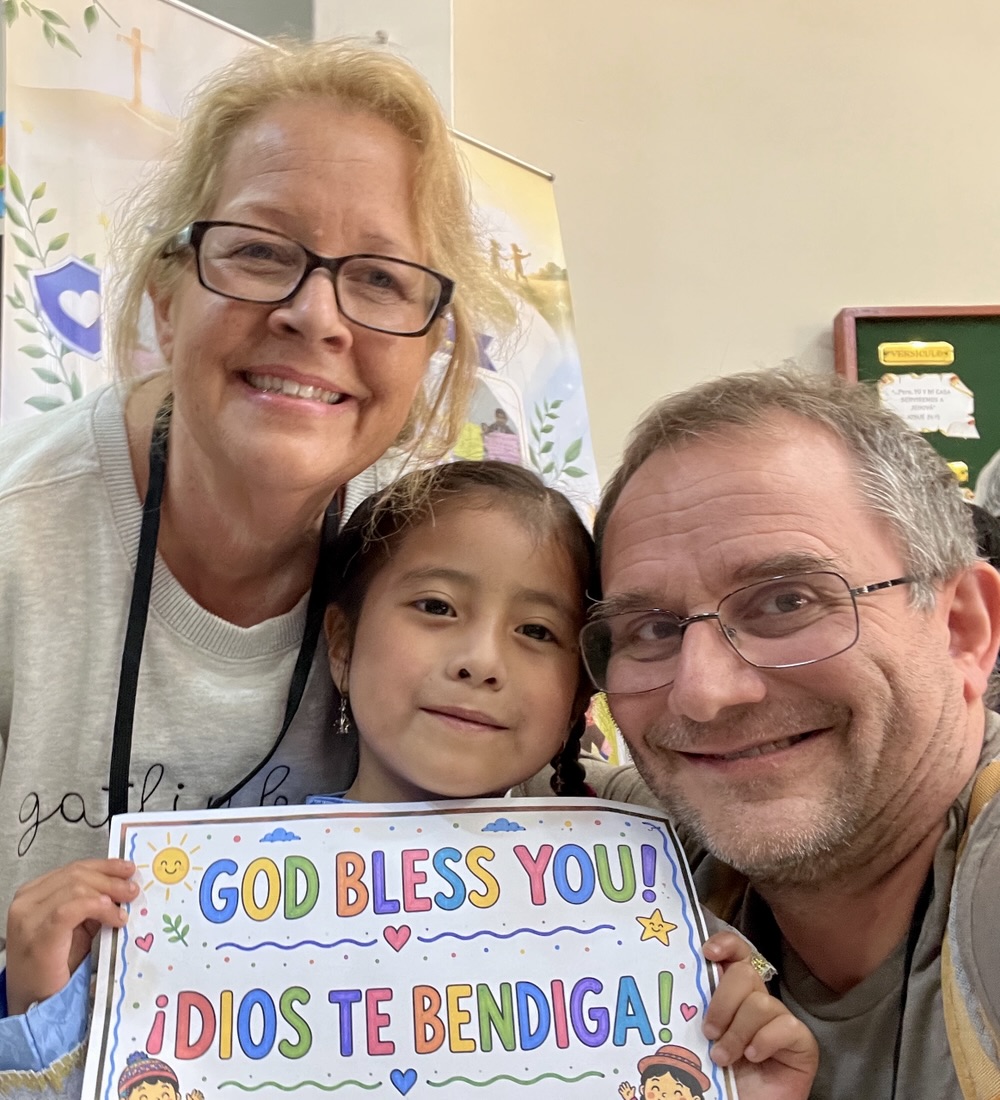
“How was Peru?” we were asked after spending a week there with Compassion International. Adjectives or sentences cannot adequately describe our trip, and I attempt to answer the question below. The trip was tremendously emotional, seeing such poverty, yet equally joyous to witness the positive impact that Compassion’s programs are having on children in extreme poverty.
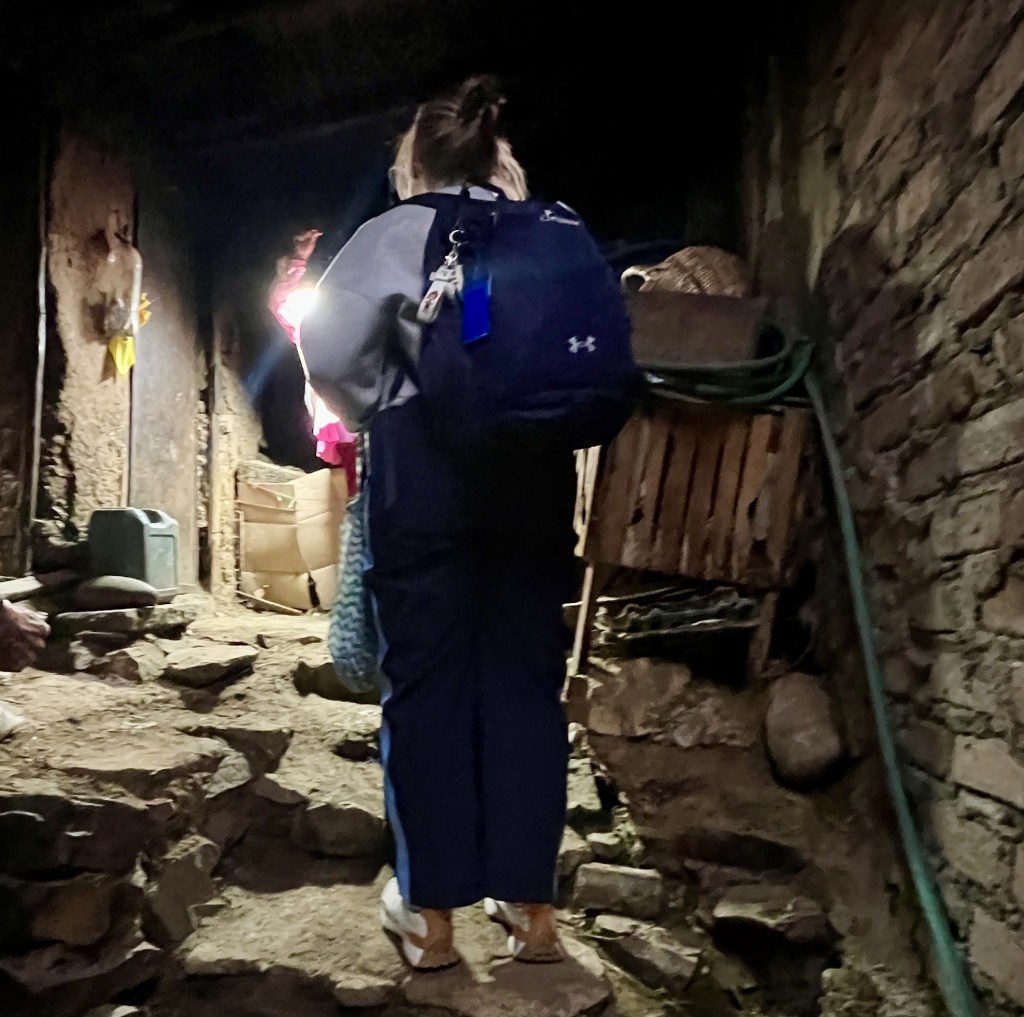
My summary comes from a visit to the outskirts of Lima. We visited a home, high up on the city’s surrounding mountains. After a long climb walking up many stairs in the desert heat, we visited a family with a couple of young children who were in the program, and their 90-year-old grandmother. They survived without running water or sewer. Chickens ran around the dirt floor inside their small house.
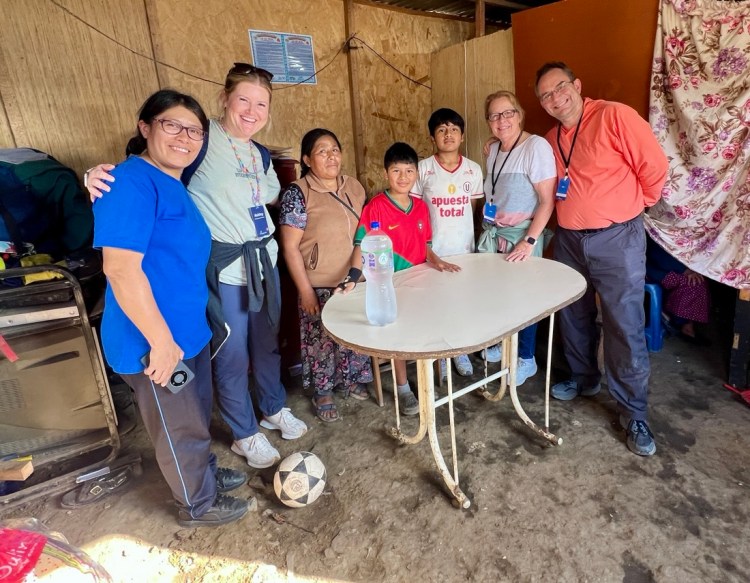
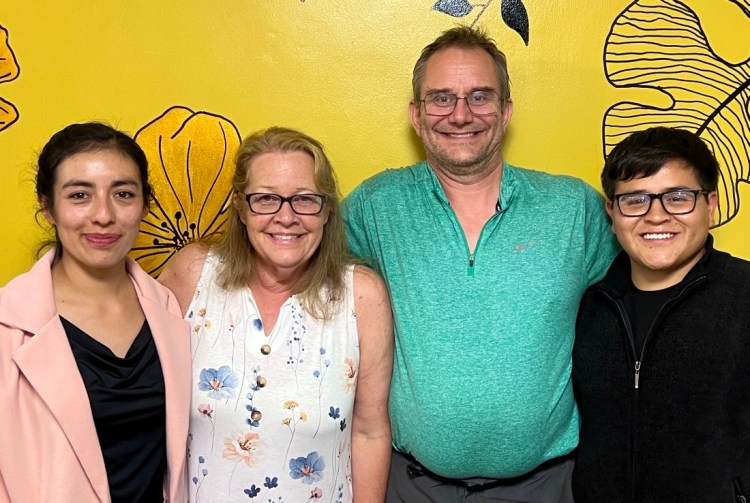
On our return to the church where the Compassion program was based, 19-year-old Rosalia, from a different family, simply said, in clear English, “Thank you for your support, as it means we can dream.” Just thinking about this brings back the emotion. Later, we met three Compassion “alumni” in their early twenties, who had grown up in similar conditions, and were just starting their careers as a nurse, a civil engineer, and a teacher.
There is no quick fix to poverty. Compassion International is in it for the long haul. Below, I share my reflection on our experience in Peru with Compassion and how it has convinced us that bringing children out of poverty in Jesus’ name should be our cause.
Introduction
Janet and I were invited to join a “Vision Trip” (also called a field visit) to Compassion’s Peruvian frontline operations in June 2026. We had sponsored a child in Thailand for many years, and had made a couple of one-off donations to their programs for mothers and babies, and “where most needed.” Ashley, our contact at Compassion, invited us on a one-week trip to Peru so that we might learn more about Compassion’s operations.
As avid travelers, Janet and I were hungry for any adventure, but this was a special type of trip. Even though we were confident that Compassion International was a trustworthy organization, I remained skeptical about its effectiveness. How staged were the videos showing so many happy children, supposedly living in extreme poverty? How realistic was it that such children could escape the cycle of poverty?
The Problem
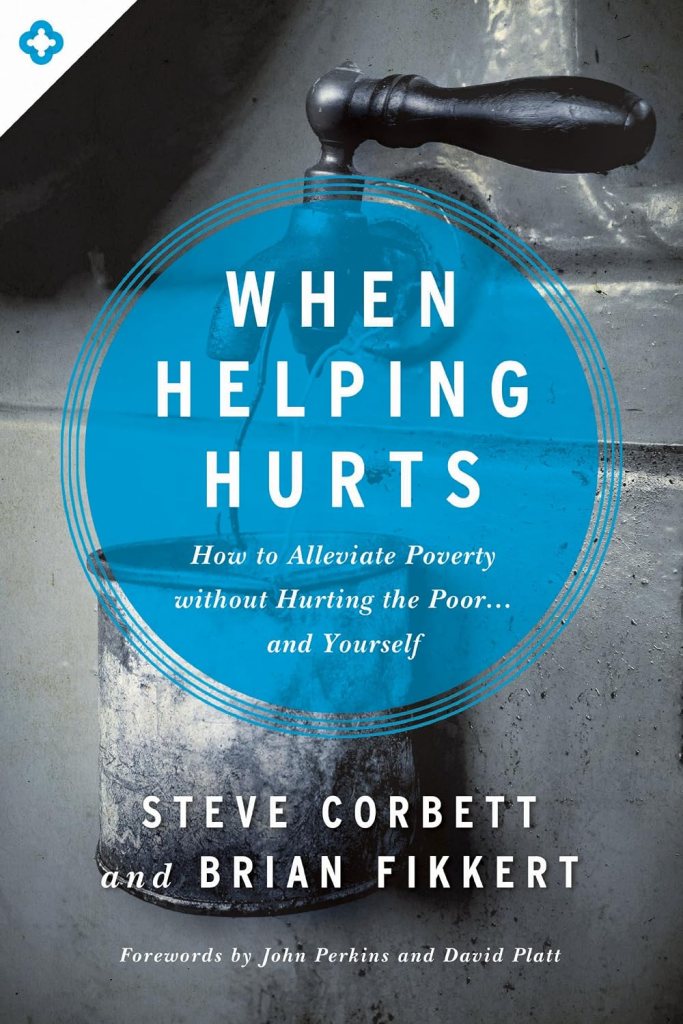
Anyone interested in helping those living in poverty should read one book: When Helping Hurts: How to Alleviate Poverty Without Hurting the Poor… and Yourself by Steve Corbett and Brian Fikkert. Writing from a biblical viewpoint, Corbett and Fikkert opened my eyes to how seemingly helpful activities, like donations to the poor or short-term mission trips, often cause long-term harm in creating dependency on outsiders. They propose that “A path forward is found, not through providing resources to the poor, but instead by walking with them in humble relationships.” I agreed with their conclusions, but struggled to work out how I could help without hurting.
Another challenge is spreading the gospel. The Perspectives on the World Christian Movement Class teaches God’s ancient and global purpose. It explains the historical mistakes and the contemporary challenges of sharing the gospel in other countries, especially with indigenous people. The goal must be evangelism without causing people to think that they have to become like Western Christians to follow Jesus. Over the last two millennia, many gospel-sharing attempts have changed ethnic cultures rather than helped people learn how biblical truth applies to their culture as it stands. God created a multi-cultural world. In Revelation 7:9, John wrote that all these cultures are celebrated when a great multitude “from every nation, from all tribes and peoples and languages” worship before God’s throne. However, as with helping without hurting, I struggled to understand where I could fit in. Effective frontier mission work takes decades of commitment, and I need my wife to accompany me on most of my activities!
The challenge of alleviating poverty is massive, literally as big as the post WW2 utopian goal of “solving world hunger.” While Compassion International is the 11th largest charity in the USA in 2025, its ability to serve 2.4 million children in extreme poverty is a fraction of 1% of children living with severe deprivation.
Like many other Christians, Janet and I believe that understanding God’s redemptive plan for mankind through Jesus Christ is the primary source of hope. We also believe that the most effective way to bring children out of poverty is through Bible-believing communities, with help not restricted by a family’s beliefs.
Compassion International’s Strategy
Through its more than seventy years of experience, Compassion has learned in what situations its program is most impactful at bringing children out of poverty and uses the following criteria:
- As the critical enabler of its programs is a frontline church partner, Compassion only operates in countries where there is sufficient religious freedom to allow the presence of local evangelical churches. Ultimately, Compassion is helping the local church be the church.
- Compassion will only operate in countries where the government does not restrict the direct flow of funds. If the government insists that money coming into the country is controlled by the government in any way, Compassion will be unable to pursue its mission in the best way that it sees fit.
- Compassion chooses which countries it will work in through an analytical assessment of poverty indicators, such as macroeconomic data like the Human Development Index, and data like life expectancy. The detailed analysis is coupled with biblical discernment and prayer. While the organization expands to countries as it grows, it also stops supporting countries if they have risen above established poverty criteria. For example, Compassion started in South Korea in 1952, provided support until 1993 when the country’s economy had stabilized and grown significantly, and returned to the country in 2004 as a source of aid for children in extreme poverty in other countries.
Compassion International in Peru
Established in 1980, Compassion Peru serves over 90,000 children through 287 frontline church partners. With over 3.5 million children living in extreme poverty in Peru, the national team currently prioritizes four out of twenty-four regions in the country. One method that they use to assess poverty is the easy-to-use Poverty Probability Index (PPI).
Some example questions from the Poverty Probability Index questionnaire.
Household Composition & Employment
1. How many members are in the household?
2. In the past week, how many household members aged 14+ worked (excluding domestic chores)?
Education
3. What is the highest level of education completed by the female head/spouse (or head of household)?
Housing Quality
4. What is the main material of the floor?
5. What is the main material of the roof?
Basic Services
6. Does the household have access to electricity?
7. What type of sanitation facility (toilet) does the household use?
Assets & Durable Goods
8. Does the household own a television?
9. Does the household own a refrigerator?
Location
10. Is the household located in a rural or urban area?
I was fascinated by how the Compassion office felt similar to the national offices of the large multinational Oilfield Service Company (Schlumberger) that I worked with for over thirty years. In Latin America, I had worked out of their offices in Ecuador, Mexico, and Brasil. Schlumberger is a large, professional organization, laser-focused on its mission while recognizing the value of local people, decentralized control, and that the action that matters is “in the field”. That sounds like Compassion!
Impacting All Stages of a Child’s Life
We visited six churches in Lima (on the coast) and Cajamarca (in the mountains), witnessing how the program impacted children throughout their lives. The following excerpt from the Compassion website, summarizing what Compassion does, aligns completely with what we saw in the field:
Compassion’s child sponsorship program cares for all of a child’s needs–because poverty doesn’t just impact one aspect of a child’s life. At their local Compassion center, children are supported as they grow:
- Spiritually through the love of Jesus.
- Physically through nutrition and healthcare.
- Mentally through education and tutoring.
- Socially through relationships and community.
- Emotionally through encouragement and guidance.
We don’t simply provide one-time aid. Partnering with the local church means we’re in it for the long-haul helping children escape the grips of poverty and thrive beyond it.
Pregnant Mothers through One Year Old
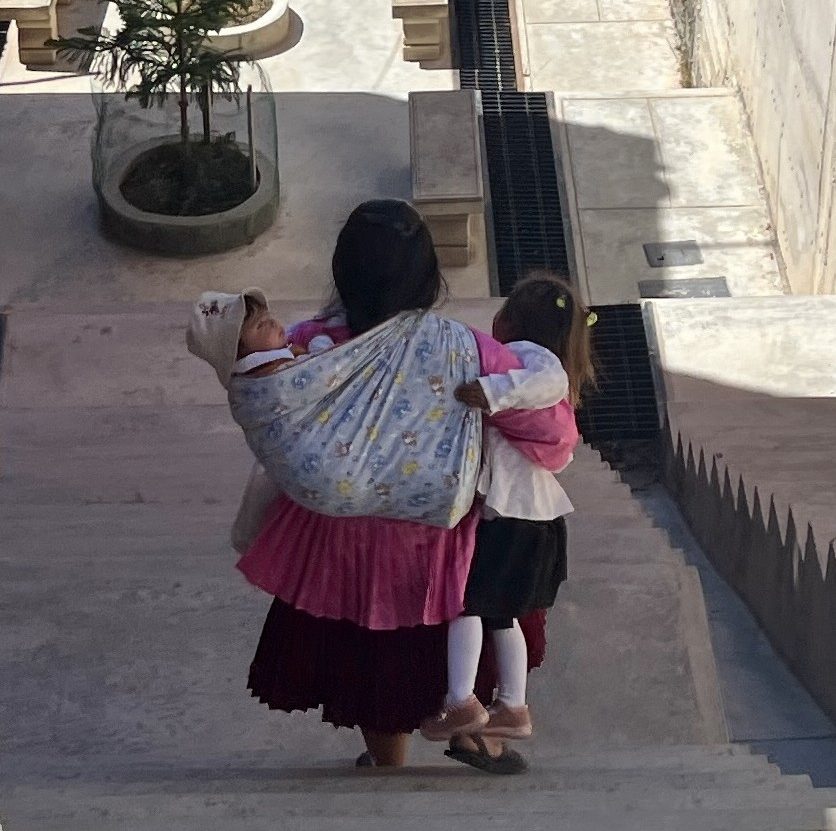
A child’s earliest years have a huge impact on their long-term ability to contribute to society. Compassion’s Survival program works through their local church partners to provide nutritional support, medical checkups, prenatal and postnatal care, and parent education to reduce maternal and infant mortality rates. The church we visited in Cajamarca had about fifteen new moms and babies in their program. Anemia is a local medical concern, exacerbated by the high altitude of 8500 ft, and inhibits early childhood development, but it is treatable. The babies were so cute, especially when carried on their mothers’ backs, wrapped in blankets. We visited one of their homes, which was heartbreaking as it was little more than a damp cave. Mom still cared for her home as much as her circumstances allowed.
Up To Elementary School Age
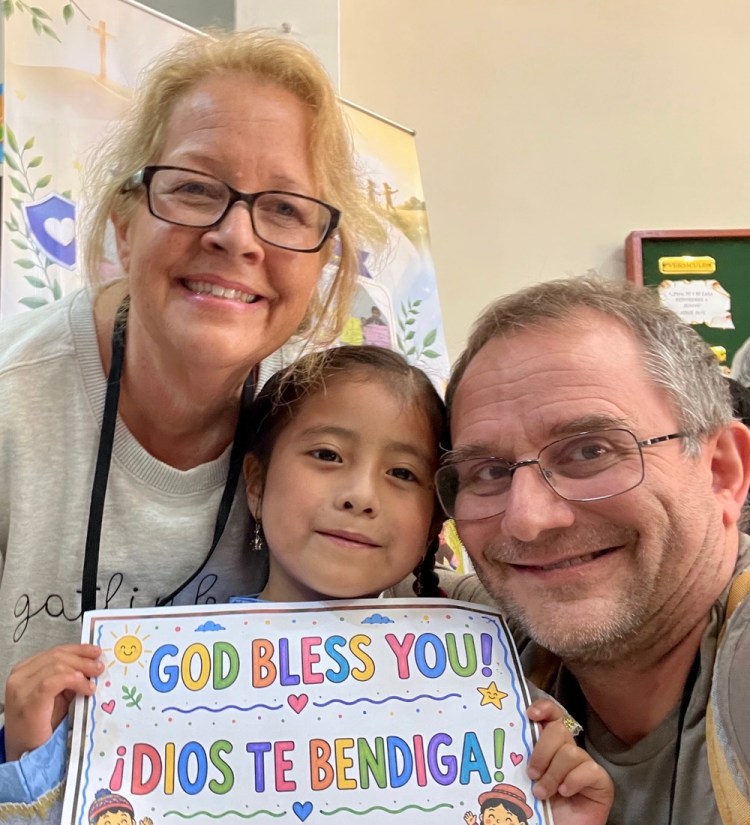
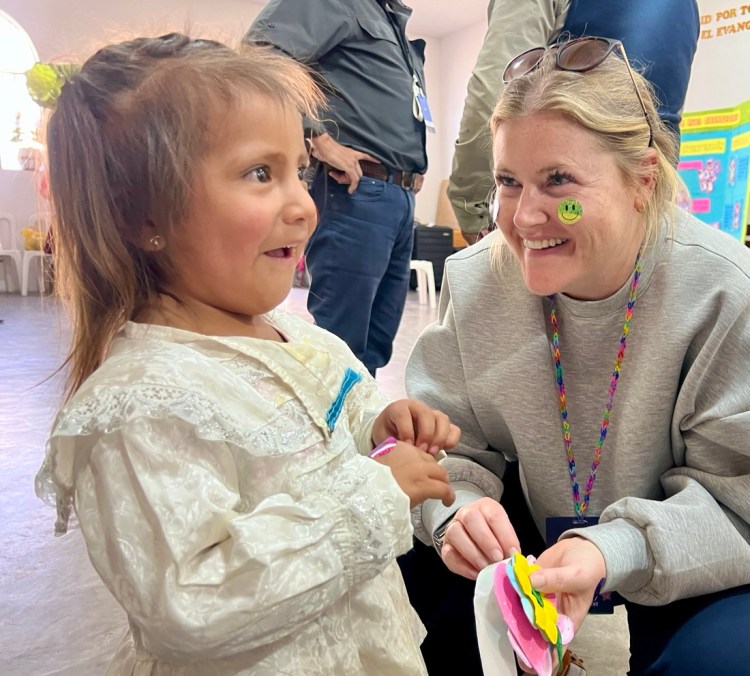
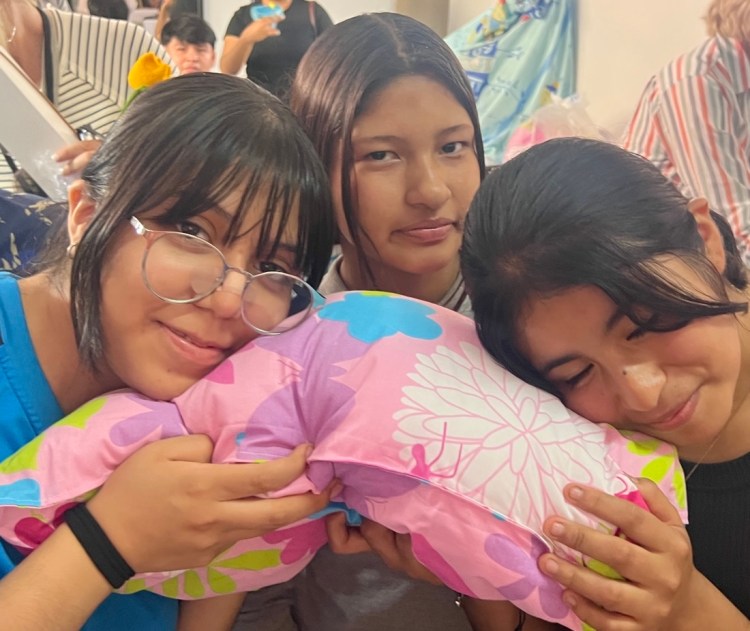
Once the child is one year old, they can join the sponsorship program. As they get older, the programs at the Child Development Center at Compassion’s church partner complement their schooling. I was struck by how happy and huggy these kids were. We realized that these churches were a critical “safe space” in communities struggling with violence in the home and gang or drug conflict.
Middle School Age
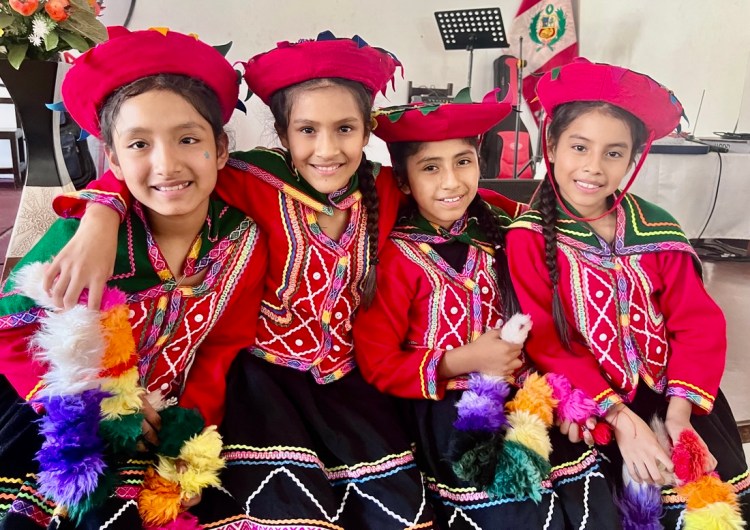
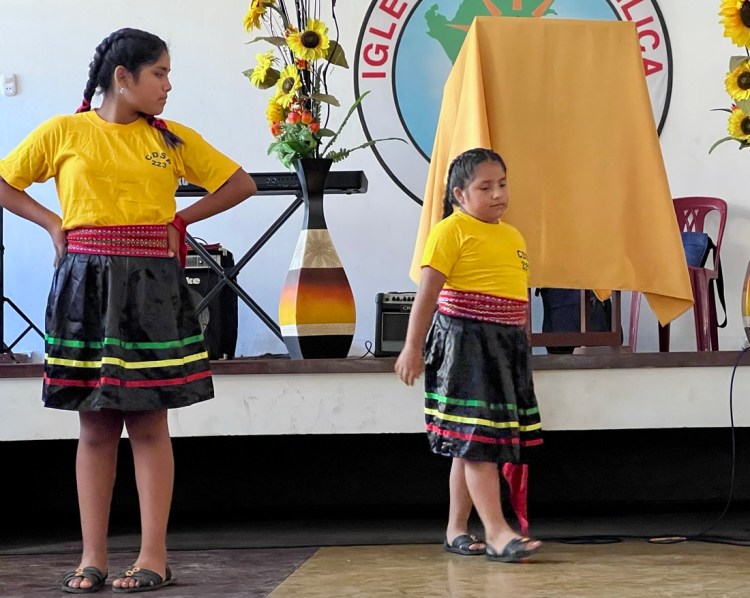
As the kids’ ages increased, so did their awkwardness – just like our kids! They put on some cute shows, and we saw how they were taught health and hygiene. As we saw with all age groups, the curriculum included both Bible-specific classes and biblical content in other classes.
High School Age
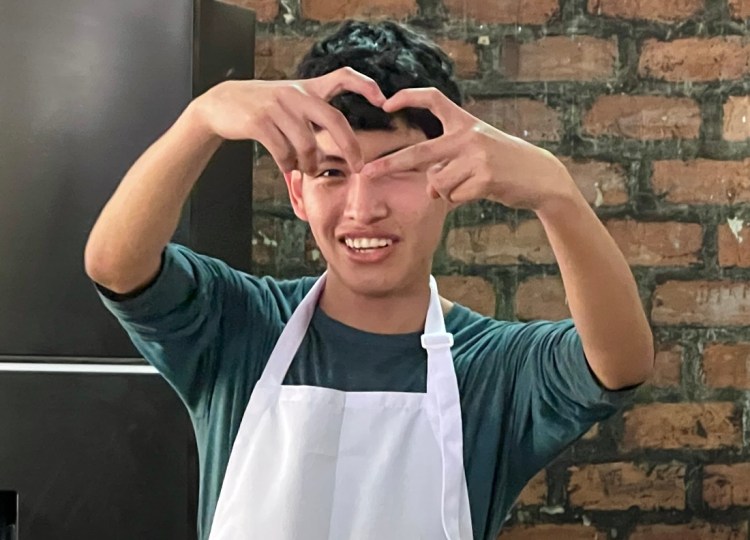
At this age group, we saw the classes switch to life skills oriented towards “building my future” or “learning for life.” This included cooking, either for home or as a business, to making sellable items like jewelry or soap. It was fun seeing the personalities coming through, from the nerds making a robotic trash separator, some amazing musicians, and the player showing off his English by expressing his love for his teacher!
Program Alumni
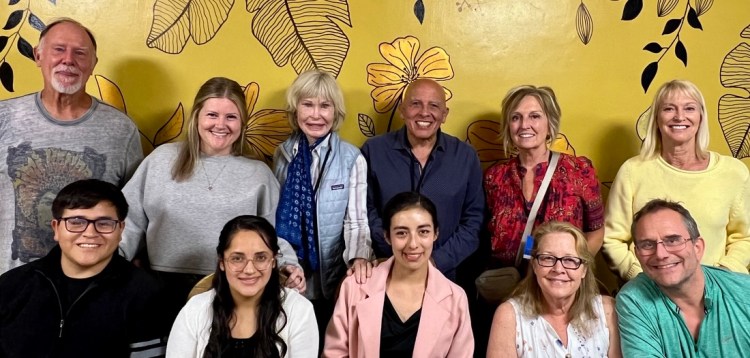
One night, we had dinner with three young adults who had spent years in a Compassion program at a church partner, had just graduated from college, and were about to start their careers as a nurse, teacher, and civil engineer. I imagined how, twenty years earlier, they had been a baby living in conditions similar to the damp cave that we had witnessed. This was life-changing transformation!
Who do the Sponsored Children Think We Are?
One concern that I had was how sponsored children viewed their sponsor. We did not visit with a sponsored child this trip but we saw tremendous love and thankfulness for us because we represented the concept of the sponsor. There was never a slightest hint of an expectation for more, or handouts. There was just heartfelt thanks for helping them through a program that gave them a chance to dream. To develop such an attitude in kids impressed me tremendously, and was another strong indicator of Compassion doing things right.
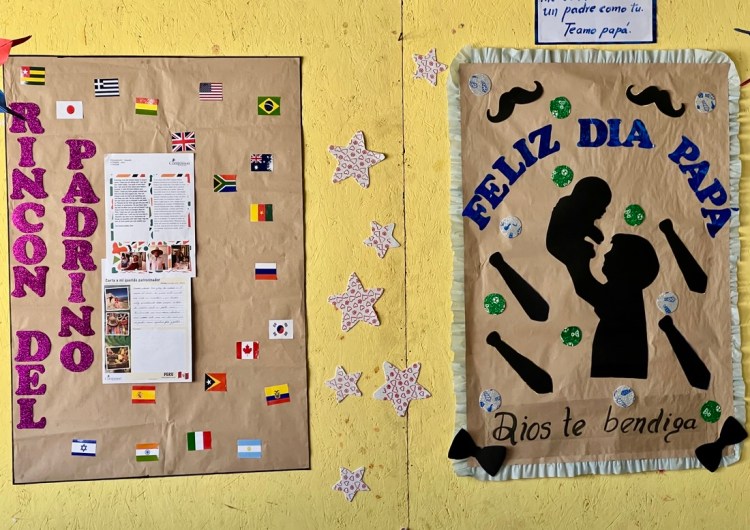
So how do they view sponsors? In Spanish, they use the word “padrino,” which means “godparent.” A “sponsor” is what Coca-Cola is to the World Cup, so that does not make sense. A godparent is like a favorite aunt or uncle who is always looking out for the child’s spiritual and physical well-being and personal development. We thought it described the relationship beautifully.
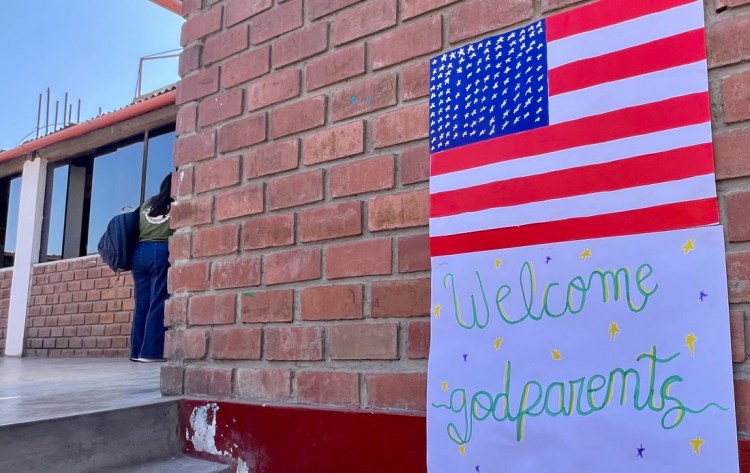
Even though we would love to visit our sponsored child in Thailand, it was heartwarming to visit Compassion centers that we might have only had a small impact on through “where it matters most” giving. It was great just to be associated with Compassion. Visiting one’s sponsored child would make it even more special, connecting with the person that you’ve developed a relationship with through letters, and meeting your “godchild.”
The Lifecycle of a Compassion Center
As well as seeing the impact of Compassion on the complete life of a child, we also saw how Compassion’s activities started and ended. Near Cajamarca, we visited one small church that had started its Compassion Development Center less than a year ago. The church had about thirty adult members and was serving over two hundred kids. The church leadership had tremendous passion for children in these newer churches. We witnessed how that passion is the essential ingredient for successful Compassion programs, and it was evident that, through a rigorous process, they had chosen their church partners very well.
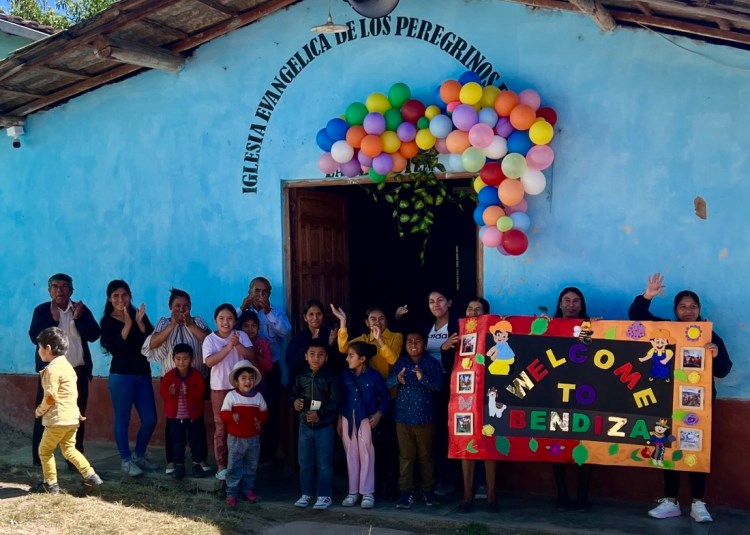
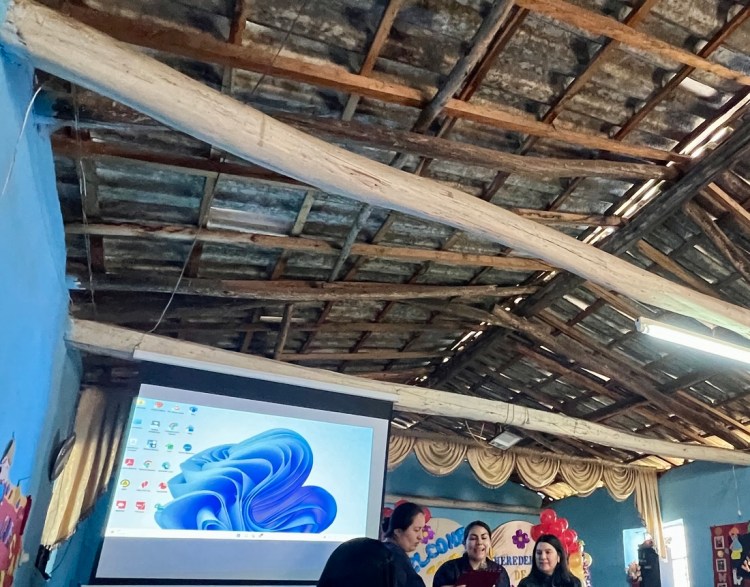
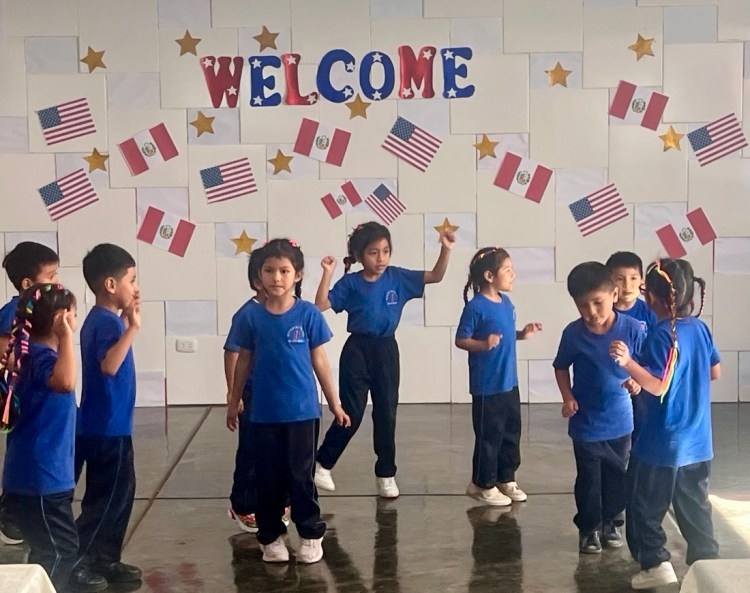
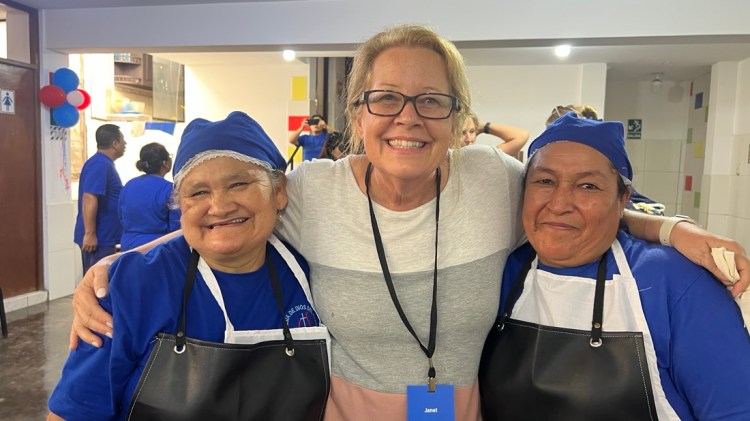
At the other end of the lifecycle were churches in Lima. The poverty level in Lima had risen such that it was no longer as high a priority as other regions, so the program had stopped enrolling new children, and the program got smaller each year as the children graduated. On the face of it, this would be heartbreaking, but it was heartwarming! Through Compassion’s long-term vision, they had been encouraging the church to find local partners and develop self-sufficiency. One of our warmest welcomes was from a group of kids in their church’s post-Compassion program. We had already seen how churches had adapted Compassion’s curriculum to their local culture and needs. Seeing the churches continue to thrive while operating independently of Compassion assured me that this giving model was not generating a dependency.
Other Stories
I could make this blog post ten times longer, but then no one would read it! Compassion write their own blogs, often with videos, which captured much of our experience. Each one reminds me of our experiences in Peru, and now I know that all those kids smiling so much is real!
- How Compassion Works. A blog post and five-minute video that brilliantly captures the essence of what Compassion is about. The emphasis on church partnership, holistic child development, and long-term impact on their community, resonated after our Peru trip.
- How Does Compassion Choose Churches to Partner With? While “partner” might seem like someone on the side, Compassion’s church partners are the KEY ingredient to their program’s success. With no church partners, there is no Compassion program. It is the church partners who generate the beautiful diversity that defines each Child Development Program.

- What Causes Poverty? A blog post and a three-minute video about what poverty is and what causes it. My takeaway was the concept of the poverty trap, where people get stuck in it. This reminded me of Ashley’s explanation of how Compassion programs aim to remove obstacles and create opportunities for the children.
- Babywearing. This was a cute video comparing babywearing in six countries around the world where Compassion’s Survival program works with babies. I might be biased, but the Peruvian baby in his Queperina wrap is the cutest and happiest!

- Does Child Sponsorship Work? The two-minute video summarizes the results well.
“97% released from poverty, 95% achieve educational goals, 90% give back to communities”
- When Hope Grows: A Welder Inspires His Students. This eight-minute video recaps how a child in a Compassion program developed his skills to develop his love of both welding and teaching to give back to his community.
- How to End Poverty: 9 Ways. A blog post with nine ways that are necessary to fight poverty, and six ways to do YOUR part in the fight.

There are plenty of other fine stories at: https://www.compassion.com/blog/
Conclusions
Every aspect of Compassion’s activities in Peru confirmed to us that they are an effective and responsible organization in using their resources to lift children out of poverty in Jesus’ name. Their use of funds is efficient. Through their church partners, they preserve the local cultures and avoid developing any form of dependency.
Nineteen-year-old Rosalia from Lima, in her clear, accented English, put it simply:
“Thank you for your support, as it means we can dream.”
Chatting with Compassion alumni on the cusp of starting a professional career, having just seen babies living in a leaky cave, emphasized how transformation can happen!
Before the trip, I read Too Small to Ignore: Why the Least of These Matters Most. It is the moving biography of Wess Stafford, the past president and CEO of Compassion, in which he explains that caring for children is his passion. One of his closing paragraphs says:
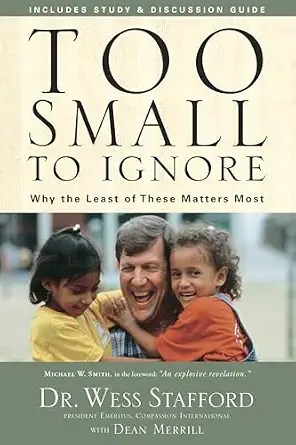
Every human being needs a cause in life, a passion. If you don’t have something in your life that can make your heart pound, that can move you either to tears of joy or tears of sorrow in about thirty seconds, then my friend, you are not alive….
If you don’t have such a cause or mission in life, then please take mine! I implore you to join me in this battle for the hearts, souls, minds, and bodies of children.
Years ago, with guidance from the Holy Spirit, Janet and I concluded that our cause was our kids. Perhaps it was not by chance that our visit to Peru with Compassion was just days after our daughter’s wedding, with our son’s wedding less than a year from now. I think that Compassion is becoming our new passion!
Addendum
Since I wrote my reflection, I found this blog article, titled “Which Christian Child Sponsorship Program Is Best? Comparing Child, Family, Community, and Church-Centered Models.” I found it to be a well-balanced article. It identifies six successful Christian charities and distinguishes them by how they measure success.
However, while Compassion, on the face of it, appears to be only child-focused, my experience in Peru was that the result was also family, community, and church-centered. While the article highlights that World Vision’s community-focused approach has an “exit model,” I found that Compassion did too. My blogs about our visit showcase these points.
The article did not change my desire to support Compassion.
Find daily blogs from this trip on my Peru with Compassion International page.

