
Janet and I are visiting Peru with Compassion International on a Vision Trip to learn about their front line operations. Compassion’s mission is “Releasing children from poverty in Jesus’ name.” In the US, we had primarily just seen their efforts to get families to sponsor one of their children. The goal of the trip is to learn about how much more they do. We will learn an immense amount during an intense week. I am writing daily blogs to capture my raw thoughts, memories, and emotions, and will write reflections after the trip is complete.
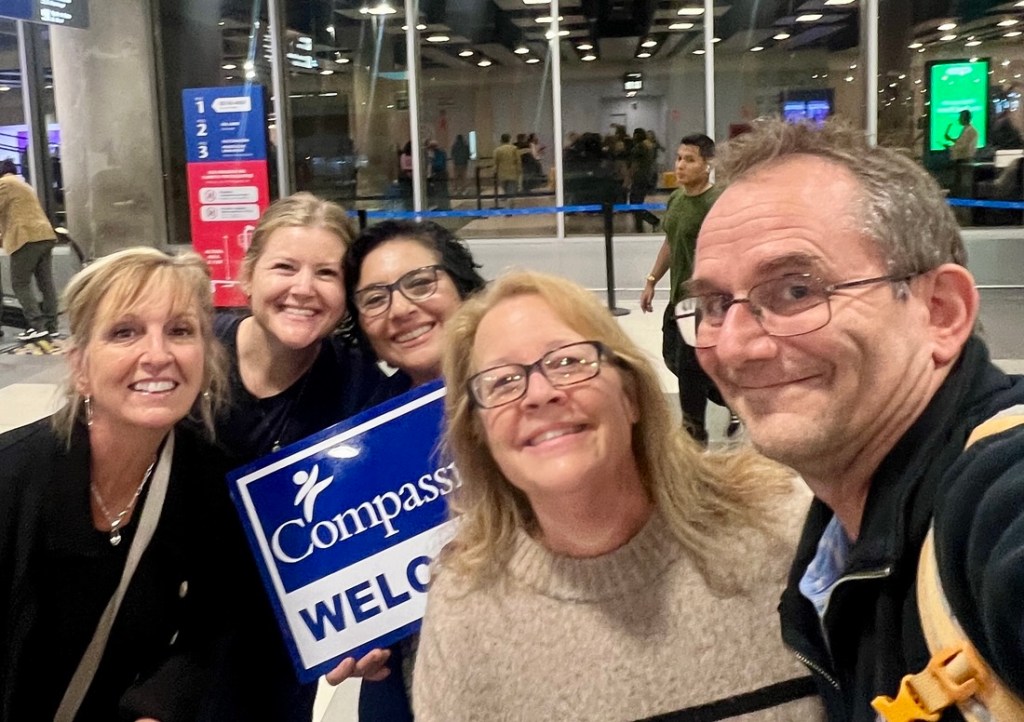
Yesterday, June 8 2026, we flew from Houston to Lima via Miami. We were already a little tired after our daughter’s wedding on June 6th, but life is too short to miss opportunities like this! Our flight was uneventful, meeting our Compassion tour hosts, Ashley and Nora, in Miami, and our local guide, Soledad, at Lima airport.
After checking into the Wyndham Airport hotel, which was brilliantly convenient, we had dinner with the other two couples, followed by a packing party of the gifts we had brought for the Frontline Church Partners that manage the interaction with the sponsored kids. We had brought supplies, like crayons and coloring books, and toys like frisbees and skipping ropes. We had practical gifts in sewing kits. We fell into bed at 11:15pm.
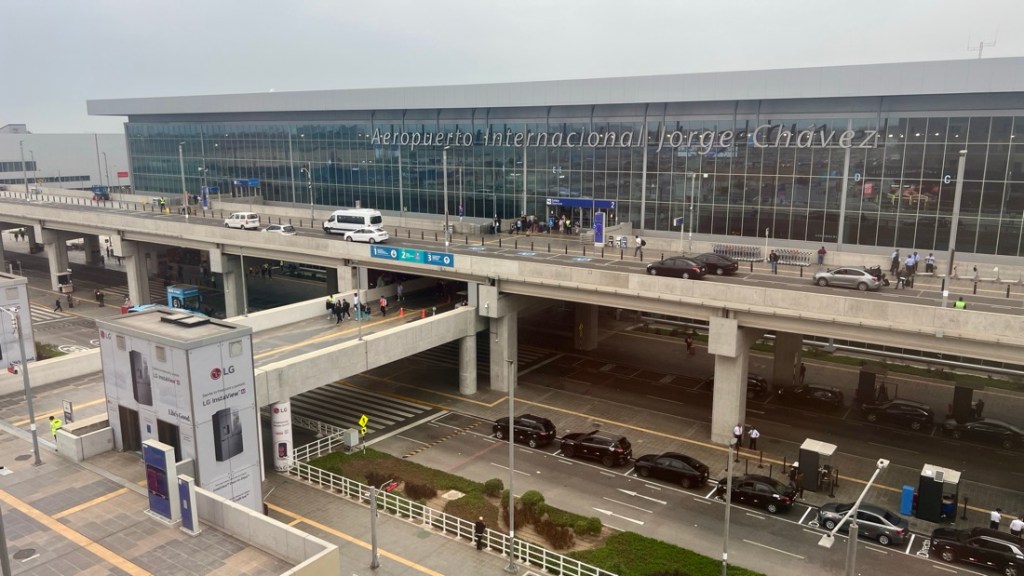
On the morning of Monday June 9th, we met after breakfast to take our bus to Compassion’s National HQ.
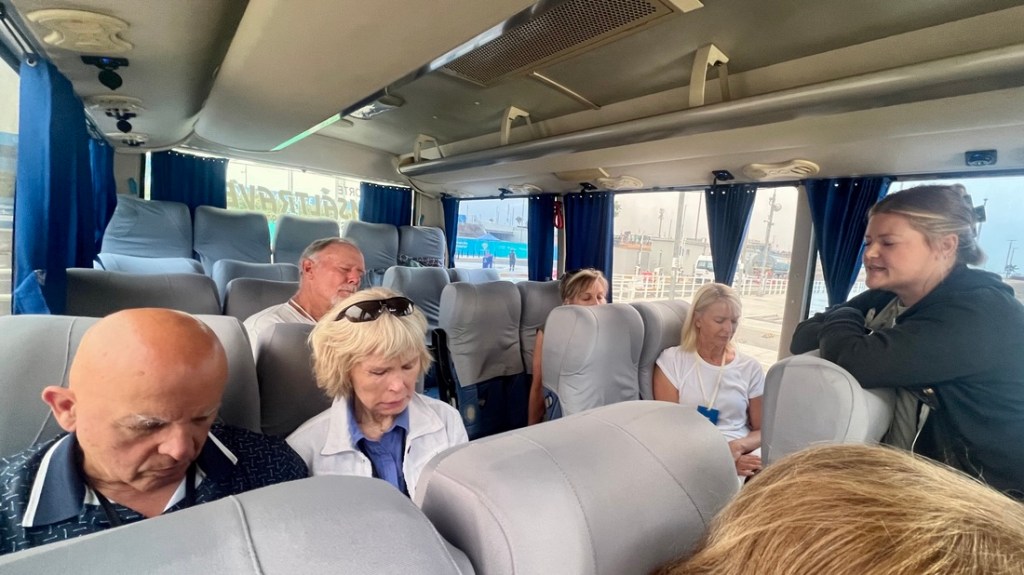
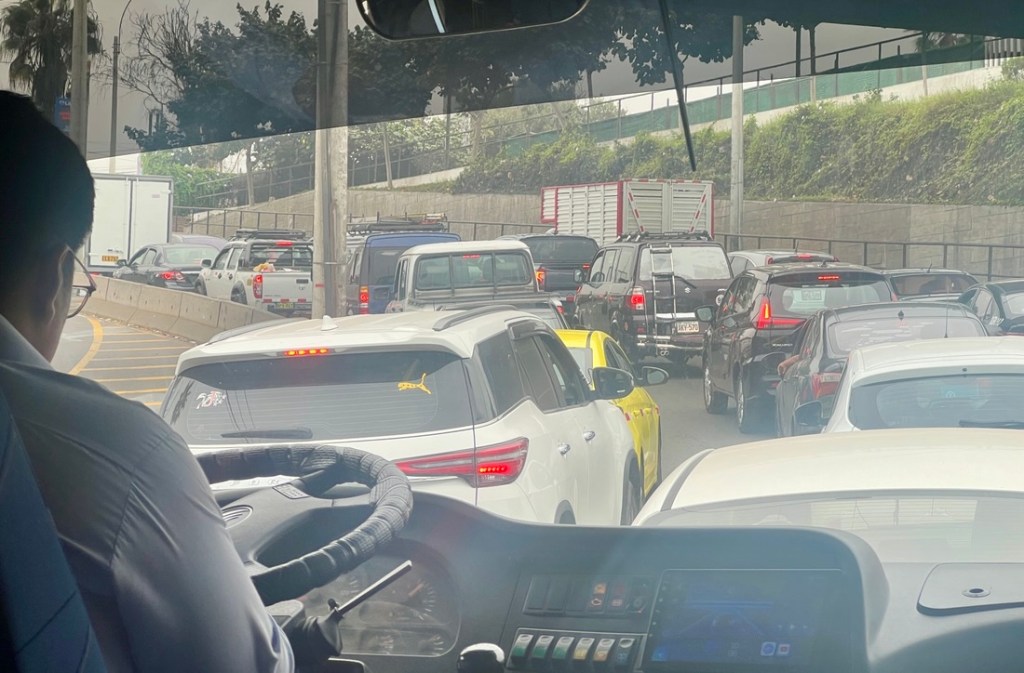
It was about a 30 minute drive to the office. It was located in the San Isidro district, which is a nicer district, but also safer. National HQs are often in their own building, but this one just had one floor in one they shared, but it was a nice modern building.
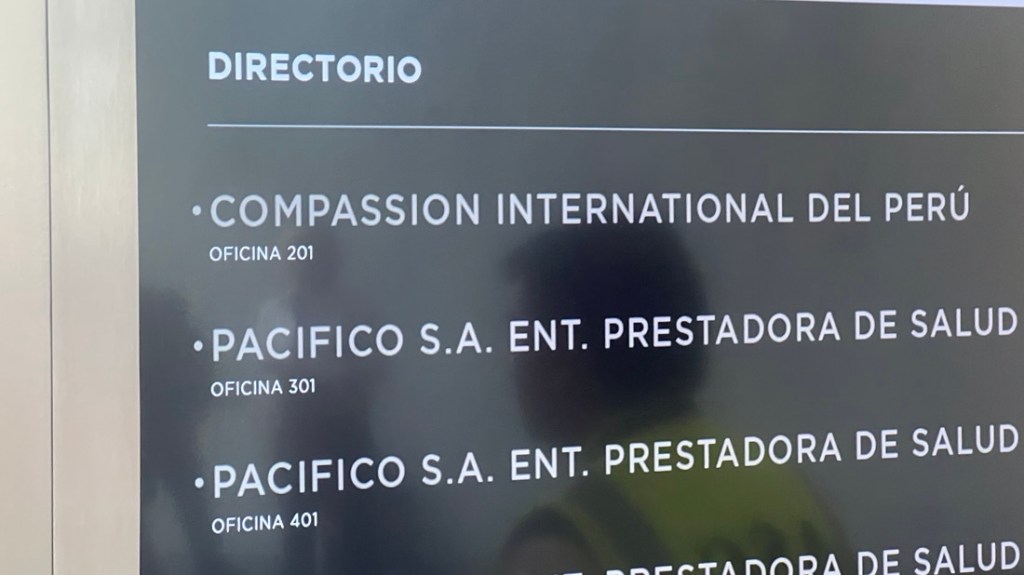
This is when it started to get a bit surreal. The traveling through Lima traffic was already taking me back to my time in Schlumberger when I visited our operations in cities like Monterrey in Mexico, Quito in Ecuador, or even Shanghai in China. The office brought back so many more memories! It seemed so similar with the conference room, offices for HR, Finance, and IT, and talking about people in the field, and many employees in this office were often in the field.
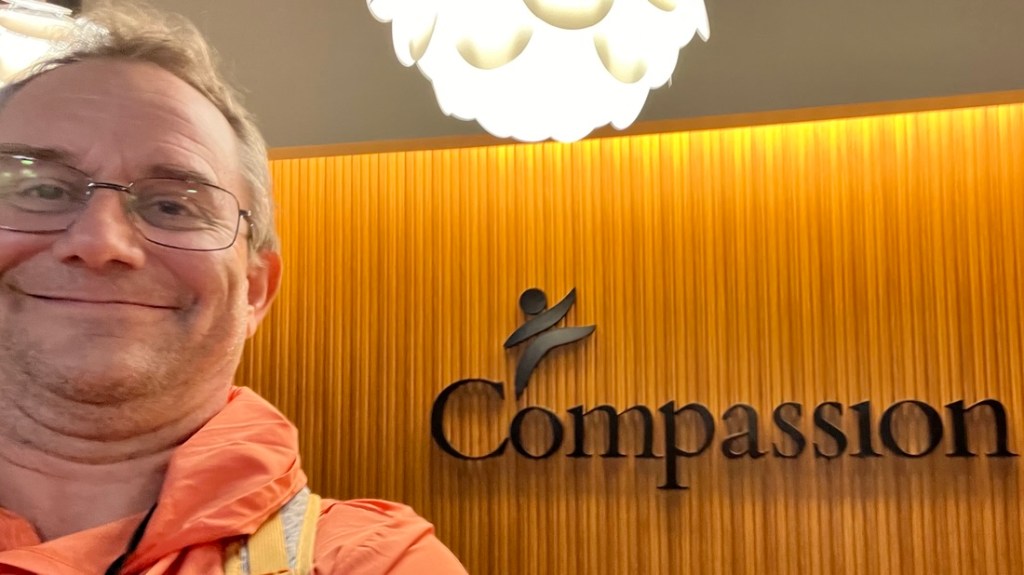
Local employees Adela and Jeremias gave us a very informative presentation about Compassion’s strategy in Peru, which Shirley translated as they presented in Spanish.
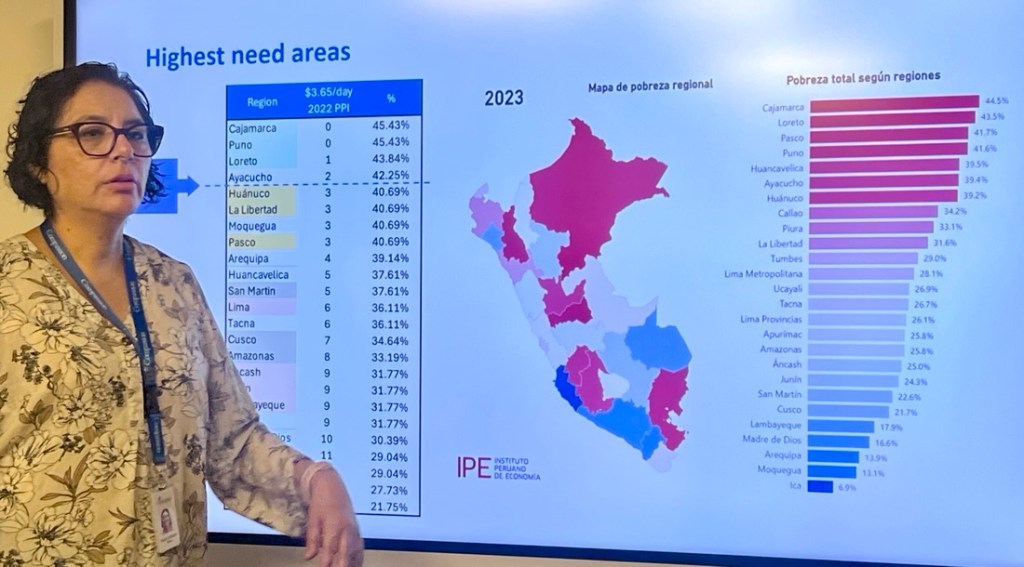
What was immediately impressive was how strategic their focus was, driven by an immense amount of data. I felt like I was in a Schlumberger business presentation! Except this analysis was about the areas of greatest poverty. Compassion knows that their programs are most effective in the poorest areas. In Peru, there are 3.5 million kids living in extreme poverty.
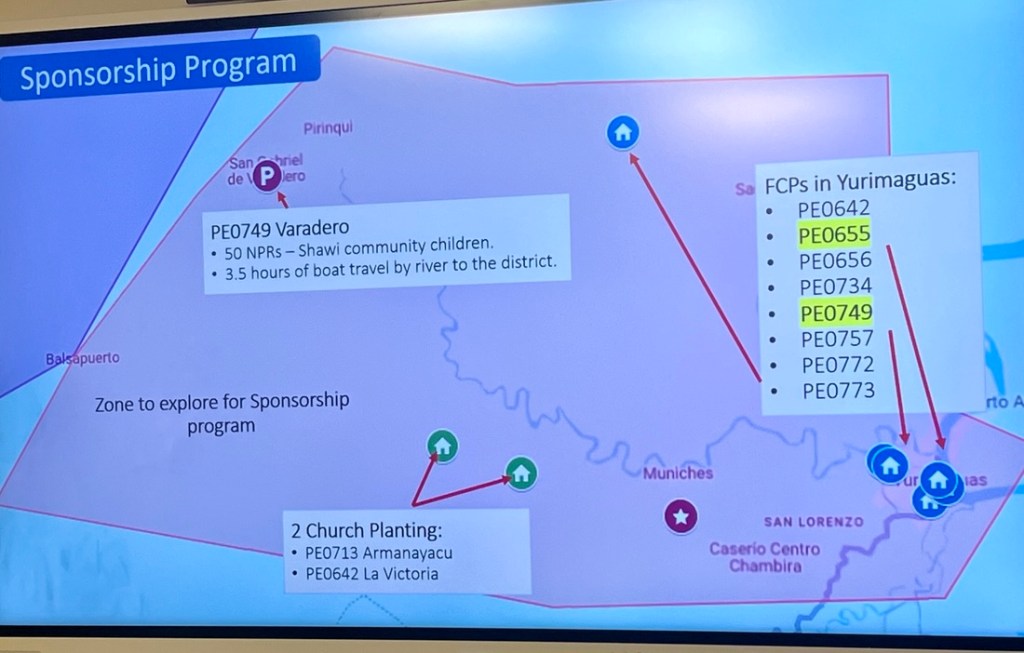
Jeremias explained the current project with the Shawi indigenous people living in the Amazon. The remote rainforest community was 3.5 hours by boat, up river, from a town that was 3 hours drive from an airport. The first priority was not to change the village’s culture. The village leader had invited Compassion to come and work with the village’s children alongside a local evangelical church. There were about 50 children that would benefit from the program. Compassion aims to remove obstacles and provide opportunities. Priorities include clean water, food, opportunities to study, and spiritual needs around Jesus. Only the Bible’s New Testament has been translated into Shawi. Work continues on translating the Old Testament and Compassion’s materials. This was the frontier mission work that I have recently been relearning in a Perspectives class.
The discussions triggered many thoughts. The remoteness made me think of the Peace Child, a brilliant book and 26-minute movie about frontier missionaries in Papua. It also made me think of the Lost City of Z, and the explorations of Amazonia by Colonel Percy Fawcett, which I’d researched with a friend at London’s Royal Geographic Society.
It was becoming clear that Compassion is so much more than one-on-one child sponsorship. While they work through Frontline Church Partners, there are sometimes the need for a school or progress can’t be made. That took me back to 1990, to the little mountain town of Manacal in NE Venezuela. I was with a small expedition doing botanical research, and we stayed in a small school that had been built by the government with the support of the national beer company. However, there were no teachers, so the school was just an unused building with an outhouse. Holistic approaches are needed for the problems, I was starting to see that this was Compassion’s approach.
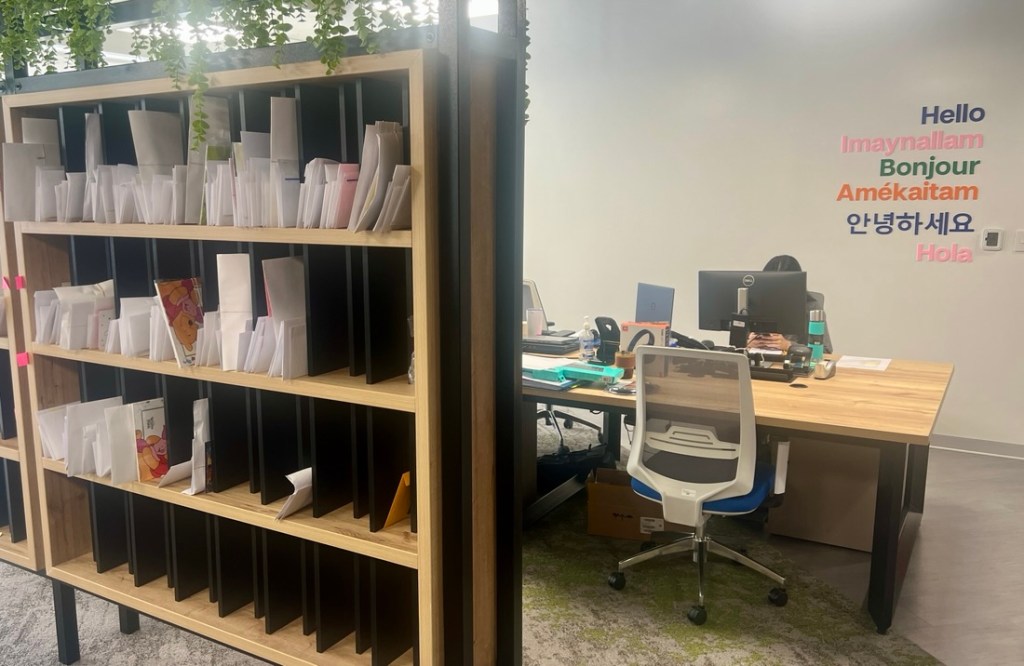
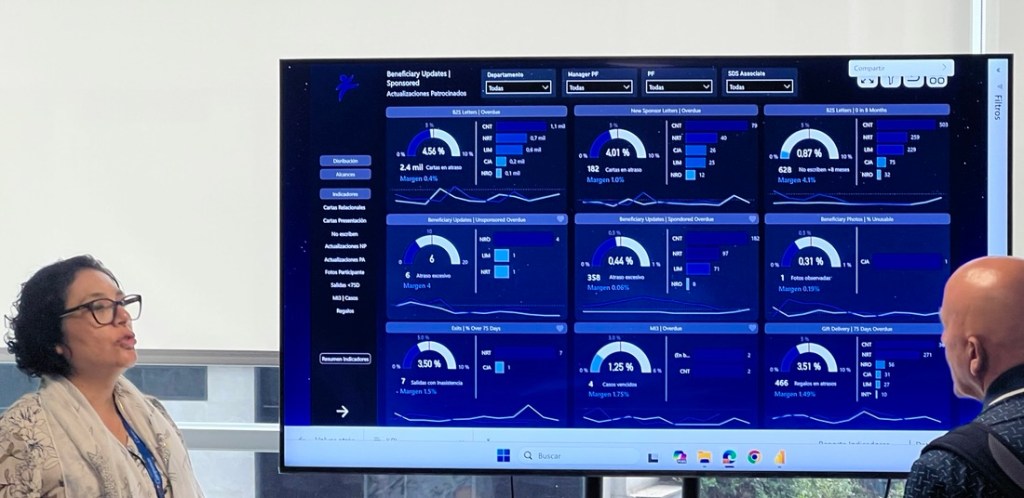
We visited the area where letters were processed. A large screen showed Key Performance Indicators, and the team are known as the Monitoring Evaluation Research and Learning, or MERL team. I continued to be impressed with the data and analytics and could see the organization was keen to grow to the next level.
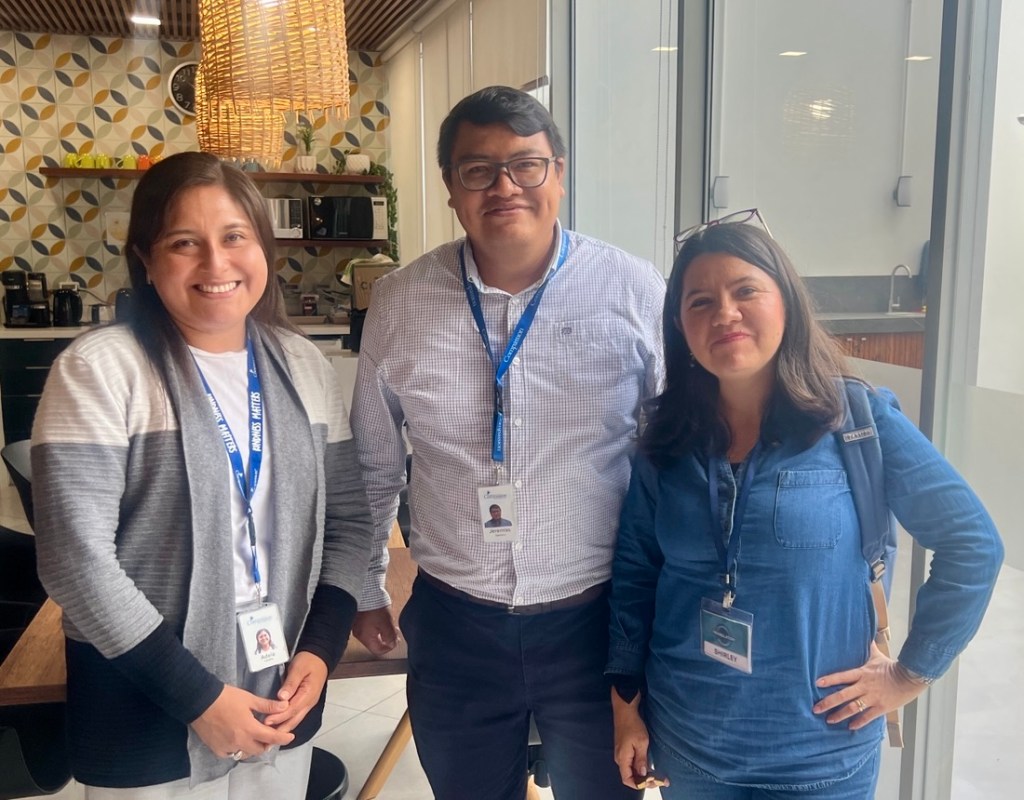
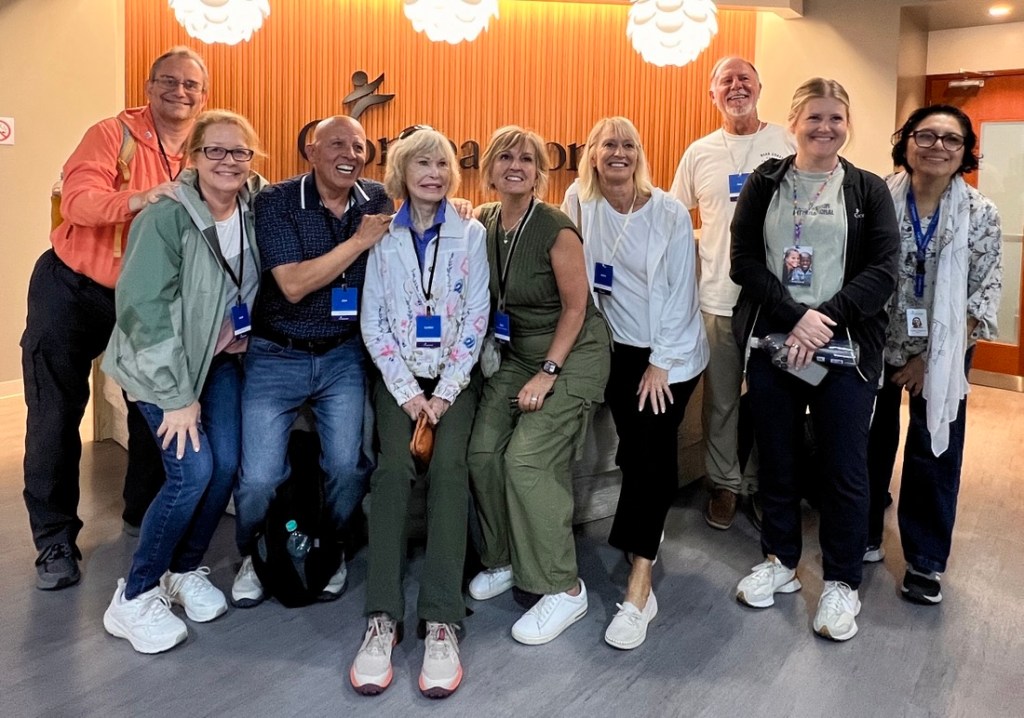
As we were leaving, we took our first all-team photo!
It was about a one hour drive to a Frontline Church Partner in Lima. We had been told in the National Office that this church was graduating from the program as it was no longer an area of highest need. How would that work? Would they not feel abandoned? Instead, I was in awe…
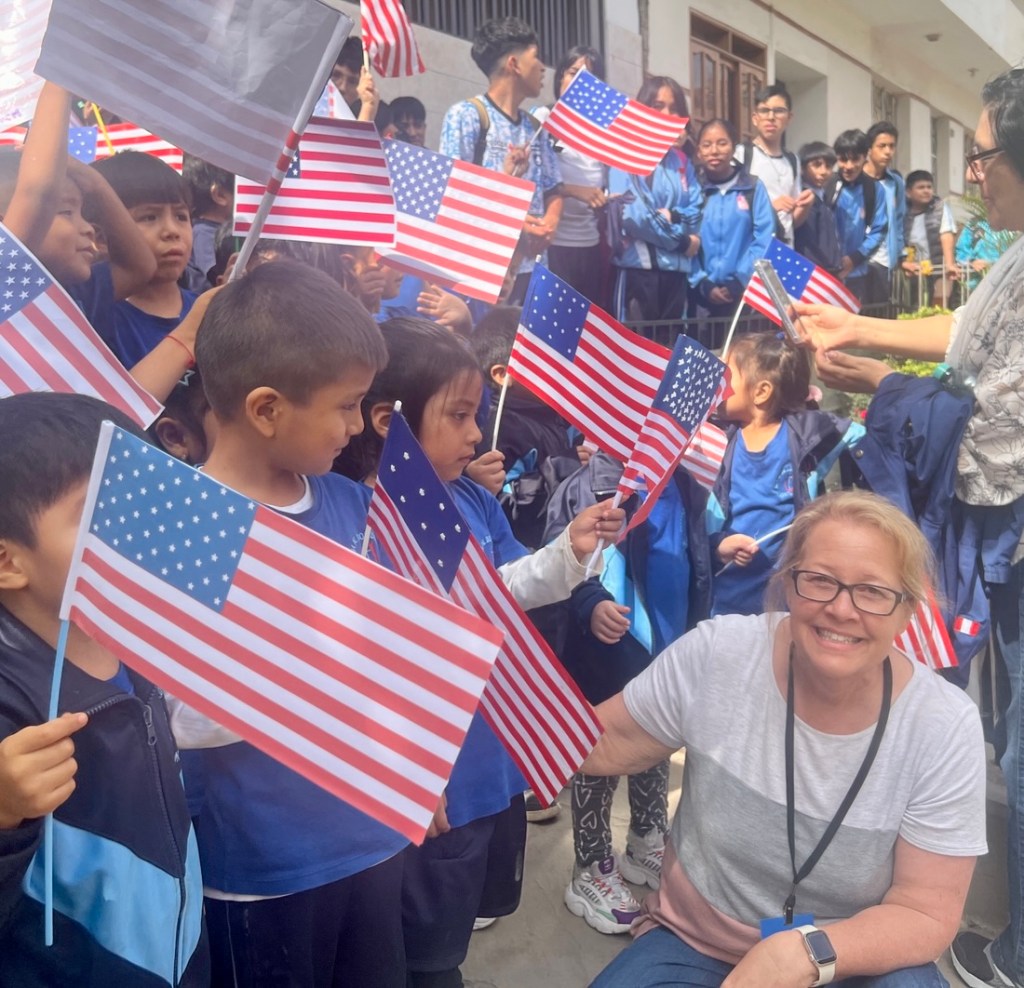
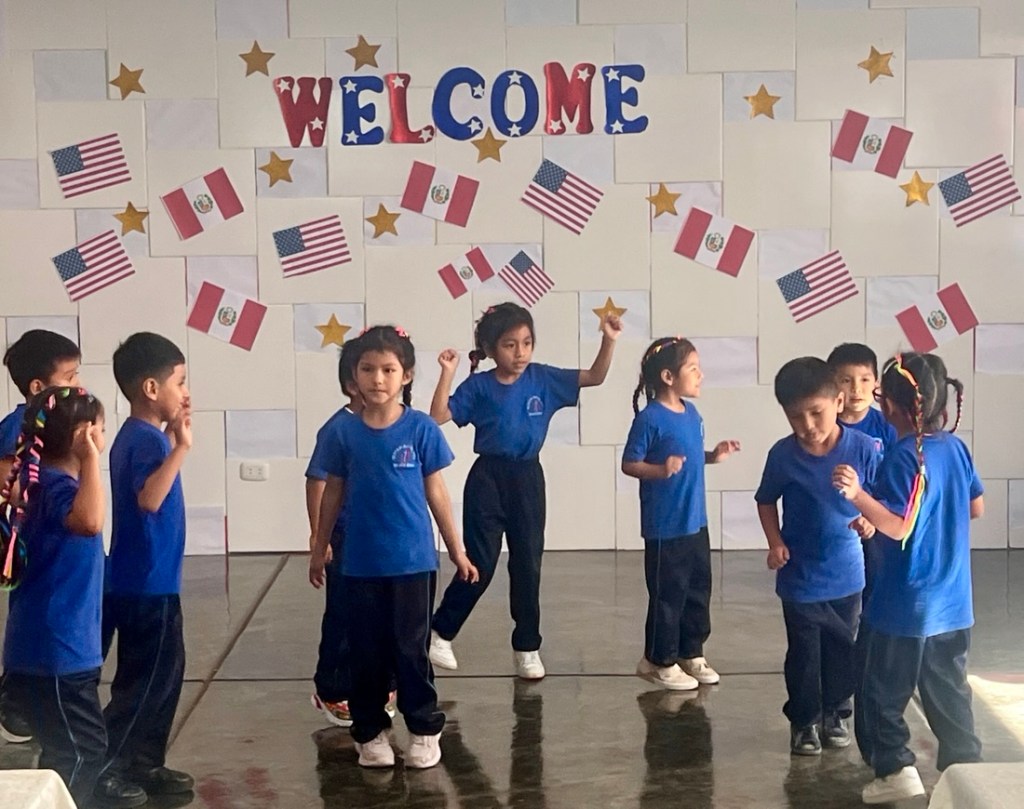
The small kids who greeted us are not part of a Compassion Program. The local church has taken over. Amazing! This had been one of my questions. What is the end game? What is Compassion’s exit strategy? They are building communities around a church that pulls themselves out of poverty and truly thrives. The children they develop become the next generation of frontier missionaries who go further into the jungle and the unreached people groups, or disciple their community, or become very productive members of their society. Several of the Compassion staff that we met had graduated from the program.
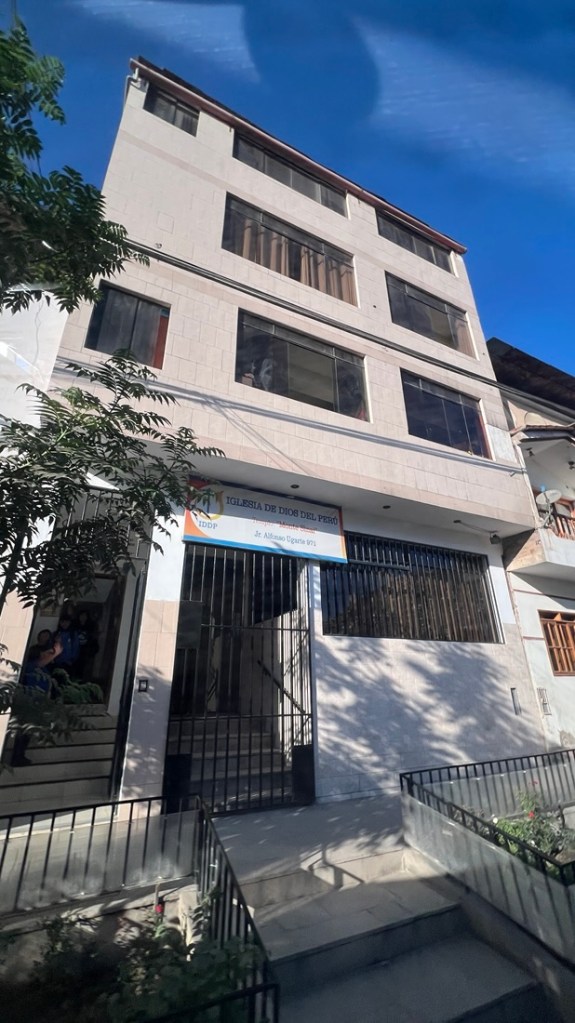
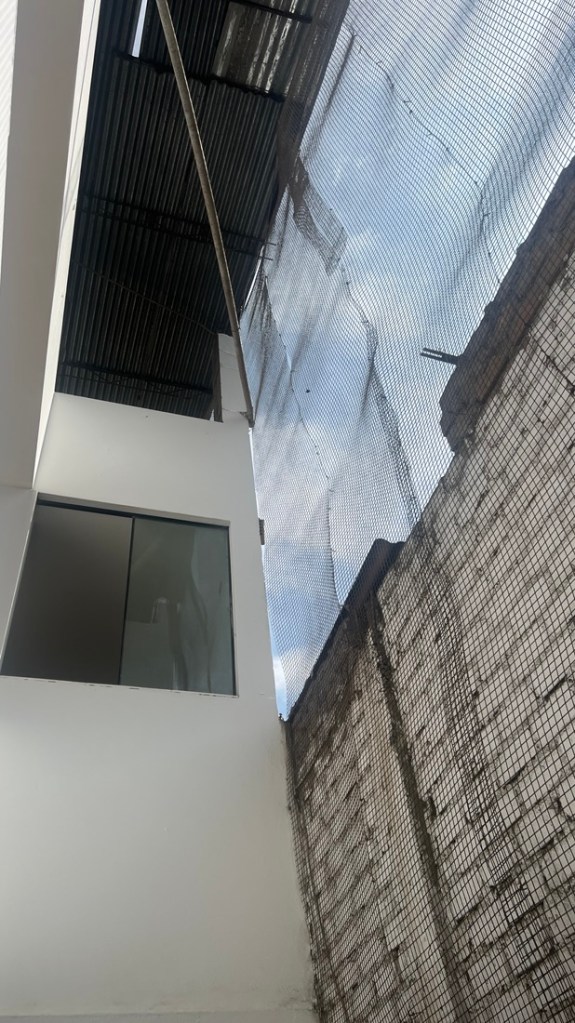
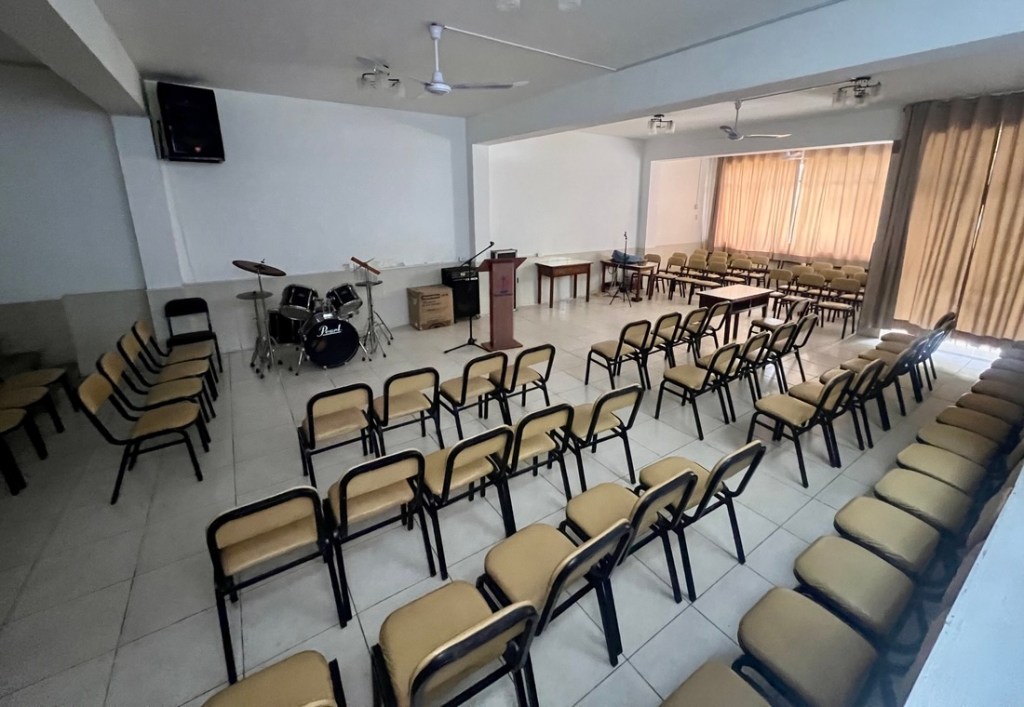
The church had slowly grown since 1968. It grew by adding floors to its building. Many building in Lima remained unfinished to minimize taxes paid for finished buildings
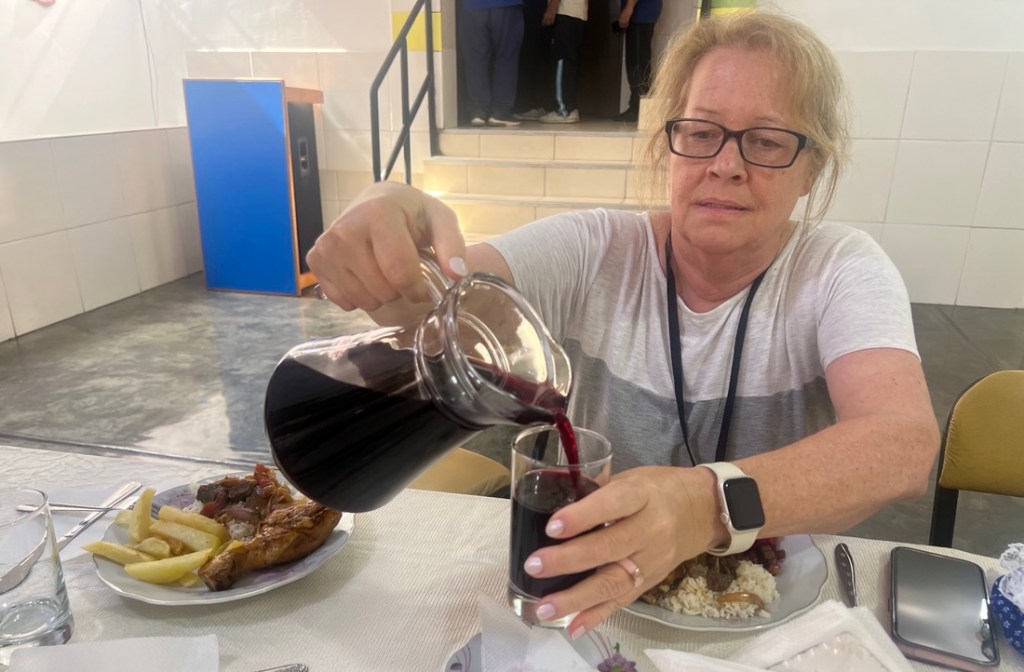
We enjoyed a yummy lunch of chicken and rice that the church’s staff served us, with a purple corn drink called chi cha morada.
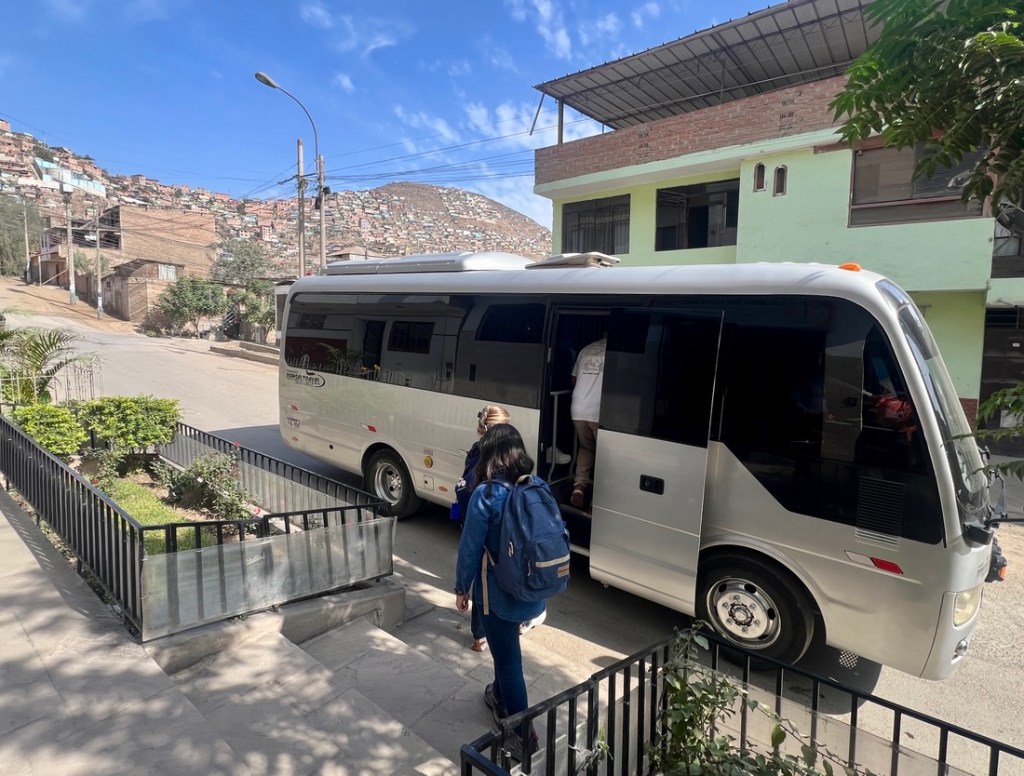
After lunch, we headed out with a couple of the local staff and kids to visit their homes.
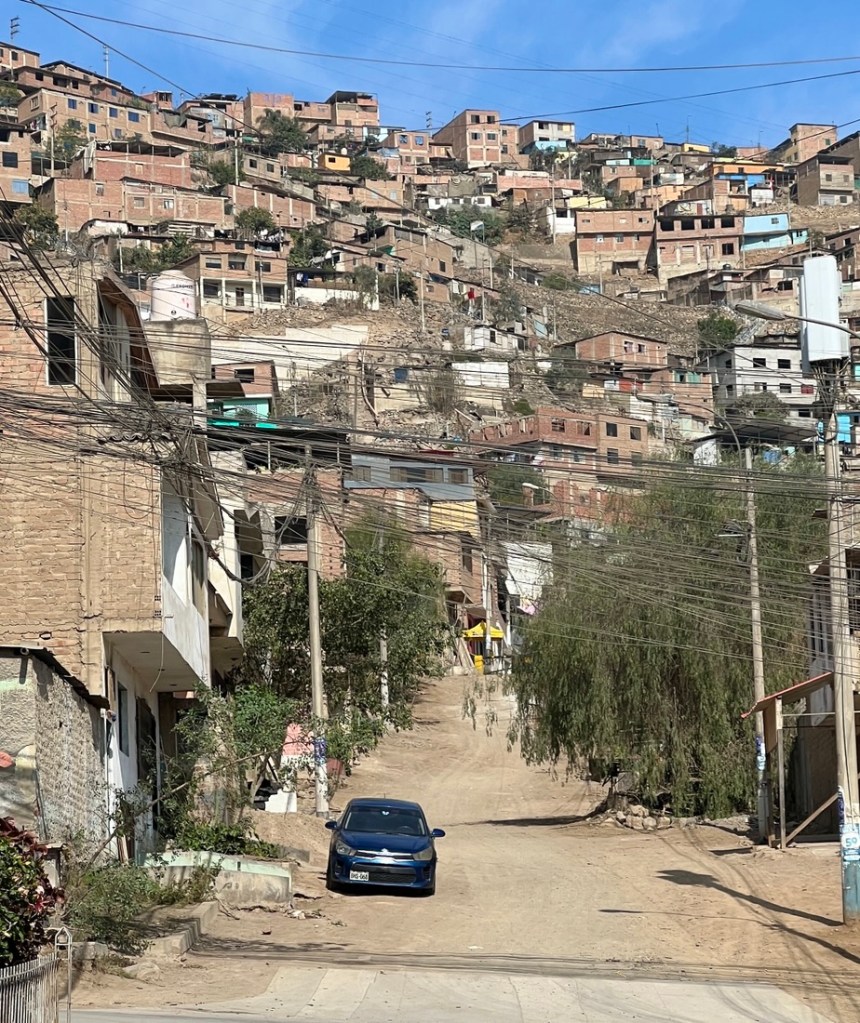
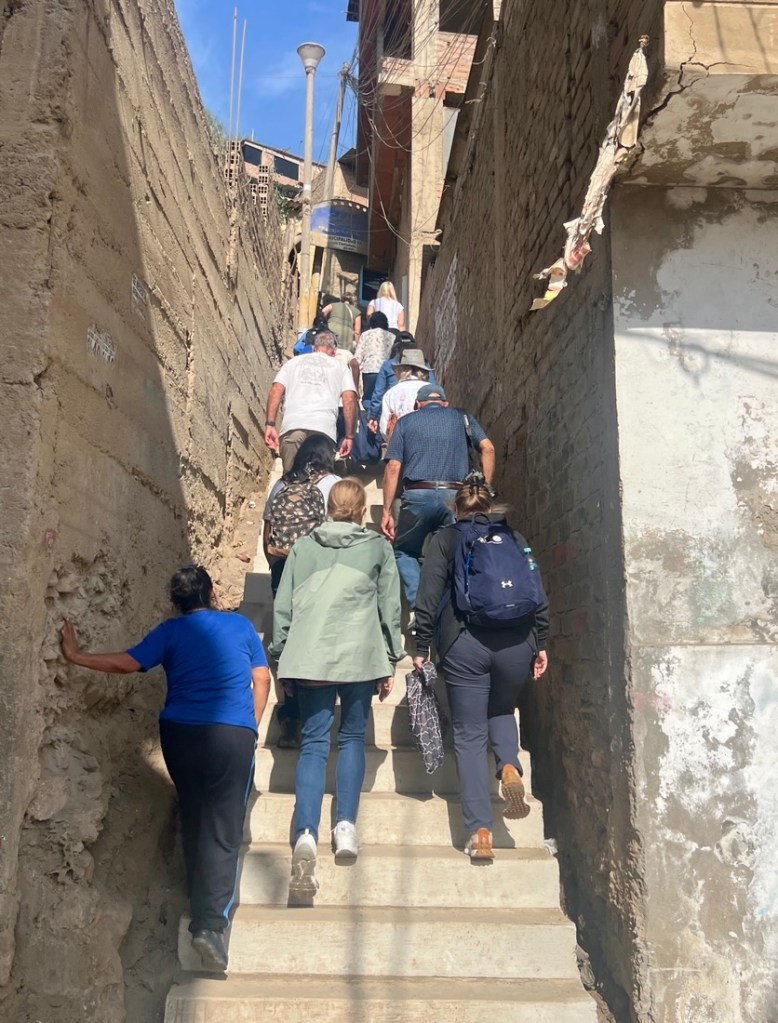
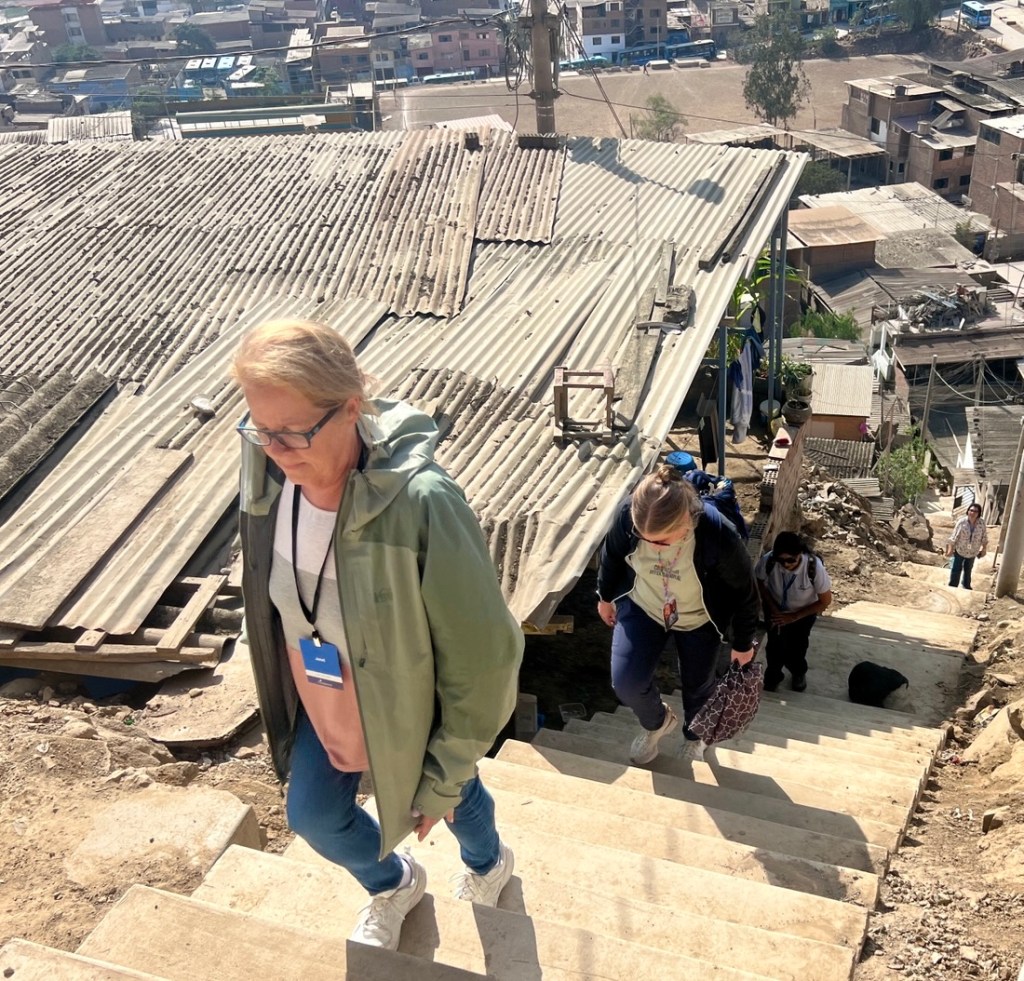
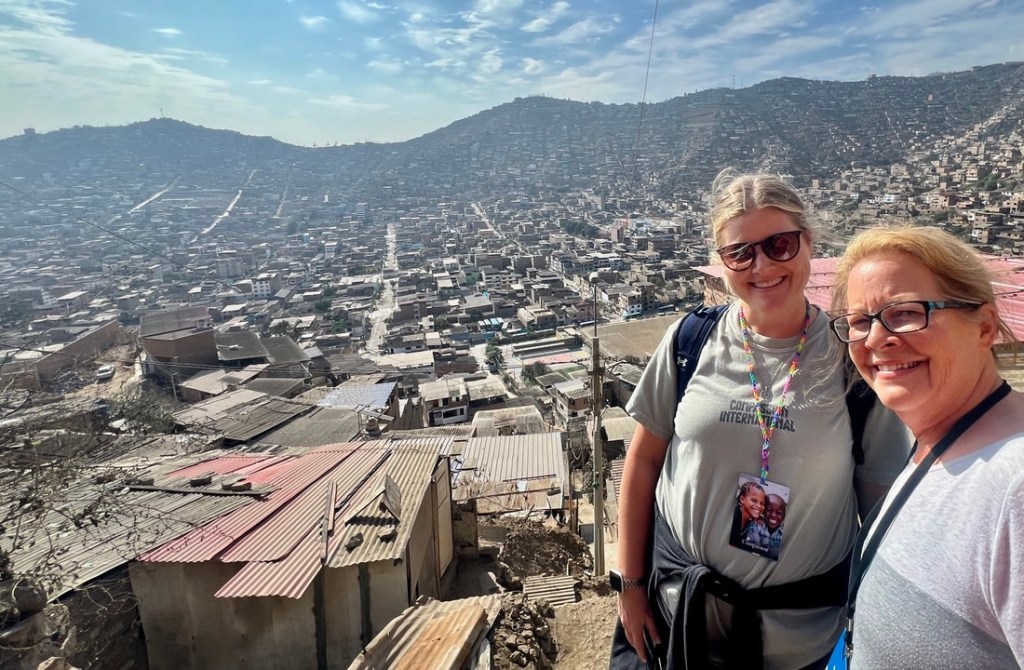
Elias was 13 years old and in the Compassion program. His 11-year-old younger brother had just missed joining when the program stopped enrolling new kids as they started to wind down. Their mother, Eusevia, made some money by selling plucked quail or quail eggs. They lived with their grandmother who was nearly 100. The Dad lived much of the time in another part of the city with their daughter for work. Elias wanted to be a soldier when he grew up. This is quite common as it is a good job and provides education opportunities.
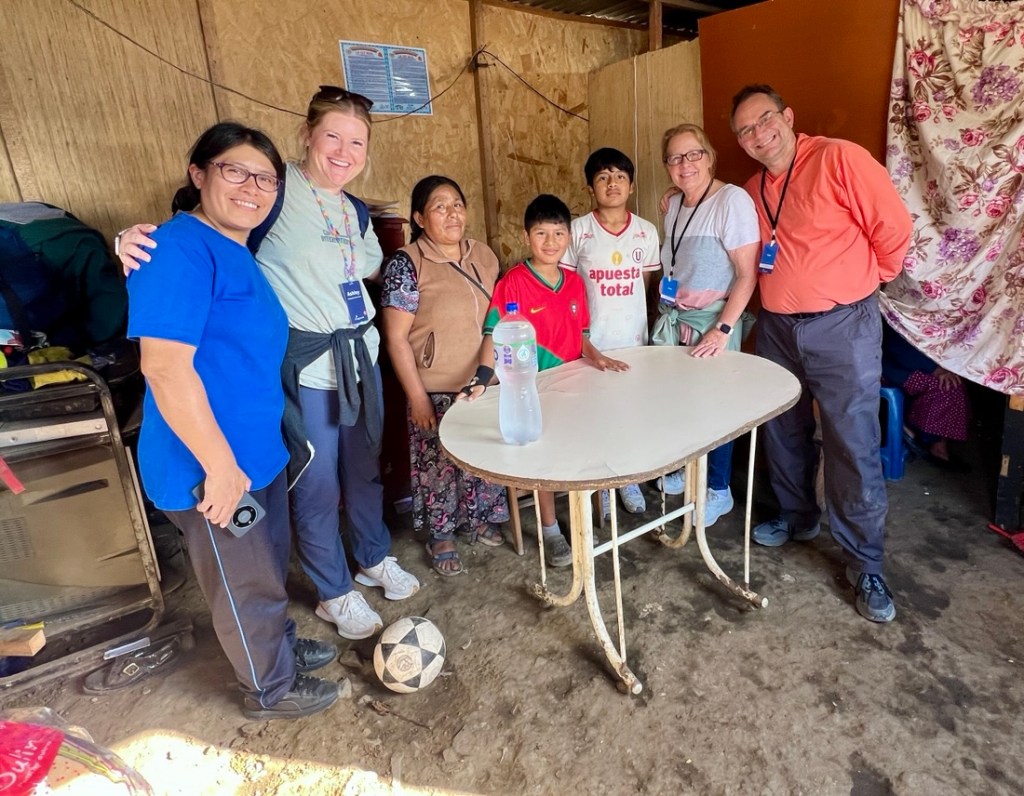
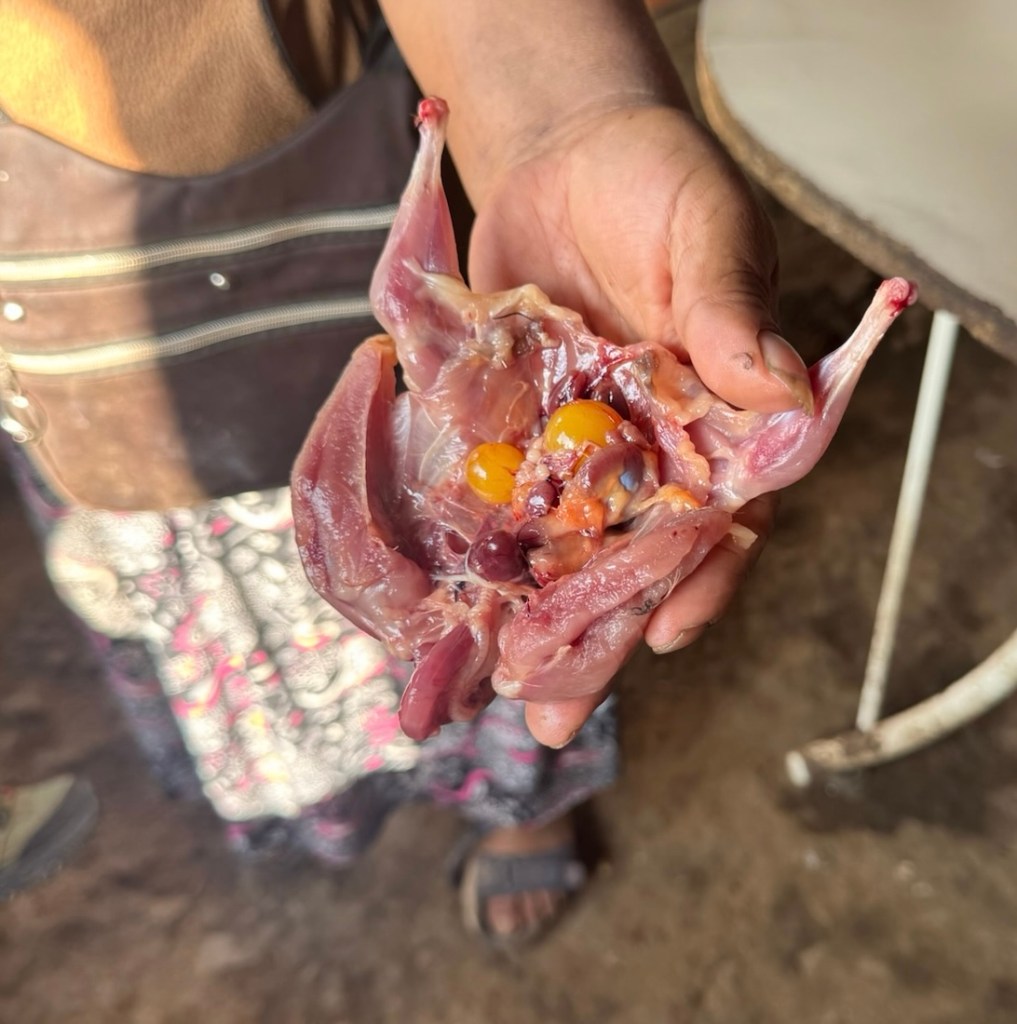
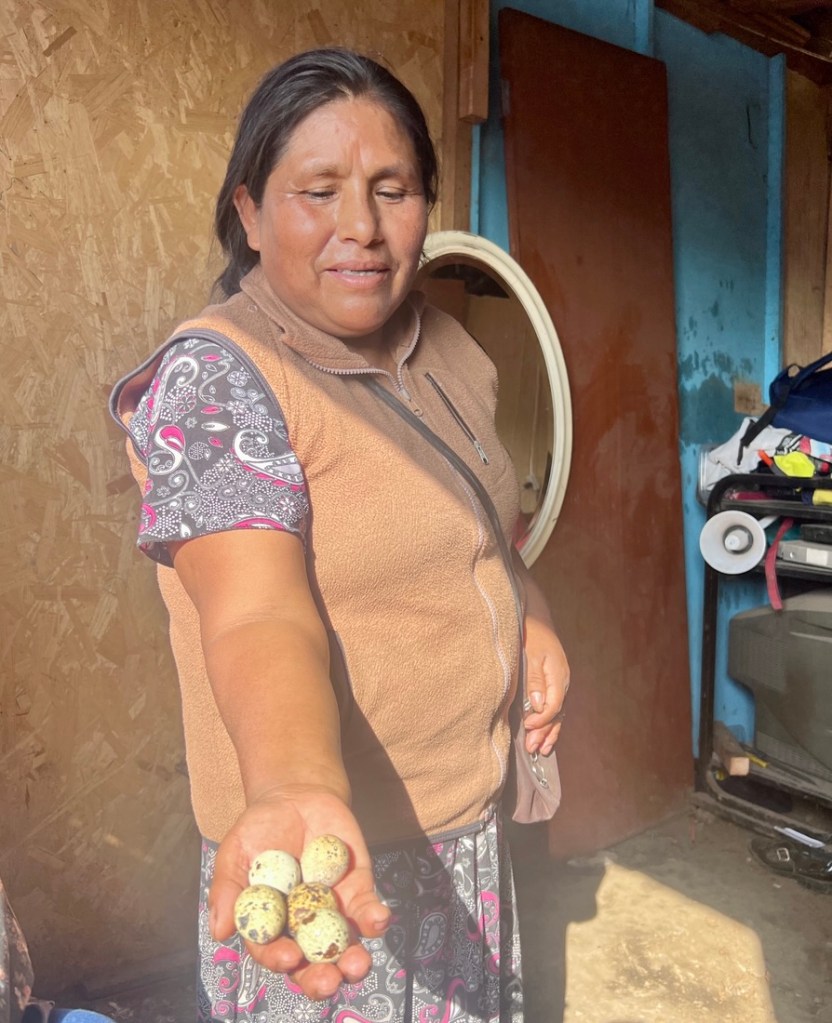
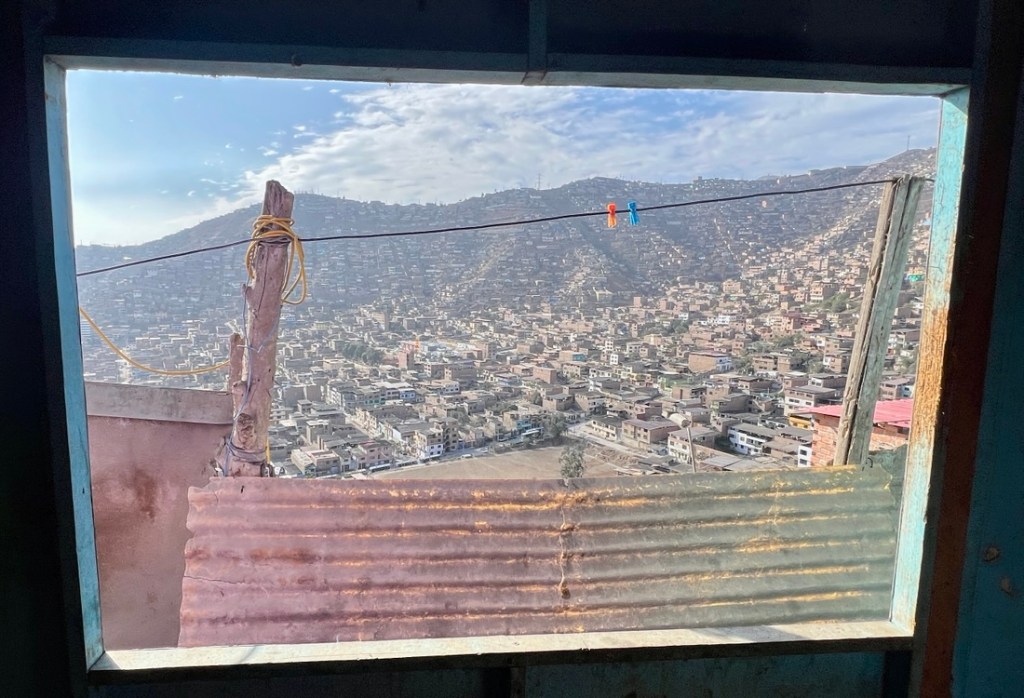
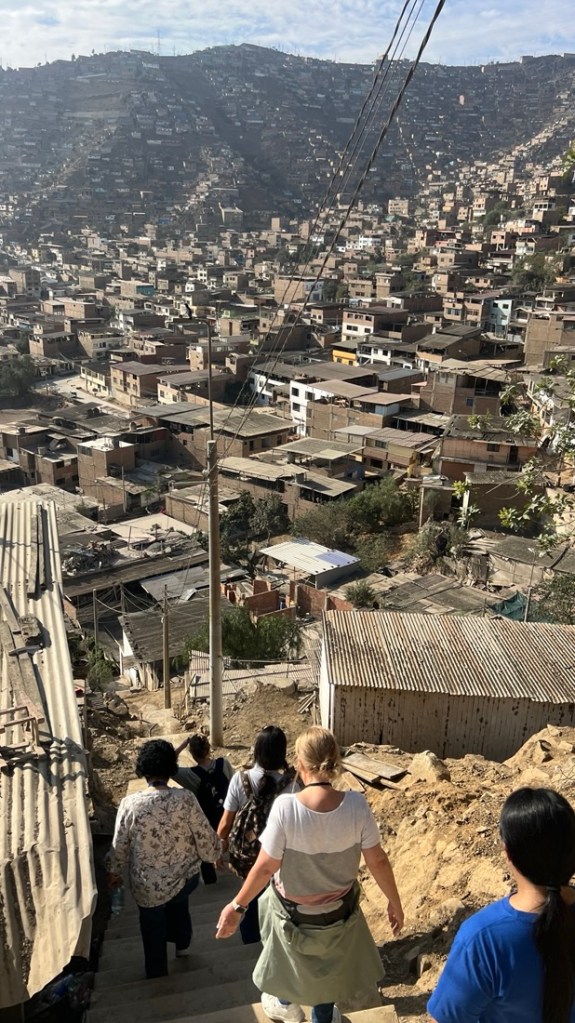
While the family lived in conditions that we would think of as inhabitable, they had a remarkable peace. Chickens ran around inside on the dirt floor. Their dog was more obedient than our’s! There was no running water or sewer, and it would have been a long hard climb up those steps to bring water, and who knows how far it was to the nearest toilet. They were content. They had a lot more resilience and resourcefulness than anyone who lives in our fancy Houston neighborhoods!
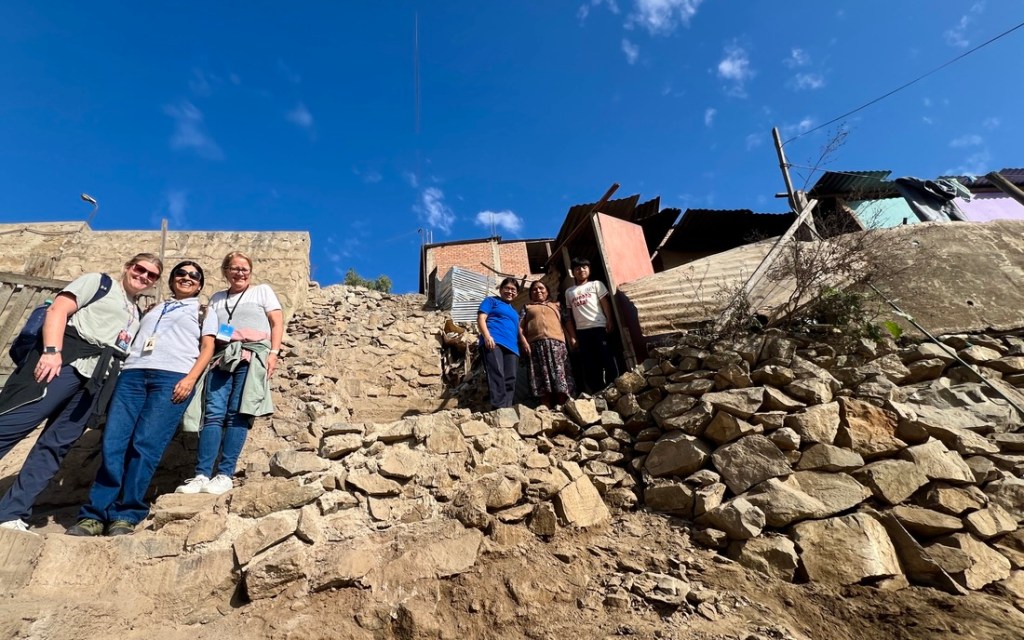
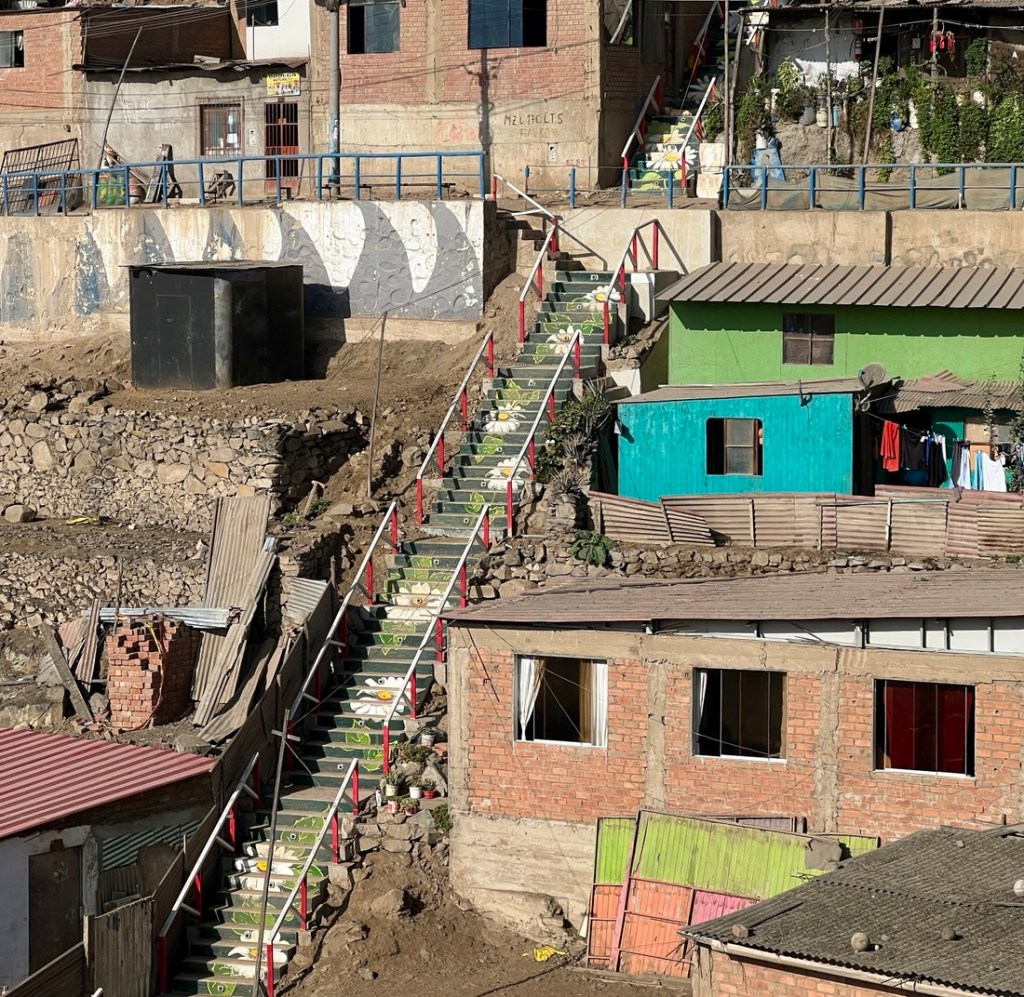
On the way back down, we saw how someone had decorated the steps. Many of the residents fled to Lima from the mountains because of oppression. They paint houses blue and green to remind them of the mountain’s blue skies and trees.
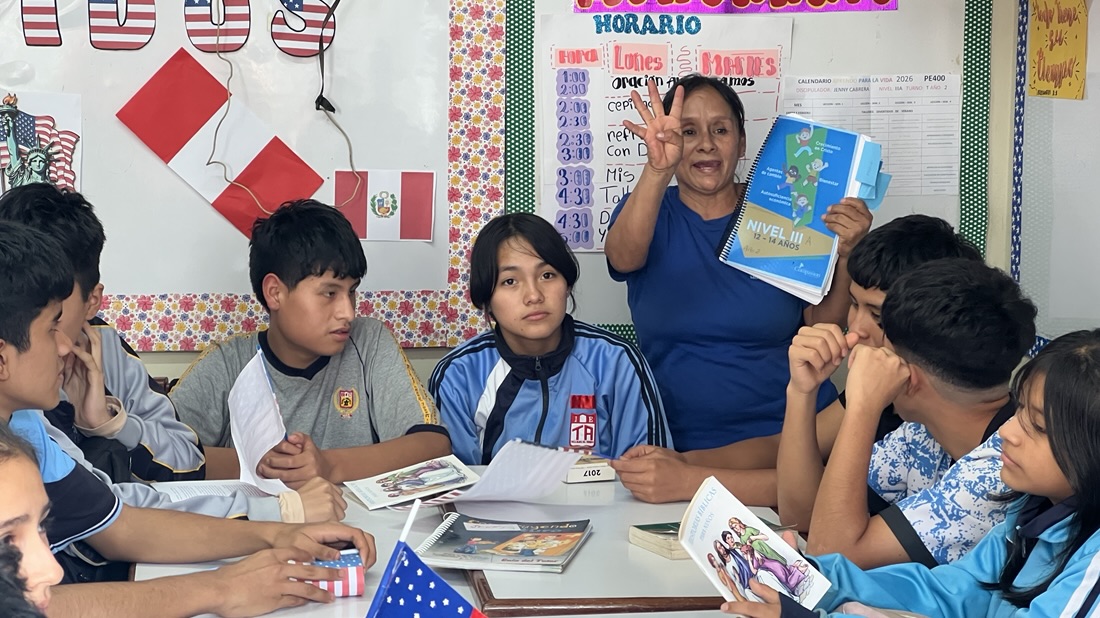
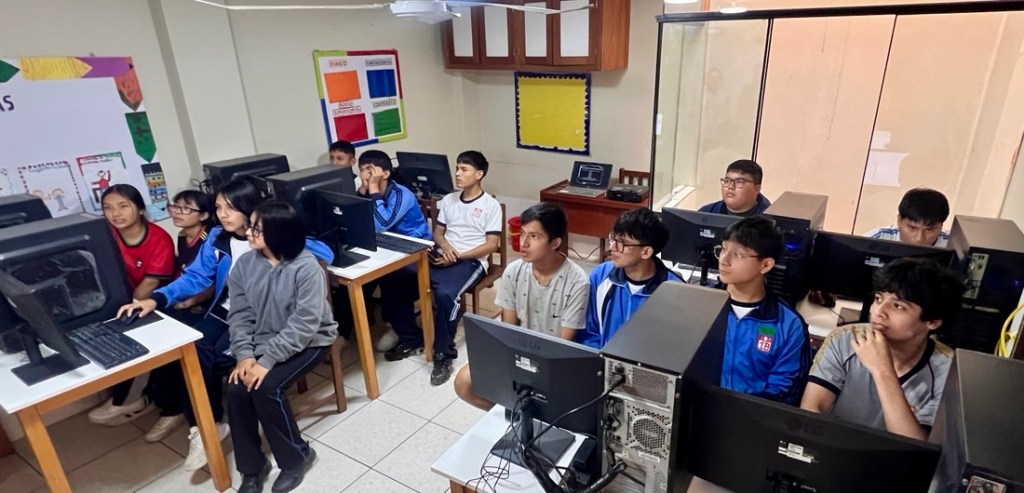
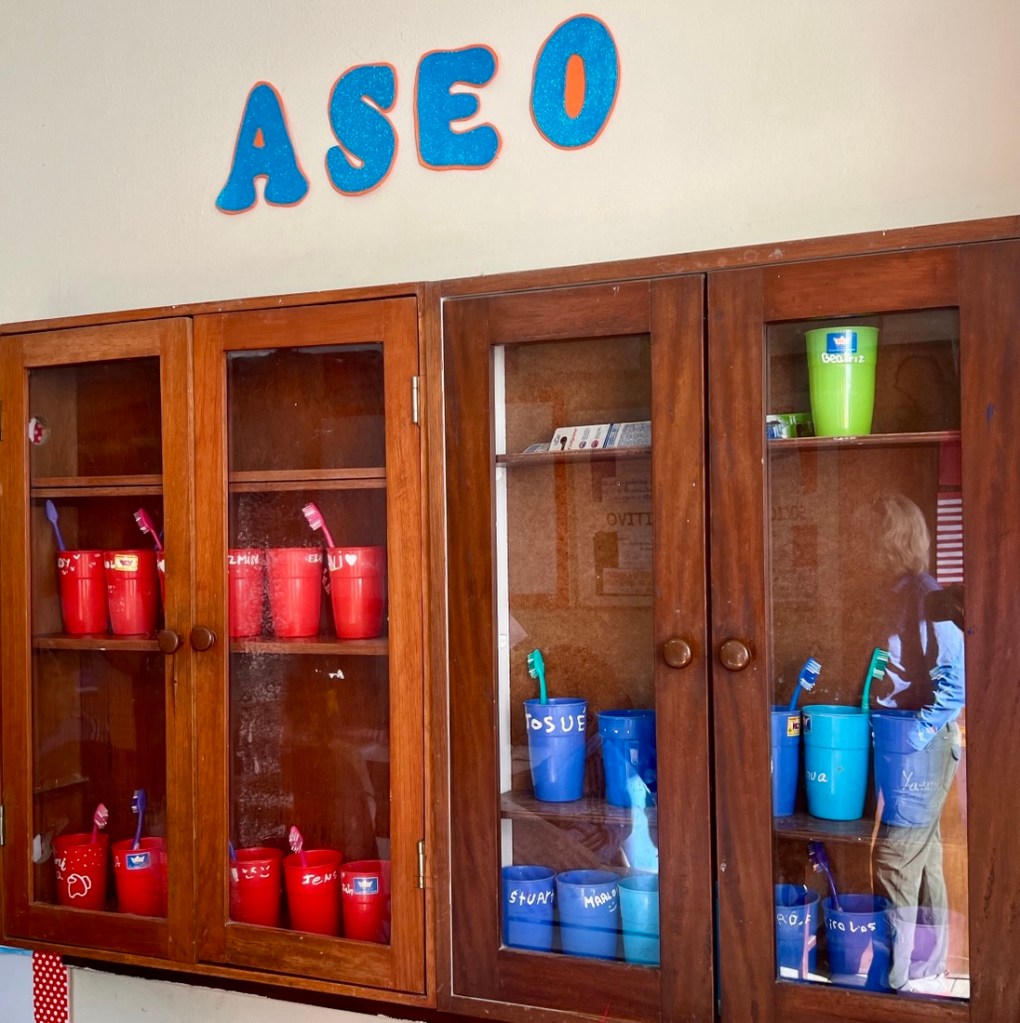
We headed back to the church where many of the Compassion programs were in session. The Compassion classes supplement their schooling under the titles of “Building my Future” and Learning for Life.” It included physical, spiritual, socio-economic, and relationship classes.
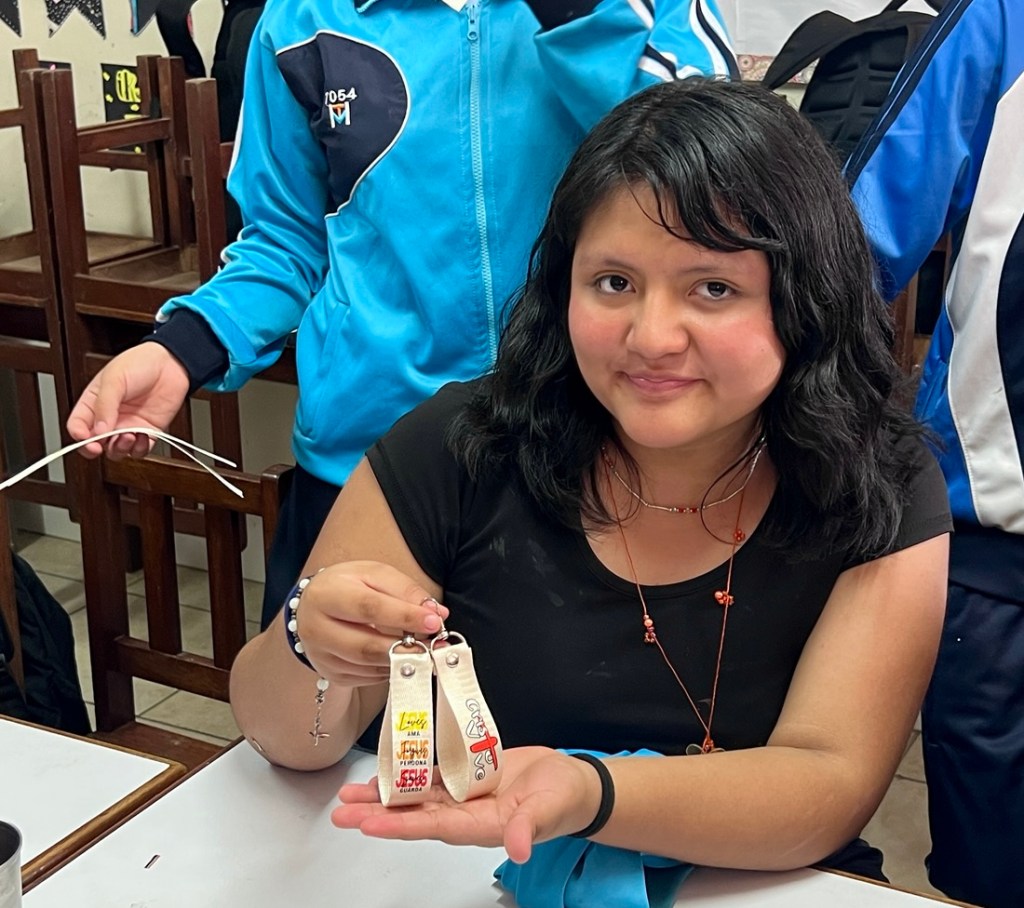
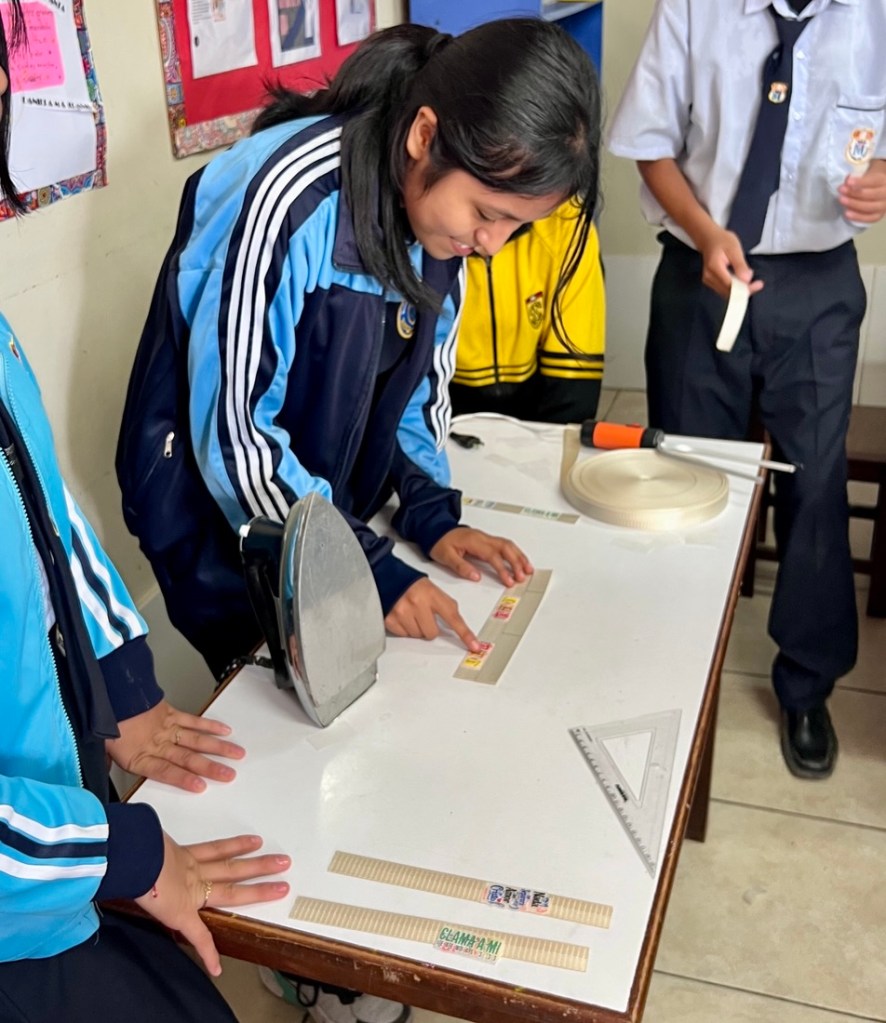
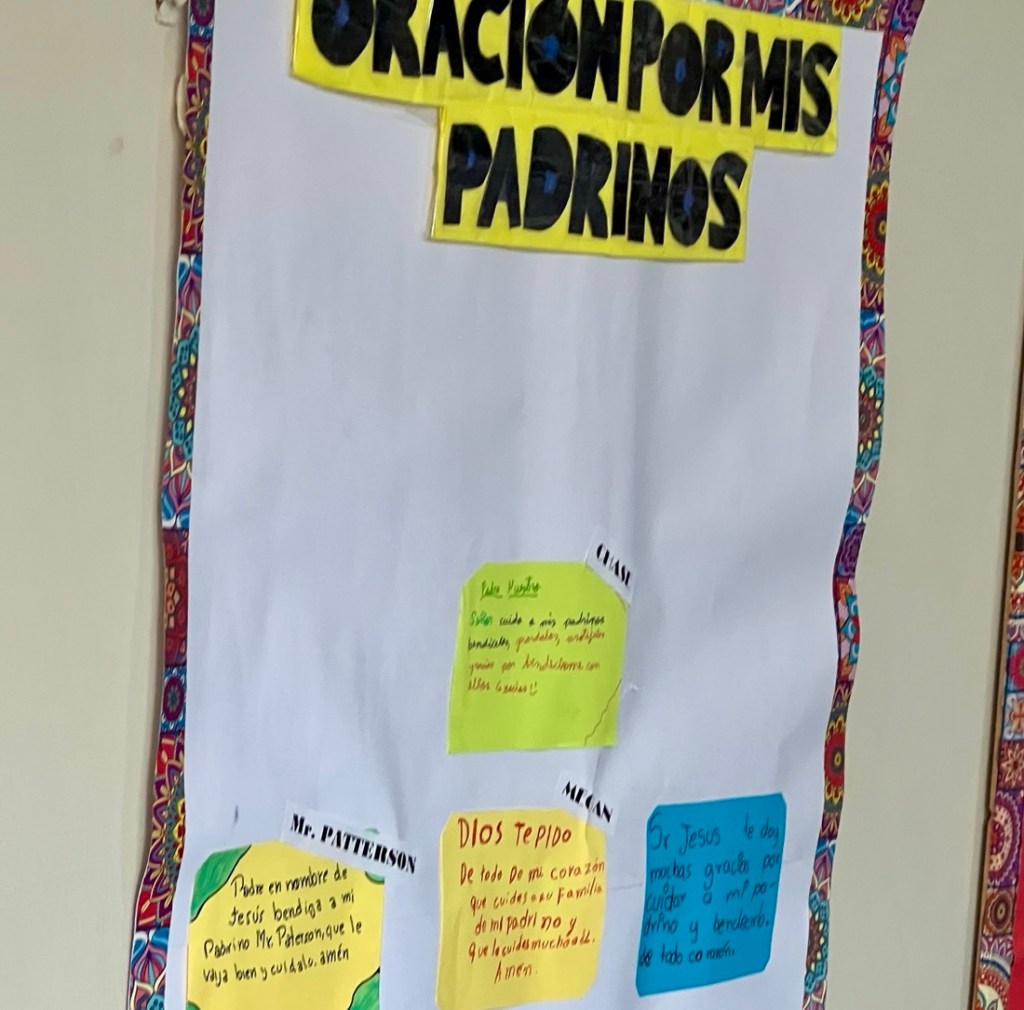
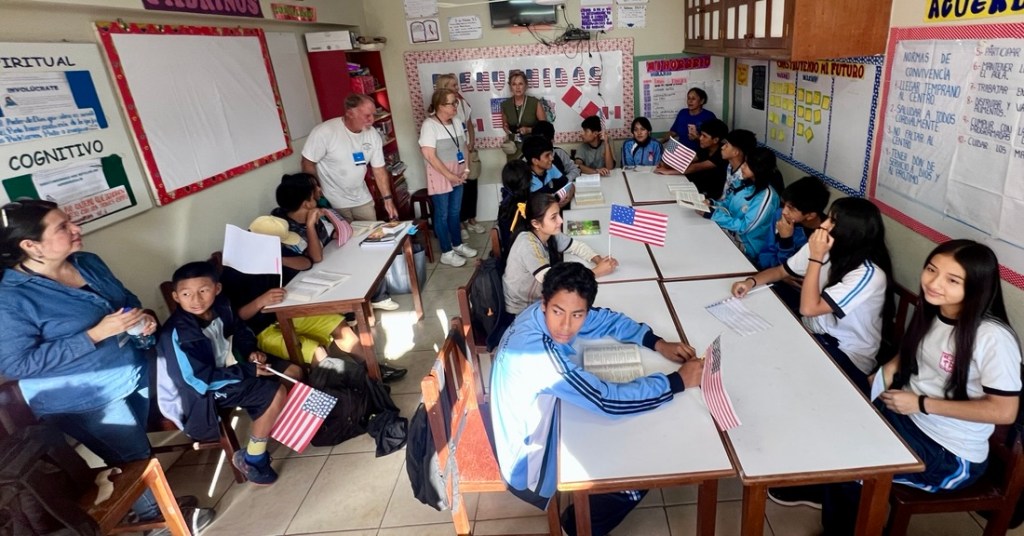
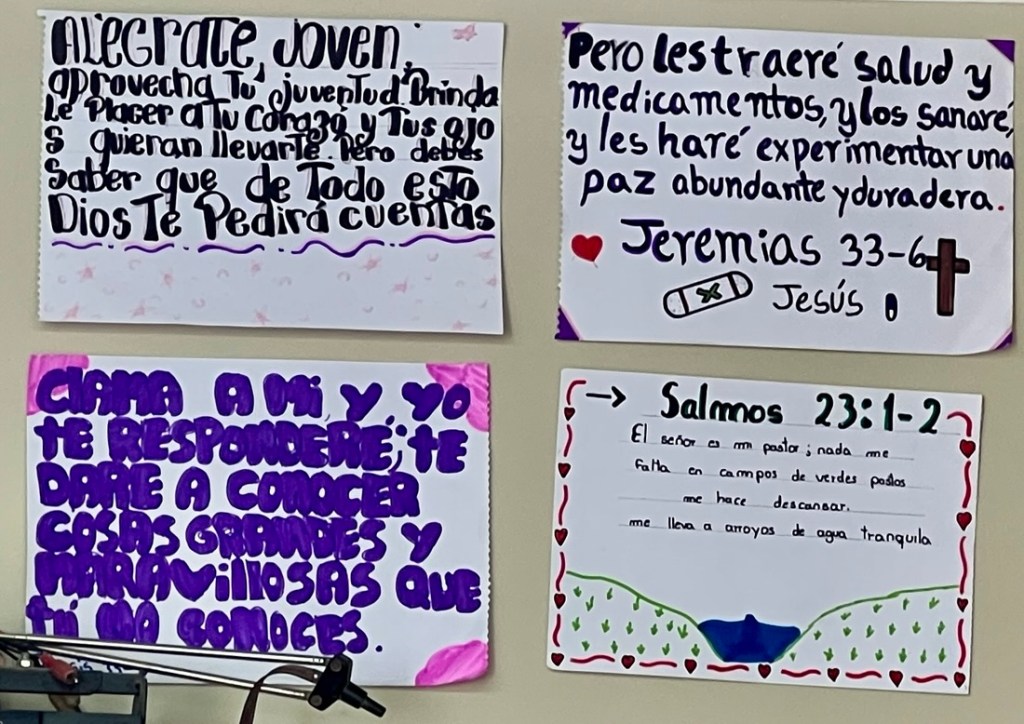
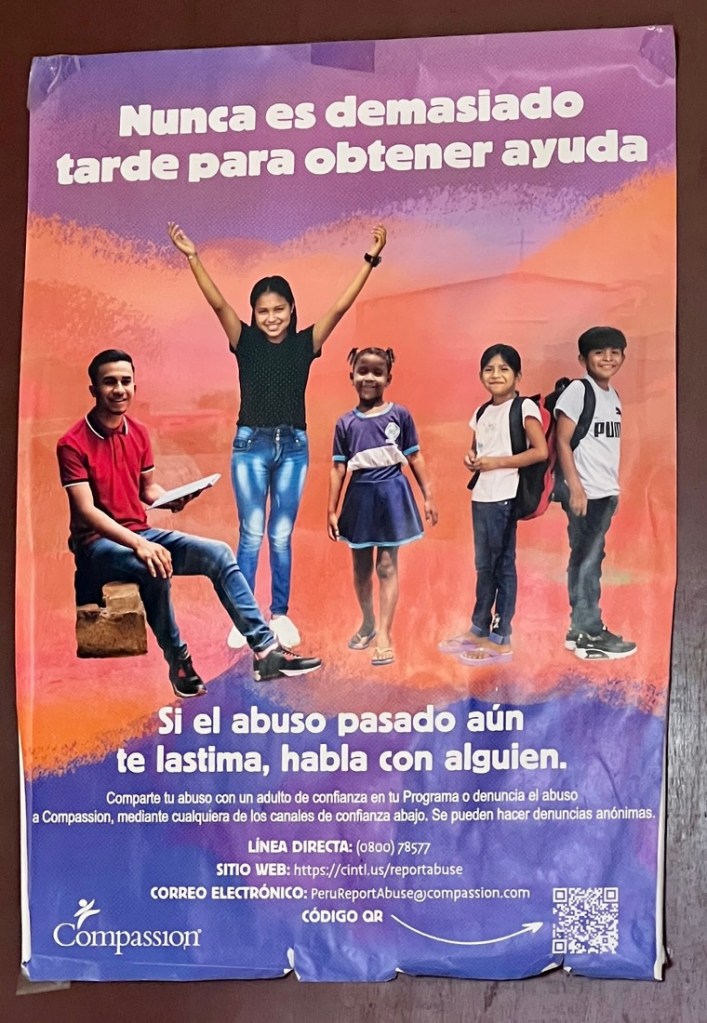
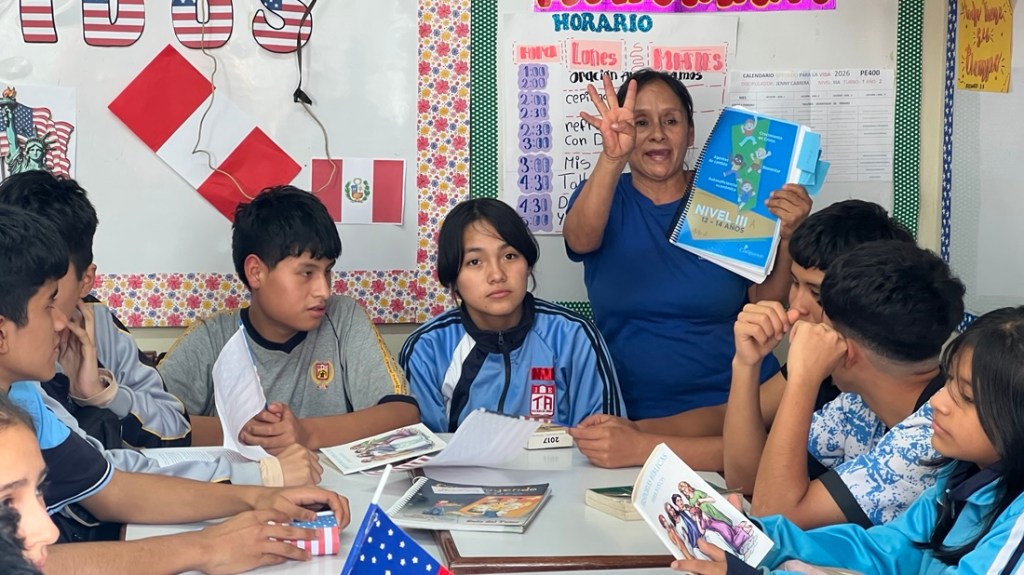
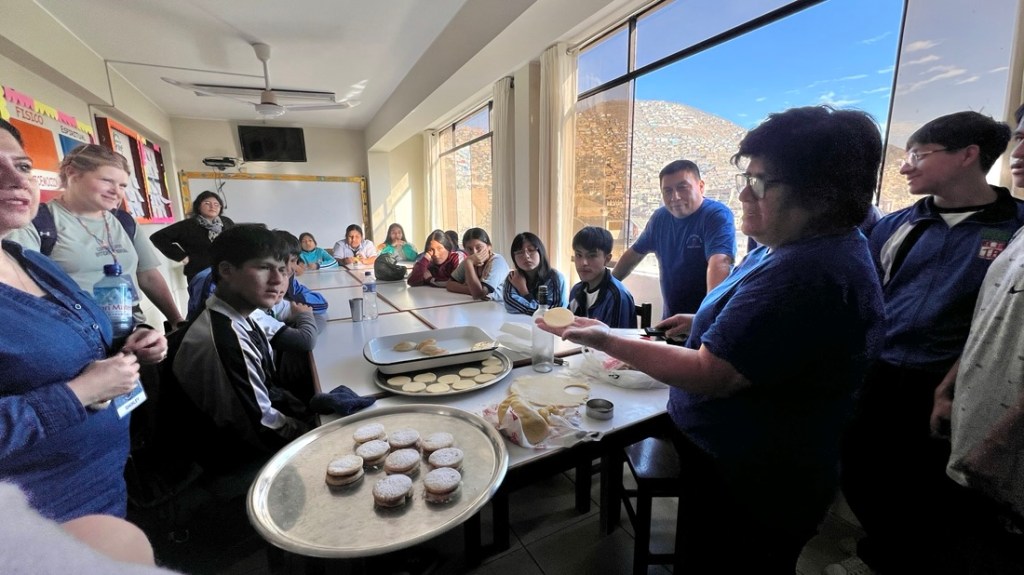
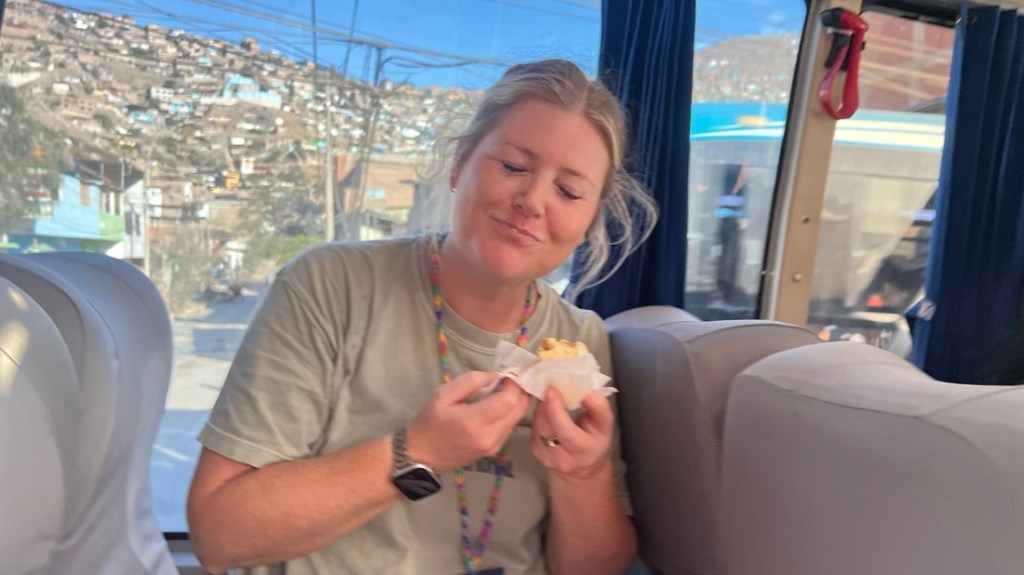

At farewell time, they couldn’t stop hugging us! Their thanks was so heartfelt.
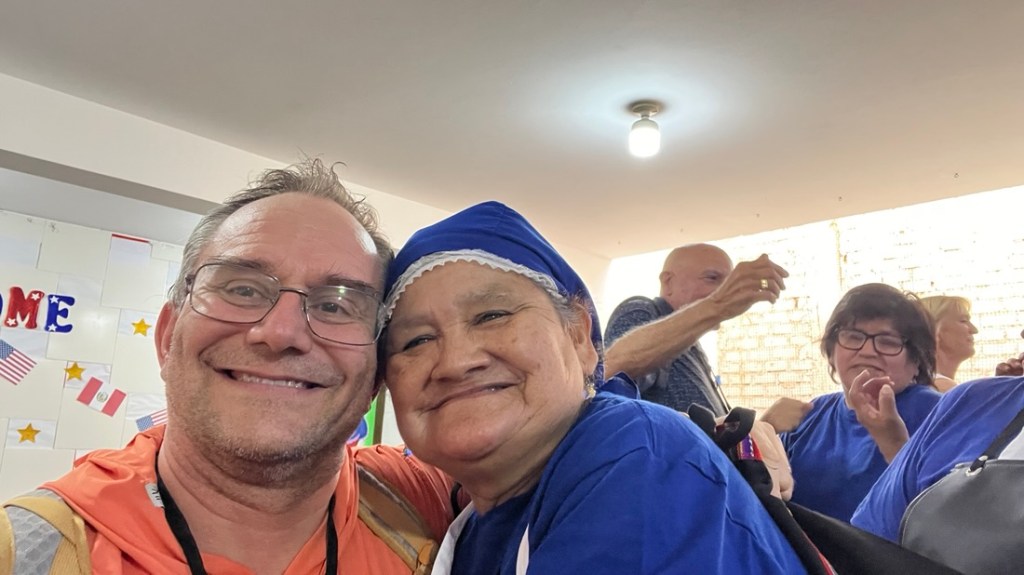
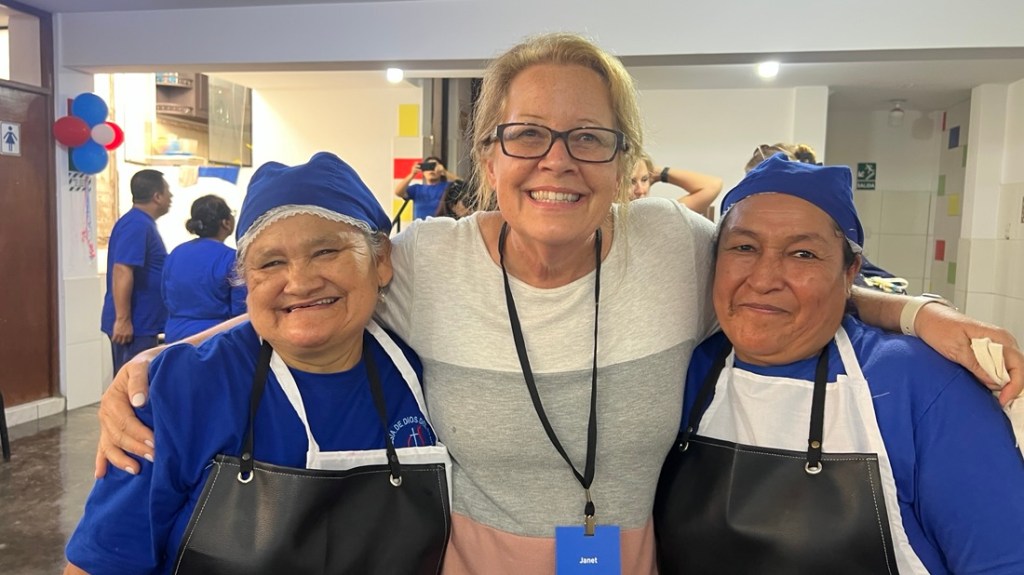
Before visiting Compassion in Peru, I’d wondered whether they were being good stewards of the money we gave via our sponsored child. I had sensed they were. Our first day of five gave me a strong sense that Compassion are responsible and effective in using their resources to fulfill their mission to release children from poverty in Jesus’s name. I had been very impressed that a church had “graduated” and was successfully being phased out of Compassion’s support. The warmth of the family we visited and the staff we interacted with was remarkable.
But the most revealing comment came just before we left. I might have expected requests for more handouts, or thanks for the money with a suggestion that we have so much more. But Compassion are doing something right.
A girl called Rosalia, aged about 19 or 20, toward the end of participating in the program, thanked us by saying, in clear English, “Thank you for your support as it means we can dream.” That is the result of effective investing in the next generation.
That was just day 1. There are many more days of this!
Find our other blogs about this trip on my Peru with Compassion International page.


Sent from my iPad
LikeLiked by 1 person
Y’all had a VERY full day! But the comment from the girl as you were leaving … 🥺😢
LikeLiked by 1 person
Each day is full, and each one has special memories. Day 2’s closing thought was the youth with dreams of becoming doctors and architects – yet the dreams are possible!!
LikeLike