
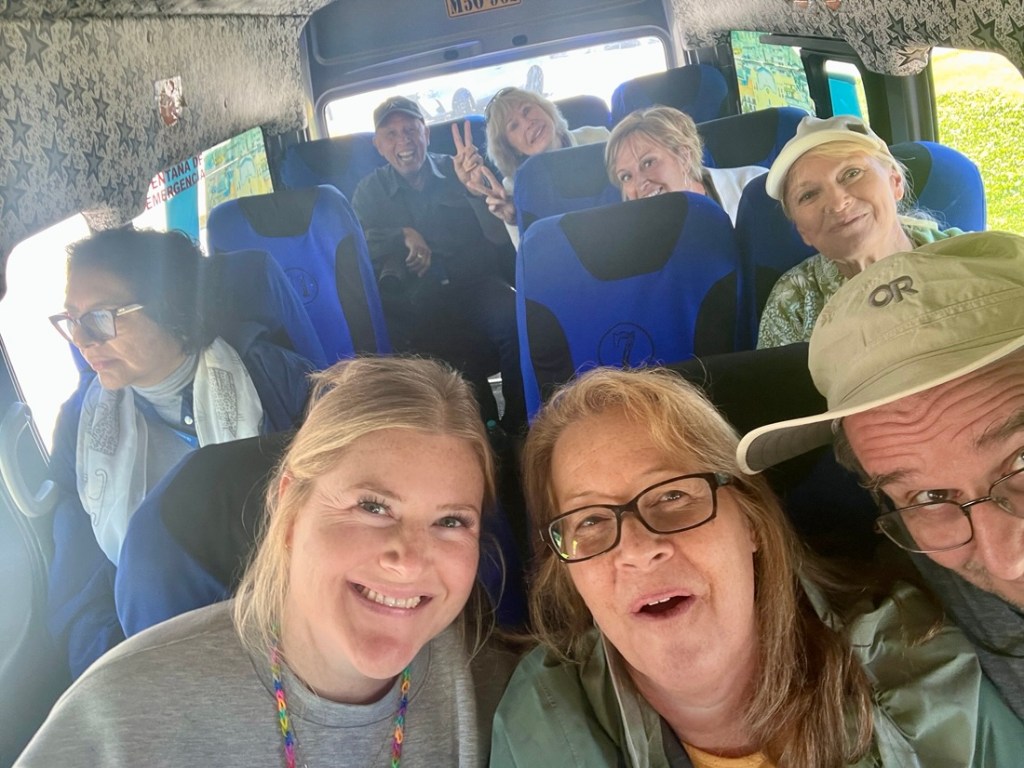
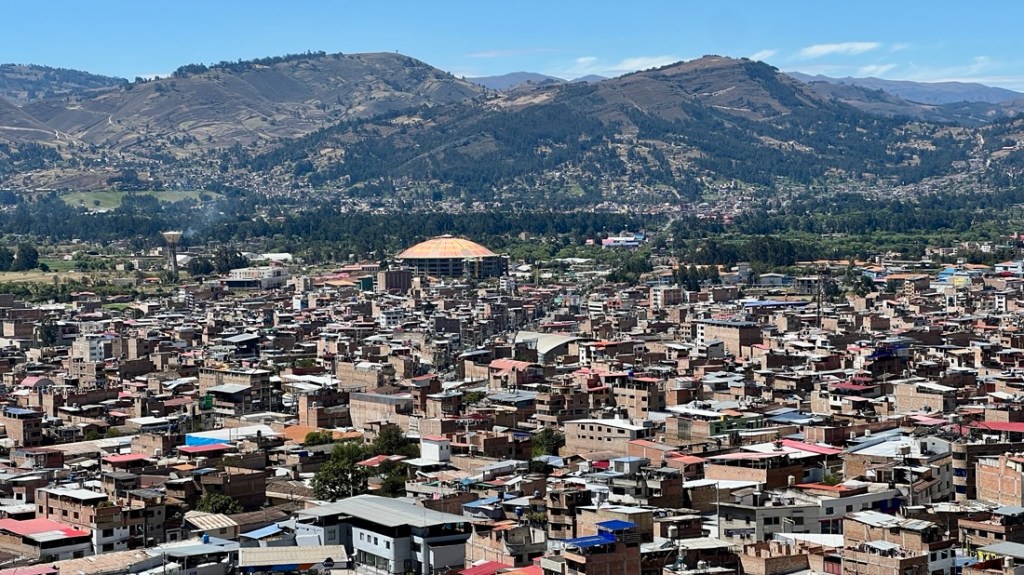
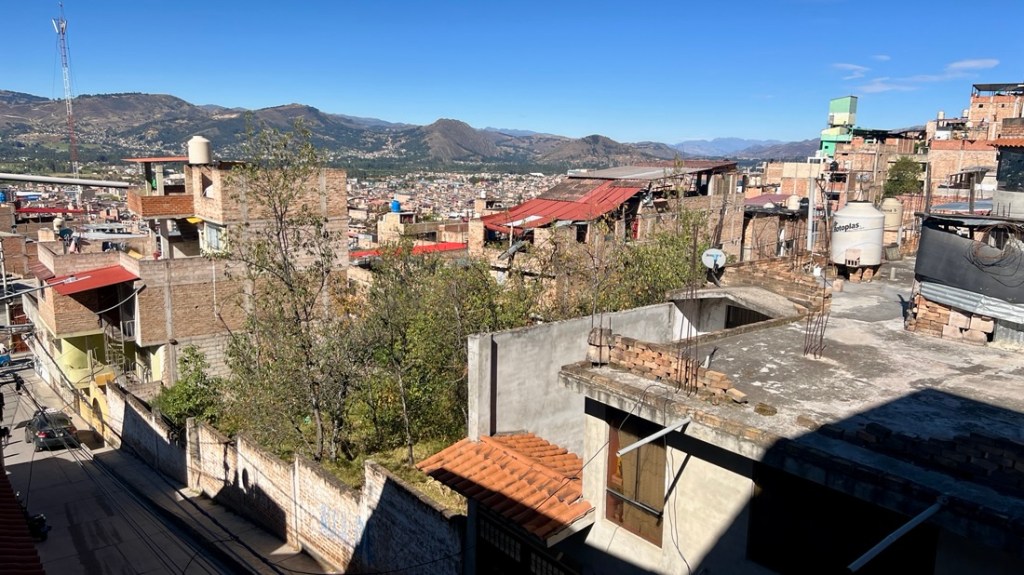
We met at 6:15am to catch our 1.5-hour internal flight from Lima to Cajamarca, and then drive straight to one of Compassion’s church partners in the city. The city is at 8600 ft and we could feel the altitude.
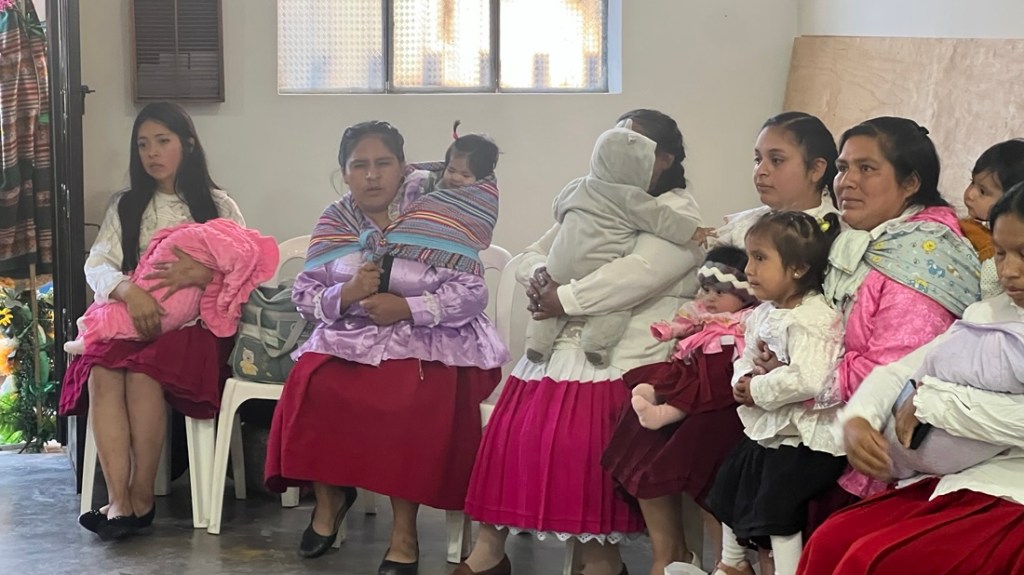
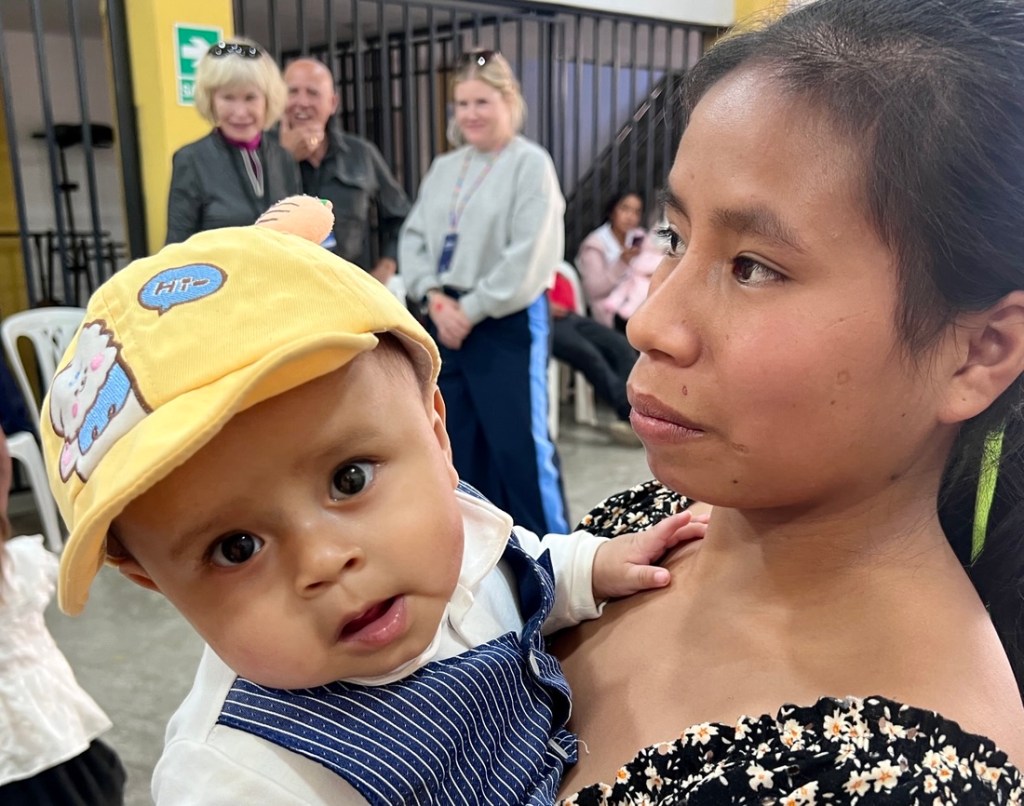
On arrival at the church, we were greeted by the church staff and participants in Compassion’s Survivor Program. This program focuses on pregnant women and babies up to one year old, as this is when they are most vulnerable and there are the highest mortality rates. When the baby turns one, they enter the traditional sponsor program. There are 15-20 mothers/babies in a typical program.
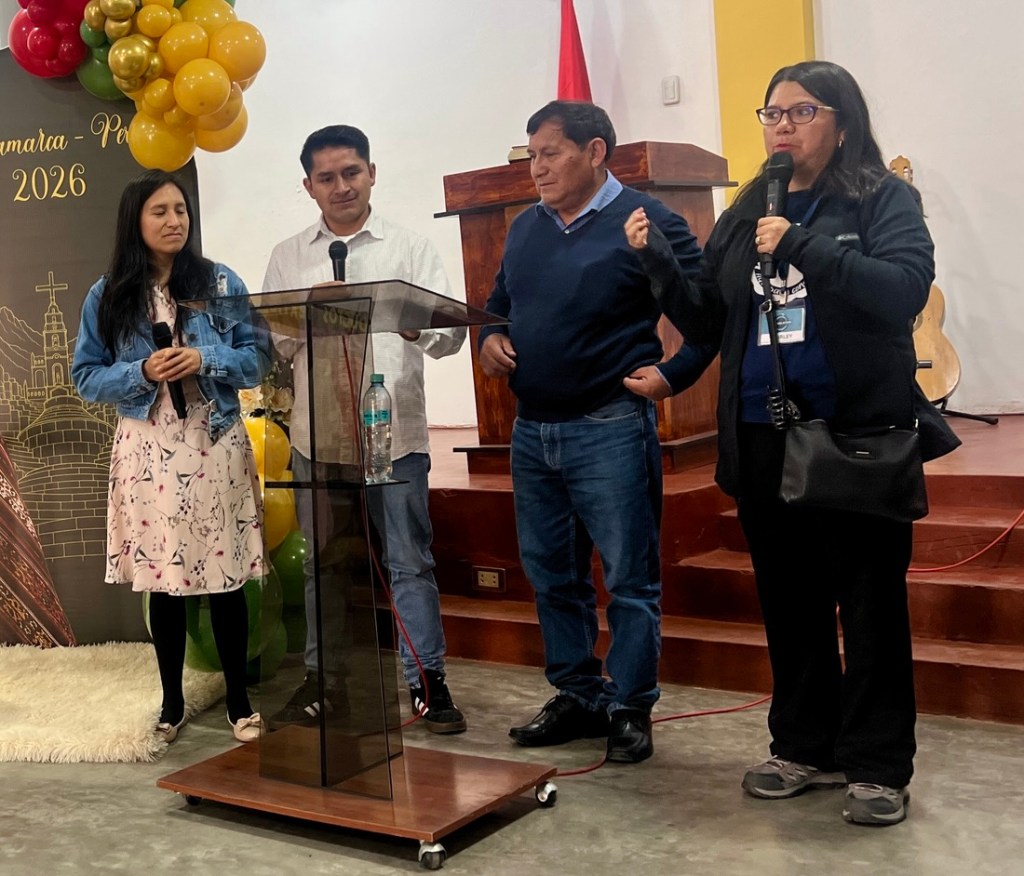
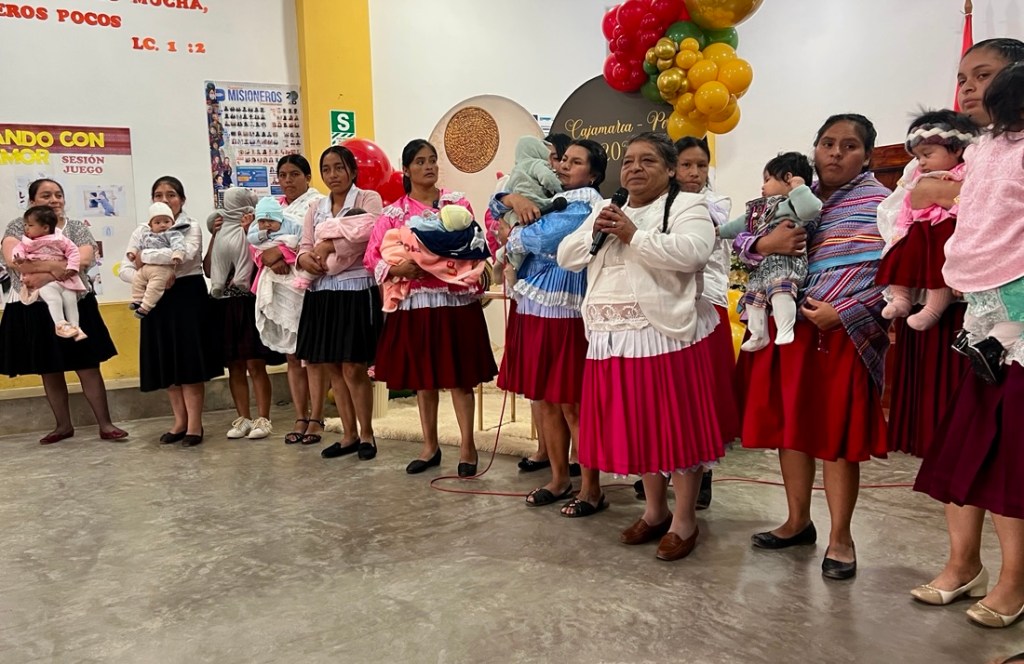
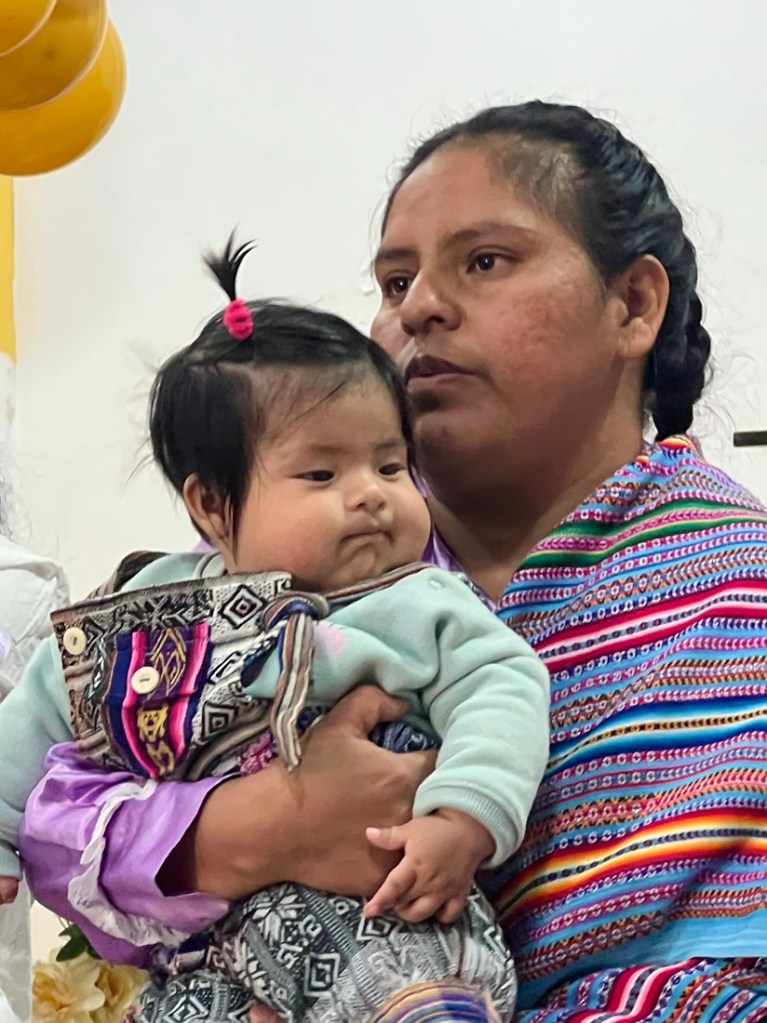
Some staff described some of the programs that help the moms and babies. First was Sara, a Survival Specilist, who explained their health initiative. The issues are anemia and malnutrition. We could see how anemia would be an issue at this altitude. Anemia affects the brain development of children. 28% of kids 6 to 59 months in this area suffer with it. Malnutrition delays growth, causes dental issues, a weak immune system, delays learning process and limits opportunities in society.
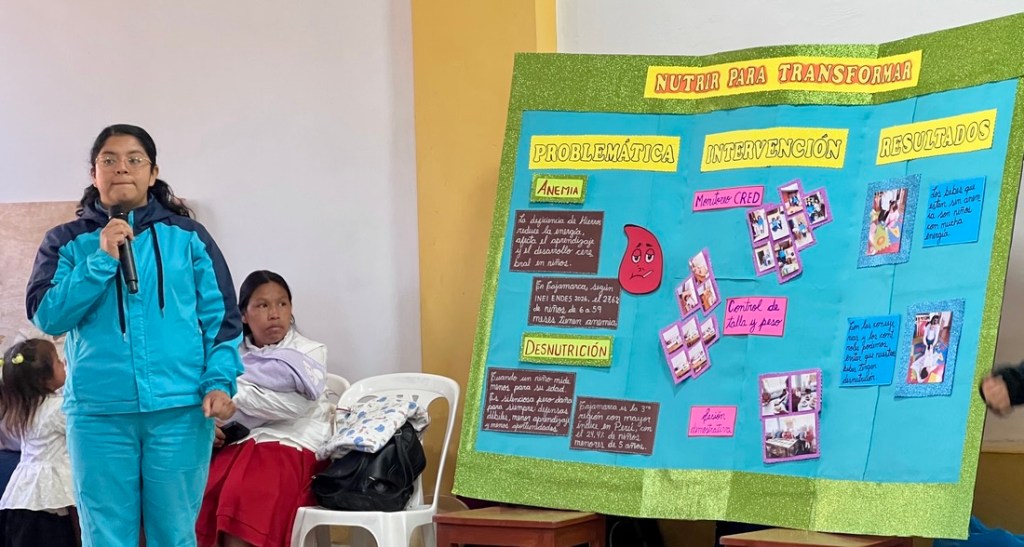
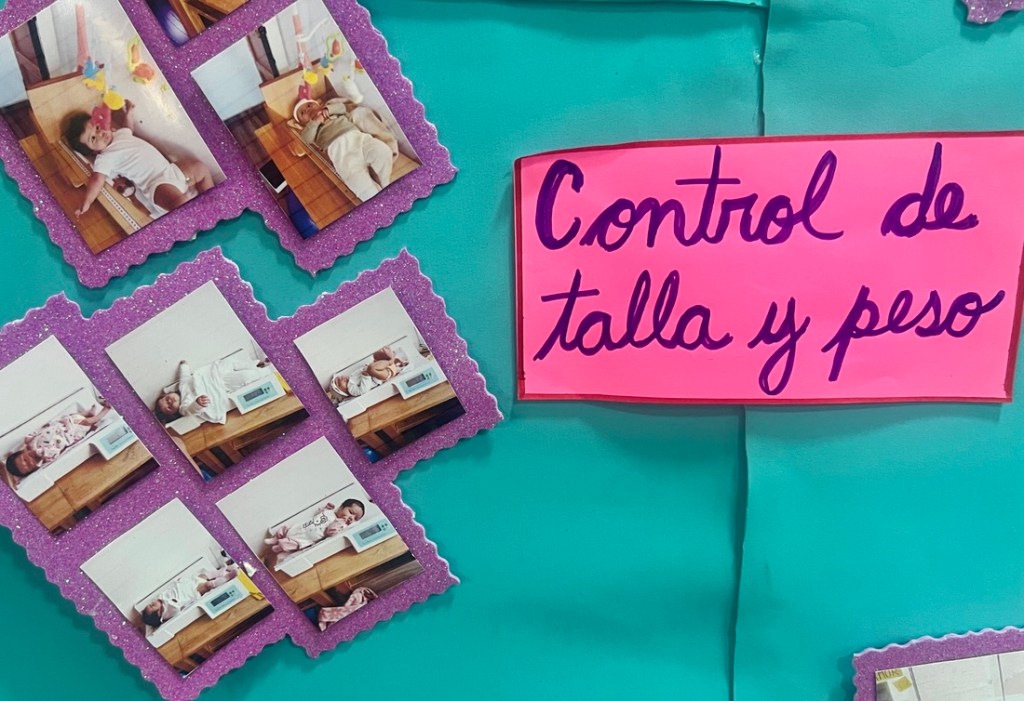
Sara does home visits to check to see whether moms are taking their babies to the health clinic. They also educate the moms about nutrition to prepare better meals. The health clinic visits measure the length and weight of the baby to confirm development – something we take for granted
The result is that the babies have more energy, and that continues into their childhood.
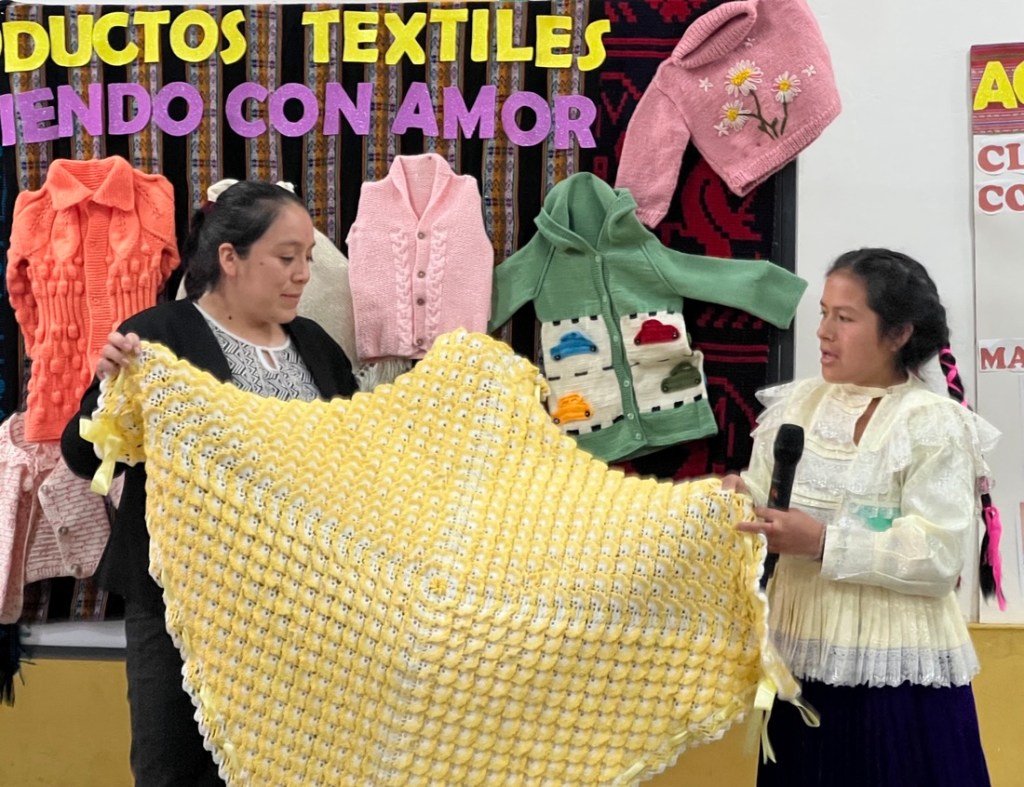
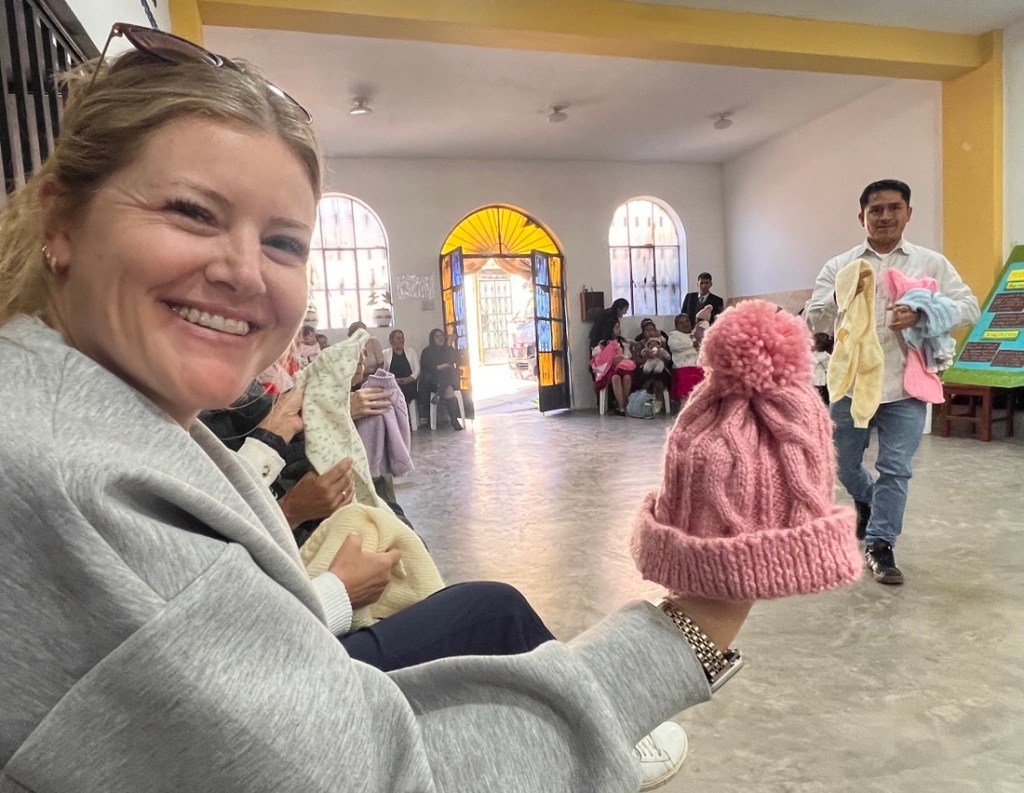
The next explanation was about teaching the moms the trade of knitting clothes which they can sell to support themselves and their baby. They also learn to save money so they can buy the balls of wool, and about entrepreneurship.
Next, Selvia talked about early baby stimulation. She showed an example of using a mirror with mother. She cited Psalm 127:3 and how the mirror can help teach the child and mother that the baby is a gift from God.
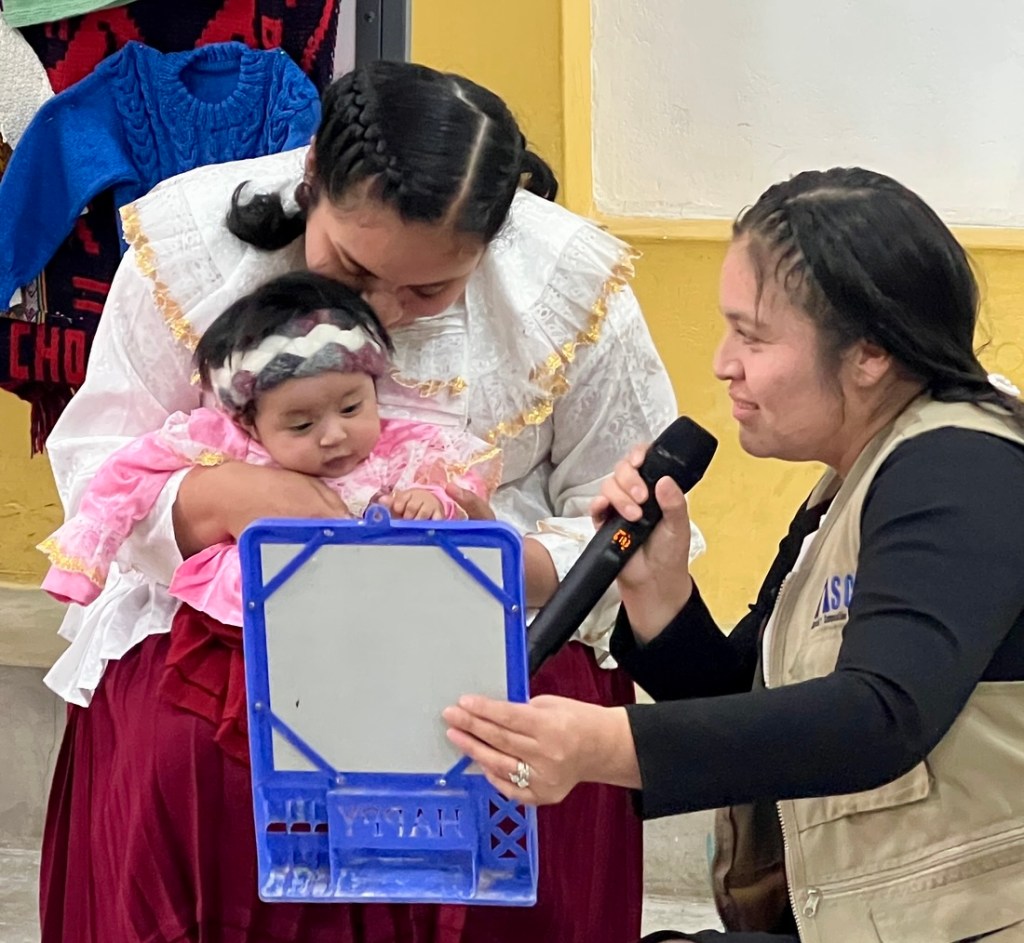
Selvia also teaches the young moms about how to detect fever, prepare food, and the word of God.
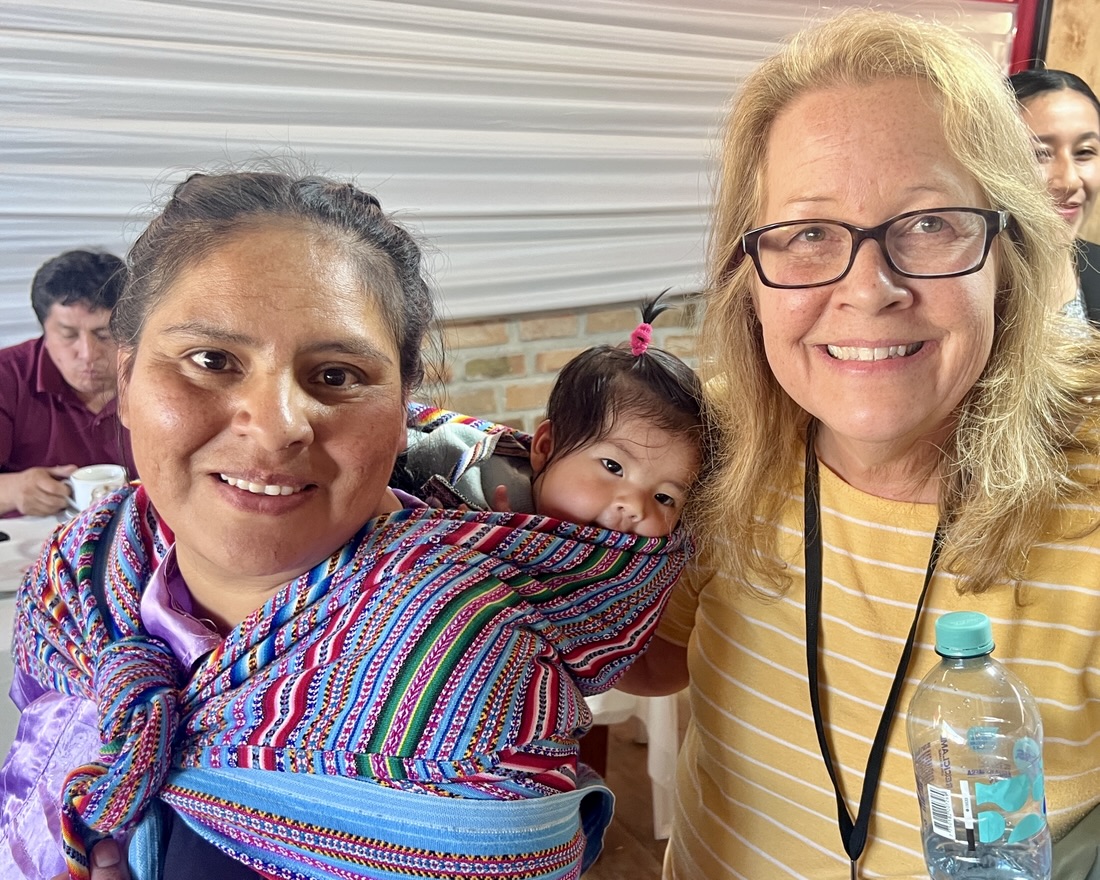
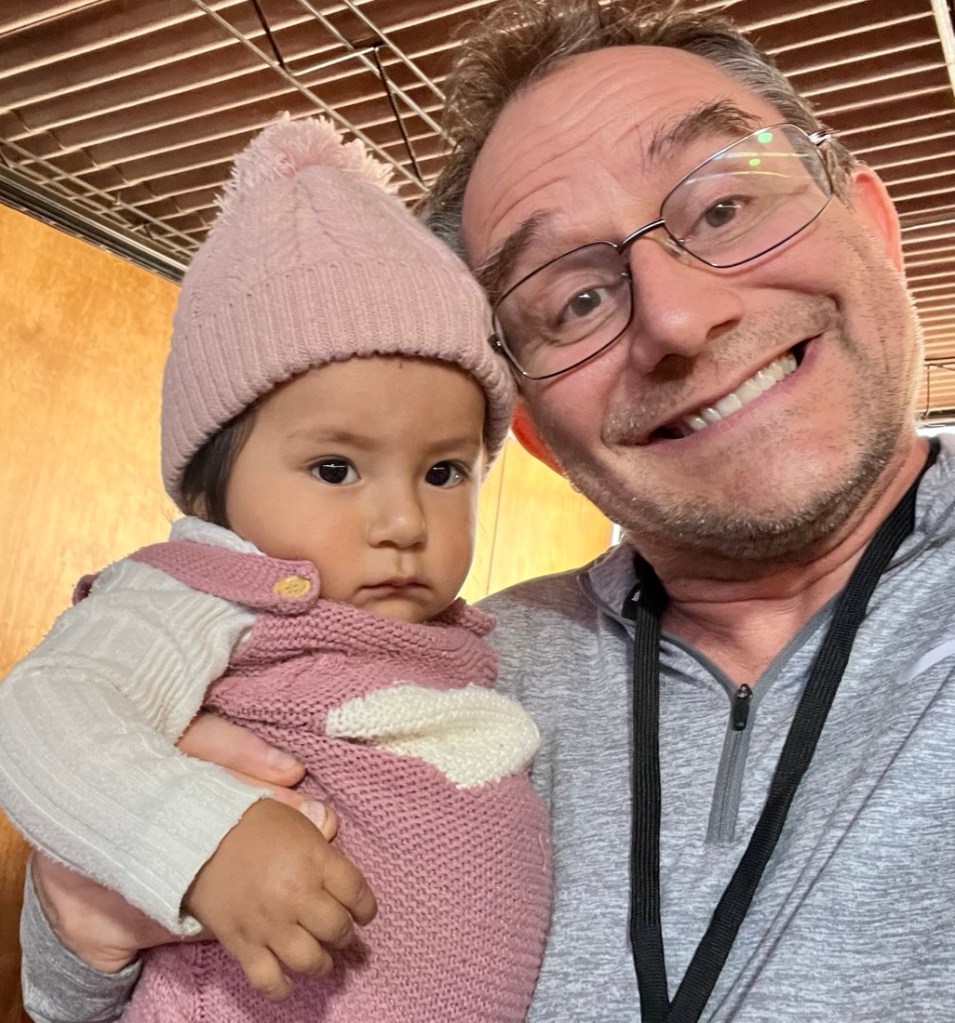
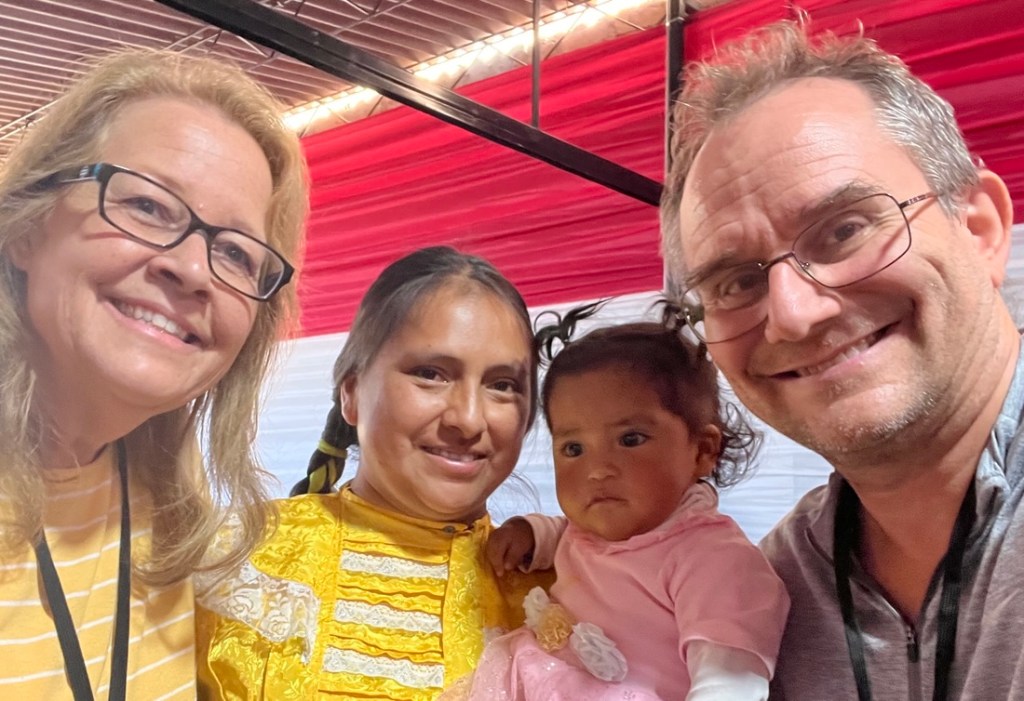
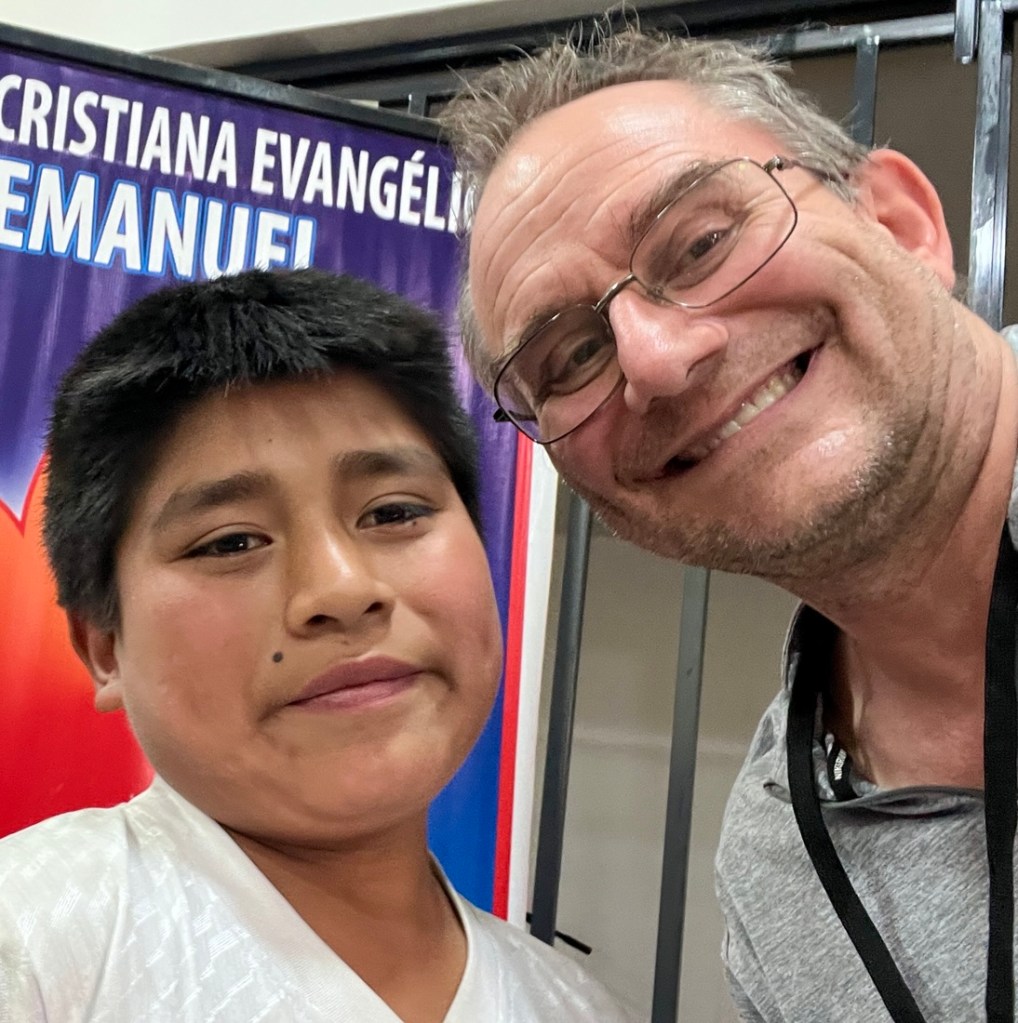
After these sessions, the moms mobbed us, wanting to take photos with us. It was a way of showing thanks and that they wanted to remember the visit. I managed to get a few photos of them.
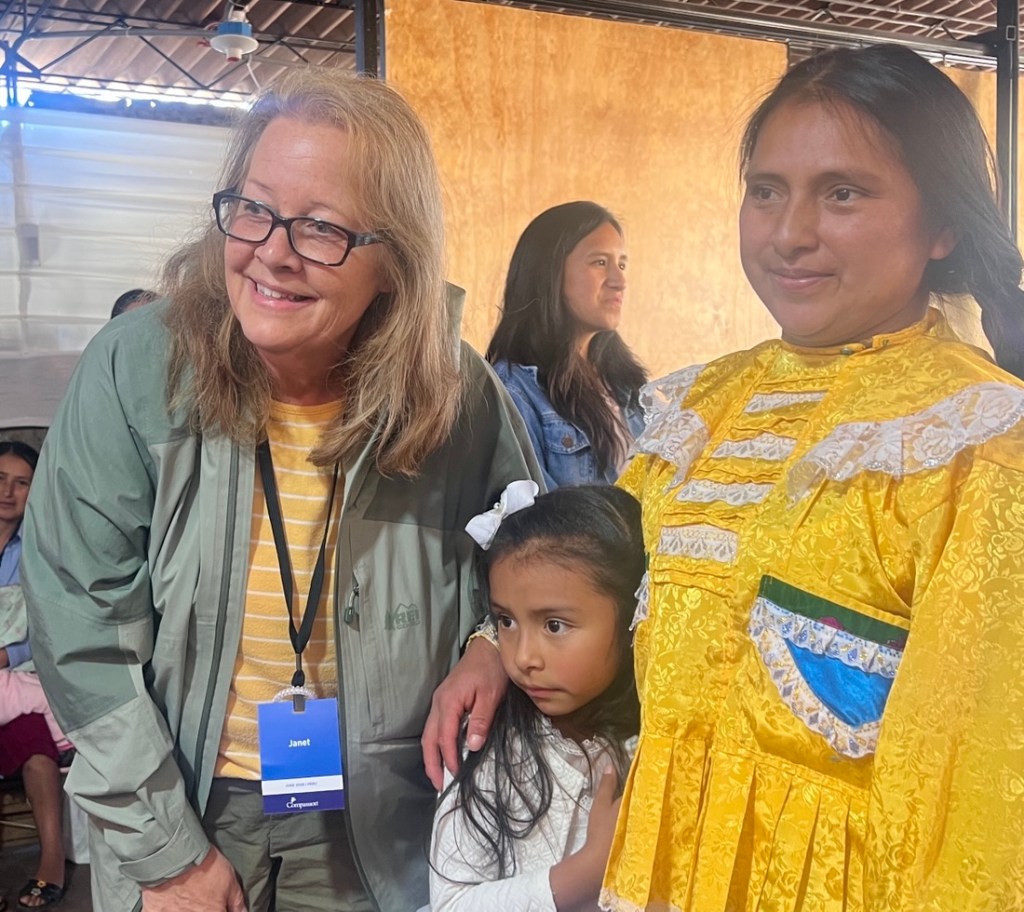
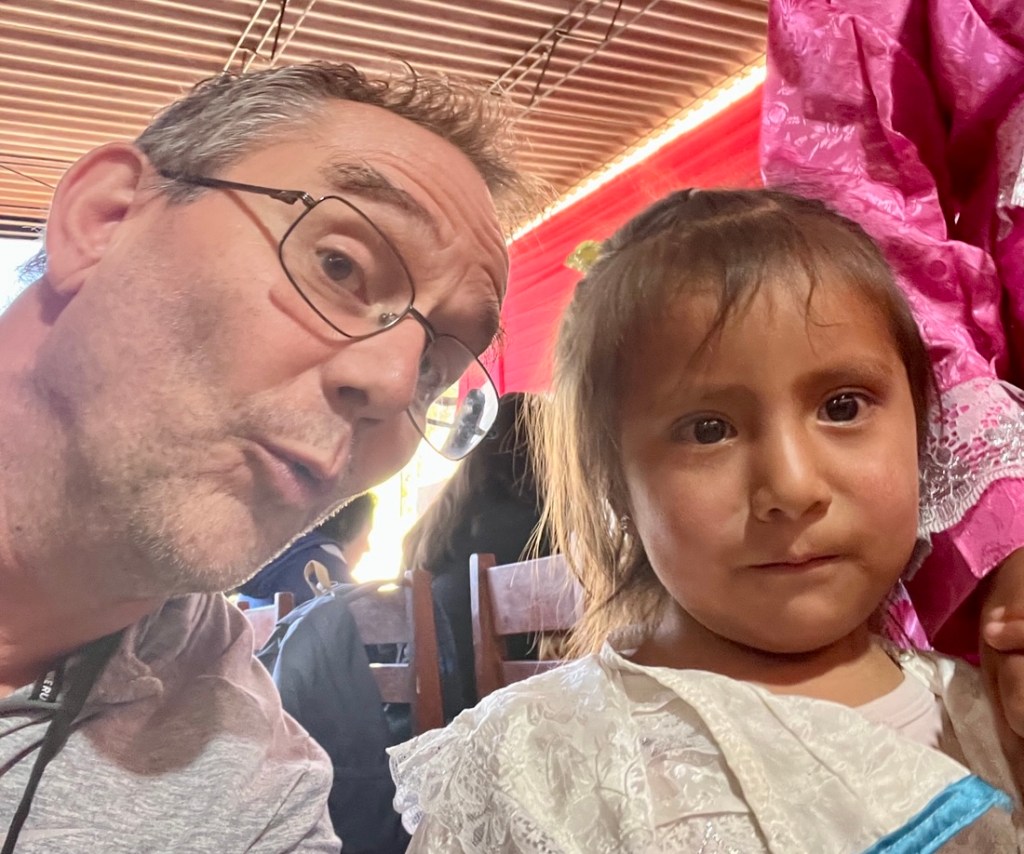
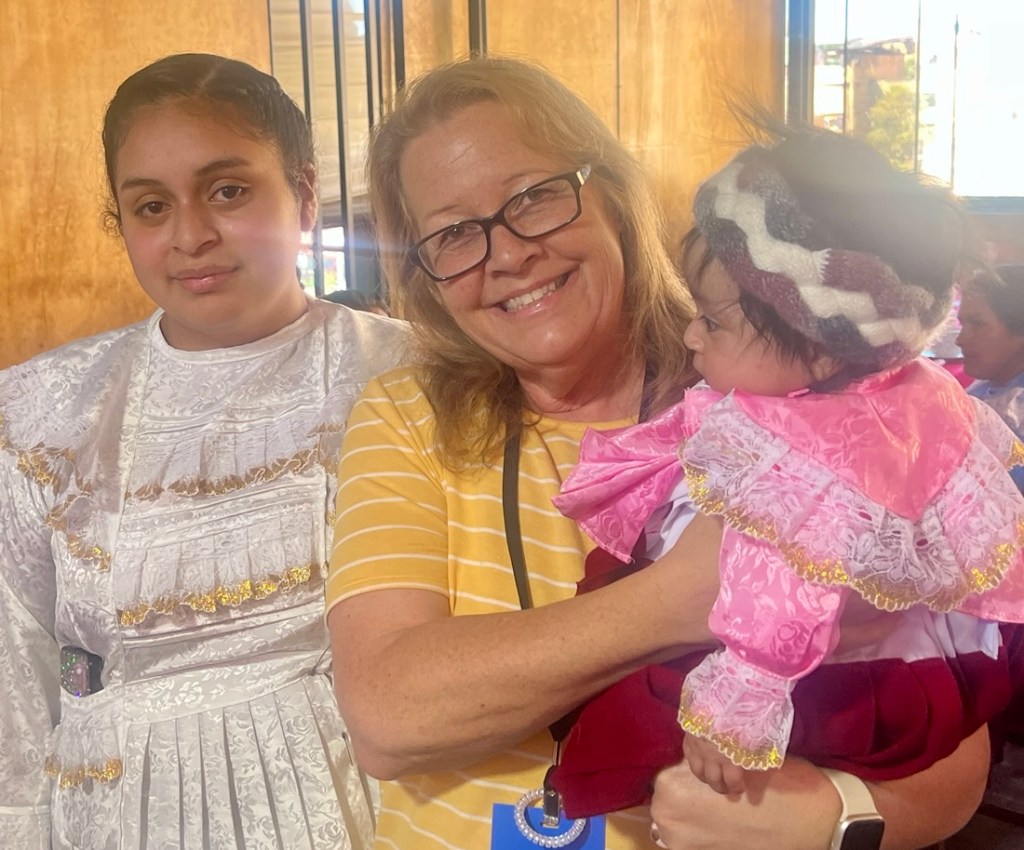
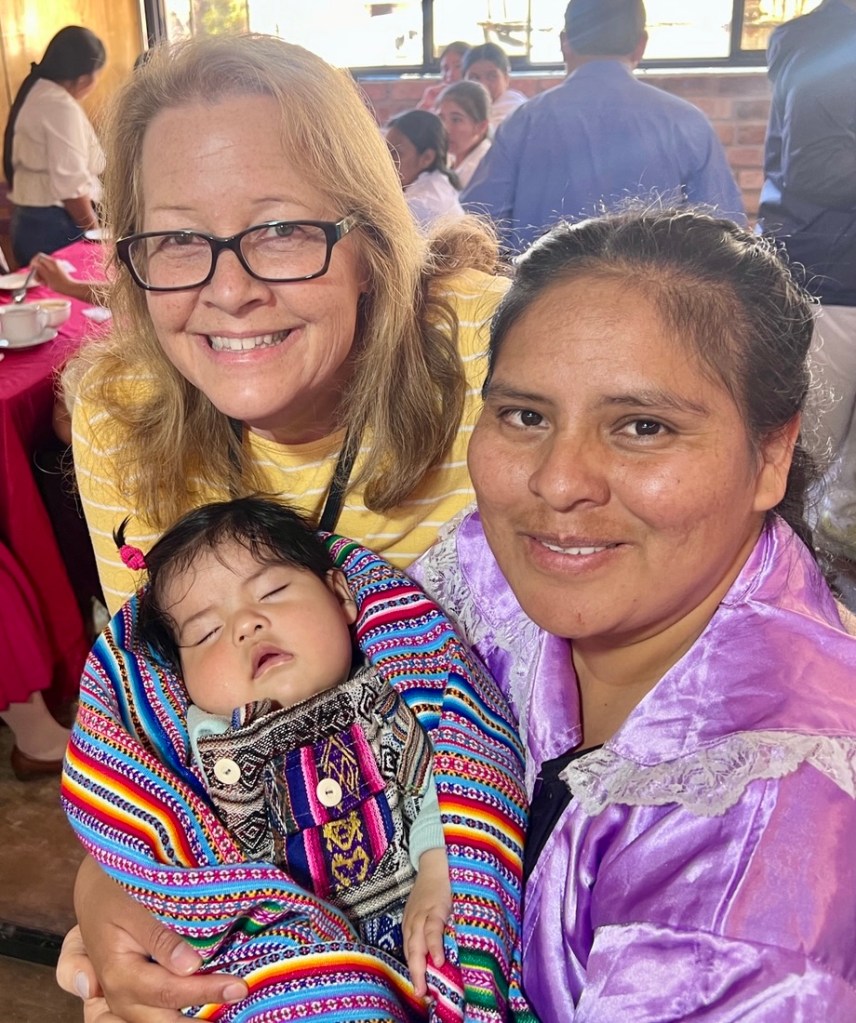
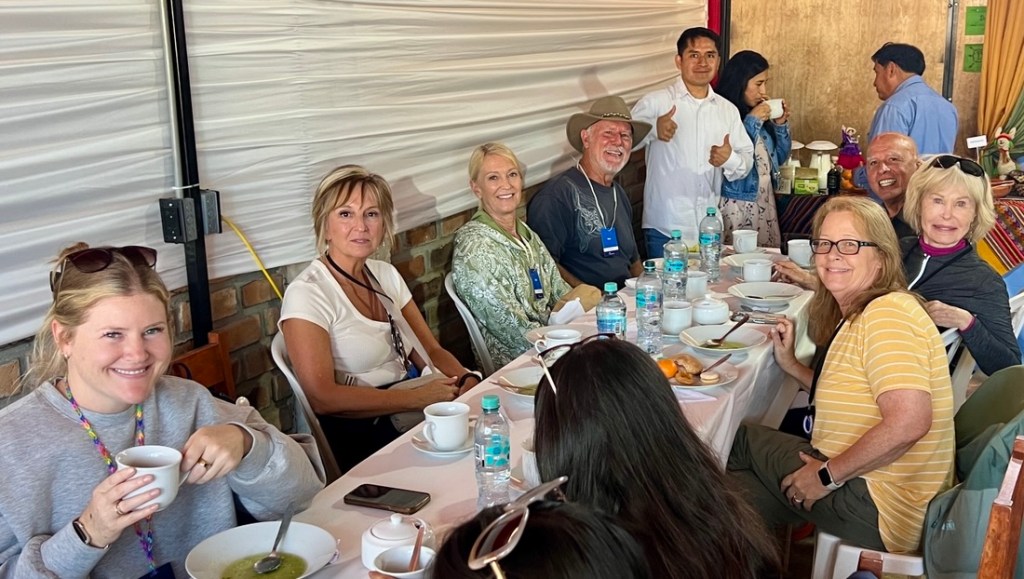
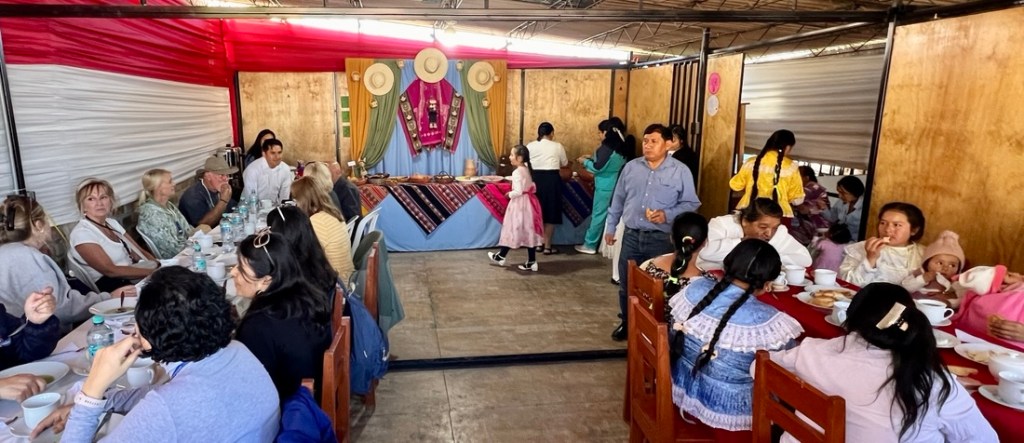
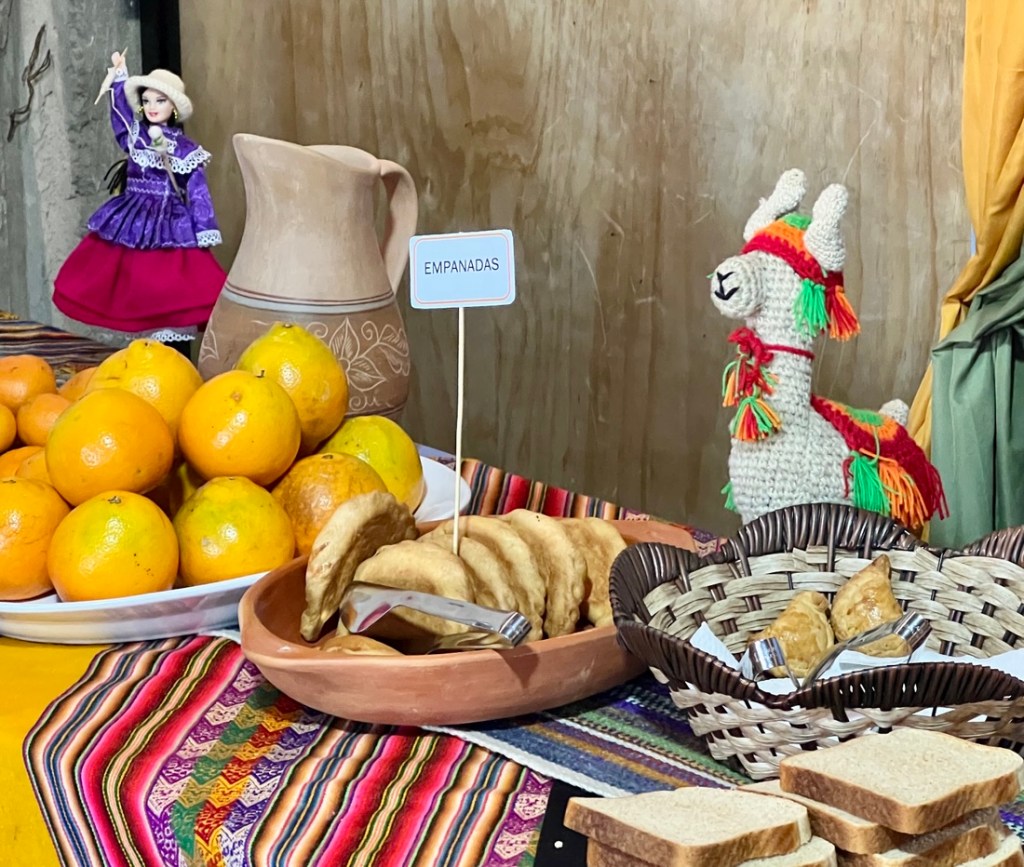
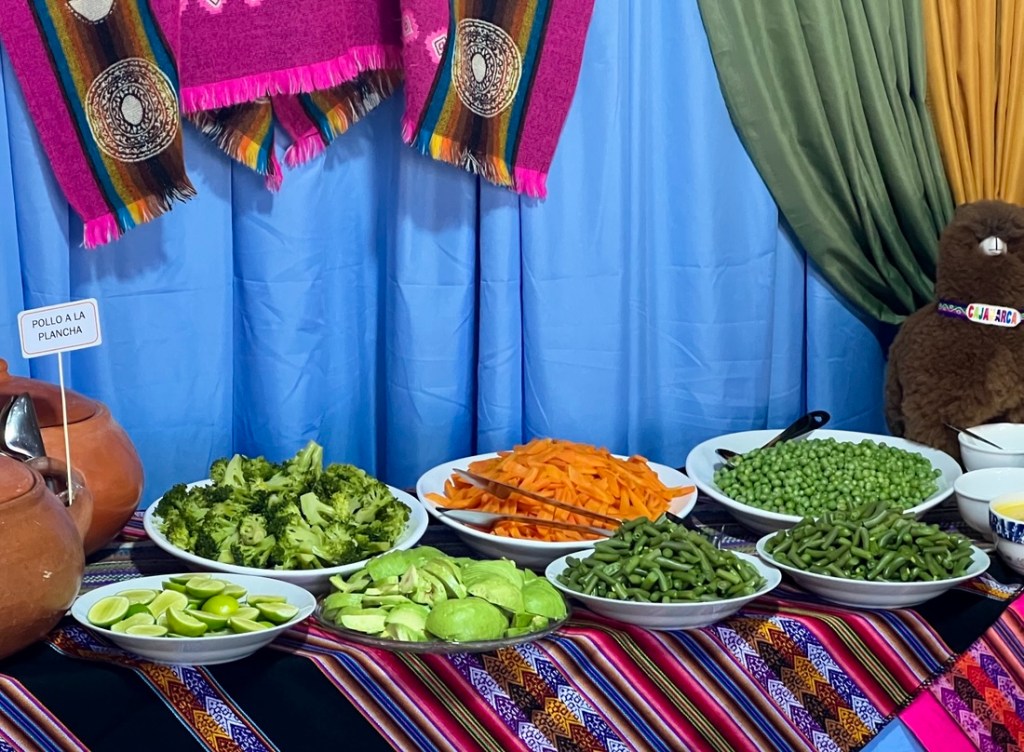
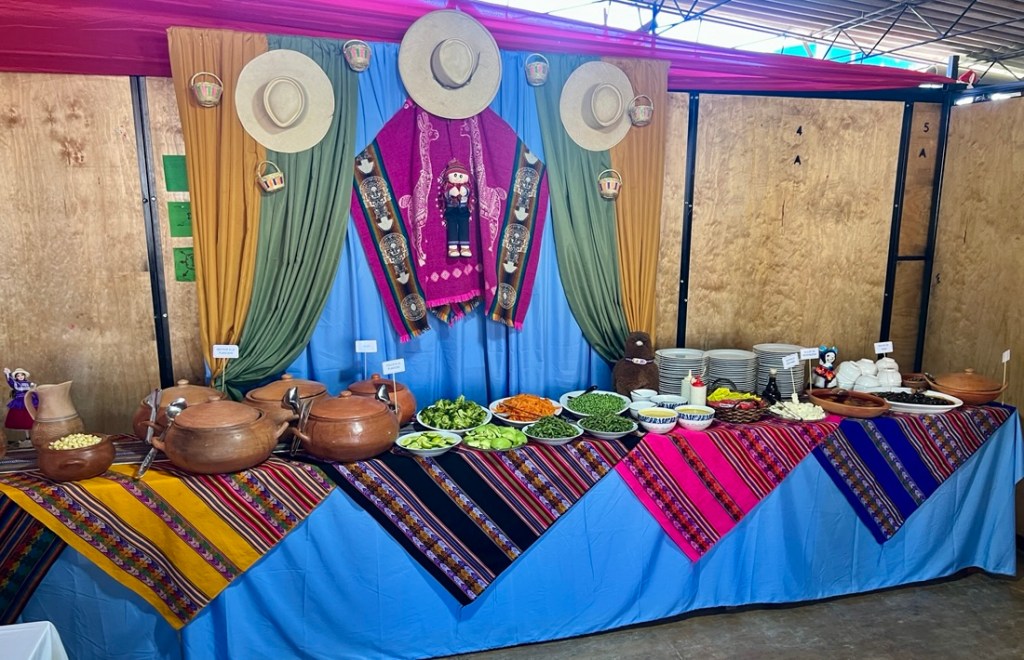
Next, they served us a meal, which we later learned was supposed to just be a snack, like elevenses, but it was more than enough for a meal. Serving food is a big part of hospitalityin Peru.
On our way to leave the building, more photos had to be taken.
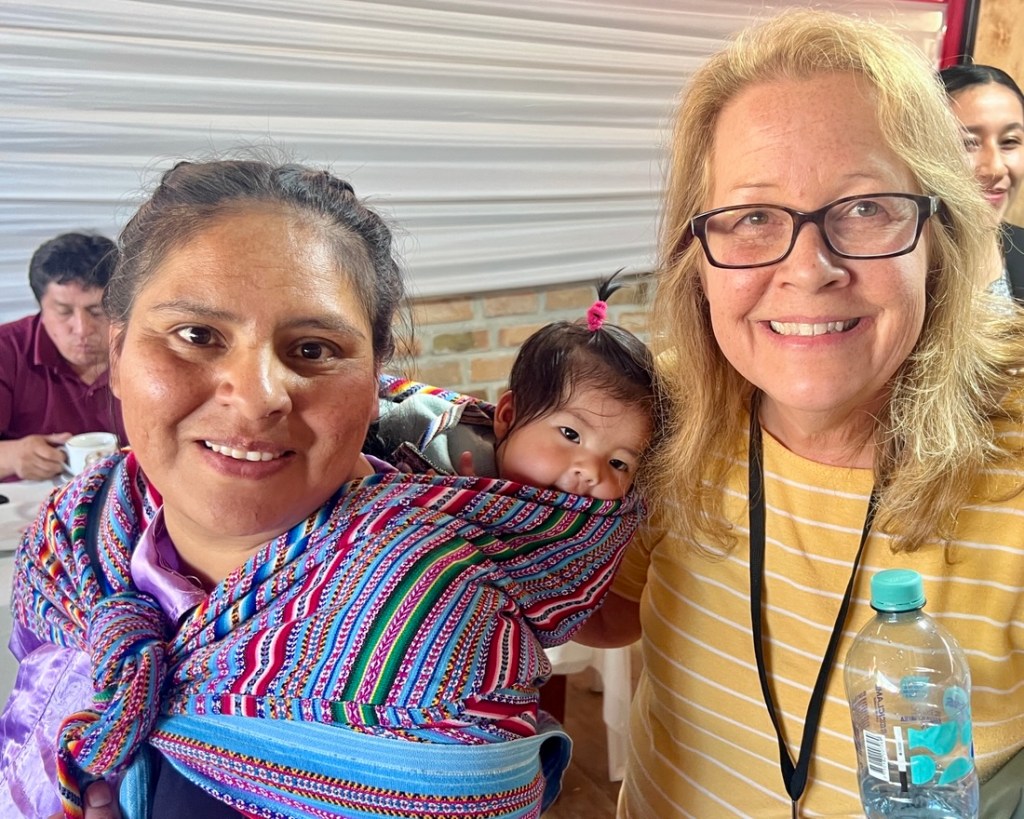
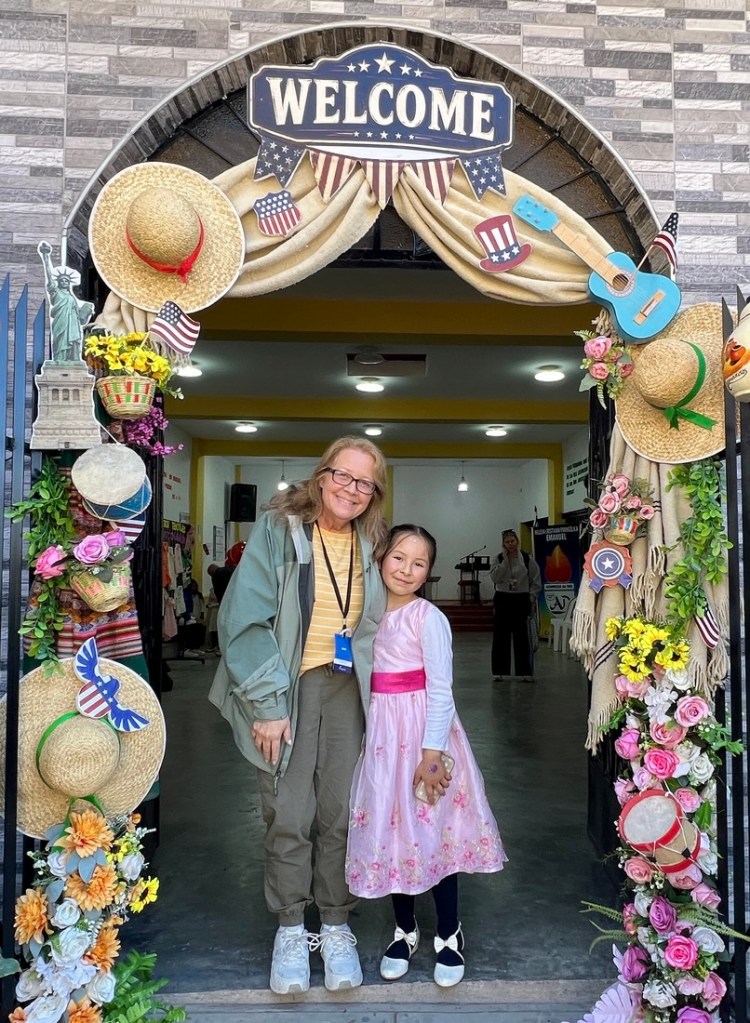
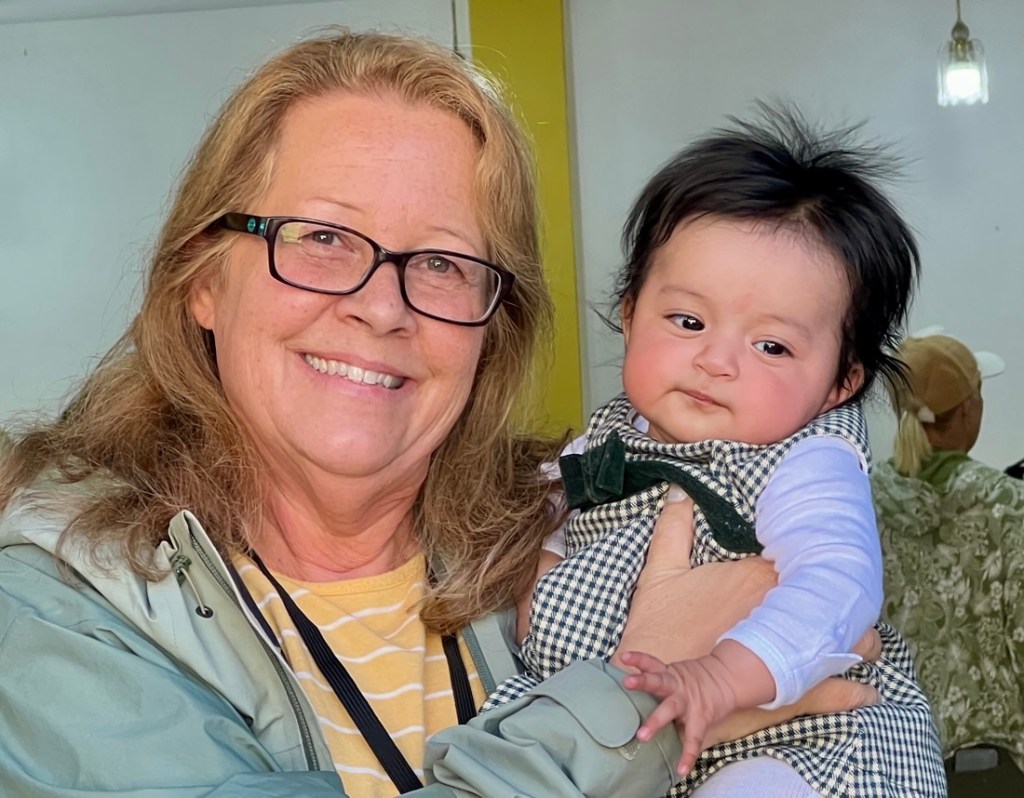
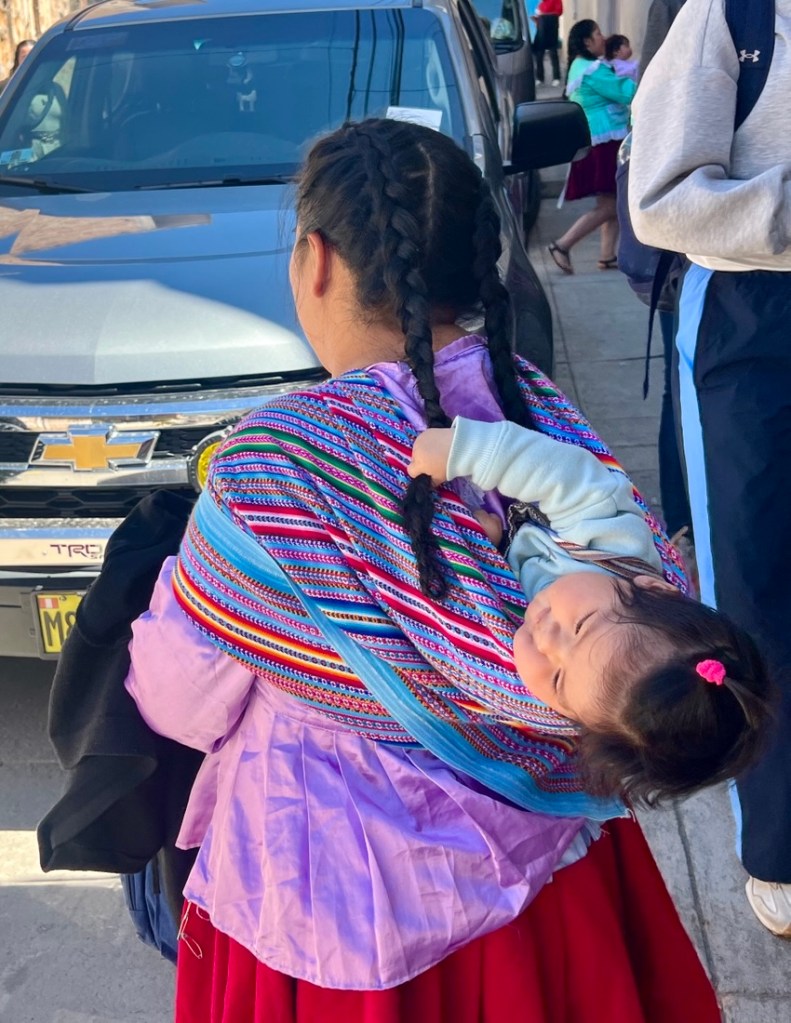
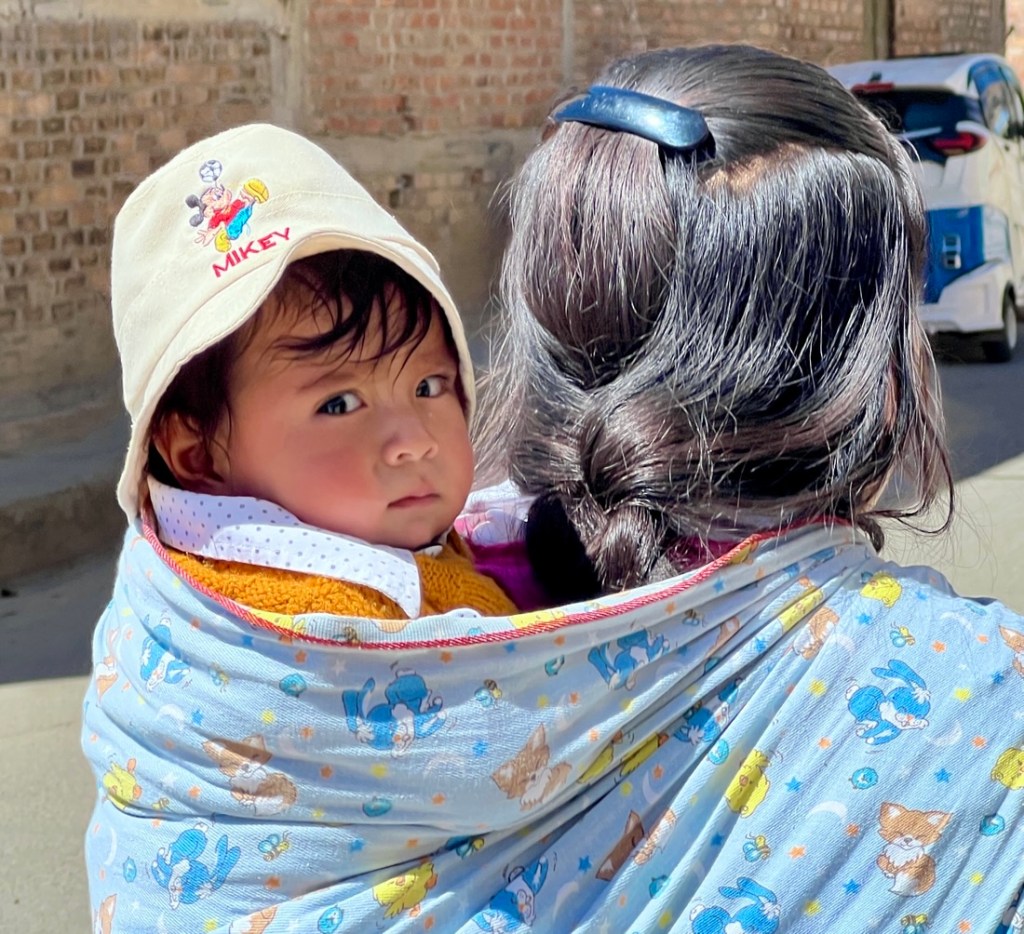
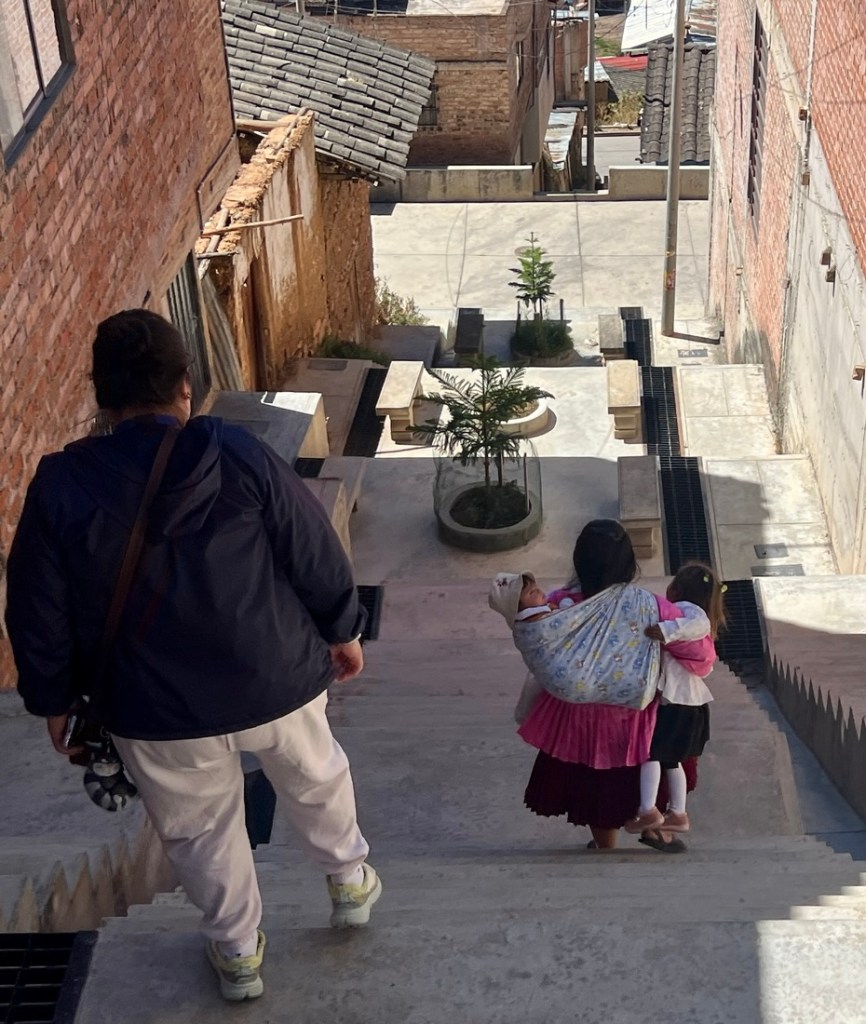
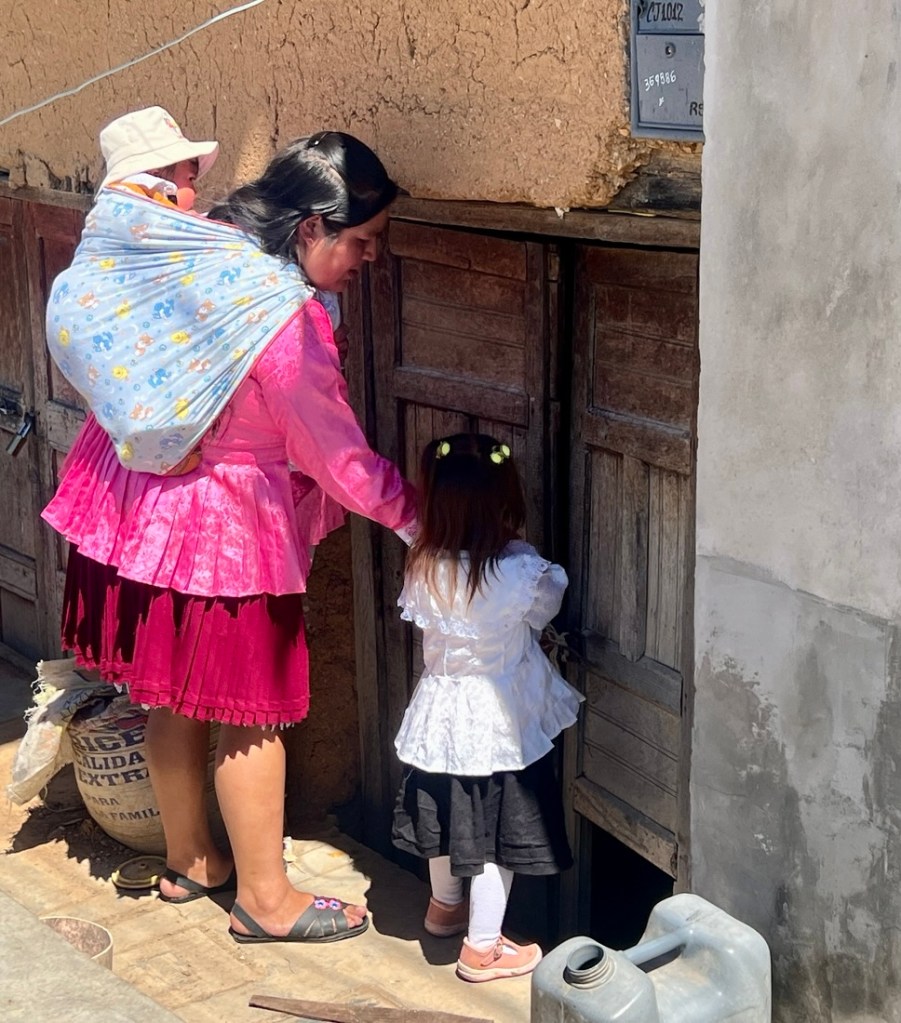
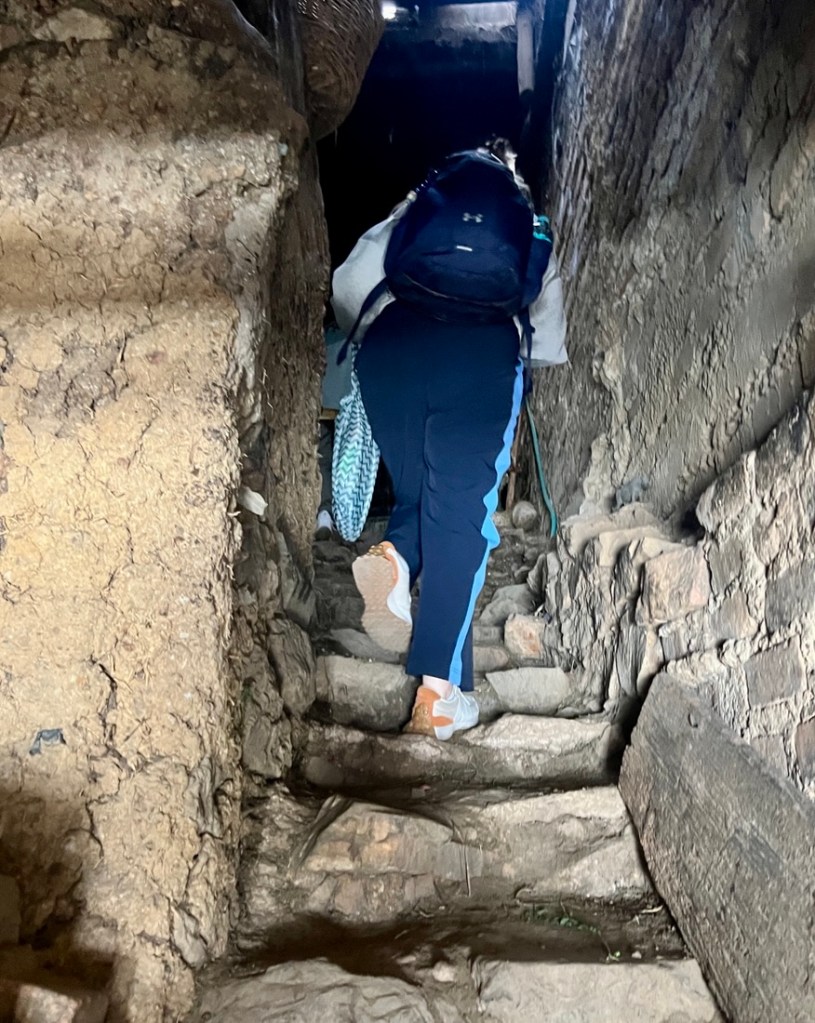
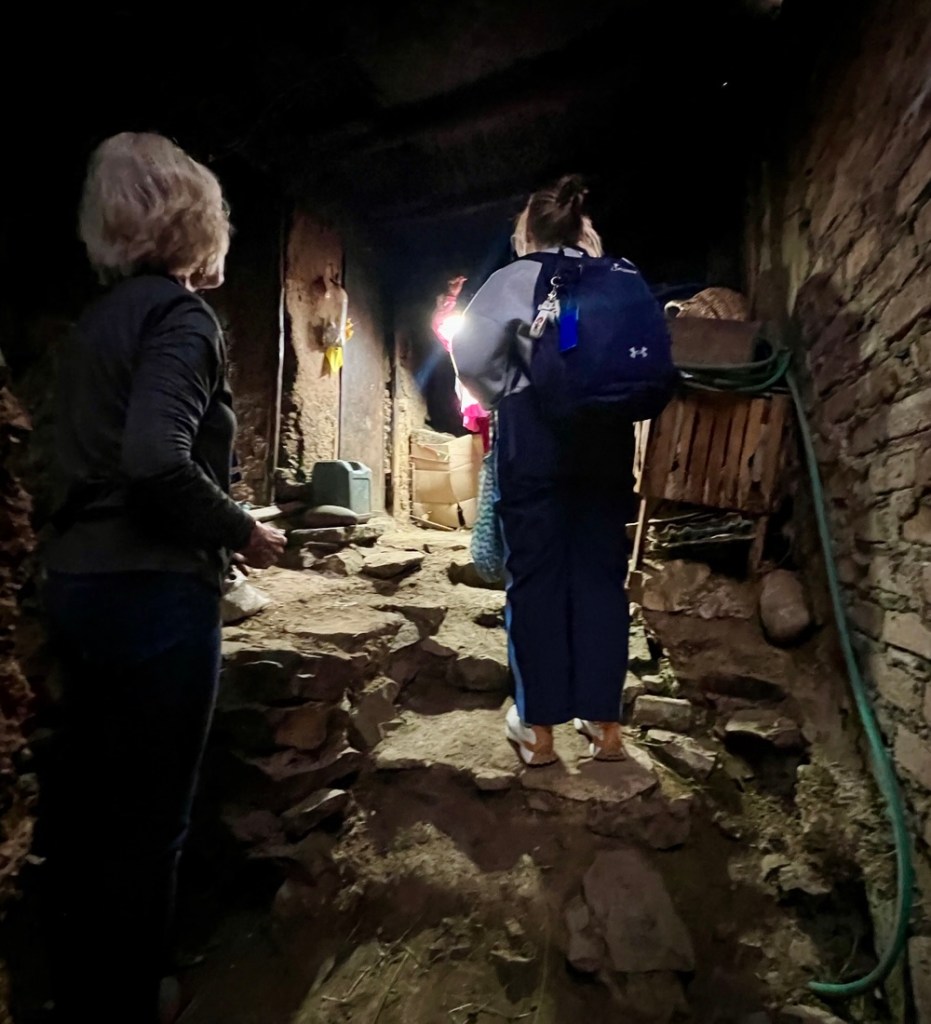
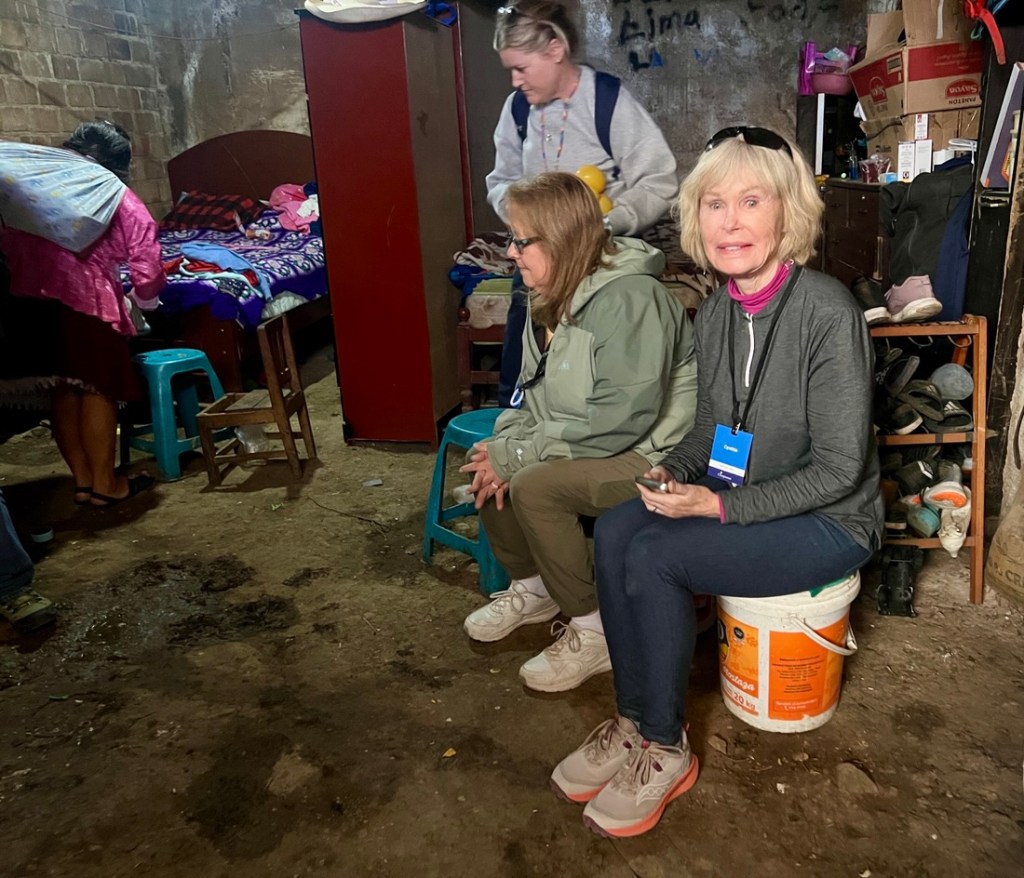
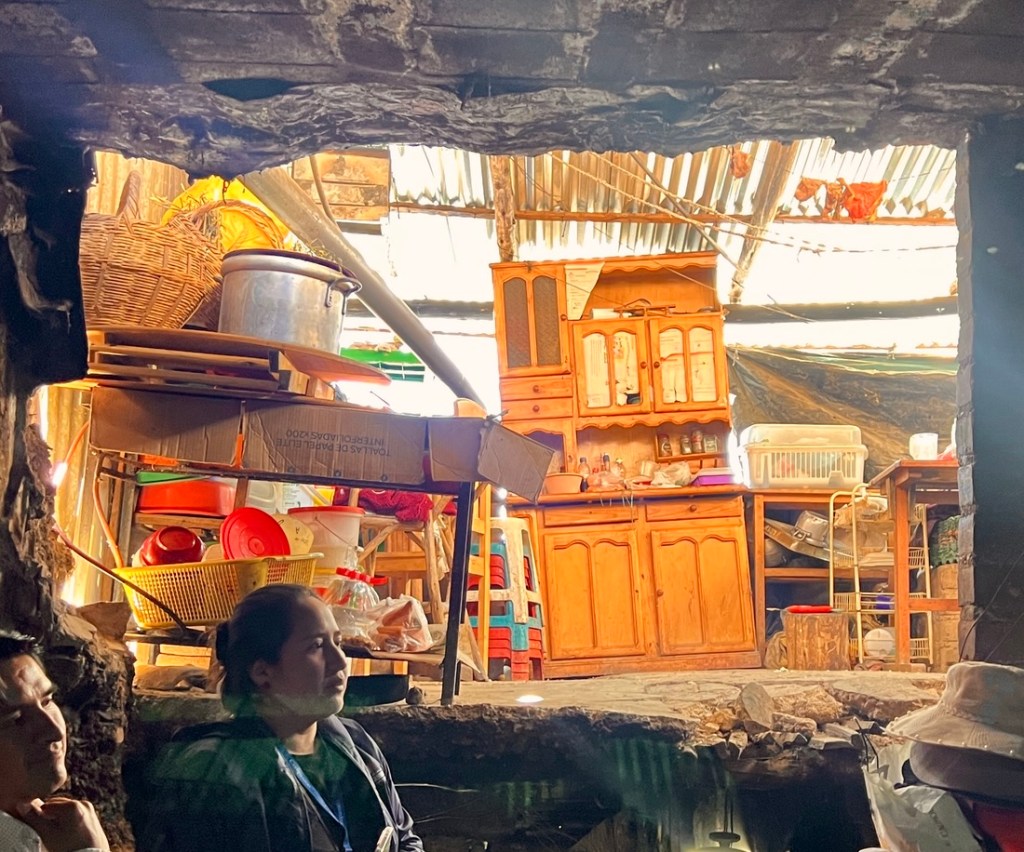
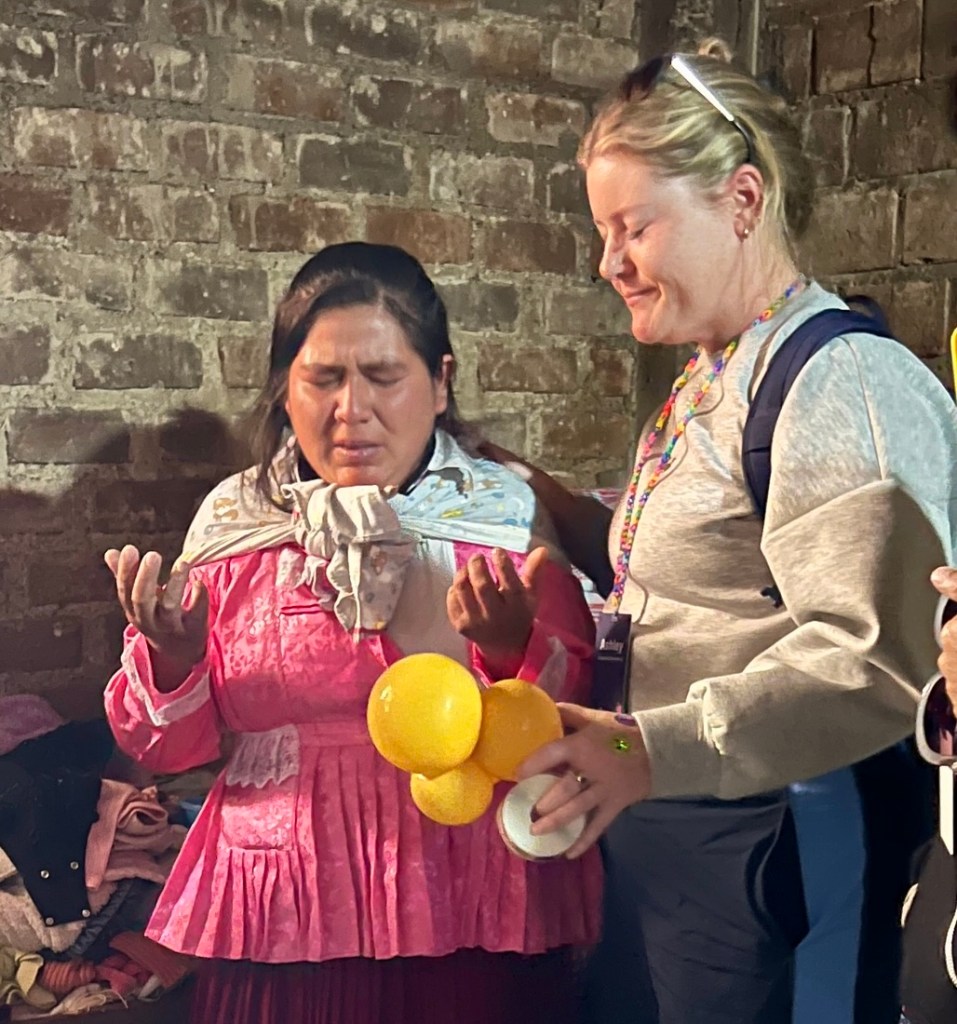
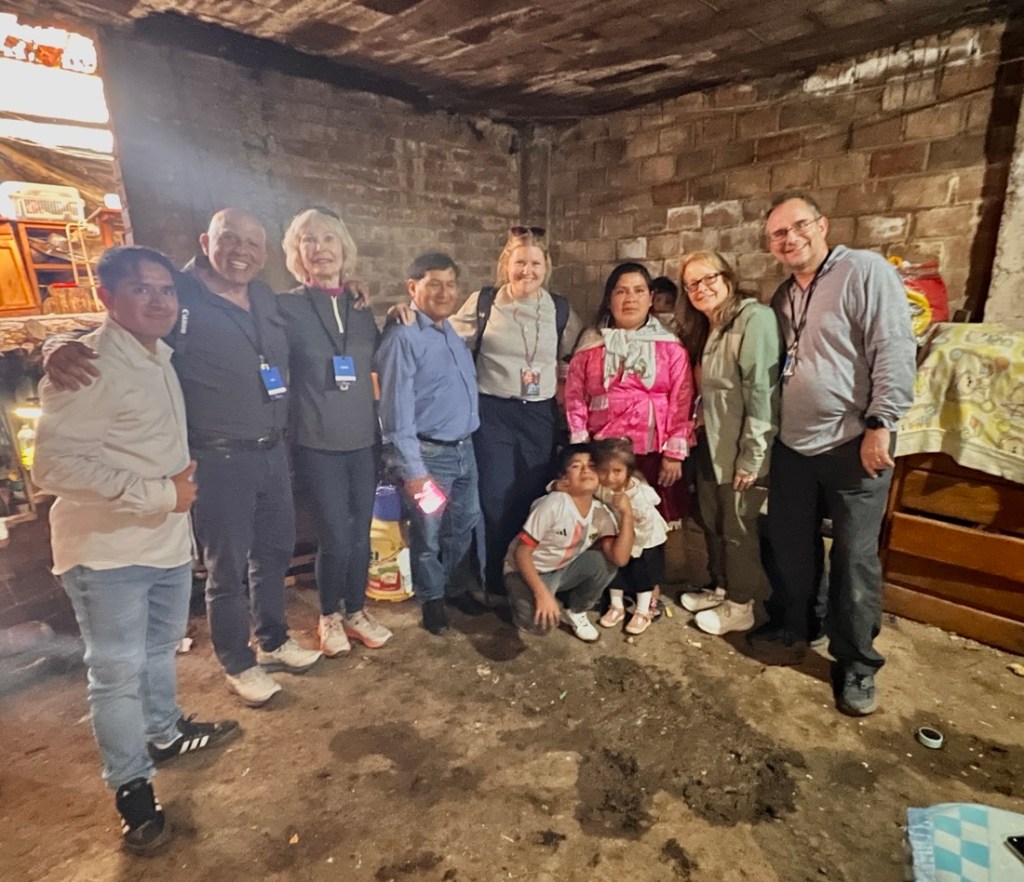
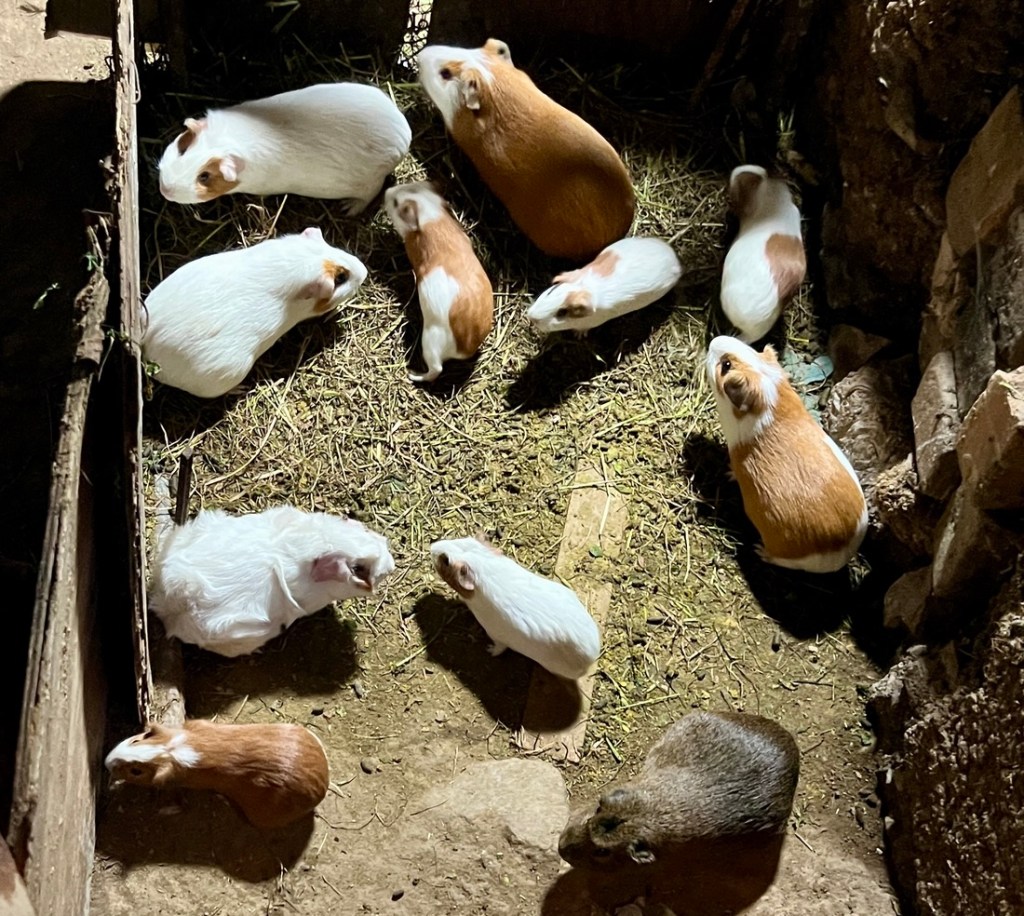
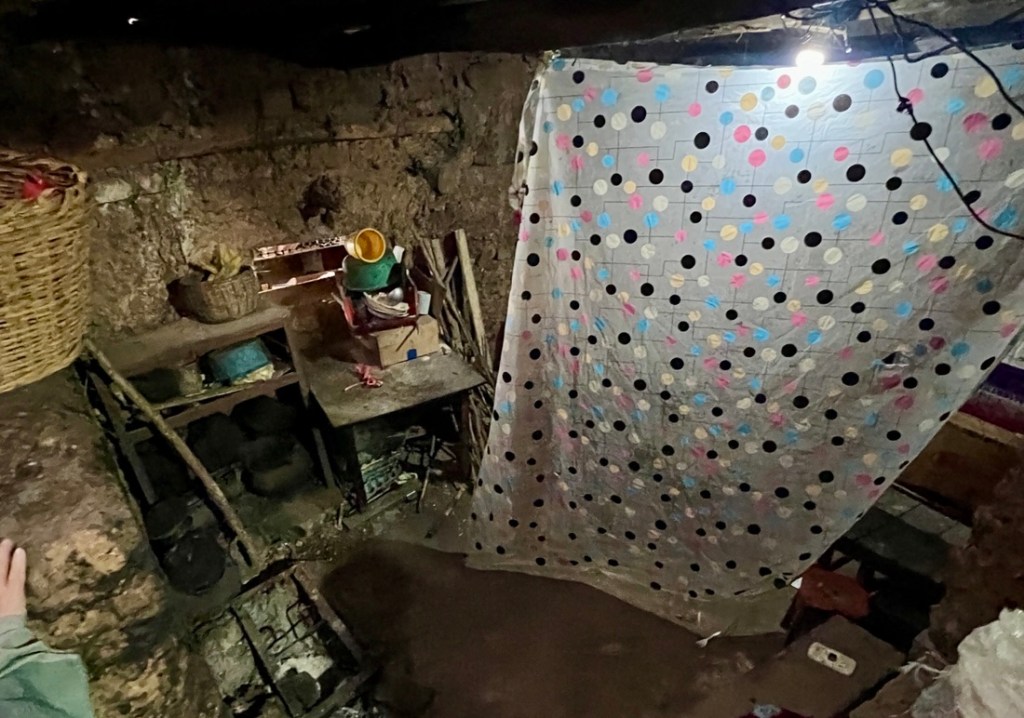
Next, we walked about 1/2 mile to Maria’s house. She and her baby Michael were in the Survivor Program. Her two-year-old daughter was in the sponsorship program. Normally, there is only one child per family in a program, but this suggested an extreme situation. As we walked through the streets, the roads, paths, and buildings looked nicer than around yesterday’s home visit. The moms carried their babies in a blanket on theirs back.
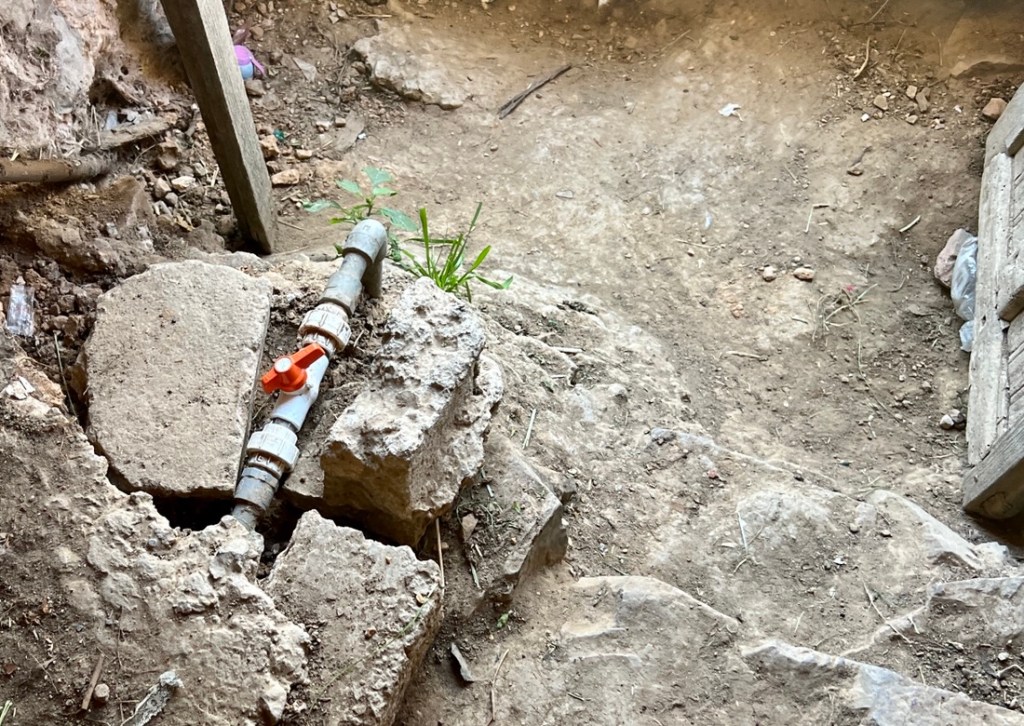
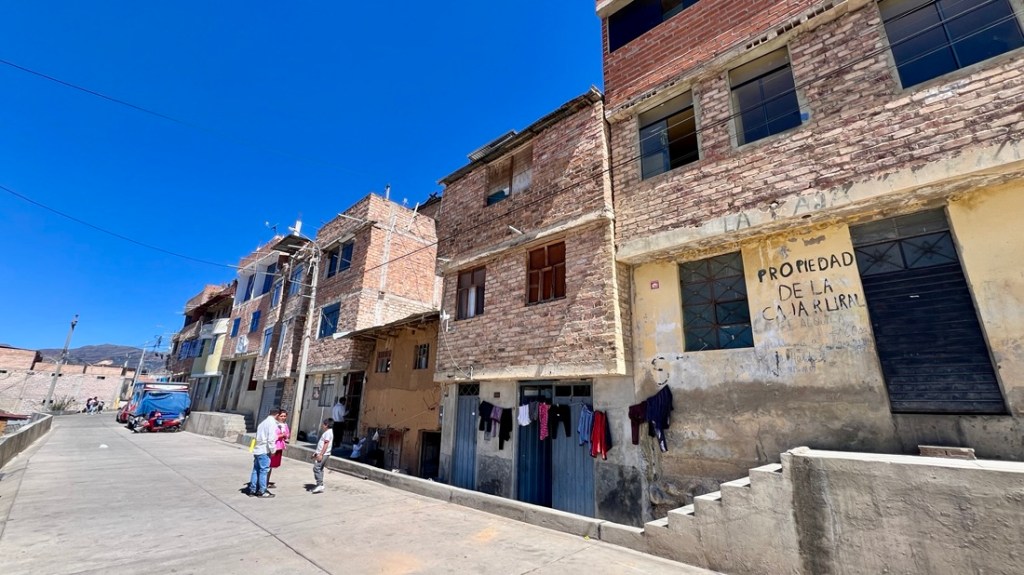
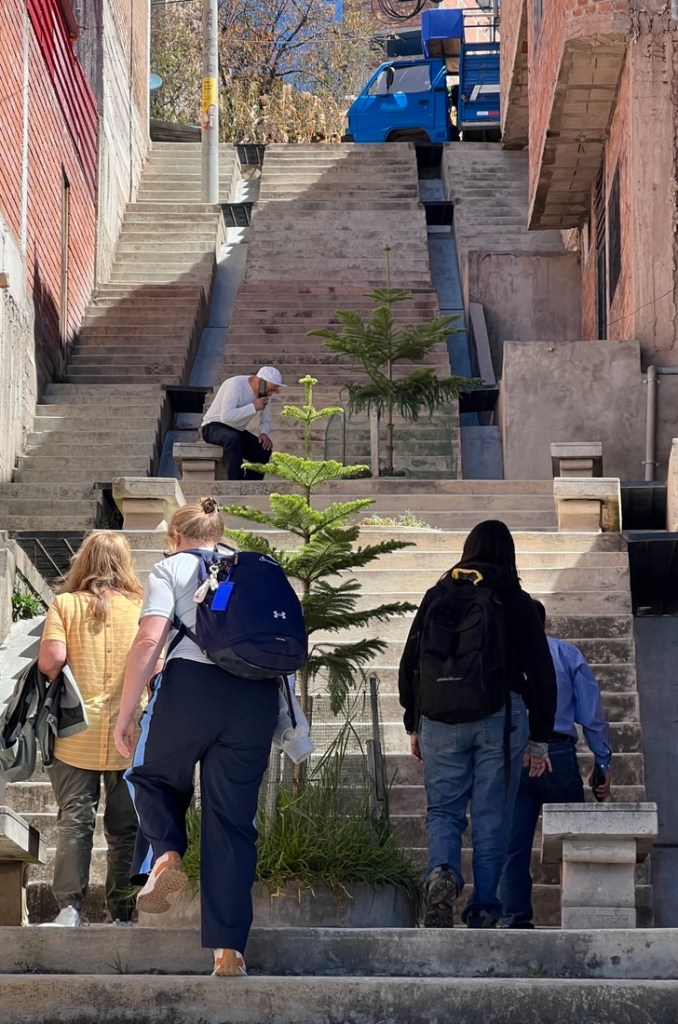
Back at the church, we were mobbed once again by kids wanting to take photos. Ashley’s stickers were a real hit.
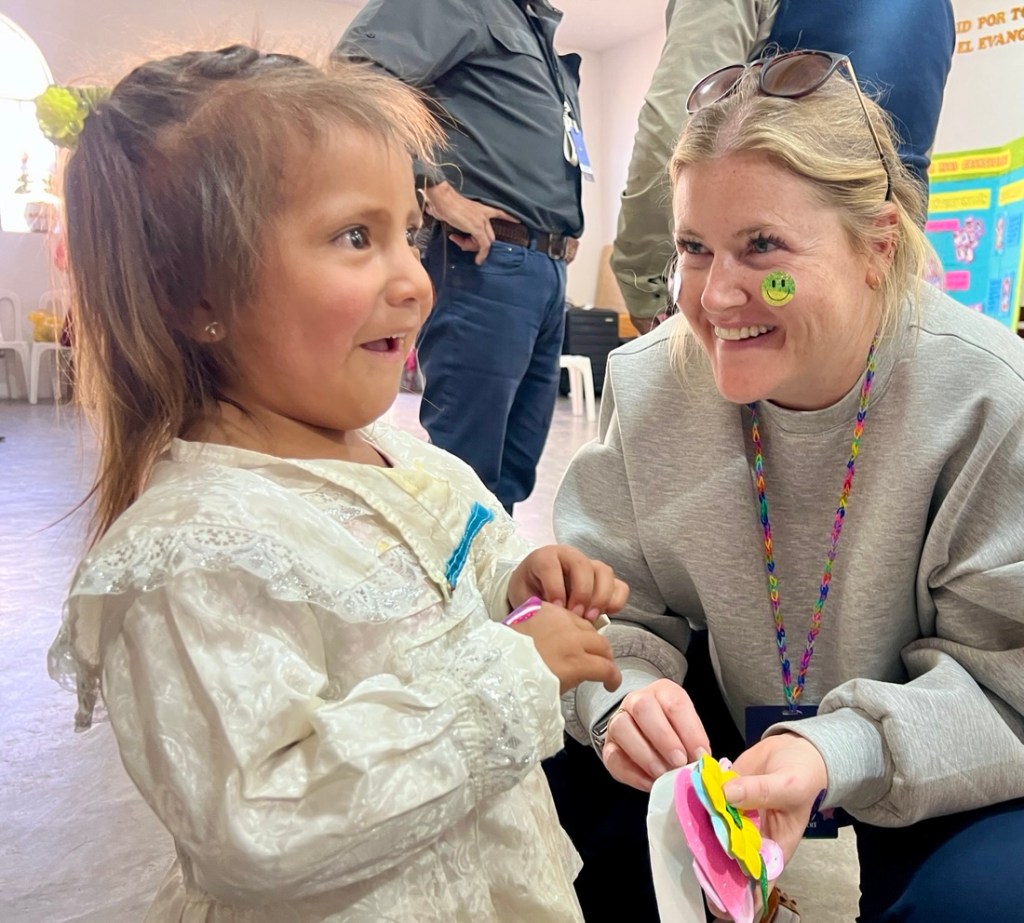
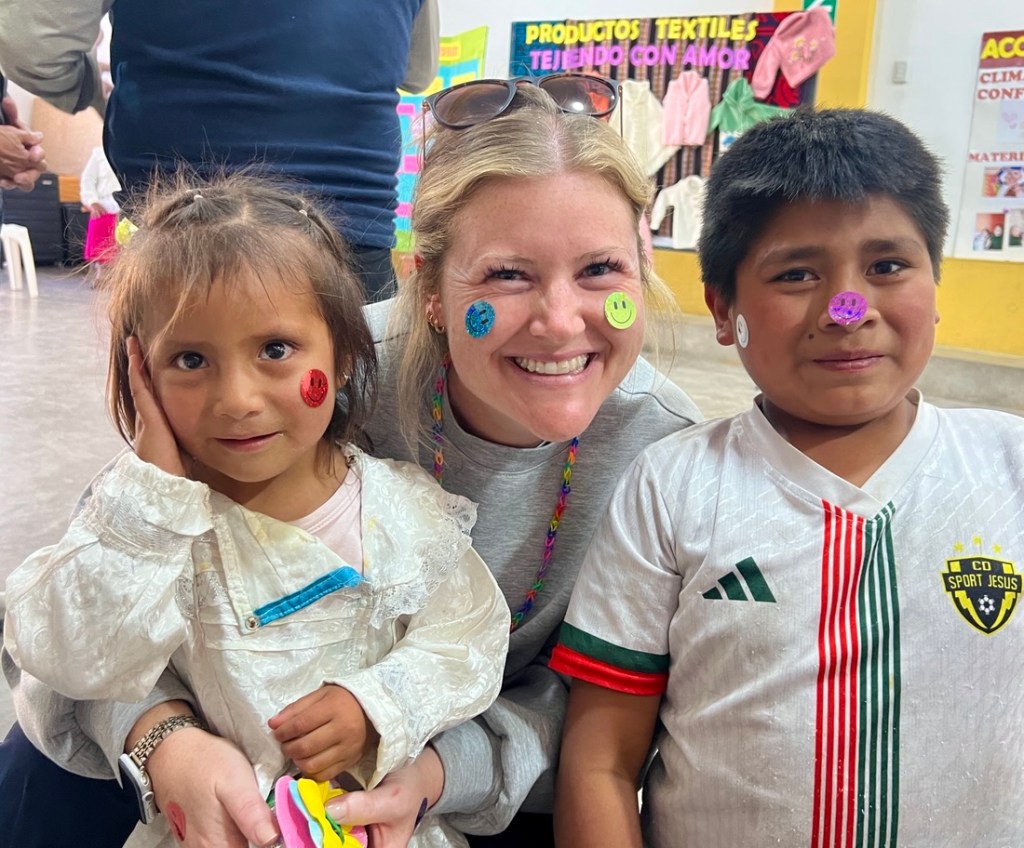
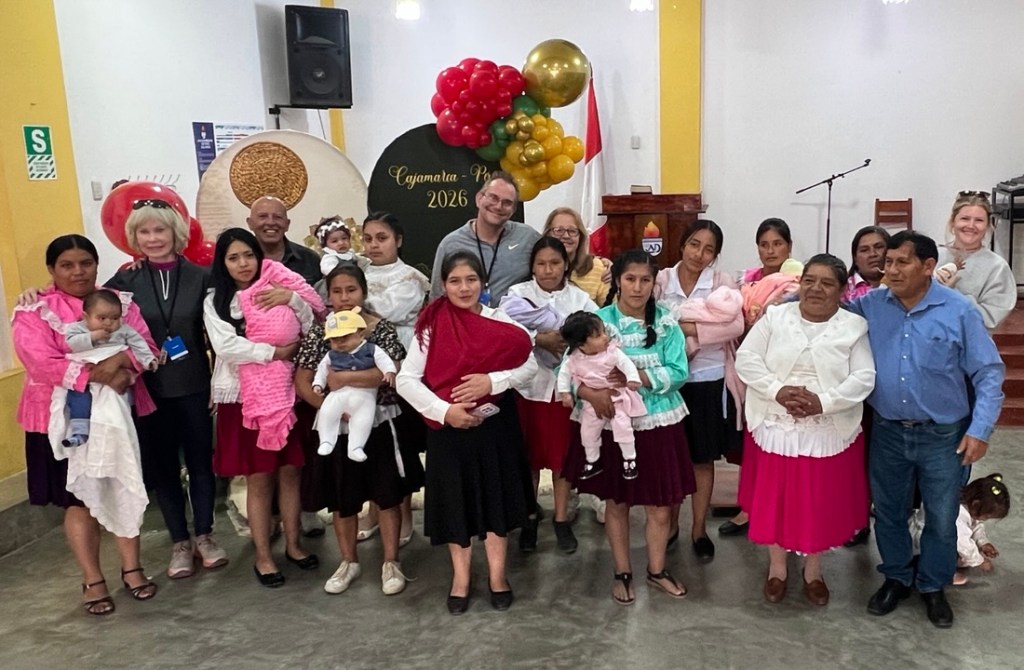
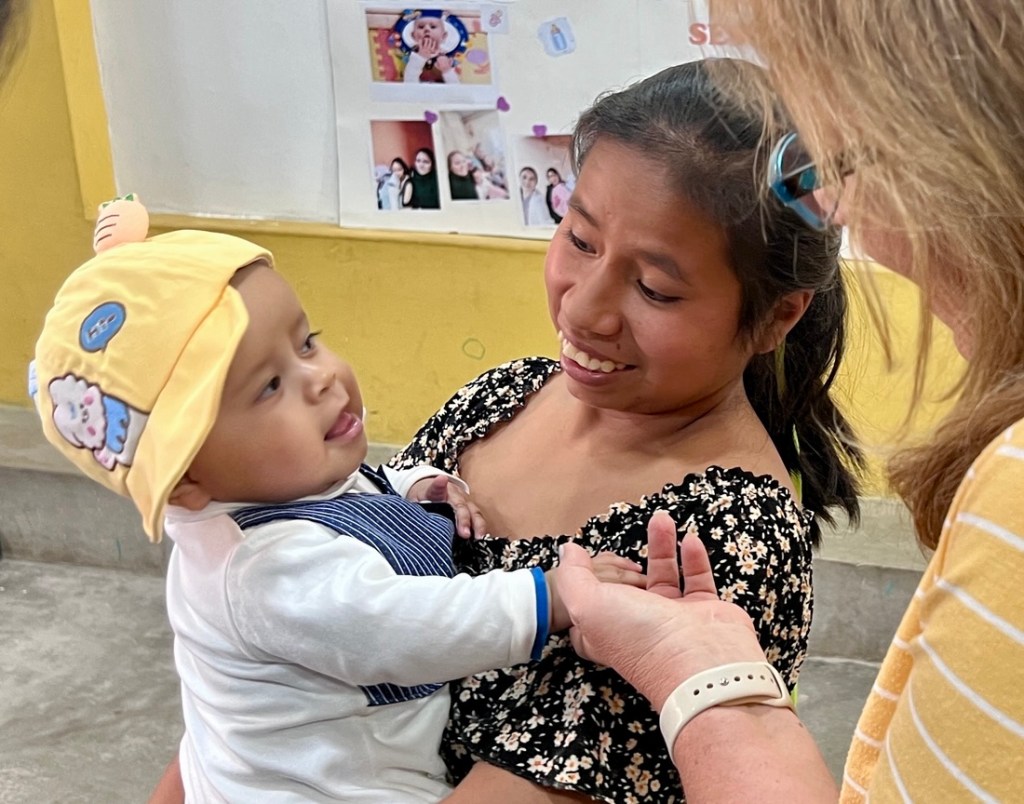
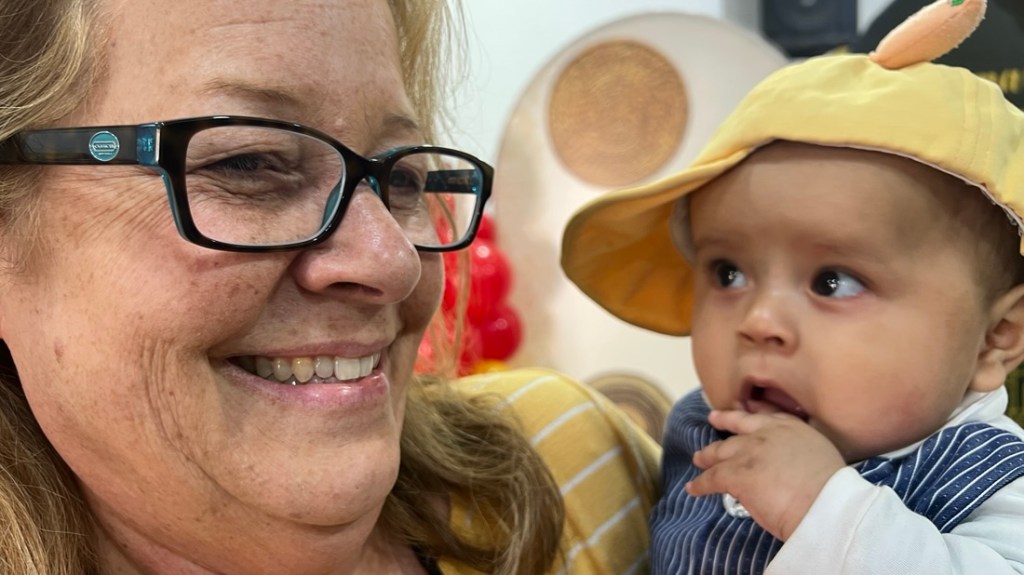
Lunch was a lot of food, but they had learned about variety and healthy choices.
We were all feeling so tired that we nearly fell asleep over lunch. Next was a series of demonstrations from kids in the Compassion sponsorship program. First, a youth group sung “High and Lifted up” in English then Spanish.
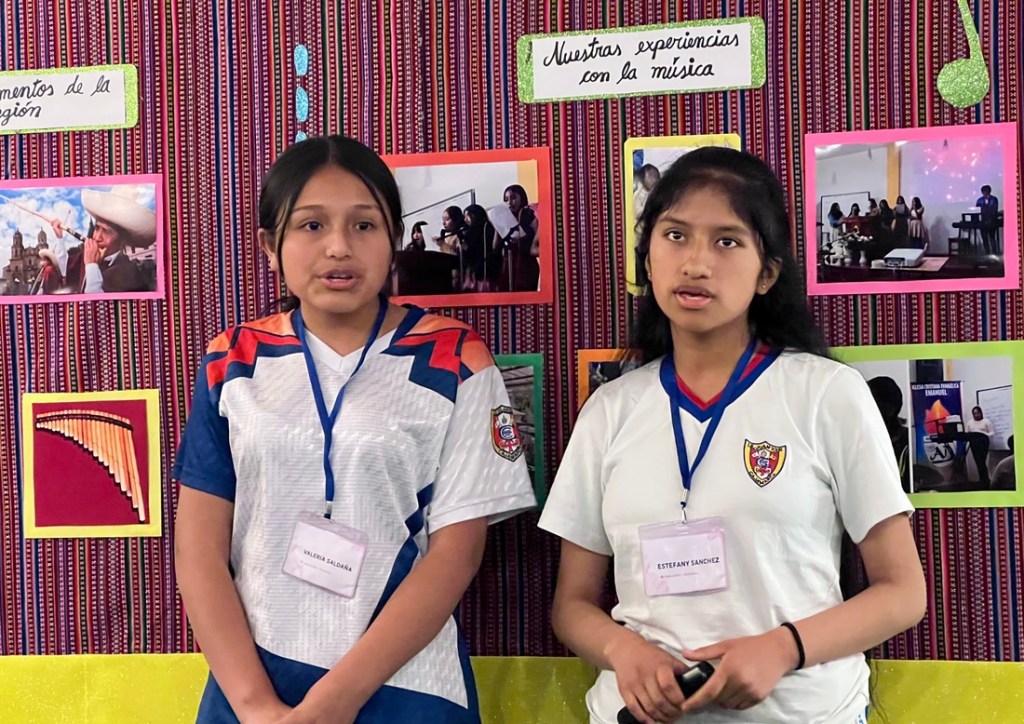
Some children explained their music program and performed. I smiled at how the two girls were smartly dressed in soccer uniforms. The pianist wouldn’t look anyone in the eye (typical teenage boy). But the boy in the fancy jacket looked like an enigma.
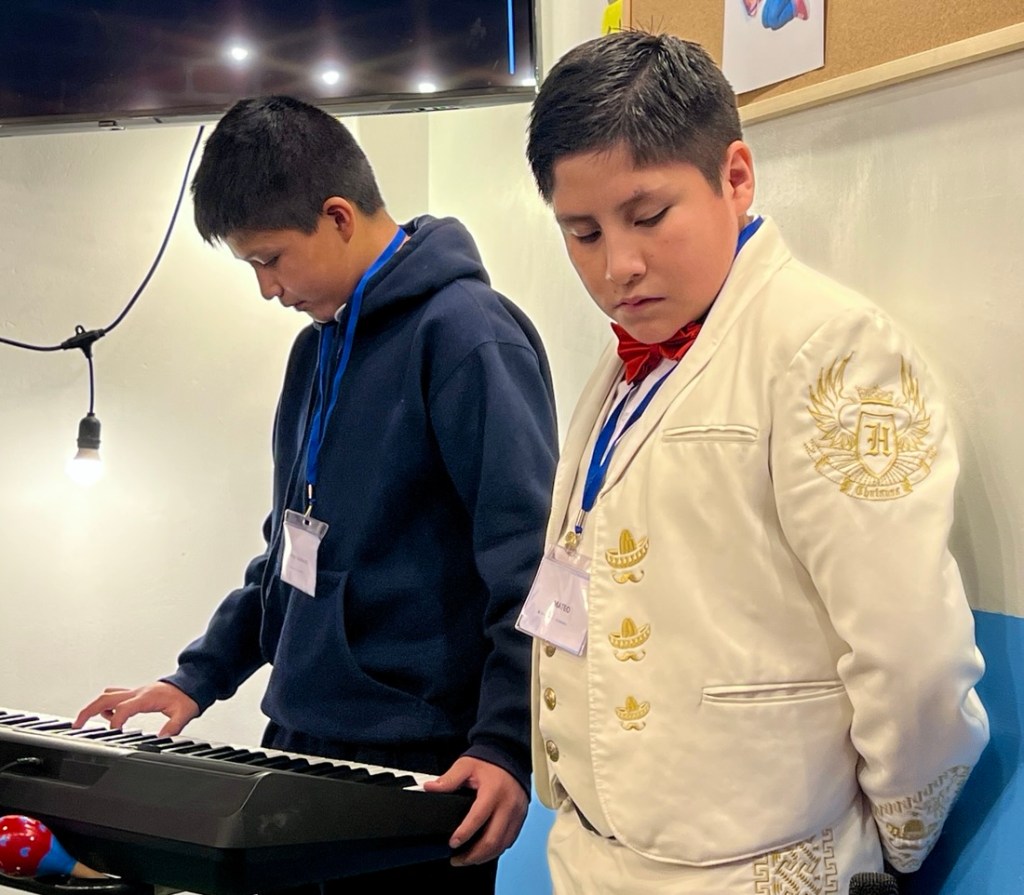
Then, Mateo stood up and sang the most amazing solo. His grandfather had taught him to sing.
The next class was about Plans for Tomorrow. Stephanie talked about how she can choose whether to be a nice person or an unpleasant one, and she wanted to be a dentist.
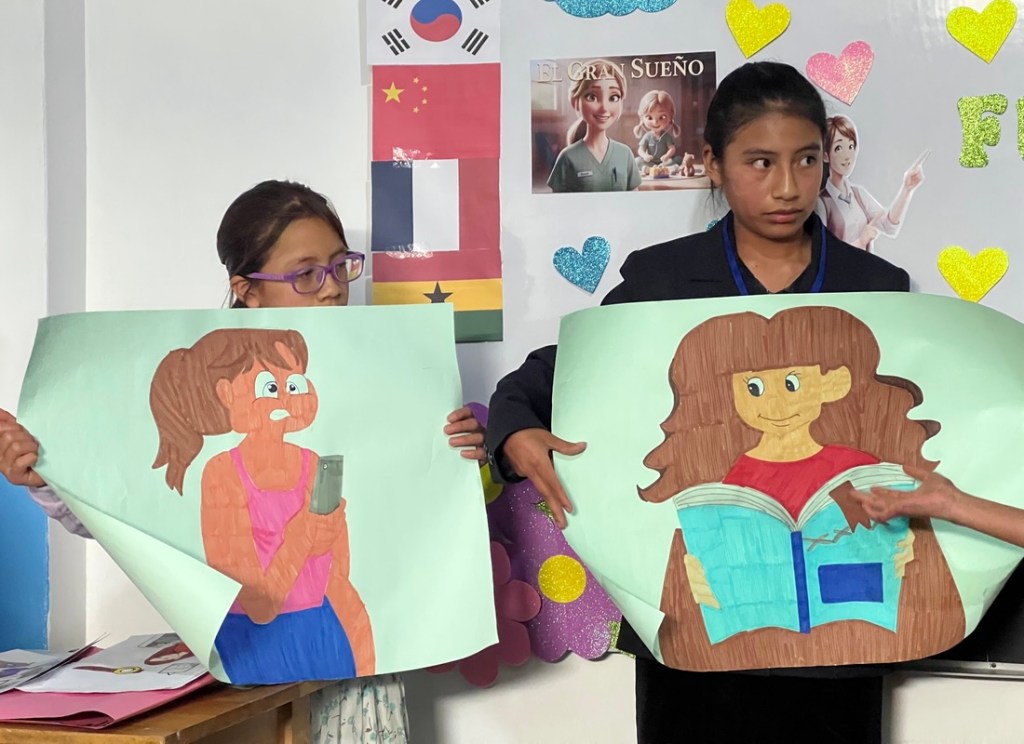
In the same session, Marixa talked about her body. She explained her understanding of the importance of hygiene, changing dirty clothes, including underwear daily, or we get stinky and no one wants to be close. She wants to be a doctor and knows she needs to do lots of studying.
Next up was a very cool robotics demonstration using LEGO and programming.
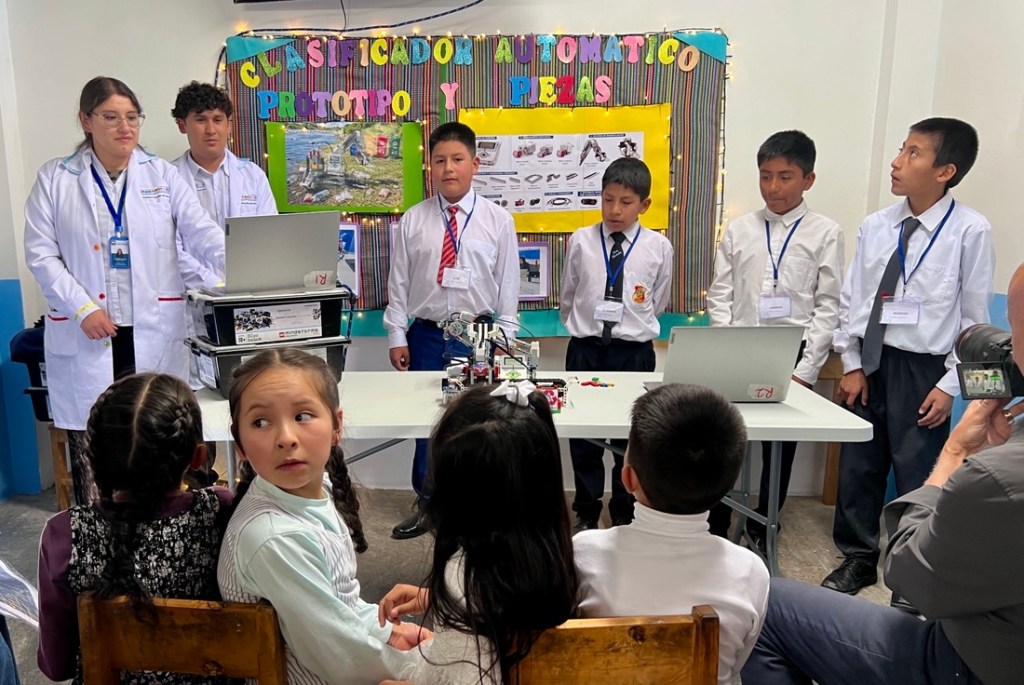
It was time for farewell, a time of prayer, and gift giving. We each received a bag and a scarf and we gave them a bunch of toys.
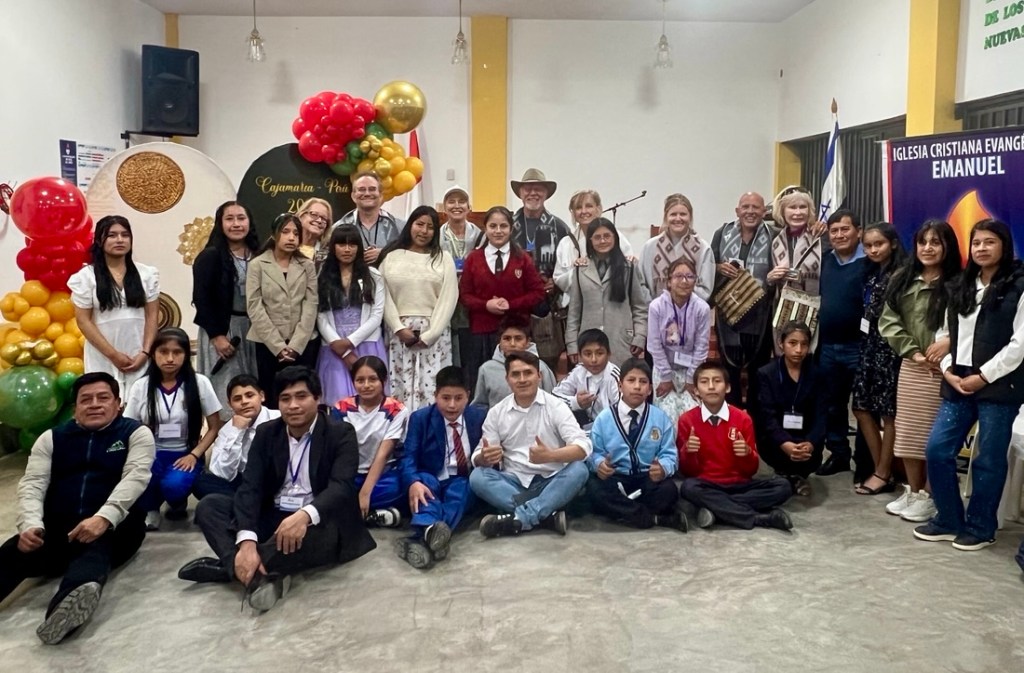
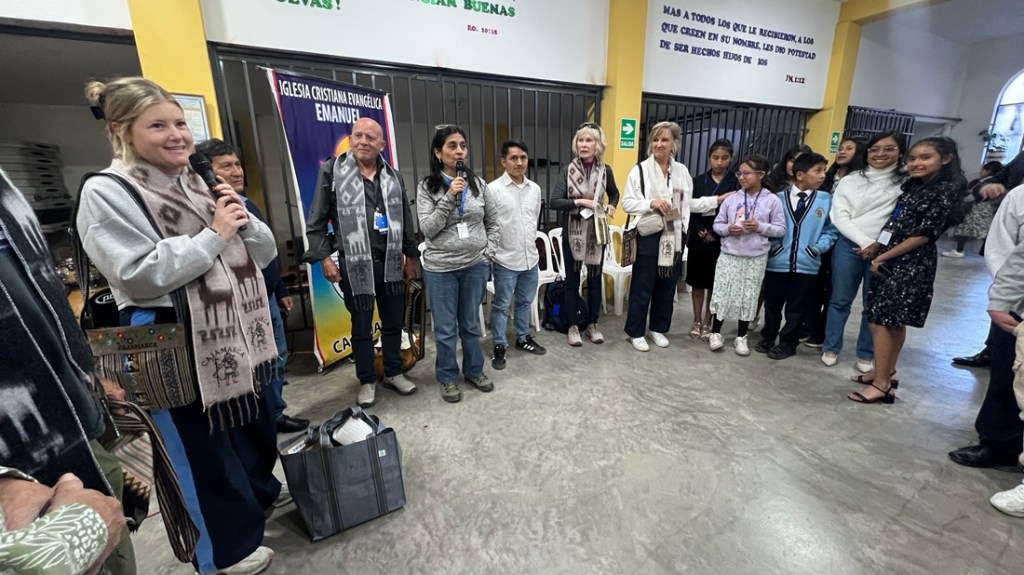
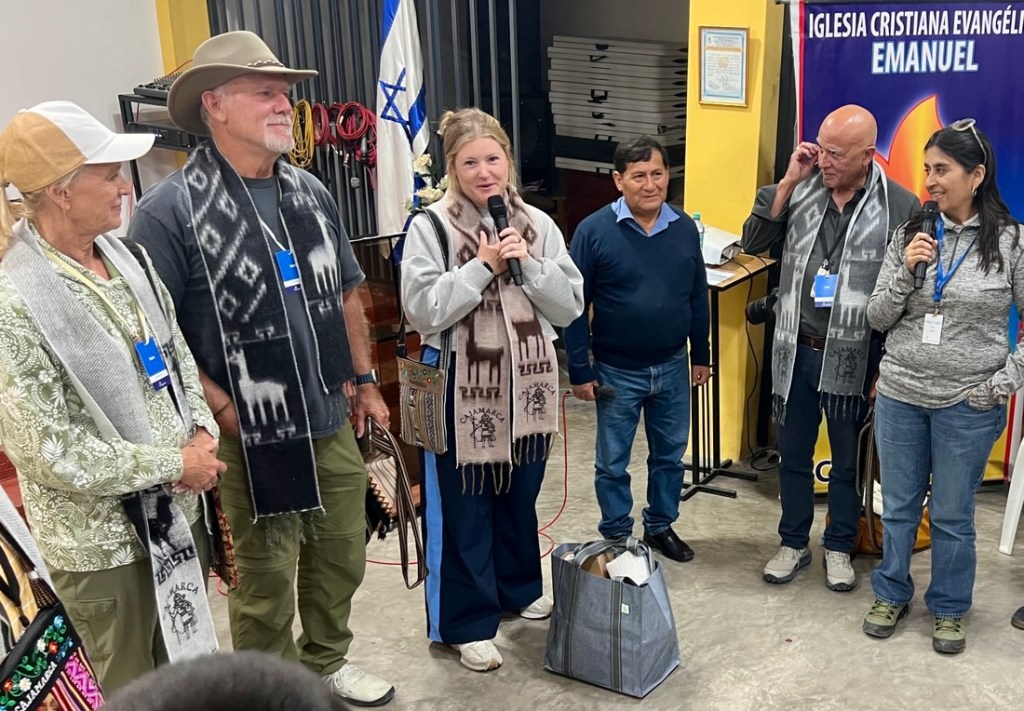
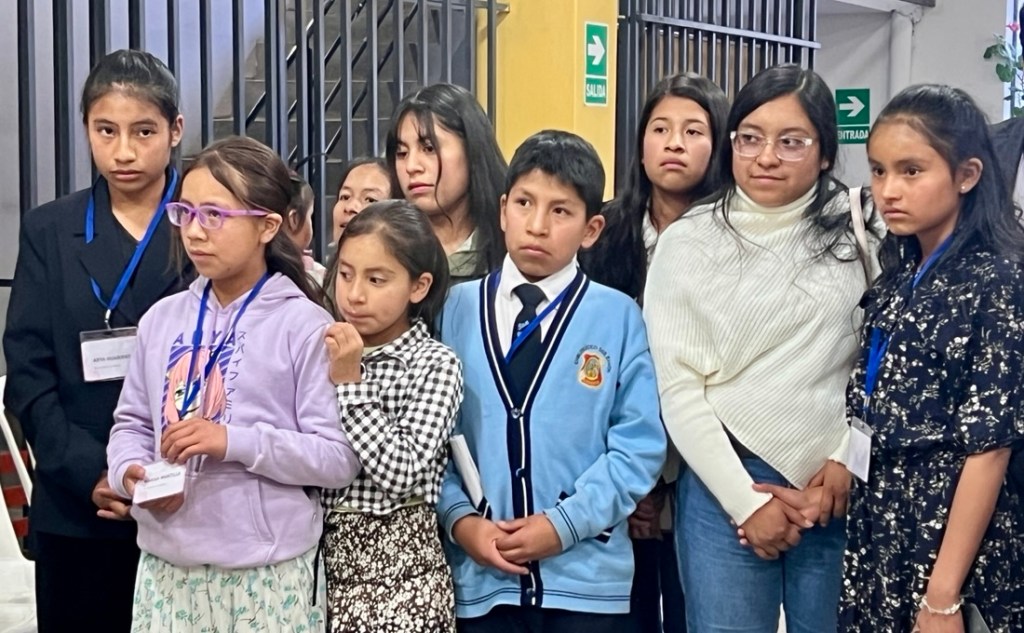
Today, we saw the program reach people from babies, through school years, and how it impacts moms. Holding the babies, and seeing how the Survivor Program increases their chance of survival significantly, was the most touching. This was complemented by knowing that the baby’s development will continue. However, the most moving was seeing the confidence of children who live in the worst conditions. At their presentations, they were clean and articulate and showed off their unique skills and gifts, which the church tries so hard to identify and develop. Their ambitions of dentist or doctor or architect might seem out of reach when looking at poverty statistics, but these kids are driven.
We saw how the most critical ingredient was the leadership of the Frontline Church Partner. They implement the program with the kids. At this church, the enthusiasm of the pastor’s son, Luis, was rubbing off on so many children, and we could also see the love of helping these kids in his wife and his parents. Compassion does a wise and rigorous process to select partner churches, and then monitors them closely to ensure they are following Compassion’s rules and guidelines.
Find our other blogs about this trip on my Peru with Compassion International page.


What great pictures…a life changing experience, indeed! The ponchos are your color, Peter! Did Janet help make the empenadas?? Yum!
LikeLiked by 1 person
Janet was too busy hugging babies to cook! And my wardrobe can certainly be improved by the local merch. Thanks for the comment!!
LikeLike