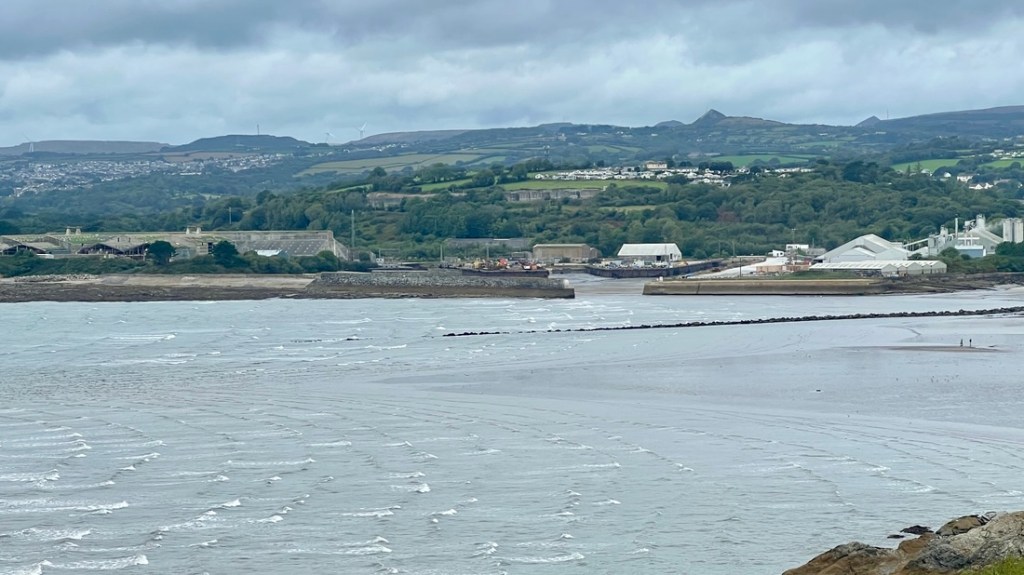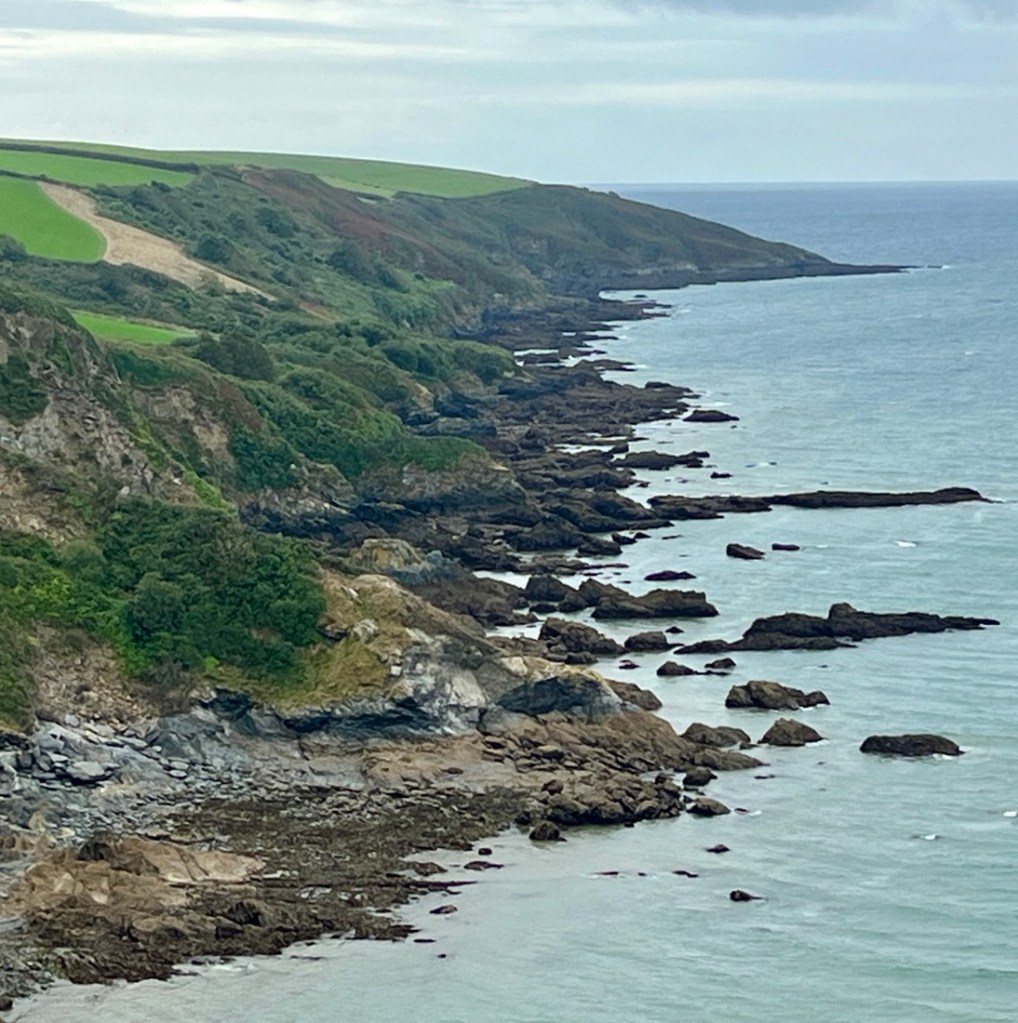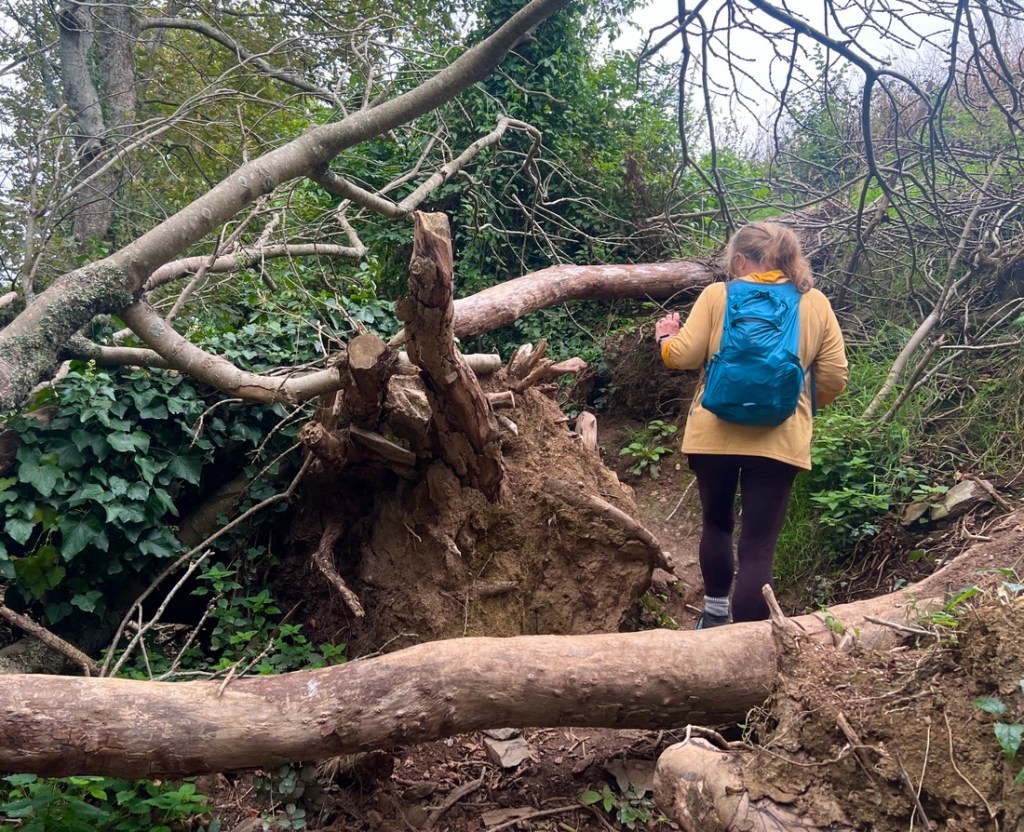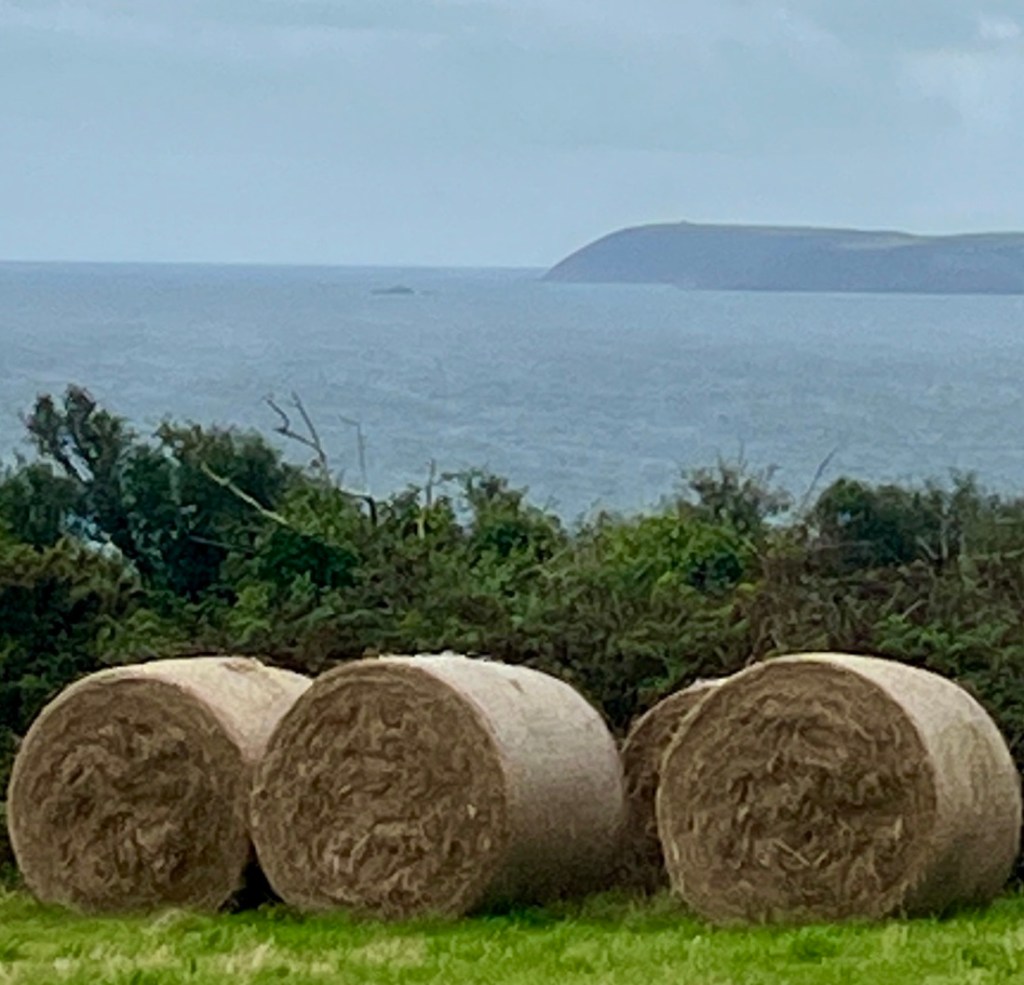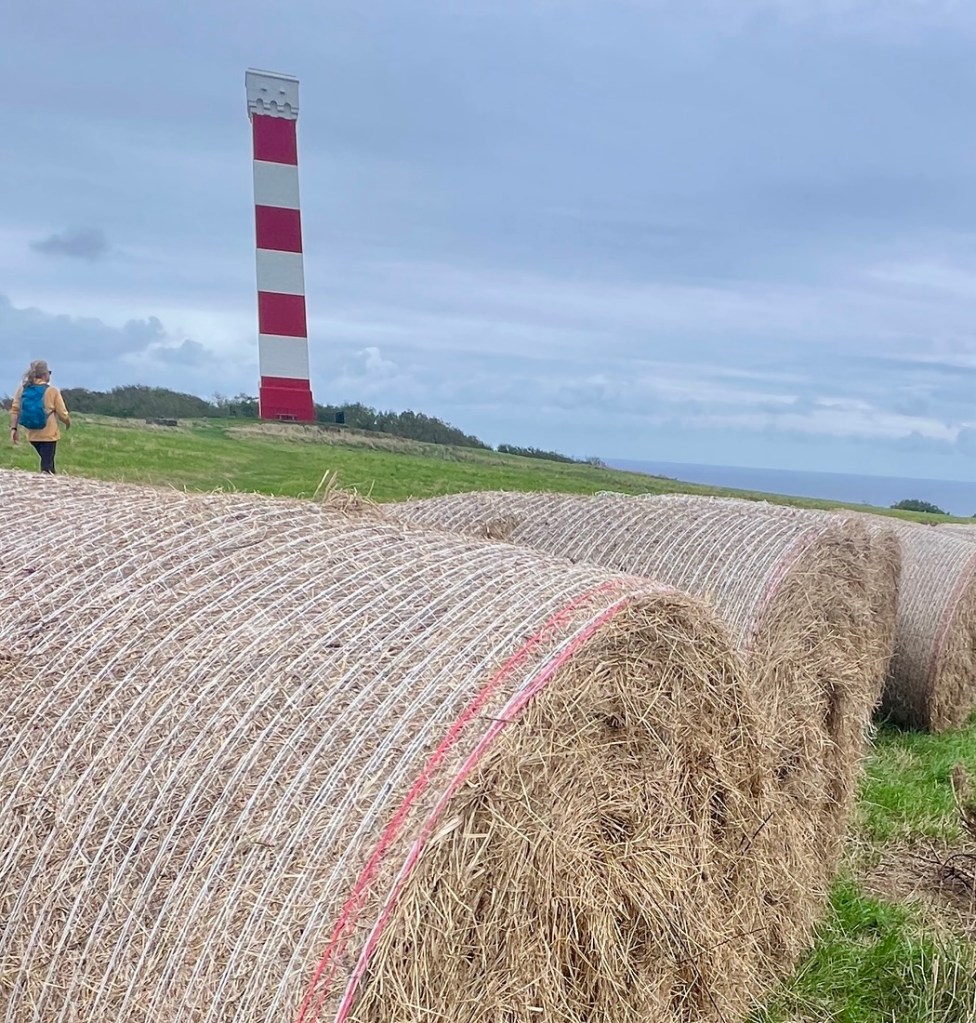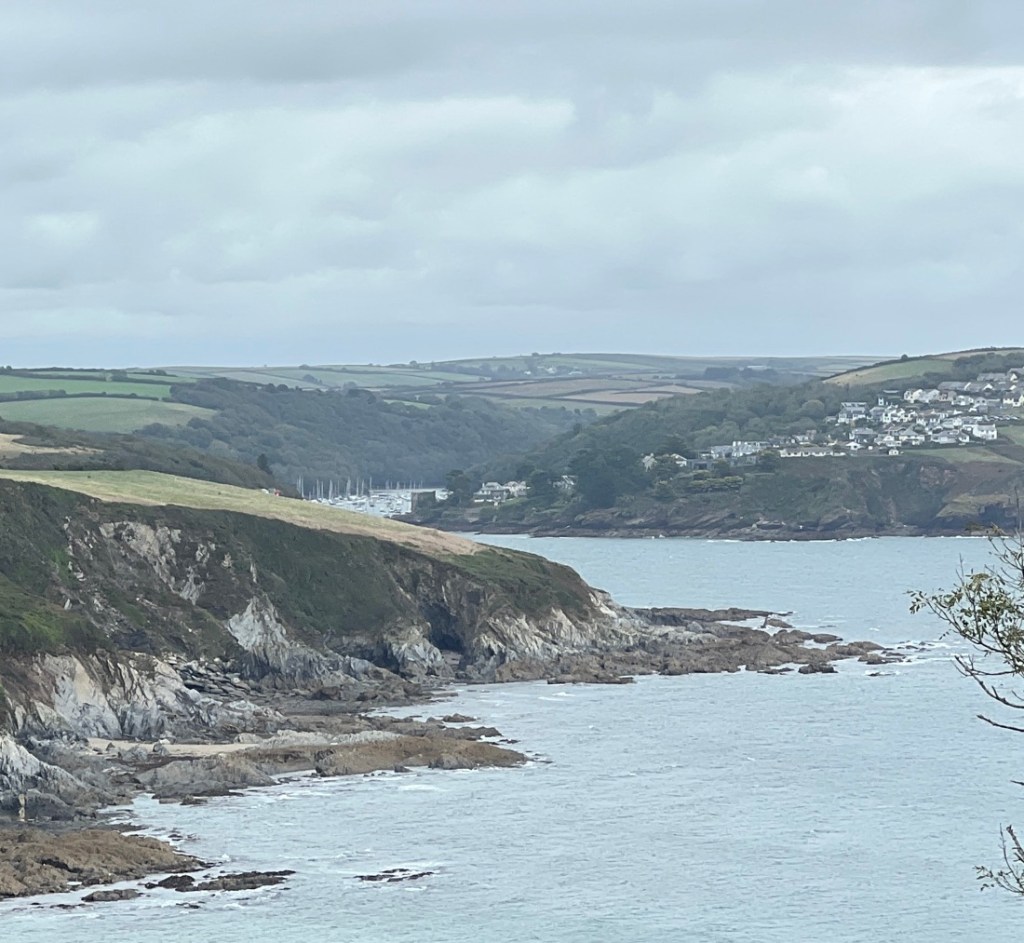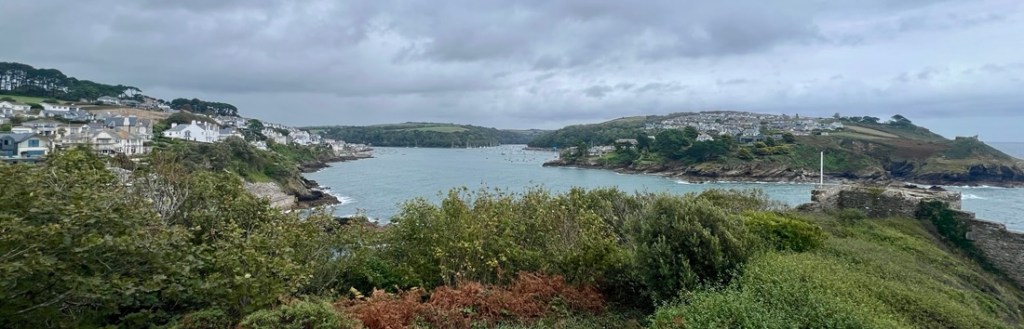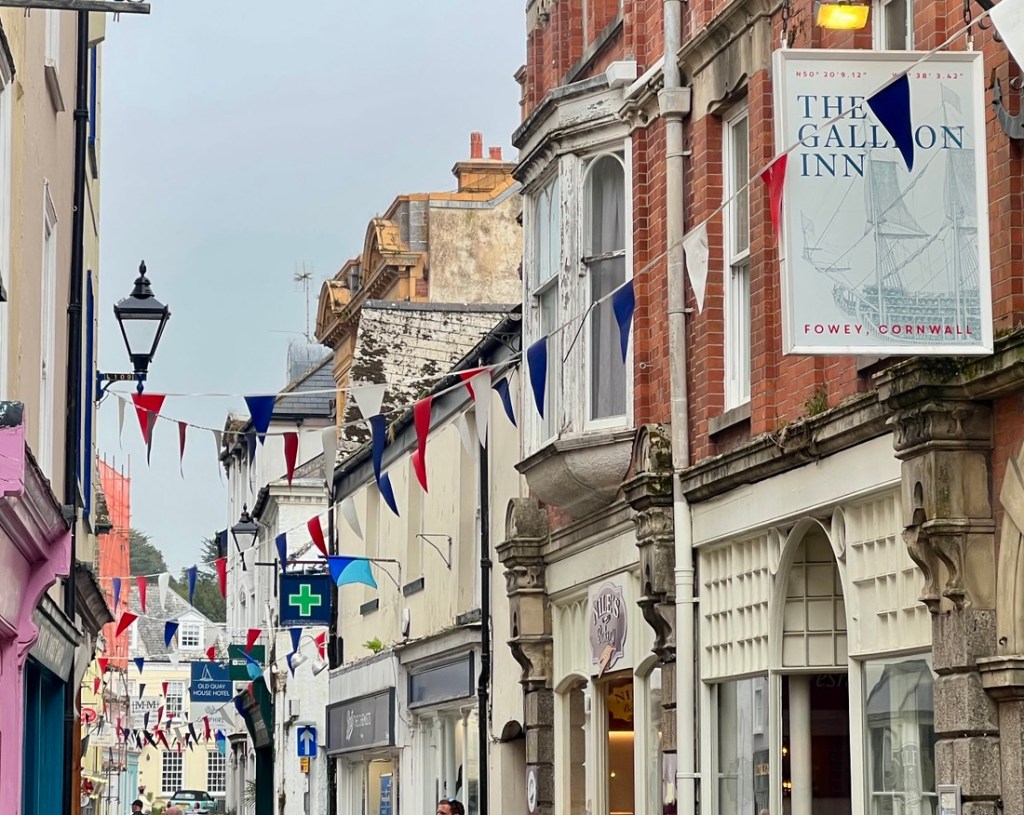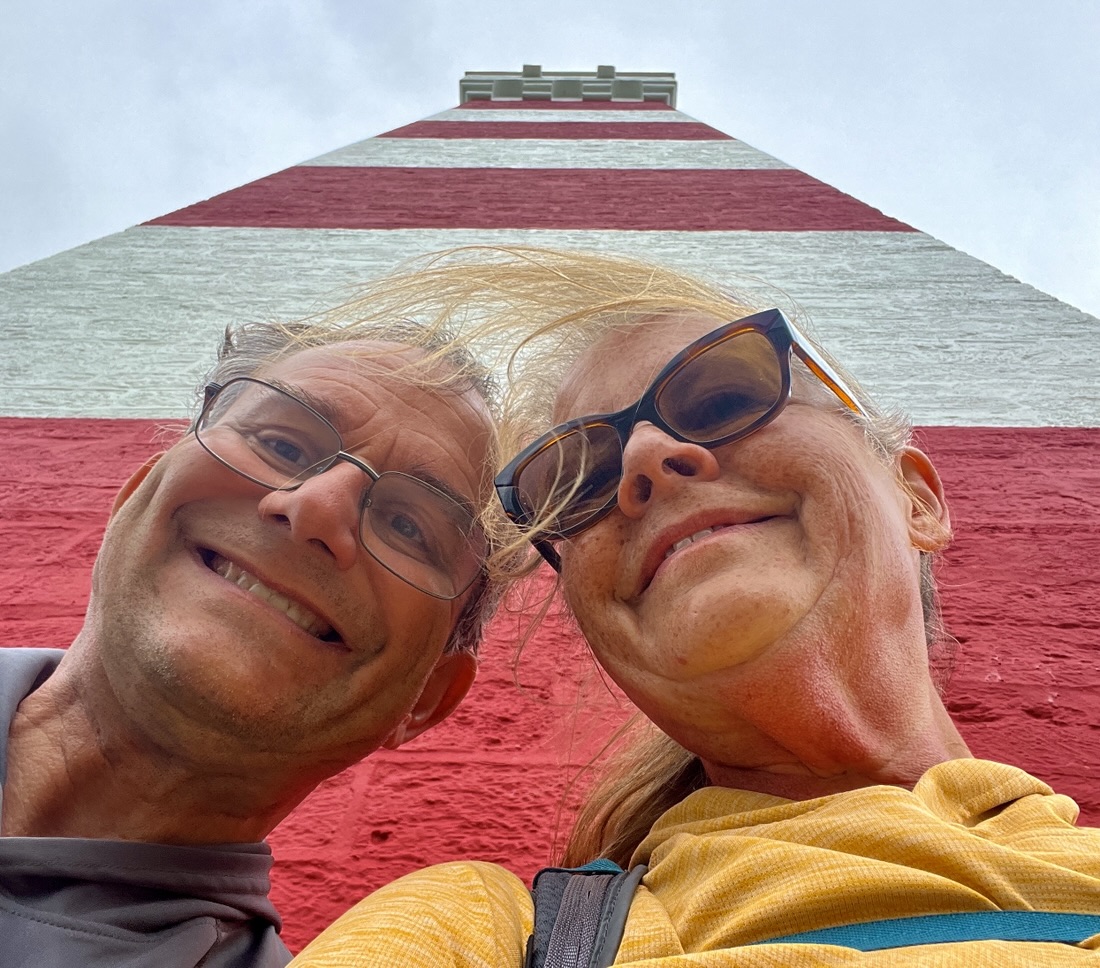
Today’s inspiration was that all things of man are temporal. Over the previous days, we had passed through many small fishing villages that had redefined themselves, while surrounded by permanent rocks and less stable cliffs. Today, the main town we passed through was Par.
The town of Par, and its associated port, was a major centre for exporting copper ore in the 1820s-1840s. As that activity declined, the local china clay industry boomed, until 2007 when most of the activity in Par transitioned to Fowey due to its preferred deep water harbour. As we passed Par, we were struck by the size of the derelict structure, a future for which was still trying to be worked out. Perhaps it was fitting we finished the day in Fowey, pronounced “foy”, as in boy, or so we were told!
Even more fitting was that there was a golf course on the cliffs overlooking Par. Indeed, it looked like the golfers we saw were playing “over par”! 😁
Why is the clay called china clay? The result of my research was surprisingly interesting:
China clay gets its name because it was the essential, secret ingredient used to replicate the highly prized porcelain pottery originally made in China.
For centuries, Chinese potters were the only ones who knew how to make true porcelain, which Europeans called “china” or “china-ware.” European potters desperately tried to recreate its thin, white, and translucent qualities but failed because they lacked the right raw materials.
In the 18th century, it was discovered that the secret lay in a specific white decomposed granite clay known in China as kaolin (named after the Gaoling hills where it was mined). When the same mineral was discovered in the West—most famously by William Cookworthy in Cornwall, England, in 1746—English potters adopted the literal translation and called it china clay.
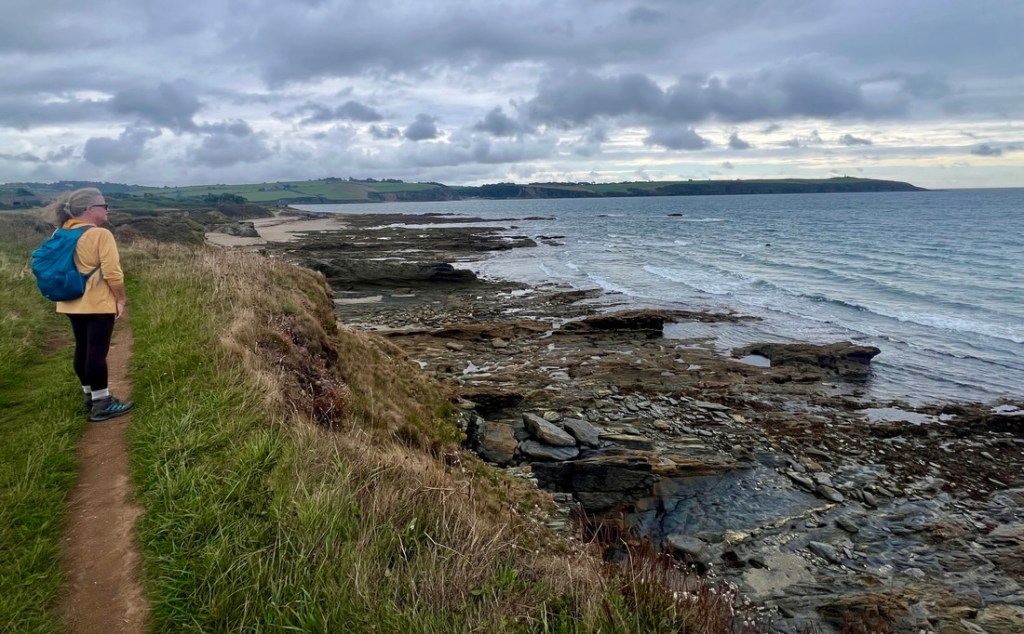

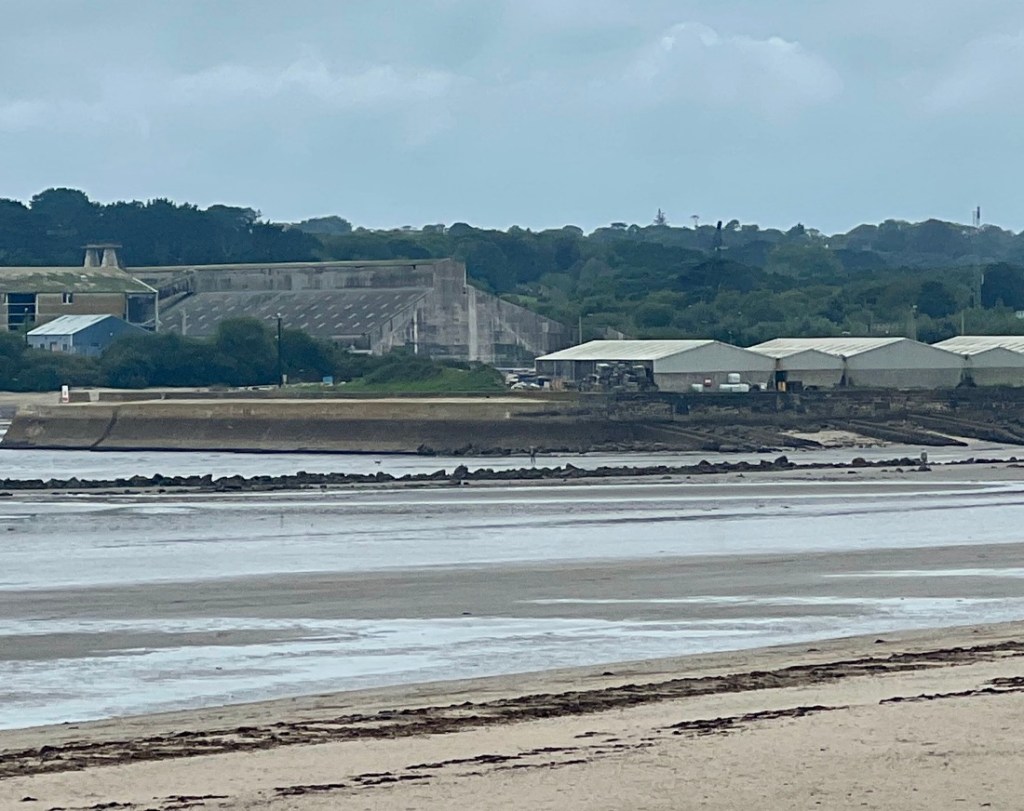
We saw no evidence of any china clay anywhere!