

After dropping Saydee off at a fine dog sitter that we found through the “Rover” app (thanks Angel C.!), we spent a fine day at the Creation Museum. While a focus on the museum is a literal interpretation of the Bible’s description of creation in Genesis, it presented a broad range of topics around the subject.
Highlights
After some introductory exhibits, the core of the museum’s journey took us through the Bible around 7 C’s: Creation, Corruption, Catastrophe, Confusion, Christ, Cross, and Consummation. While this greatly simplified the Bible, and jumped from Genesis 11 (Tower of Babel) to the New Testament, there was a nice logic to the sequence.


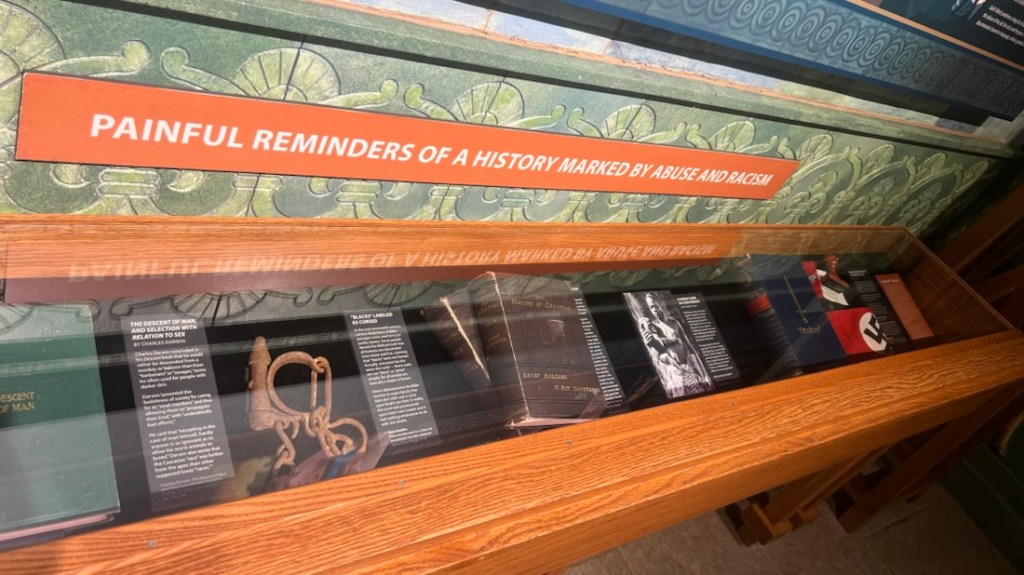
I felt it handled “corruption” sensitively, presenting mankind’s evil in a fallen world, including atrocities from racism to the Nazis.
The introduction to the Bible included a great overview of its origins and historicity. I enjoyed its discussion about how other religions and cultures echo the Genesis accounts, similar to what I studied in Old Testament Backgrounds.

This also included a review of archeological evidence that supports biblical accounts, and covered much of the material I studied during the New Testament Background classes I took when studying my Bible exposition PhD. Janet and I recognized some of the artifacts from when we followed Paul’s footsteps in Greece with my Liberty University professors, like the Gallio Inscription at Delphi.


The “Fearfully and Wonderfully Made” exhibit was lovely. It presented the fascinating development of a baby inside the mother’s womb. It discussed the challenging topics of abortion and adoption sensitively.



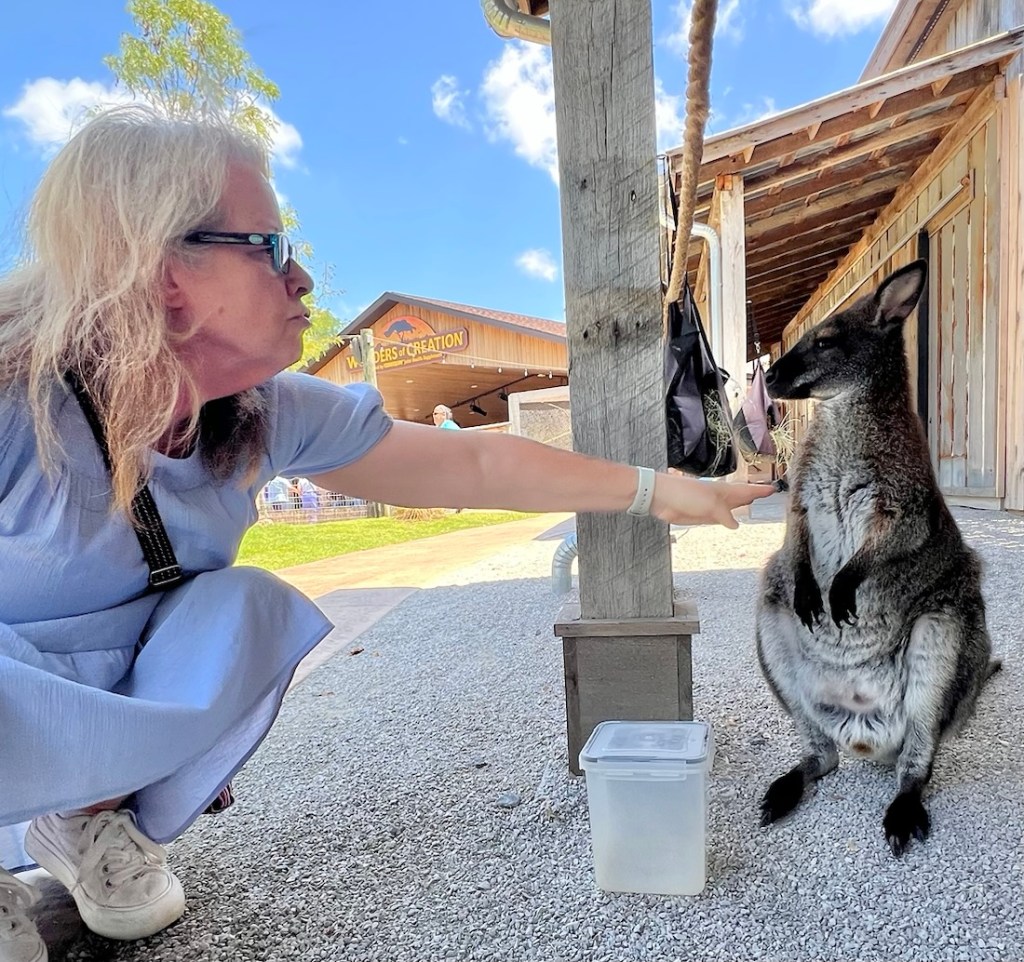
Our final highlights were the gardens and animals. Beautiful flowers and animal encounters celebrated God’s creation.








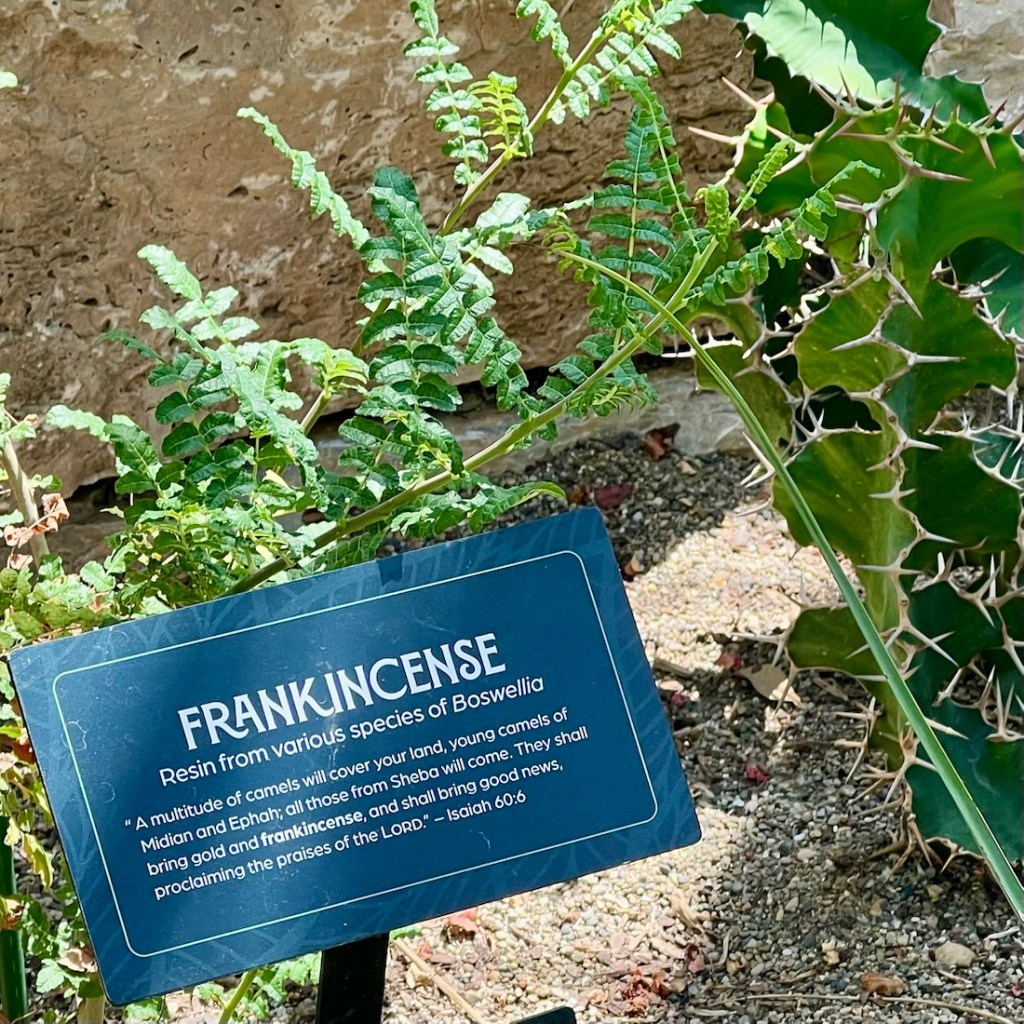
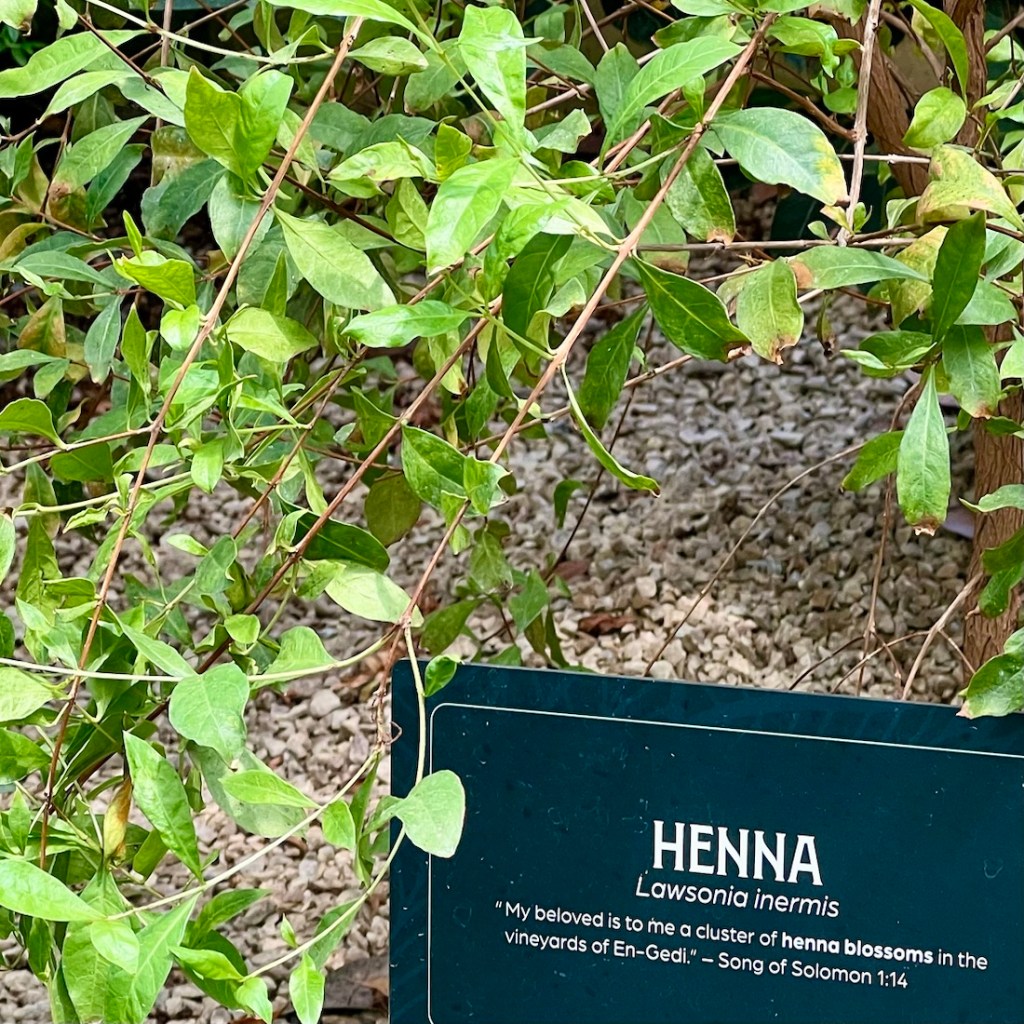
Greenhouses simulated eastern Mediterranean climates and included plants mentioned in the Bible. Some thrived more than others!




Odd
The museum’s theme on entry was dragons. A movie attempted to explain the link between mythical dragons and dinosaurs, but we failed to understand its point. A key point of the Young Earth Creation argument is that dinosaurs were created on the sixth day and coexisted with man, including some of the dinosaur “kind” being on the Ark. The music throughout the museum reminded us of Jurassic Park!

Uncomfortable
The exhibits about a literal interpretation of a six-day creation and the relationship of the flood to observed geology were generally presented as a binary argument. The literal interpretation was labeled “biblical creationist” and the opposing view as “naturalistic evolutionist.” The way this was presented made me uncomfortable for a couple of reasons:
First, it flippantly dismissed arguments that aligned with anything that disagreed with the literal creation interpretation, for instance, by citing a blog article. From what I could tell, there was little regard for established historical or scientific practices. My experiences in science, geoscience, historical research, and hermeneutics have made me deeply respect each discipline. I have had to accept contradictory conclusions from the different disciplines, which defies logic, yet I know God is bigger than my logic.
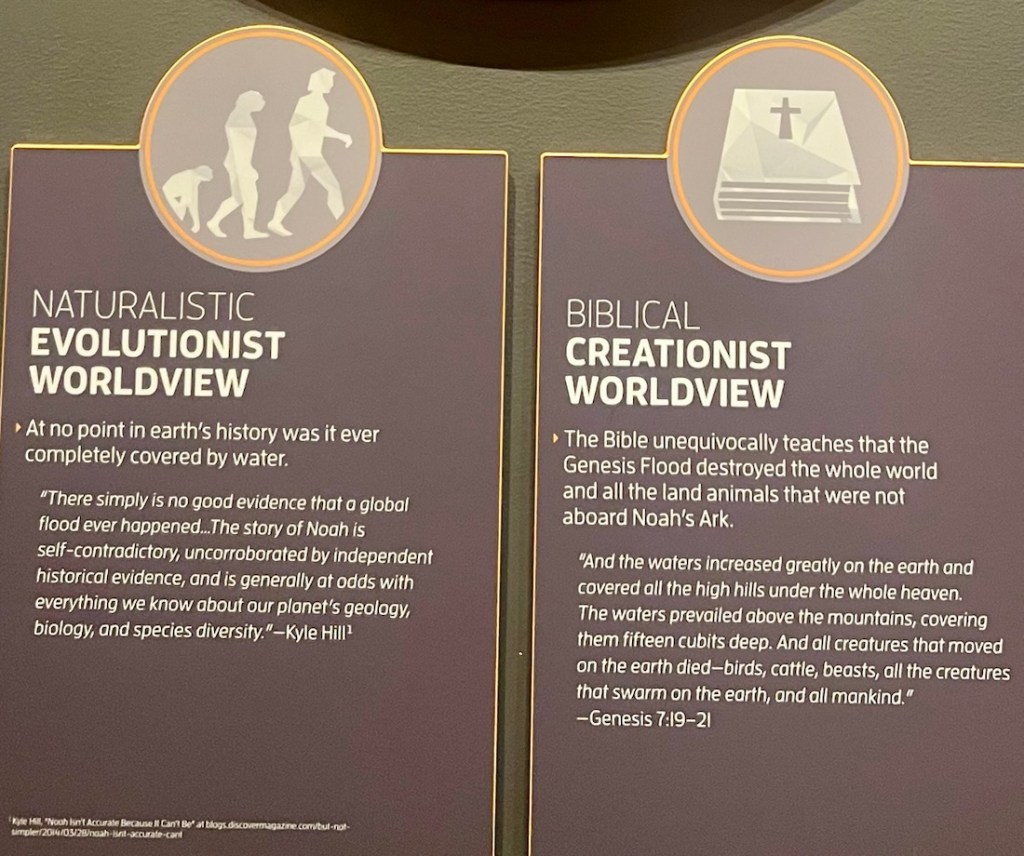

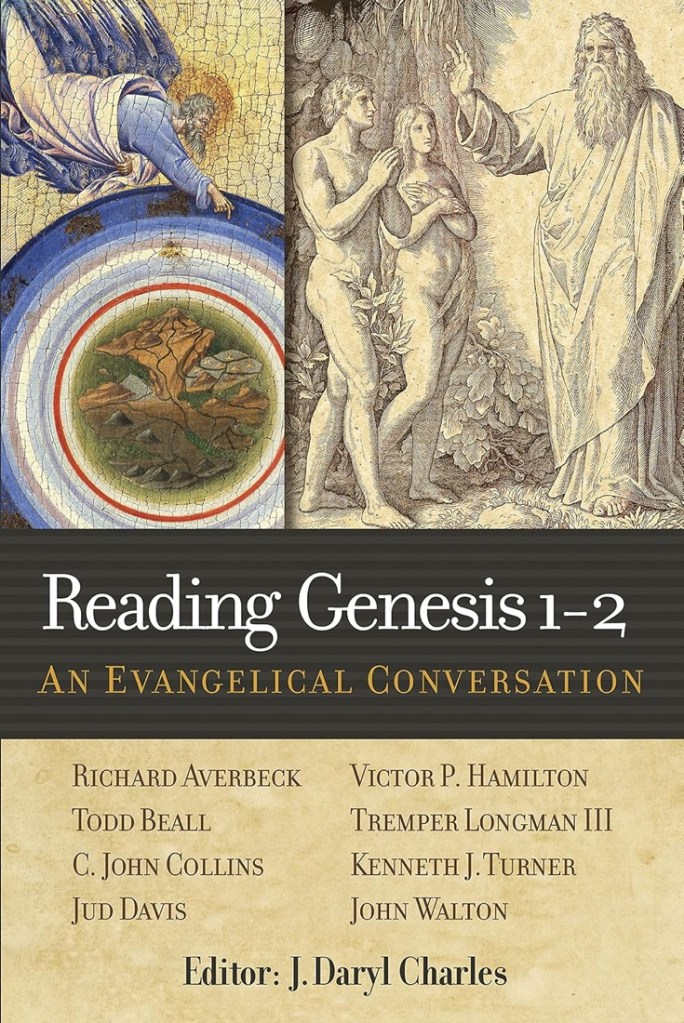
Second, it lumped together all positions that did not completely align with a literal, six 24-hour periods, interpretation of creation. Such positions range from complete atheists to respected evangelical Christians who offer respected alternative interpretations of Genesis. I have struggled to accept a literal six-day interpretation of creation. I believe God could have done it, and I believe in the Bible’s inerrancy, but the literal interpretation doesn’t seem correct. My academic studies on Genesis led me to a brilliant book, Reading Genesis 1-2: An Evangelical Conversation, edited by J. Daryl Charles. In the book, five respected theologians present different interpretations, with some including a discussion of the text’s literary genre, and another evaluating authorial intent. I discussed the book, and others, in this blog post. My position aligns with the authorial intent position, that the text is focused on explaining that God created the world, rather than how He did it.

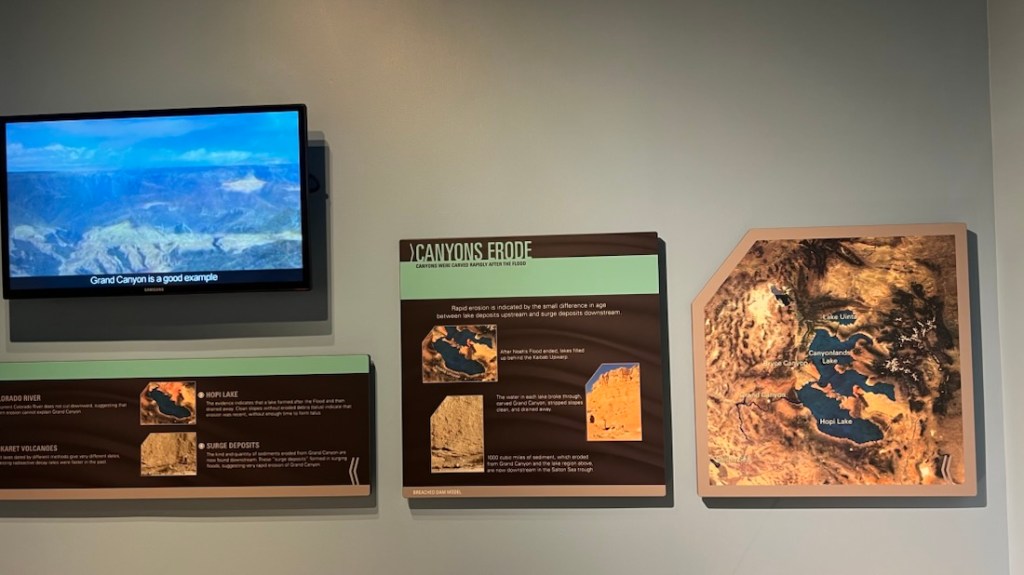
A museum cannot present all aspects of a debate, and the Creation Museum is presenting its case to counter the scientific and historical arguments that completely dismiss the Bible’s relevance. However, I sensed that the museum was just as guilty in largely dismissing scientific and historical process. The museum presented multiple cases of how observations, from the Grand Canyon to the fossil record, could have happened in the context of a six-day creation, but it tended to present them as “the truth” rather than a possible explanation, and there was little evidence of peer review of such hypotheses.
The literal interpretation is a very popular position. While I have my doubts about this interpretation, I prioritize my biblical focus on the salvation message of the Gospel of Jesus Christ and helping those who cannot help themselves.
Lame
I’m unsure if “lame” is the right word, but “weak” is insufficient. It is clear the museum is wanting to appeal to children through its initial focus on dragons and dinosaurs, and the use of animatronics and a 4D theatre. However, I felt these just fell flat, I.e., was lame. The video about the relationship between dragons and dinosaurs did not answer any questions, and the second video was so unmemorable that I cannot even remember its topic. However, I will admit that I could not think of a better way of doing it, and they are competing with Disney and AI in these presentations!

Conclusion
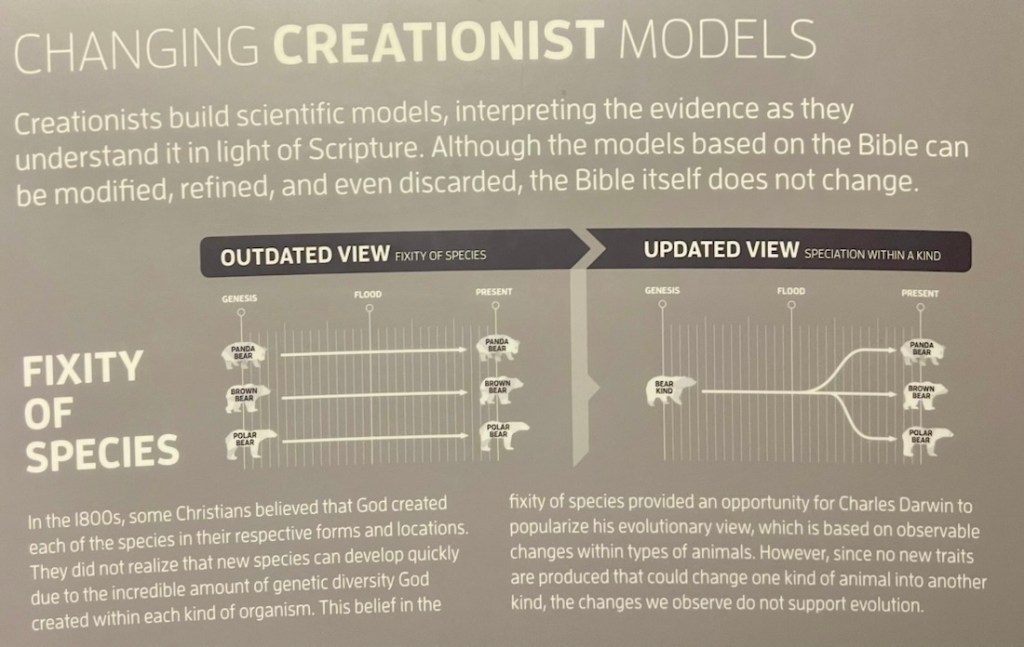
It is possible that I have been jaded by my four years of intense biblical study, but it gave me a firm foundation in Bible interpretation and that, for many aspects of the Bible, there are multiple respected interpretations. I know many “Young Earth Creationists” who believe that creation occurred over six periods 24-hour. I also know many who completely reject the biblical account. I’m unsure if I know anyone else who is somewhere in the middle. I did appreciate one poster where the museum presented that creationist positions have changed over time (I resisted saying evolved 😎), while emphasizing that the Bible does not change.
The visit to this museum set us up well for a visit to the Ark encounter the following day, which is the subject of my next blog!

