

The final stage of our wild trip with the Sems and the Townsends was London. We’d walked the southern half of the Cotswold Way, cruised the Kennet and Avon canal on a canalboat for several days, checked out a White Horse and Avebury’s massive stones, and were ready for London. After Avebury, we’d driven our rental car to Heathrow airport, taken a tube to St James’s Park, and checked into our Hub by Premier Inn by Westminster Abbey. We were ready for three days in London!
There was so much to see in London. For first time visitors who were unlikely to return, we tried to show them all the highlights. I recognized the look of “being in the fog” in the middle of our second day and hope that this blog will help align their memories with sights while entertaining others. I grew up just outside of London, near Chorleywood tube station (on the Metropolitan line). My Dad commuted for work near Baker’s Street and I travelled “into town” frequently. Each subsequent visit has been joyful as I learn something new each time. This trip was no exception and triggered some particular memories and thoughts that I share below.
Janet structured the three days around three regions. Day 1 covered the east end of central London, focusing on the Tower of London and St. Paul’s Cathedral and crossing the Millennium Bridge. Day 2 looked at the West End, starting with the sights between Westminster Abbey and Buckingham Palace, catching the Changing of the Guard, and then walking around the sights towards Piccadilly Circus and Trafalgar Square. Day 3 was slower, starting with a visit to Janet’s favourite rose garden in Regent’s Park and walking through Hyde Park. Max and I visited the Royal Geographical Society to research Percy Fawcett’s expeditions (described in a separate blog) and we rounded out the whole trip with a dinner cruise together down the Thames cruising under Tower Bridge and passing the Docklands and Greenwich.
Day 1: From the Tower to St. Paul’s
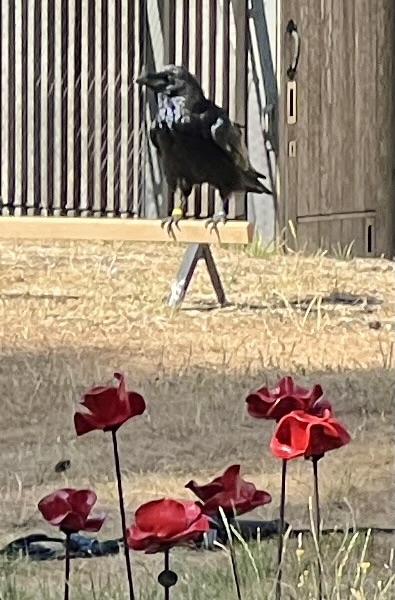
With tickets booked for the Tower of London when it opened at 9am, we took an early tube and found breakfast near the Tower and wandered around. The morning light was very kind to the sights, and crowds were thin.
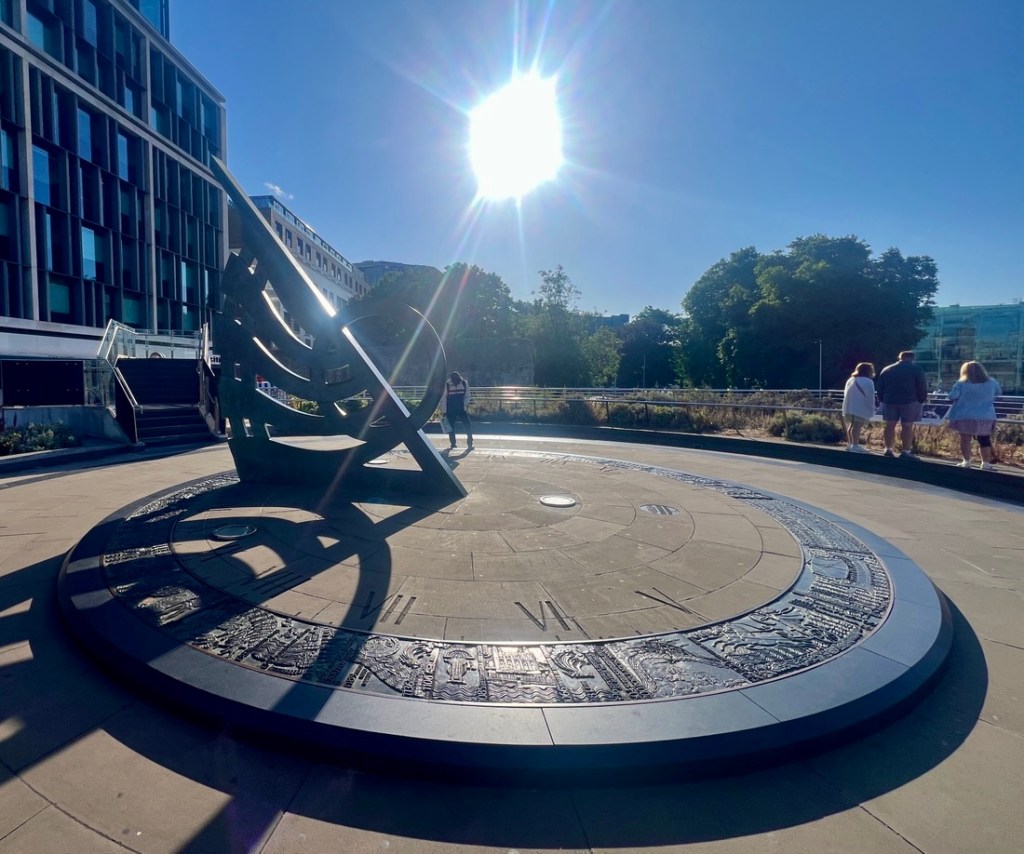


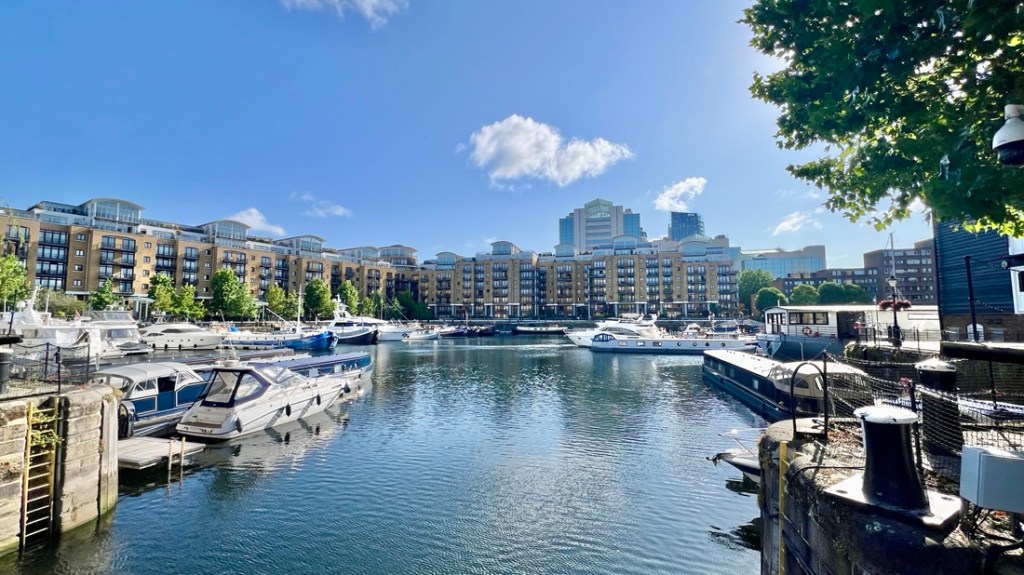
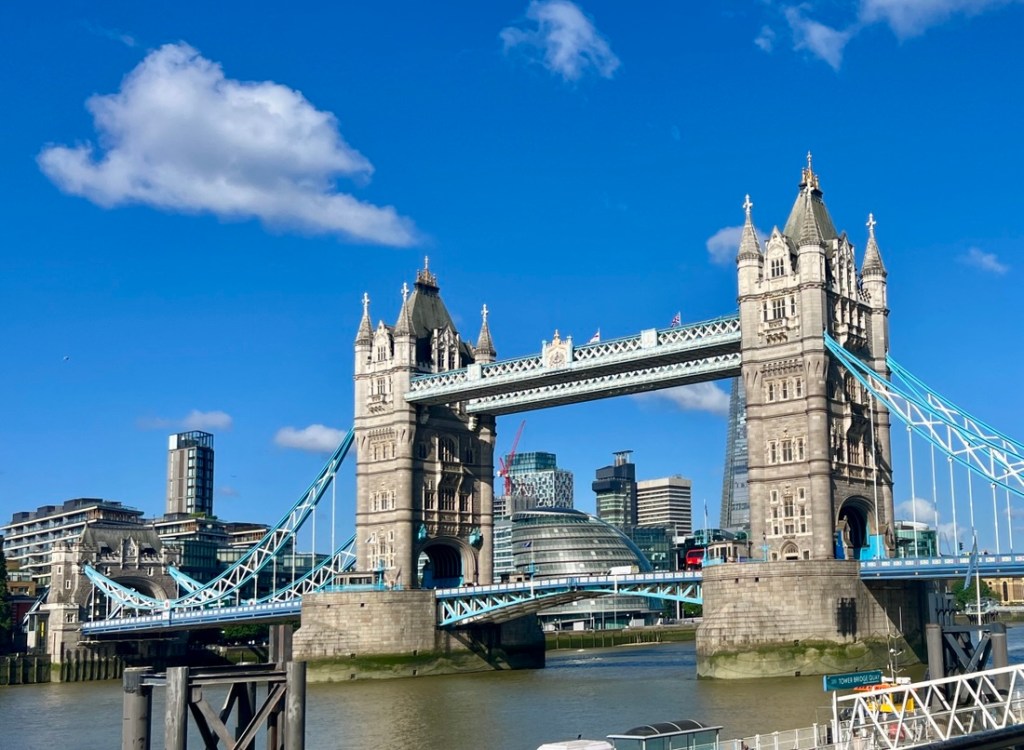

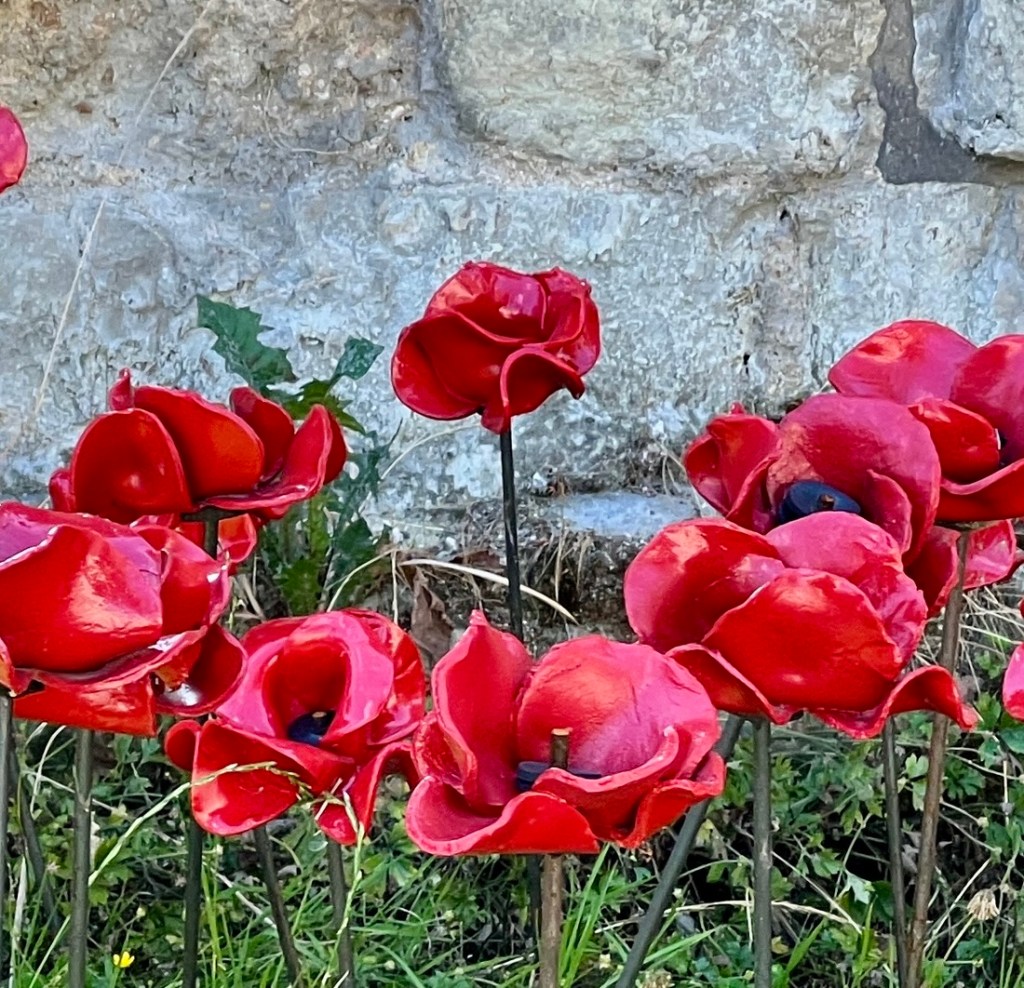
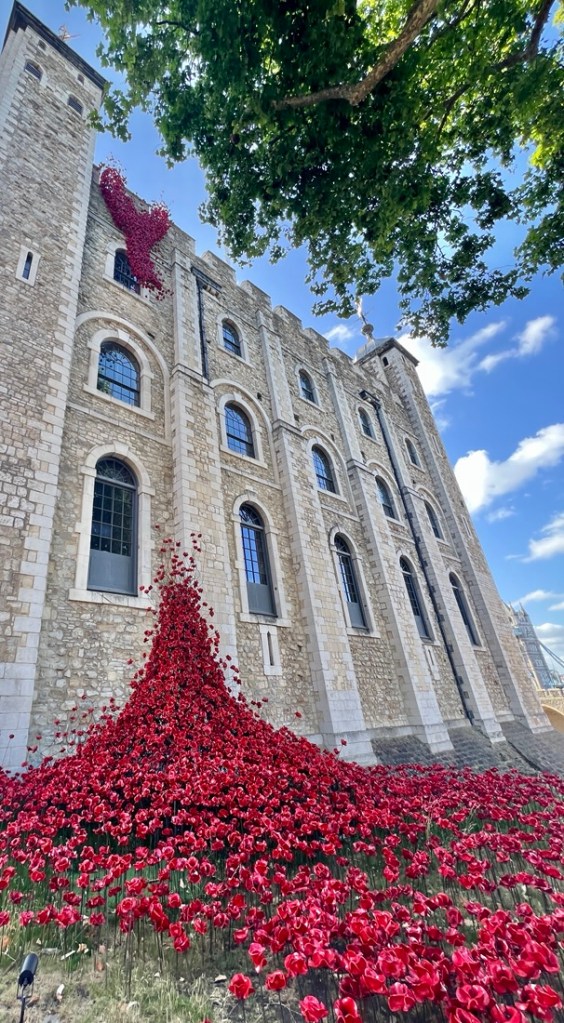
We headed off to see the Crown Jewels, where photography were forbidden. It was very wise to visit these early. We walked straight in, but when we left, there was a 45 minute wait to get in.




The City of London and St. Paul’s Cathedral
After exiting the Tower, we headed west into the City of London. The City is only a square mile and is home to the historic financial district, associated skyscrapers, and St Paul’s Cathedral, with lots of other history.

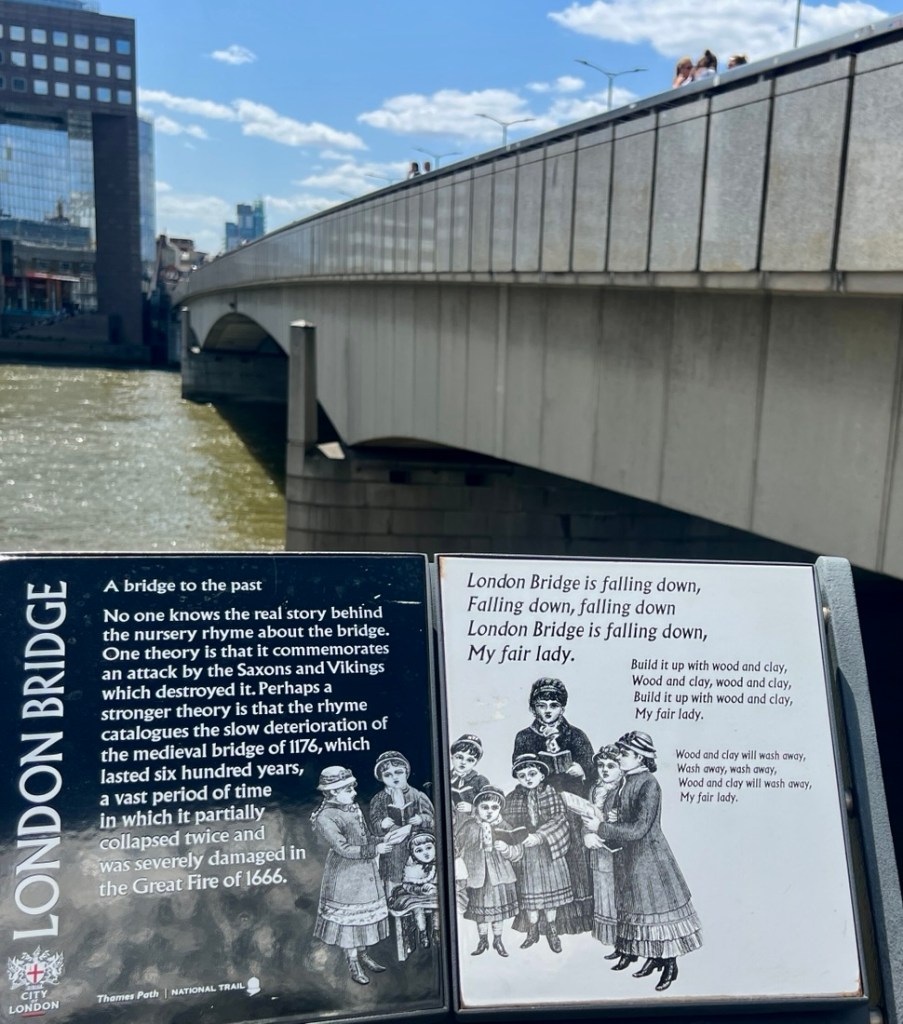
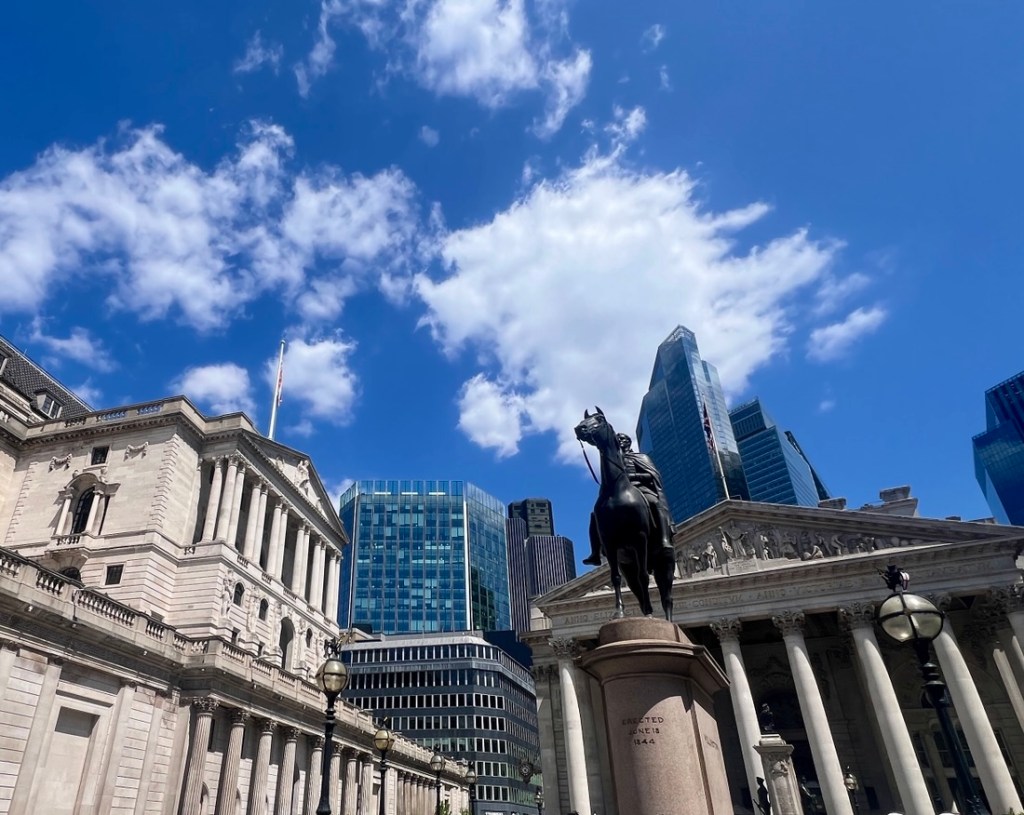

Traditionally, only those born within earshot of the bells were considered to be true Londoners, or Cockneys.
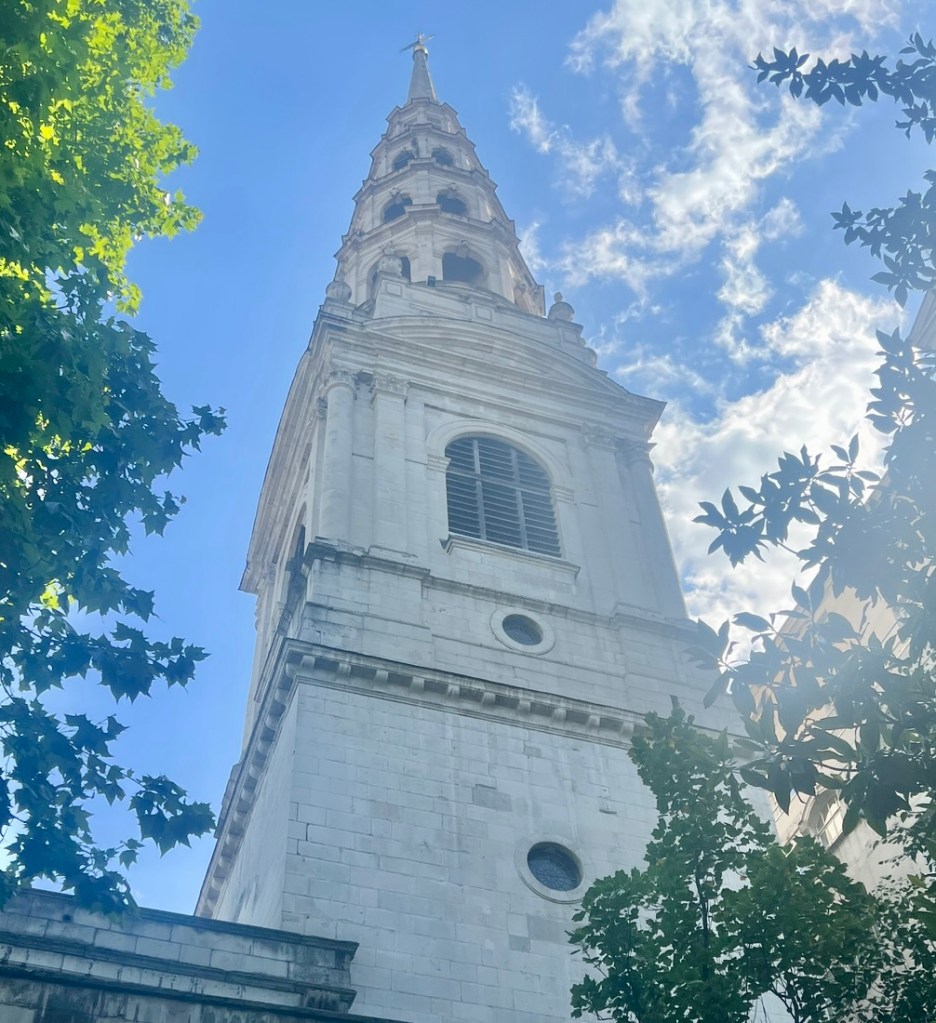
Fleet Street is where London’s newspapers were printed until modernization. My grandfather and uncle both worked at newspapers on Fleet Street.
St. Paul’s Cathedral
Next was St. Paul’s. It is an active Christian church, with visitors asked to remain still for prayer on every hour. We checked out the inside before the brave few climbed to the top for fantastic views. The surprising highlight was on our way out when Max and I stumbled across the American Memorial Chapel (thanks to Rick Steves’s guide).


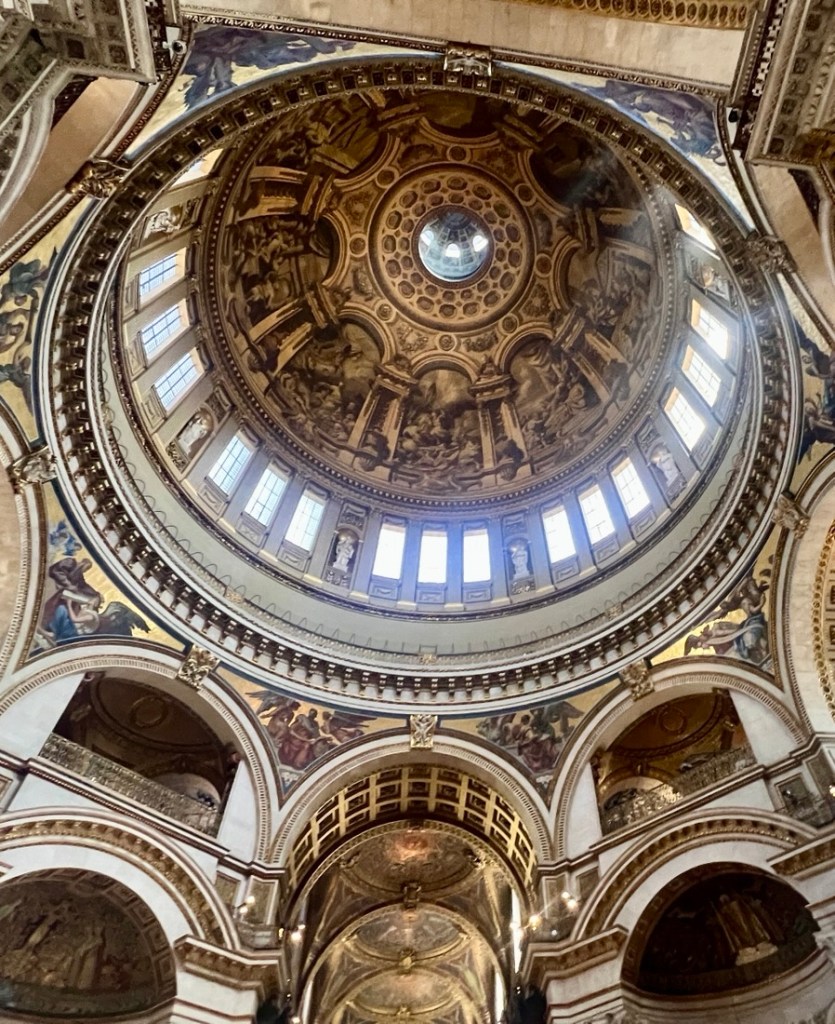
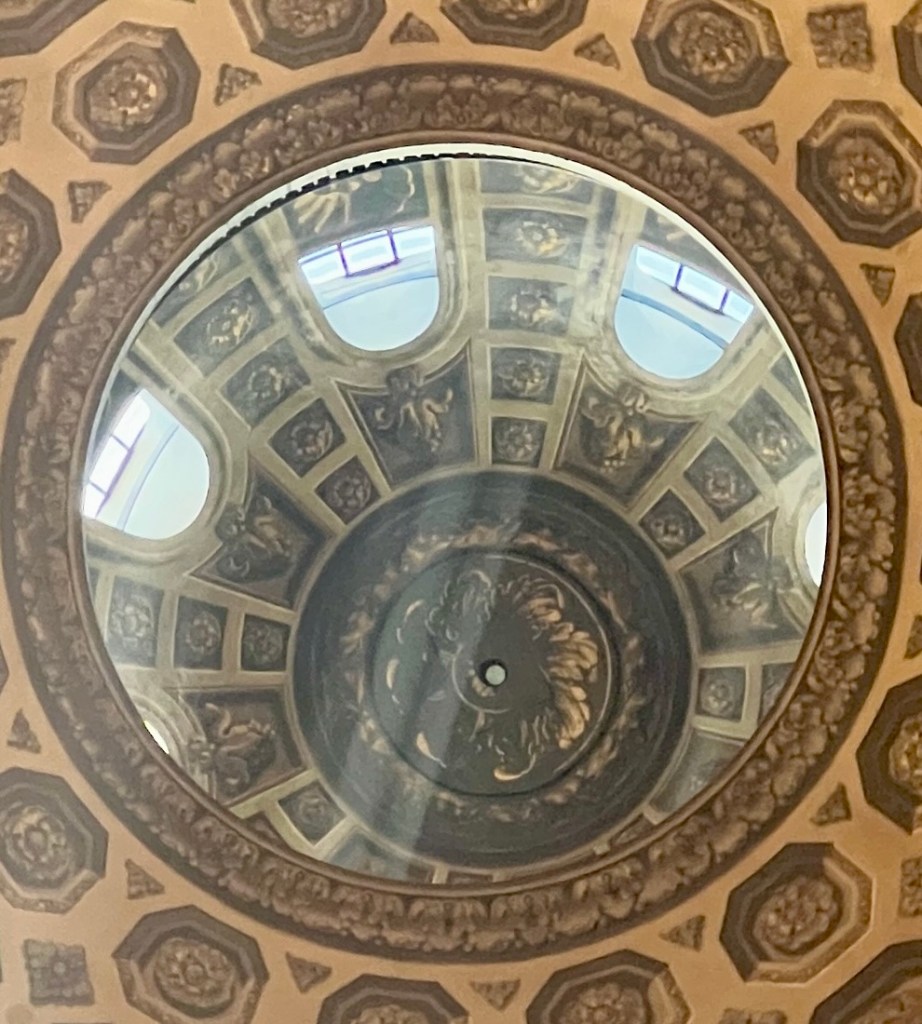
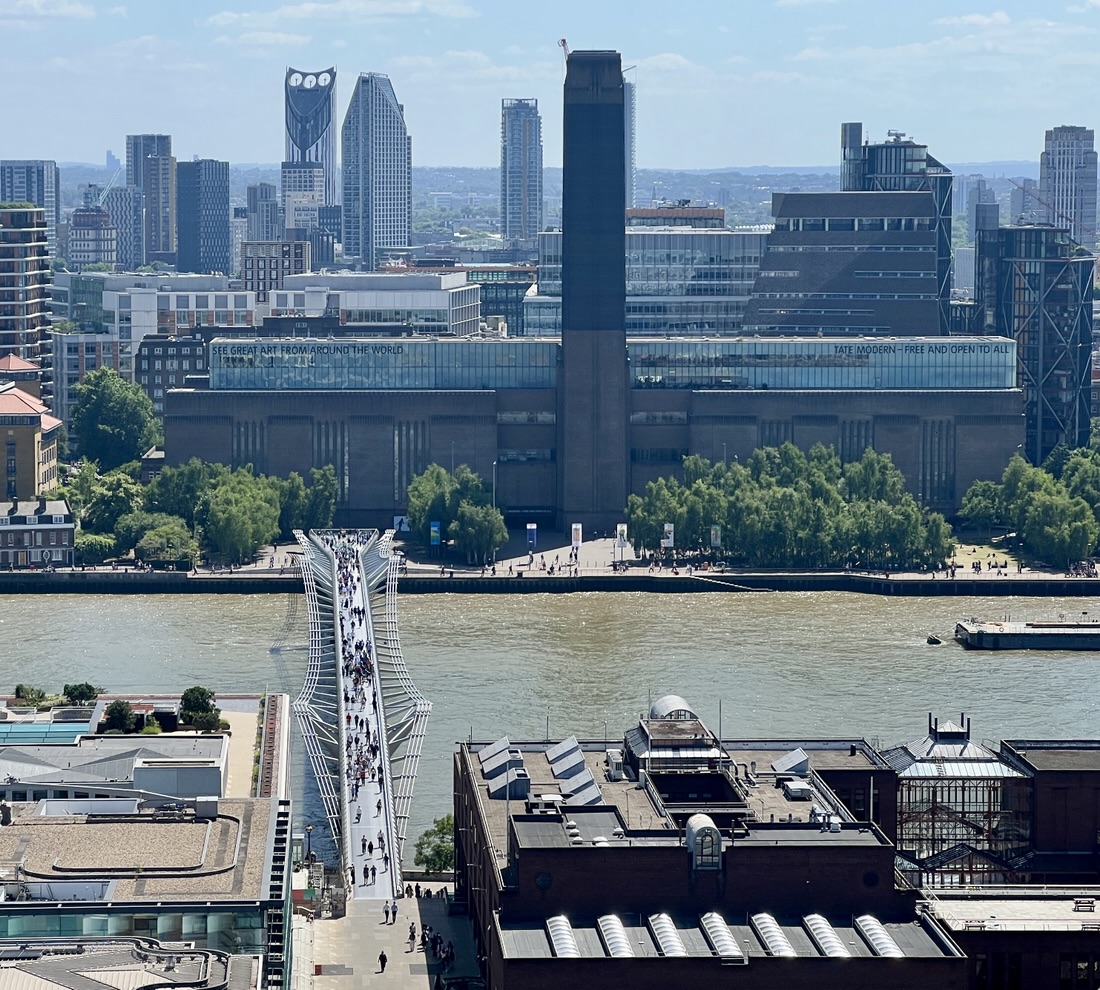
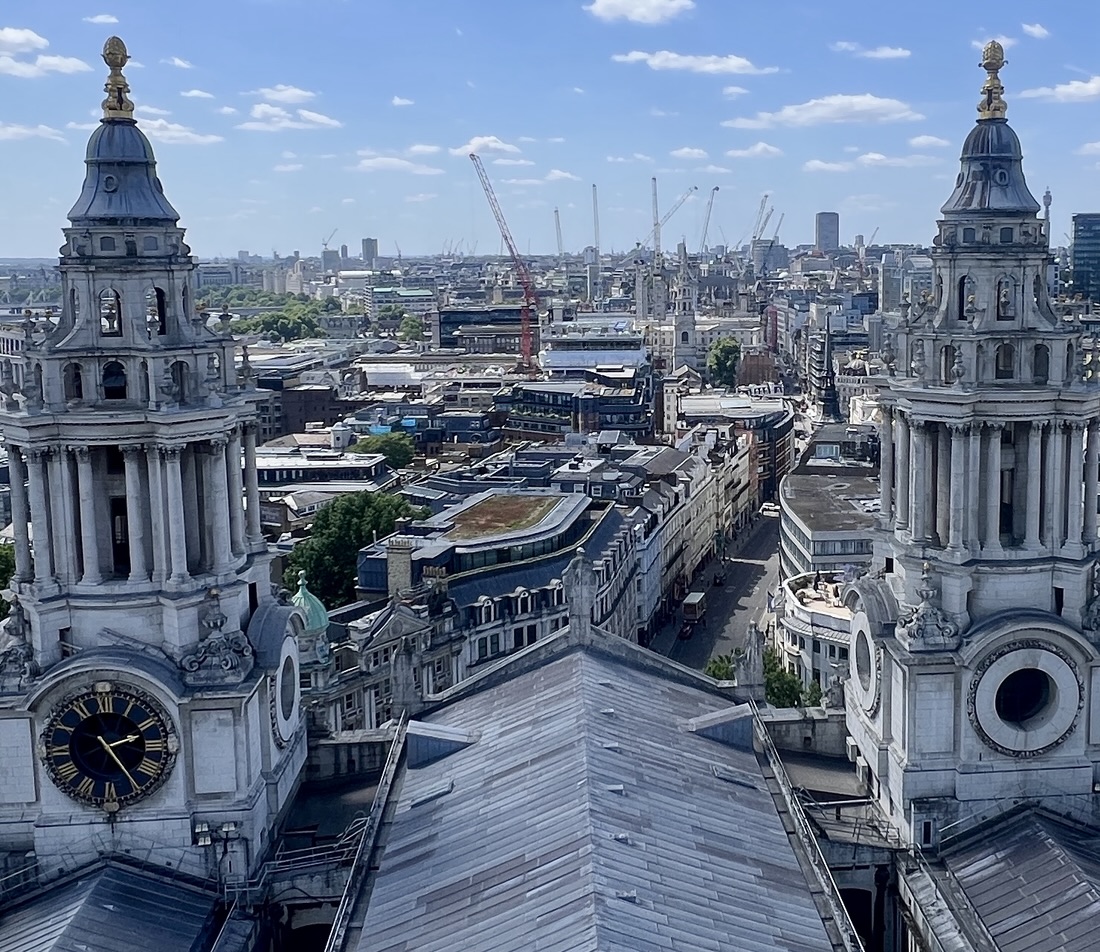
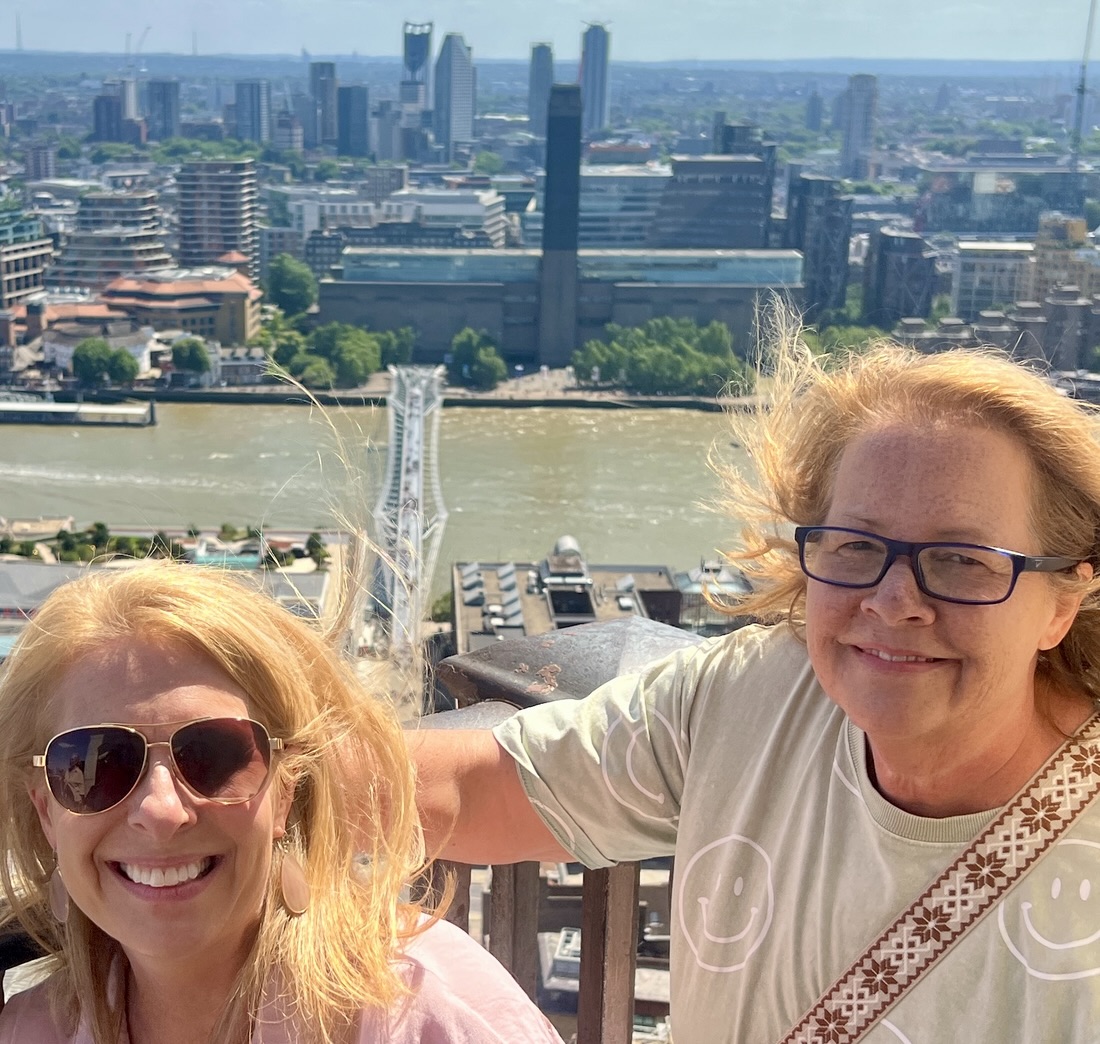
Janet, Stephanie, Max, and I headed up the 528 steps while Dean got his Turkish shave and Tracy read about the cathedral’s history, including famous events such as the royal wedding of Charles and Diana in 1981. Max made it to the Whispering Gallery with views inside the cathedral but that was enough height. I was quite uncomfortable but persevered and we all very much enjoyed the views from the top in all directions.





The American Memorial Chapel
After descending from the dome and while looking at the high altar before heading to the crypt for refreshments, I checked our Rick Steves guidebook and he pointed out the American Memorial Chapel. It occupies the eastern end of the cathedral behind the high altar. As one of many displays in the cathedral, it is easily missed.
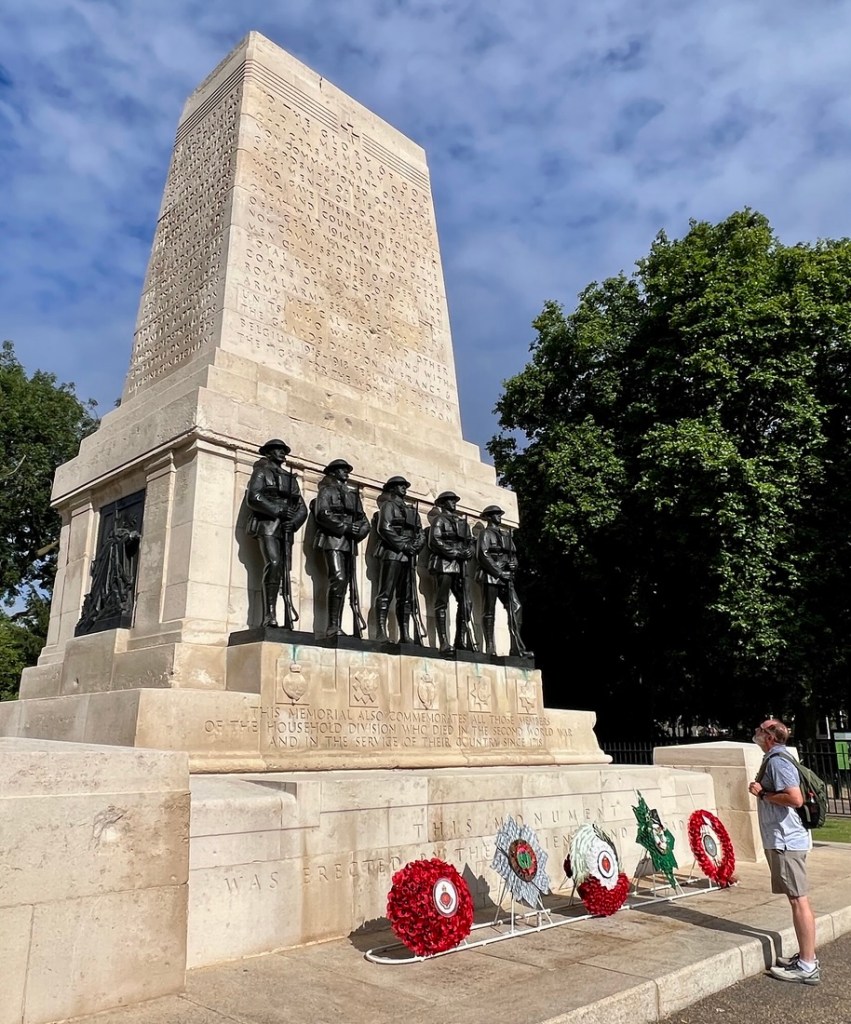
This visit to London made me particularly aware of the suffering and sacrifice from the world wars. Today’s comfort and relative tranquility makes that period seem so far away. I looked at memorials differently, now that I have children who could go to war. Maybe it was because my Uncle Den, who fought the Nazis in North Africa and Italy, is no longer with us. In his eyes, Trooper Ireland simply did his duty and didn’t have much to say about it. The war memorials that we had seen in every English small town were testaments to the numbers killed. For example, there were 57,470 British casualties on 1 July 1916, the opening day of WWI’s Battle of the Somme, with the four and a half month battle claiming over a million wounded or killed.
Our visit to the Tower and St Paul’s provided background about the Blitz. From 7 September 1940 to 11 May 1941, the Nazis relentlessly bombed the UK to destroy its industrial centres, ports, and break the British morale. London was hit particularly hard with 43,000 deaths and 50,000 injured. My Dad described an incendiary bomb landing on his house in West London which fortunately did not explode. Rather than break the British people, the attacks strengthened their resolve. King George VI and his queen refused to leave London during the Blitz, despite their home (Buckingham Palace) taking direct hits, and they visited with the people in the bombed areas. The King’s daughter, Princess Elizabeth (later queen) was the first royal female to join the armed forces and served as a mechanic and driver.
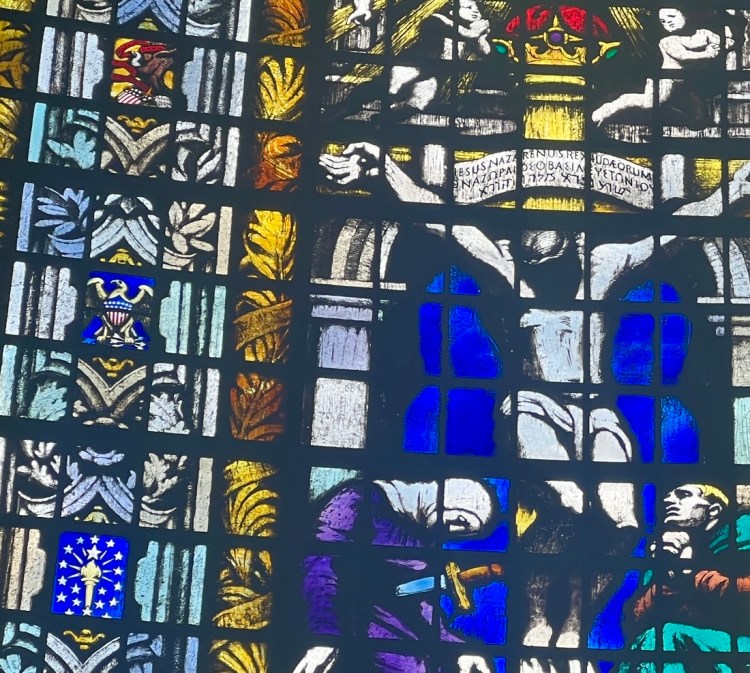
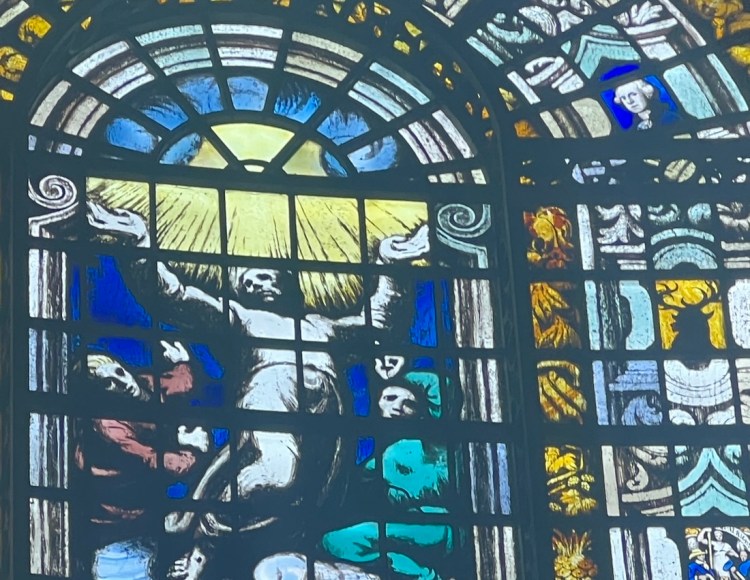
St Paul’s cathedral became the symbol of national resistance during the Blitz. Many civilians volunteered for “St Paul’s Watch,” armed with buckets of water and hoses to put out fires and save the cathedral. Each morning during the Blitz, Churchill would eagerly enquire whether the dome was still in tact. While the vast majority of the surrounding area was devastated, St Paul’s suffered only one direct hit on its eastern end. In a testament to the strength of bond between the US and UK, and the gratefulness of the British people to their American allies, the damage was rebuilt as the American Memorial Chapel Dedicated to the Holy Name of Jesus, with more than half the cost raised by ordinary British people. The stained glass windows include many nods to America such as an American Eagle and an image of George Washington. The chapel’s centerpiece is the 473-page Roll of Honour containing a personal message from General Eisenhower and the name, rank and service details of the 28,000 American soldiers stationed in Great Britain who gave their lives throughout the War. I was honoured to visit this site with Max, a former US soldier. Soldiers fighting in foreign wars is a complicated and sensitive topic. All wars are horrible and some continue to be necessary to combat evil. I have previously not known how to react when an American suggests that Brits thank them for not speaking German. I feel WW2 was a combined effort to rid the world of Hitler’s evil. In the future, I will at least be able to respond by pointing them towards the renovated eastern end of St. Paul’s. The cathedral continues to have a close association with the American people, including holding an annual Thanksgiving Day service since the chapel’s consecration in 1958.

https://ww2ondeadline.substack.com/p/st-pauls-cathedral-photo-london-blitz-ww2


Rounding Off Day 1
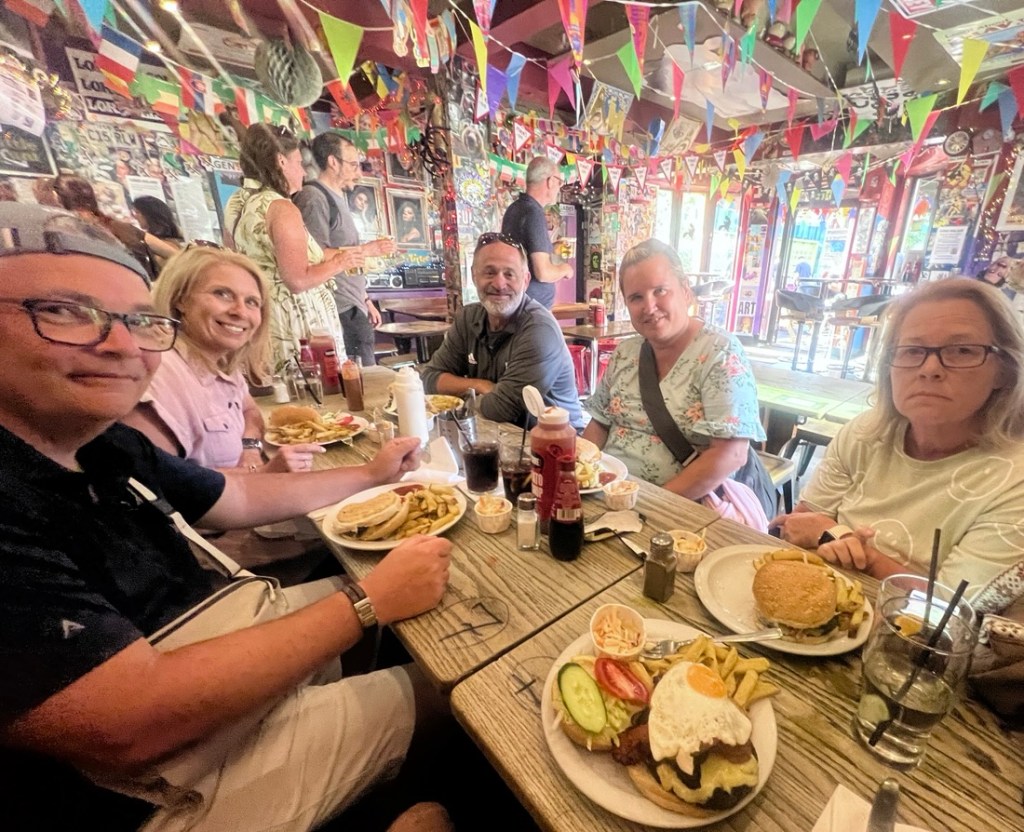
We closed the day by crossing the Thames via the Millennium Bridge and taking the lift to the top of the Tate Modern, housed in the former Bankside Power Station, for the view back across the river. Janet had researched the Lord Nelson pub which served up excellent burgers with the added bonus of being close to Southwark tube station.

Londoners nicknamed it the “Wobbly Bridge” after pedestrians experienced an alarming swaying motion caused by resonance on its opening day on 10 June 2000. It was closed for almost two years so that modifications and repairs could be made to keep the bridge stable and stop the swaying motion.
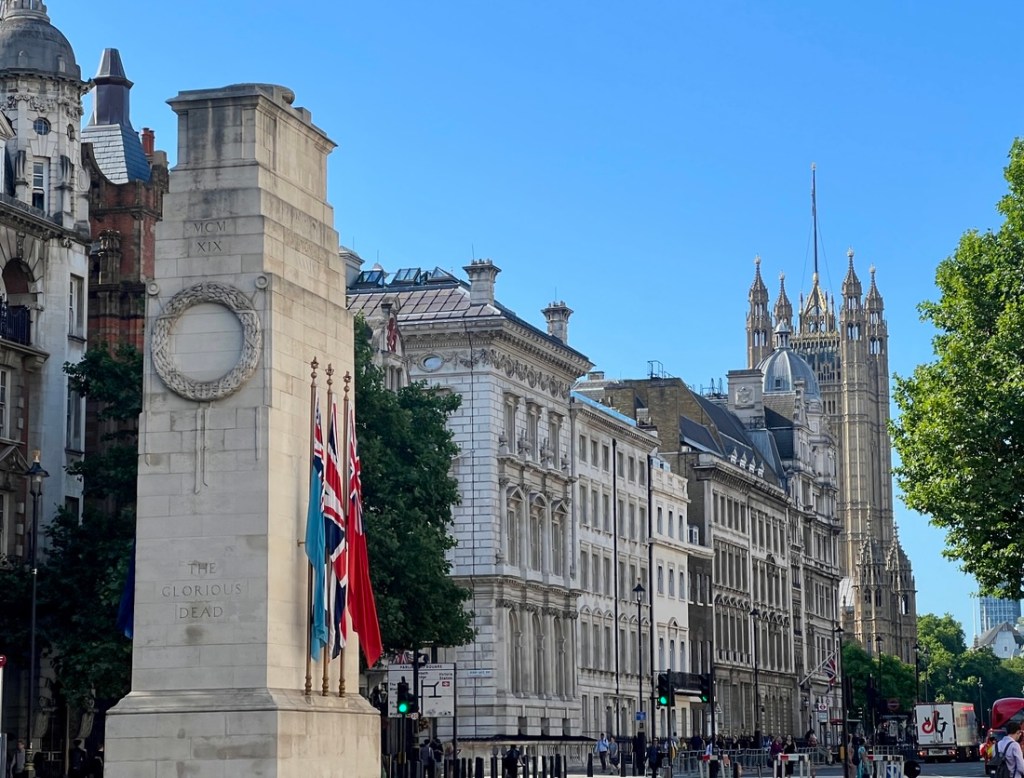
Day 2: Parliament to the West End via the Changing of the Guards
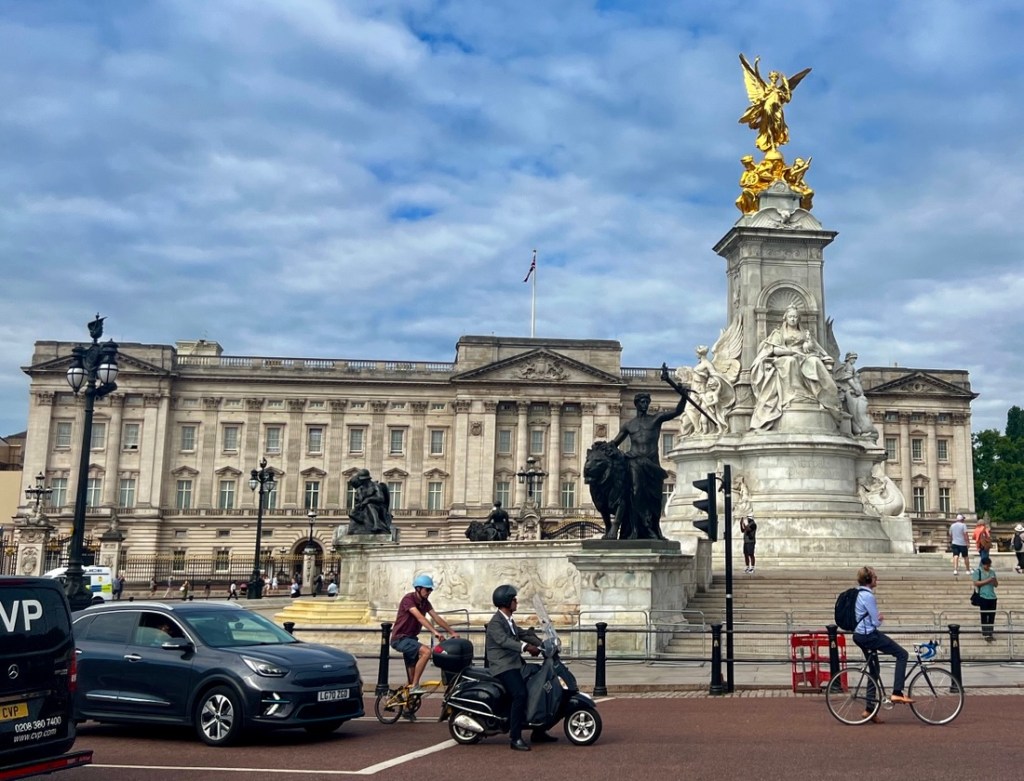
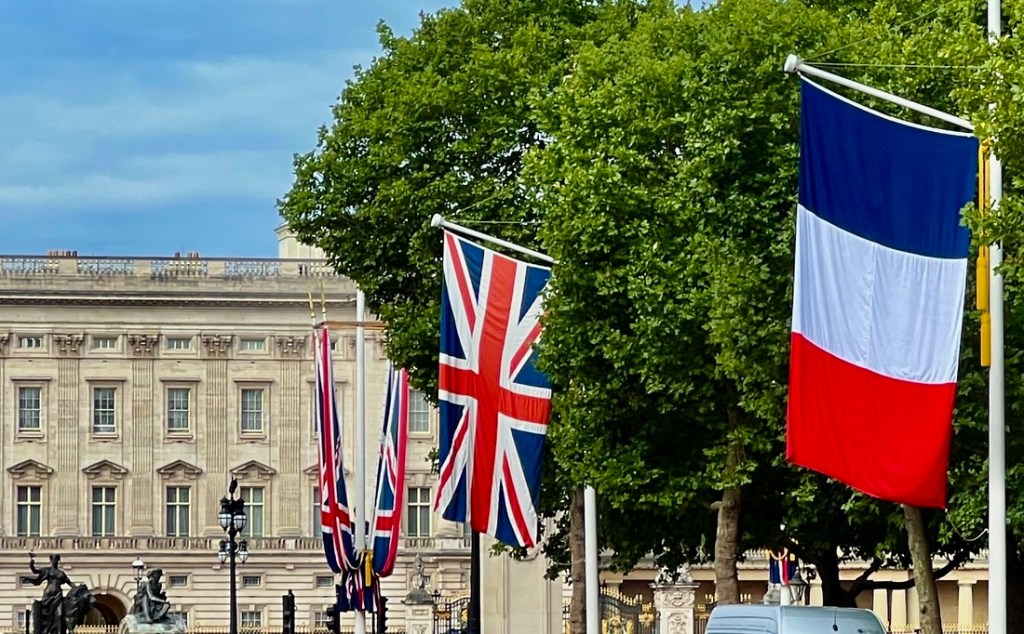
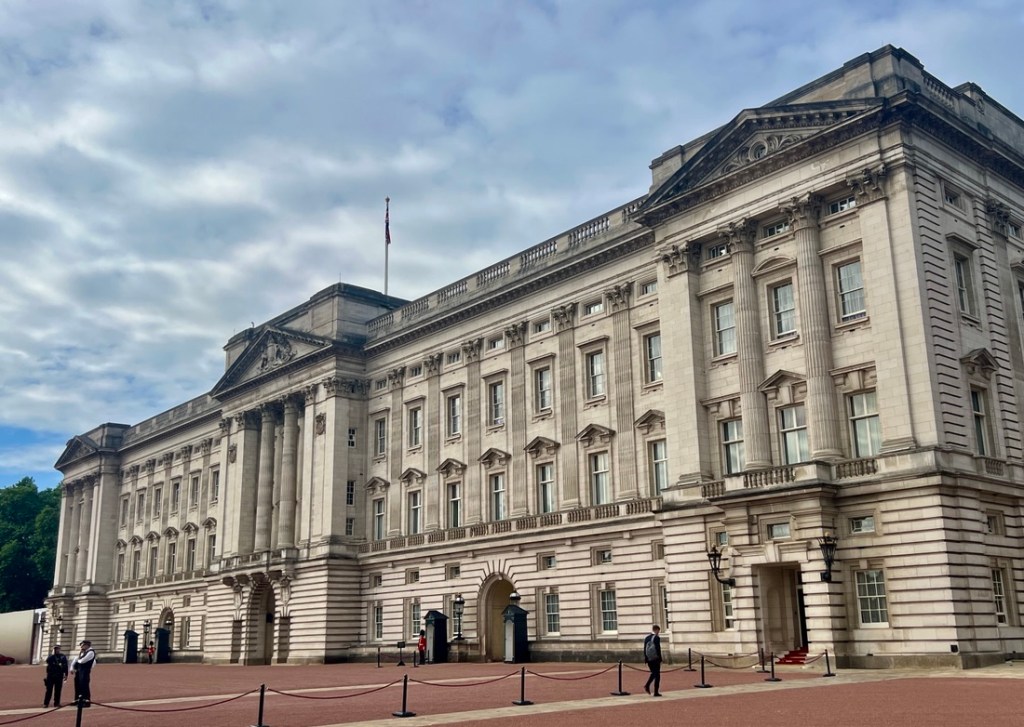
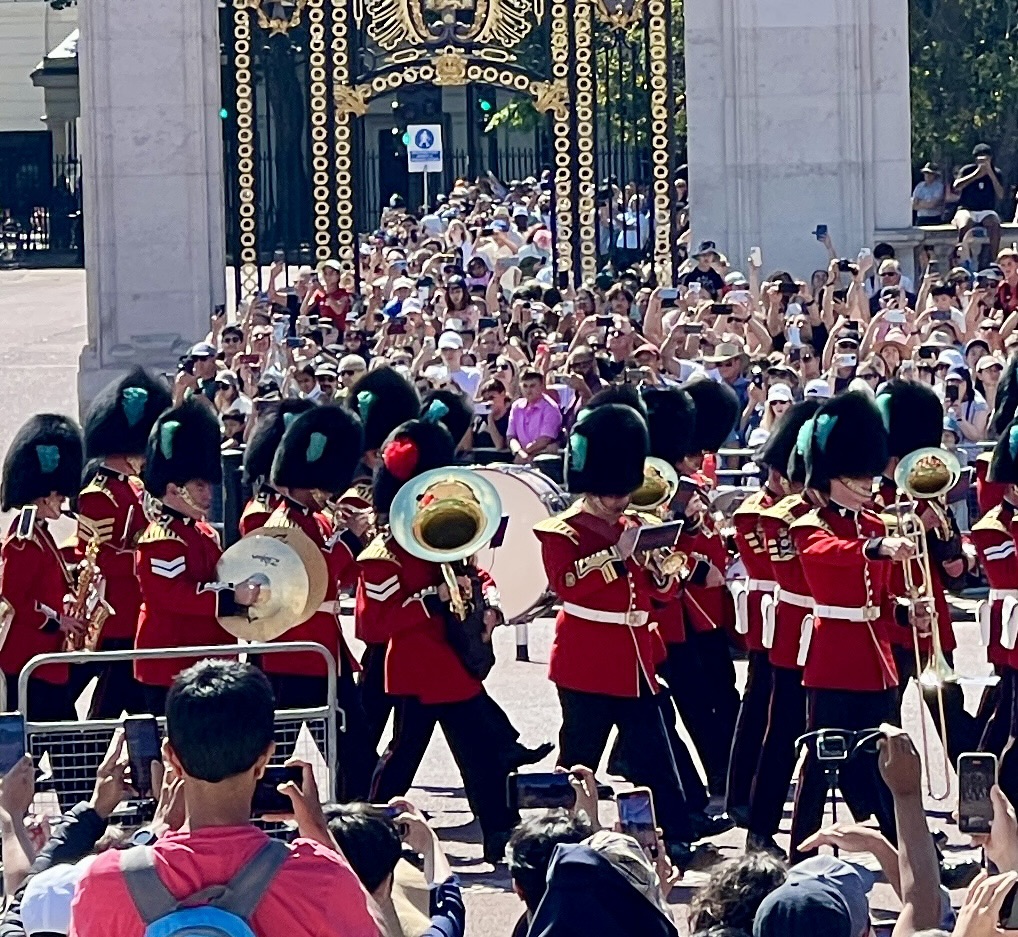
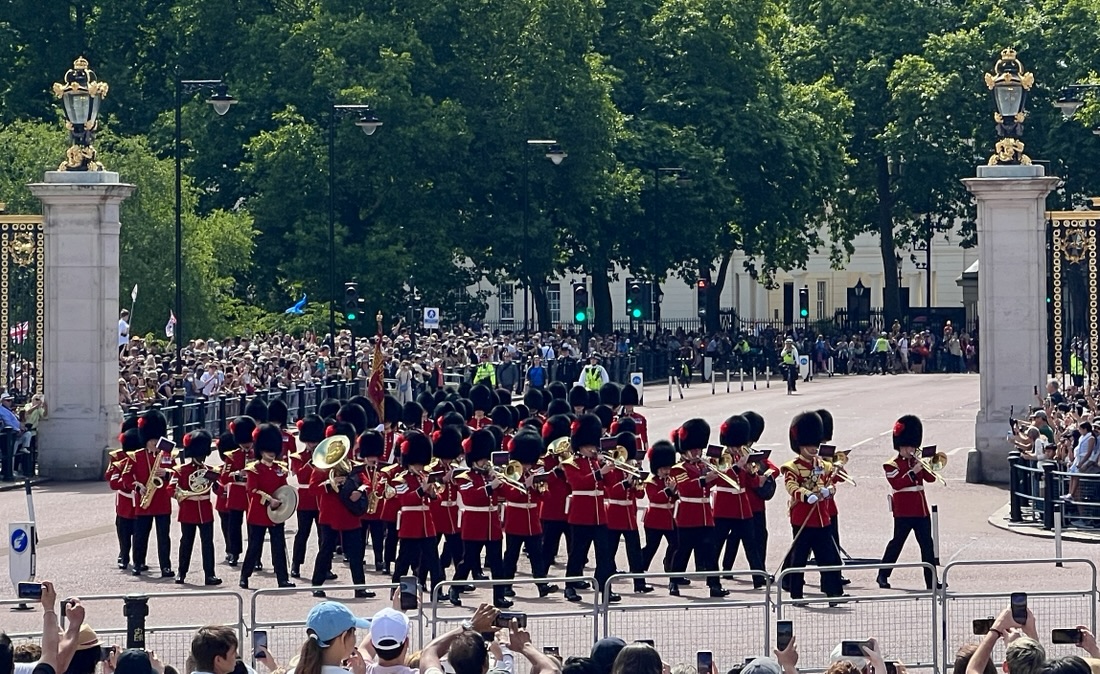
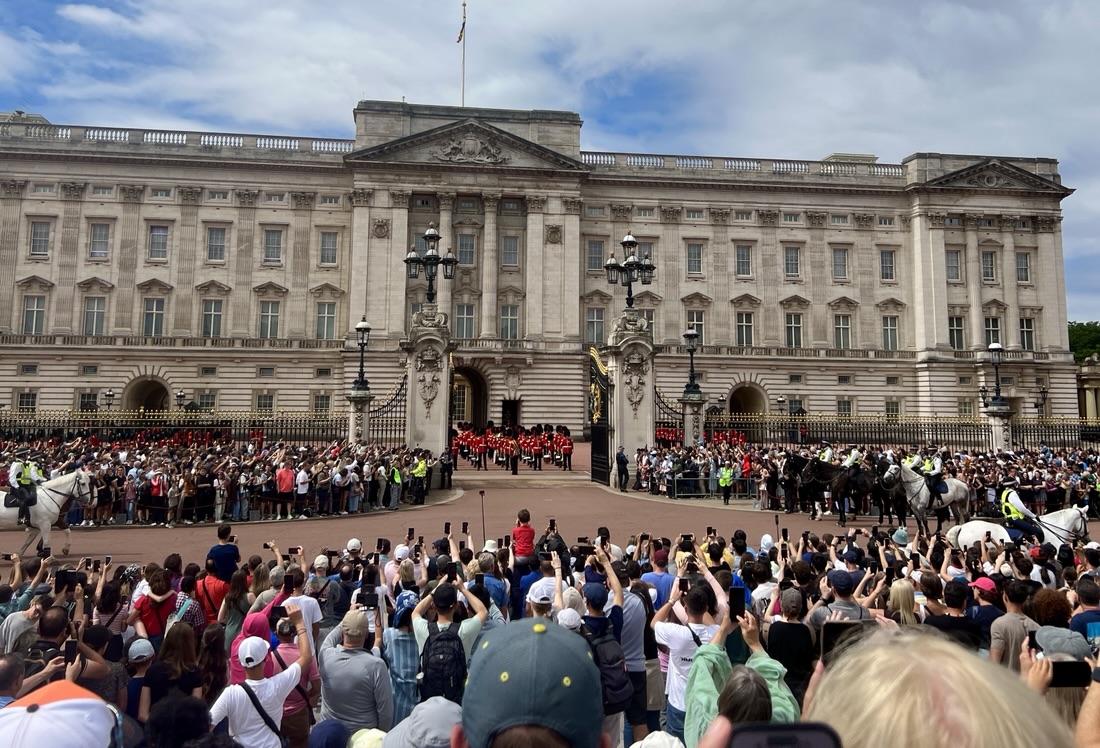
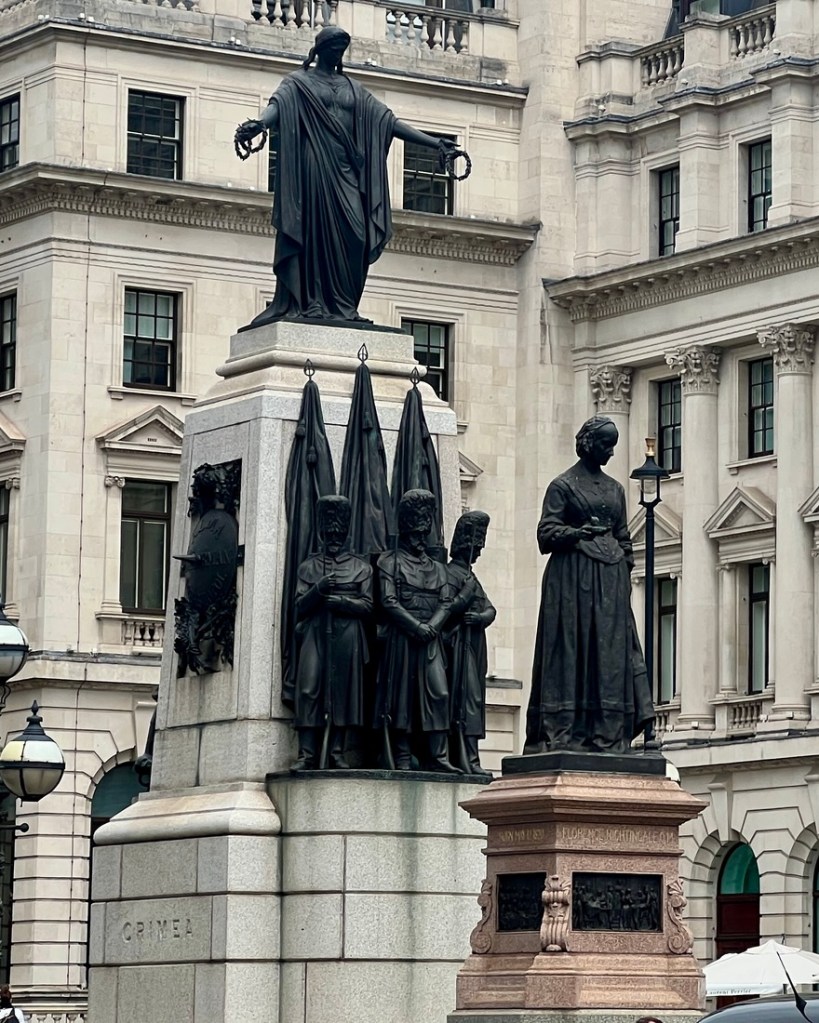
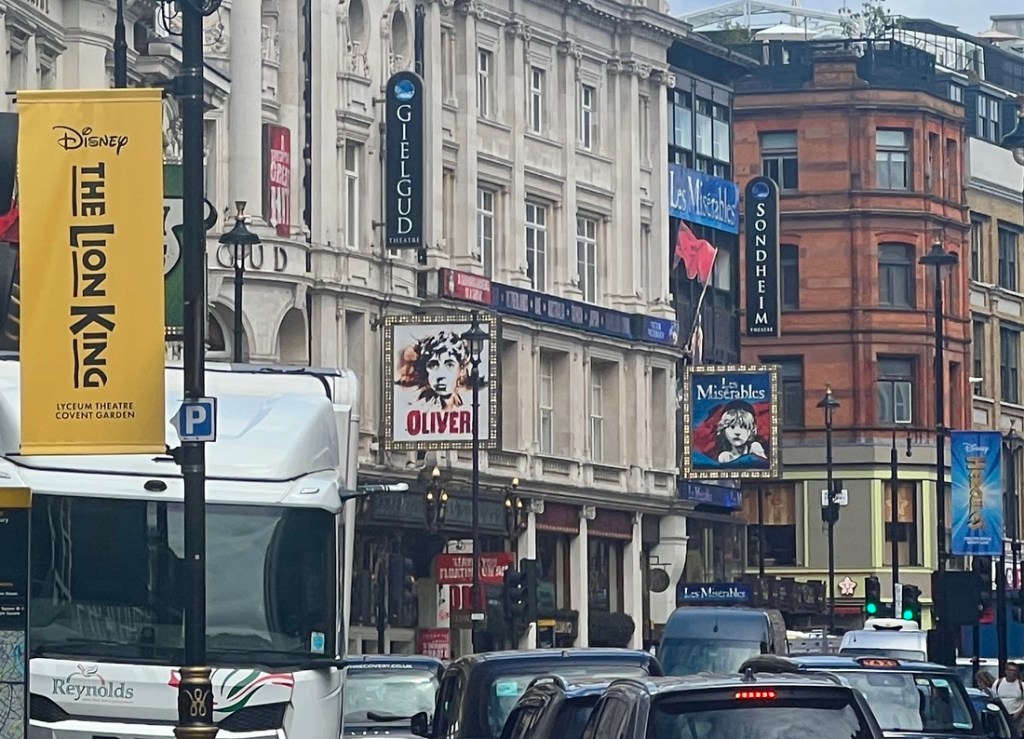
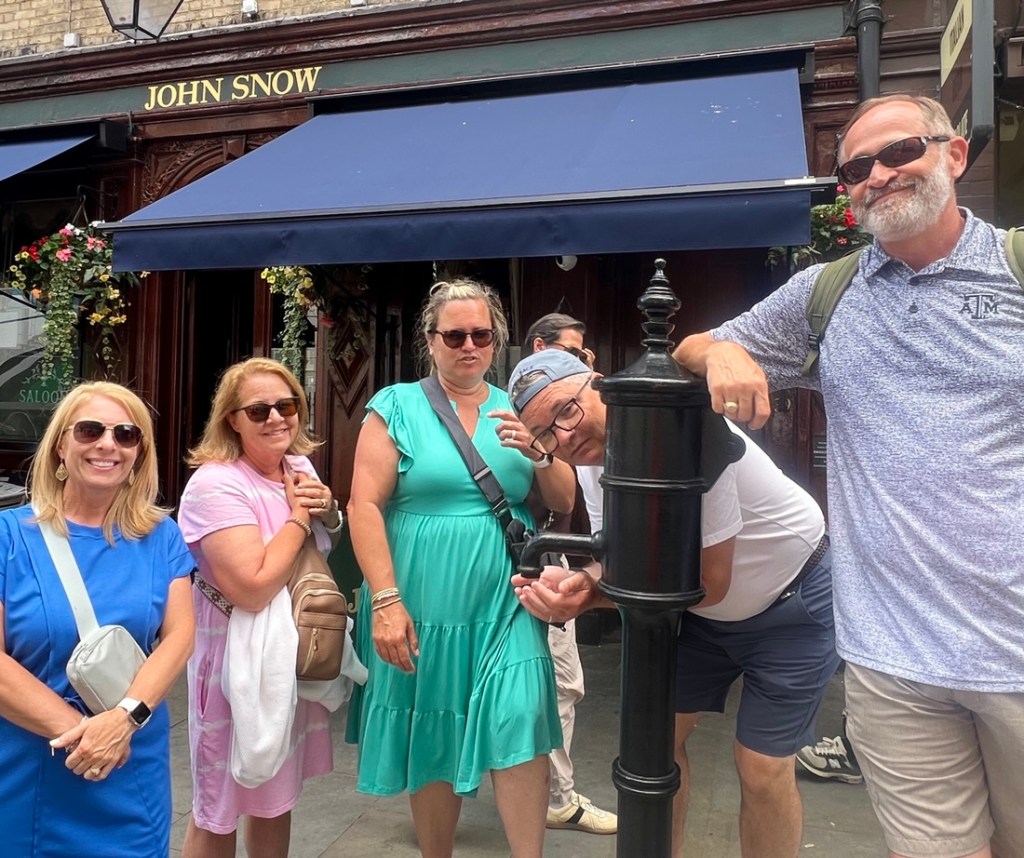
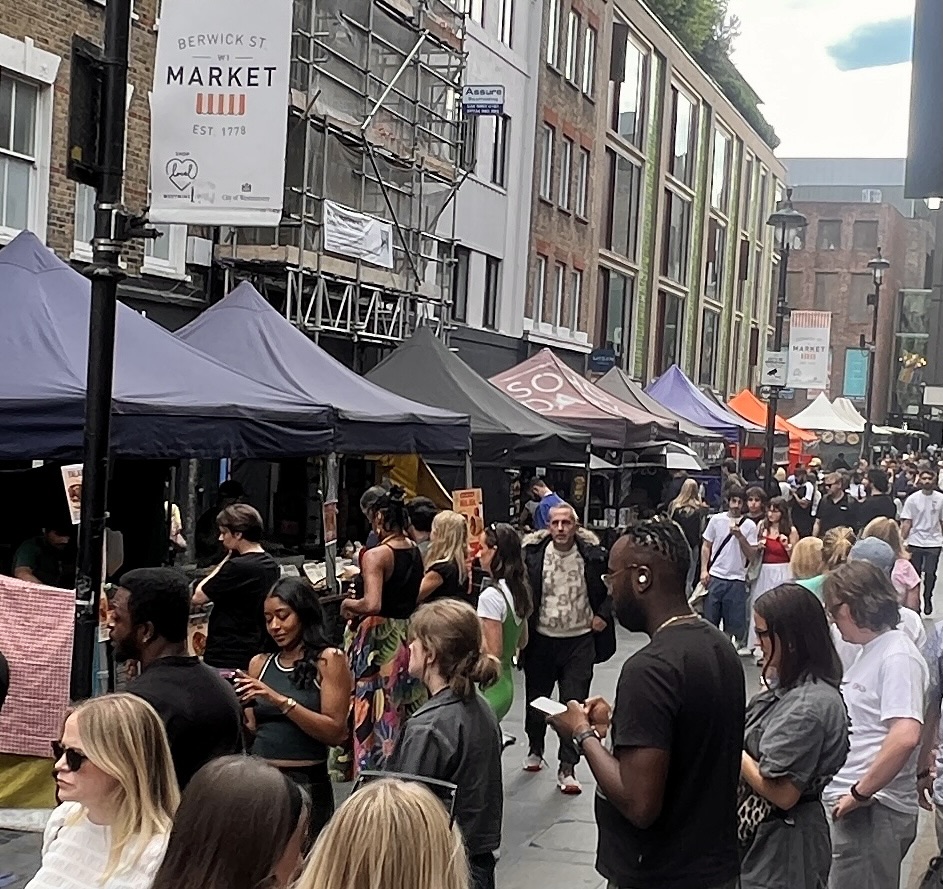
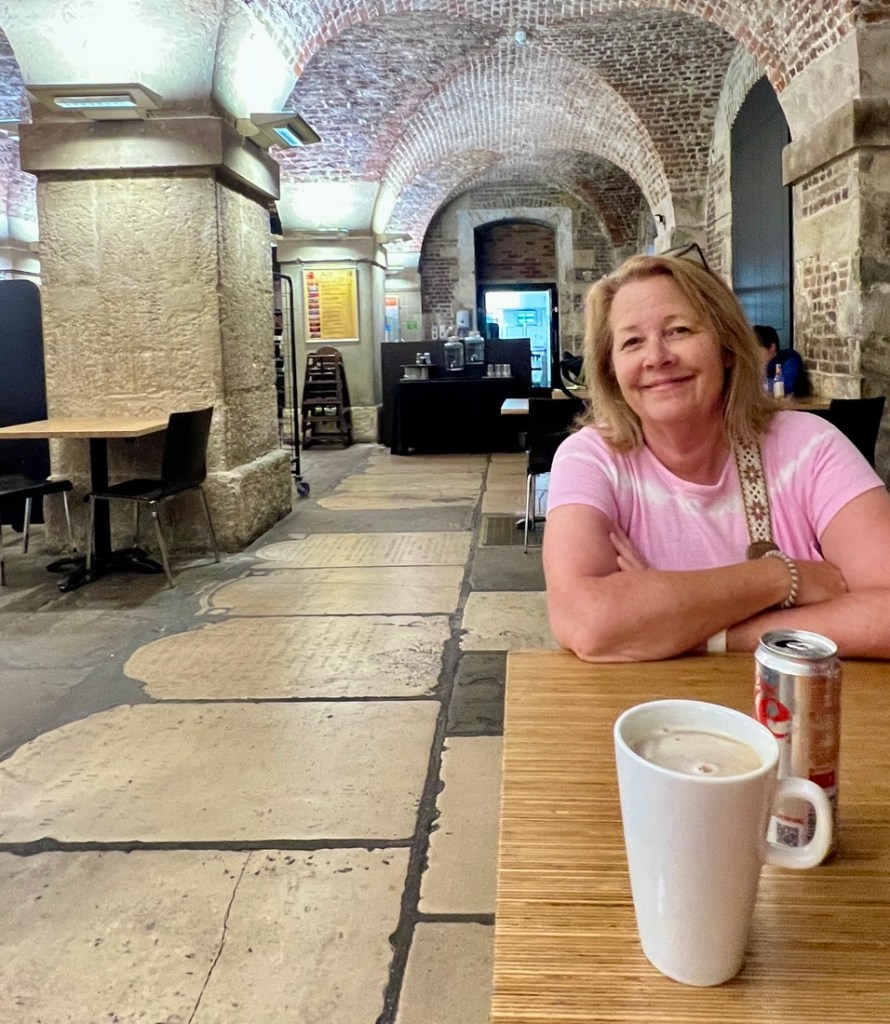
We followed the previous day’s 23k steps with an even bigger day of over 26k steps. Once again, we started early to catch Westminster Abbey and the Houses of Parliament in the warm morning light with commuters whizzing by rather than tourists clogging the pavement. Our stroll down Whitehall, the home of many UK government buildings, led us to Horse Guards Parade. That allowed us to cut through to St. James’s Park which in turn took us to Buckingham Palace. With an hour before the action started, we laid claim to our strategic position by the Queen Victoria Memorial to watch the Changing of the Guards and were not disappointed with our view of the spectacle over the crowds. After the guards had been changed, we headed towards the busy centre of London with its theatre district and popular attractions such as Leicester Square, Covent Garden, and Trafalgar Square. I wanted to check out the water pump where John Snow discovered that Cholera was a waterborne disease though the route took us through Soho which remained surprisingly seedy. I detected the glazed look of “too much touring” on my ducklings’ faces so we grabbed some yummy crumble and took a break amongst the gravestones in a cafe in the crypt of the church of St Martin-in-the-fields. Walking past a “farting lamp” (a lantern from 1870 that continues to burn off gas from the Victoria Embankment sewer) provided sufficient inspiration to cross the Thames for more great views and we escorted the gang to The Mulberry Bush pub on the Southbank. Janet and I then headed off to Pimlico for a great evening with Sian and Ros, friends from high school that I had not seen for over a decade.

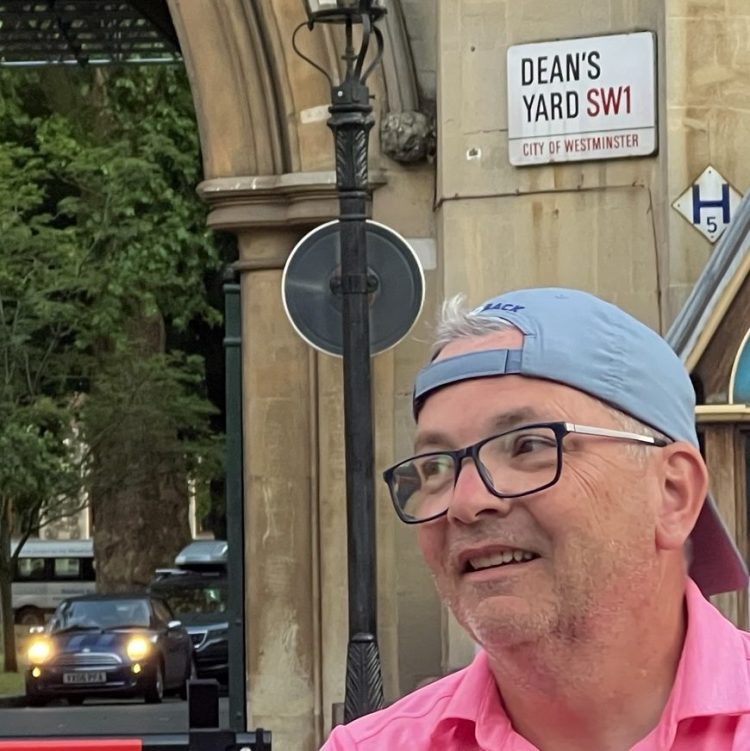

Max was very happy with Pepsi Max, until he learned it was sugar free.



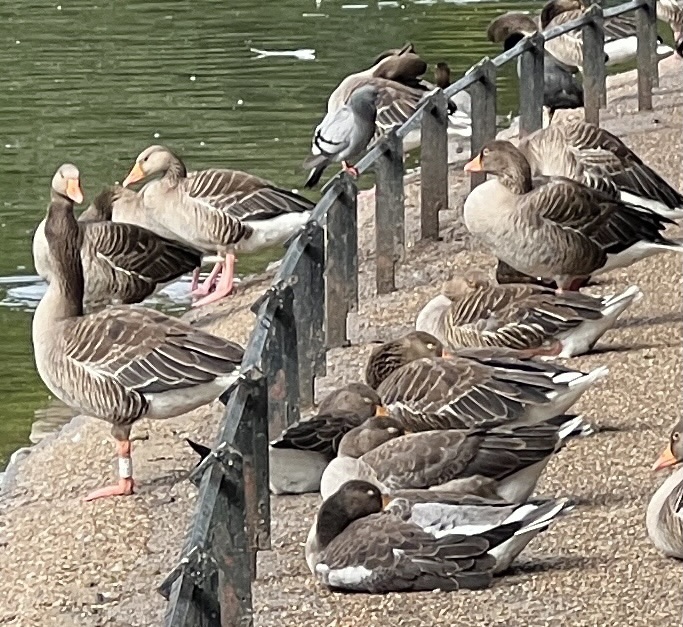
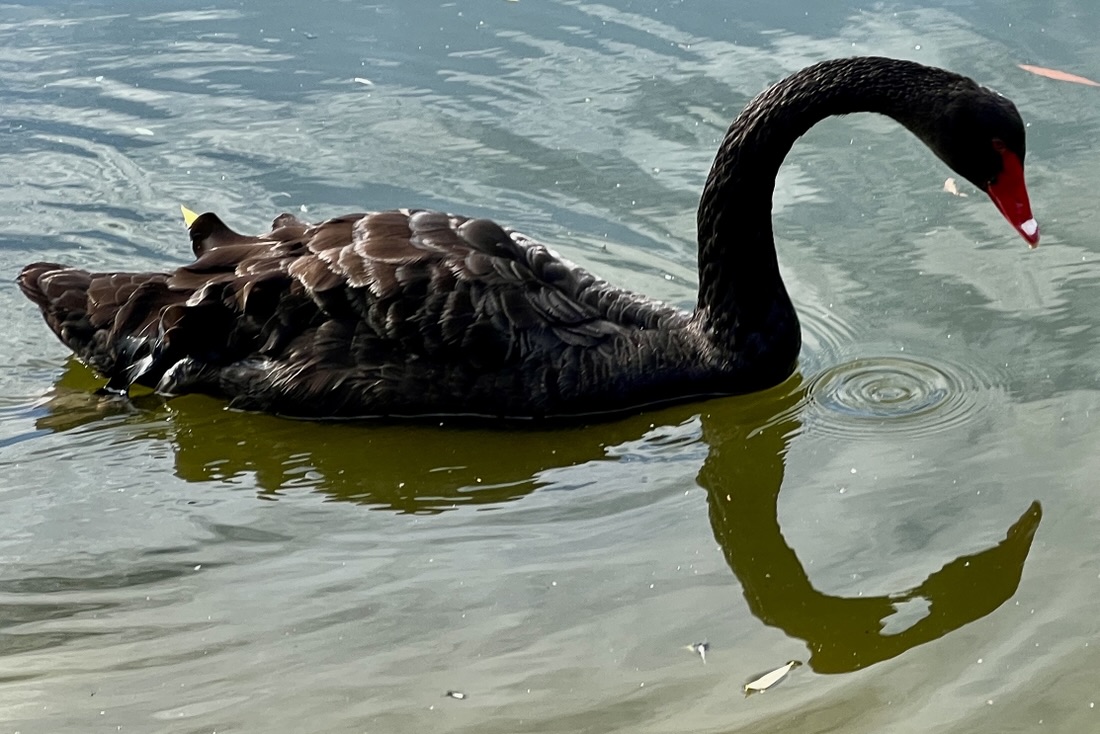
There were lots of interesting birds throughout London and especially in the Royal Parks, like these in St. James’s Park.




I think she was not amused.
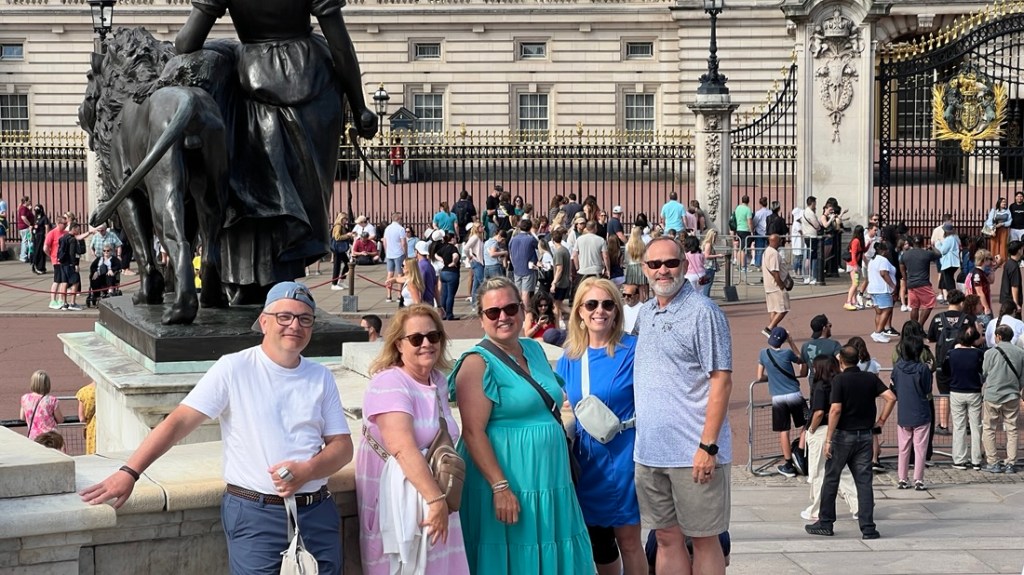

Janet sought shelter under her sweater!
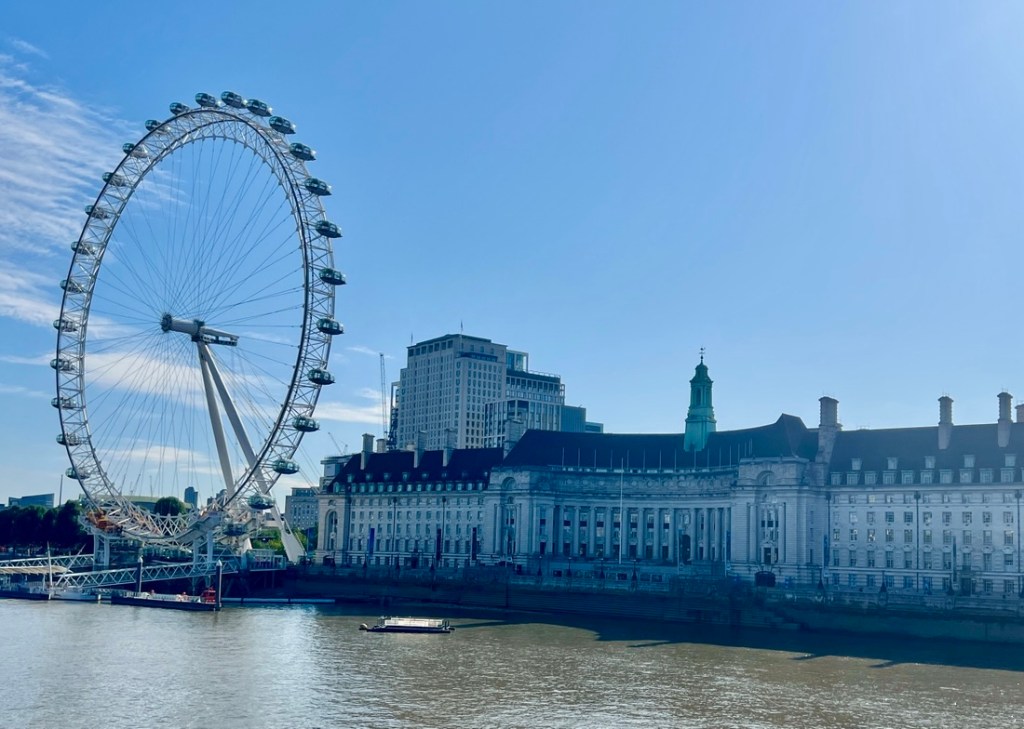
A school group below us were intentionally dropping litter into the dry fountain and our teachers did not let them get away with it, calling them out and showing solidarity with their teacher!
The changing of the guards took about an hour with lots of pagentry. The bands played some surprising tunes including I Need a Hero, Highway to the Danger Zone, the Star Trek theme, and the Star Wars theme.



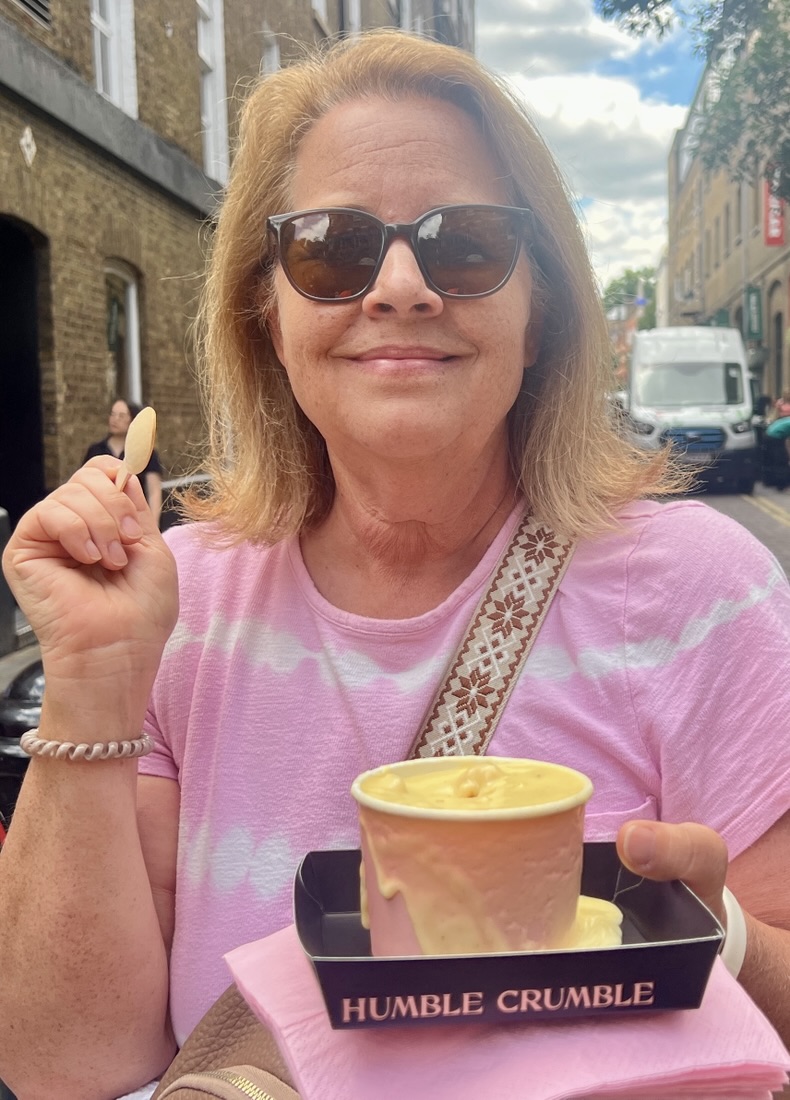
With energies flagging, Janet was very excited when she found a Humble Crumble store, one she had read about in another location that we were not visiting. We all enjoyed the hot apple crumble and custard.







It is one of a pair that were donated by Egypt to the UK and US in the 19th century.
The other one stands in Central Park, New York.
The obelisks were originally erected in Heliopolis, Egypt, around 1450 BC, during the reign of Pharaoh Thutmose III.
They have absolutely nothing to do with Cleopatra!

Day 3: Roses, Parks, the Royal Geographical Society, and a Thames Cruise
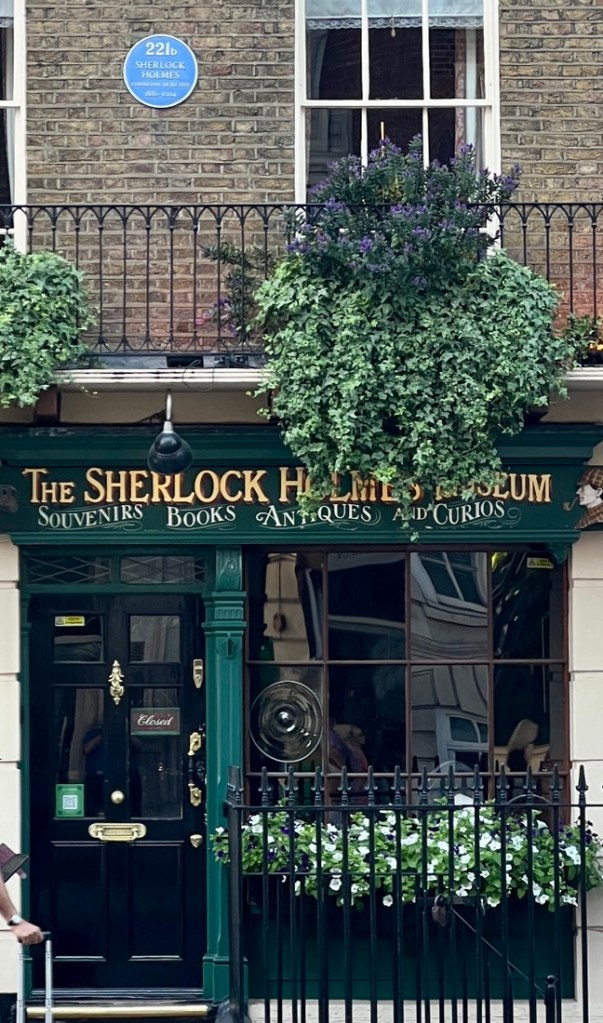
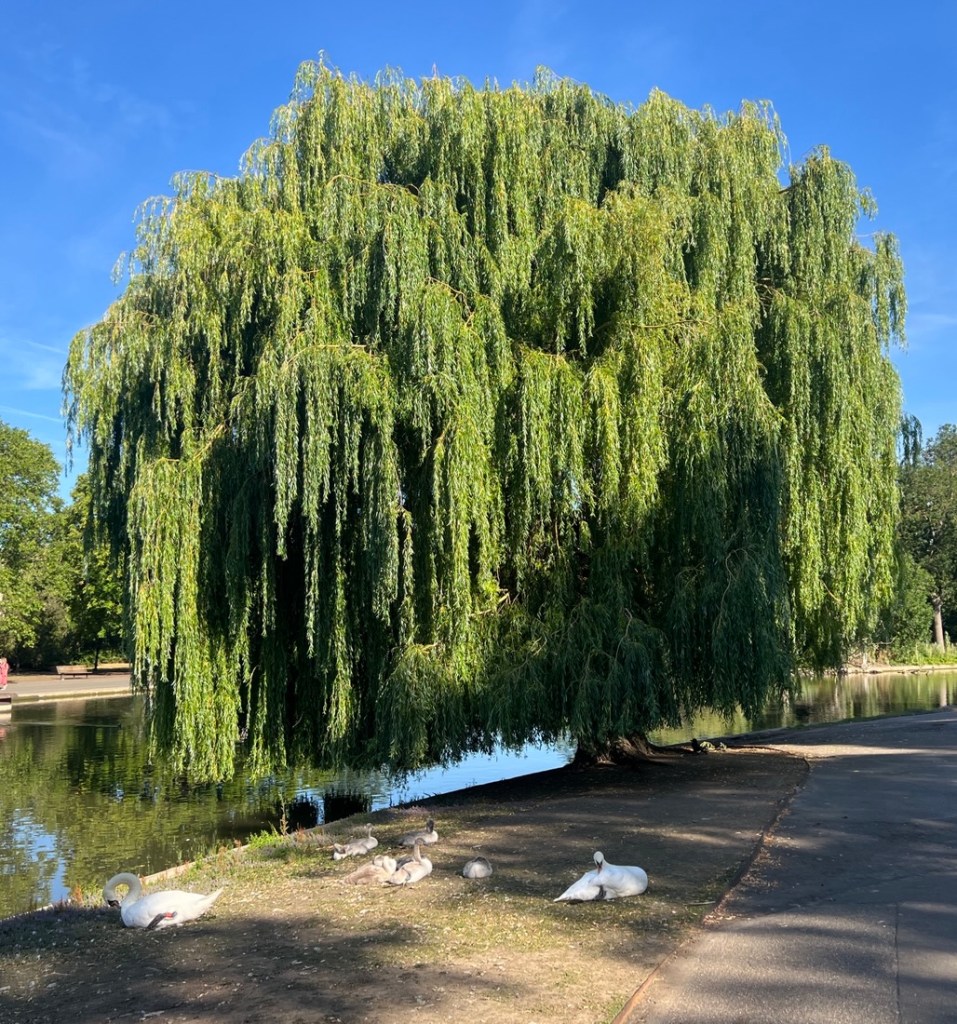
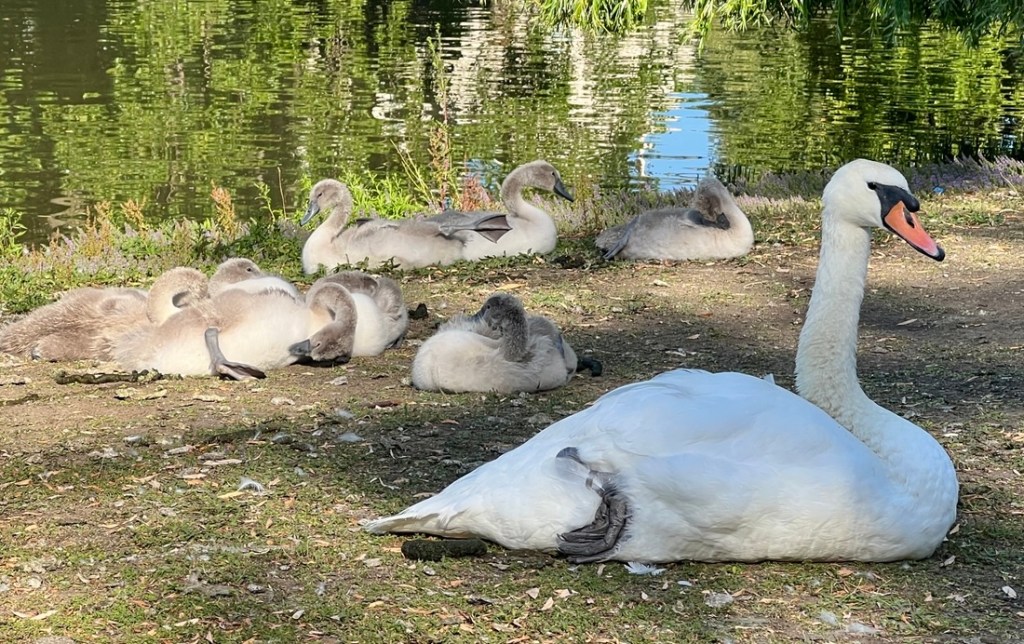
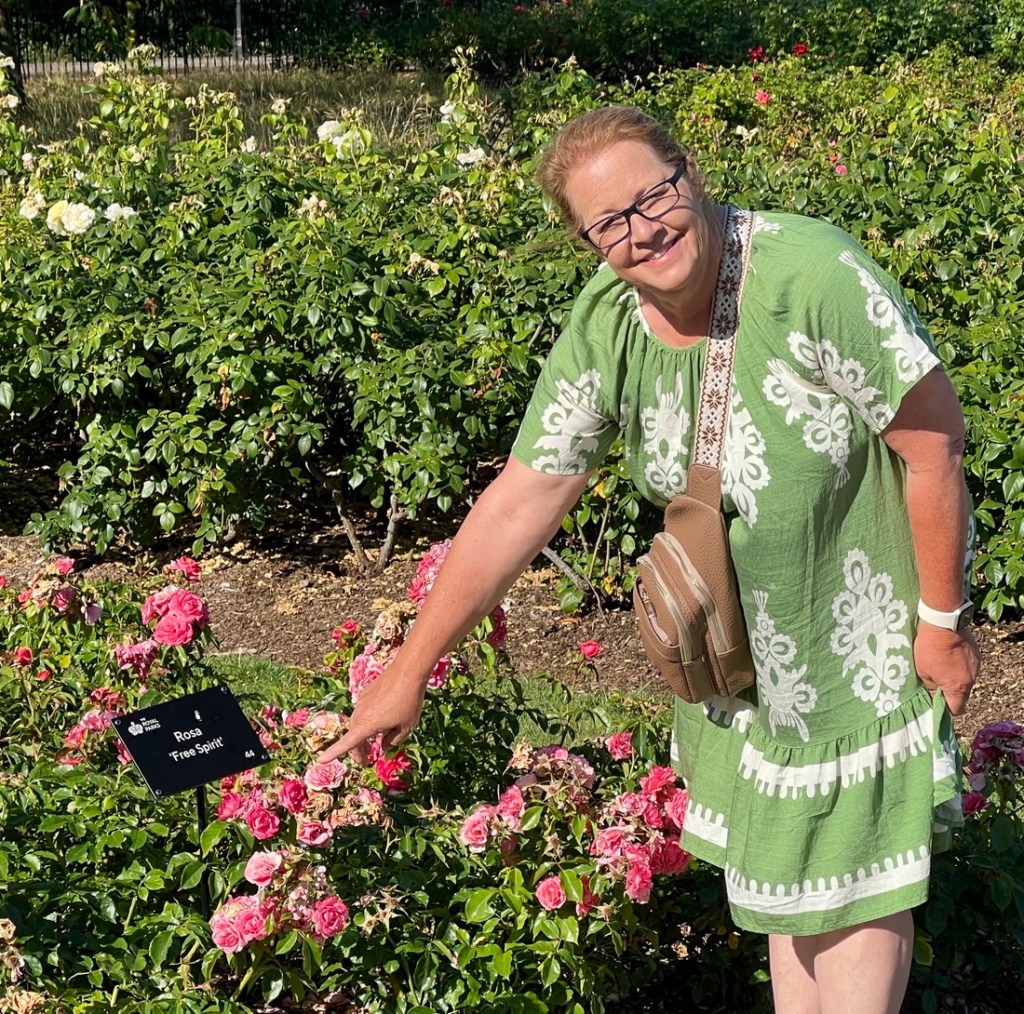
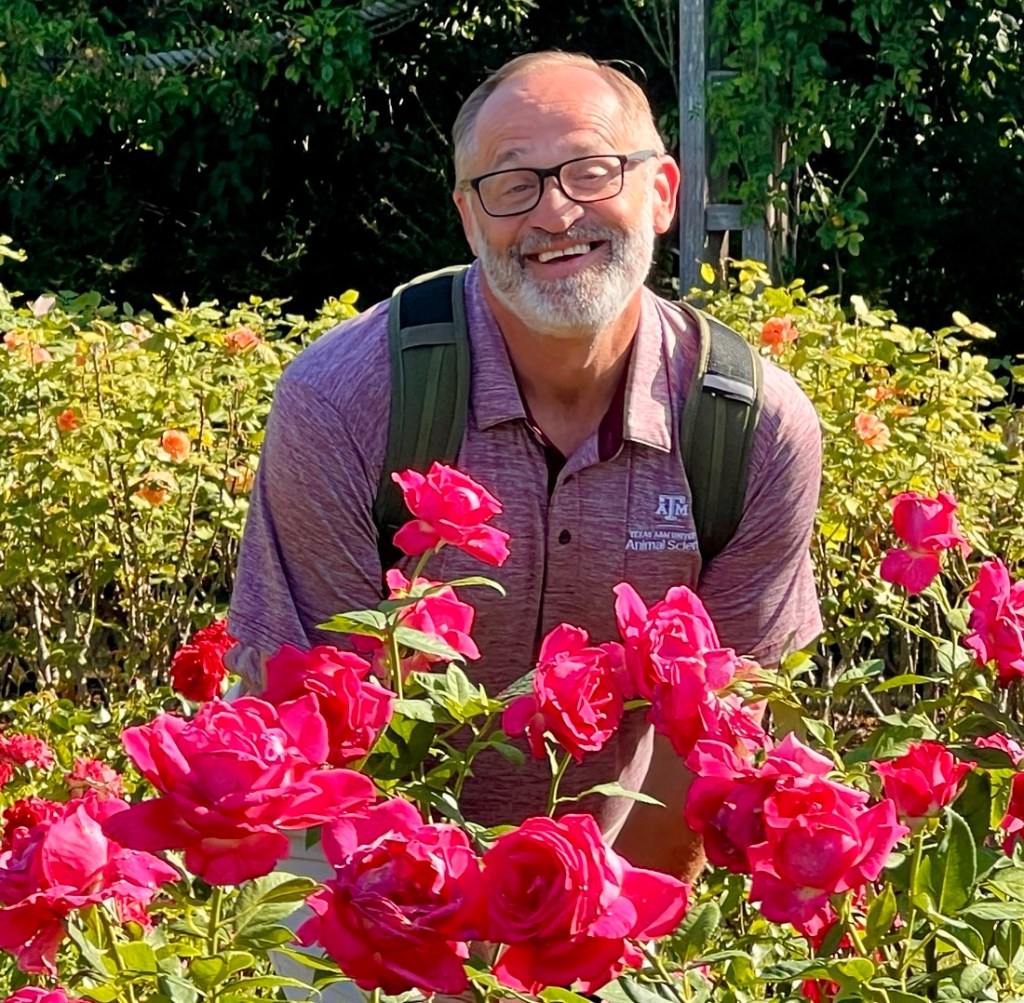
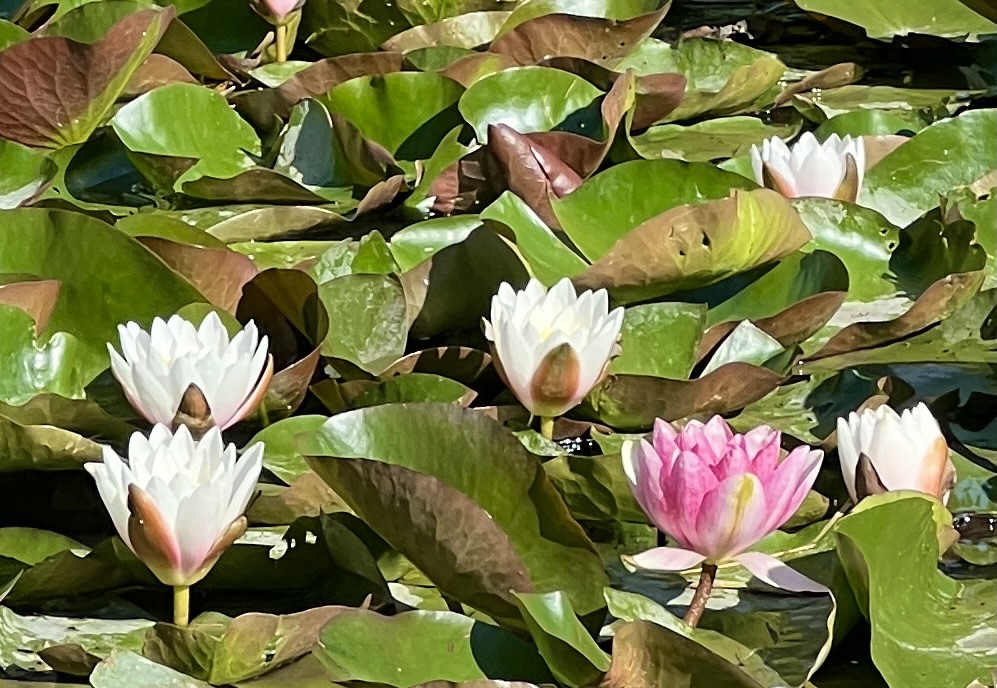
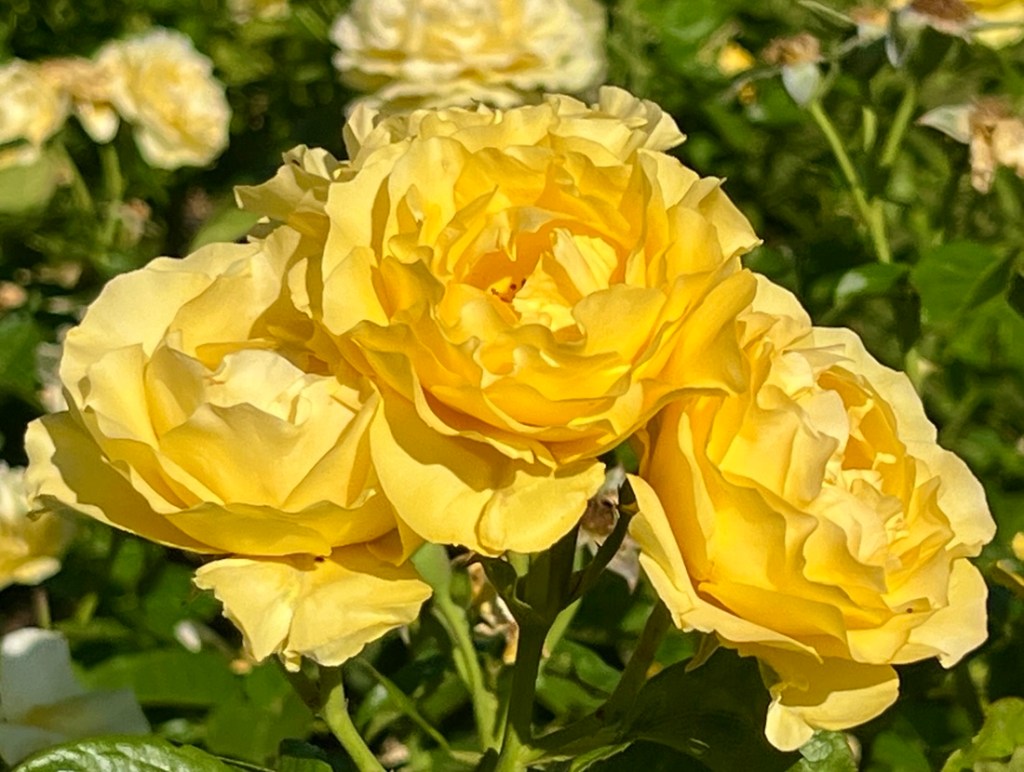
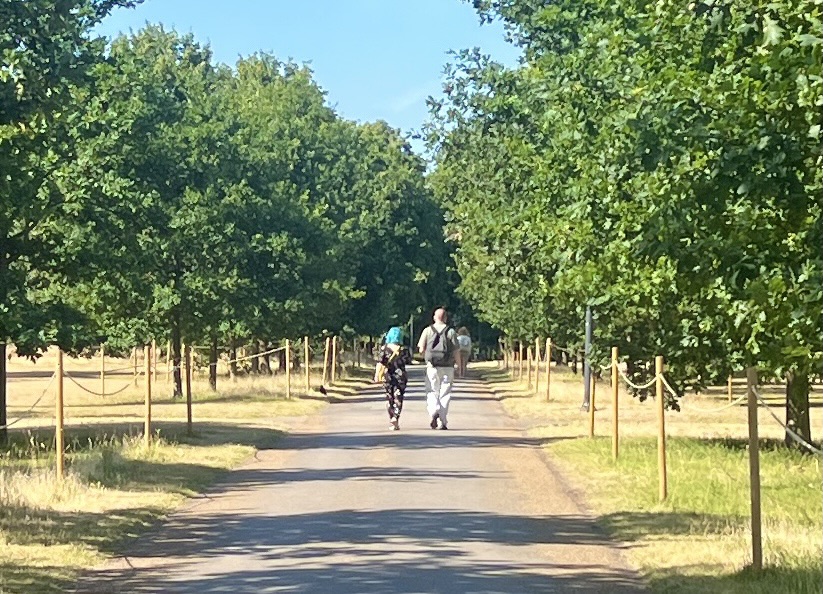
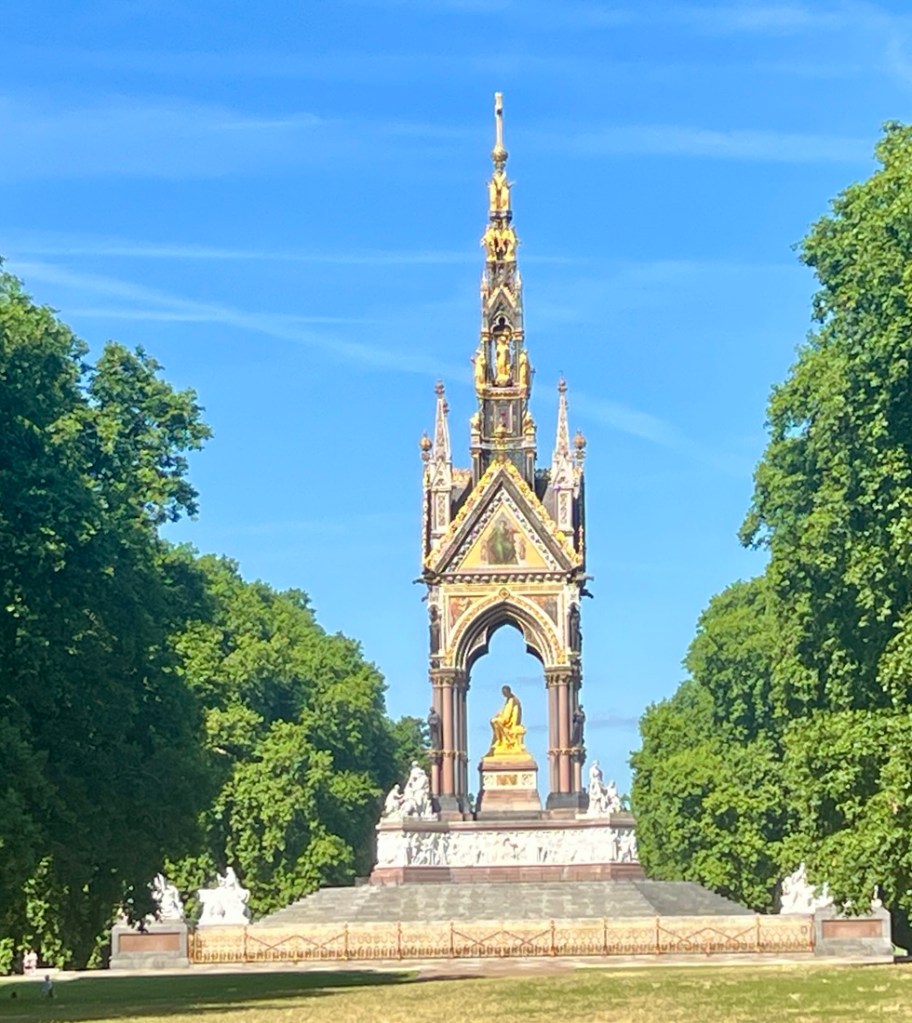
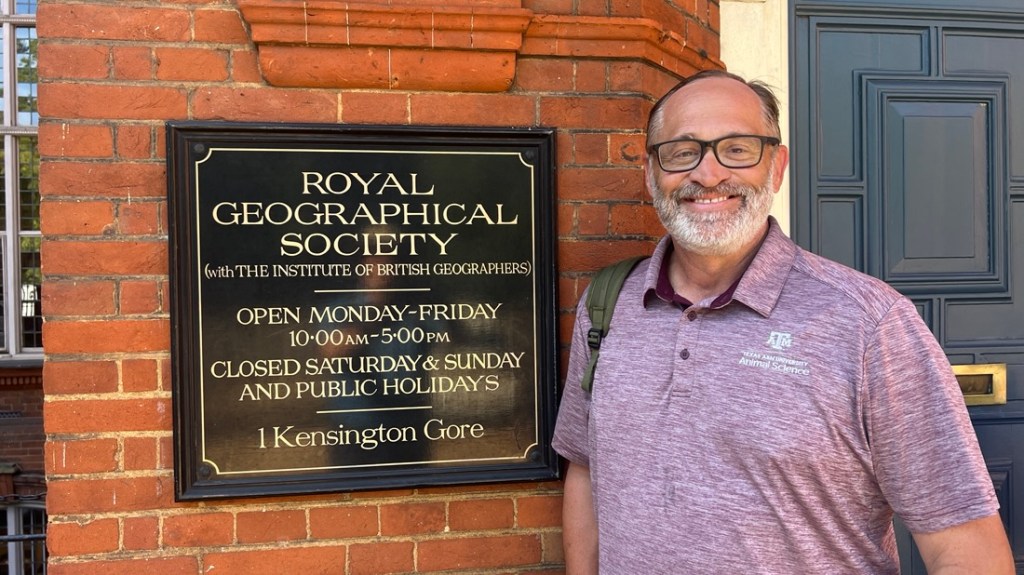
Our final day in London started like the others with a hotel breakfast. Today’s first destination was Janet’s favourite place in London – Queen Mary’s Rose Garden in Regent’s Park. The nearest tube station was Baker’s St., so we were able to say hi to Sherlock at 221B. The roses did not disappoint. Max and I had to head off by ourselves for our research visit to the Royal Geographical Society. It was located on the south side of Hyde Park, next to the Royal Albert Hall, and we enjoyed walking from Regent’s Park to Hyde Park Corner (past where my sister used to live) and then across Hyde Park. We spent several inspiring hours at the Royal Geographical Society (which will be covered in a separate post) before walking back to the hotel via the back wall of Buckingham Palace and the Wellington Arch. The trip’s grand finale was a sunset dinner cruise down the Thames, taking us under Tower Bridge and past Greenwich to the O2 arena while enjoying a fine dinner. All that was left was our trip back to the airport the following morning.




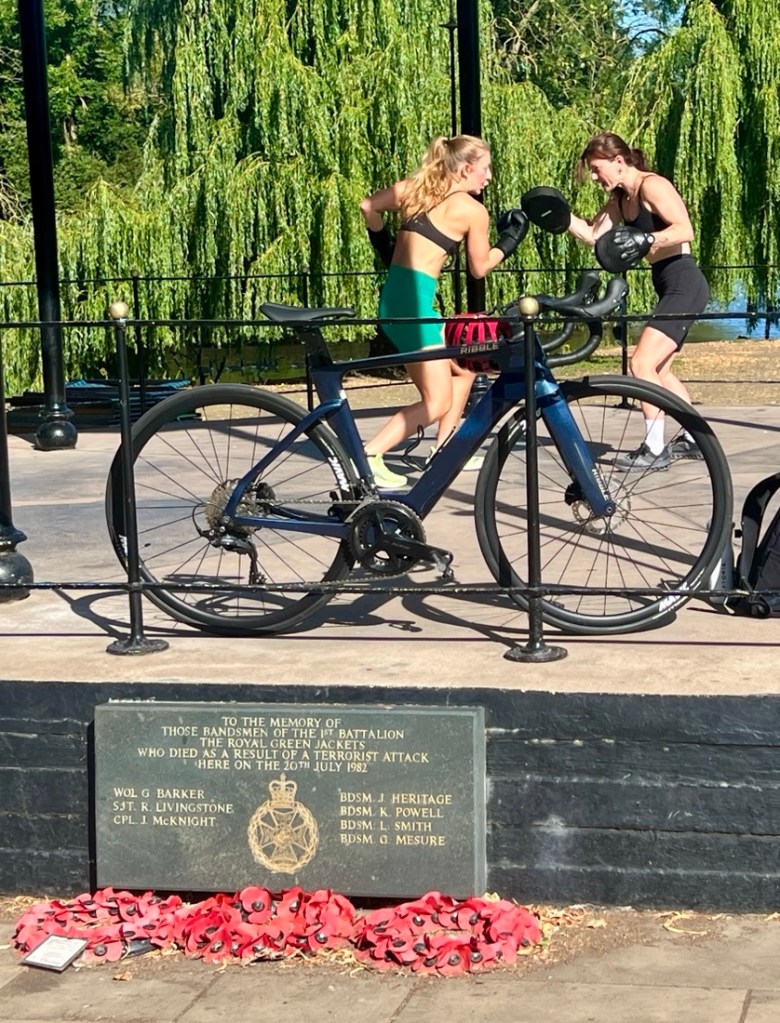
The above bandstand reminded me how macabre the ’80s were. In the same decade, the Kings Cross Underground Station fire claimed 31 casualties in 1987 and the Marchioness party boat sank in the Thames in 1989 taking 51 people. The Piper Alpha oil rig disaster claimed 167 lives on 6 July 1988. These accidents led to the introduction of today’s safety culture. Seatbelts had been made mandatory in the UK in 1983, and in Texas in 1985. In the 90s, terrorist attacks associated with the Northern Ireland Troubles diminished, ending with the Good Friday Agreement in April 1998.
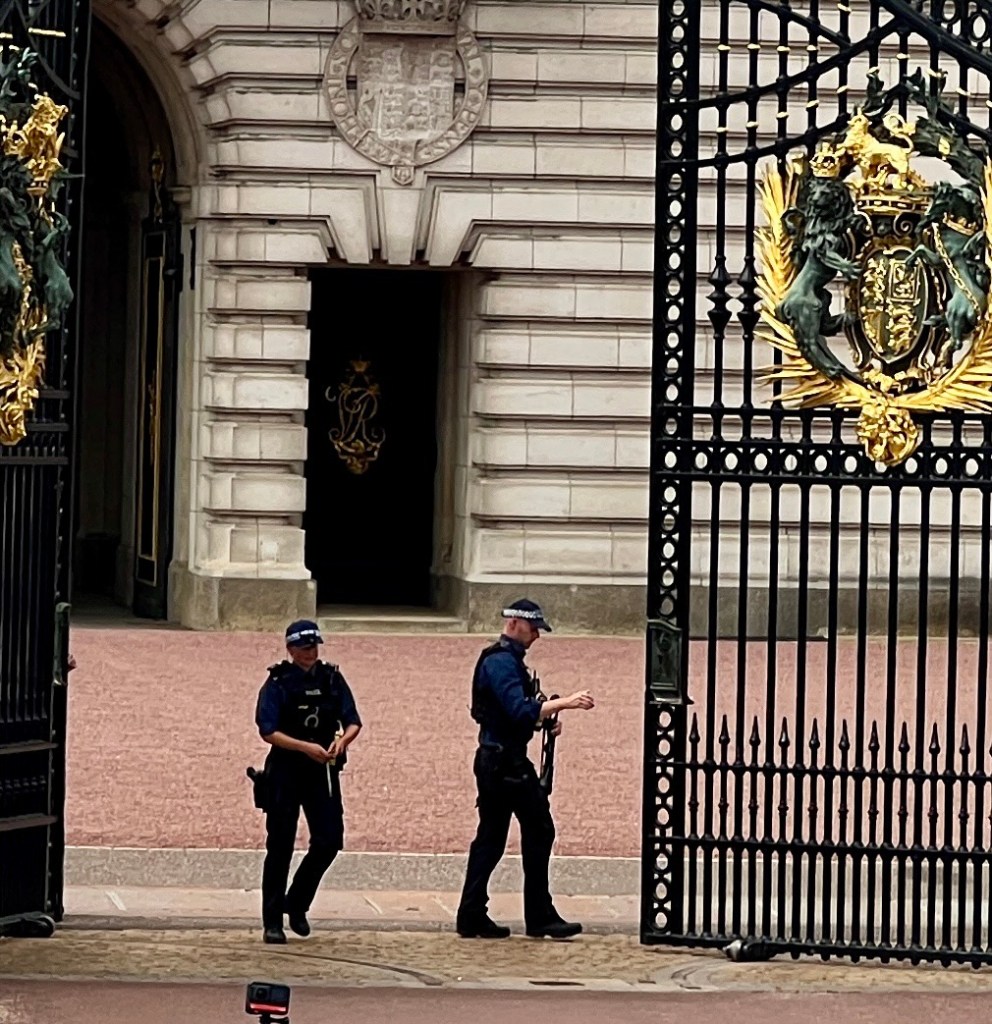
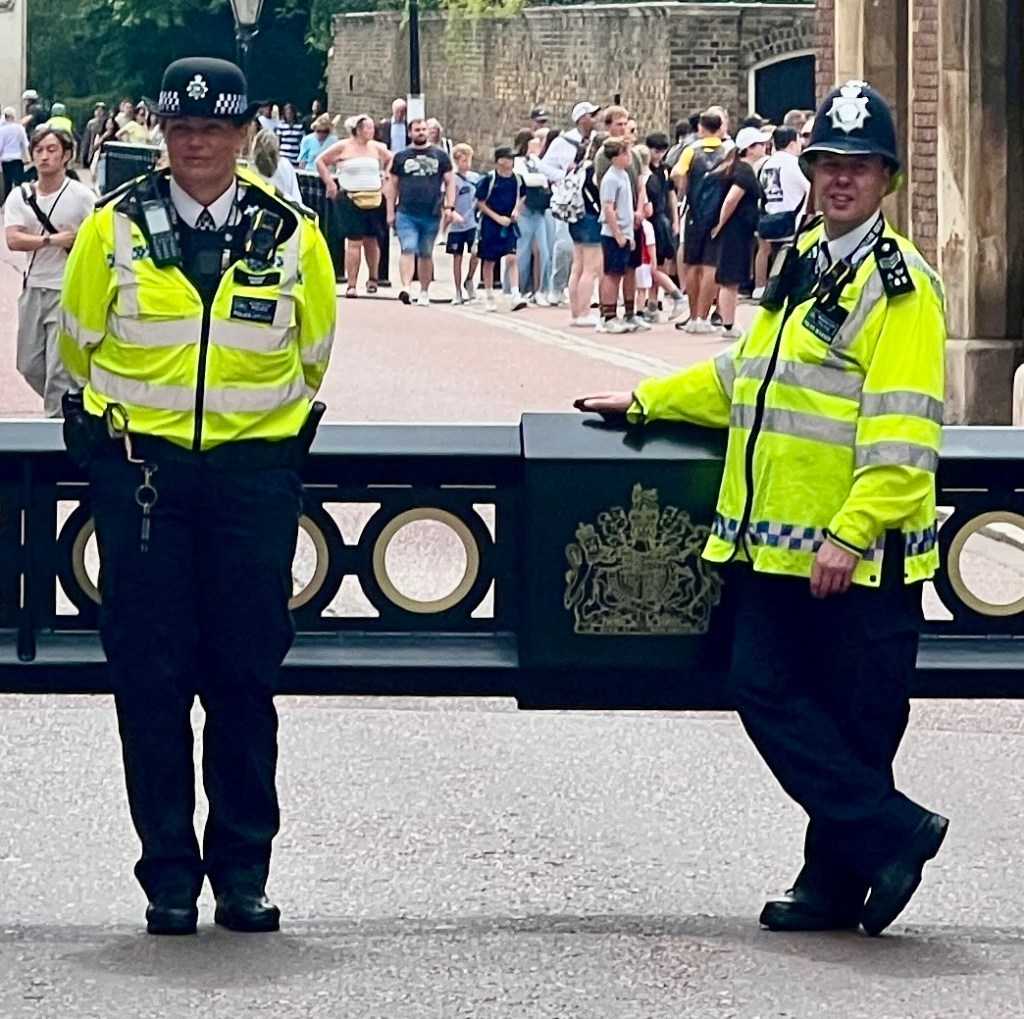
The 2000’s brought the Islamic terrorist attacks. Everyone is aware of 9/11 in New York on 11 September 2001. London had its own Islamist attack on 7 July 2005 when four suicide bombs (three on tube trains, one on a bus) killed 52 people. The US and UK have different approaches to policing and anti-terrorism. Most UK police officers don’t carry guns, which works in the UK because the vast majority of bad actors don’t carry guns either. London has the largest number of CCTV cameras of any city outside of China. I felt as safe in London as anywhere and was thankful for all the efforts that make that happen, while blissfully unaware of the details. However, such feeling of safety made the Independence Day floods in the Texas Hill Country that much harder to fathom. Many remember Hurricane Katrina striking New Orleans in August 2005 with 1,392 casualties and Hurricane Harvey inundating Houston in August 2017 and taking over 100 lives. These lead me to pray and to admit that I do not understand everything that our omnipotent God allows to happen.
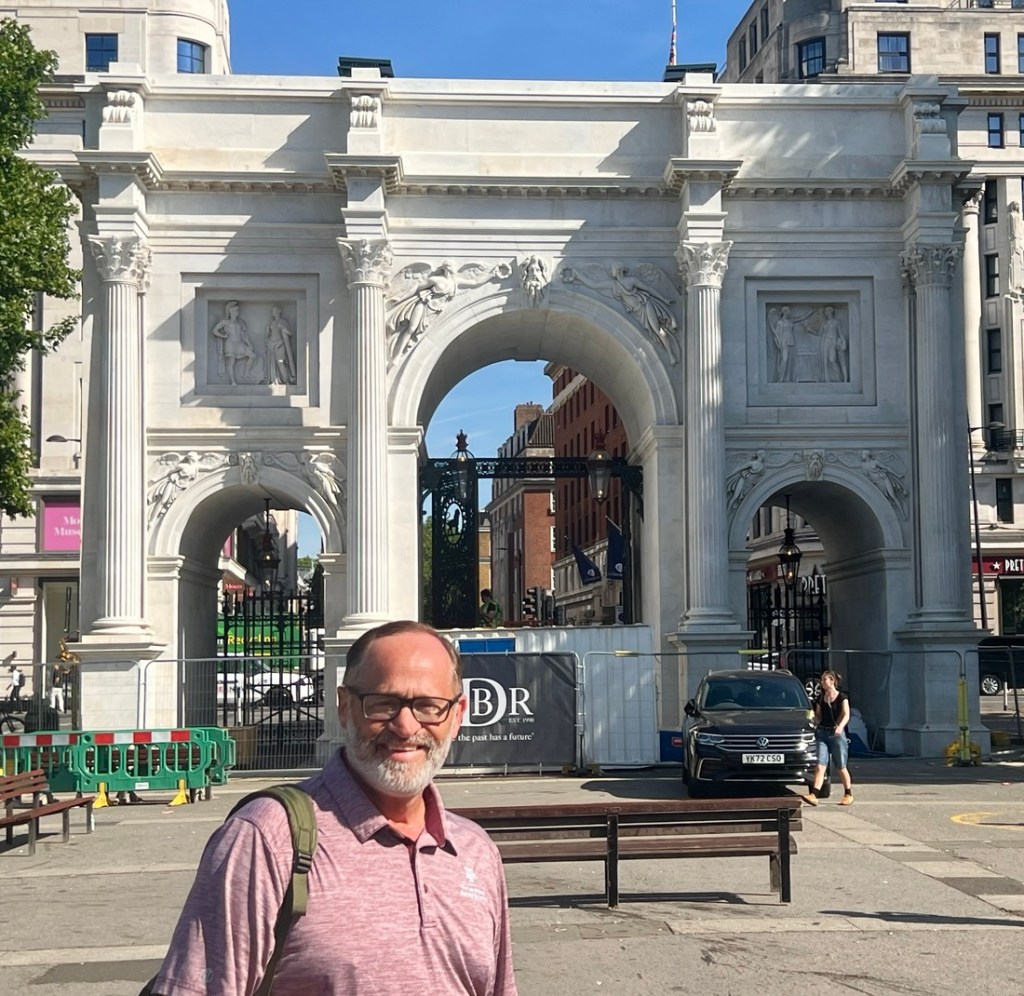





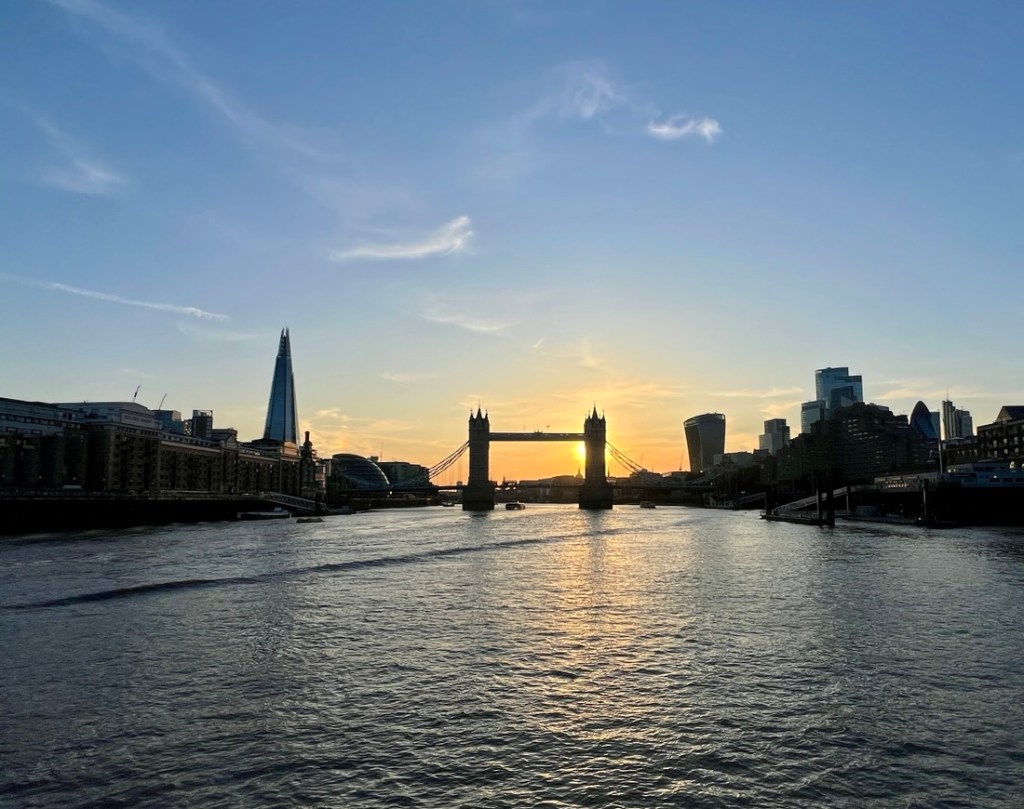
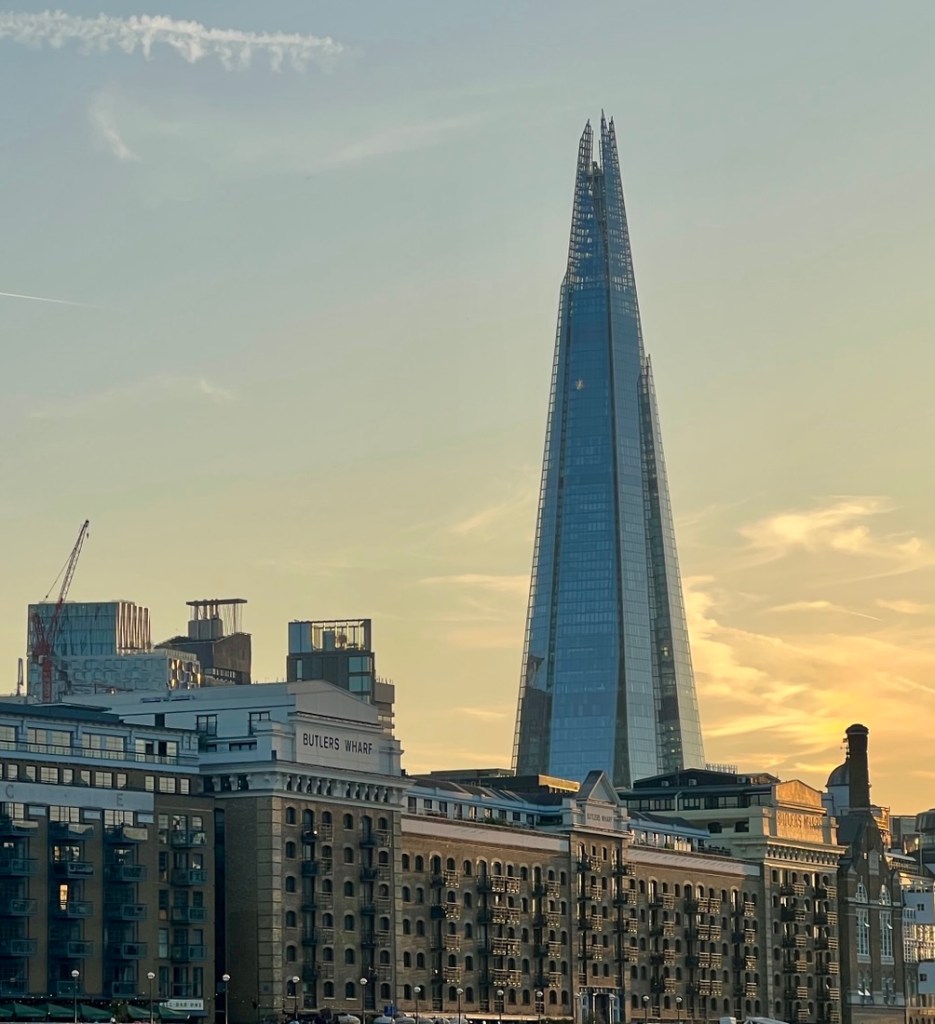

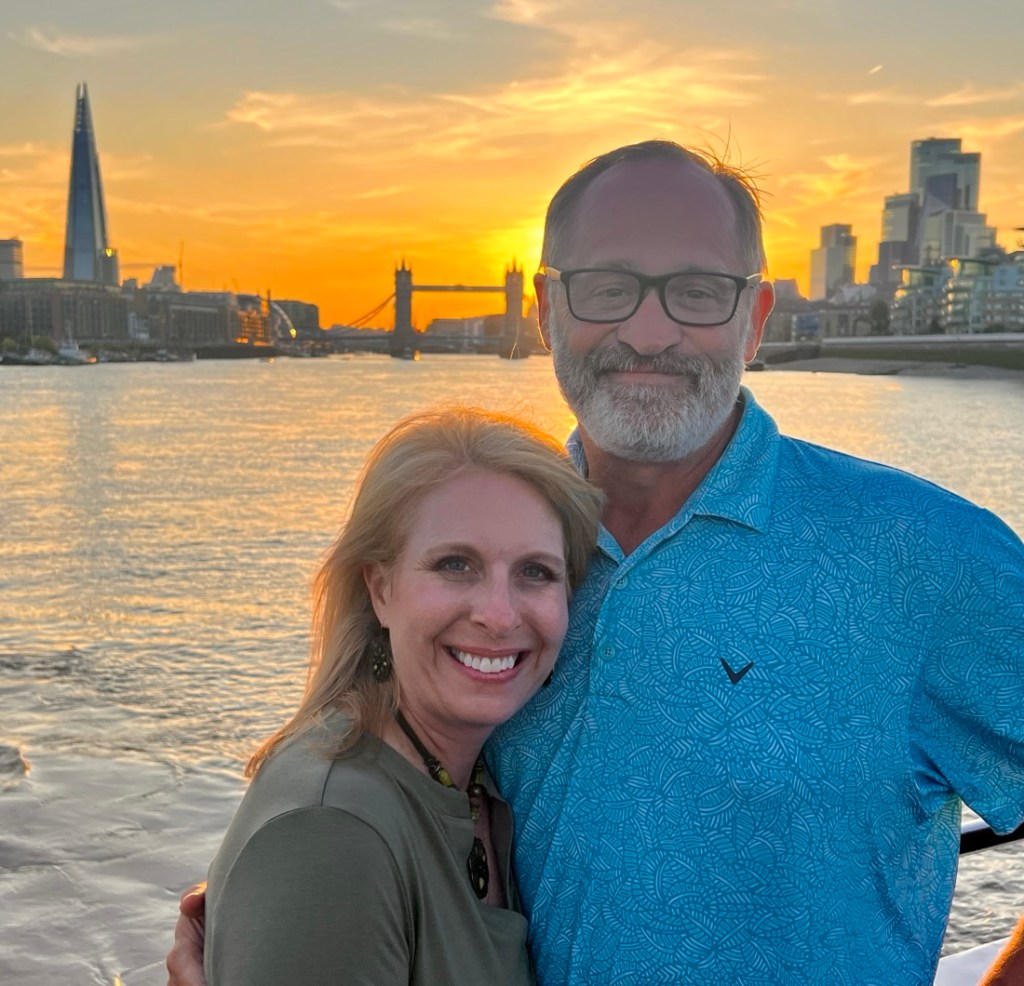
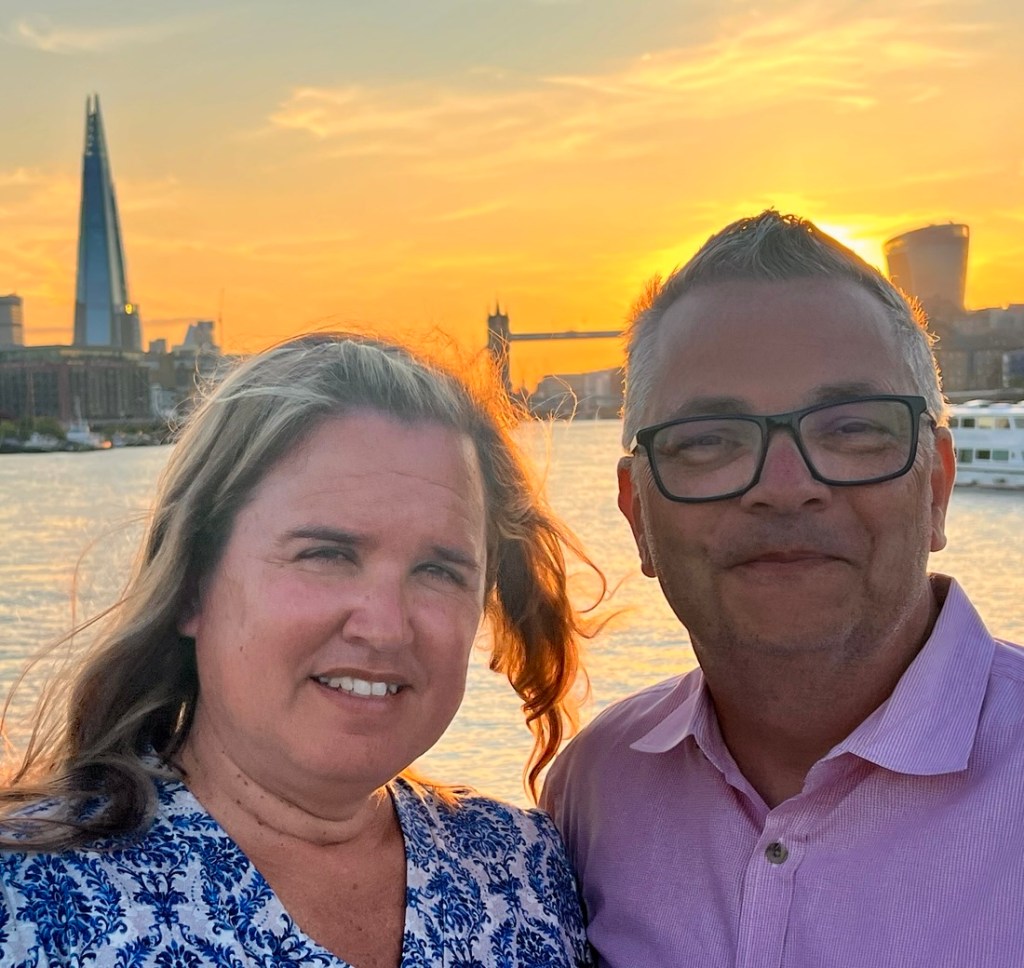
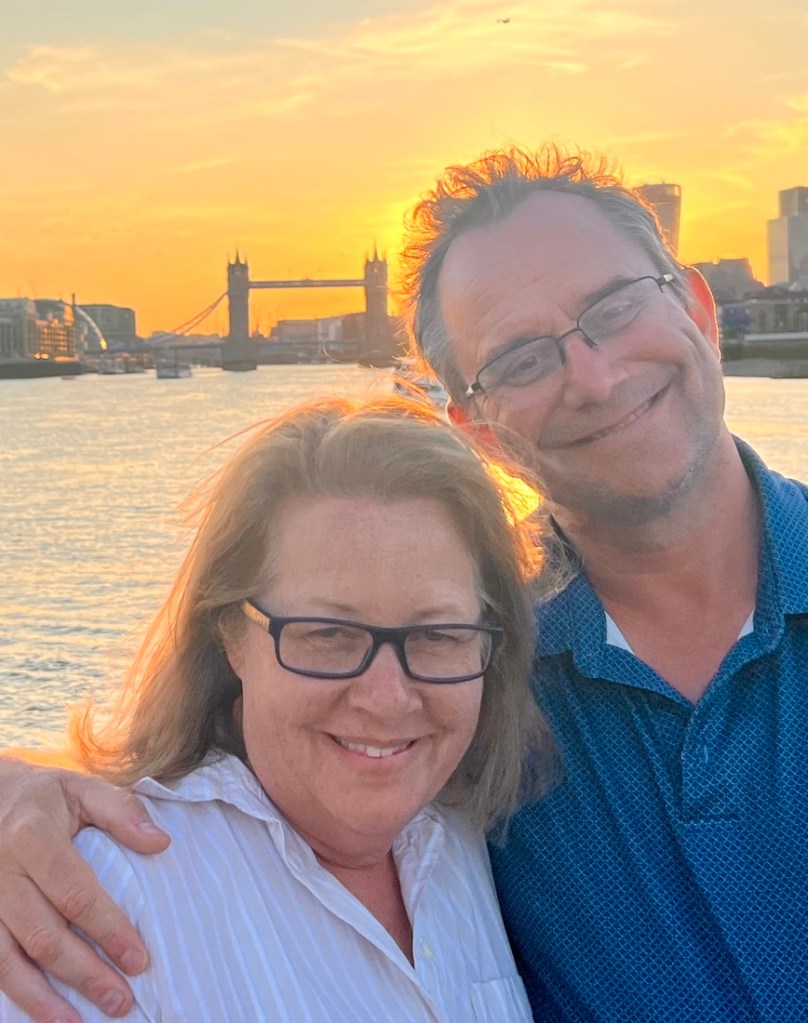
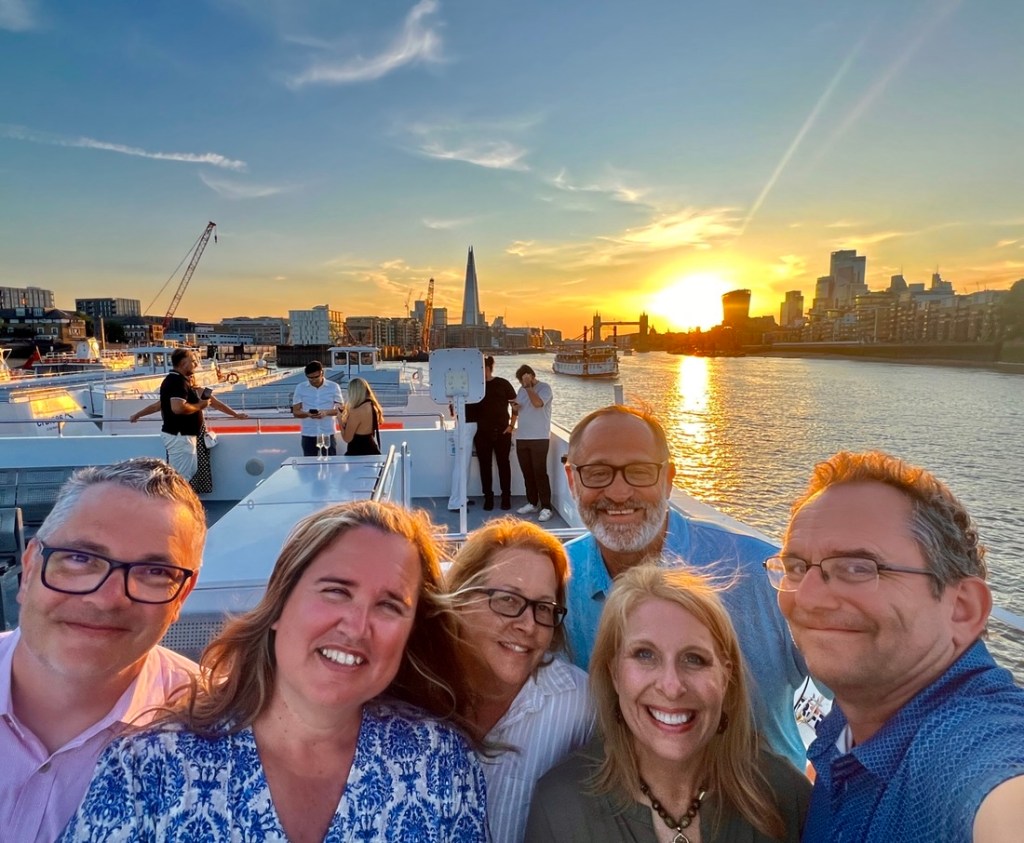
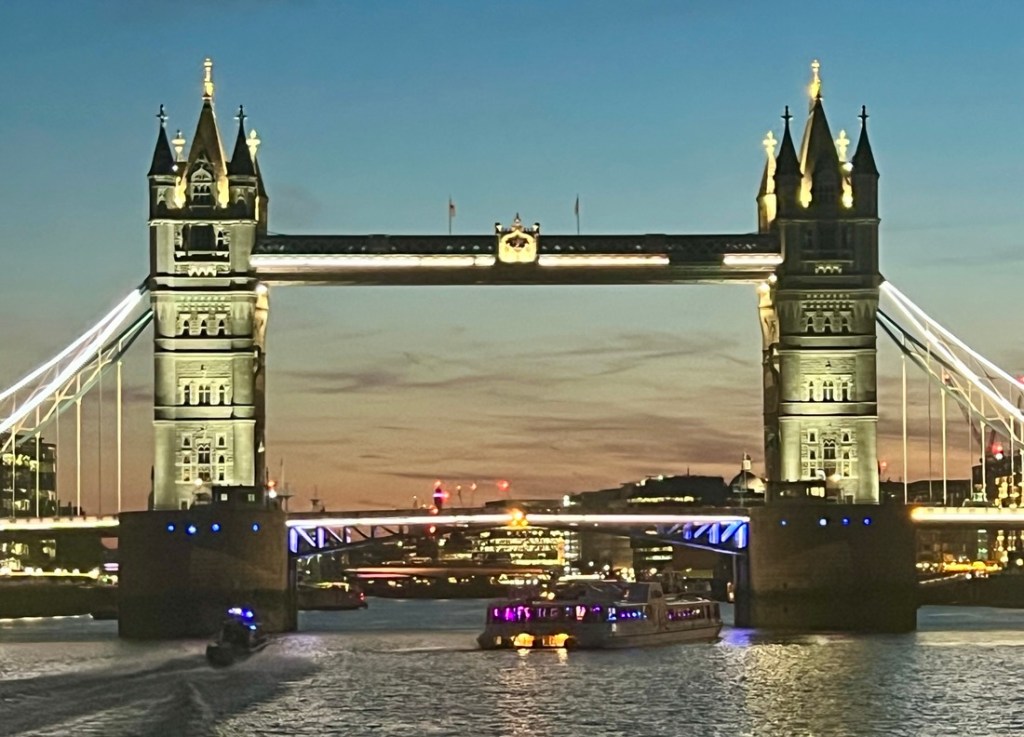
It was a suitable grand finale for our trip.


 The Adventures of the Cajunlimeys