
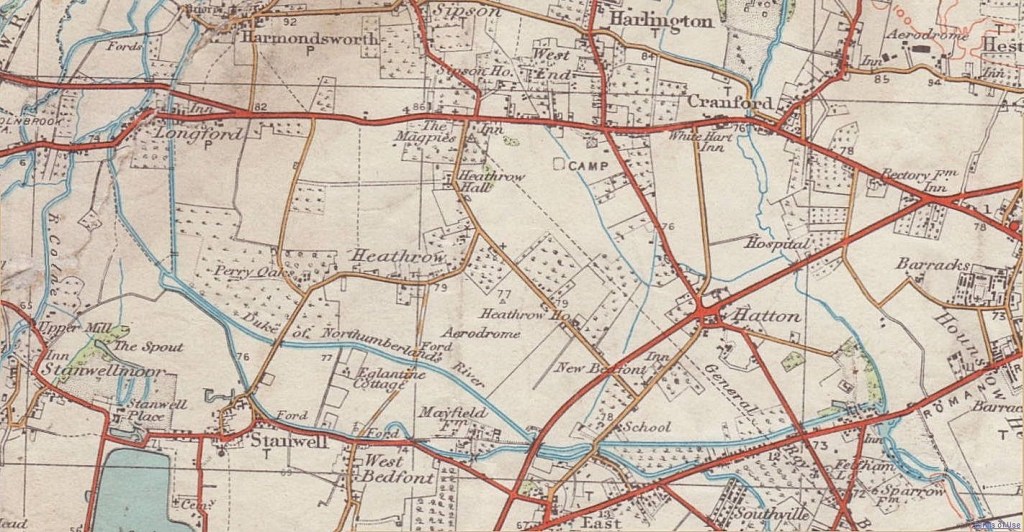
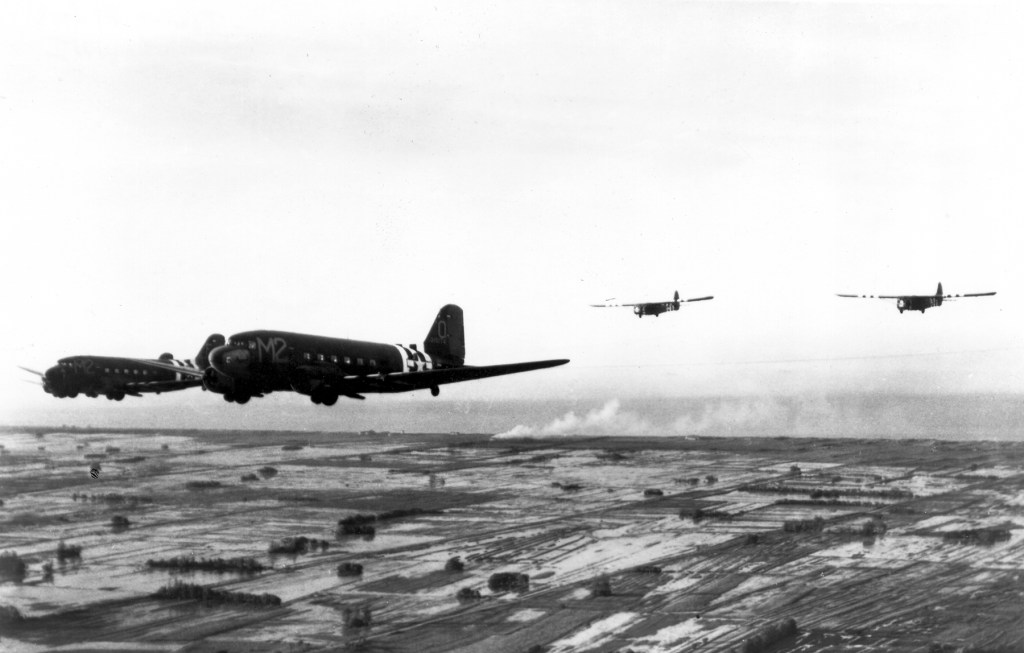
On 6th June 1944 when I was cycling along the Bath Road, near Hounslow, with a big field of cabbages on my left, little did I realise that in the future that site would become Heathrow Airport. As I cycled, hundreds of aircraft, all towing gliders, flew overhead going southeastwards. Little did I realise that they were on their way to Normandy to invade France, as 6th June 1944 was D Day, such a massive step towards victory over Germany.
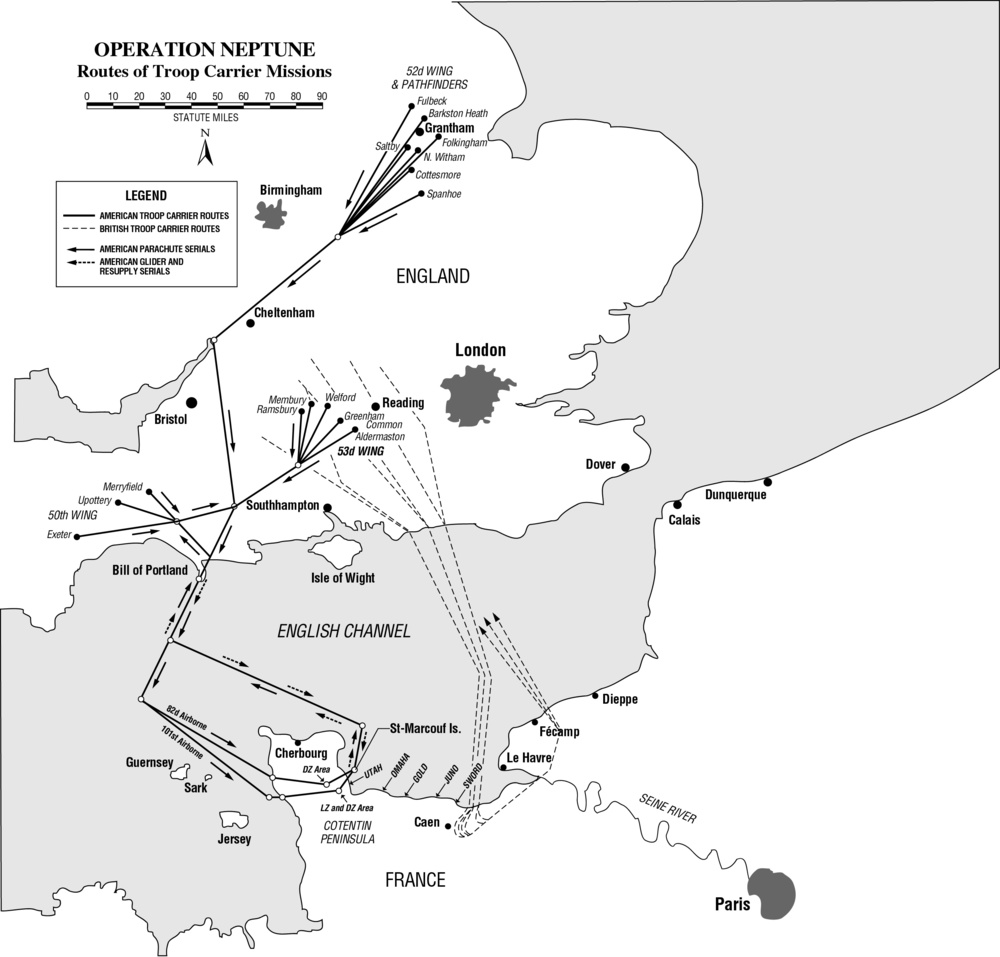
Gliders were one of many pieces of the massive Operation Neptune, code name for the Normandy landings. Dad might well have seen Jim Wallwork and his British squadron on their way to land at Pegasus Bridge in Bénouville by Sword Beach, the first allied troops to touch French soil on D Day. Their taking of Pegasus Bridge is depicted in the classic 1962 movie, The Longest Day.

Dad didn’t talk much about his youth. It is only very recently that I realized that Dad’s teenage years were WW2. He was born in April 1927, so the war started (Sept 1939) when he approached his thirteen birthday and ended (May 1945) shortly after his eighteenth. He did not get called to serve in the armed forces because he fell ill for a couple of years with Tuberculosis and Pleurisy, which also impacted his ability to work in post-war Britain. Dad wrote the following about one night in September 1940 when he was thirteen years old:
We had a number of bombs fall nearby. One at the end of the road went down into the earth under an Anderson shelter so that when it exploded the two people inside were blown to smithereens. One night a ‘Molotov Cocktail’ fell. This was a canister containing perhaps 100 incendiary bombs, each about the size of my forearm which, on impact, burst into flames. One of those came through our roof, through the upstairs ceiling, right through my bed (thank goodness I was not in it) through the floor and downstairs ceiling, bounced on the dining table (which it broke) then bounced into the surround in front of the fire where it burst into flames. I poured a bucket of water on it, which was not a good idea as it flared up vigorously, and fortunately a neighbour came in and put sand on it which put it out.
I now realize that Dad losing the “most fun” years of his life motivated him to ensure that my sister and I had the best education and most rewarding life experiences that he could help provide, sacrificing much to provide us with fine (and expensive) private education. He closed his letters to us with the acronym WHAHF, his abbreviation for Work Hard And Have Fun. My realization also puts into perspective the time our kids “lost” due to COVID.
Dad’s father, Harold, having served with the 3rd Hussars in WW1 in Ireland and France, worked in the printing industry. Dad’s younger brother Brian was born in 1932 so was too young to serve in WW2. However, Dad’s older brother Denis, having been born in 1923, was called to serve in 1942. Uncle Den wrote the summary below of his time in WW2:
1942 Called up in the army to Fort George, Inverness, for training.
1943 Shipped to North Africa. Joined 16/5 Lancers at Phillipville who had Sherman tanks.
1944 Taken to Naples when the fighting was at Caserta – a bit north of Naples. Saw action around Casino, and on upwards and finally finished in Austria and instead of tanks joined the horses. Appeared in searchlight tattoo in the grounds of Schonbrun Palace in Vienna in aid of the children of Vienna (the other three powers – America, France and Russia had posh parades).
Uncle Den was a tank radio operator though his claim to fame is somewhat unorthodox:
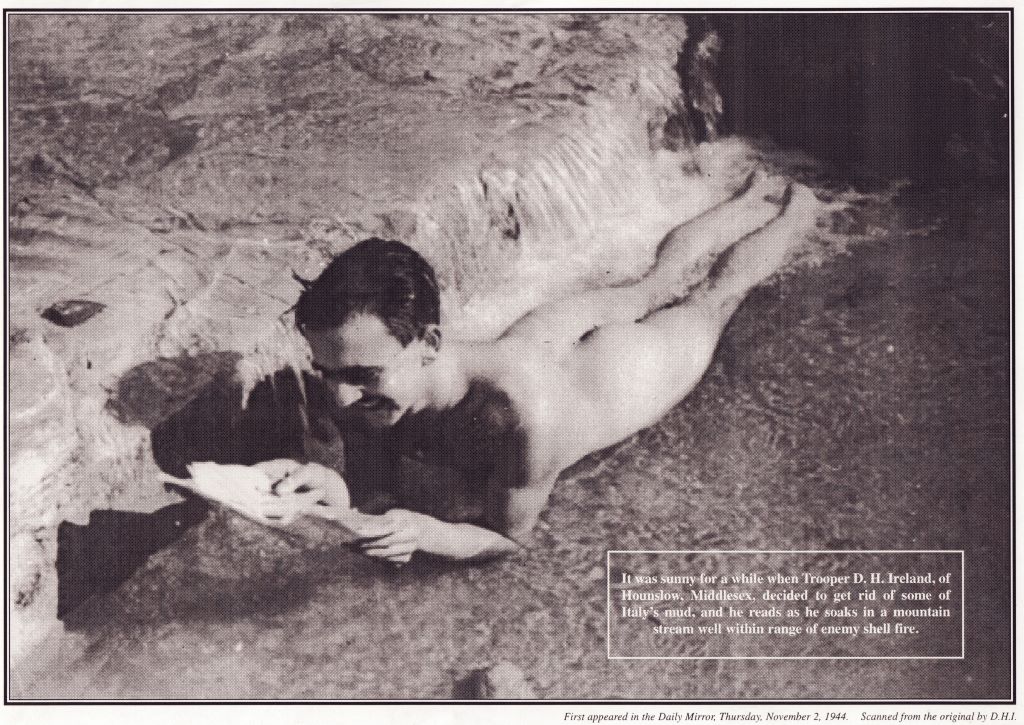
A challenge during the war was to maintain morale at home and the photo above was part of that campaign by the British press, trying to show that the soldiers were having some good times. Uncle Den explained how the photo was staged, that the water was freezing cold, and that he couldn’t read anything without his glasses on. The above photo was taken in 1944, so Uncle Den was somewhere in Italy on D Day. Reading Winston Churchill’s six-volume memoir The Second World War helps put it all into perspective. After the Allies liberated Vienna, Uncle Den was assigned to look after the famous Lipizzan horses at the Spanish Riding School of Vienna, the saving of which is described by the excellent Disney movie The Miracle of the White Stallions (on YouTube). Janet and I were able to see the horses during a trip around Europe in 2001.
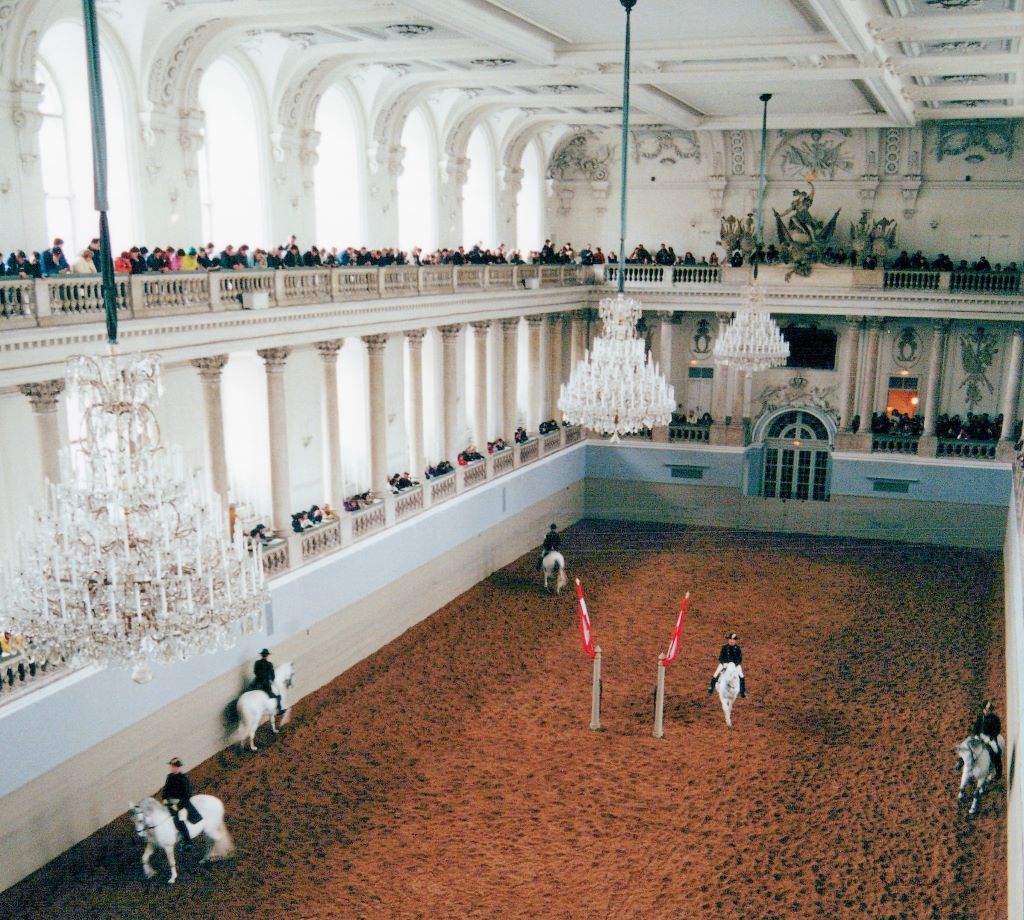
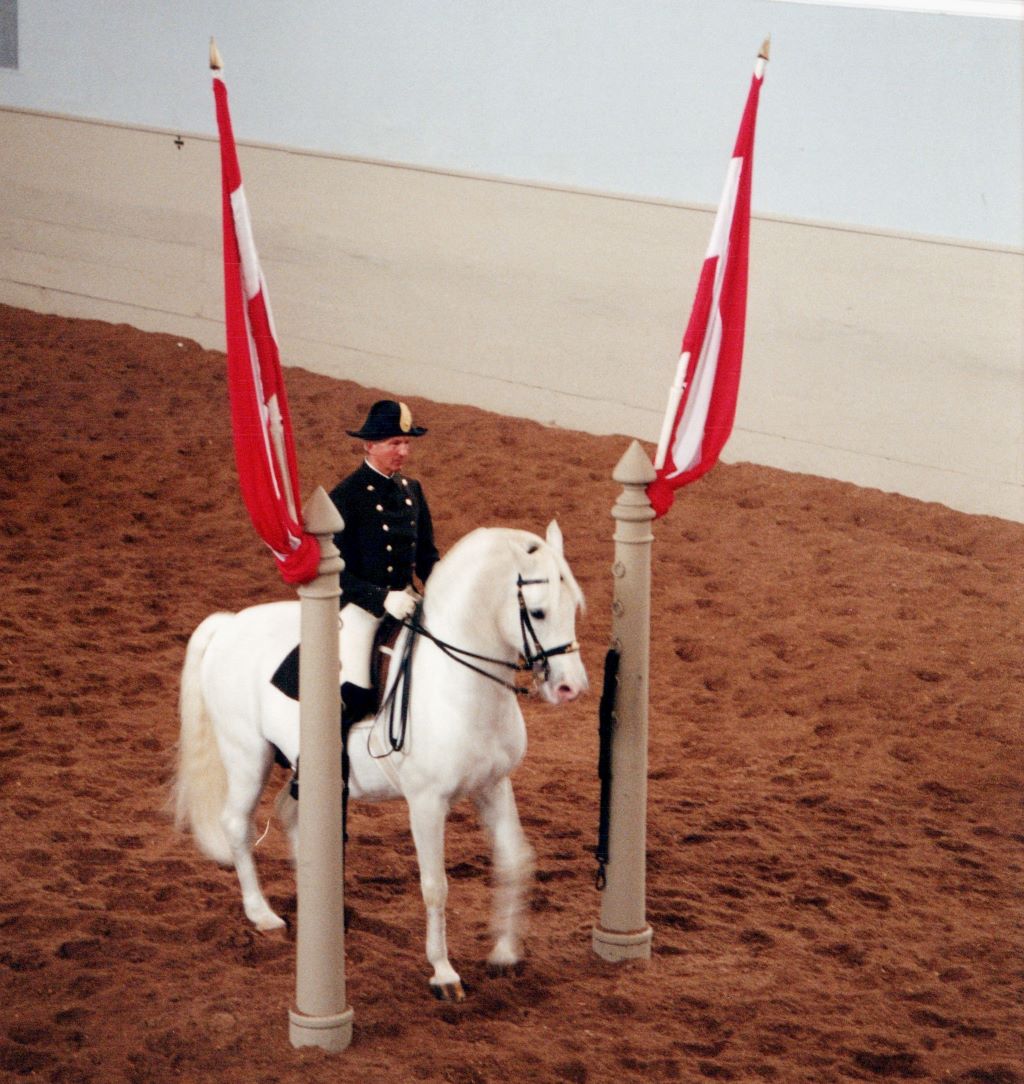
Writing this account tempts me to write down all memories of my parents’ generation and get into genealogy. That will have to wait for another day. However, I’ll share a little more about my Uncle Den.
We did not spend much time with my uncles growing up and I got to know Uncle Den more as an adult. I remember his warmth, generosity, and humility.
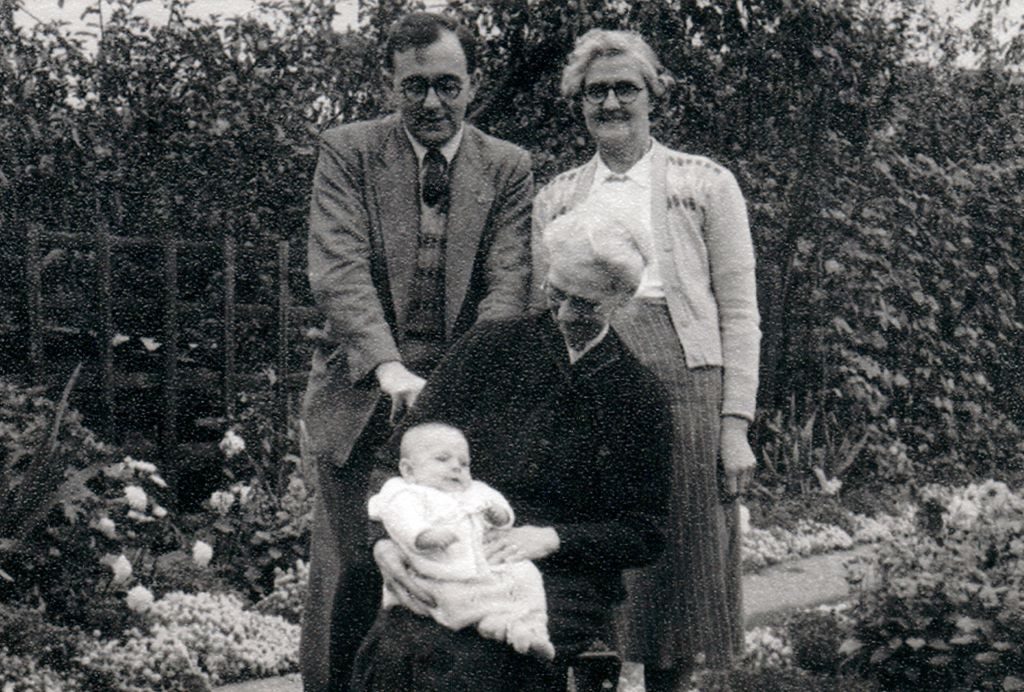
Uncle Den was a keen golfer. When I started playing golf at boarding school in Marlborough, my Dad realized that Marlborough Golf Club was approximately in the middle of where the three brothers lived, and so the annual golf game was started.
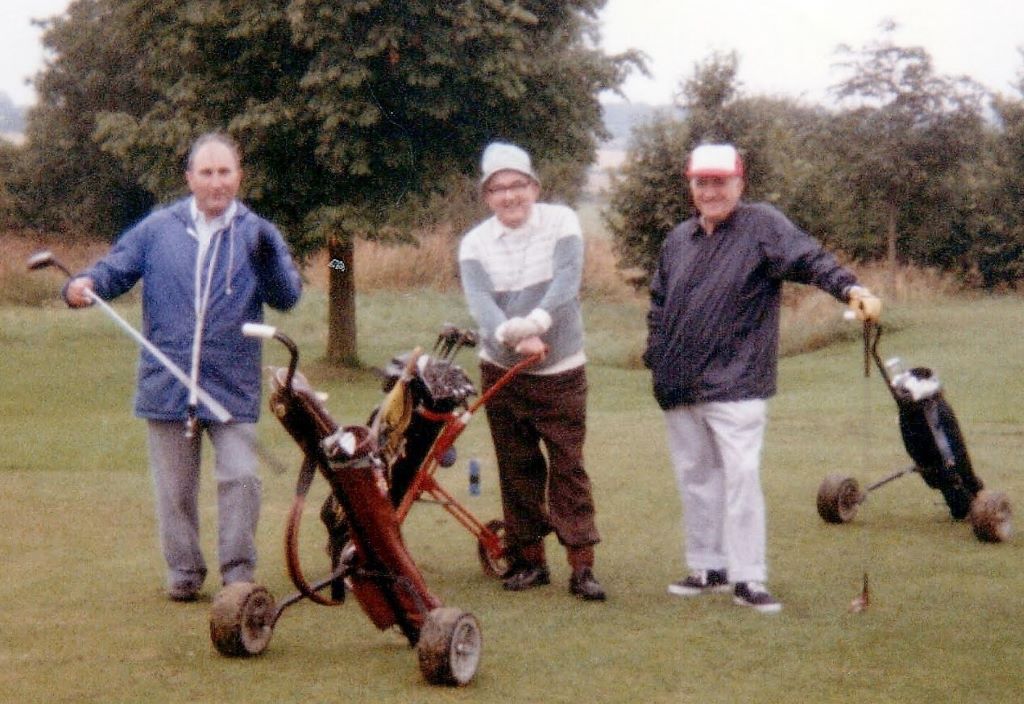
Twenty years later, they still met.
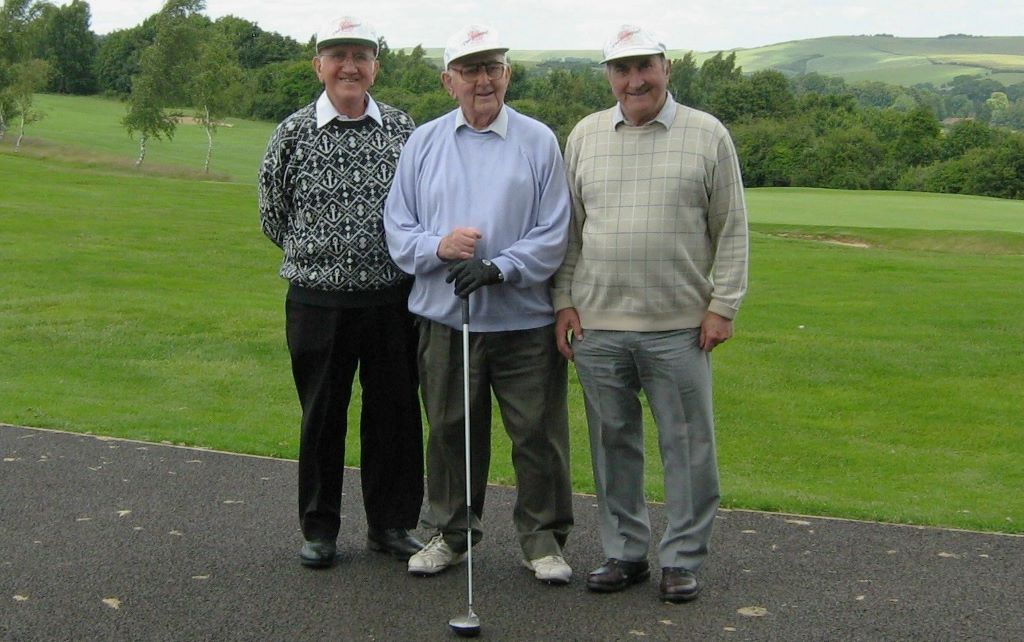
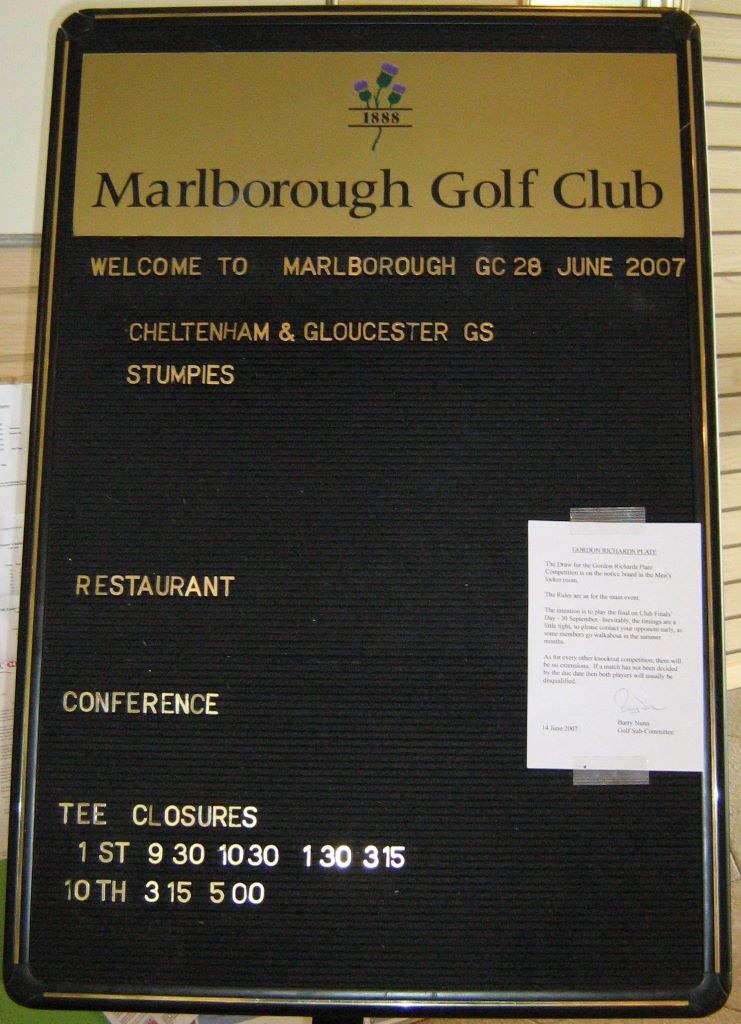
Perhaps because he was the oldest brother, Uncle Den showed a keen interest in recreating the family tree. He traced the family back to a Thomas Ireland born in 1731, including a connection to my Dad’s great great grandfather, Lieutenant John Ireland of the Royal Navy who died in St Saviour, Jersey in 1824.
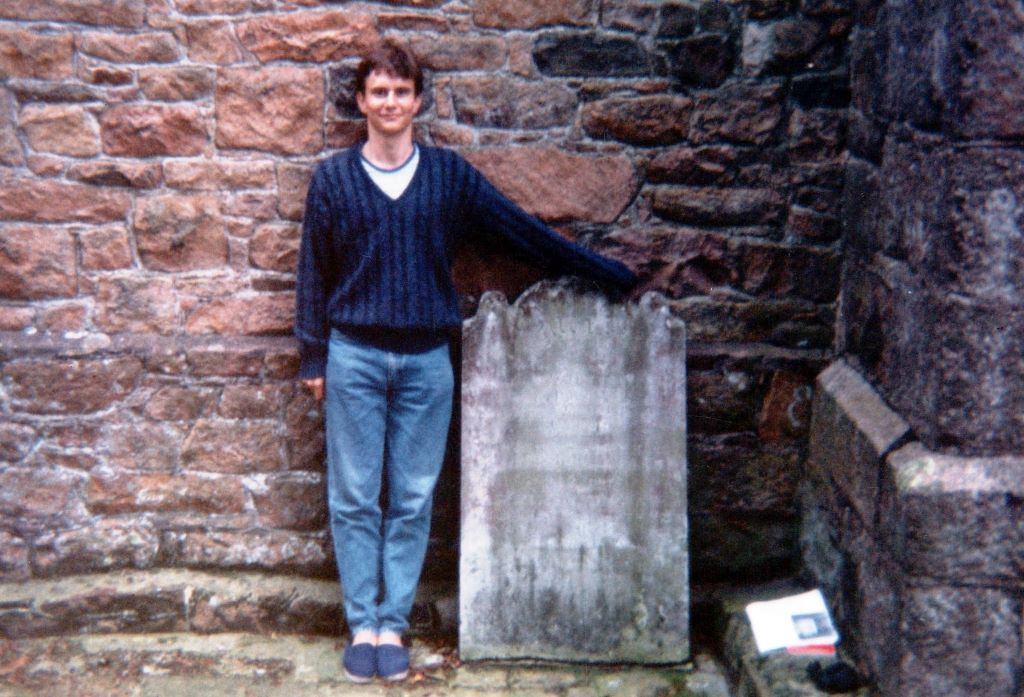
Samuel is the only remaining descendent of Thomas Ireland who can maintain the family name with male offspring. No pressure Samuel! Samuel’s special position in the family tree made him a favorite. Sorry Bailey.
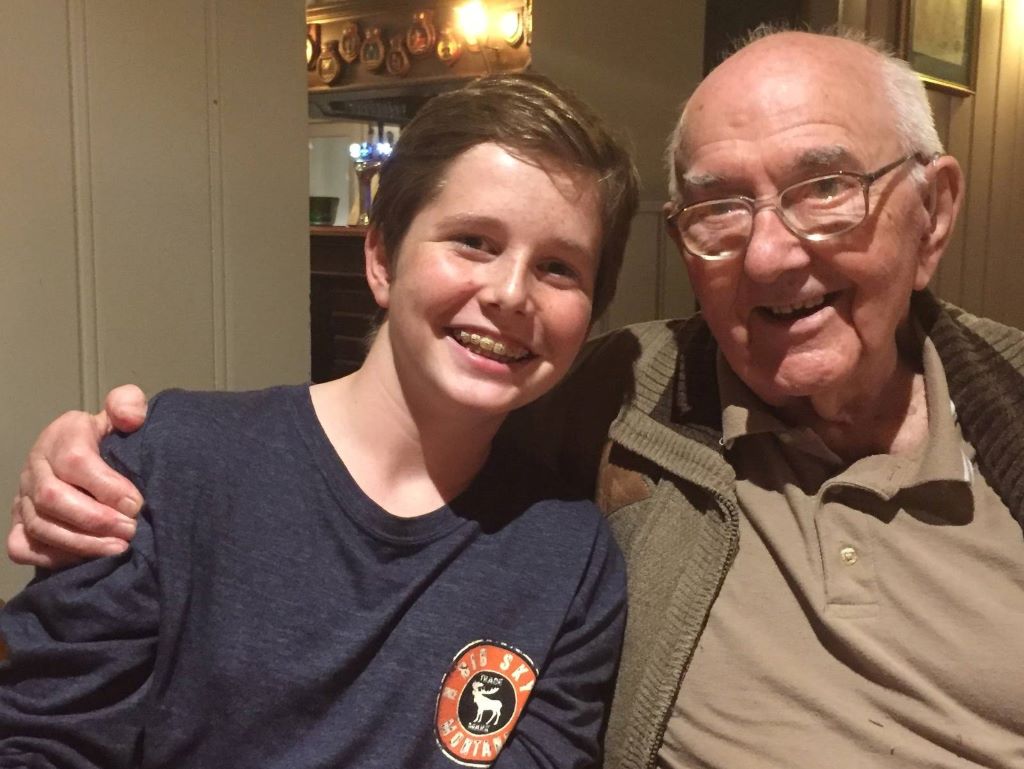
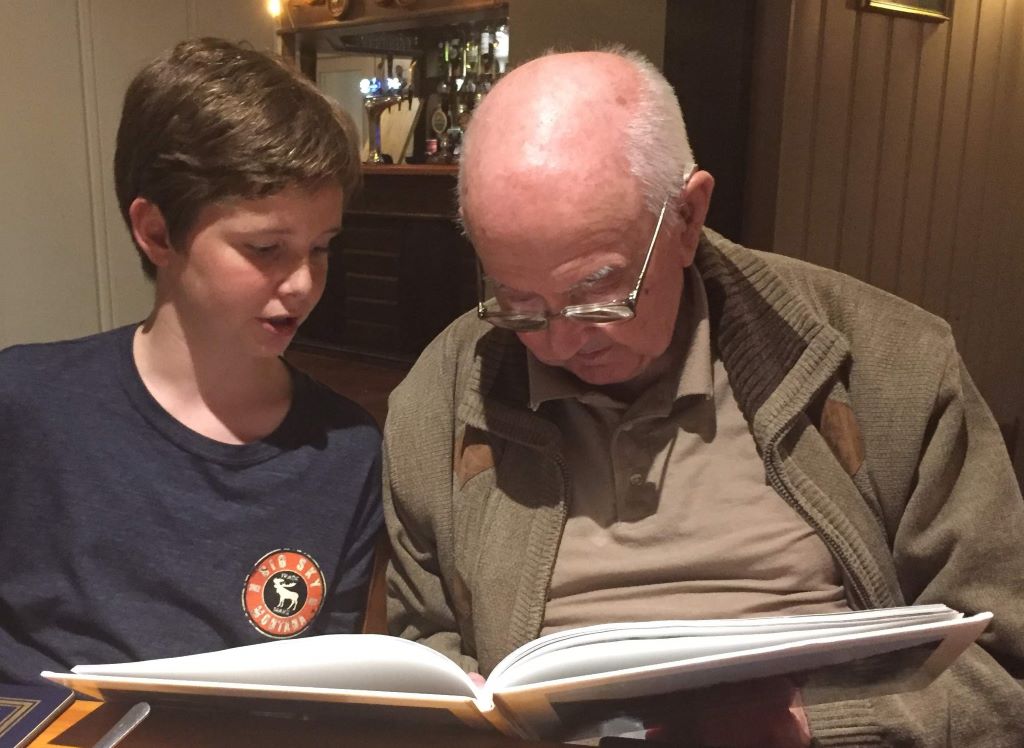
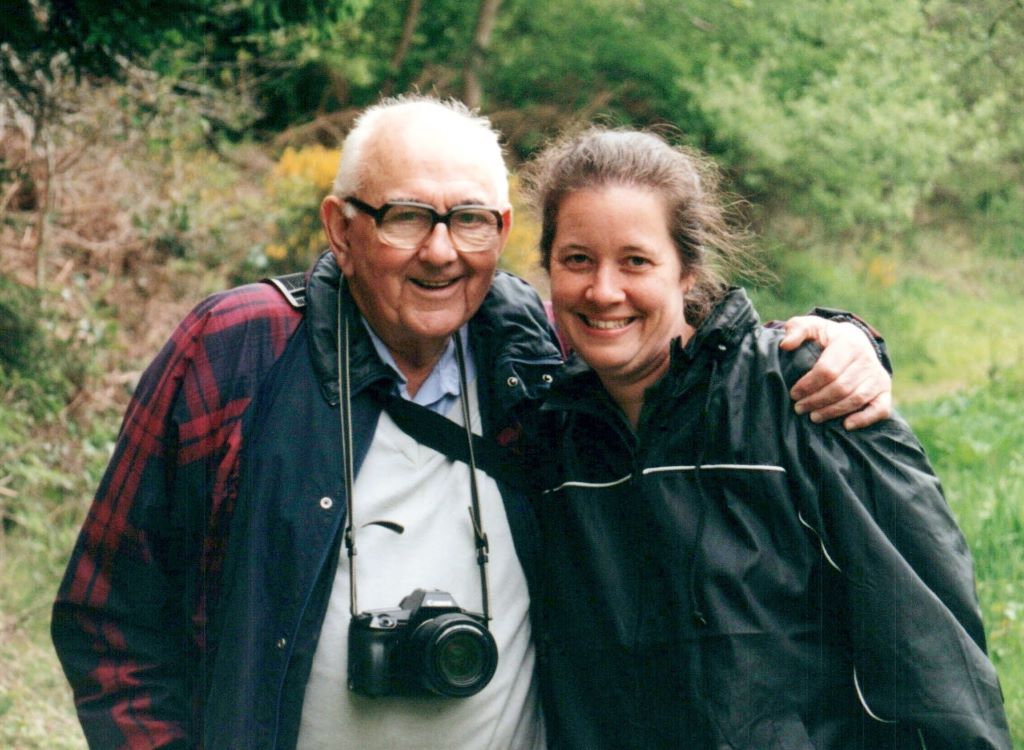
As Uncle Den approached his 97th birthday, another WW2 veteran, Captain Tom, was inspiring the nation as he raised millions of pounds for the NHS by walking 100 laps of his nursing home as he approached his 100th birthday. Uncle Den followed the lead, walking up and down his driveway 97 times, with his Zimmer frame, before his 97th birthday, raising over £12,000 for a local hospice. (More about that here and here.)
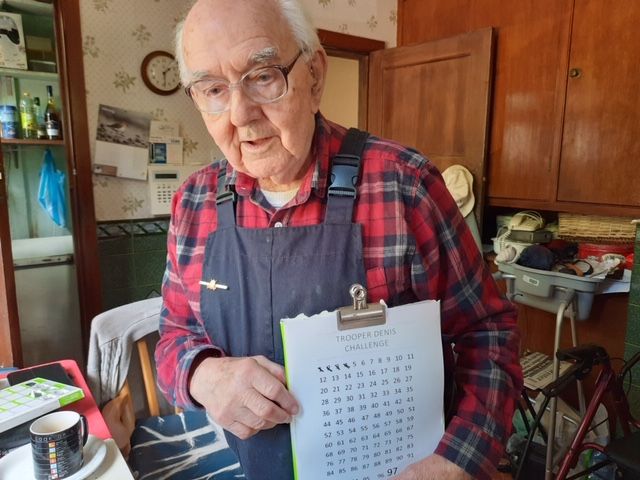
There is a charming video from the BBC on Facebook about Uncle Den here.
I must bring it back to D Day to close. What I find remarkable about this older generation’s experiences is how little they talk about it. To them, it wasn’t extraordinary. It was just life. Researching this blog post and watching a couple of films has reminded me of the horrors of war. Whoever wins, lots and lots of people die on each side. There is undoubtedly evil in this world. Our generation does not understand the sacrifices this generation made. We must never forget. N’oublions jamais.


You know how much I enjoy all of your posts, but truly, this is my favorite one yet.
LikeLike