
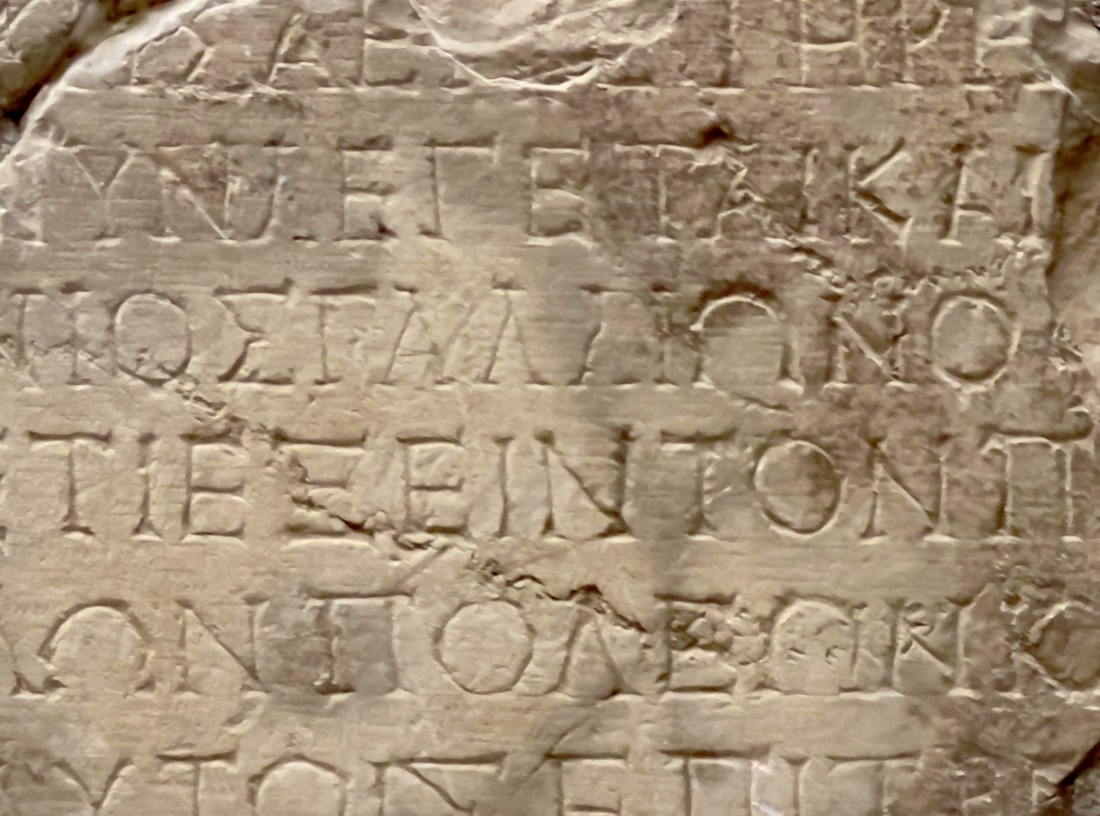
TL;DR: The Delphi Inscription helps date Paul’s time in Corinth at the end of AD51 during Gallio’s proconsulship. We got to see it in the Delphi museum where there are many other archaeological pieces close to the site of the remnants of Apollo’s Temple complex. Delphi was originally founded where Oracles would give predictions having inhaled hallucinogenic gases that escaped from fissures in the earth. This also helped us understand the “python” that is in the Greek of Acts 16:16 but not in the English translation. On the way to Delphi, we looked around the Jerusalem Domitian Monastery and its associated cave before checking out the old shepherd’s village of Arachova, which also serves as a ski town!
Delphi
Viewed as the center of the ancient world, Delphi is filled with artifacts from antiquity, with its history ranging from the Oracle of Delphi,who gave advice to rulers as diverse as Alexander the Great and Roman Emperors, and the Delphi Inscription, which dates Paul’s time in Corinth when he wrote his letters to the Thessalonians. It all started in the second half of the second millennium BC, when some local goat farmers noted their goats became intoxicated when they inhaled vapors coming out of fissures on the slopes of Mount Parnassus. One of the shepherds tried breathing the vapors, and his predictive statements became true. This led to a more formal Oracle of Delphi and the tradition that the vapors were a gift from Apollo.
There were two parts of our visit: the Archaeological Museum and the Sanctuary of Apollo.
The Archaeological Museum
The most important movable artifacts discovered at Delphi are in the museum. Some are replicas because the originals were stolen by the Turks during the Ottoman regime and they remain in Istanbul, which is a sore spot for the Greeks!
First, there were a couple of reconstructions of what the Sanctuary of Apollo would have looked like at its prime. The present remains of Apollo’s temple were built in 330 BC but archaeological finds at the site go back centuries before this.


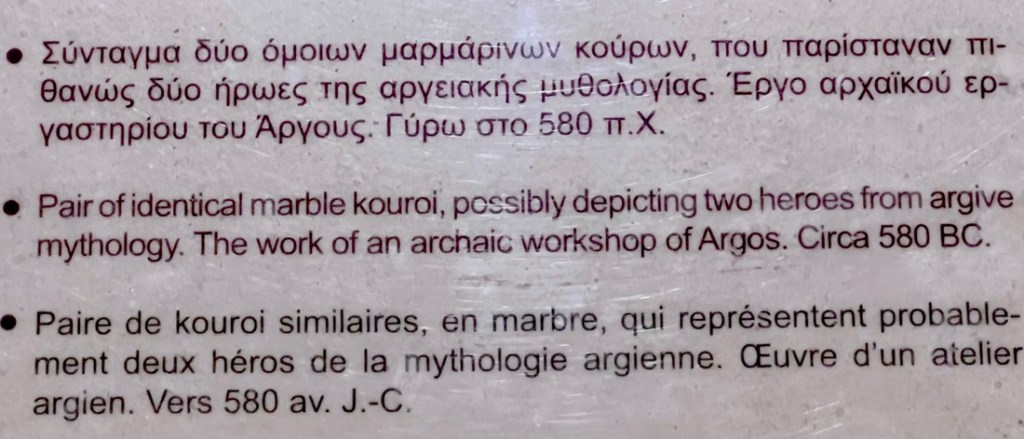
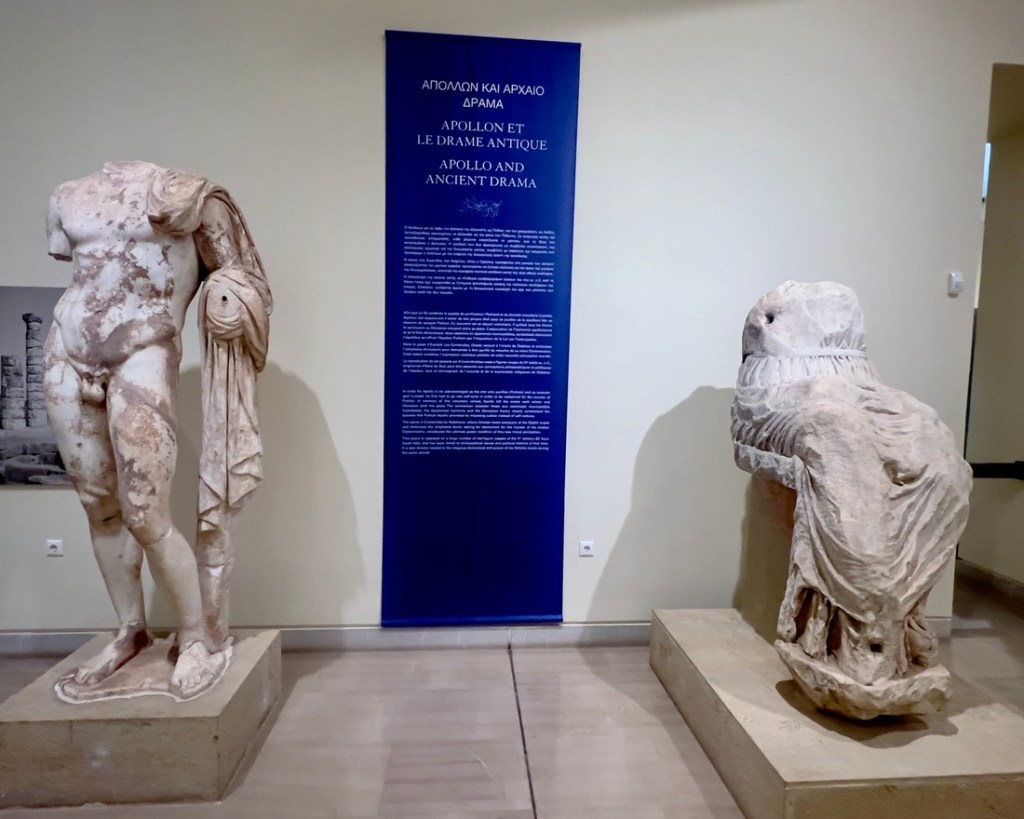
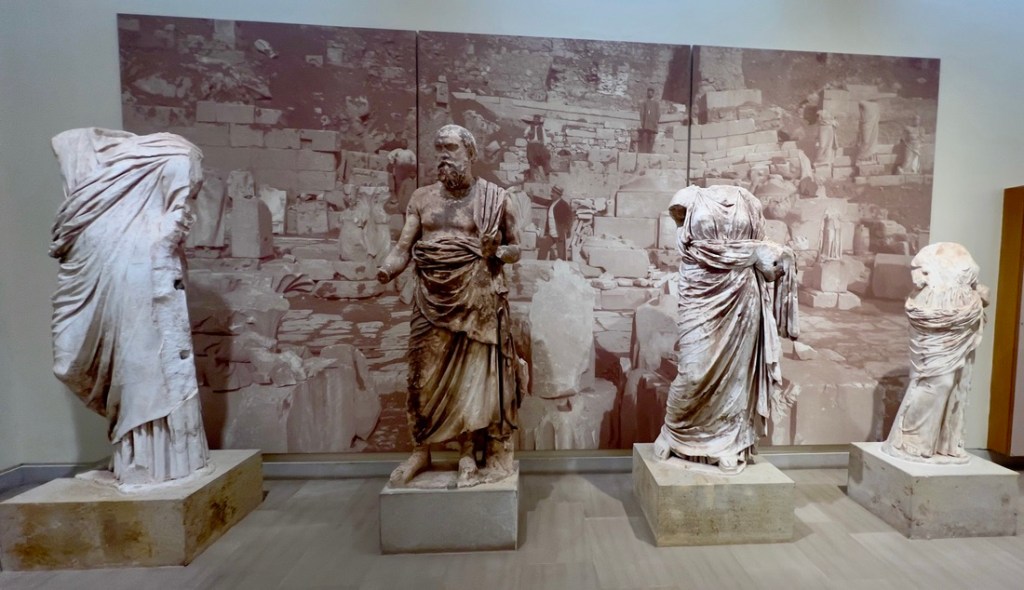
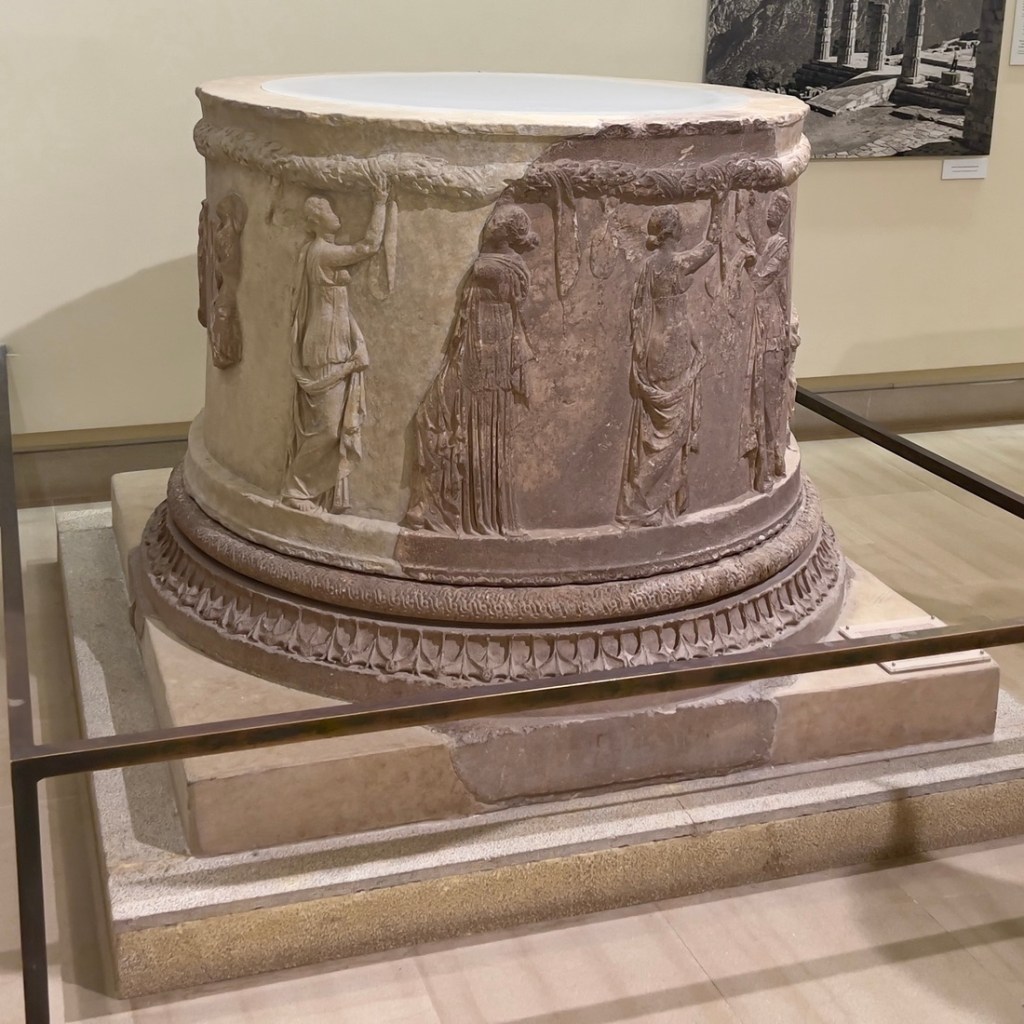
Second, inside the museum, there were 11 rooms of artifacts ranging from the size of a coin to several feet high. Many were associated with gifts that were brought as payment or thanks to Apollo for the prediction from the oracle. Here is a gallery of photos. Click to see the whole photo.


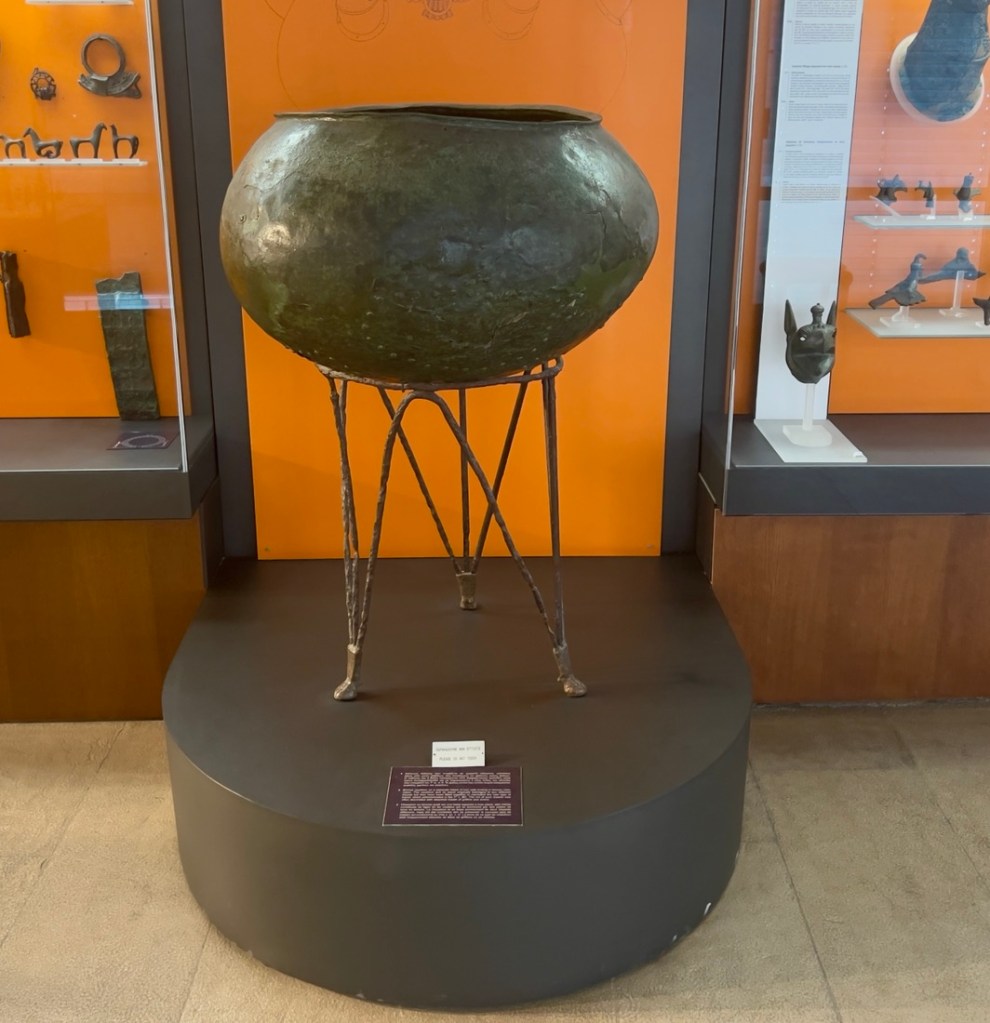


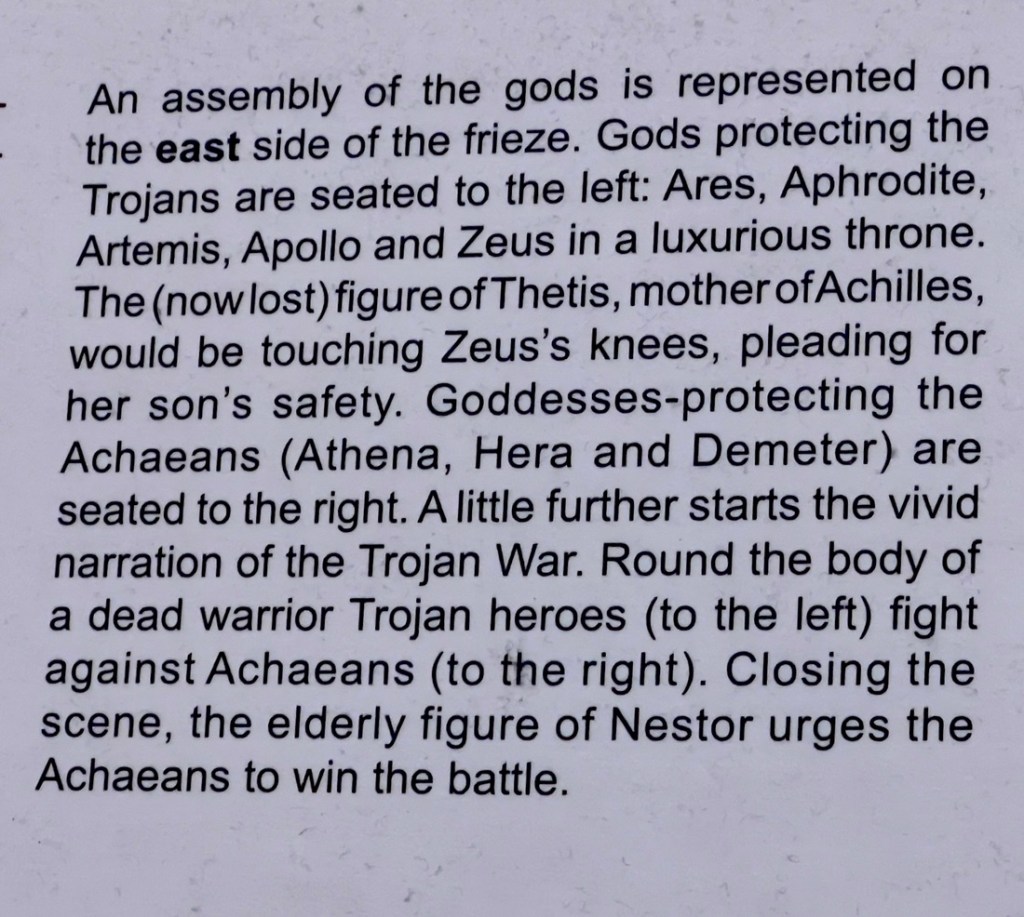
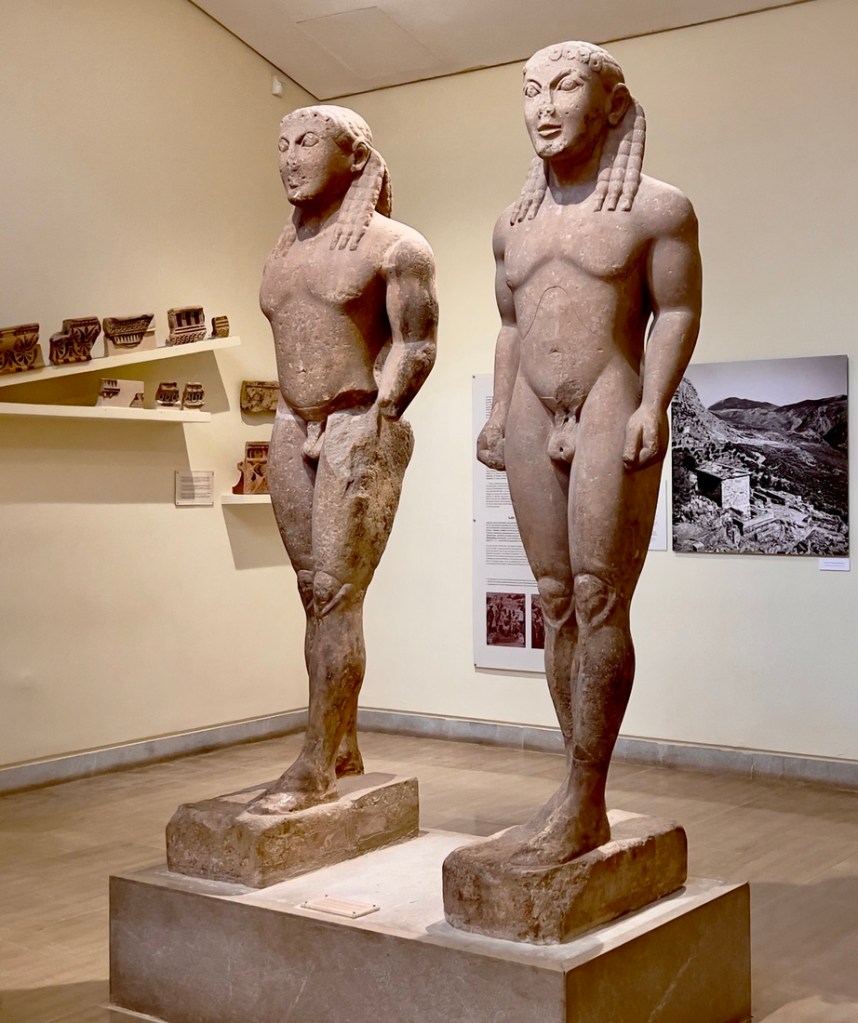



Finally, we saw the highlight of the museum: the Delphi Inscription. Can you spot “ΓΑΛΛΙΟ” (Gallio)?
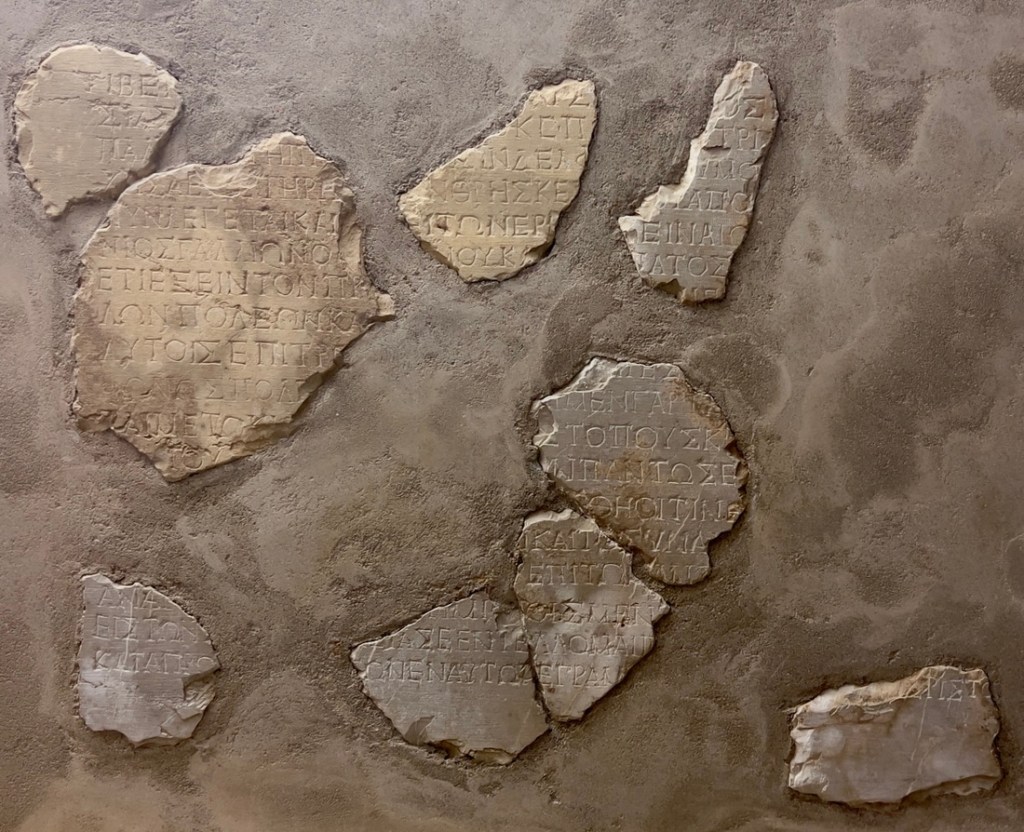

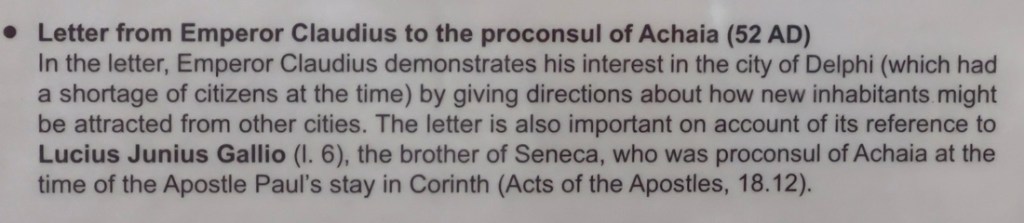
There is another interesting biblical reference in Acts 16:16 that pertains to Delphi. The passage describes the future-predicting slavegirl hassling Paul. The Greek of this passage includes the word πύθωνα (pythona) which means “python.” Luke’s contemporaries would likely have understood this as a link to the Oracle of Delphi as pythons were associated with Apollo at Delphi. See some translation notes below.

A short walk
The short walk between the museum and the archaeological site was a pleasant few hundred yards with great views of the valley and Tholos of Athena below us.
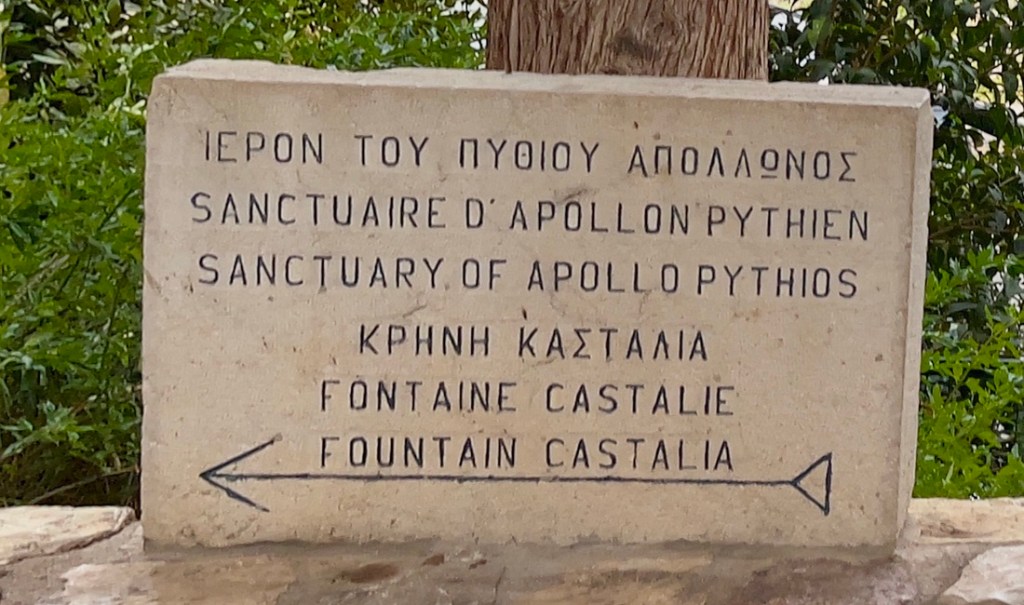

The Sanctuary of Apollo
Next, we entered the main archaeological site. Apollo’s Sanctuary at Delphi was one of the most important sites in the Ancient Greek world. The buildings have suffered from seismic activity, various pillaging from Albanians, Turks, and even Emperor Nero who stole 500 statues for his home in Rome! In 394 AD, the Christian Emperor Theodosius I shut all of the pagan temples in the empire, including Delphi. In the subsequent years, the site was covered by landslides and even a village, but the village was moved about 1/2 mile to the west in 1892 and the excavations began.


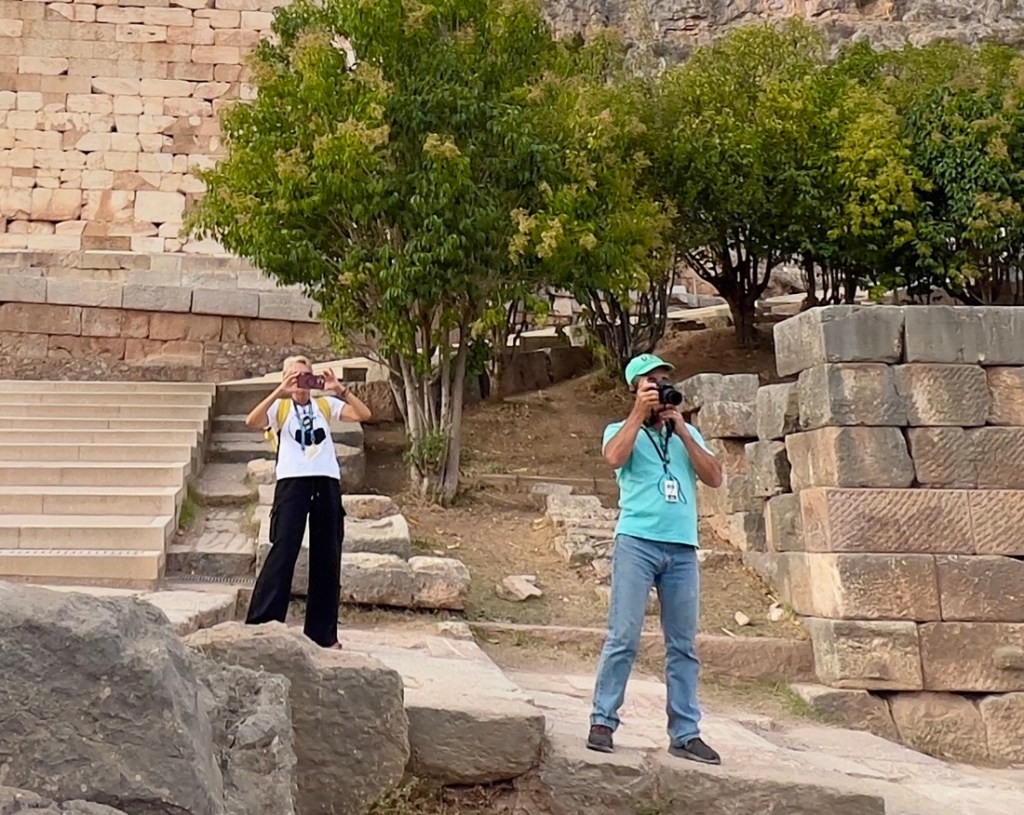
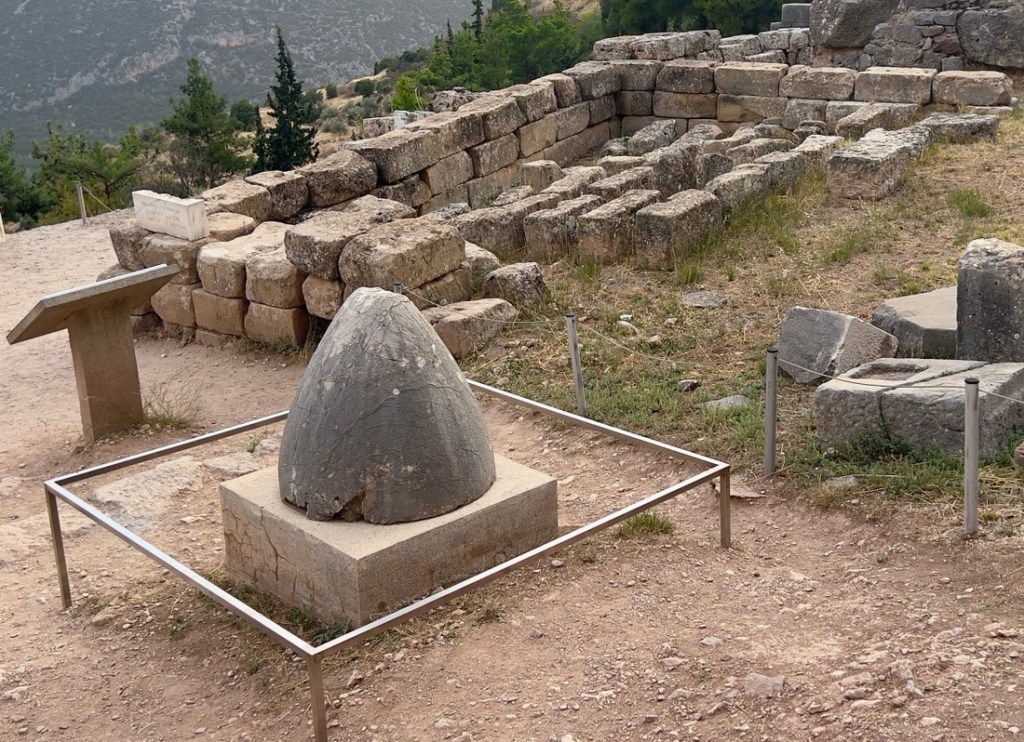
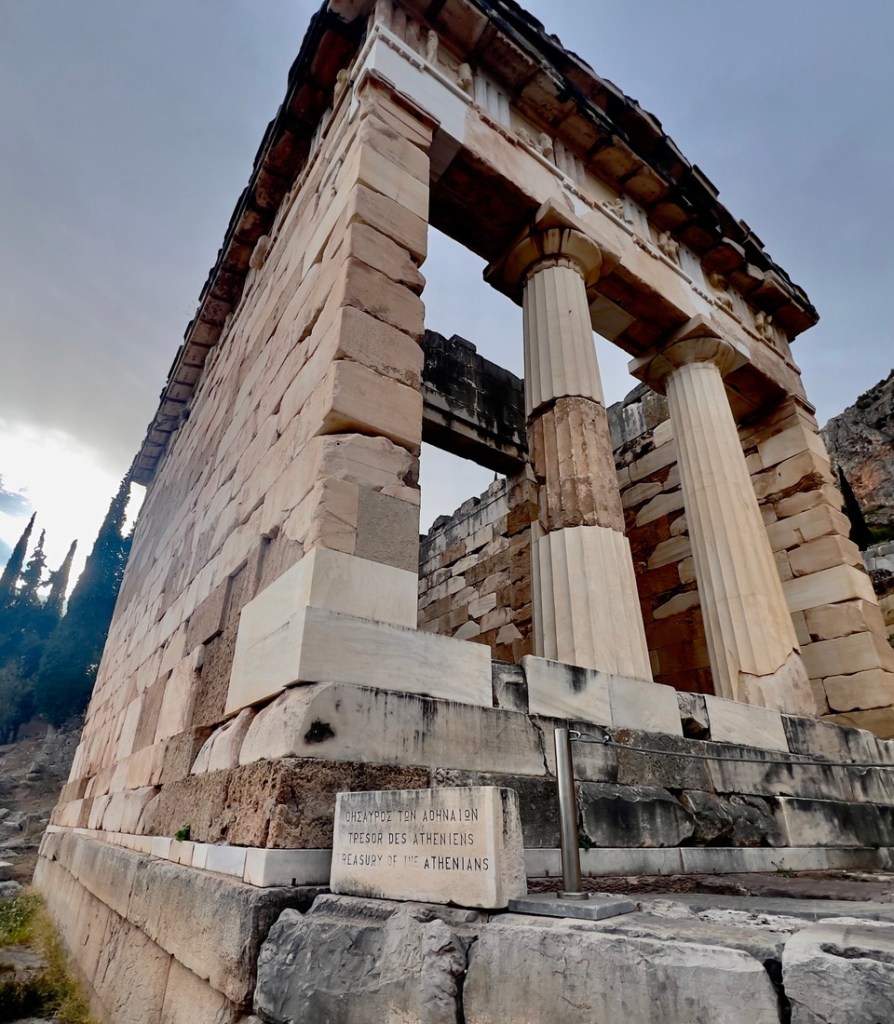
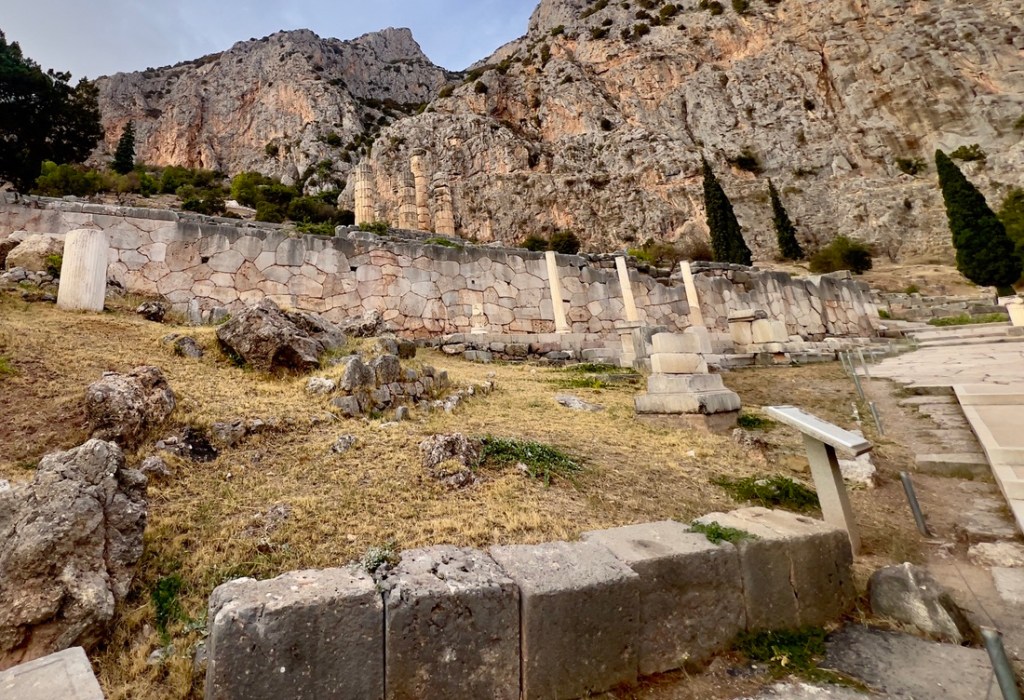
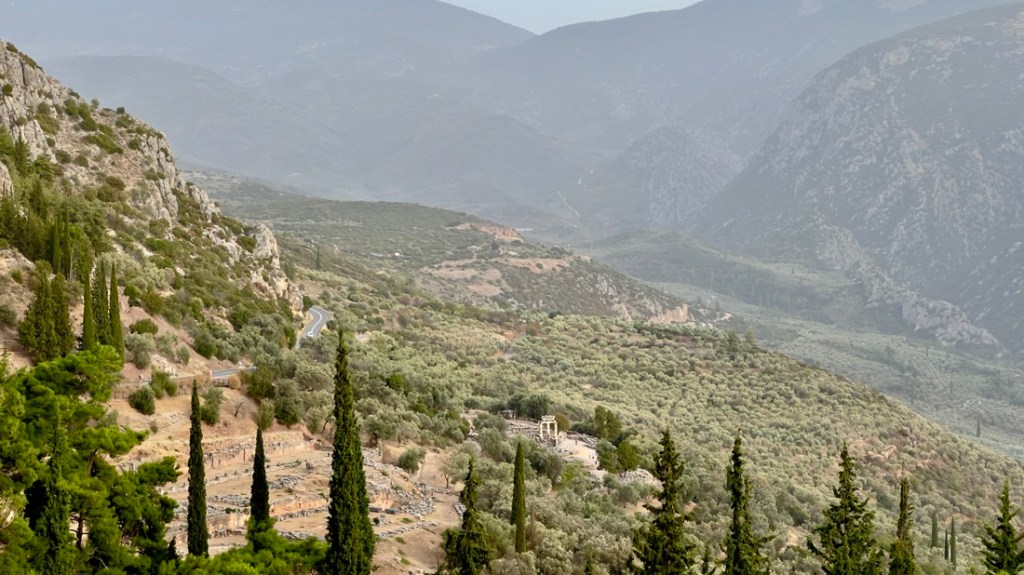
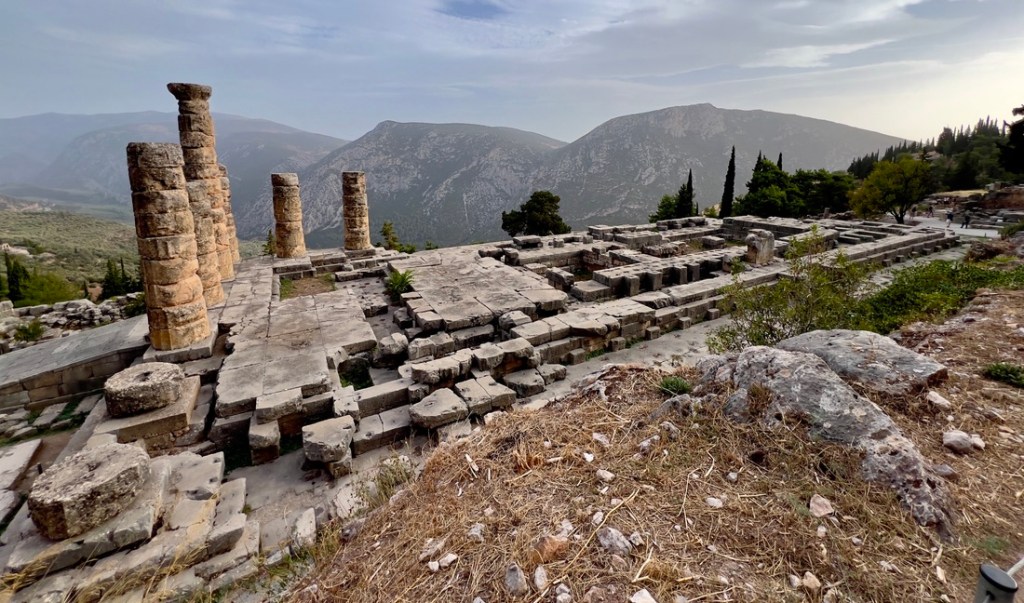


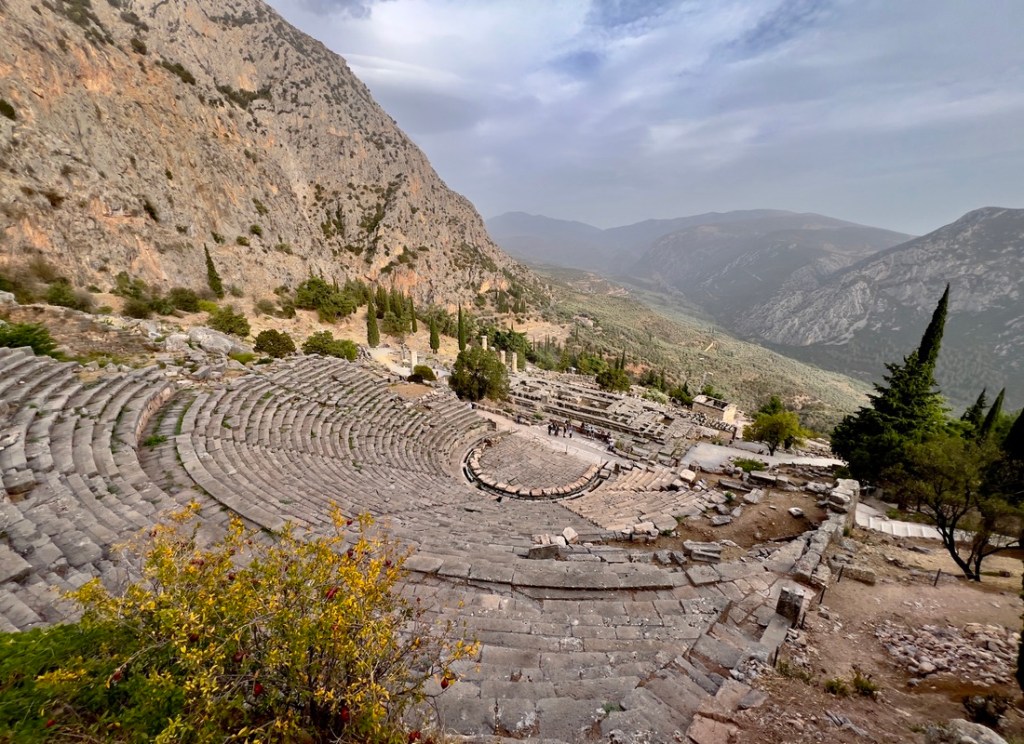

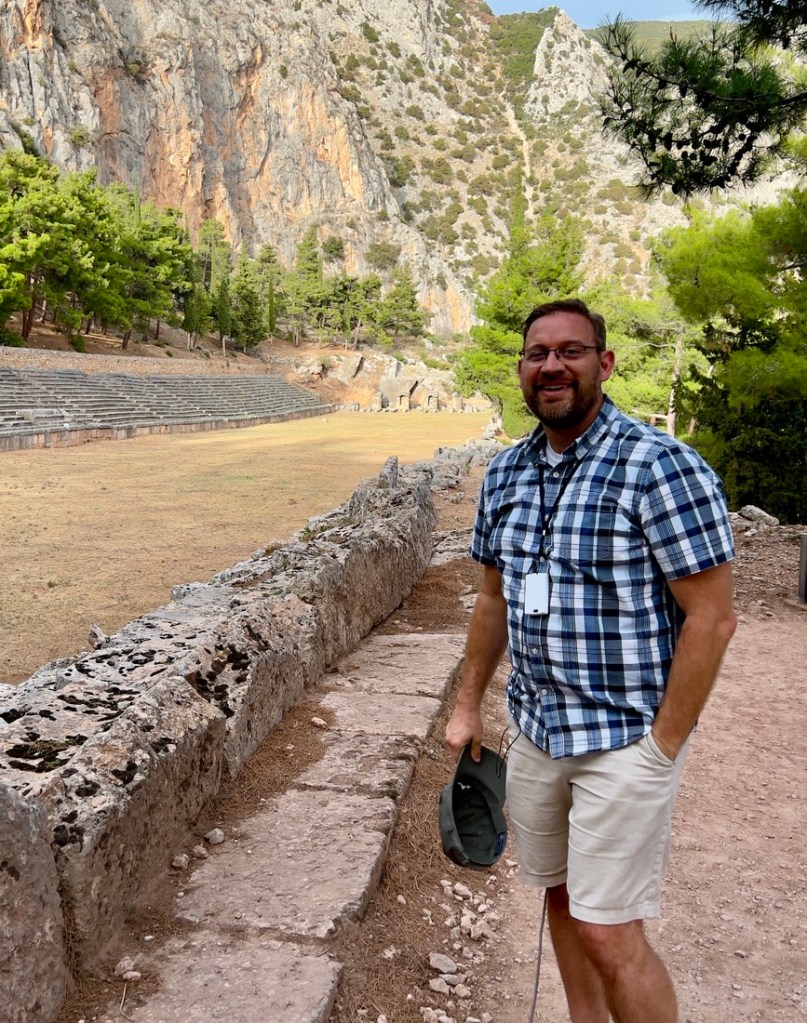
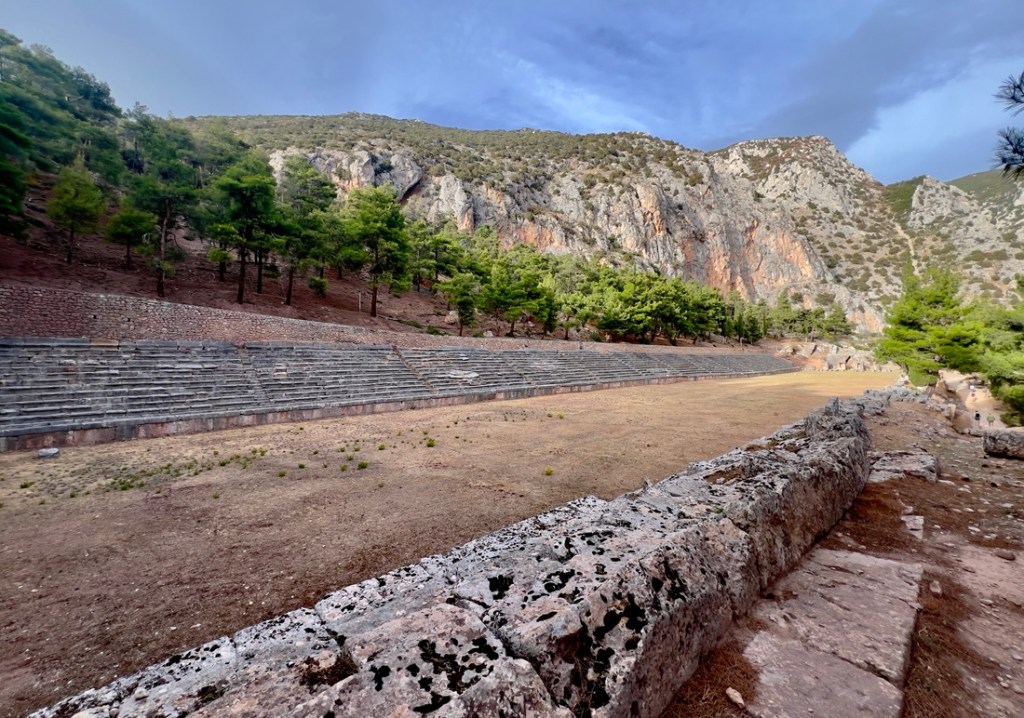


The visit was a fascinating walk through history, seeing buildings from centuries before Paul, and a direct link between Paul’s writing and a stone tablet from the time. However, it all also emphasized how temporary anything in this world is. The most lavish temple in the world is just a bunch of stones. Material things don’t last. The visit also highlighted the challenges that archaeologists face when piecing together the fragments that they find in their excavations.
A Couple of Other Visits
On the way to Delphi, we visited a couple of other interesting places.
Holy Jerusalem Monastery
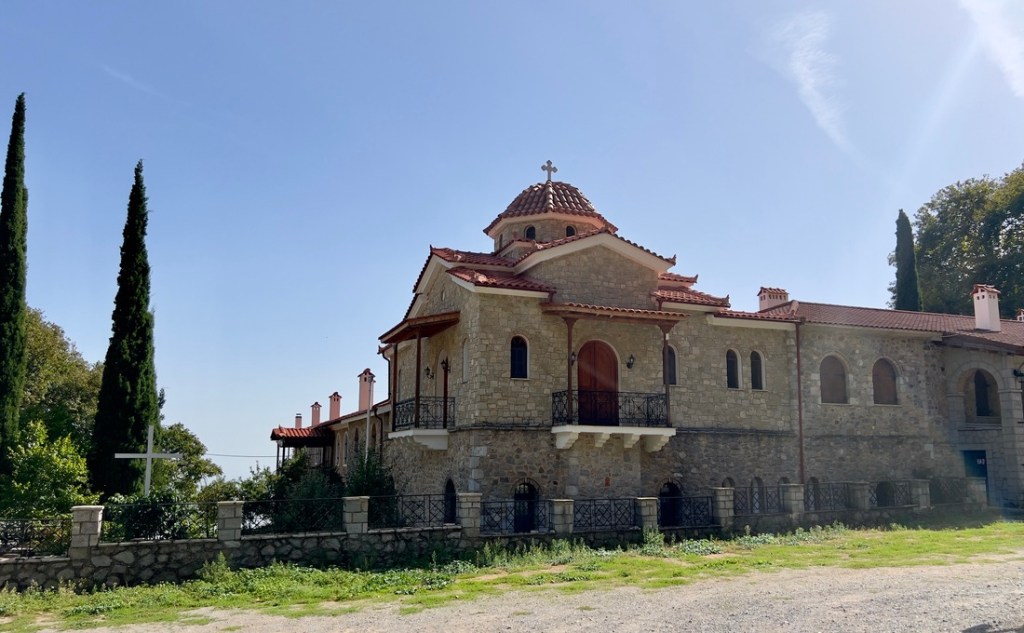
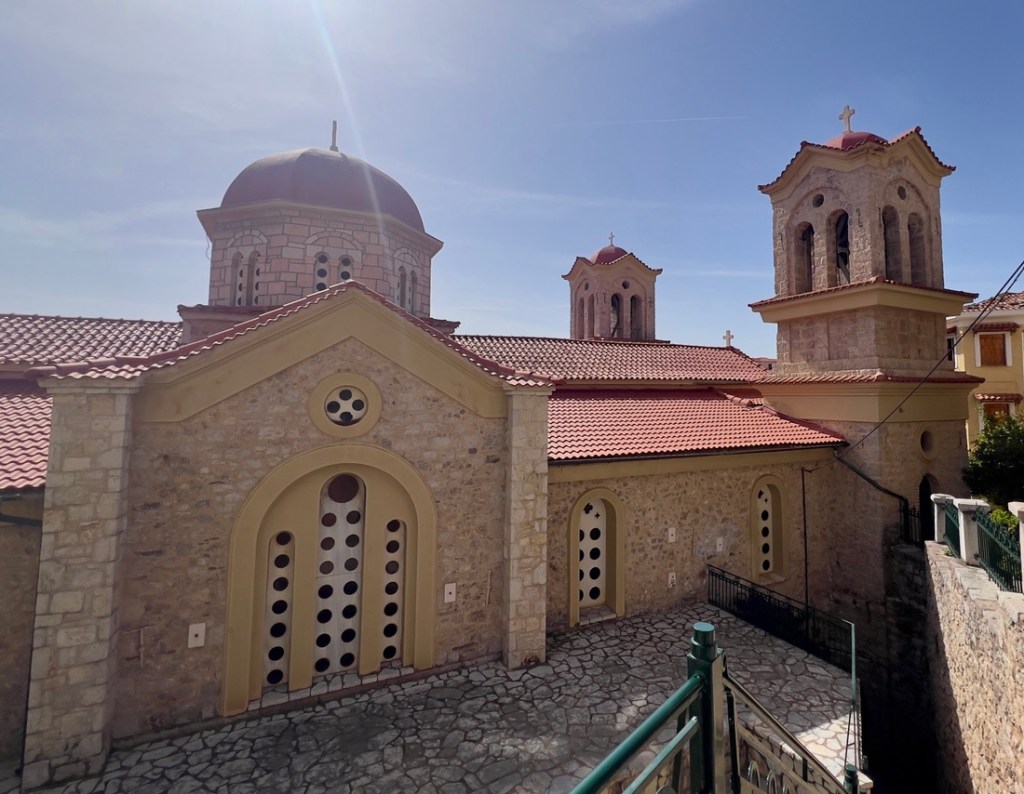
The first was the Holy Jerusalem Monastery, originally built around 1100 but destroyed by the Turks and rebuilt around 1700. The nuns showed us their church which was filled with icons, but we could not take photos inside. They gave us cookies to welcome us! Our guide Marianna provided details. We looked around their beautiful courtyard and enjoyed the views into the valley. It was fascinating to gain some insight into the Greek Orthodox religion, which has some similarities with Roman Catholicism while also having some significant differences after it developed different traditions after the Great Schism of the church in 1054.
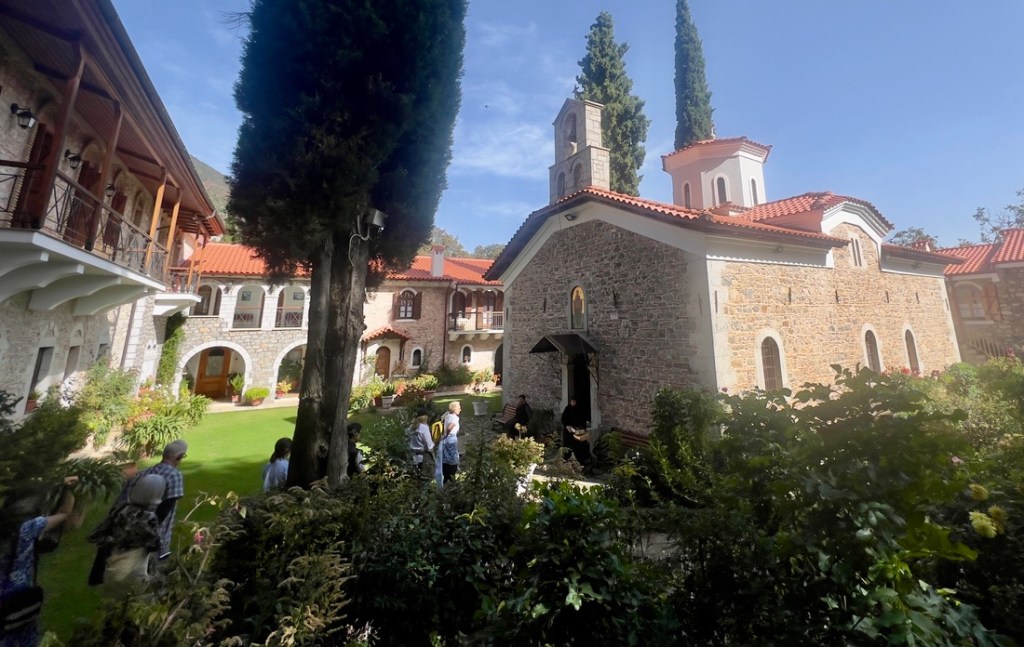


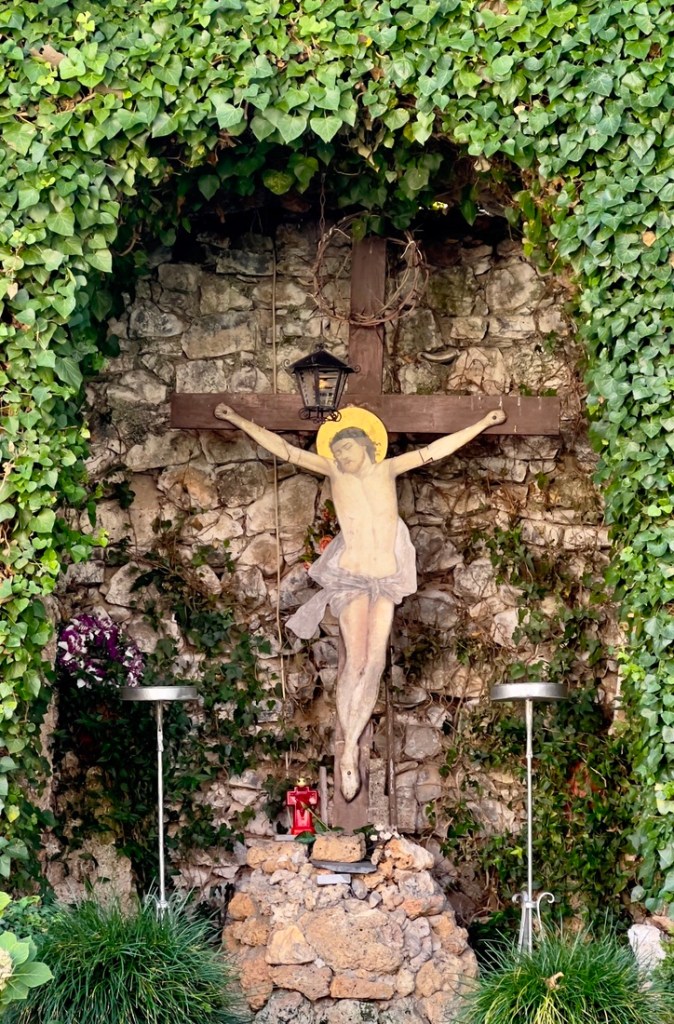

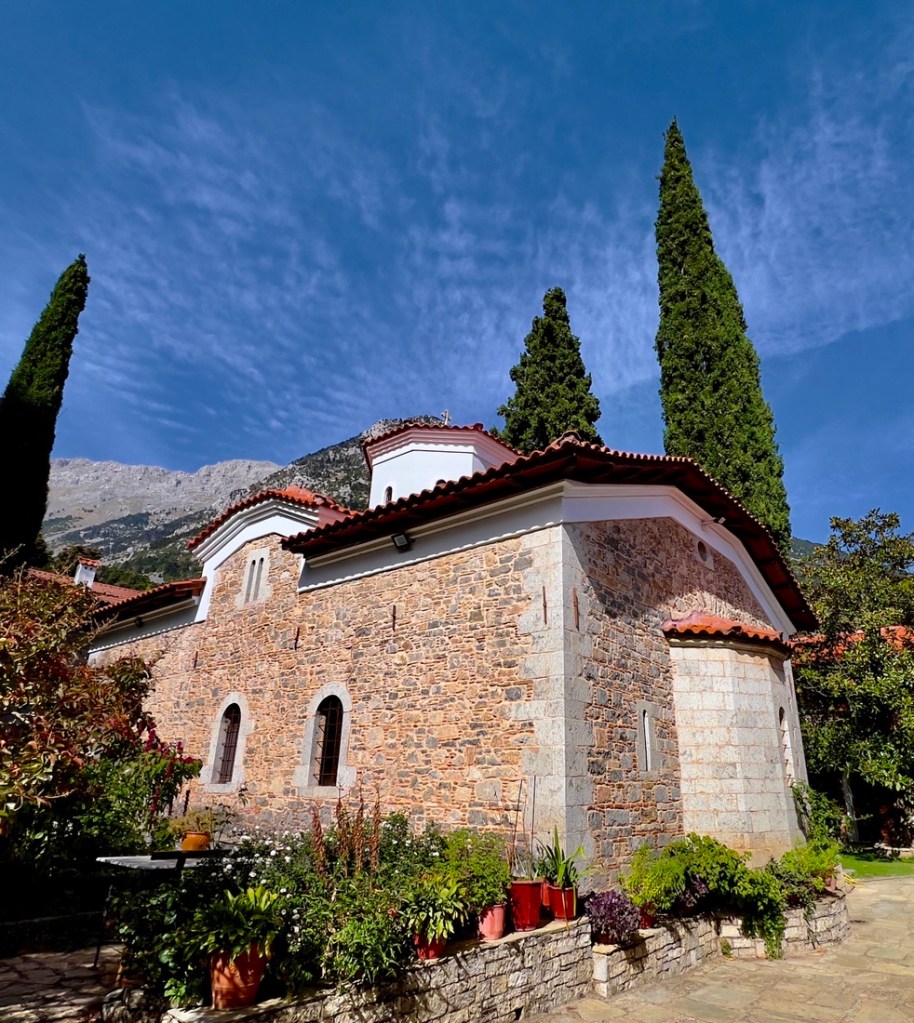
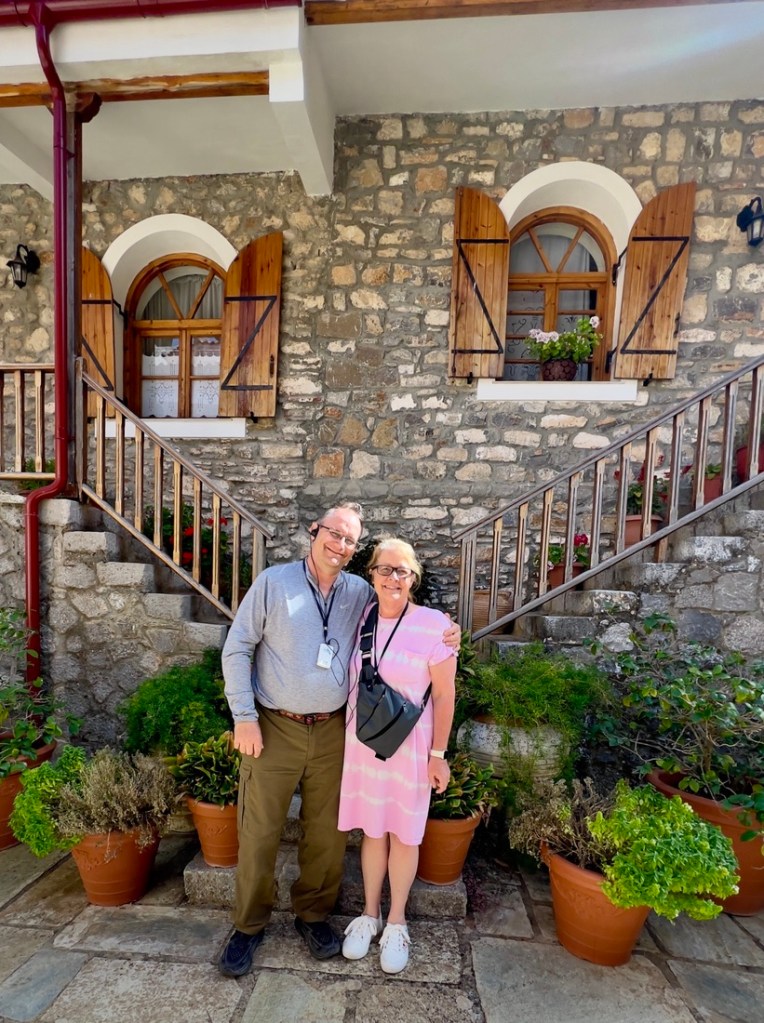

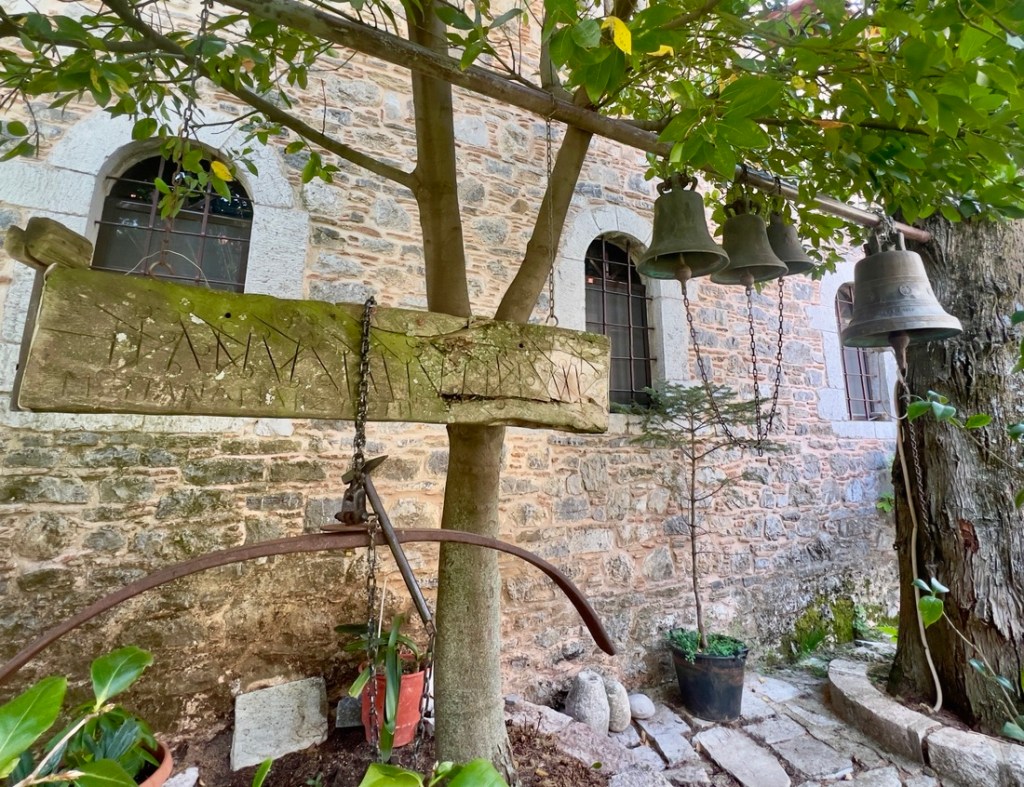

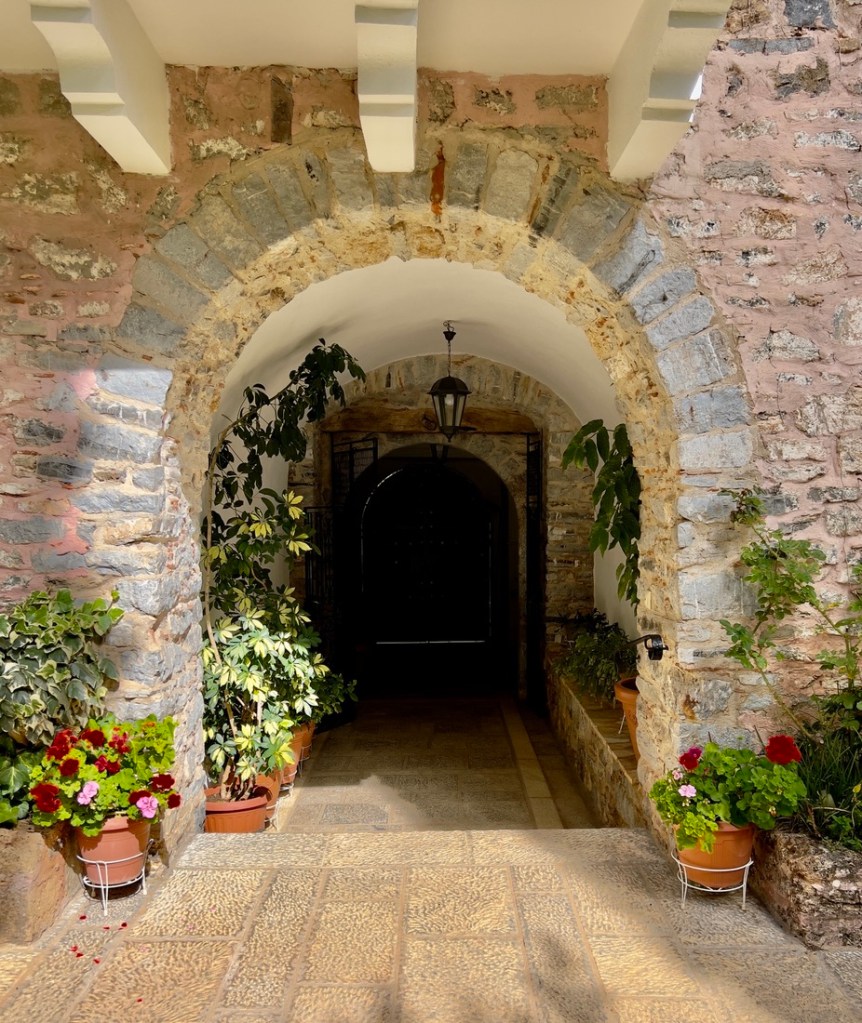
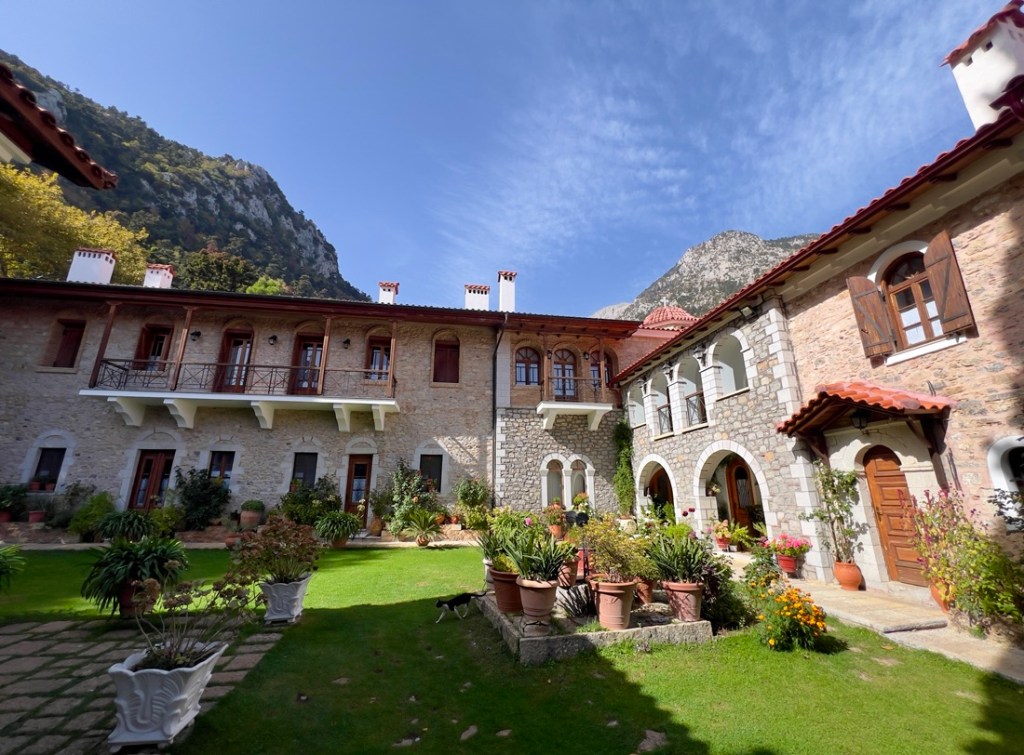
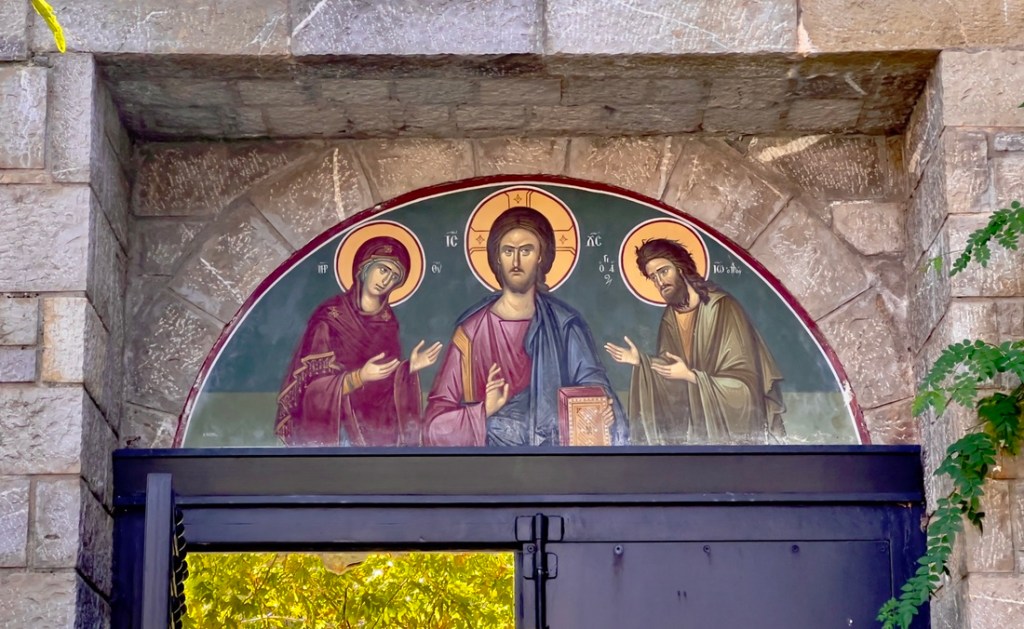


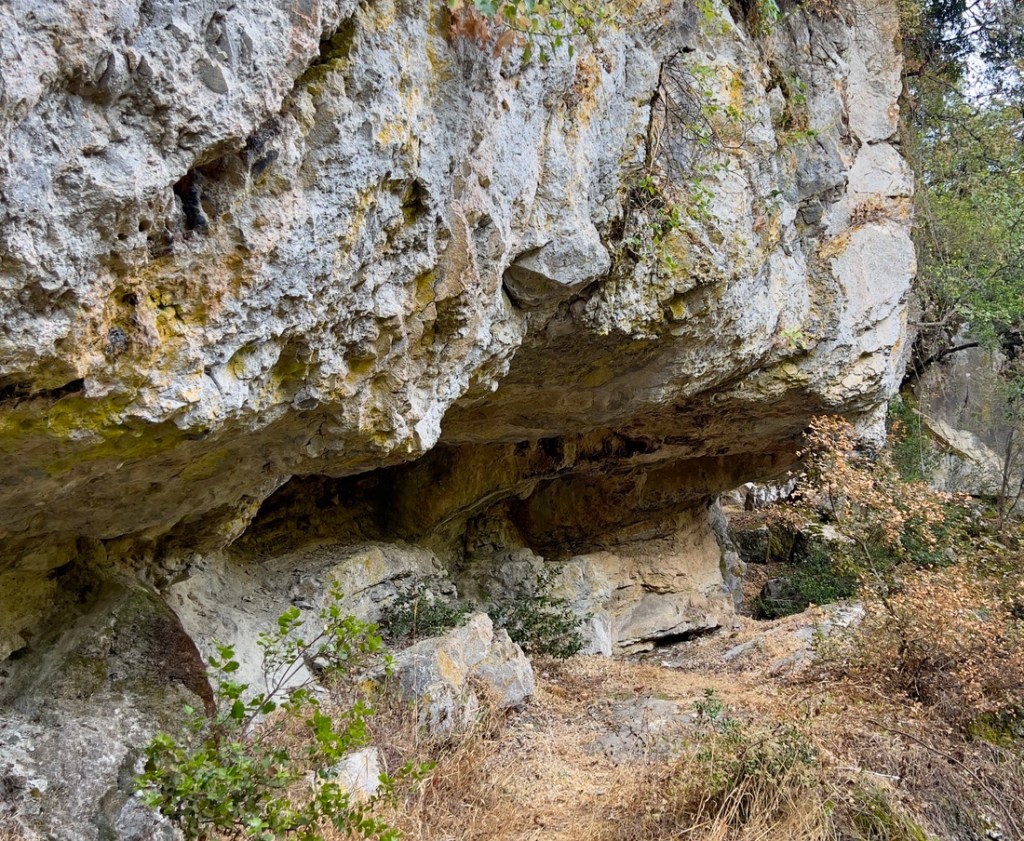
We then took a short walk to a cave which used to be used as an individual escape.
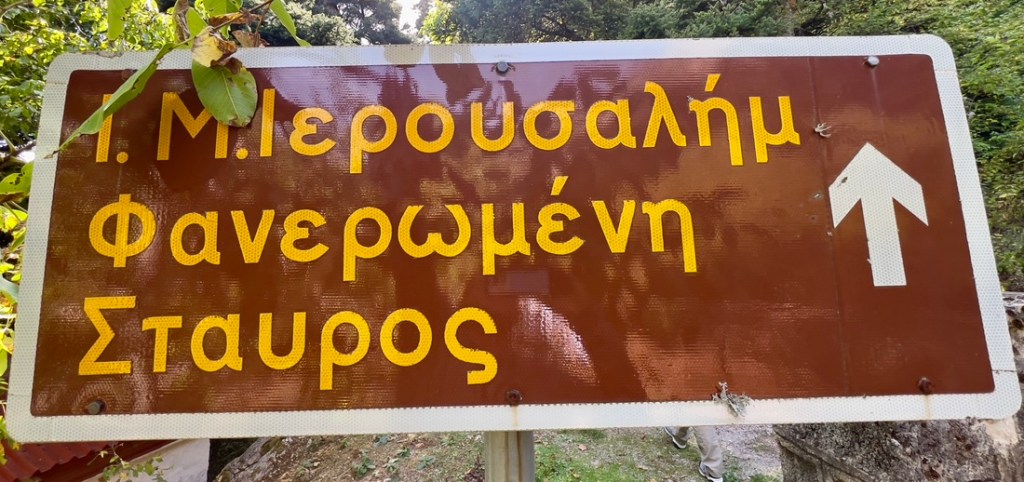


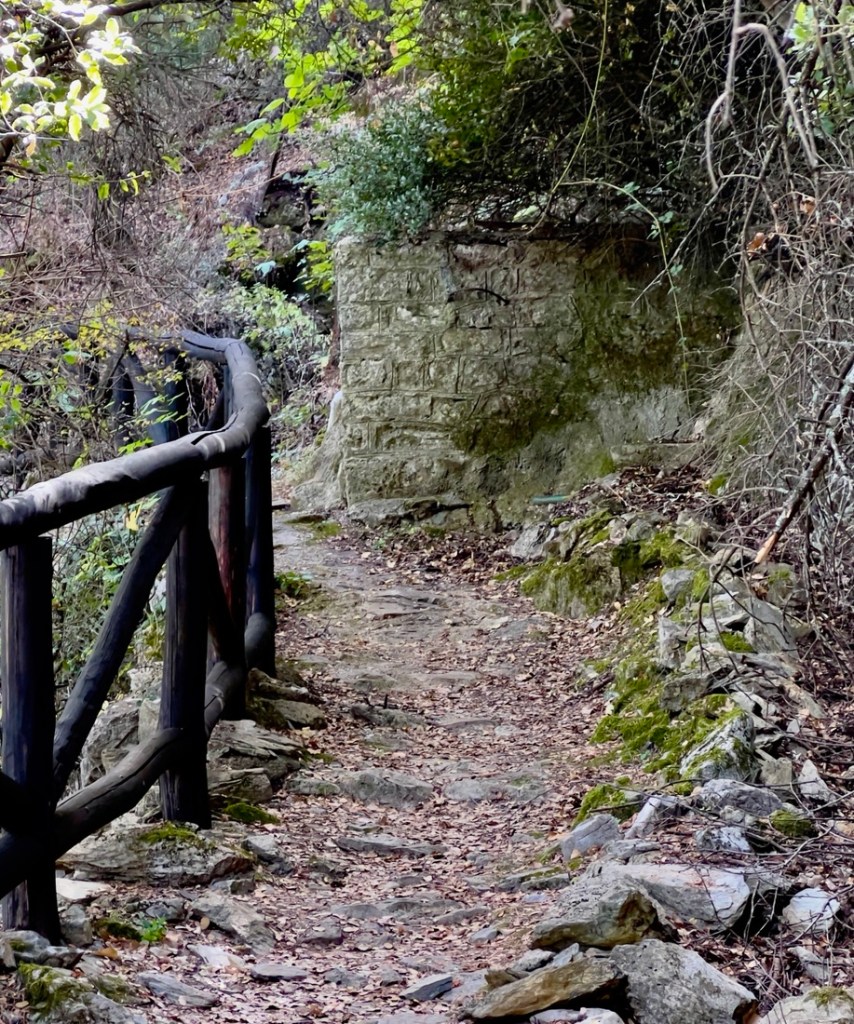
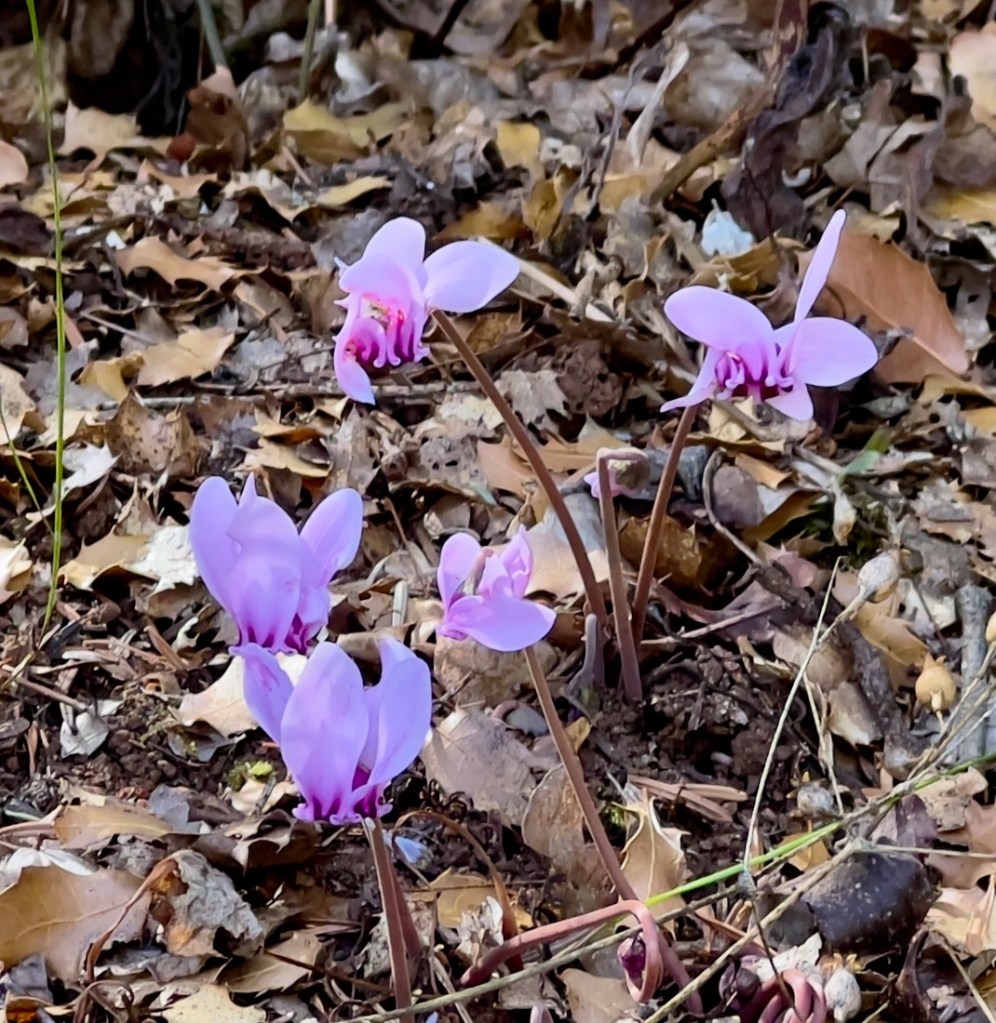

We also walked through the picturesque village of Arachova. It was famous for its shepherds but now is one of the centers supporting the small ski resort in the Parnassus mountains.

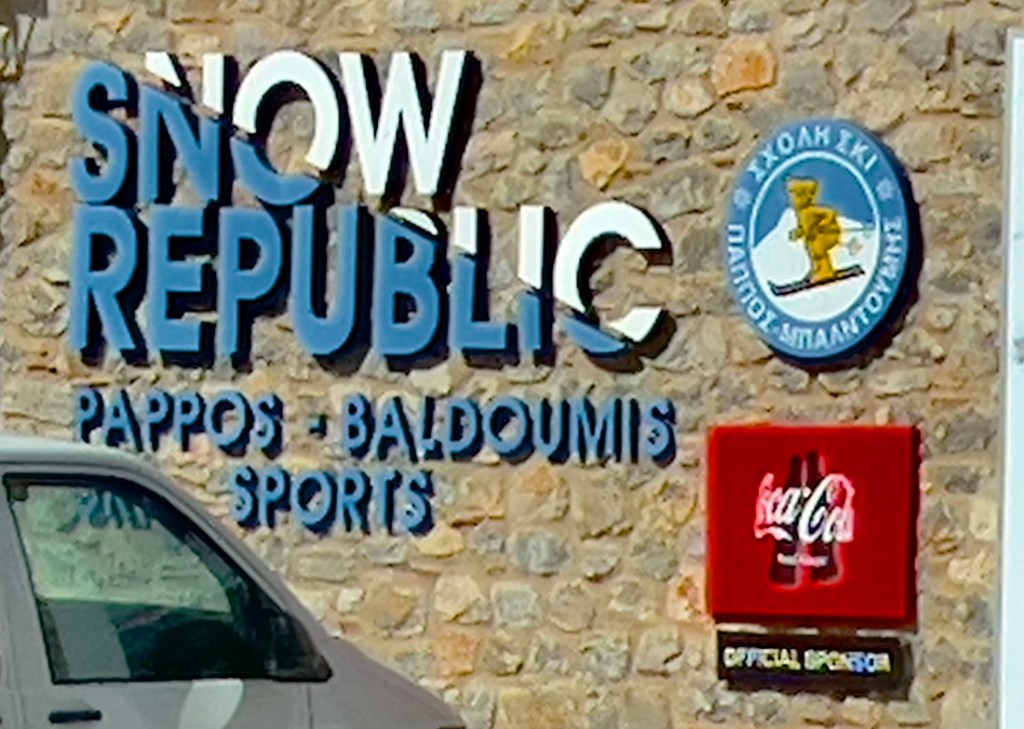
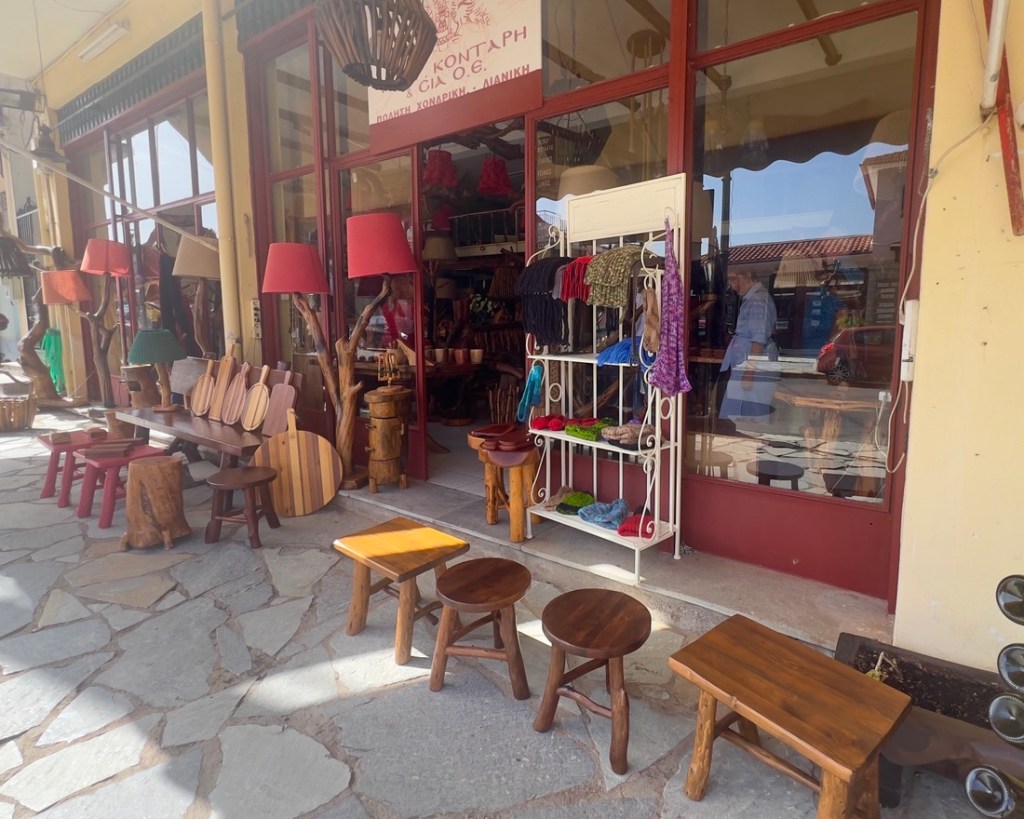

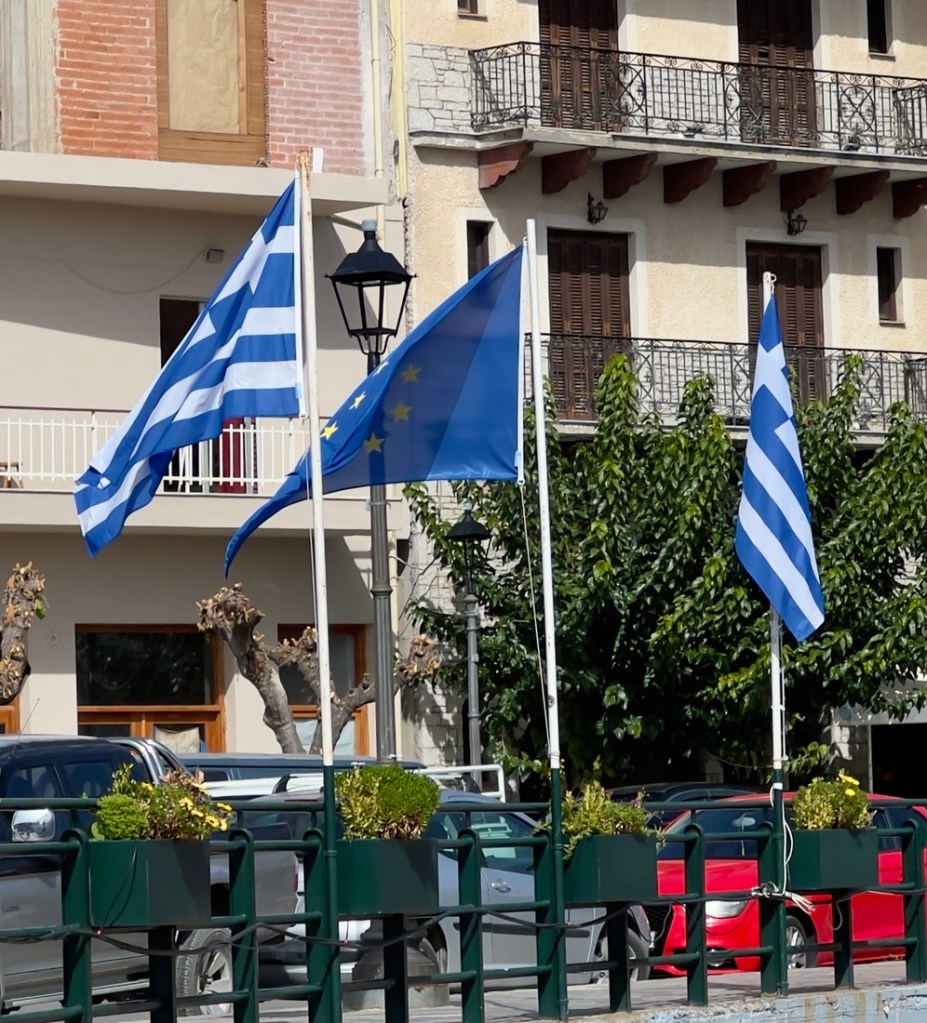


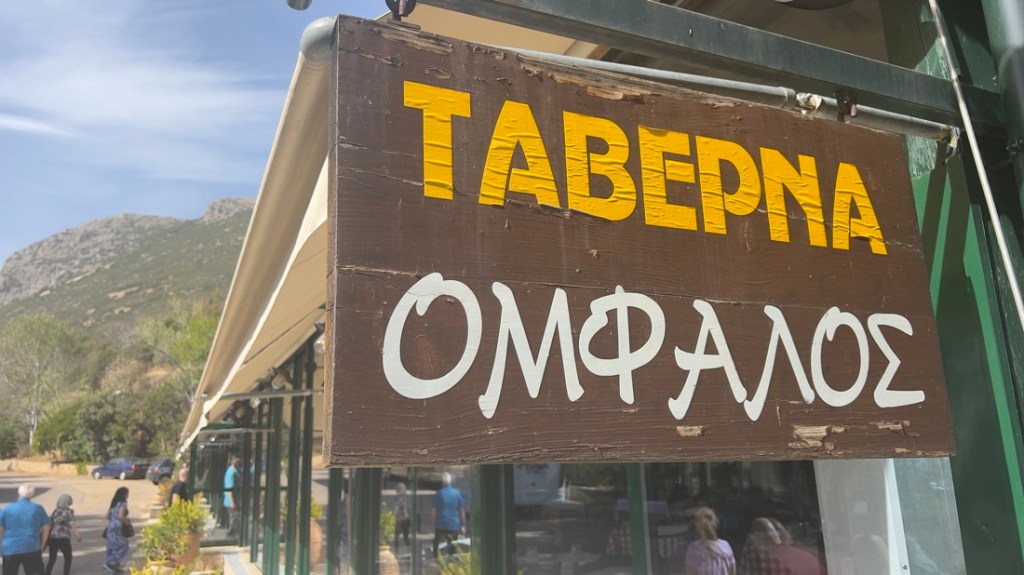
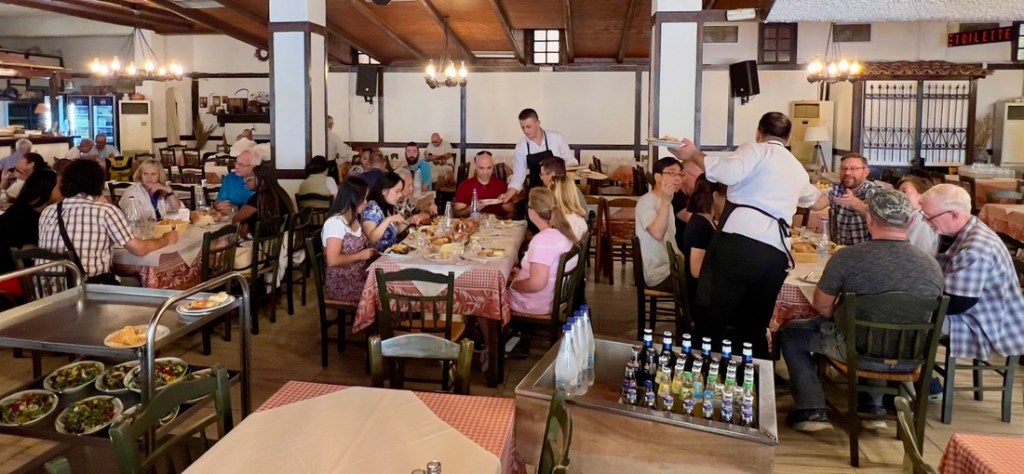
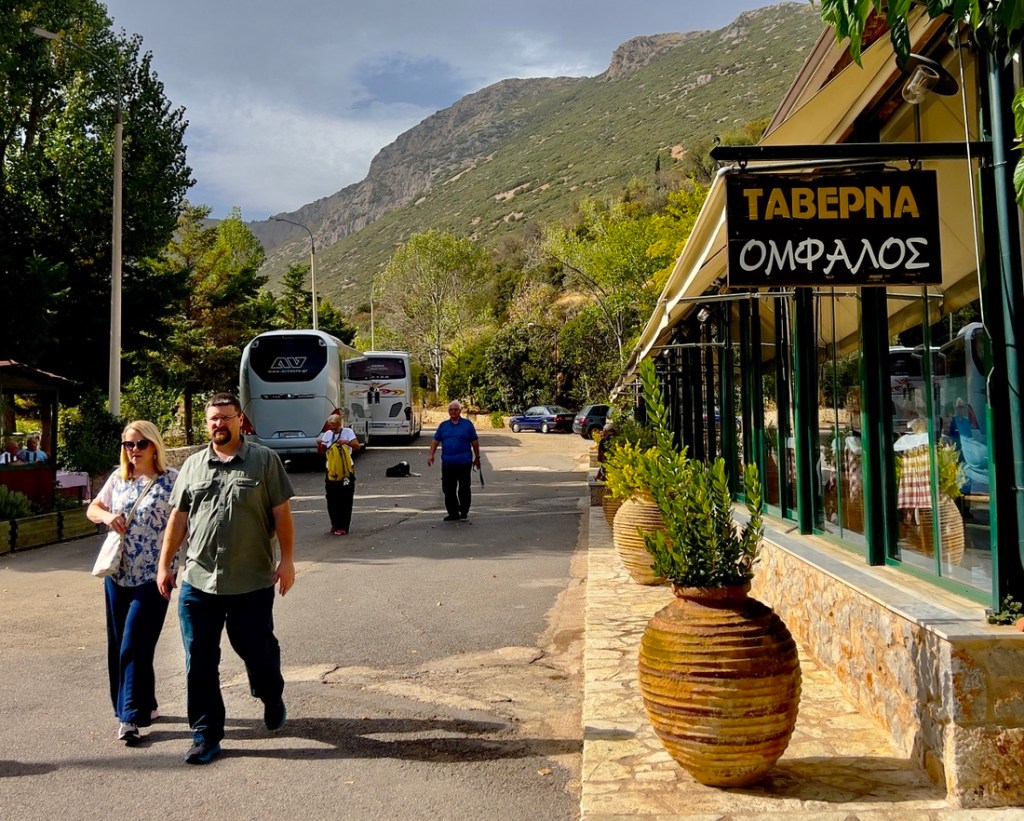
We grabbed lunch at a restaurant whose name means “navel” as Delphi is the center of the world.
Logistics
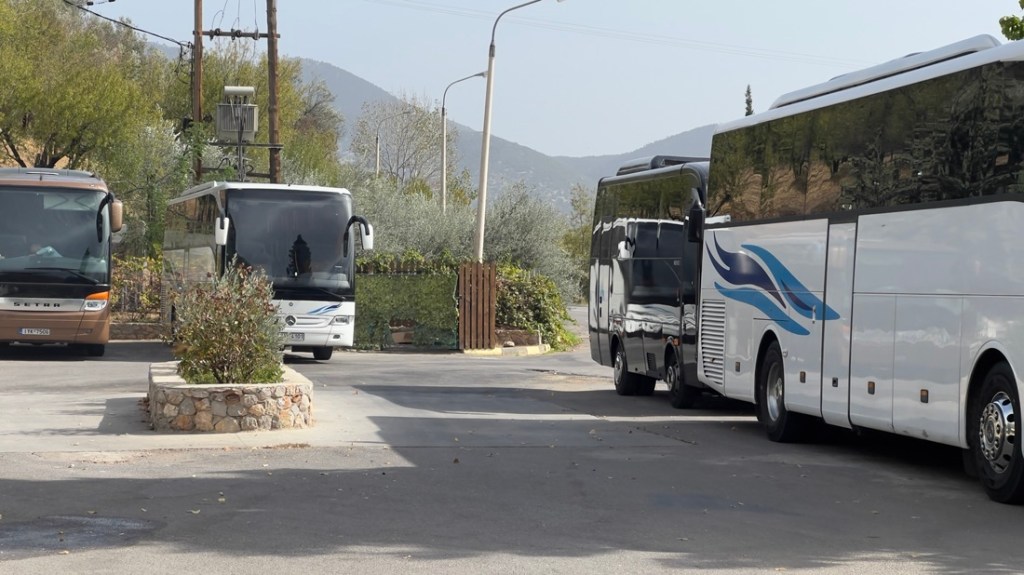
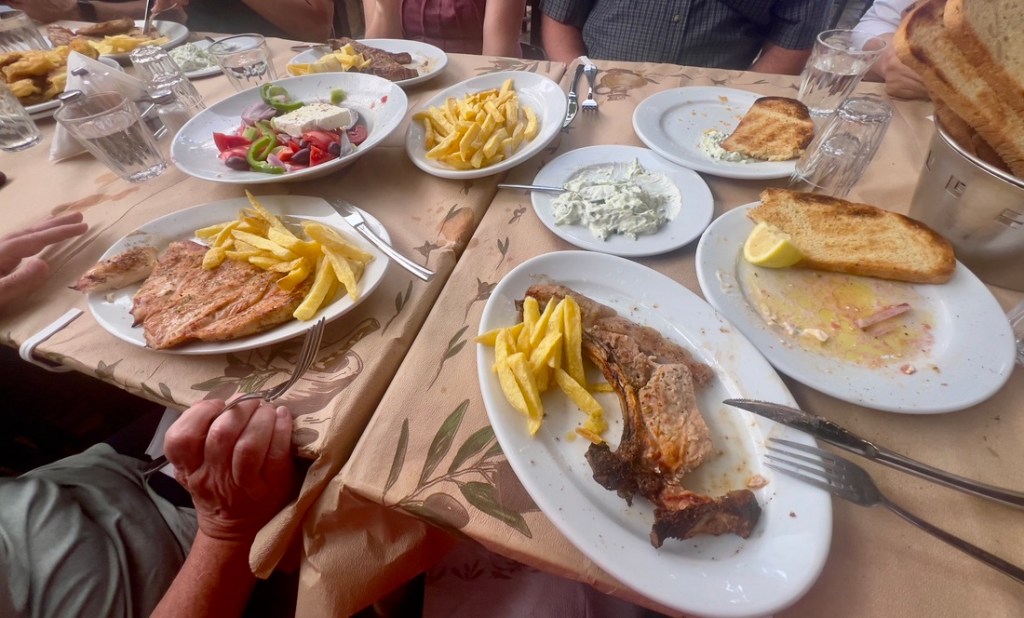
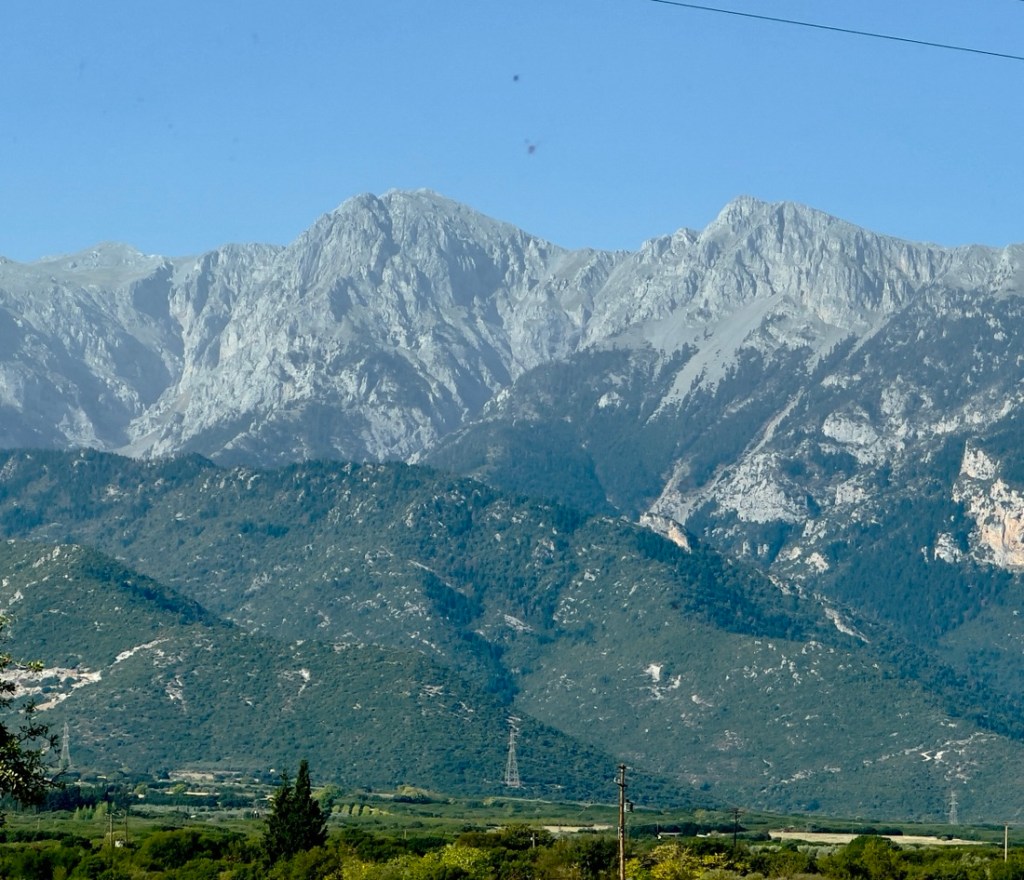
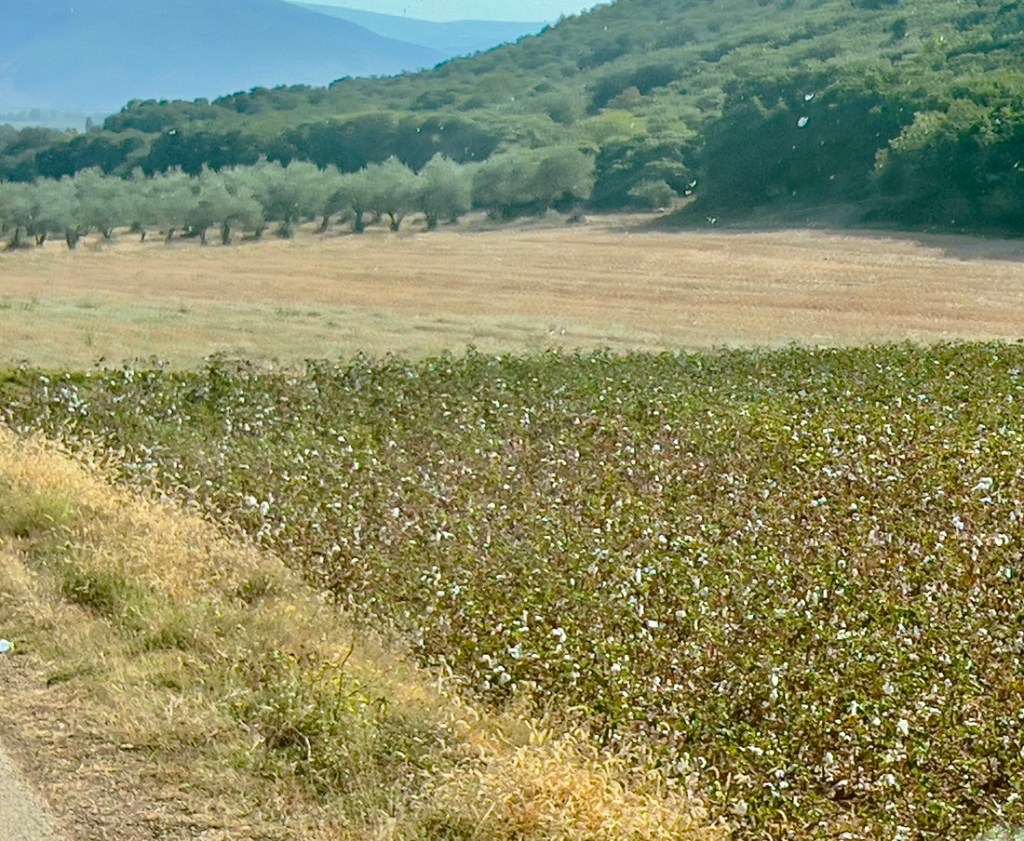
The night before and after the Delphi visit, we stayed at the Mitsis Galini hotel in Kamena Vourla. The town is on the coast with some natural hot springs and used to be one of the most popular Greek destinations. It has been superseded in tourist popularity by Greek islands such as Santorini and Mikonos. The hotel felt a bit old and tired but it served us well and the staff were very friendly. It had a lovely pool, which was a bit chilly, but it was great for swimming and I was very happy that my shoulders worked well! We are traveling around by bus which is comfortable and has plenty of room as our group size is less than thirty. On our way to the hotel yesterday from Athens, we had stopped for a huge lunch, which was an insight into a continual flow of large volumes of food! But we continue to enjoy the cats 😁. We also had great views on the way into the mountains today, though were a bit surprised to find cotton growing alongside the olives.



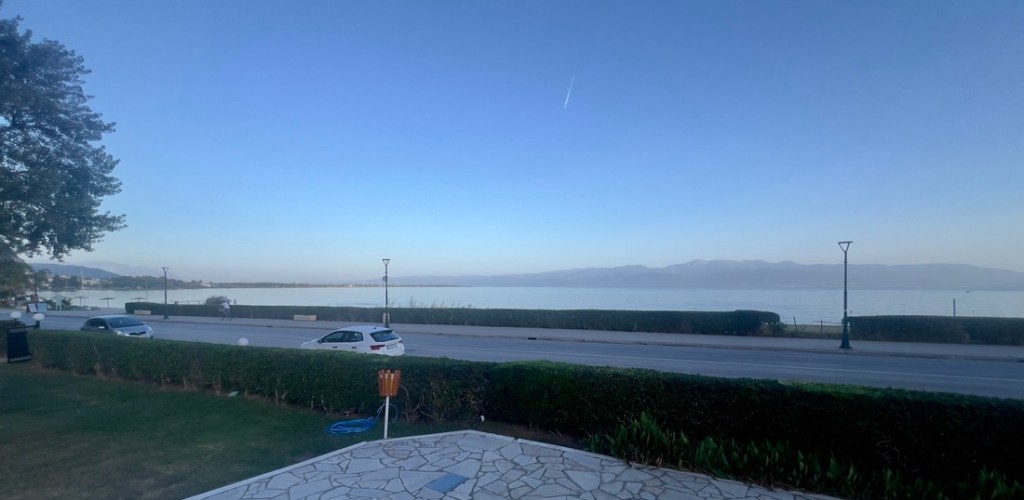


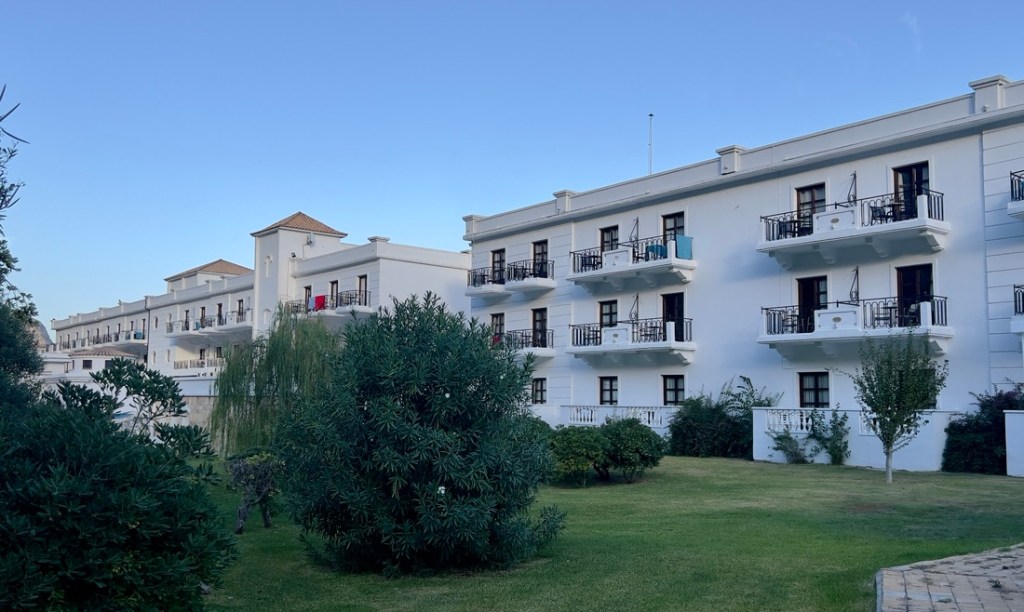
It’s been a great start to the trip. The logistics have worked well, but we have learned that we have to manage how much we eat with the large open buffets for dinner like on a cruise ship. The hotel also plays loud music with a DJ in their very large dining which is a bit strange. Our room is directly above, but thankfully the music stops at 10:30pm. We had too much time in today’s museum for our liking, as our knowledge of Greek mythology is limited, but finding the right balance for a group is difficult. Tomorrow, we move to a new hotel and some exciting mountain top monasteries, so we look forward to the next adventure! After tomorrow, there will be greater focus on Paul as we move on to Thessaloniki, Philippi, and Corinth.
Find other posts from this trip on our Greece page.
Please follow us on this journey by subscribing below. We would love to read your thoughts: please leave comments at the bottom of the post.
 The Adventures of the Cajunlimeys