
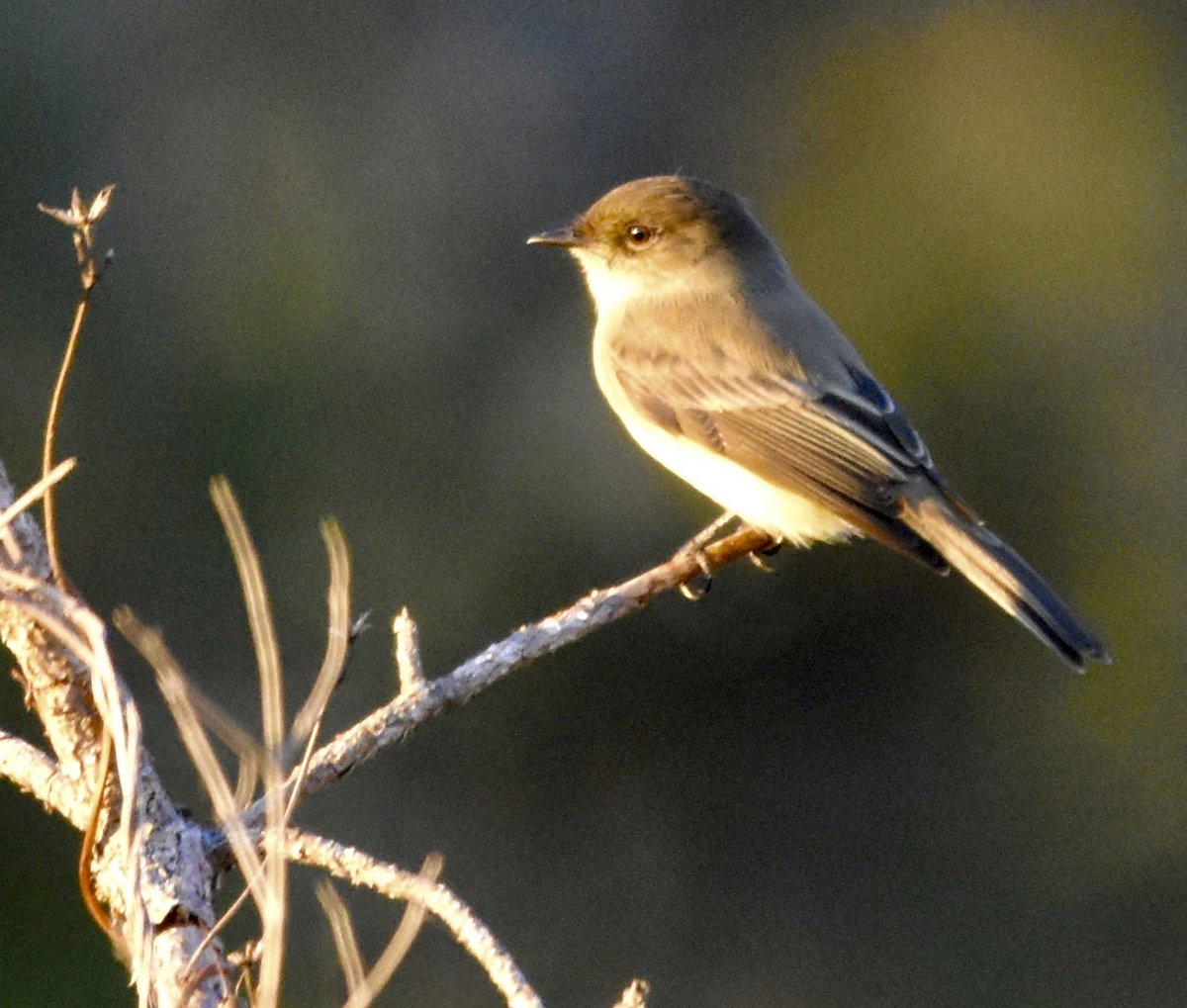
In 2011, a major wildfire consumed most of Bastrop State Park and Texas’s Lost Pines Forest. We checked out how it had recovered when staying there in our motorhome while visiting with our friend Doug. The trip also allowed me to check out a 150-600mm camera lens that I had rented to evaluate.
It was unavoidable that I compared Bastrop to East Texas’s Sabine National Forest, from which I had just returned after hiking the Trail Between The Lakes, and the parallels surprised me.
Forest and Fire
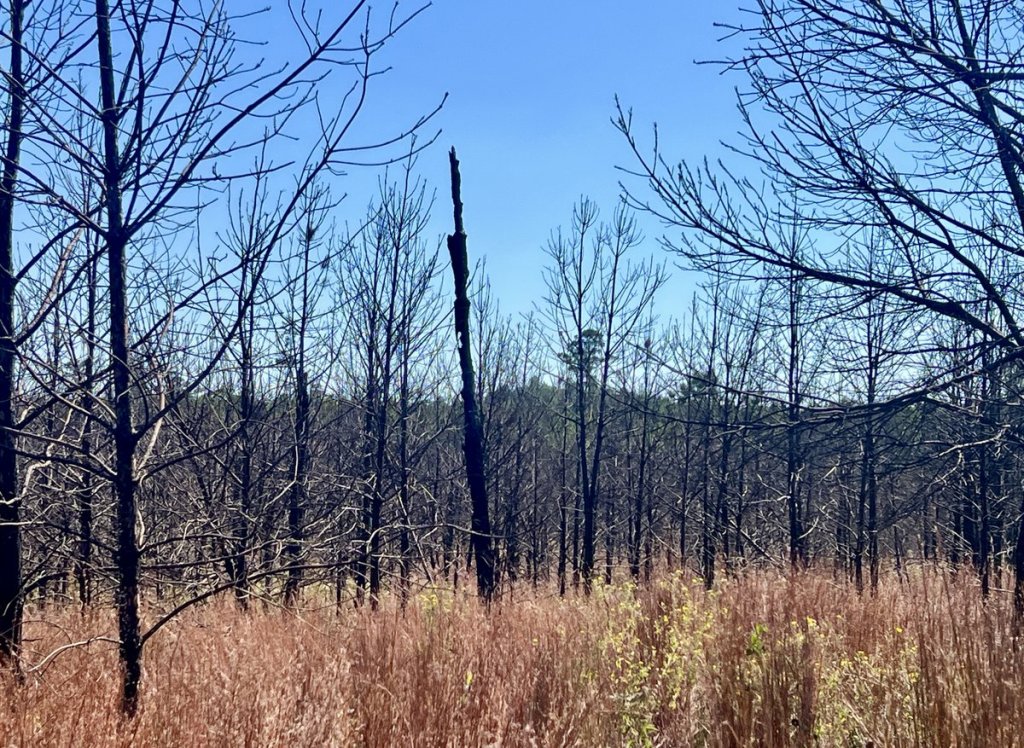
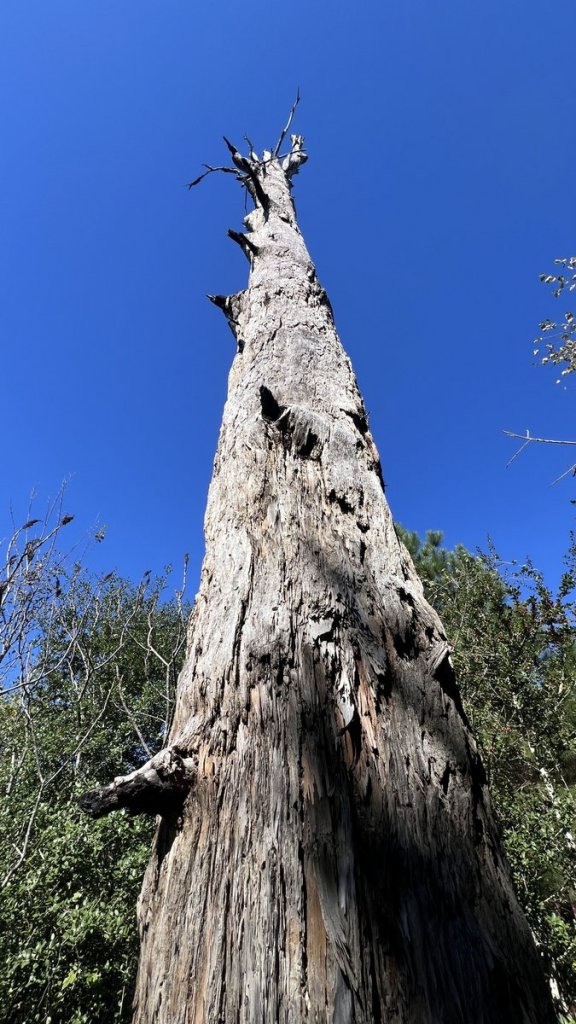
Fire provides an ecological benefit to forests, though, when uncontrolled, it is devastating. Bastrop’s wildfire claimed two lives, destroyed 1700 structures, and caused $350 million in damages. Firefighters saved the park’s Civilian Conservation Corps (CCC) buildings, which were built during the Great Depression in the 1930s. Fourteen years later, the residual fire damage had many similarities to the impact of controlled burns in the Sabine National Forest. Such controlled events burn the fuel that builds up on the forest floor, preventing uncontrolled burning when the conditions are less favorable. Soon after a fire, the forest grows back rapidly.

The Pines
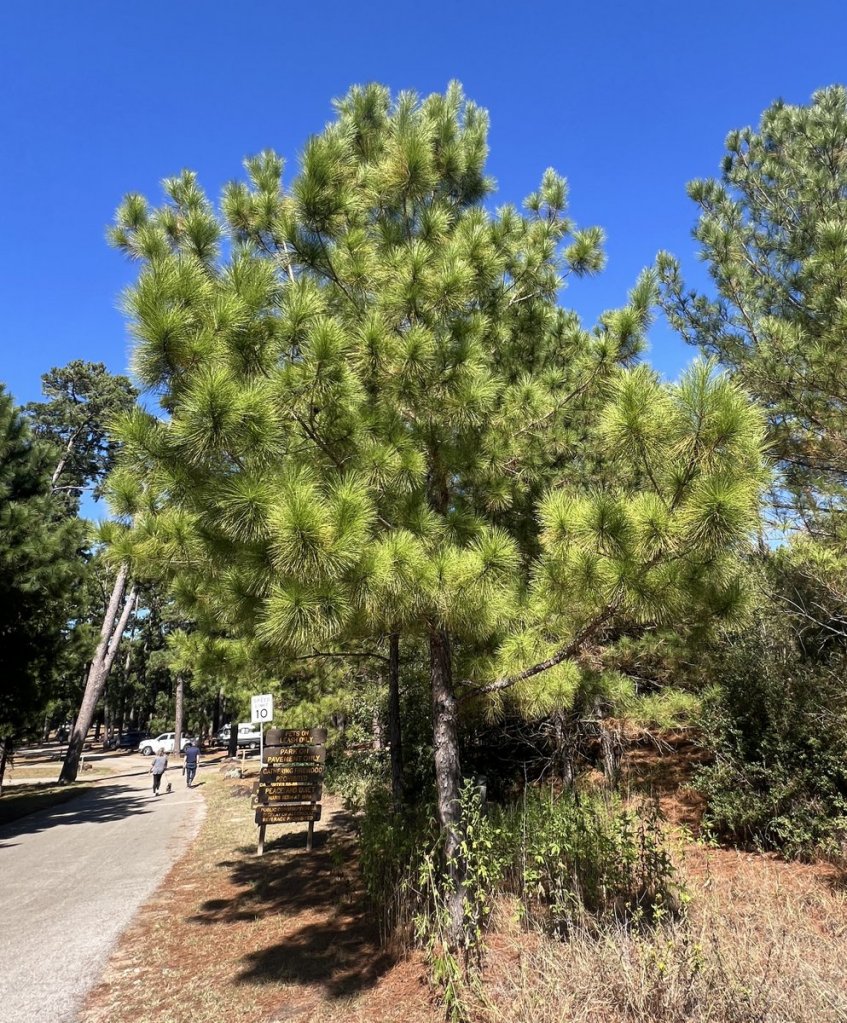
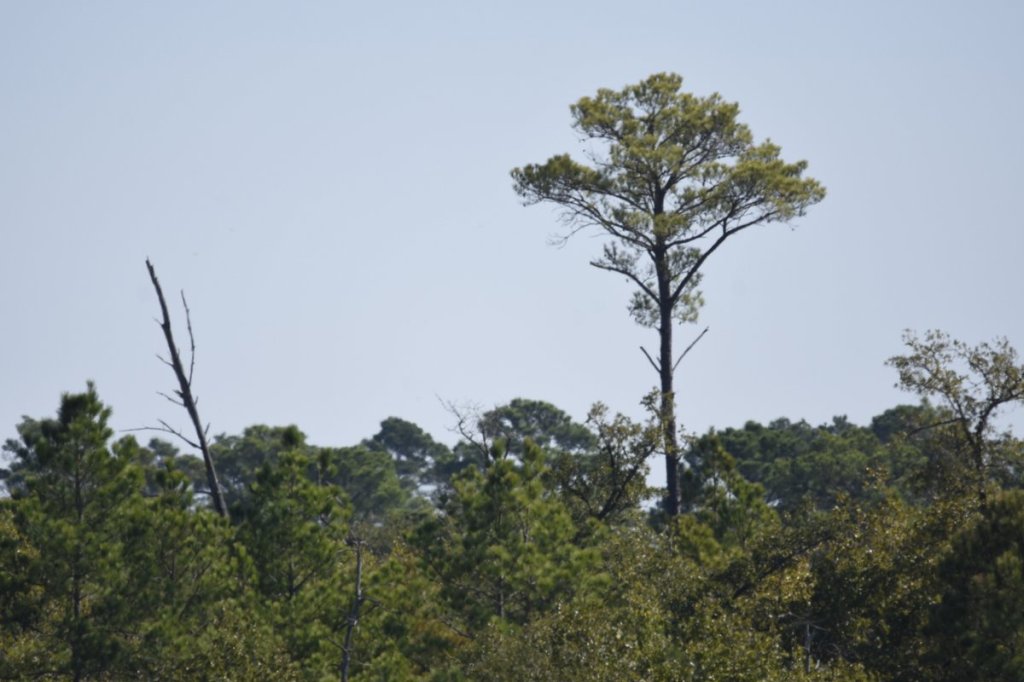
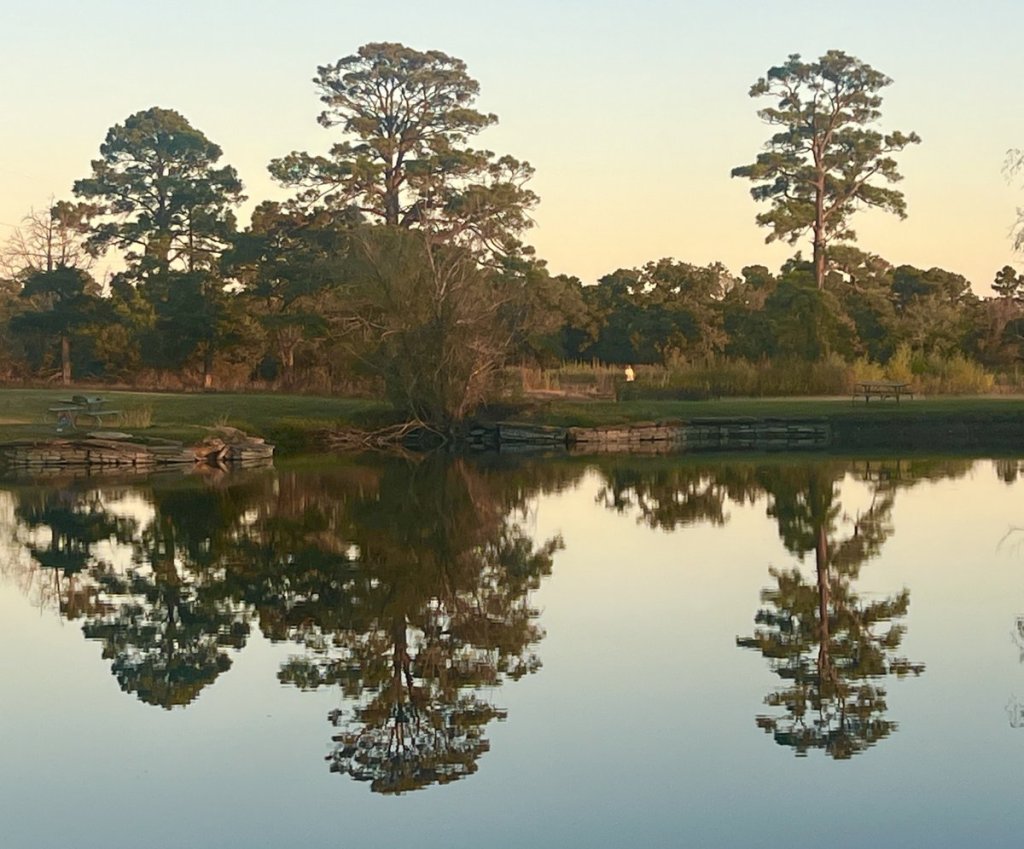
The “Lost Pines” label suggests that Bastrop’s pine trees are special. The Lost Pines Forest was a thirteen-mile stretch of loblolly pines, over one hundred miles from similar trees in East Texas’s Piney Woods, where pine trees dominate with town names like Pineland and Yellowpine in Sabine County. Texas A&M University led significant efforts to restore the Lost Pines Forest, and we enjoyed the fruit of their labors when we walked through Bastrop’s thriving pine forest. While Bastrop’s trees are similar to those in East Texas, their history made me think of them as special. The 2011 fire, coupled with their protected status, contrasted Bastrop’s trees with the commercially harvested, control-burned Piney Woods trees. The primary contrast between the forests is that East Texas’s were more lush, reflecting the drier climate around Bastrop, with its drought being a significant factor in the 2011 wildfire.


Terrain and Vistas
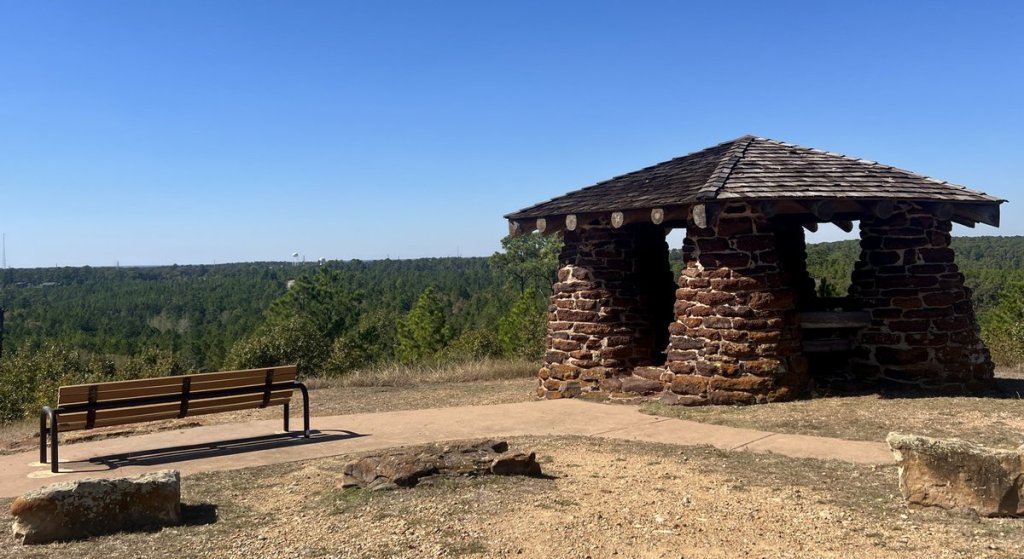
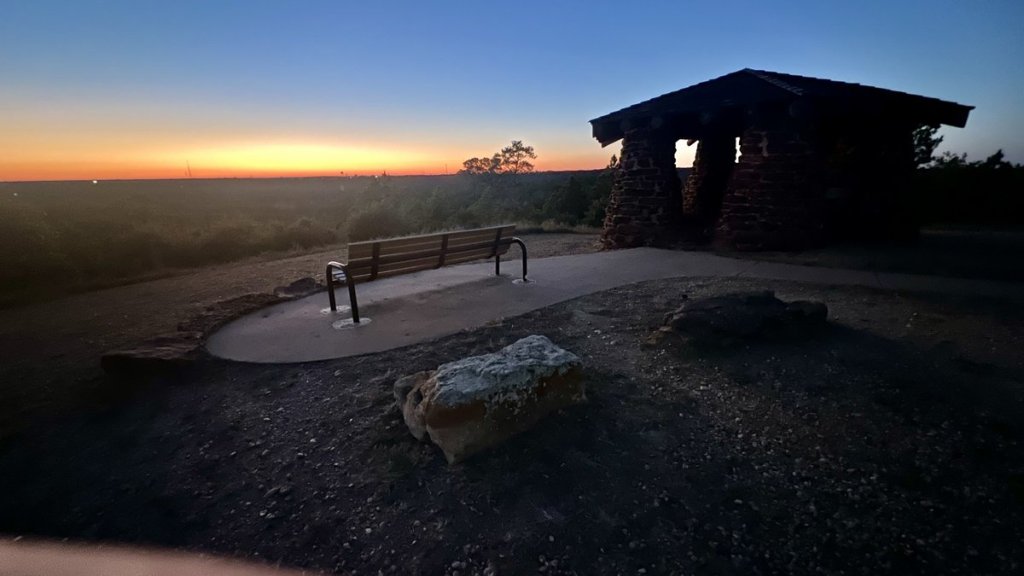
In addition to the dryer climate, Bastrop was also hillier. East Texas is generally flat, through the hiking trail goes into many gullies, some quite deep, so hiking there involves hill climbing. Bastrop State Park was much more developed than the Sabine National Forest, with sealed roads taking us to multiple viewpoints. Bastrop’s undulations yielded scenic overlooks, often with a CCC shelter.





Checking Out 600mm
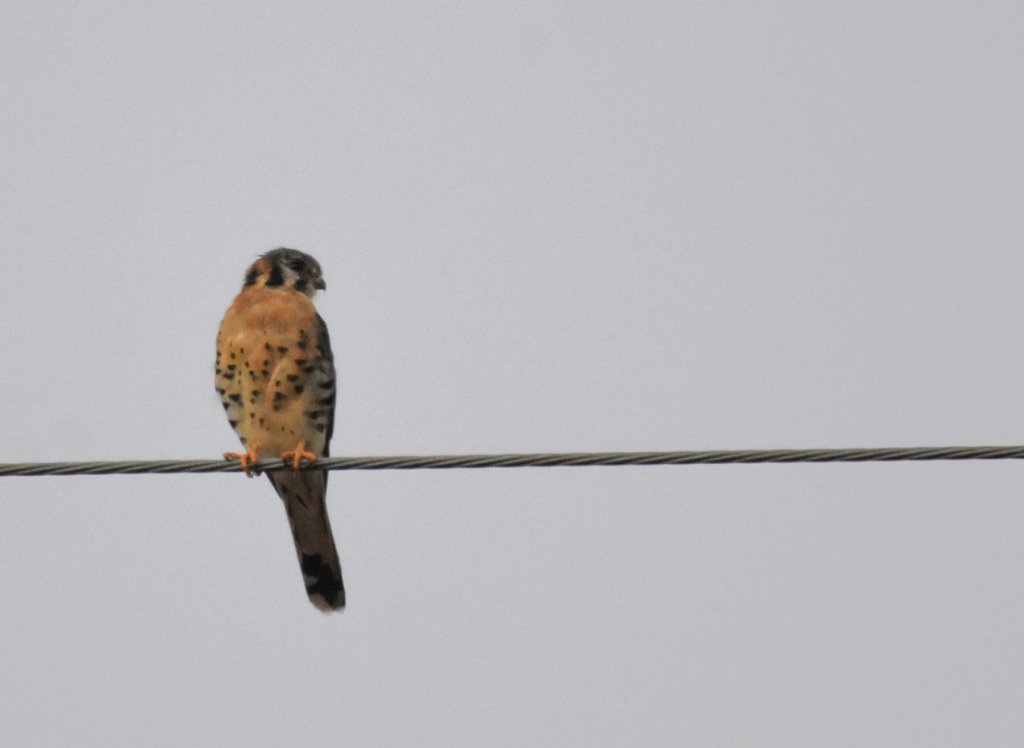
Having loved taking many photos with my camera and its lenses up to 200mm, I’d investigated getting a “bigger” lens. I rented a 150-600mm lens for a week to evaluate on this trip, and below are some of my quick results. I quickly learned that it was heavy (the lens alone is over four pounds). With such a lens, using a tripod is also important, and I quickly discovered that walking any distance with my ten-pound tripod was not fun. While I had fun taking photos, I also learned at home that my six-year-old computer does not support the latest versions of photo-editing software. All-in-all, I enjoyed dabbling with this bigger lens, but realized that such photography will require being very intentional, and I have more than just the lens to worry about.
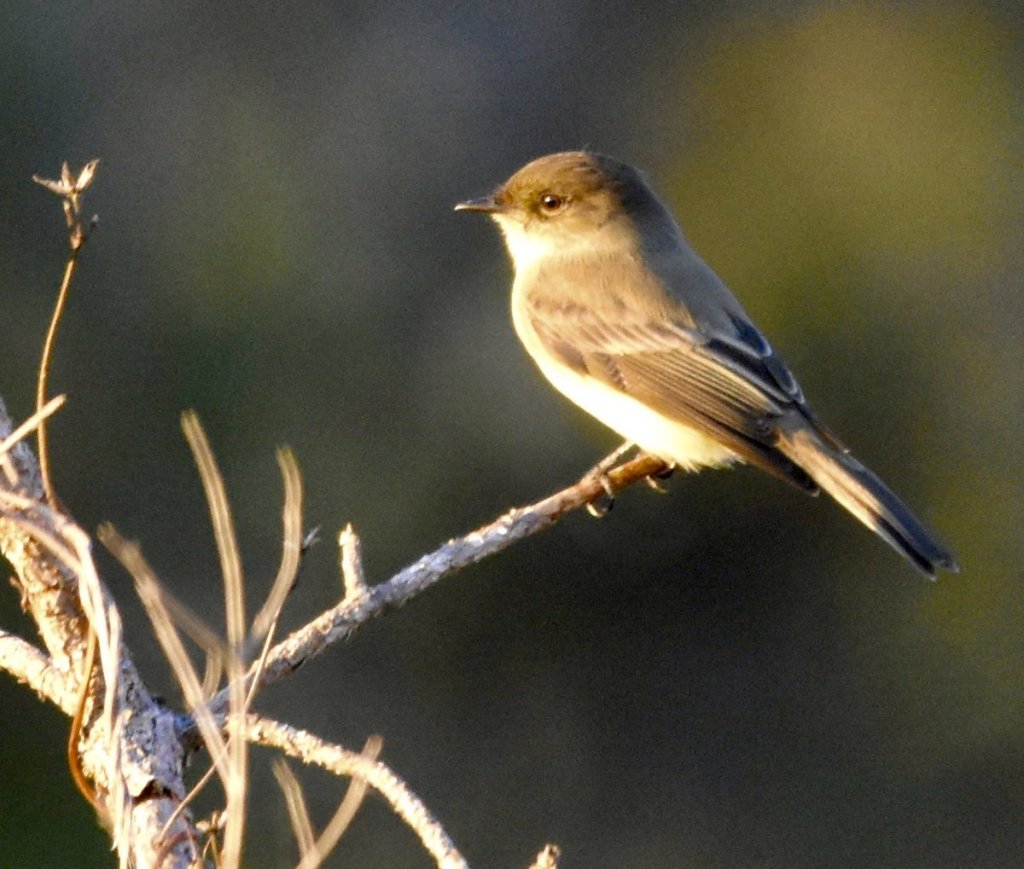
Google Lens tells me that this is an Eastern Phoebe, a type of flycatcher.
Perhaps I’ll become a birder!
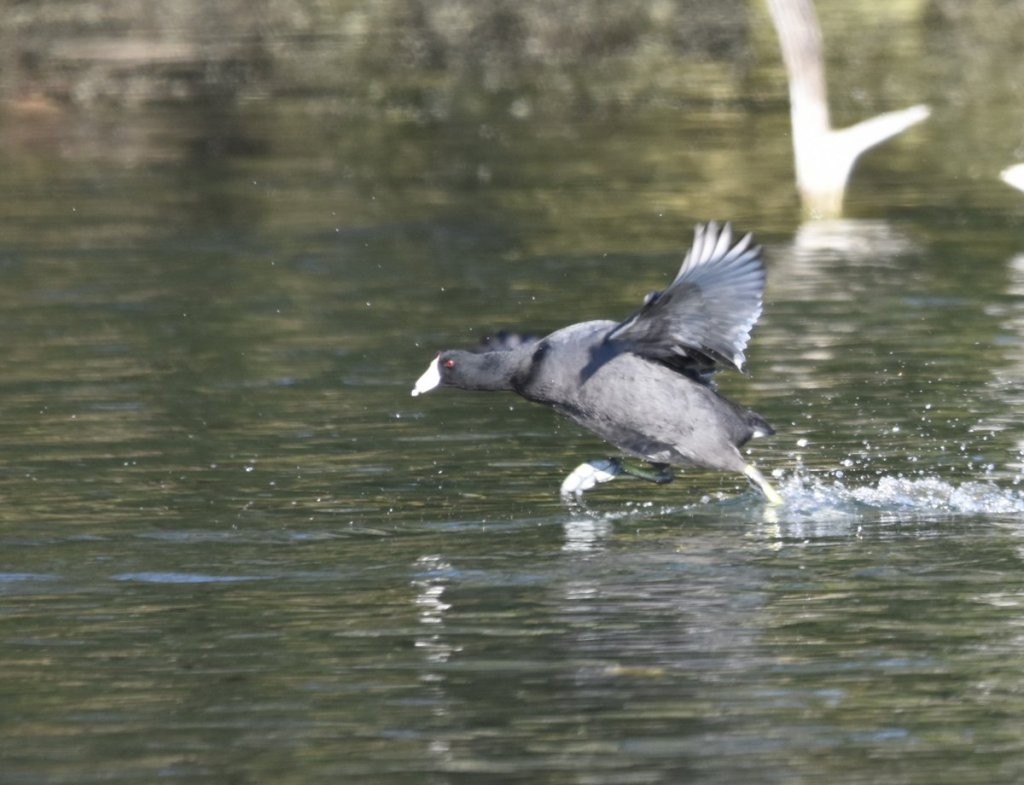


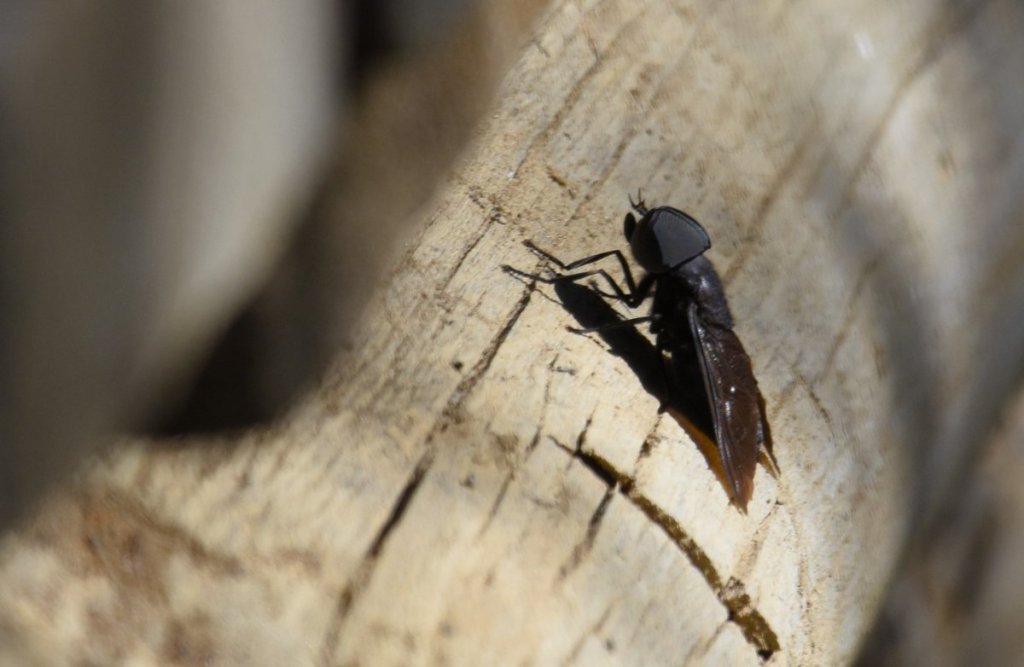
We were hoping to see mammals, though Janet and I did not even see any deer in the park. We briefly spotted one rabbit when we first arrived. I settled for bugs which are still fun to photograph.




Conclusion
It was a fun trip to catch up with Doug and experience staying in the Lost Pines. I learned a lot about the 150-600mm lens, including that I have more to learn than I realized! Bastrop State Park is conveniently located just outside Austin, but its proximity to a major road meant that road noise was omnipresent, hindering wildlife viewing. I look forward to visiting locations with more wildlife, photos of which I hope to share!
 The Adventures of the Cajunlimeys