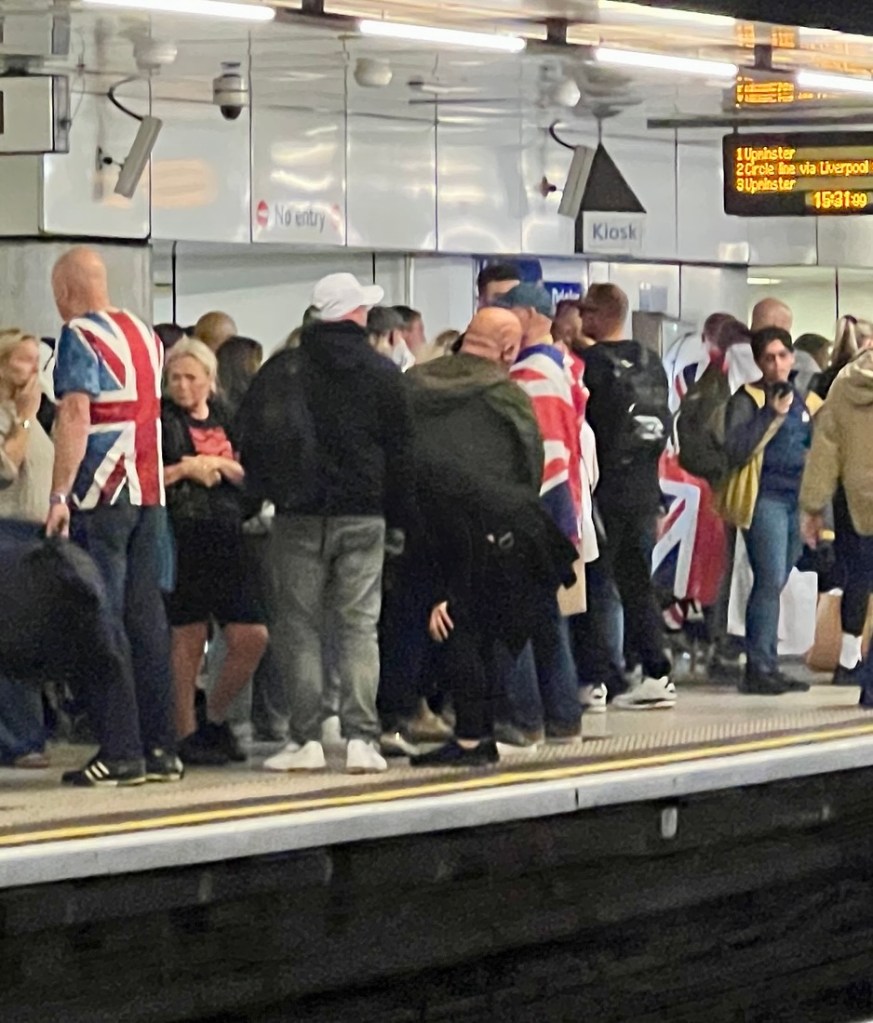
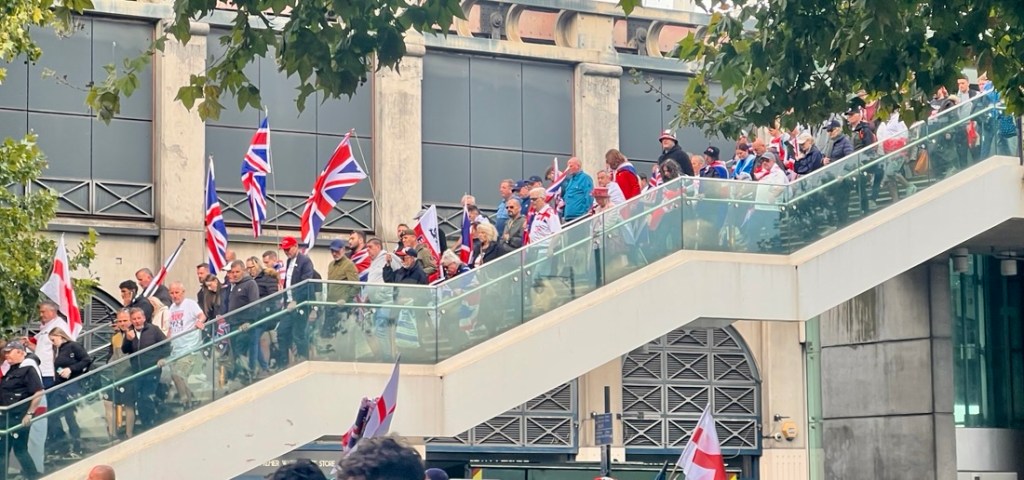
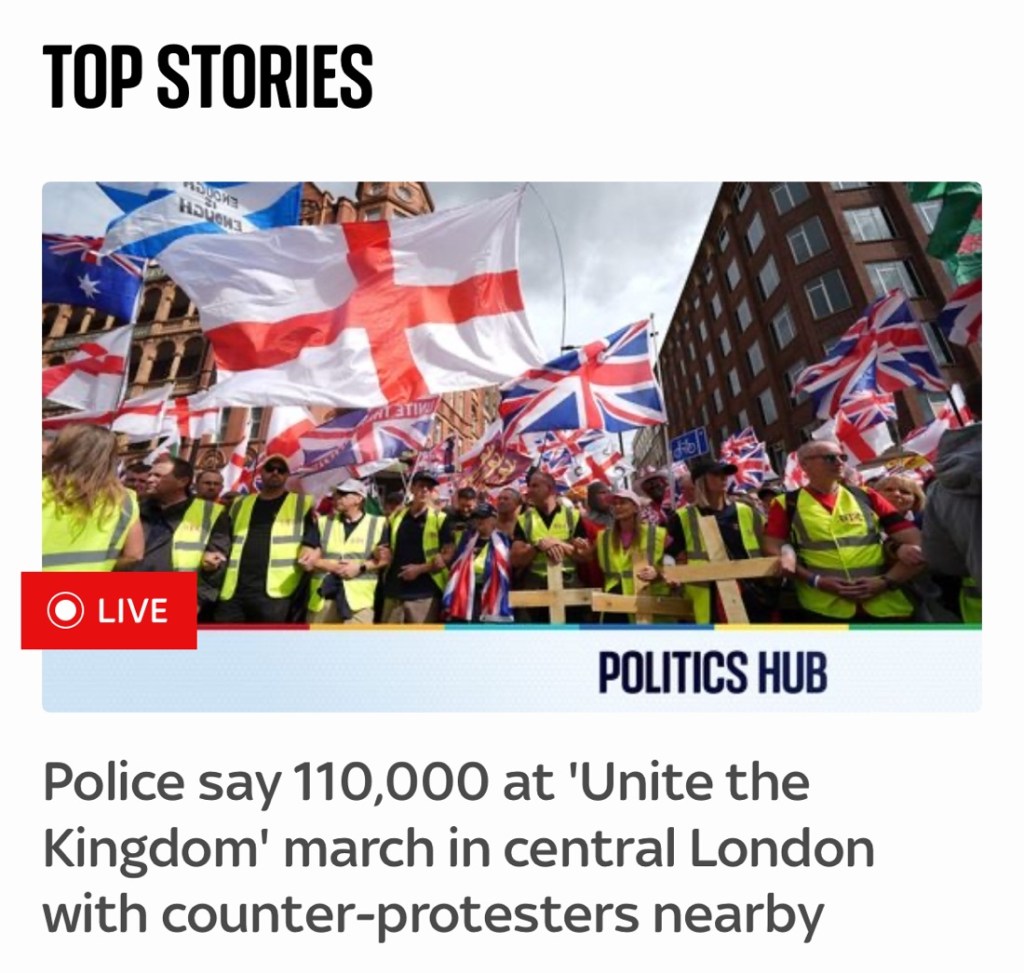
We had two days in London to wrap up our nine-day adventure along the Thames. Walking nearly one hundred miles from Reading to Woolwich had given us a new perspective on London and it was fun to spend a couple of days in the capital doing more activities that we had not previously done. We saw a changing of the guards, the former embassy of the Republic of Texas, strolled through parks, feasted on a fabulous afternoon tea, were stunned by the acrobatics of a musical show, were almost overwhelmed by Westminster Abbey, pensively visited the Churchill War Rooms, and struggled to avoid a 150,000-person protest!
Our epilogue started in Greenwich with a fine breakfast at our pub, The Mitre, before taking an Uber Boat to Embankment Pier.
What a beautiful morning for our farewell to Greenwich.Our location on the tip of the bend.Silhouettes of Tower Bridge and HMS Belfast in the morning light.Not falling down!
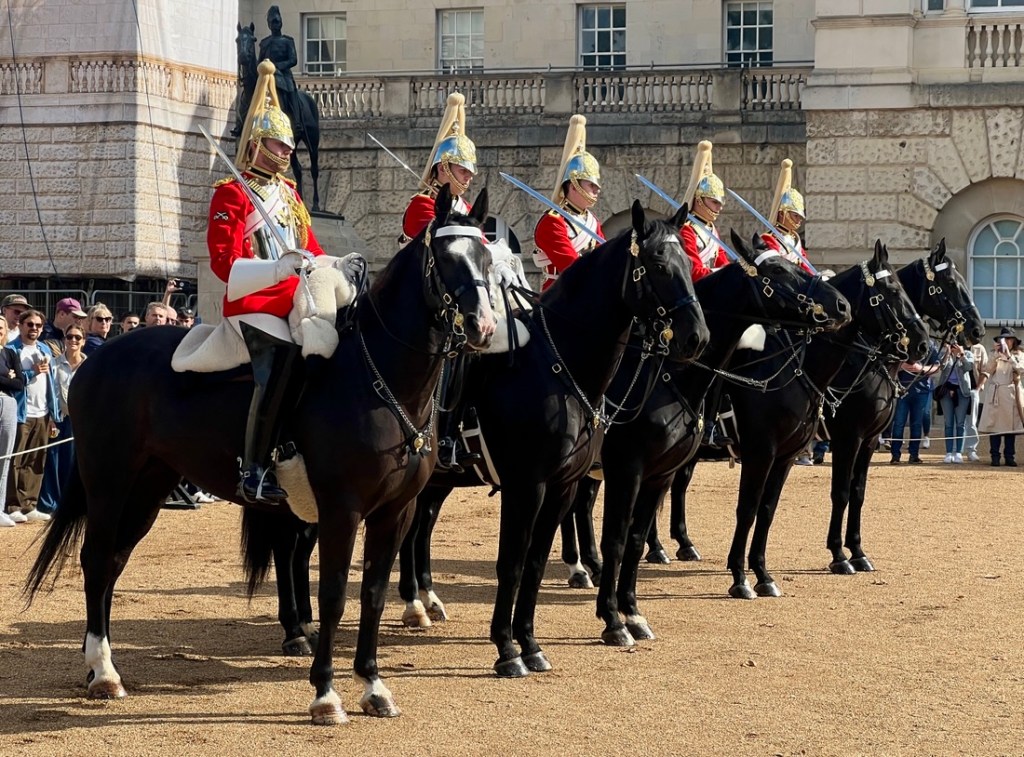
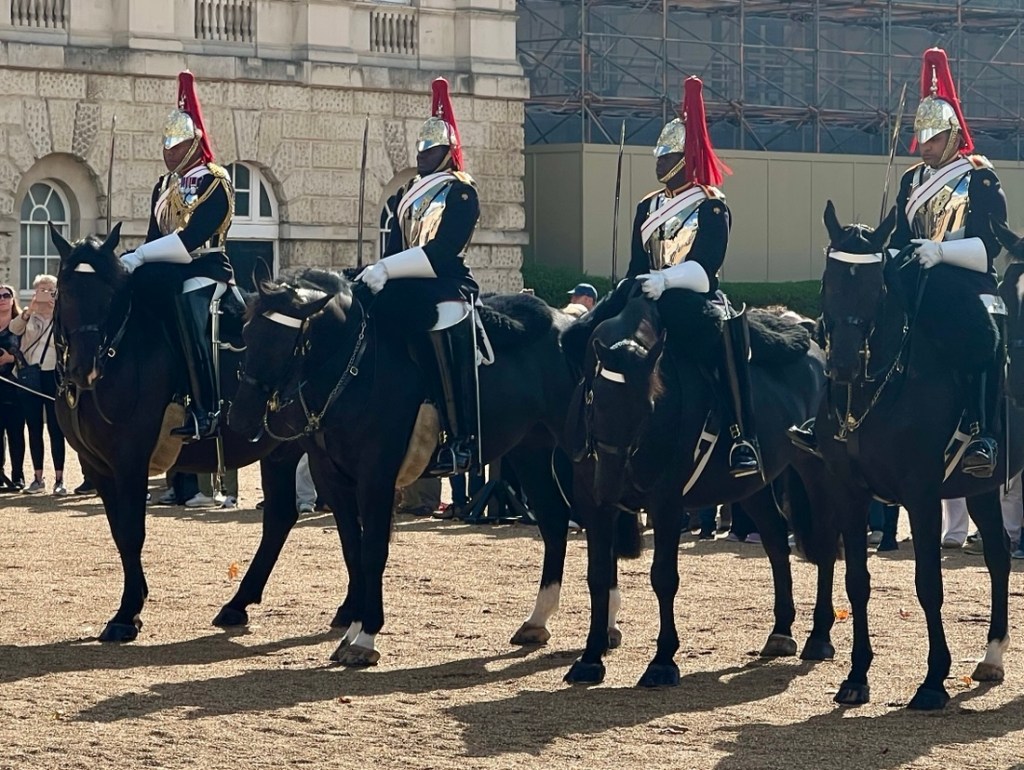
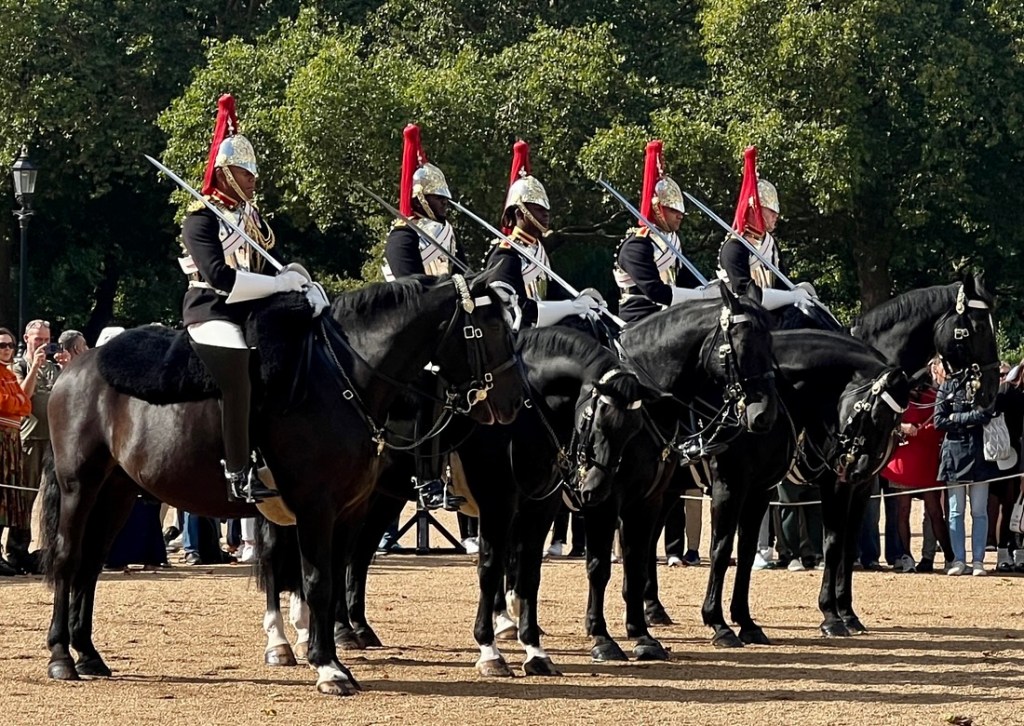
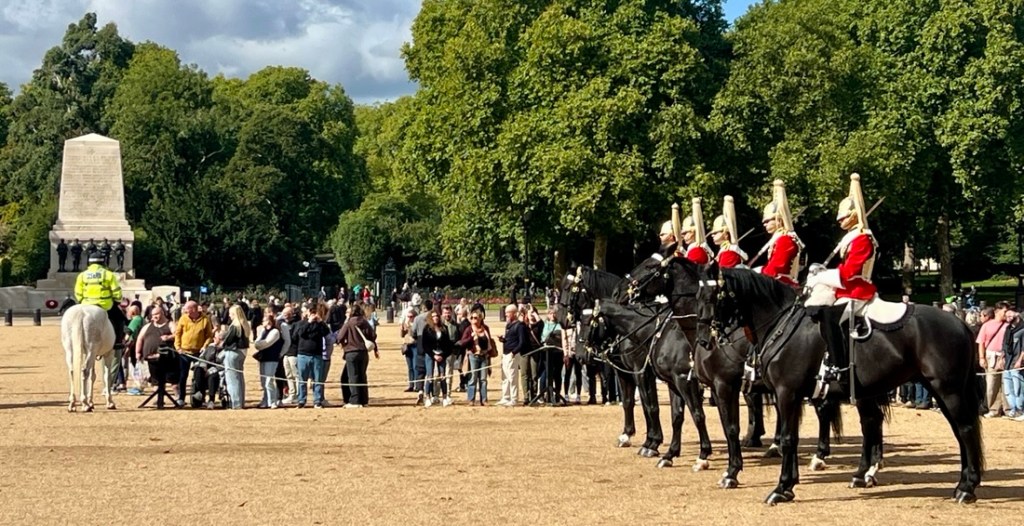
It was a short walk from Embankment Pier to our excellently located hotel at Royal Horseguards. We dropped off our bags and were ready to explore, heading to the changing of the guards at Horse Guards Parade.
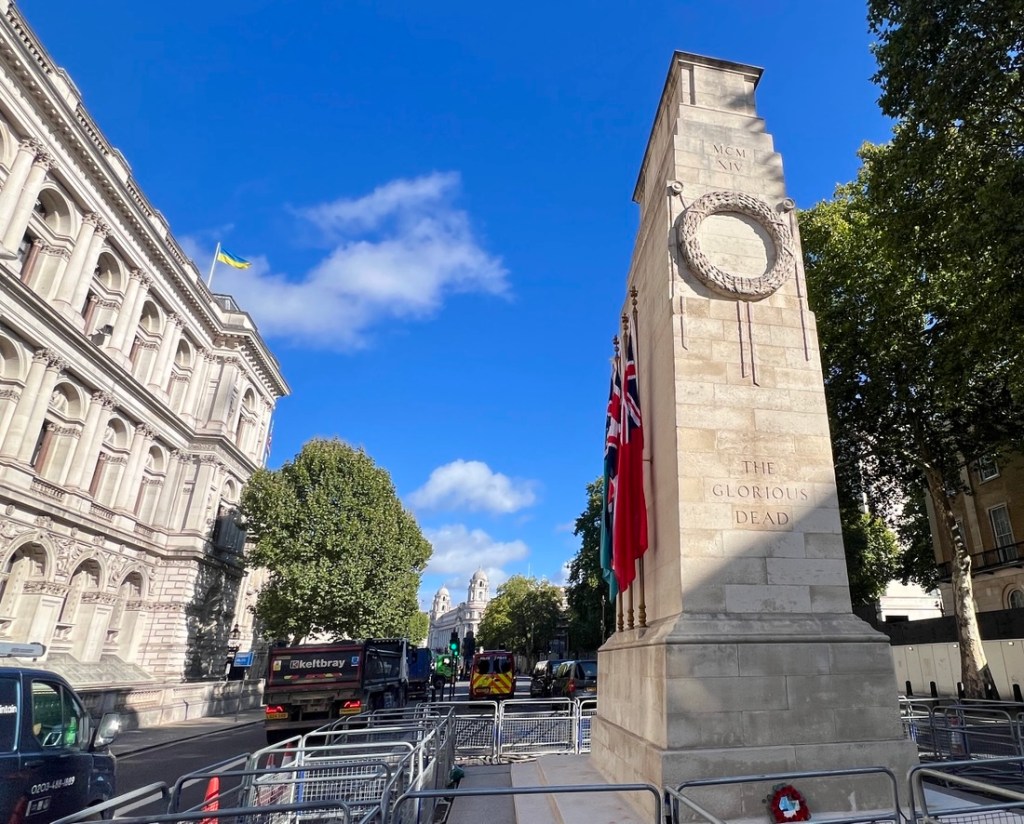
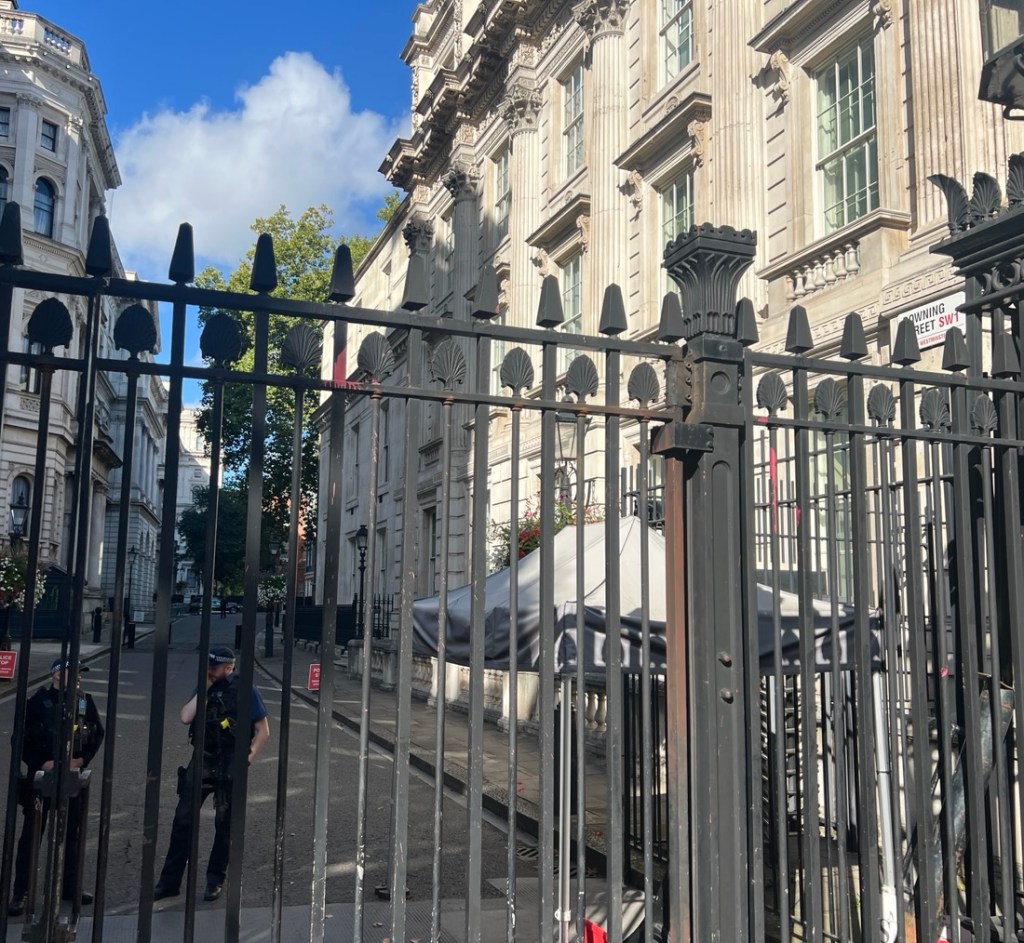
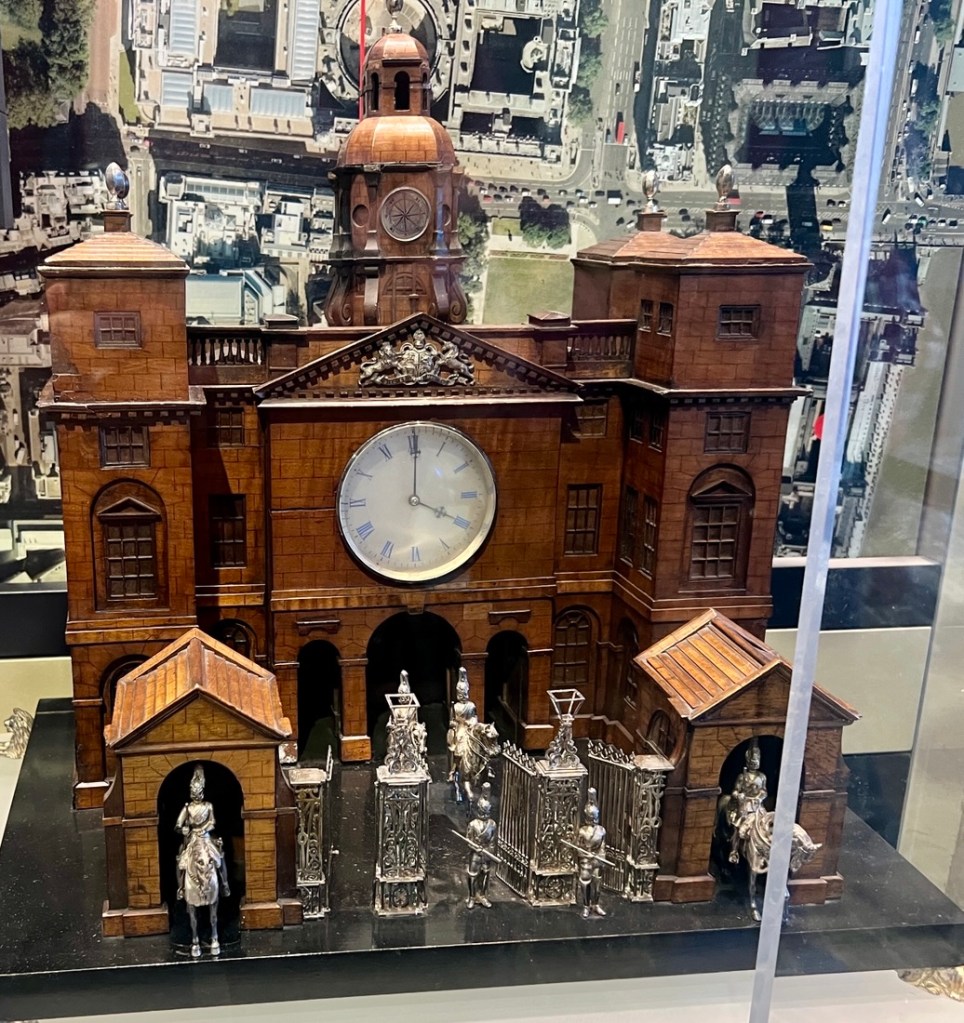
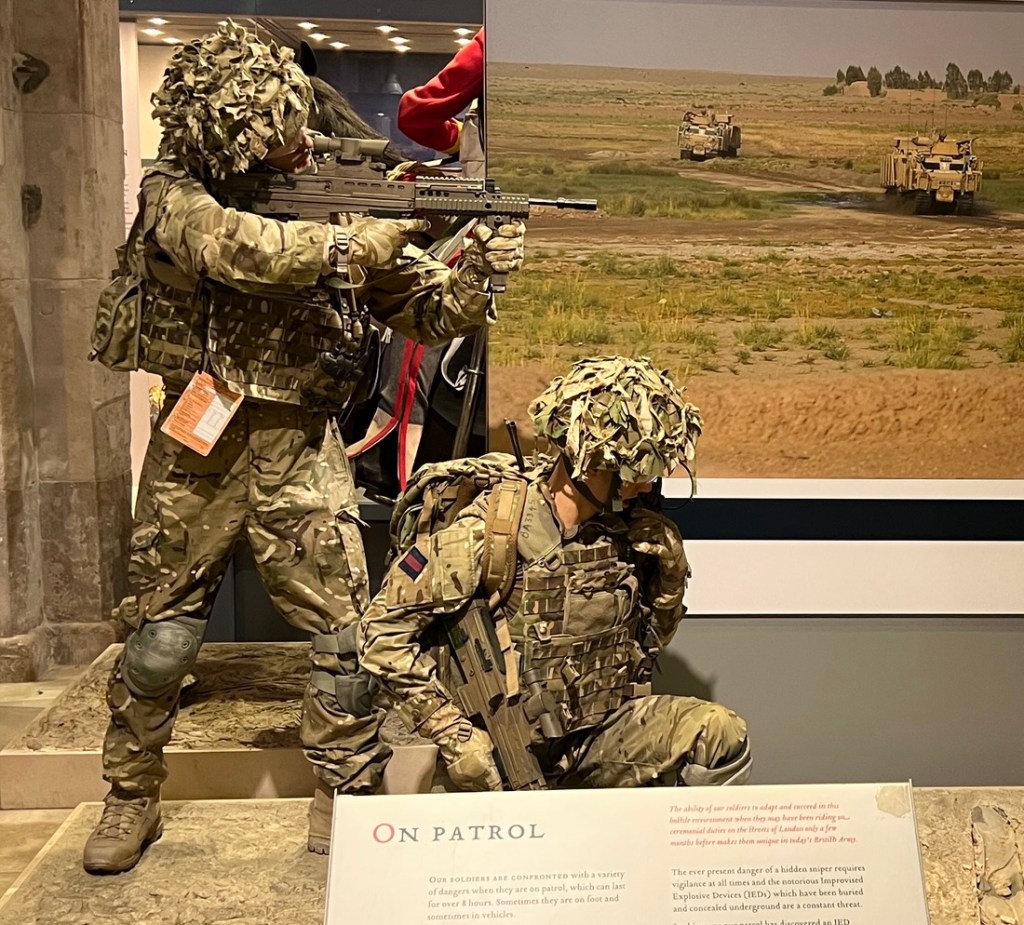
The first stop was the Cenotaph, UK’s national memorial, built after WW1.We passed Downing Street, but this was as close as we could get to No. 10.Checking out the guard.We checked out the small museum which explained that the ornamental clock in the Officer’s Mess, is set to 4pm because, in 1894, Queen Victoria found her entire guard gambling and drinking at this time. She immediately instituted an inspection at 4pm, which continues to this day.The Royal Horseguards now work with modern horses – also known as tanks.From the museum we could watch the soldiers get ready with their horses, in preparation for their guard change.
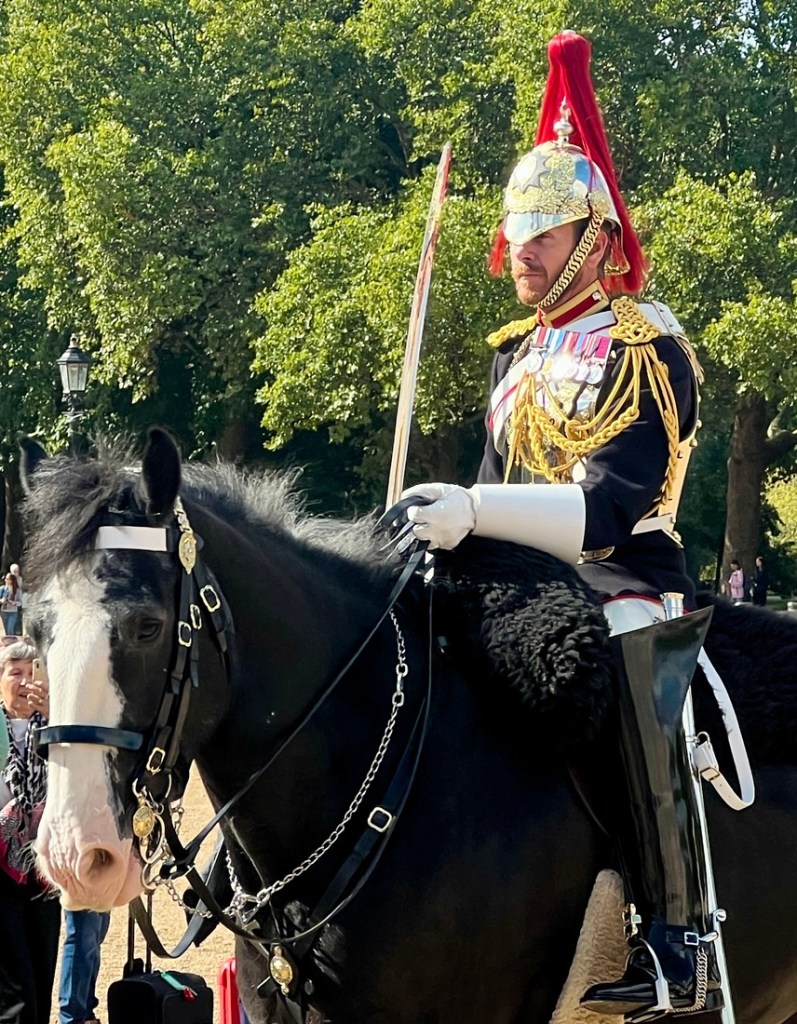
Compared to the Changing of the Guards at Buckingham Palace, this was so much quieter and we were so much closer to the action.
After this spectacle, we had about four hours to spend wandering roughly westward for our next appointment at 3:30pm. I followed a rather circuitous route that hit the sights of interest.
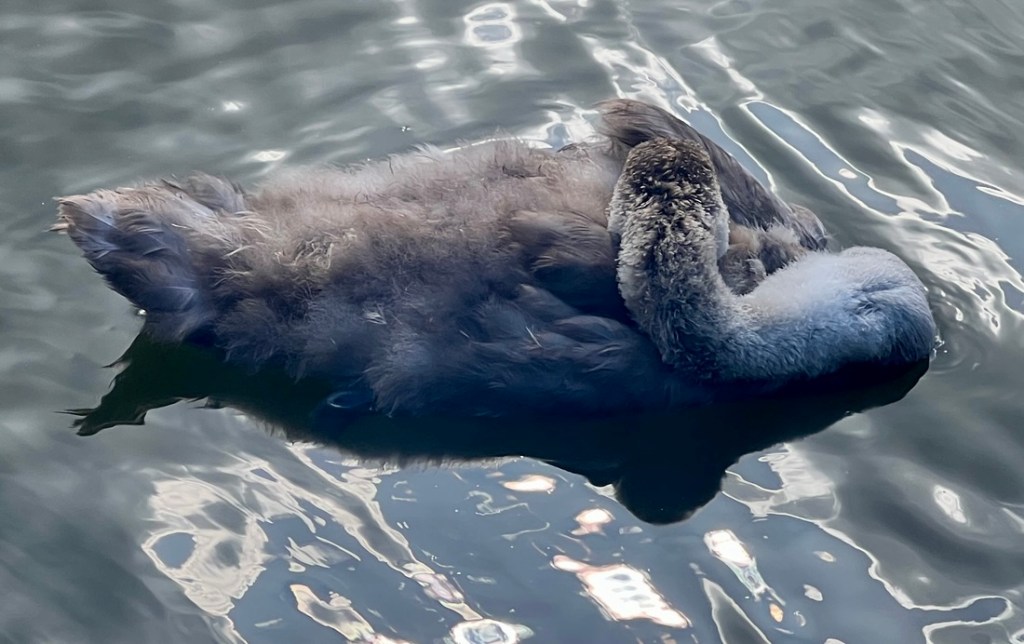
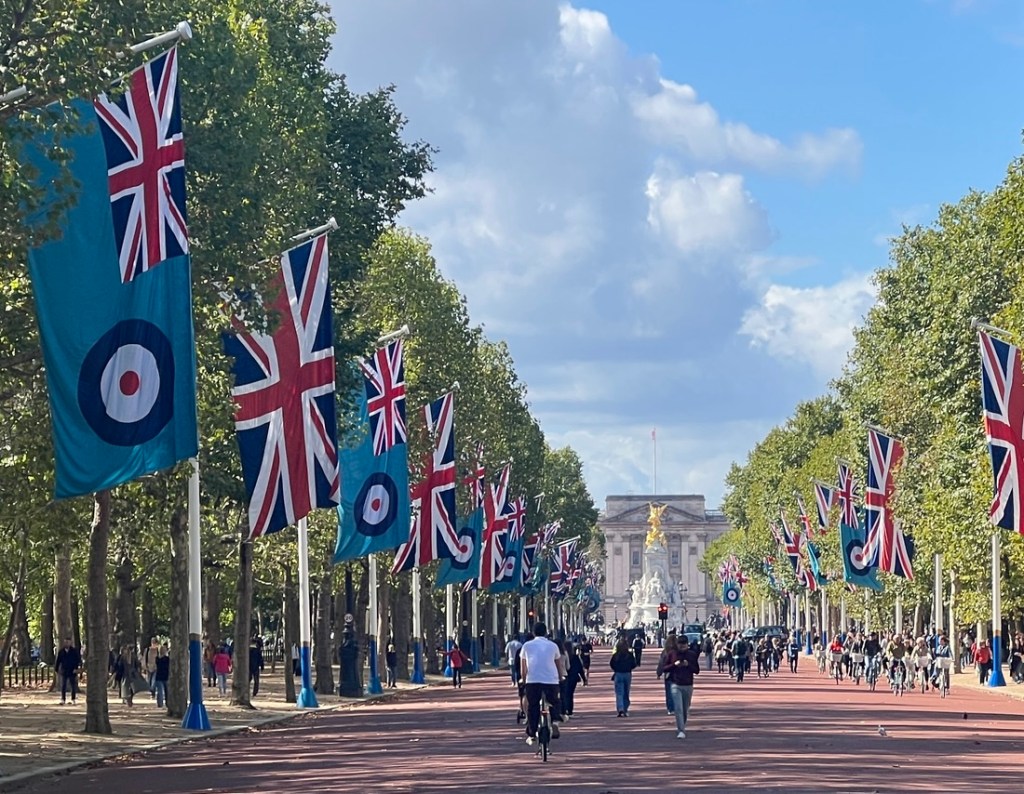
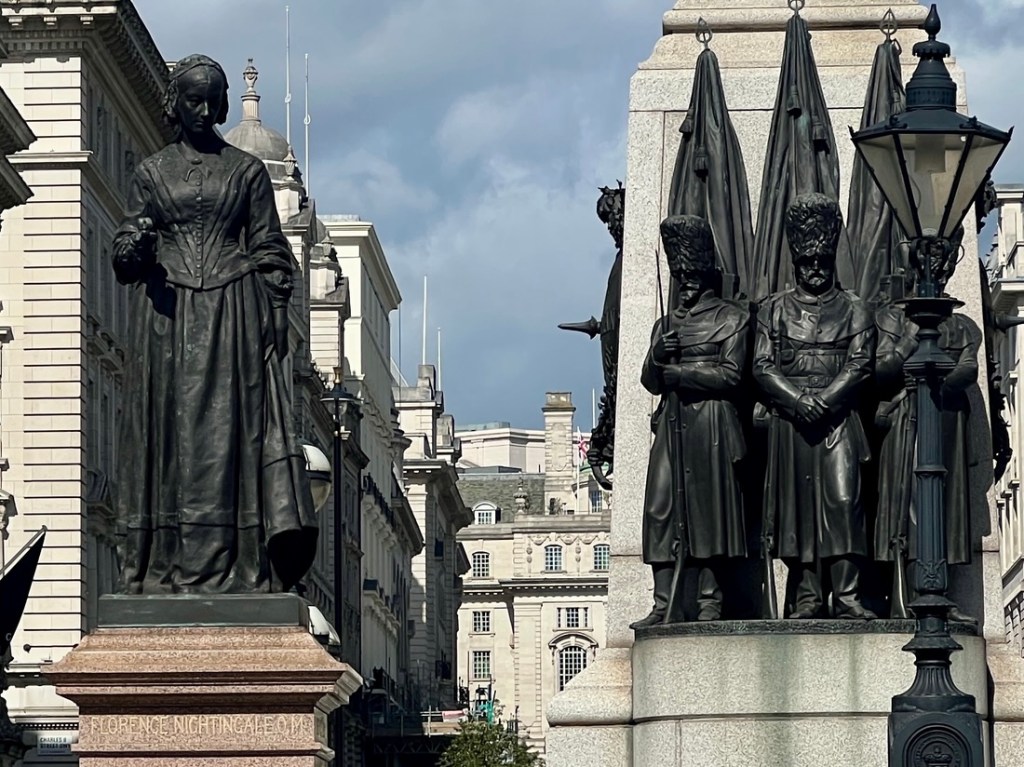
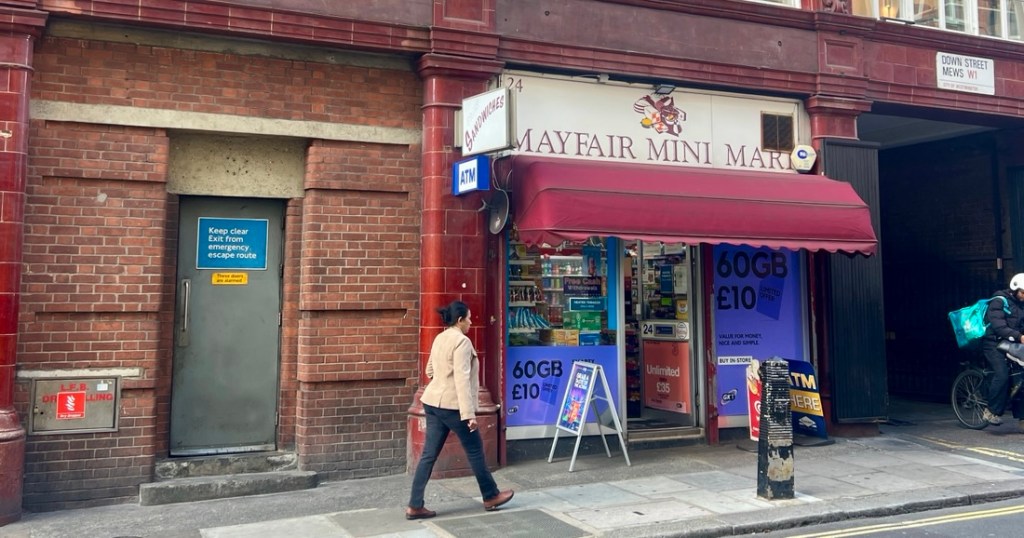
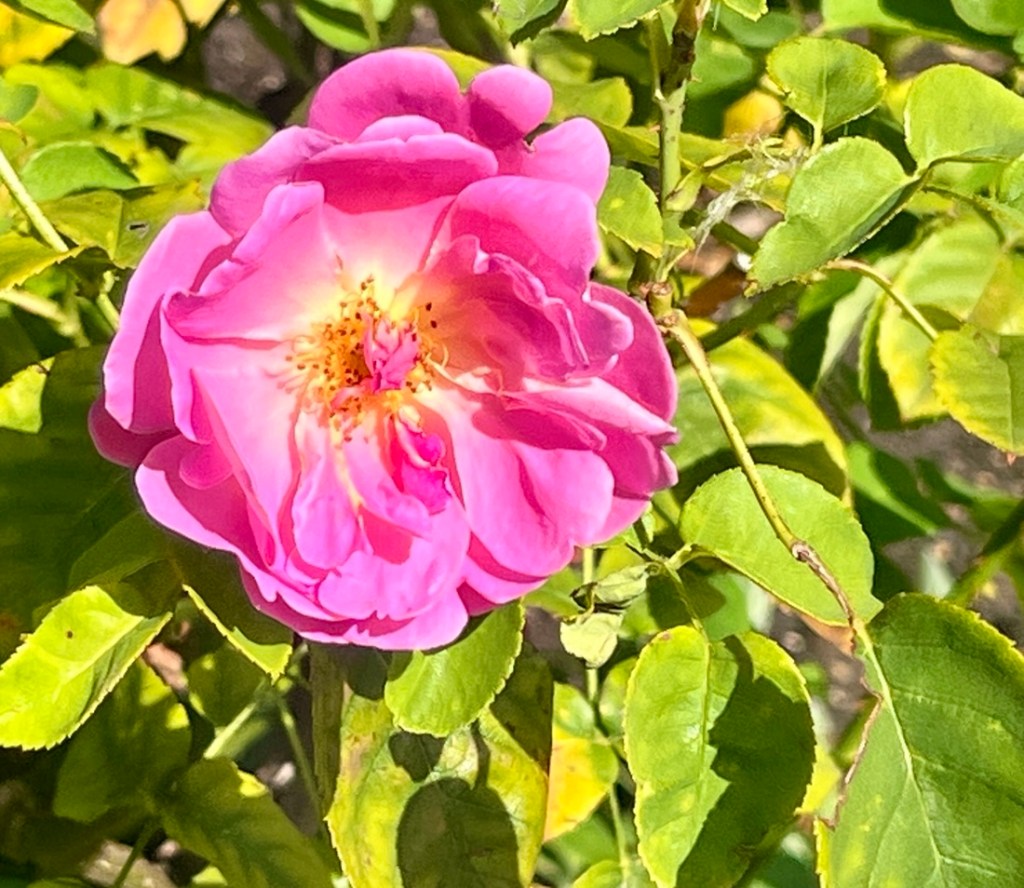
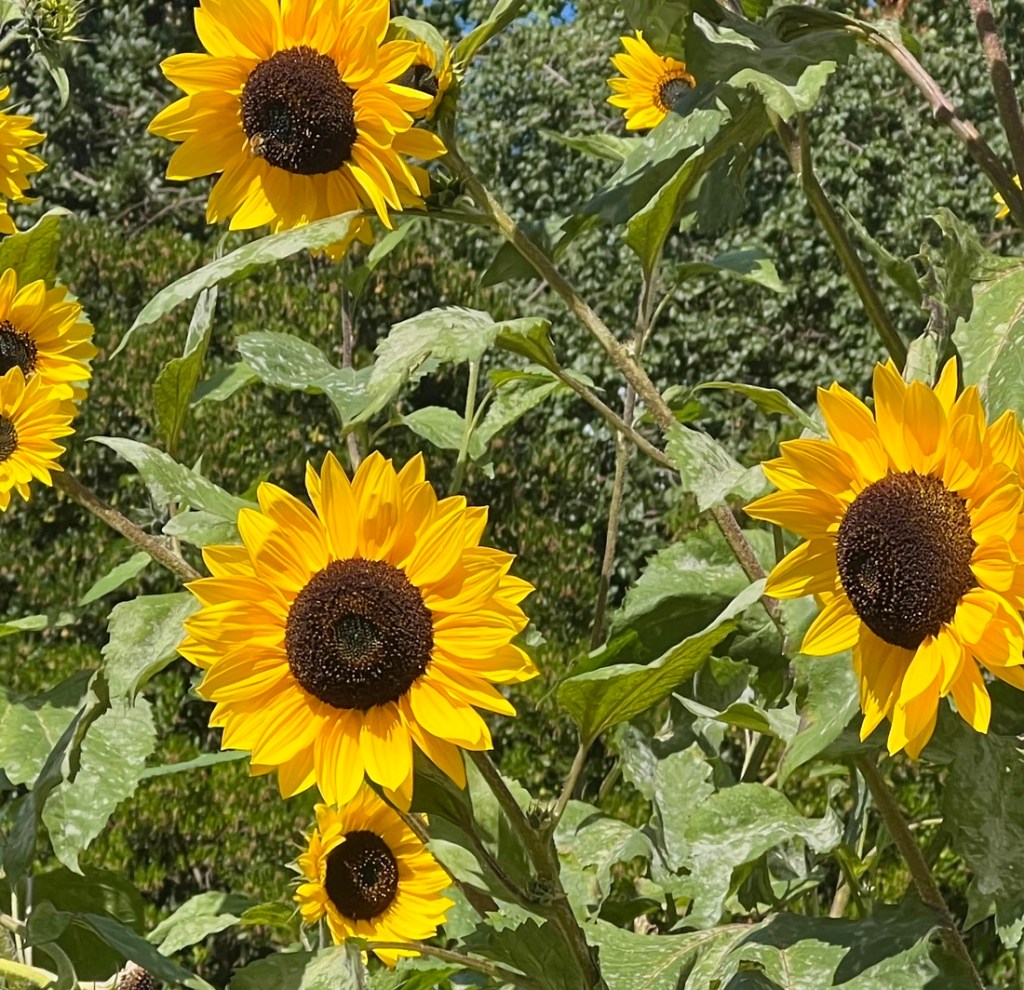
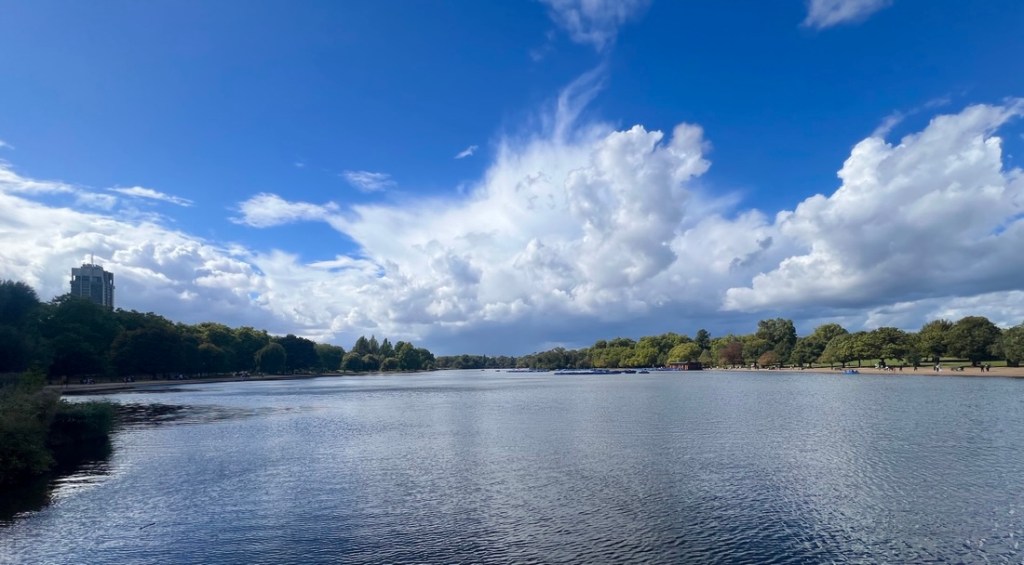
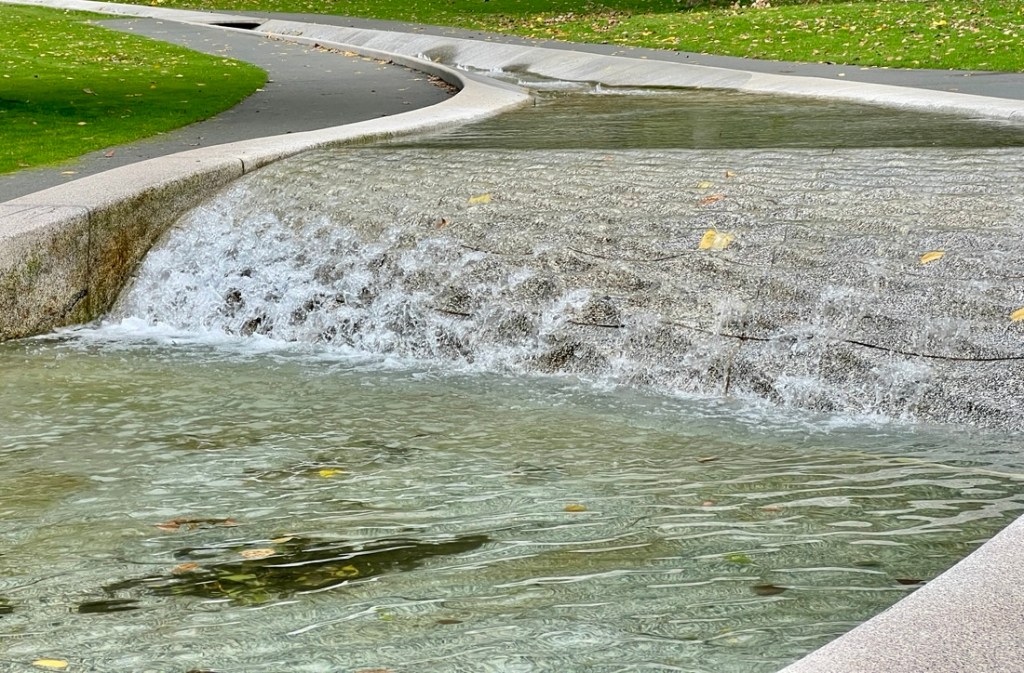
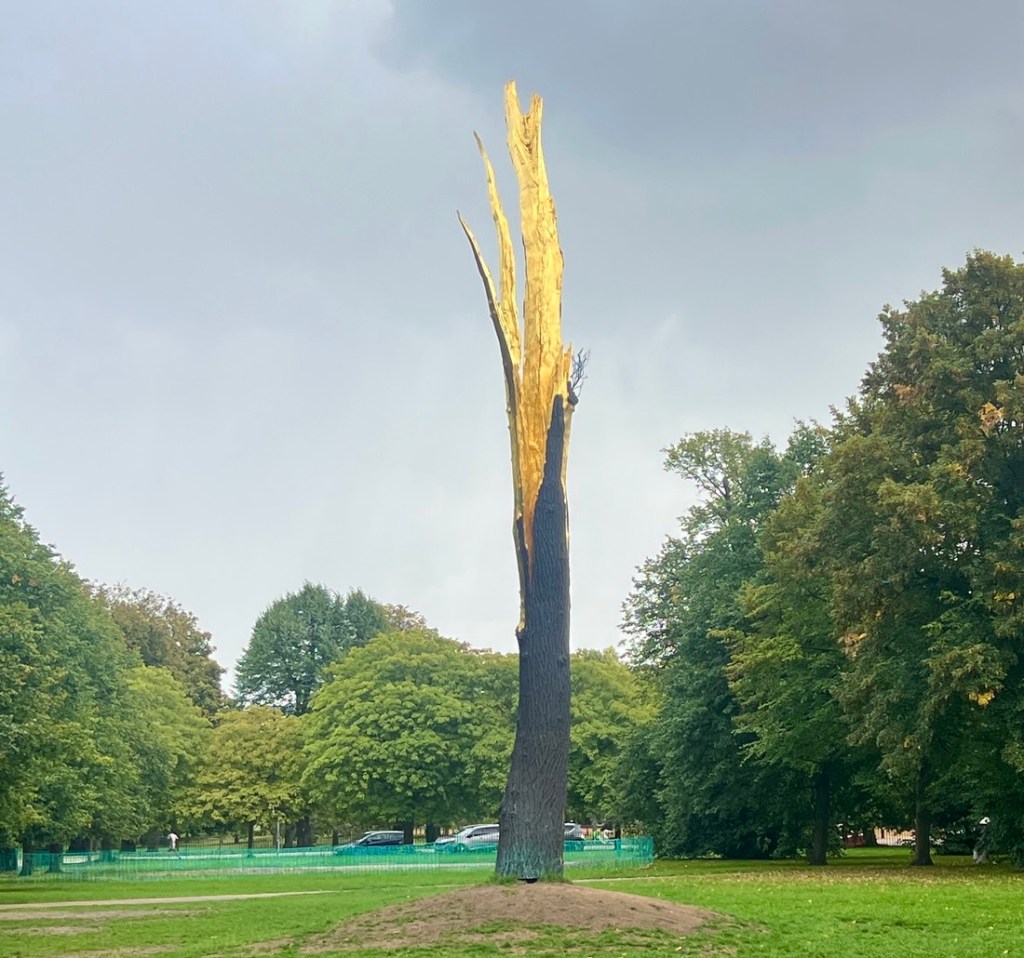
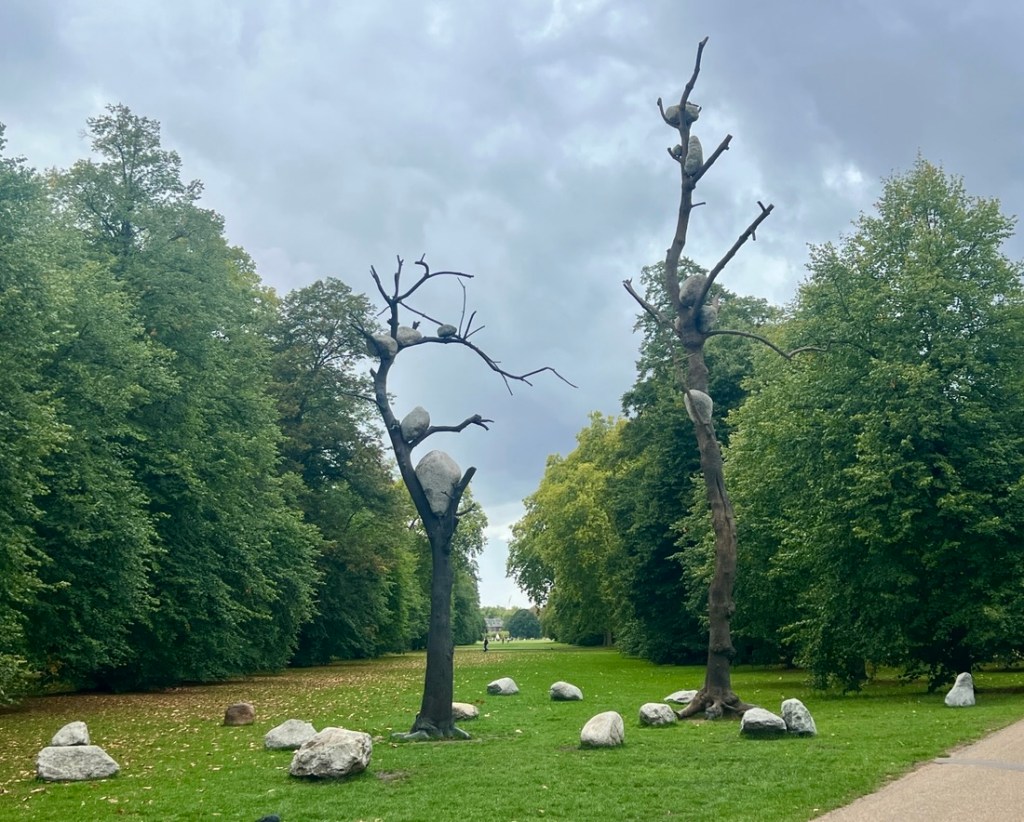
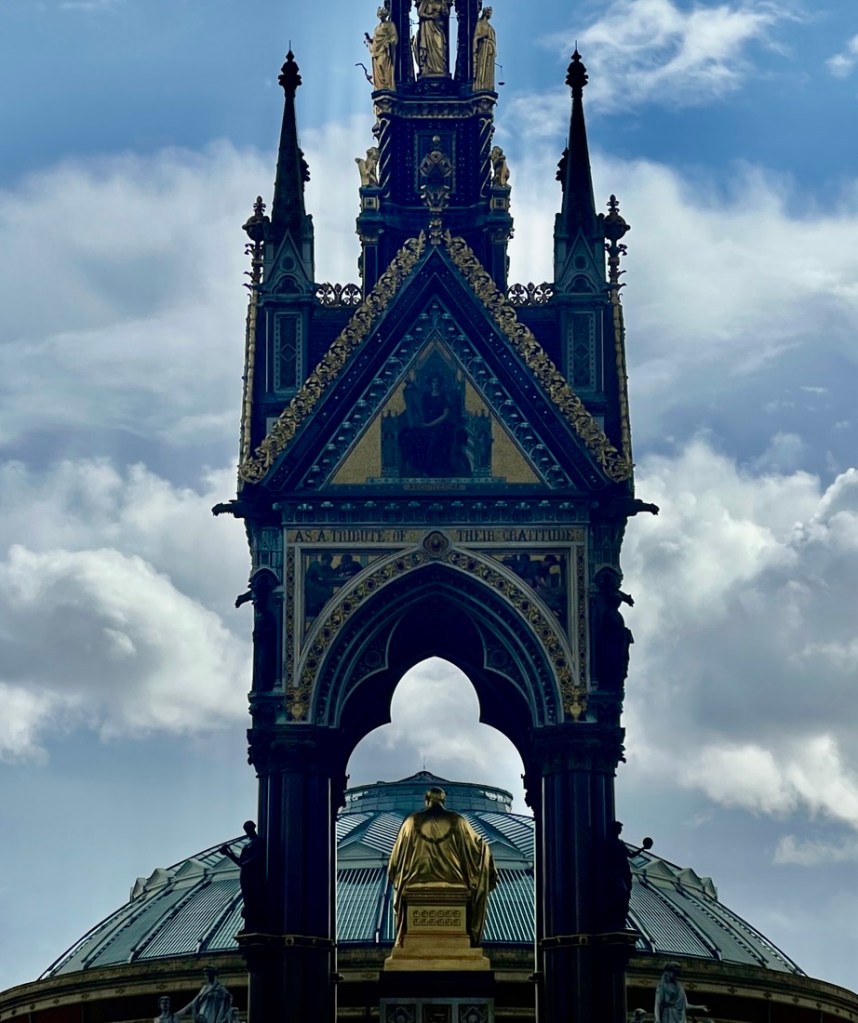
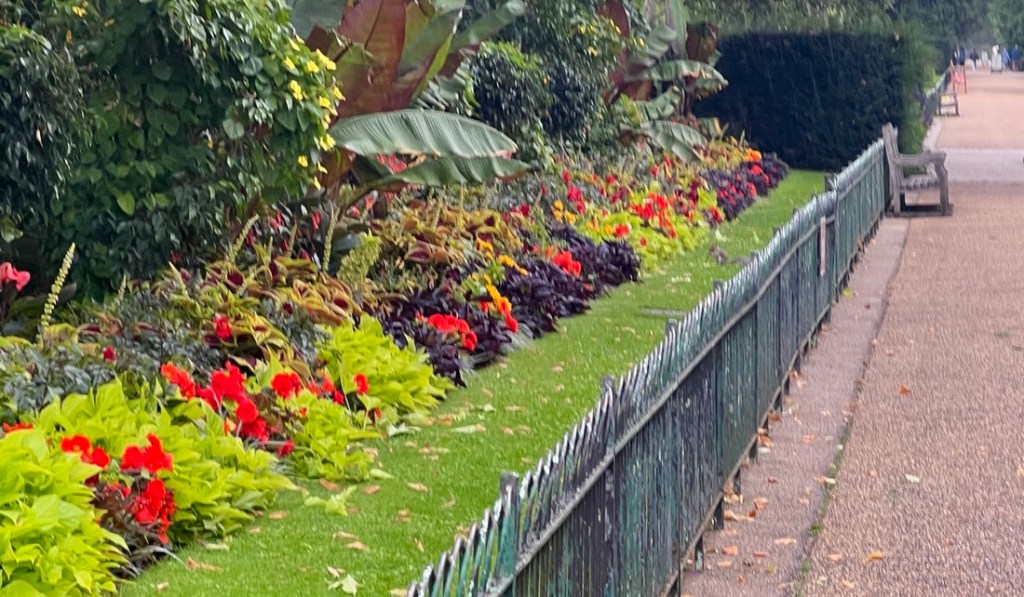
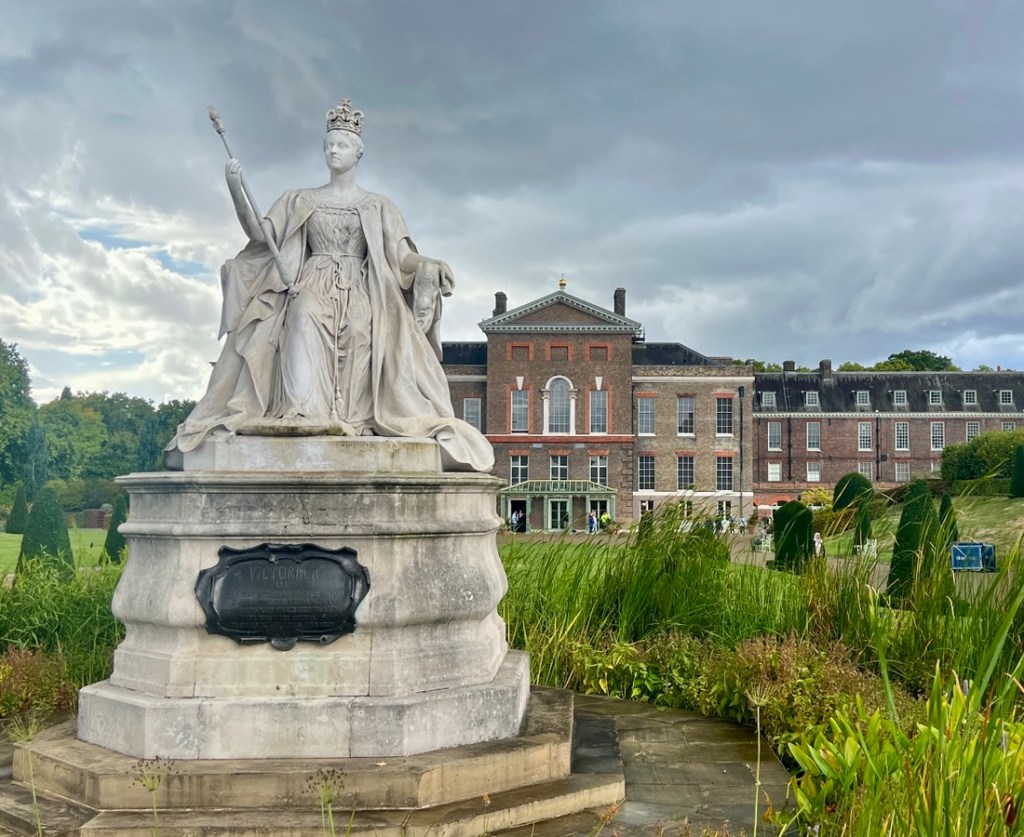
First stop, the cafe in St. James’s Park, where we recommend sitting inside unless you want to share!Amongst many birds, we spotted this cygnet looking very chill.There was one black swan.Crossing The Mall and seeing the Victoria Memorial in the distance in front of Buckingham Palace.A statue in honour of Florence Nightingale next to the Crimean War memorial.Eric and Keesha, natural-born Texans, were excited to find the site of the embassy of the Republic of Texas!A closer look at Buckingham Palace.We crossed Green Park to visit the site of the former Down Street Underground Station. It was closed in the 1920s due to low usage, but was reopened secretly in WW2 as a confidential meeting place for Churchill.At Hyde Park Corner, it started to rain, so we took the subway and skipped Wellington’s Arch, but appreciated the artwork celebrating the victory over the French!A conveniently placed cafe allowed us a rest with refreshments.Even though it was late in the season, a rose garden at the entrance to Hyde Park was beautiful.The rose garden didn’t just have roses! 😎The Serpentine, in the middle of Hyde Park, created in 1730 for Queen Caroline, wife of George II.The Diana Memorial Fountain is a popular children’s play area when it’s a bit warmer.We thought there had been a big storm recently…… until we saw the rest of the art exhibit!The Albert Memorial, facing the Royal Albert Hall, was built to honour Queen Victoria’s beloved husband.We found a memorial bench for Alan Rickman, an actor with many accomplishments and well known for playing Severus Snape in the Harry Potter films.We were wowed by this Spider Flower.Beautiful gardens as we approached Kensington Palace.A statue of a young Queen Victoria in front of Kensington PalaceA statue of Diana, recognizing her love of children, commissioned by her two sons.
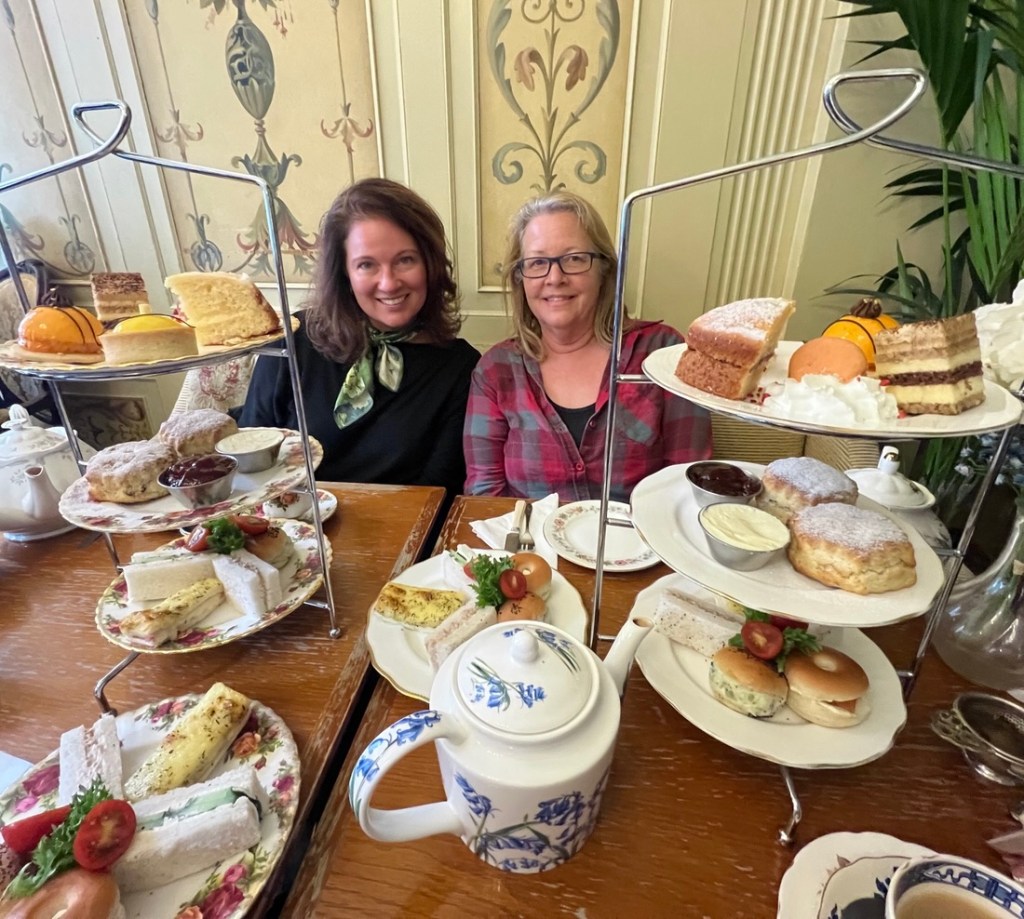
After a fine meander through parks and past notable sites, we arrived at our destination. Janet had discovered the Candella Tea Rooms when researching for a previous visit but it gets booked up months in advance. We’d secured a reservation for this visit!
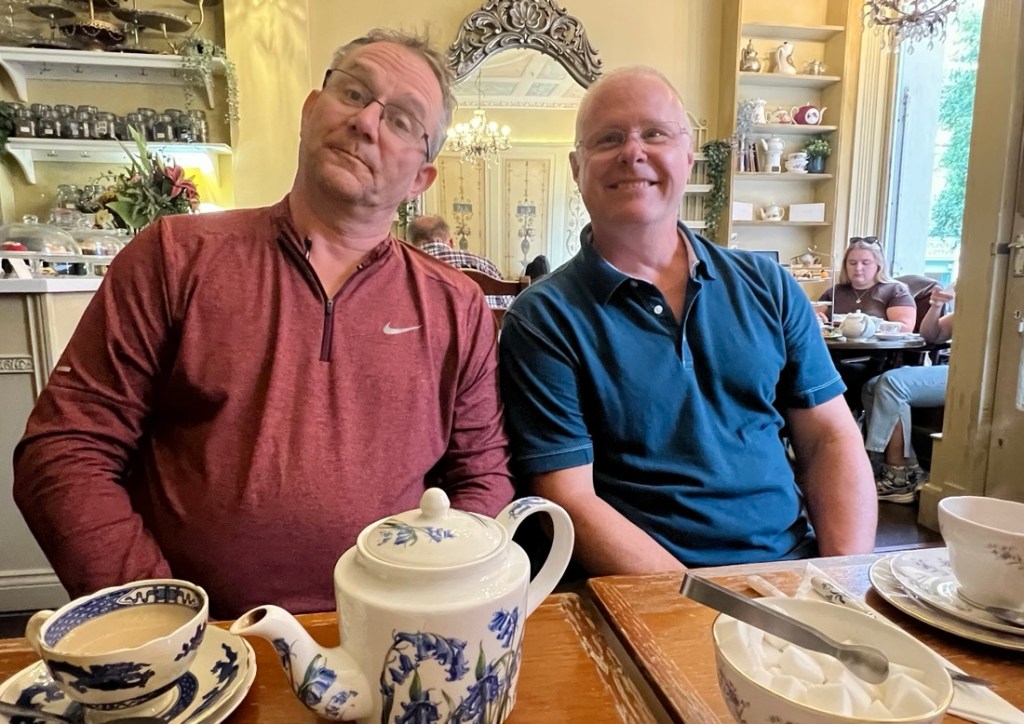
Time for tea!What a fine afternoon tea!Perhaps not what we would have chosen for a guy’s meal, but we certainly enjoyed it!
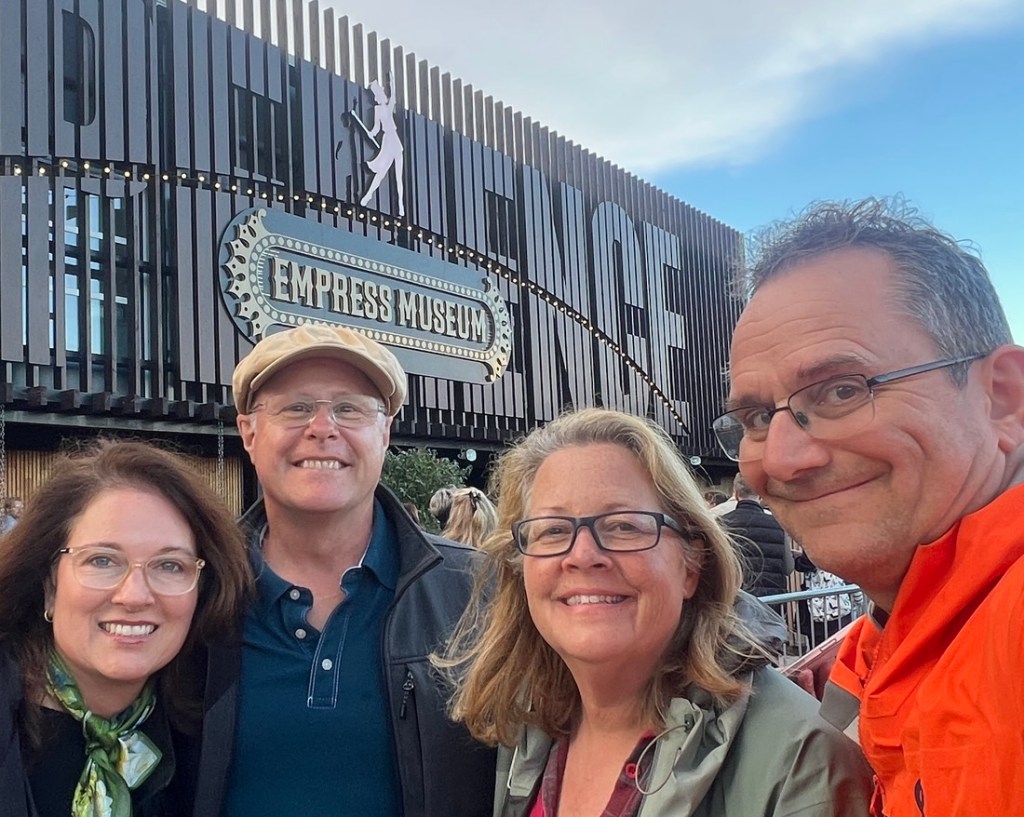
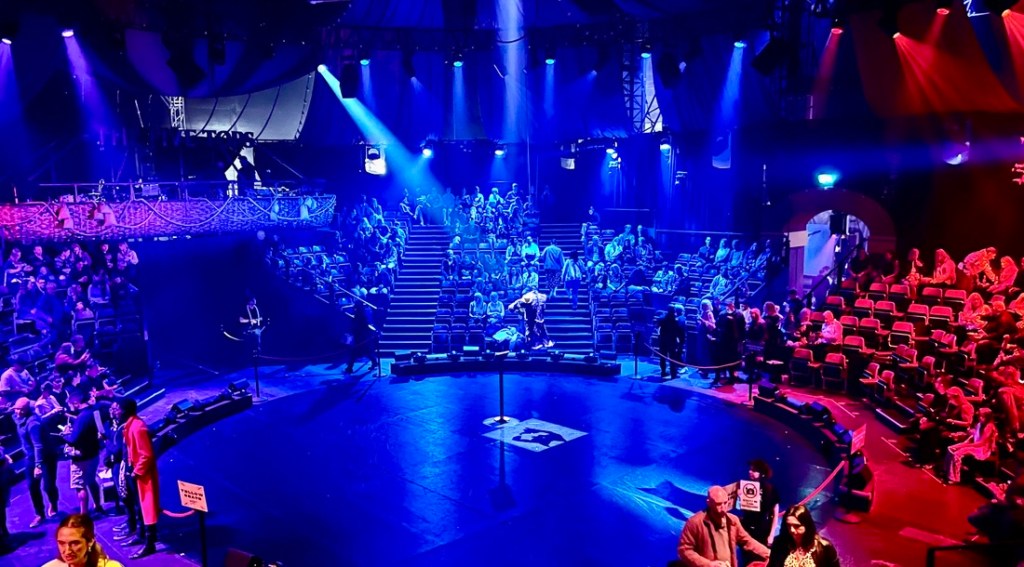
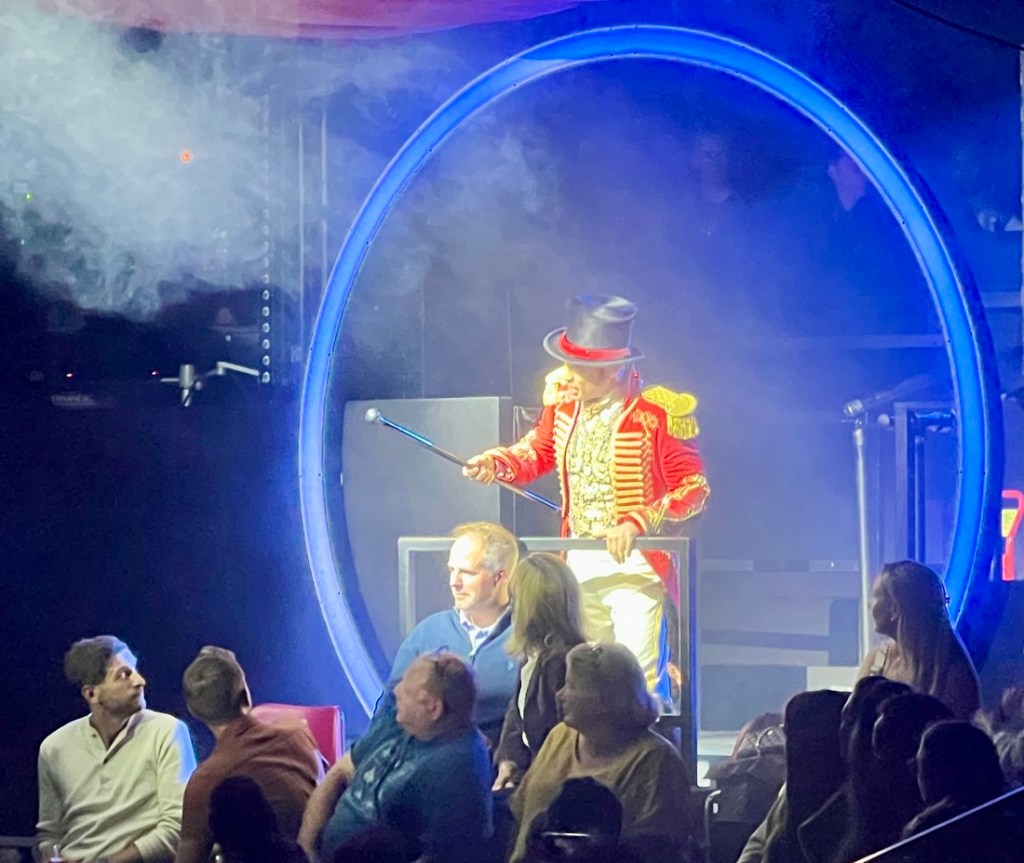
We had enough time to head back to our hotel, check in, and get our bags into our rooms. The tube made it easy! Then, it was off to the theatre. We’d discovered a performance of Come Alive! at a non-traditional theatre location at Earl’s Court. It was based on the Greatest Showman film, using many of its songs and featuring amazing acrobatics. It was set up like a circus and we were not disappointed!
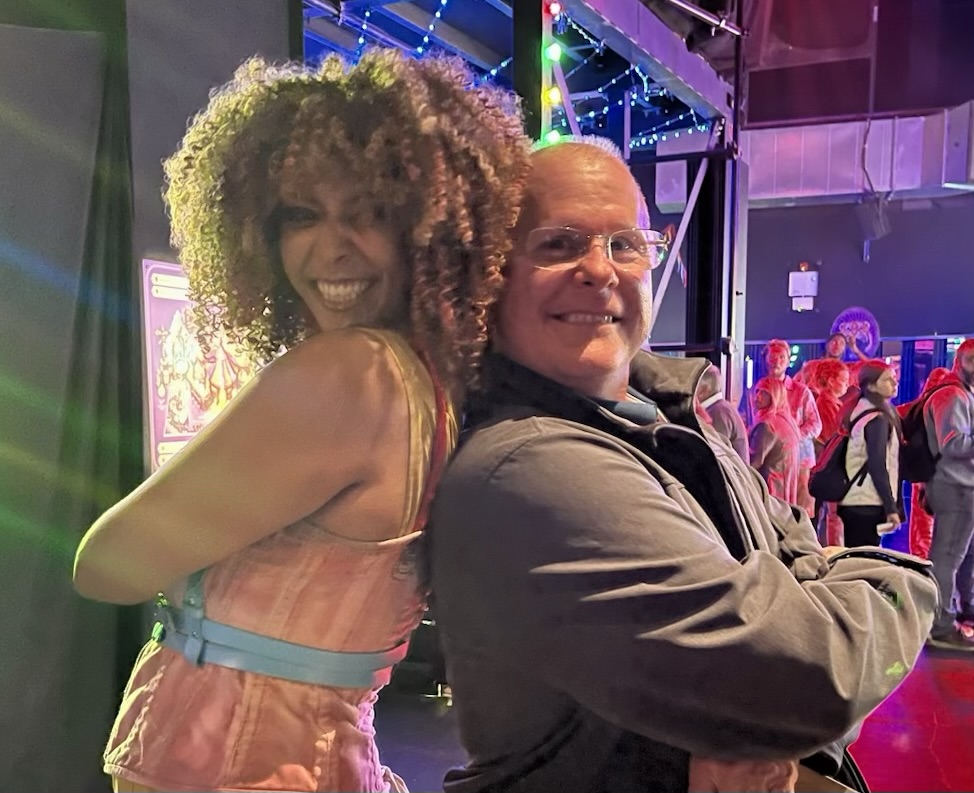
It was a cool venue.Eric enjoyed the preshow!It was small and intimate.The actors were in the audience.There were many amazing acrobatics accompanied by very talented singers.
The following four videos are ones I took during the show. The fifth is someone else’s I found on line.
What a show! It was an easy and quick trip back to our hotel, where we slept well in preparation for another full day. Our first visit on day two was Westminster Abbey. After great morning views of the Palace of Westminster and the Elizabeth Tower, we were one of the first into the abbey, but it quickly got very crowded. We had an audio guide and a map but the number of memorials and graves was still overwhelming. I photographed a few that caught my eye.
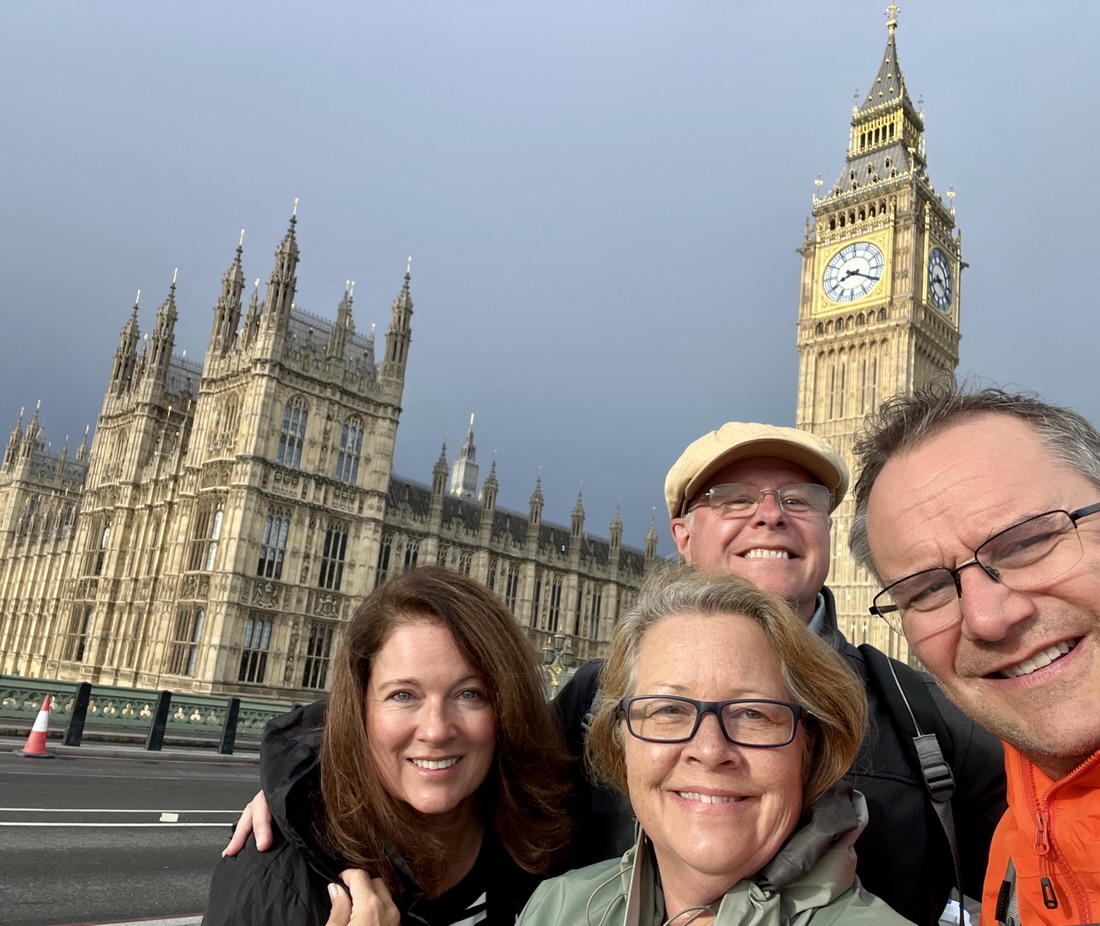
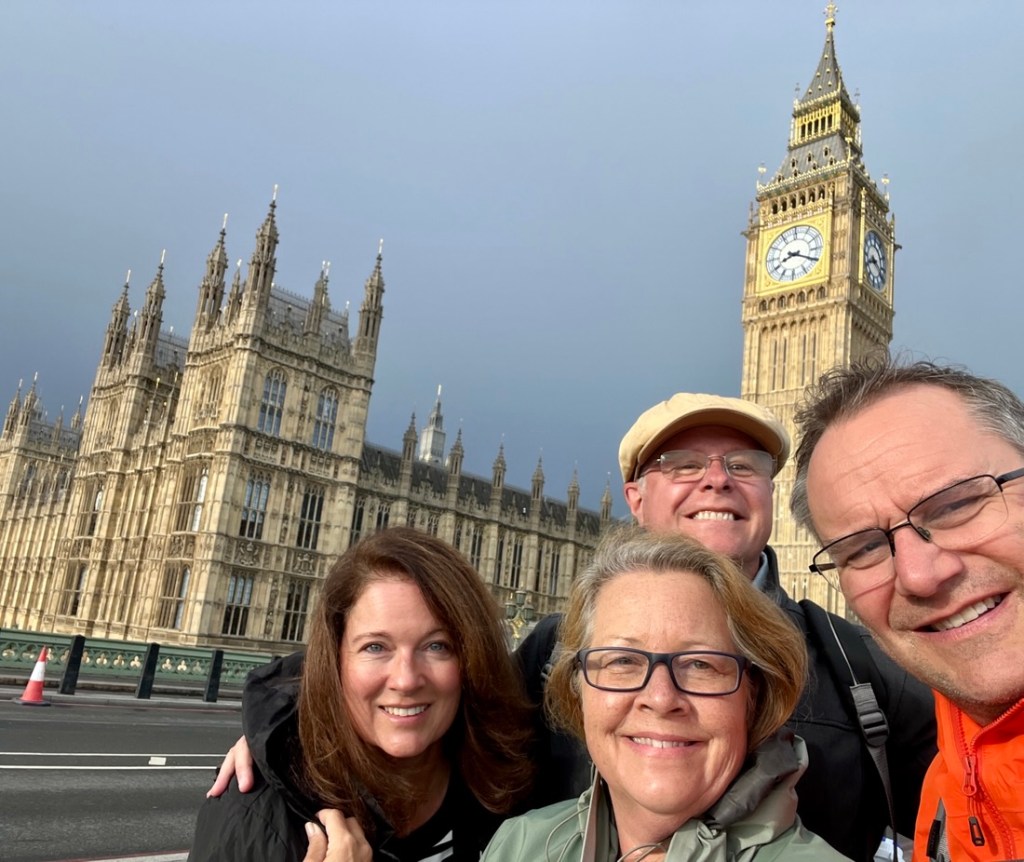
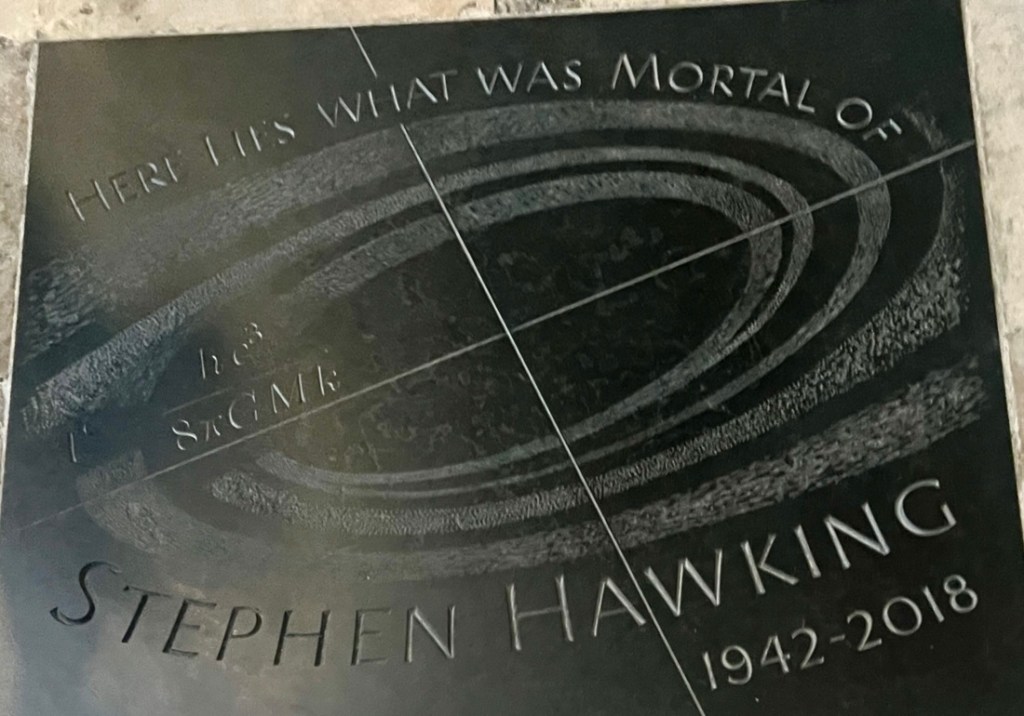
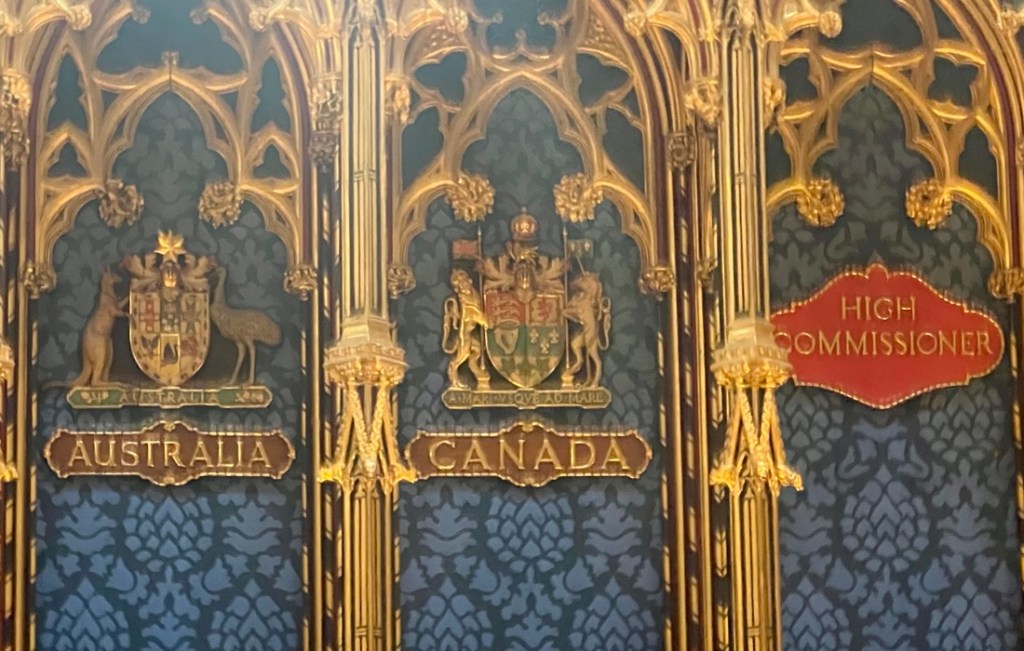
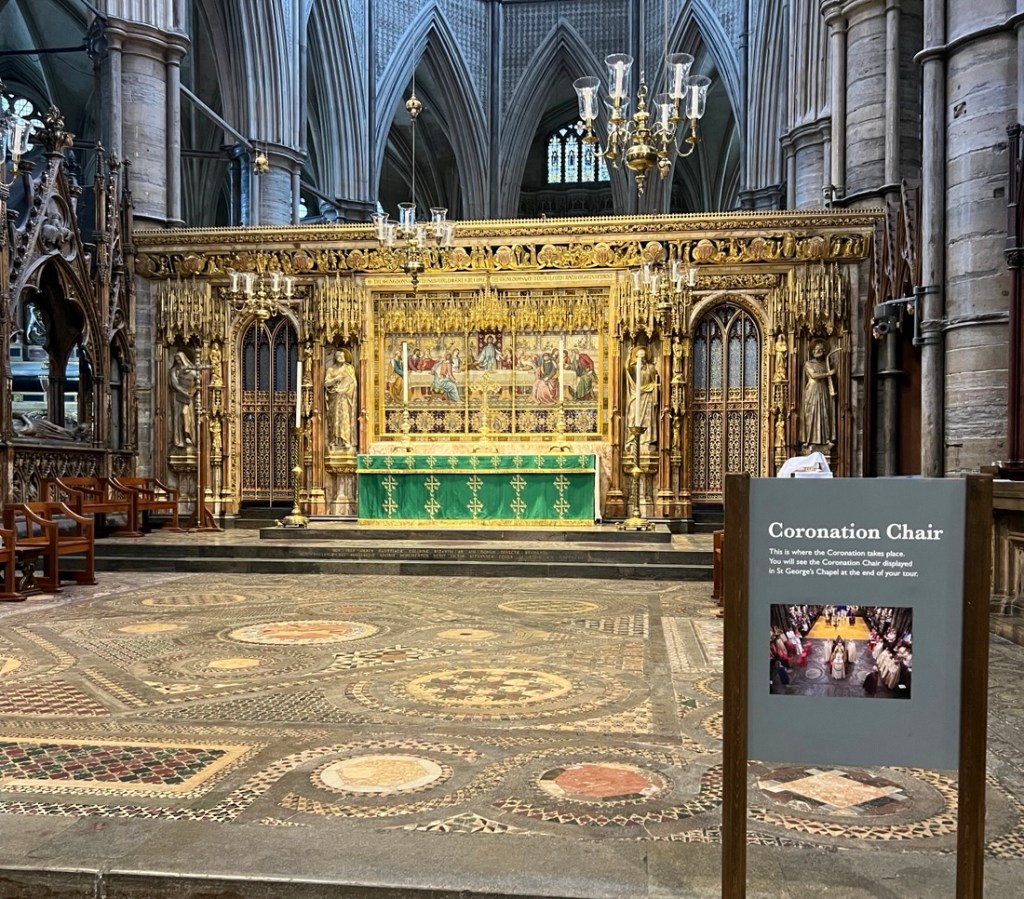
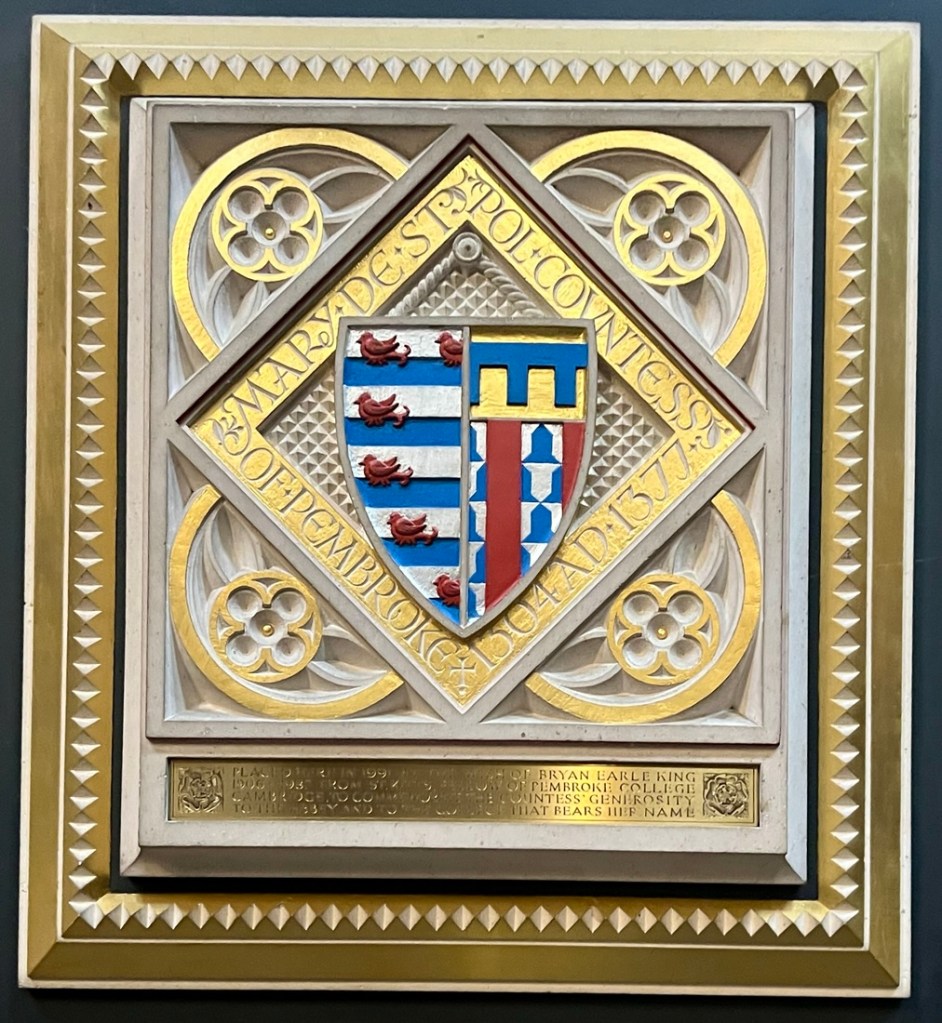
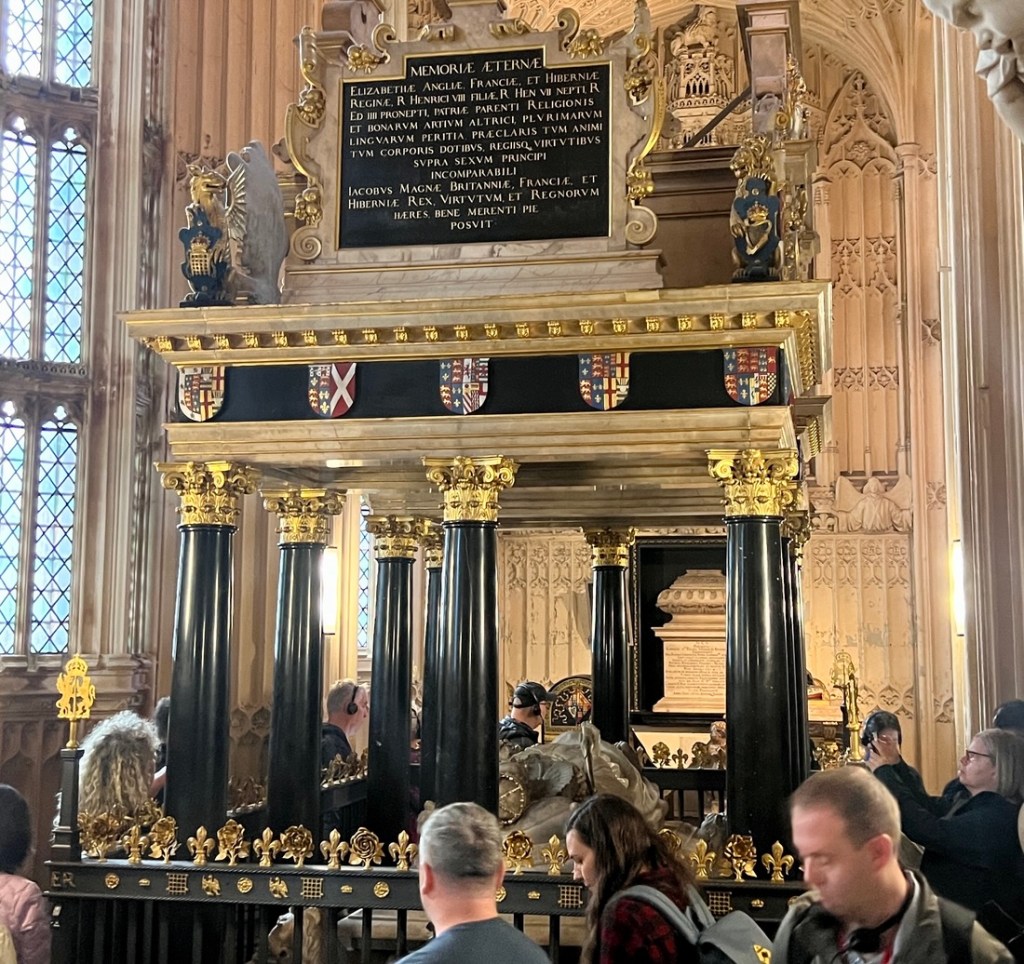
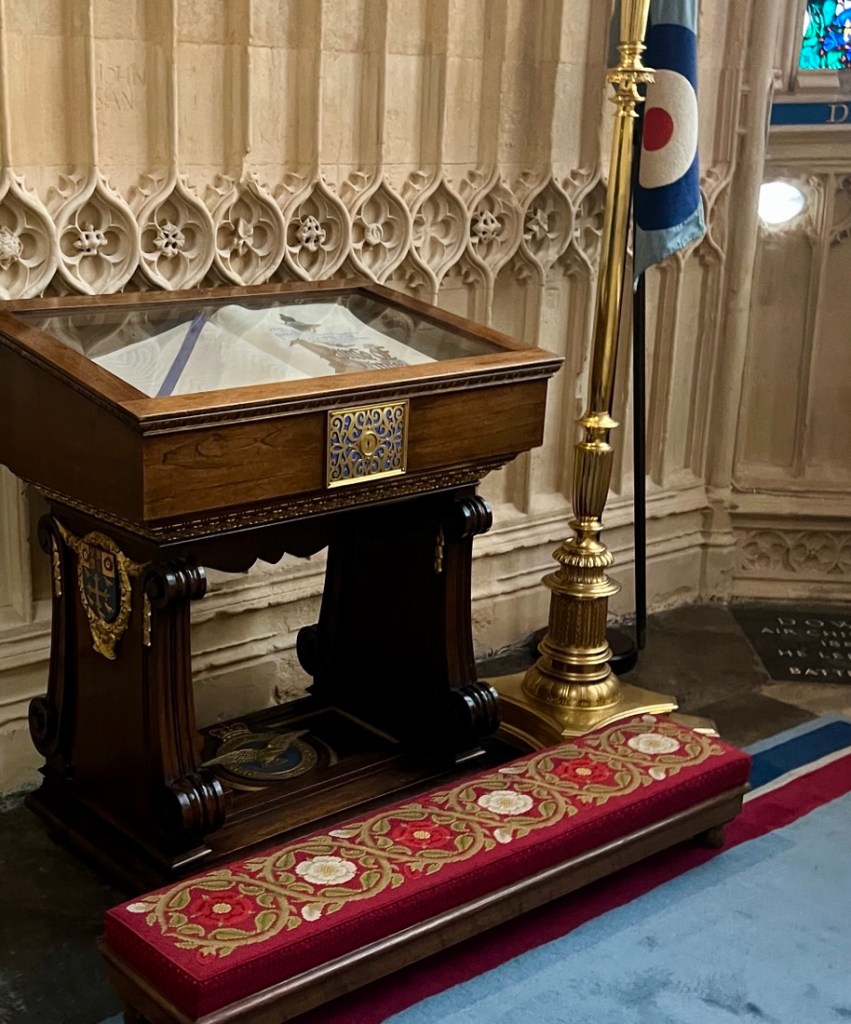
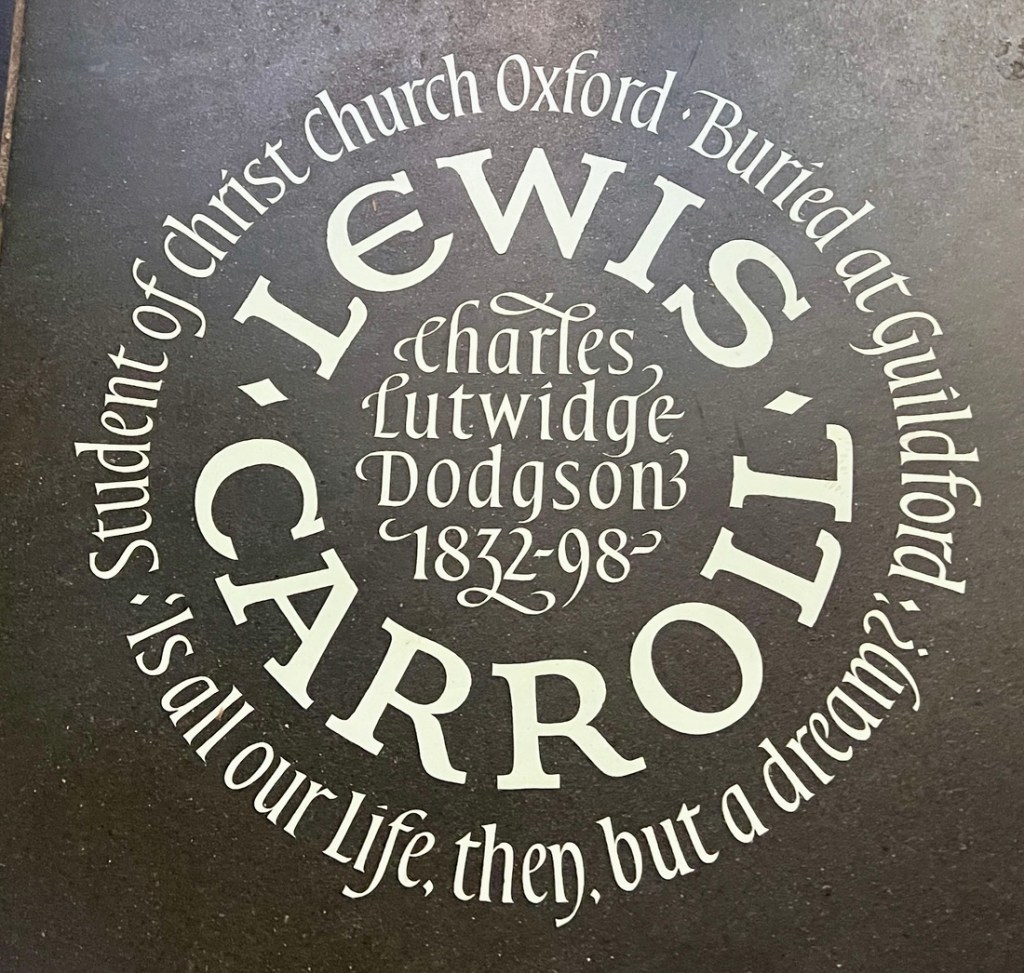
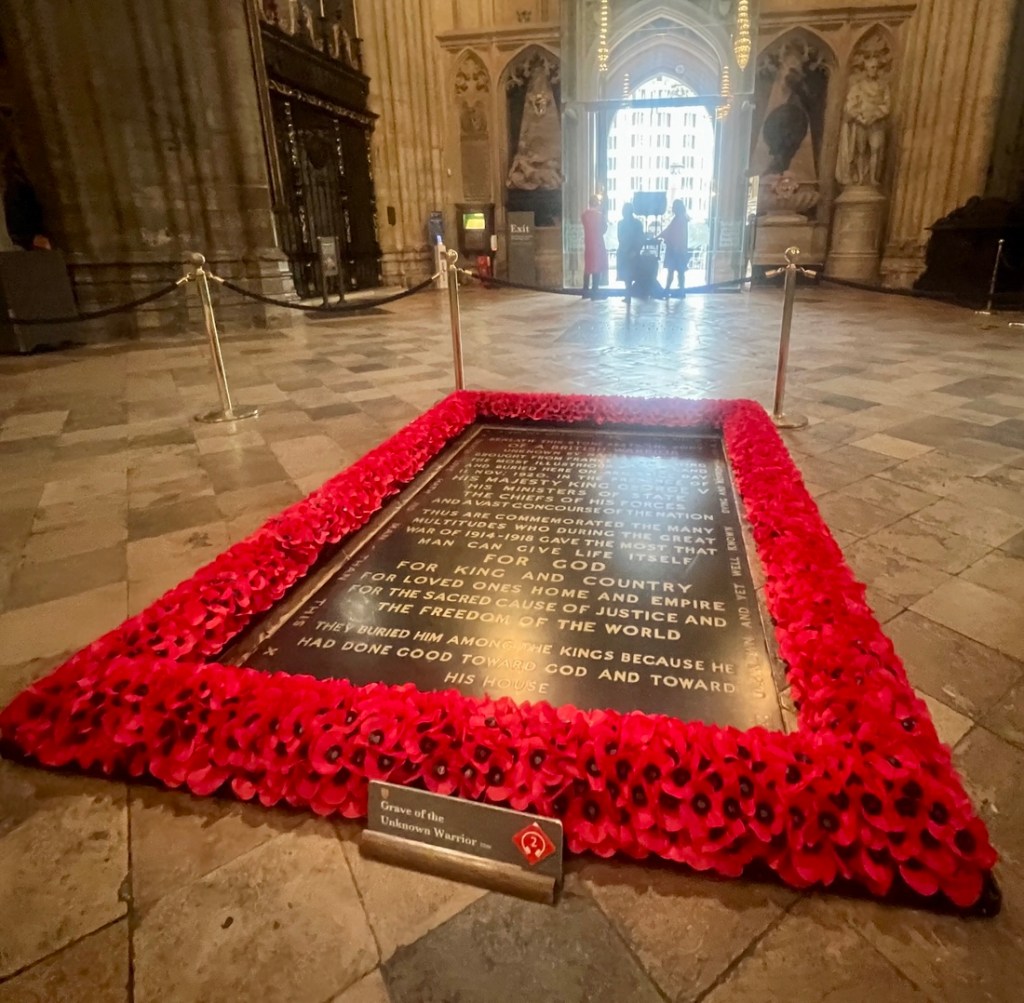
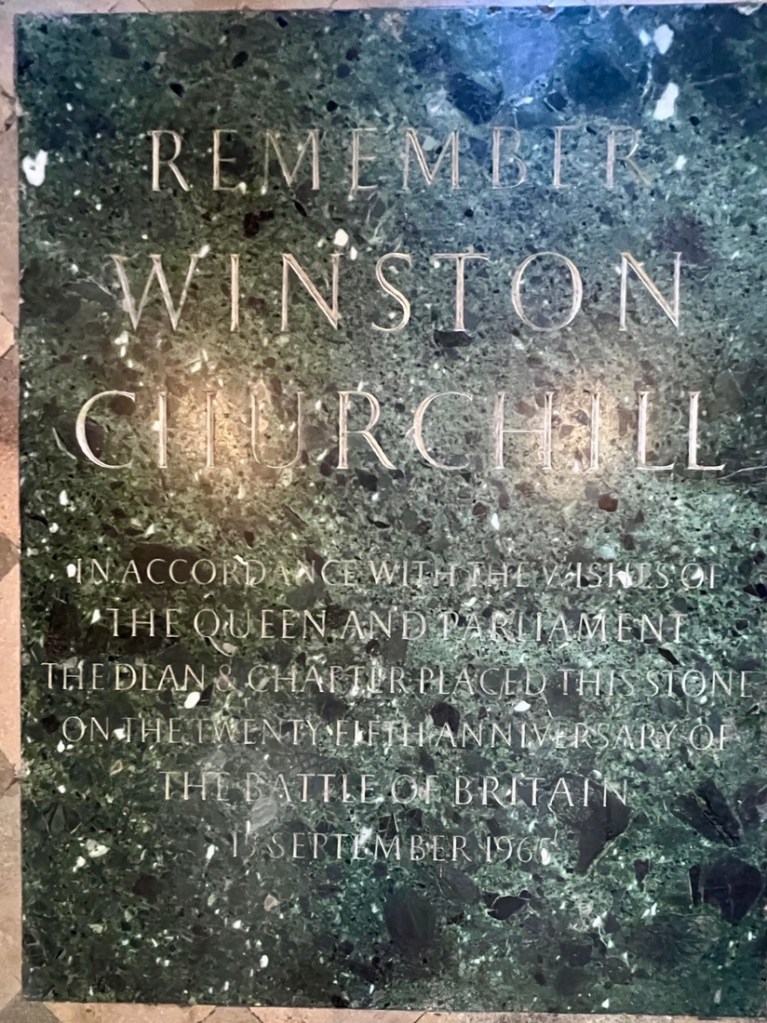
On our way to Westminster Abbey, we grabbed this photo of the Palace of Westminster from a near-deserted. Westminster Bridge. Little did we know that it would be jam-packed with United The Kingdom protest marchers less than five hours later! Next to the abbey is St. Margaret’s Church, which has been the official church of the House of Commons since 1614.The first monument I noticed on entry to the abbey was this one to William Wilberforce, who championed the abolition of the slave trade.In the area for scientists, there is a grand memorial to Isaac Newton.On the floor by Newton was this memorial to Steven Hawking, an outspoken atheist. It prompted discussion about the role of the abbey within the church.Close to the scientists was David Livingston, Christian missionary and explorer in Africa. This complemented the piece of tree containing his heart buried in Africa that I saw with Max during our visit to the Royal Geographical Society.The main quire was very ornate.There was a designated seat for the high commissioner of each member of the Commonwealth.In front of the High Altar is where all monarchs are crowned. The abbey has been the location of all coronations since 1066.Alongside the High Altar, I spotted this plaque and recognized the crest of Pembroke College, Cambridge, which I attended. The inscription explained that the Countess of Pembroke, who founded the College, was also very generous to the abbey.There were shrines to many dead kings. The shrine of Edward the Confessor had a special place as he established the first abbey on this site in 1060. He was the last reigning monarch of the House of Wessex, with the current line of monarchs starting in 1066 when William I killed Edward’s brother-in-law Harold. Edward’s building was demolished in 1245 to make room for one that Henry III built, which remains today.Among the many tombs was this one shared by Queen Mary and Queen Elizabeth I, both children of Henry VIII. They followed the religions of their mothers, with Mary being Catholic and Elizabeth being Protestant, and supposedly strongly disliked each other. I thought that their having to share a shrine reflects some of the way Catholics and Protestants coexist today.At the eastern end of the abbey is the Air Force Chapel, with a book commemorating the airmen who lost their lives in the Battle of Britain from 10 July to 31 October 1940, when the RAF successfully defended the island from the Luftwaffe. The picture shows the Roll of Honour which contains the names of 1,497 pilots and air crew who lost their lives in the battle. It included many from foreign nations, including some Americans who had volunteered, potentially breaking US law as the US was officially neutral. It was after this battle that Churchill said to the nation, “Never in the field of conflict has so much been owed by so many to so few.” If the RAF had lost the Battle of Britain, it is likely that Hitler would have invaded Britain.A hole, caused by a bomb in WW2, remained unrepaired as a reminder.Next up were authors in Poet’s Corner, with a large memorial to Shakespeare.This plaque honoured Lewis Carroll. I missed the plaque for CS Lewis and it seems Tolkien has not been dead long enough!We enjoyed the airiness of the cloisters, and tea and cake in the cafe. Close to the main entrance is the abbey’s tomb of the unknown soldier including the bones of an unidentified victim of WW1. It is the only grave in the abbey that one does not walk on, and even Kate Middleton has to walk around it when being led up the aisle for her wedding. In 1921, US General Pershing awarded the Medal of Honor to this unknown soldier. This memorial to Churchill is right at the entrance to the abbey, and was a fitting transition to our next activity.
We felt that the abbey was more of a memorial to the deeds of men than anything to do with God or Jesus, even though it remains an active church.
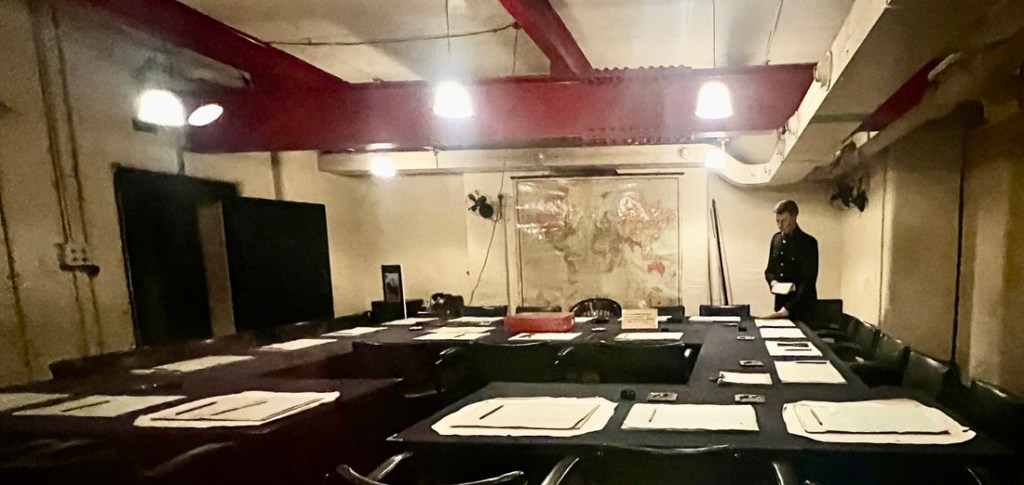
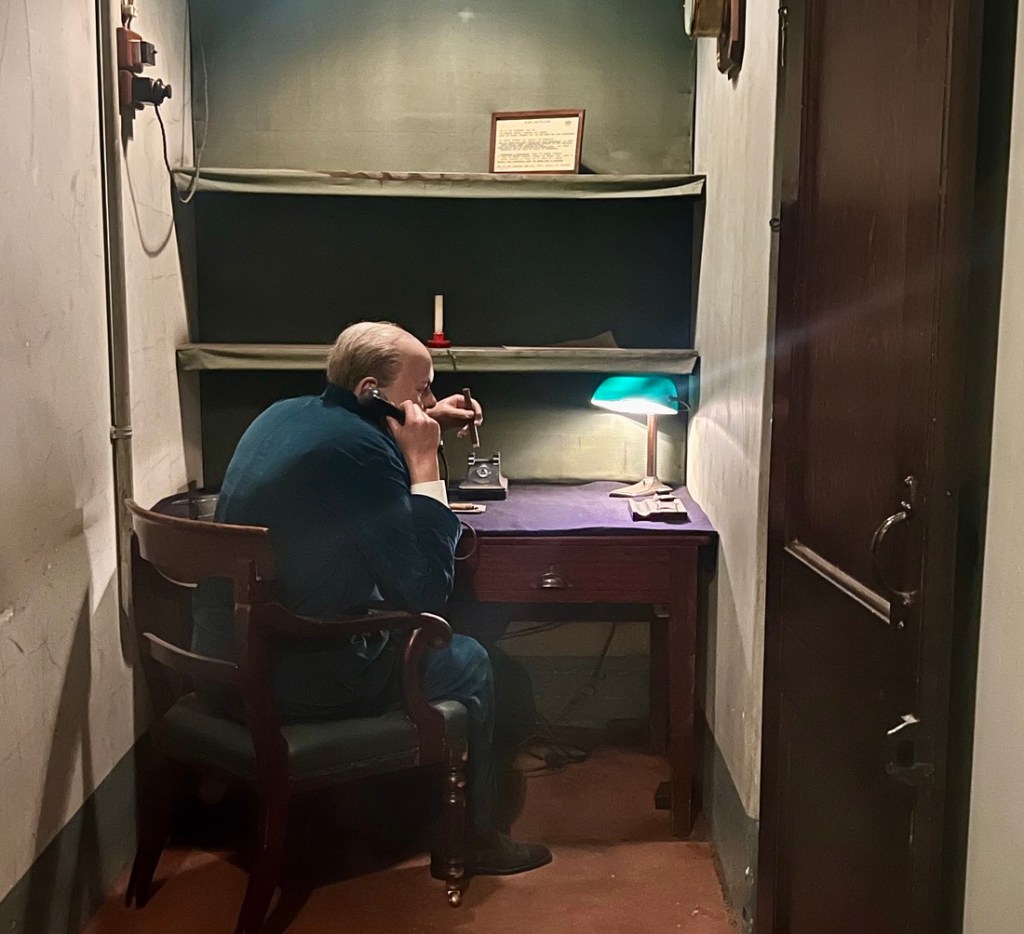
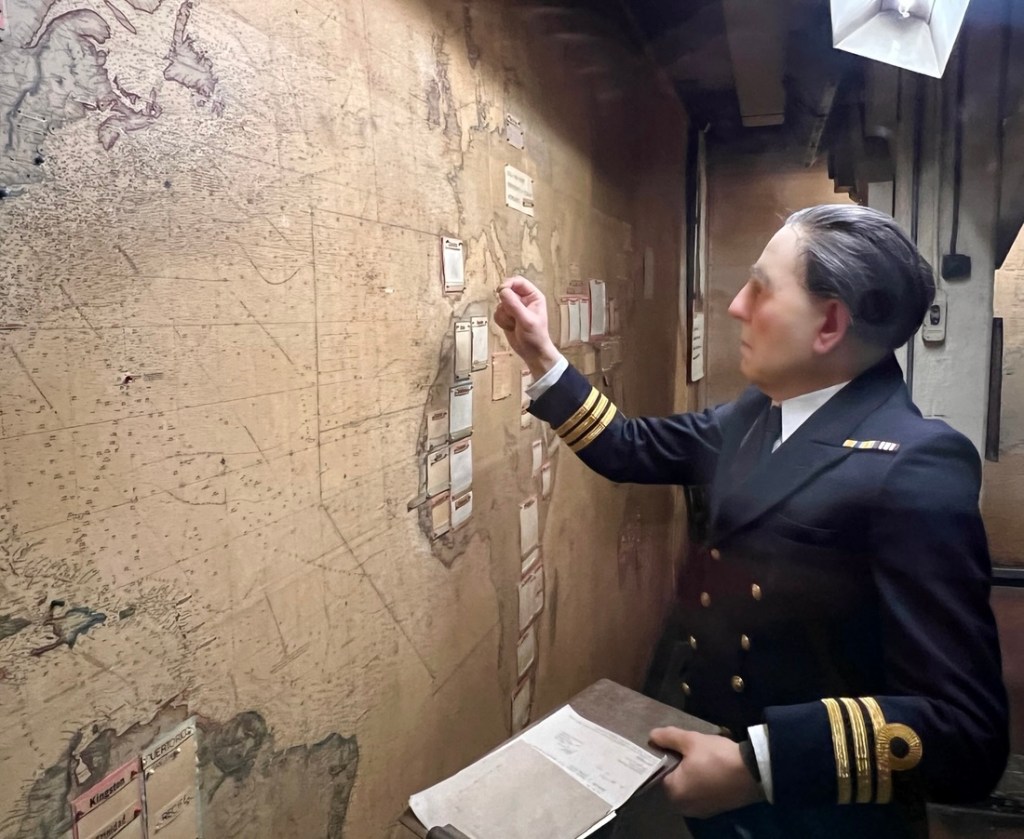
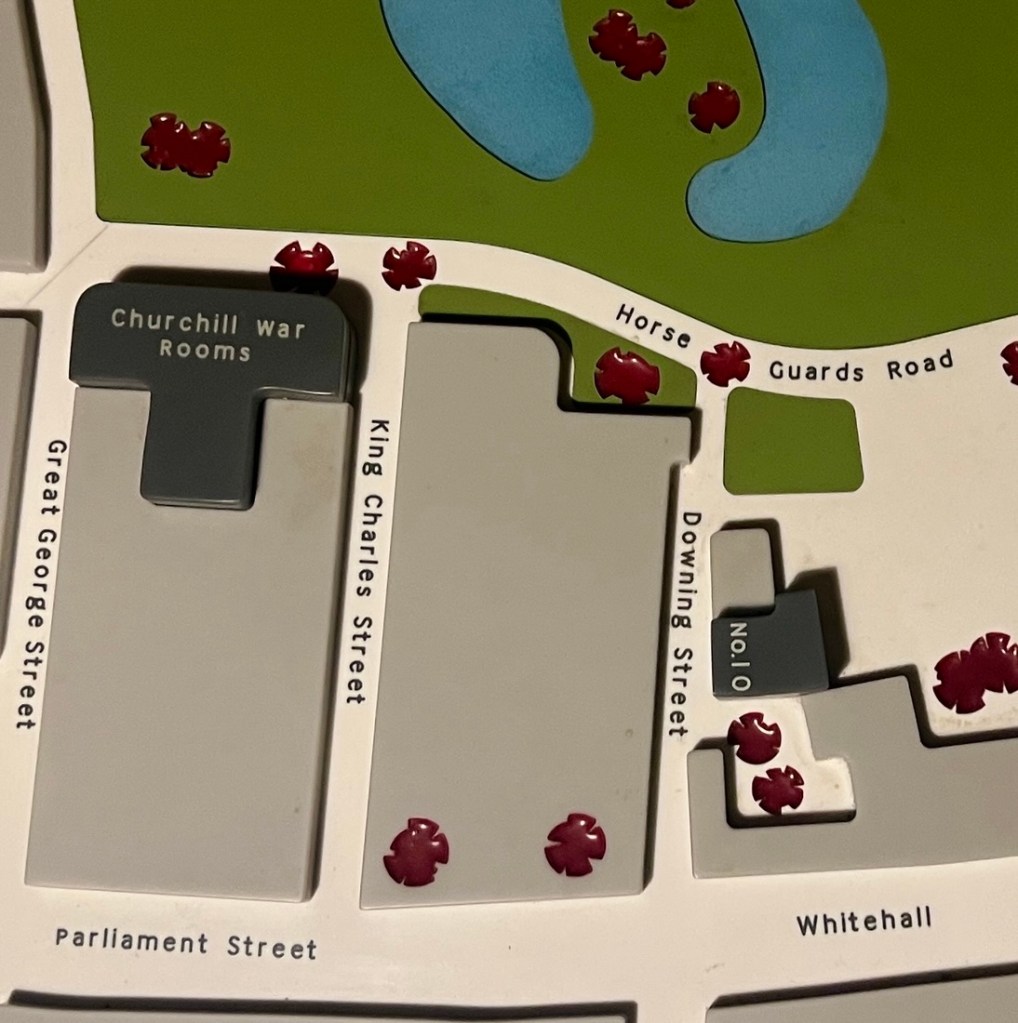
It was just a ten minute walk to Churchill’s War Rooms. This was a fascinating insight into this secret bunker that was used in WW2. It also included a lot of detail about Churchill’s life that was difficult to absorb after other visits.
The war cabinet met in this room which was converted from an existing basement.Churchill’s rooms were only accessible via the office of his principal private secretary.This was a secret room that Churchill used to talk to the US president using the SIGSALY scrambler.This room reminded me of accommodation on an oil platform!The map room was the same as it had been at the end of the war.This diagram shows where bombs landed during the war.
As we left the war rooms, it was raining hard and the only nearby shelter was at the entrance to the treasury next door!
Staying out of the rain!
After the rain eased, we headed towards Trafalgar Square to get some refreshments in the Cafe in the Crypt below the church of St Martin in the Fields. We could hear the loud demonstration in Whitehall and all the streets towards it were blocked. There was a large police presence to keep the right wing protesters away from the left wing ones. I found it ironic that there were two sides, labeled fascists and communists, and we had just been reading about how Churchill battled with the same.
No way through to Whitehall.Part of the left wing counter protest.Keesha enjoyed her quiche in the cafe in the crypt.We tried to get to Embankment station but there was a wall of right wing protesters.We took a tube from Charing Cross but learned Westminster station was completely closed.We came up at Embankment station and managed to avoid the crowds and get to our hotel.In our hotel, I watched the news coverage of the protest.We had been right in the middle of it!
The protest caused us to eat at the hotel and wrap up the trip with a fine relaxing meal. The following morning, we enjoyed a relaxed breakfast in the hotel before Janet and Peter escorted the Tonderas to the Elizabeth Line at Tottenham Court Road station and put them on a train to Heathrow. Our fine trip together had ended and our Thames Path adventure was complete.
"Cajunlimeys" combines Lousiana (Janet) and England (Peter). For "limeys," check out scurvy in the English navy.
We love adventures and use blogging to write a photo diary to preserve our memories. Some crazy friends enjoy following us and my notes might help others plan.
View more posts































 The Adventures of the Cajunlimeys