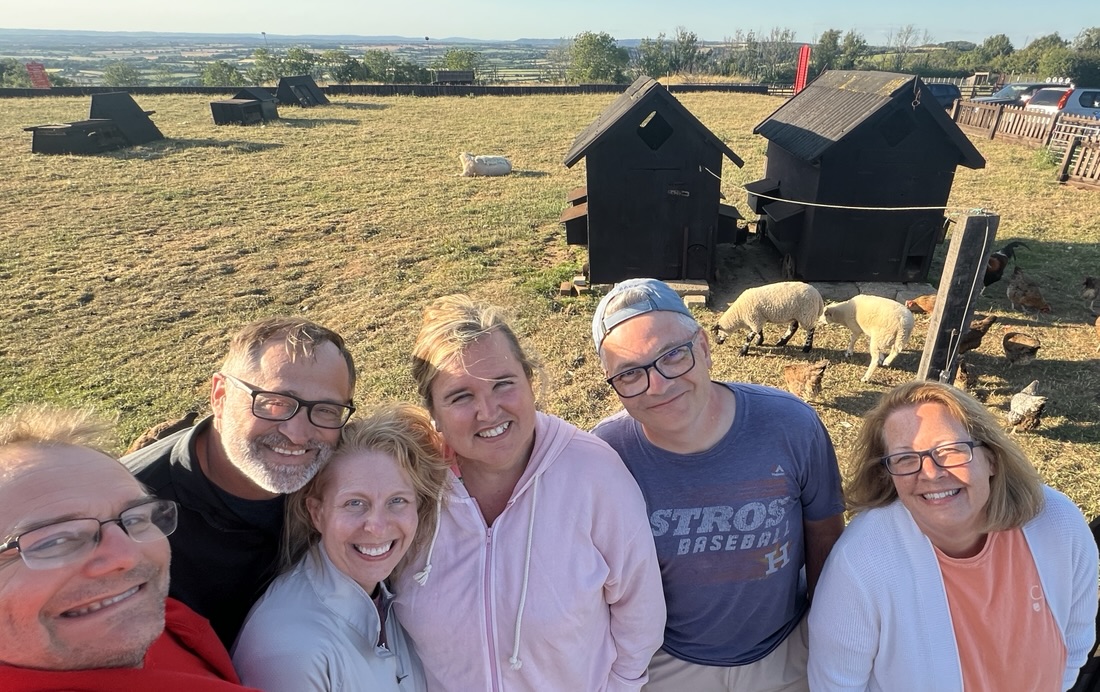
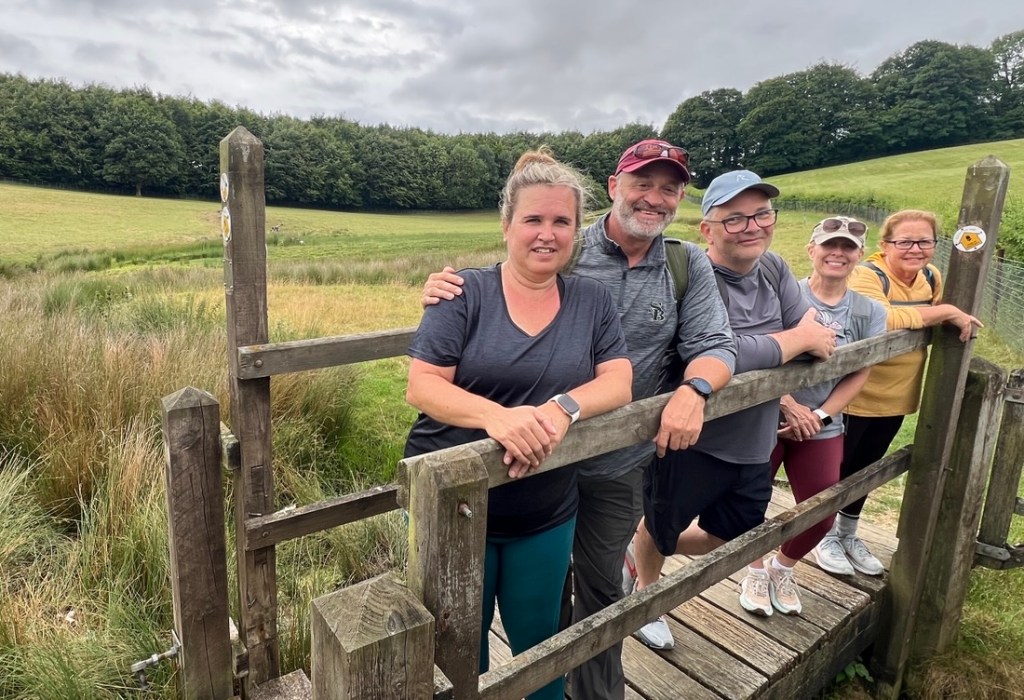
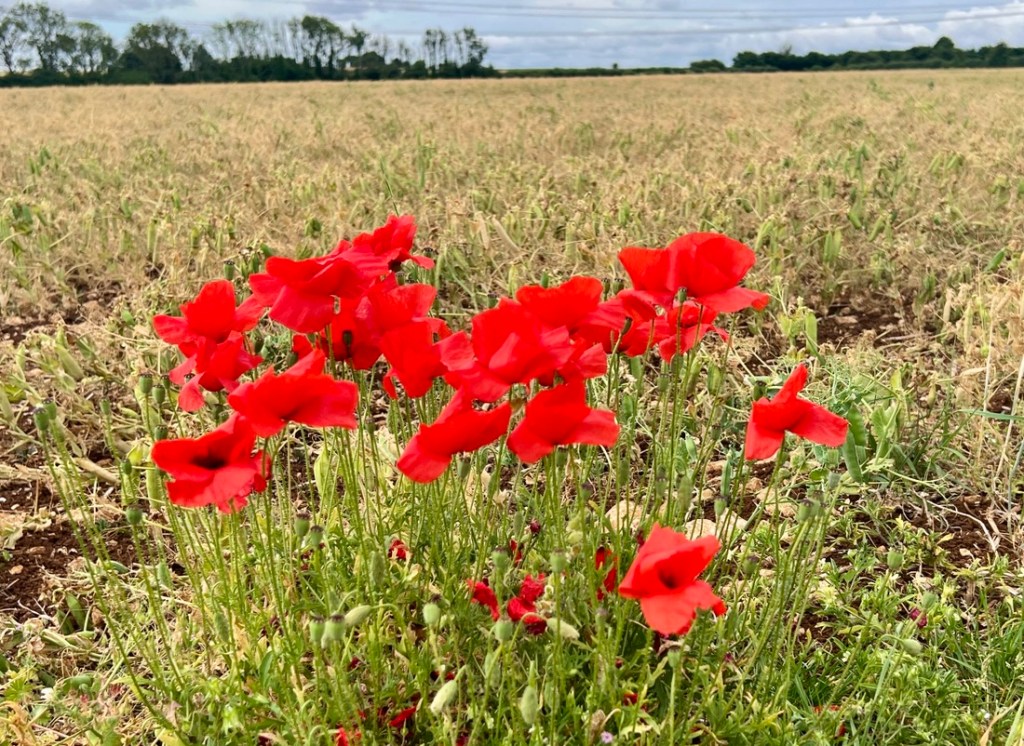
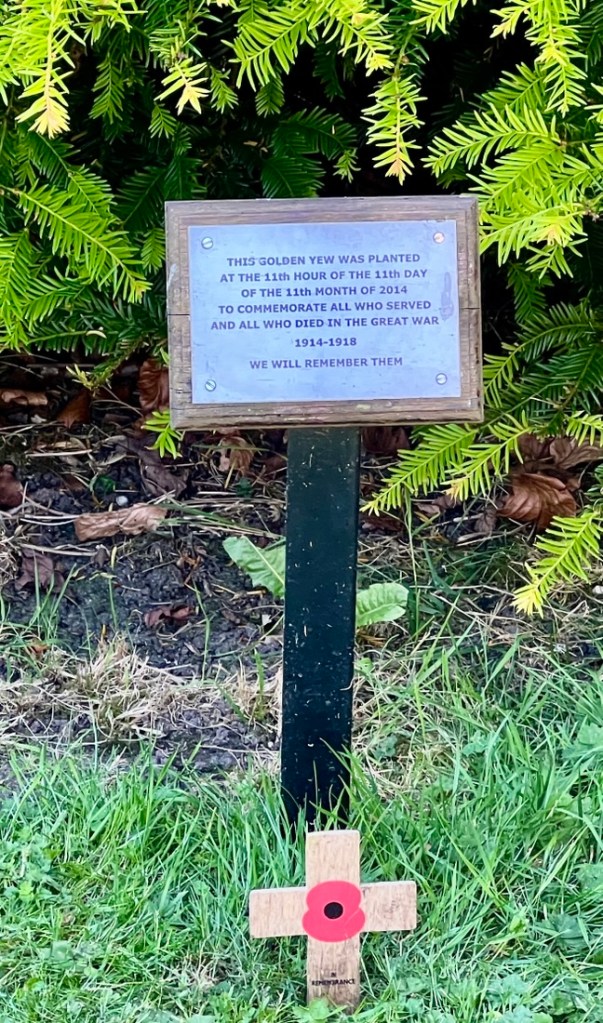
Team Sloth was back to full strength for the hike from The Dog Inn in Old Sodbury to Toghill House Farm near Cold Ashton. Our motto, “we will get there when we get there,” rang true. Today’s highlights centered around rest stops and food which suggests there was some fatigue! The landscape changed from wooded escarpments to wheat fields, cows, and busy roads – the latter of which led to several hair-raising games of Frogger. Today’s lesson was the humble poppy.
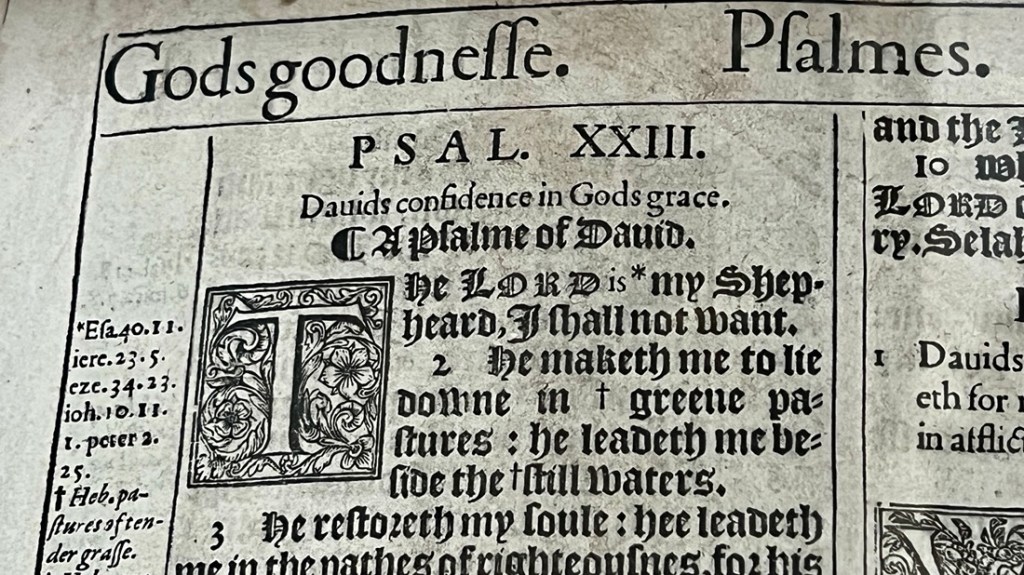
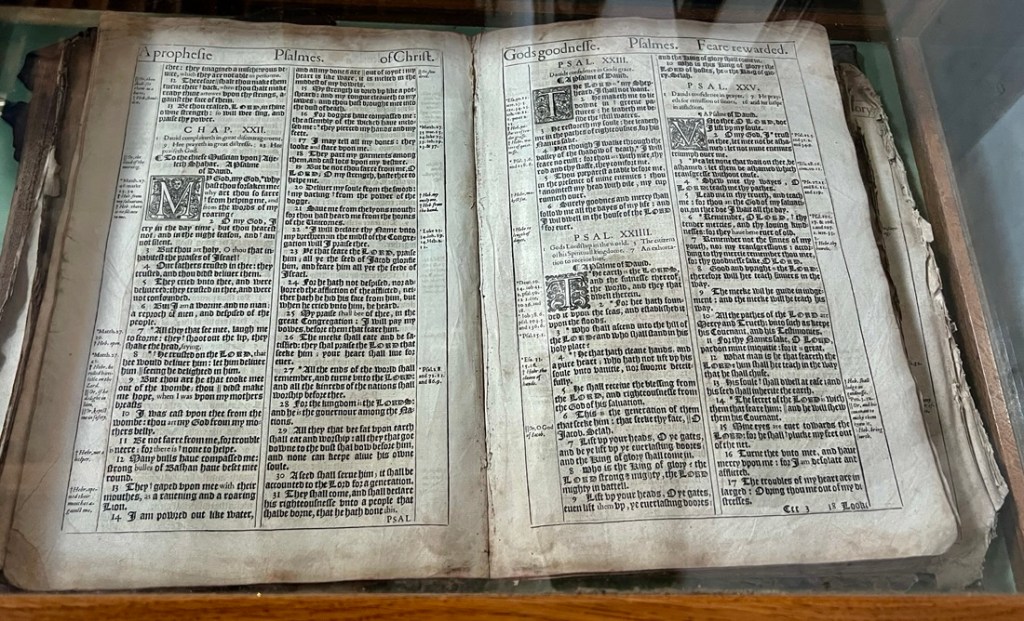
The day’s very pleasant surprise was finding a 1611 edition of the King James Bible. We passed through several small villages and admired churches. At one, a passerby suggested we go and check out a case inside by the north wall. No one else was around. Inside was the church’s Bible from 1611, though the church itself was older. A note describing it mentioned that it was very badly damaged and hence of little value, but we could read Psalm 23 clearly. It is not mentioned on any websites that I could find, and a large part of the fun for us was finding it “by accident.” So I will leave its location a mystery!
“The Lord is my shepherd, I shall not want. he maketh me lie downe in greene pastures; he leadeth me beside still waters.” Psalm 23: 1-2.Just a church’s Bible!
Below is our day’s hike described in pictures.
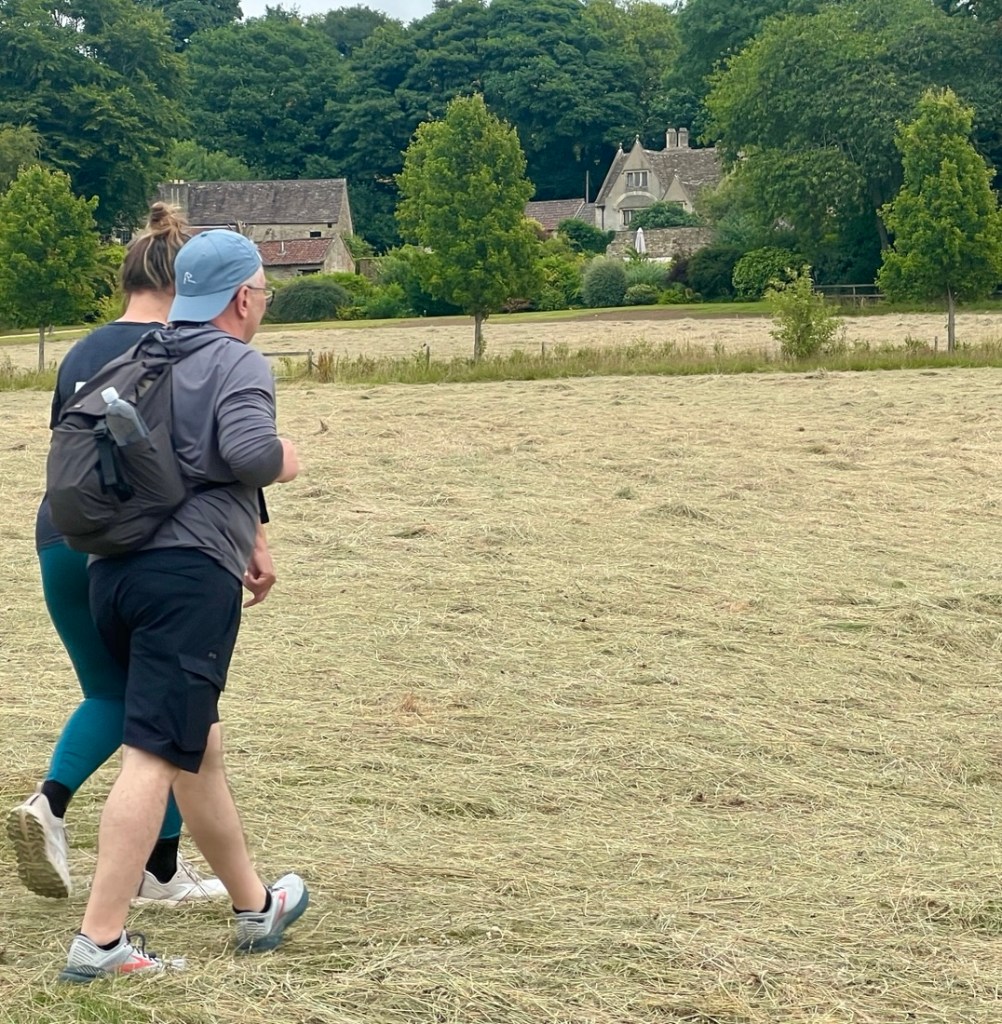
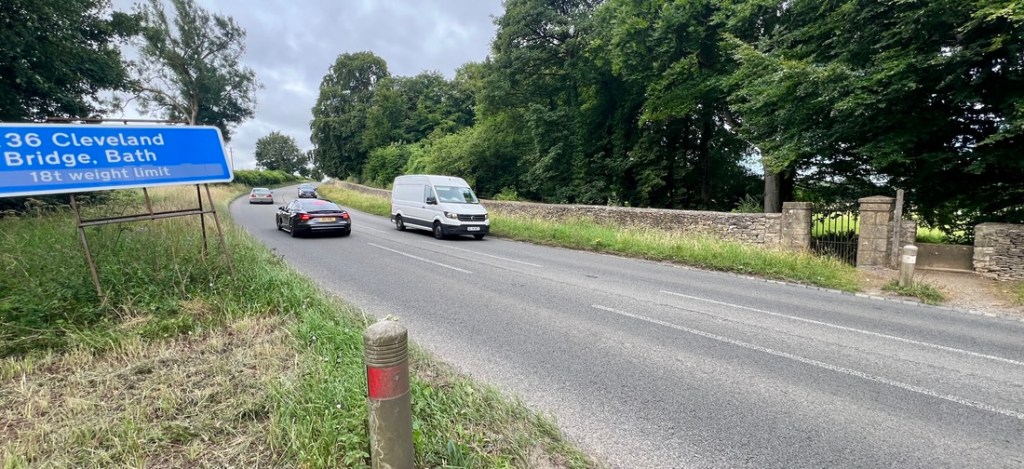
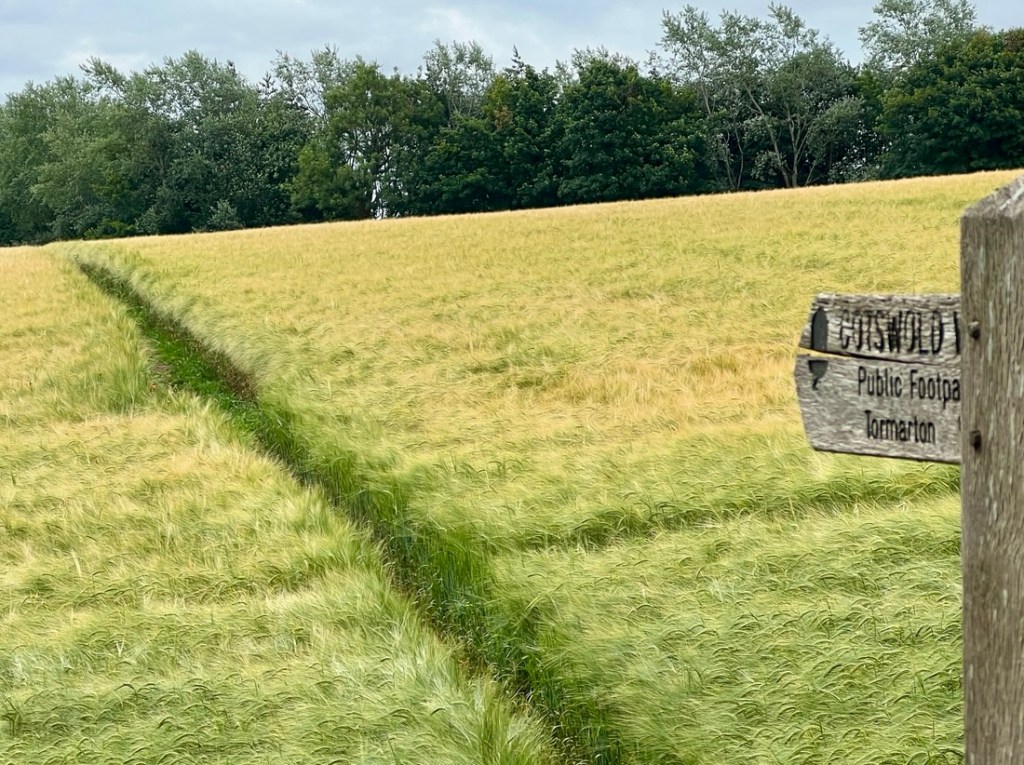
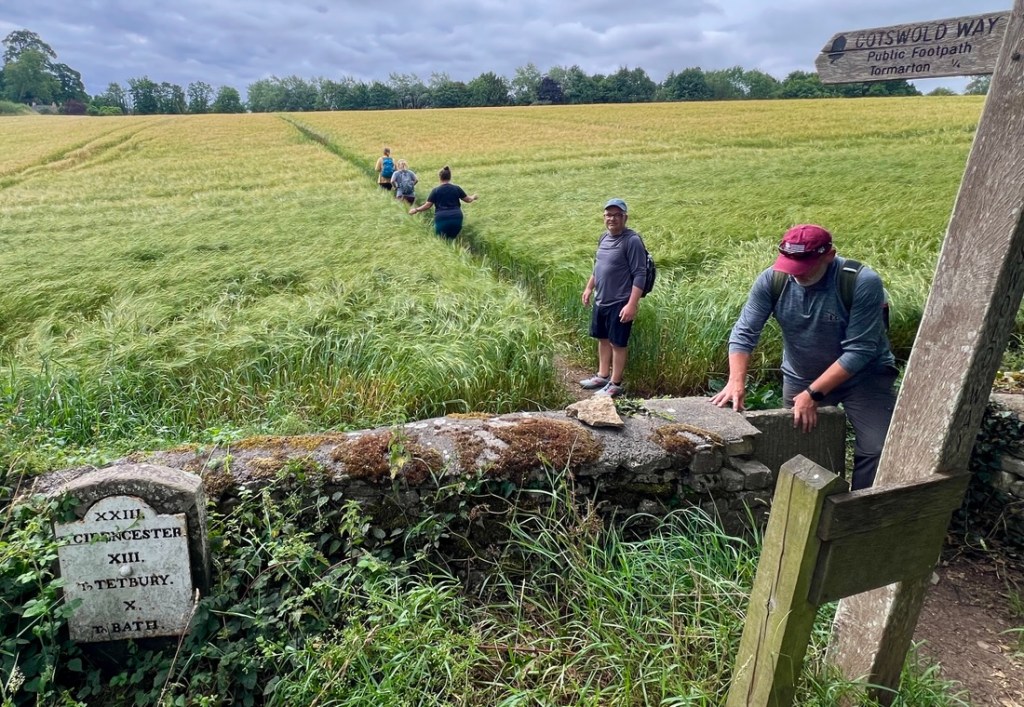
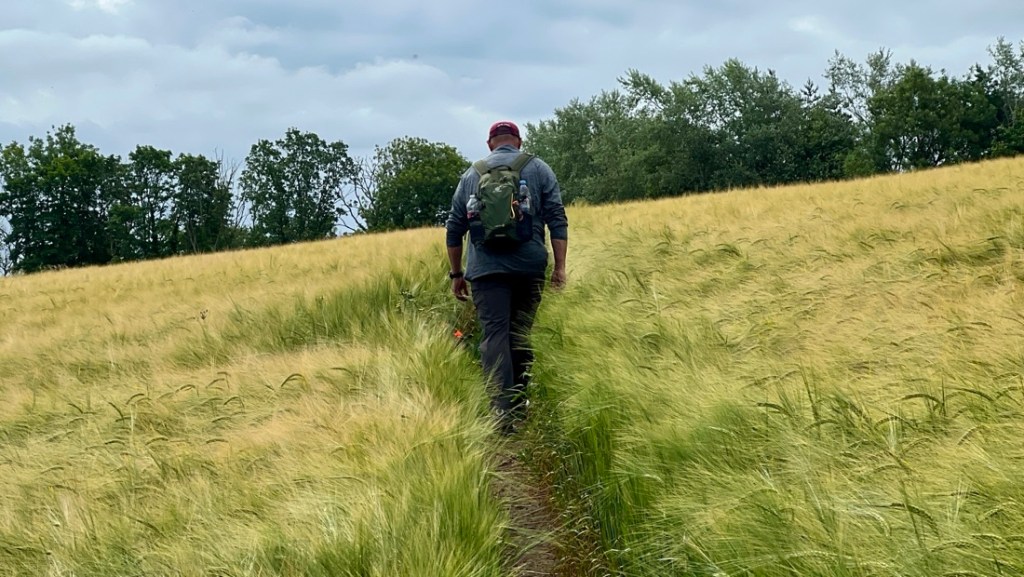
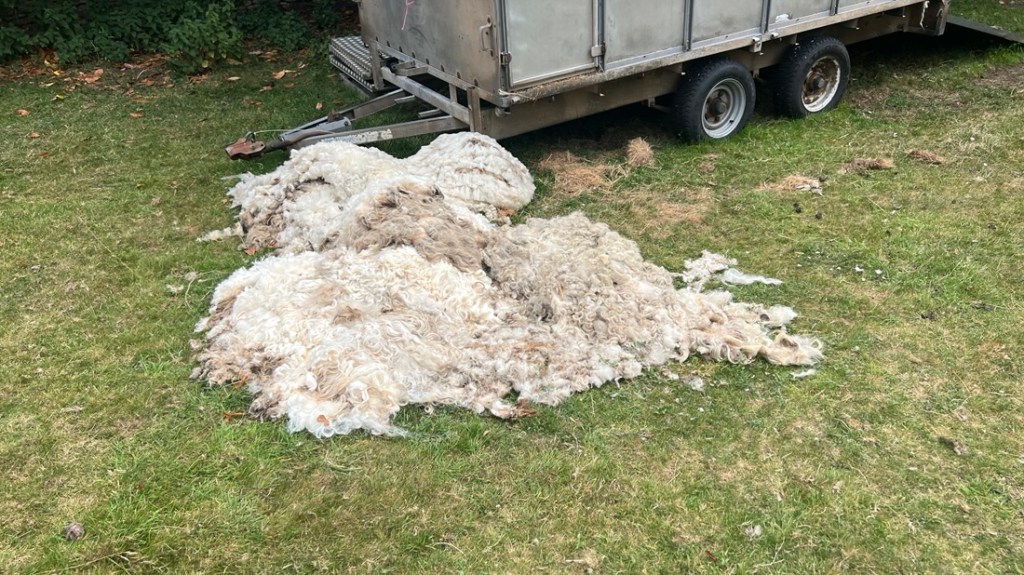
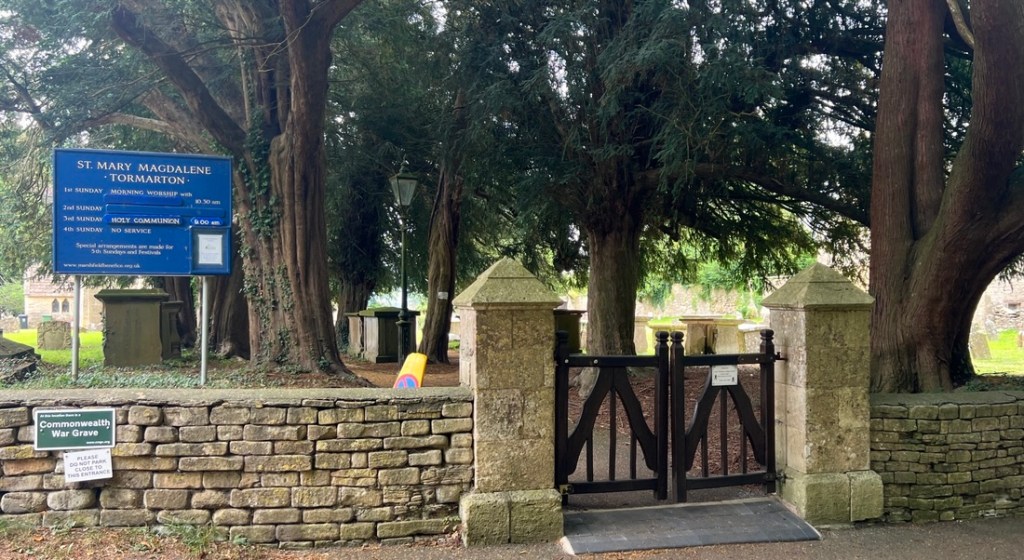
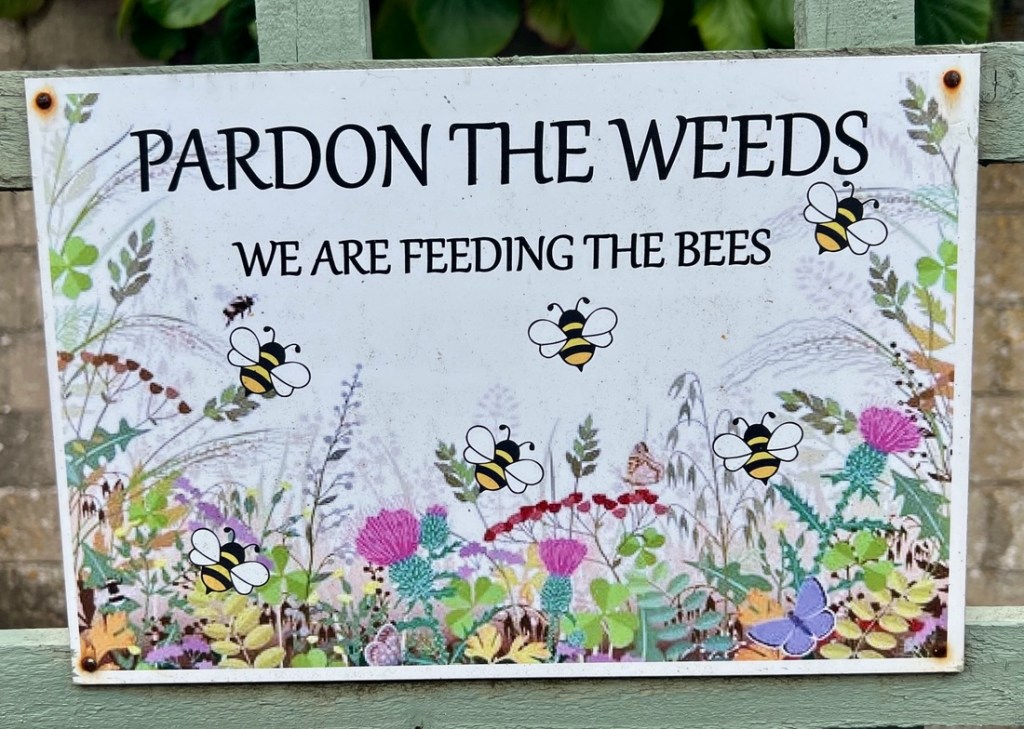
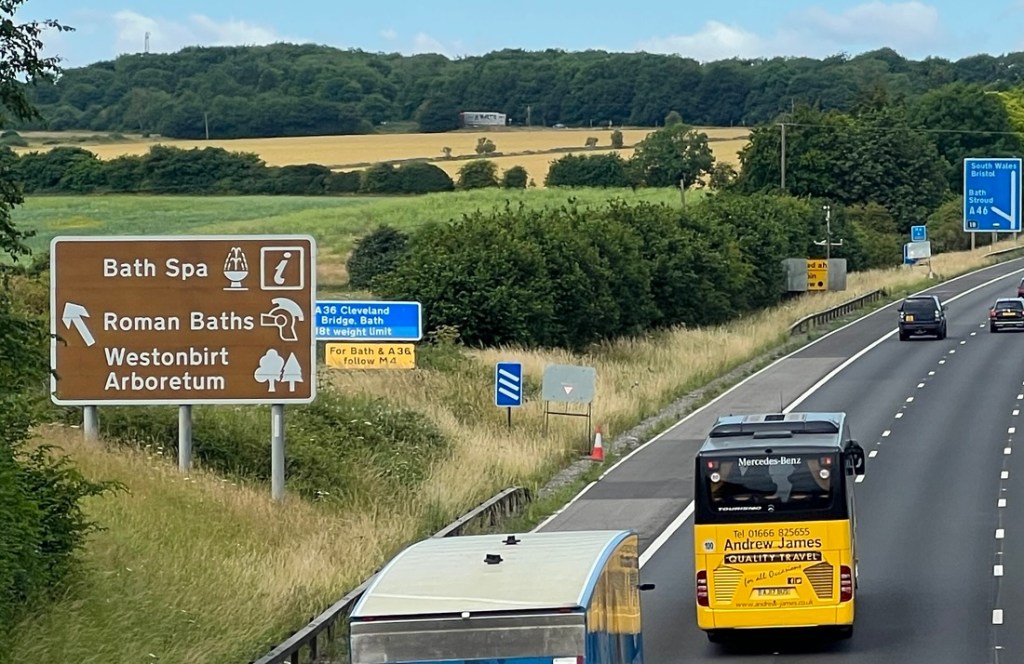
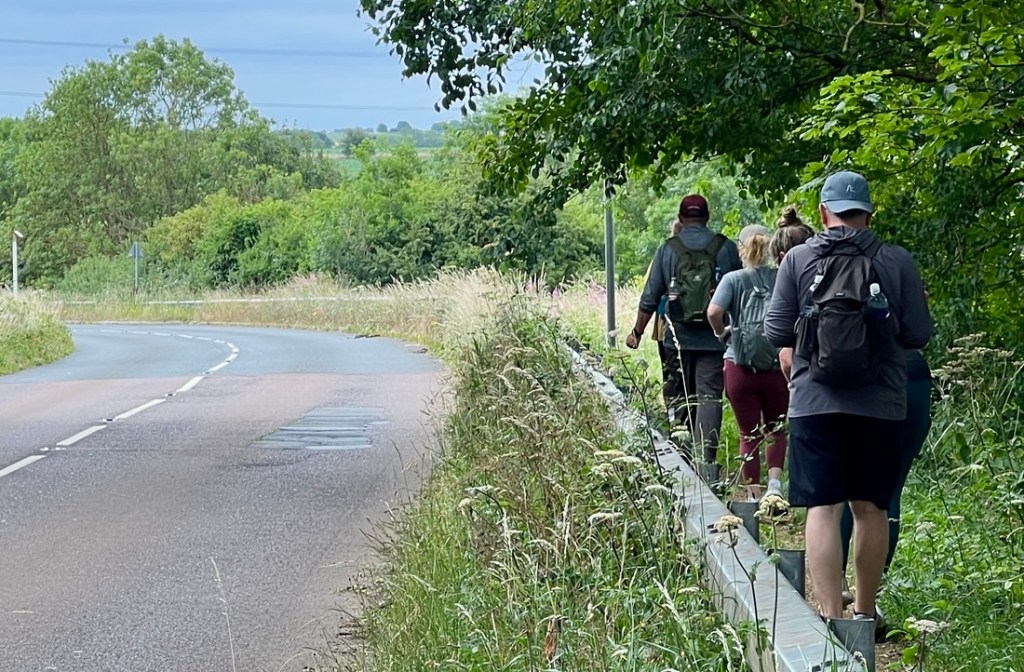
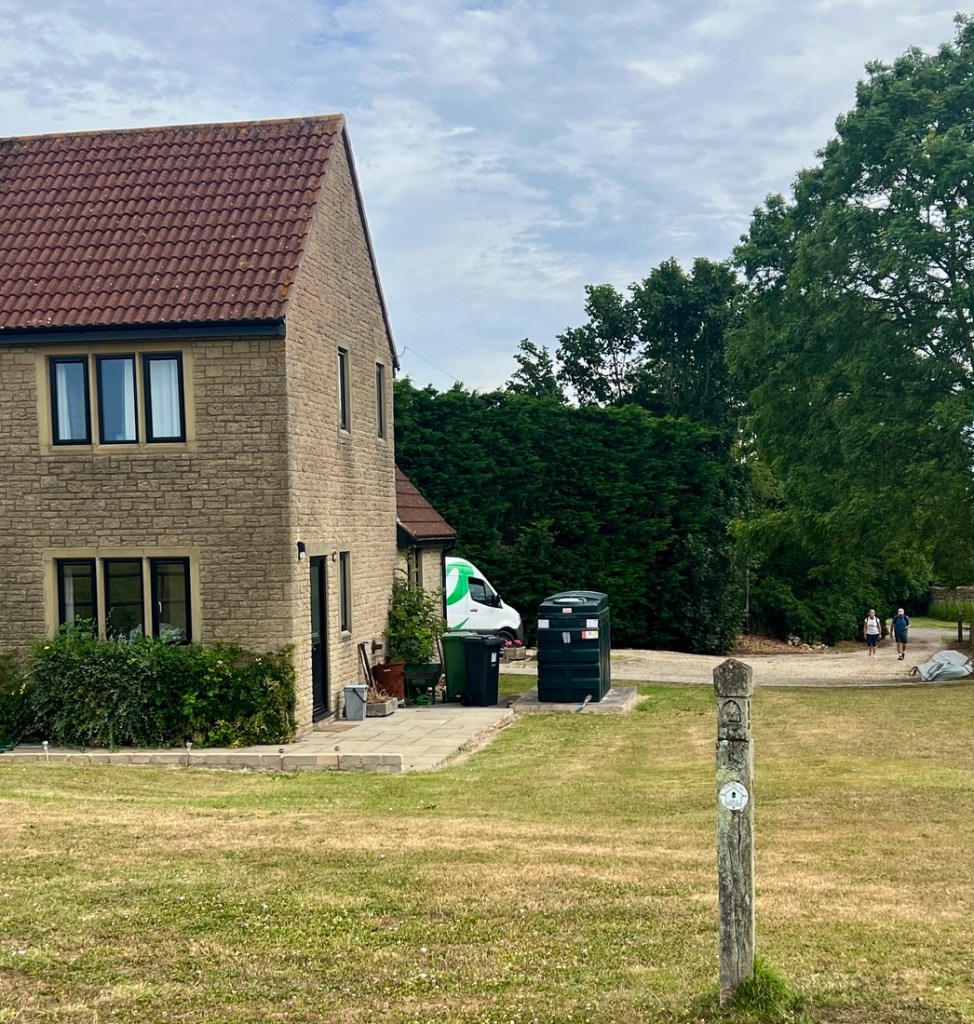
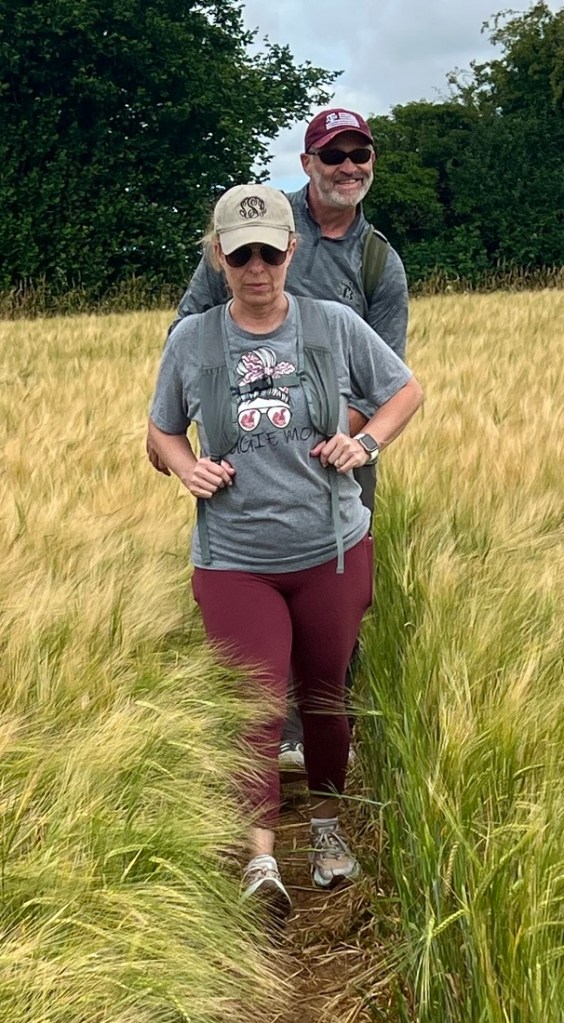
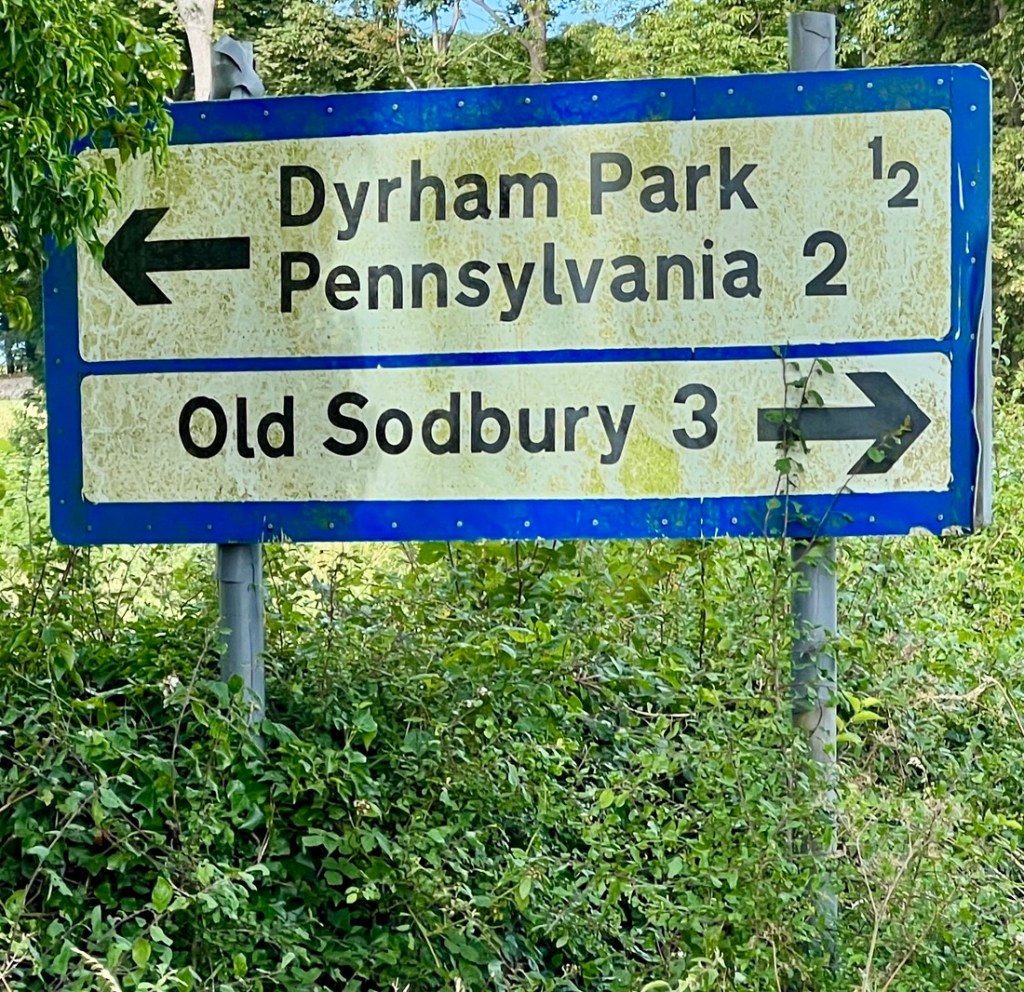
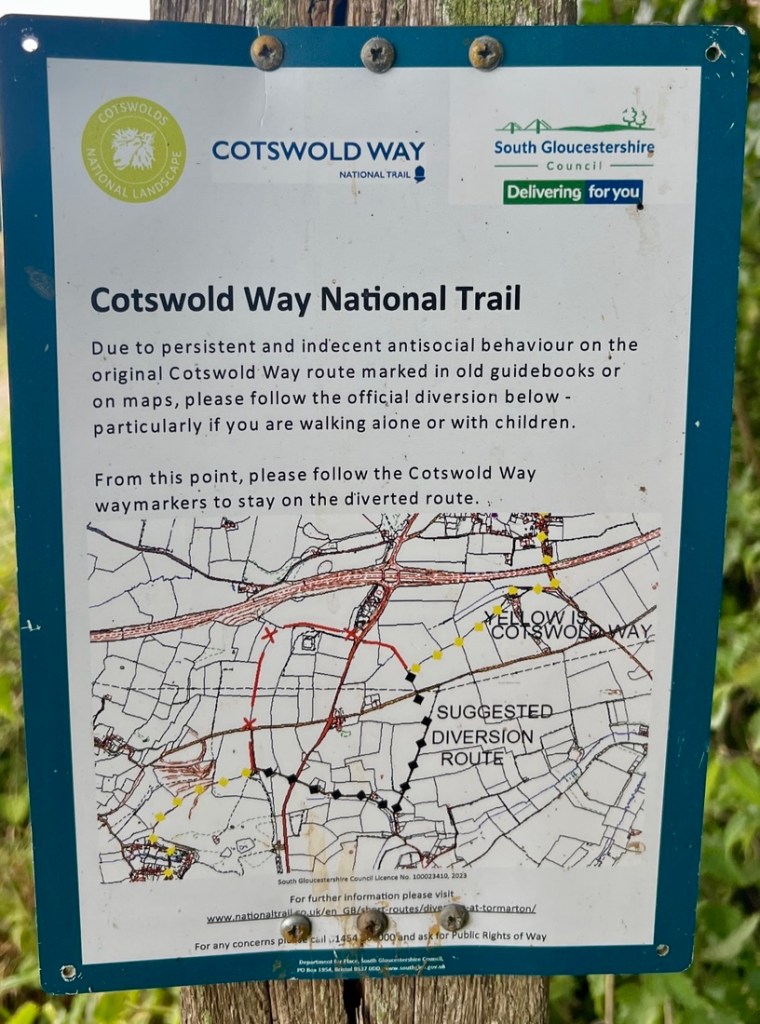
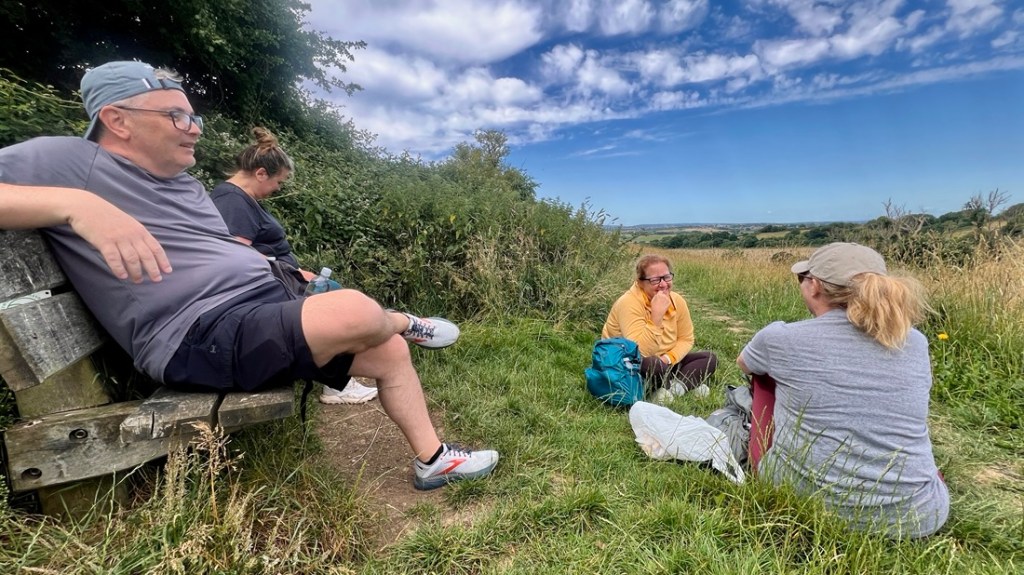
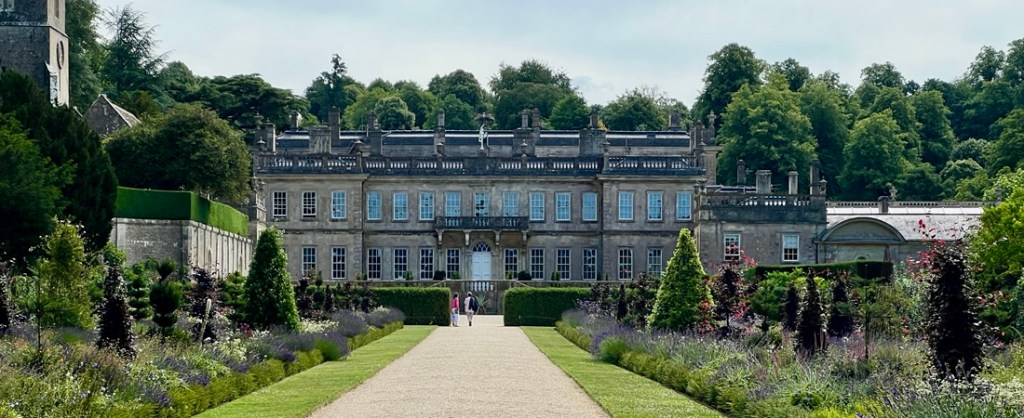
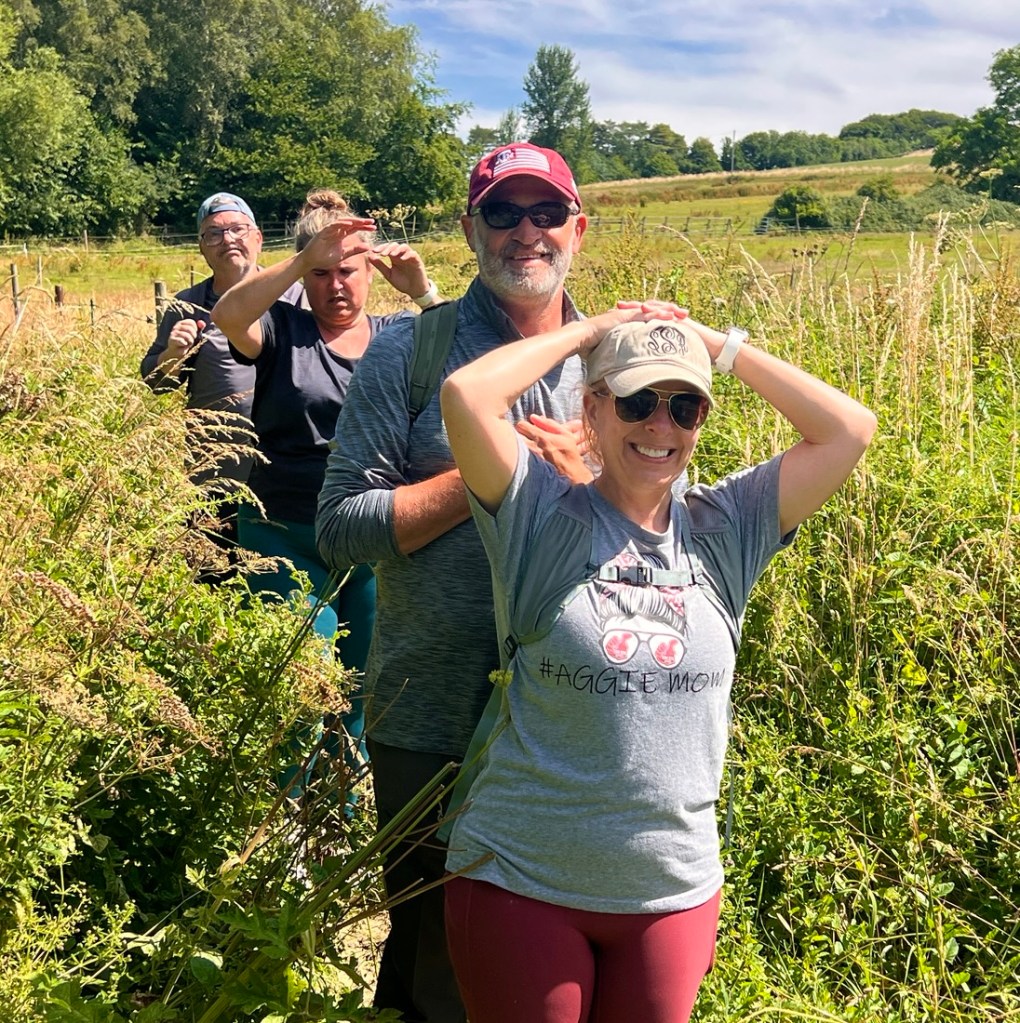
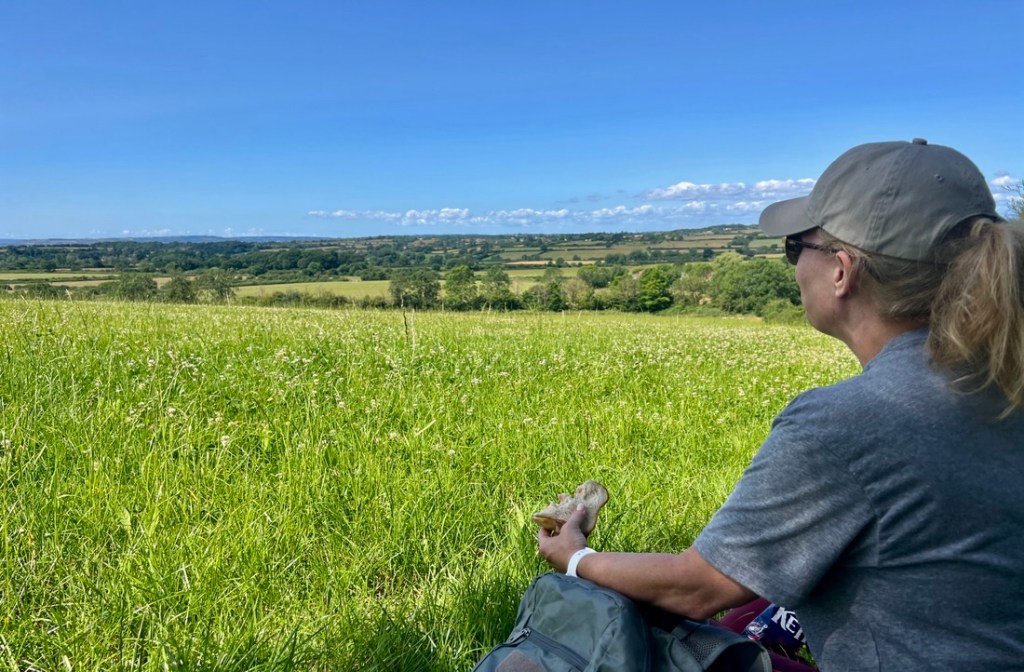
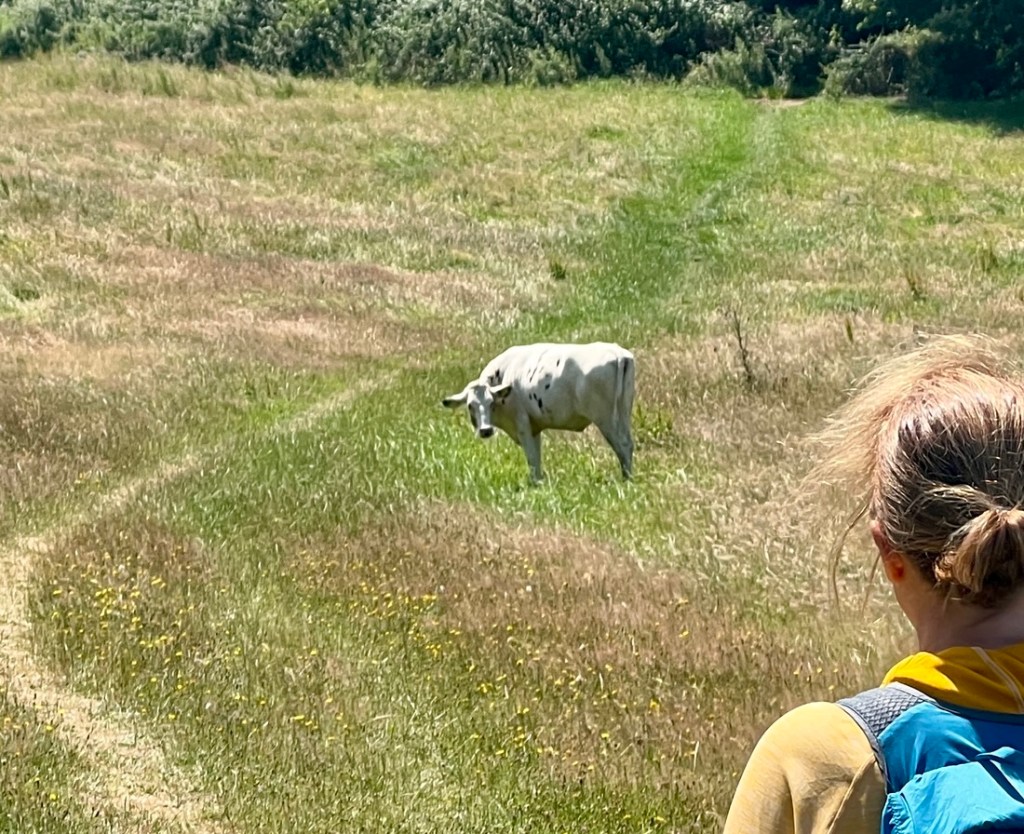
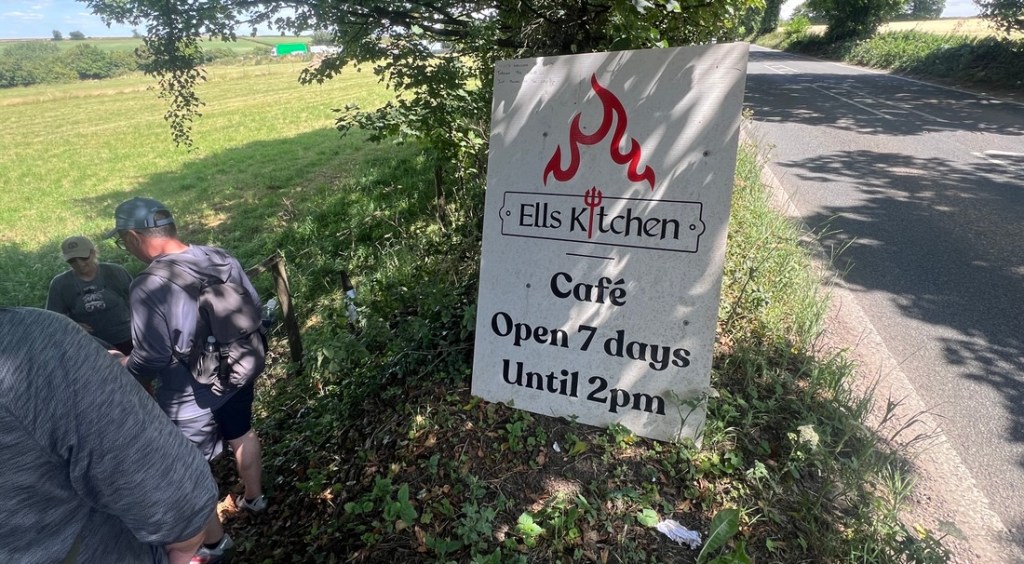
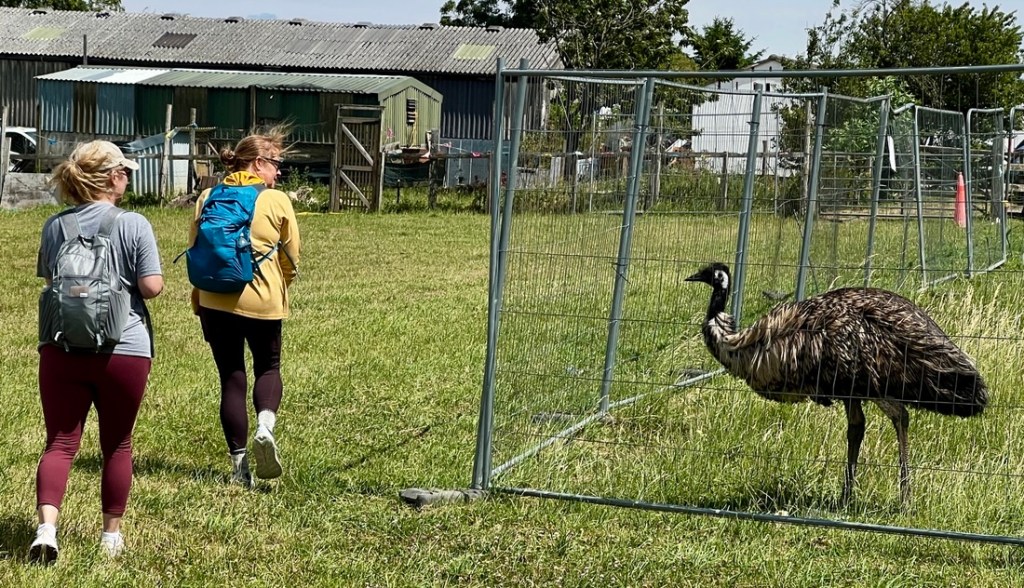
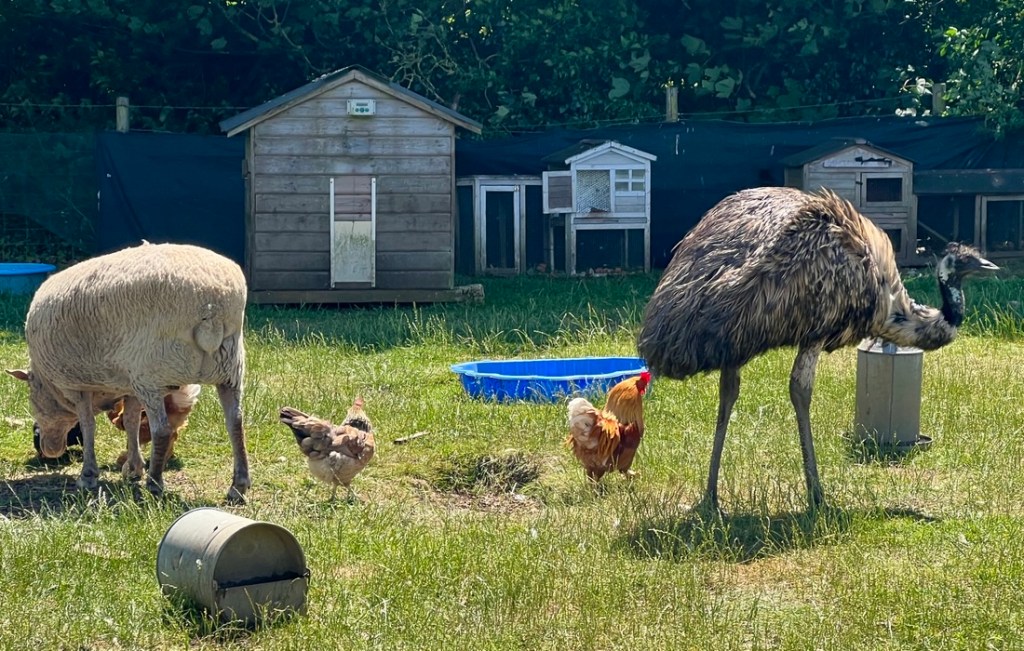
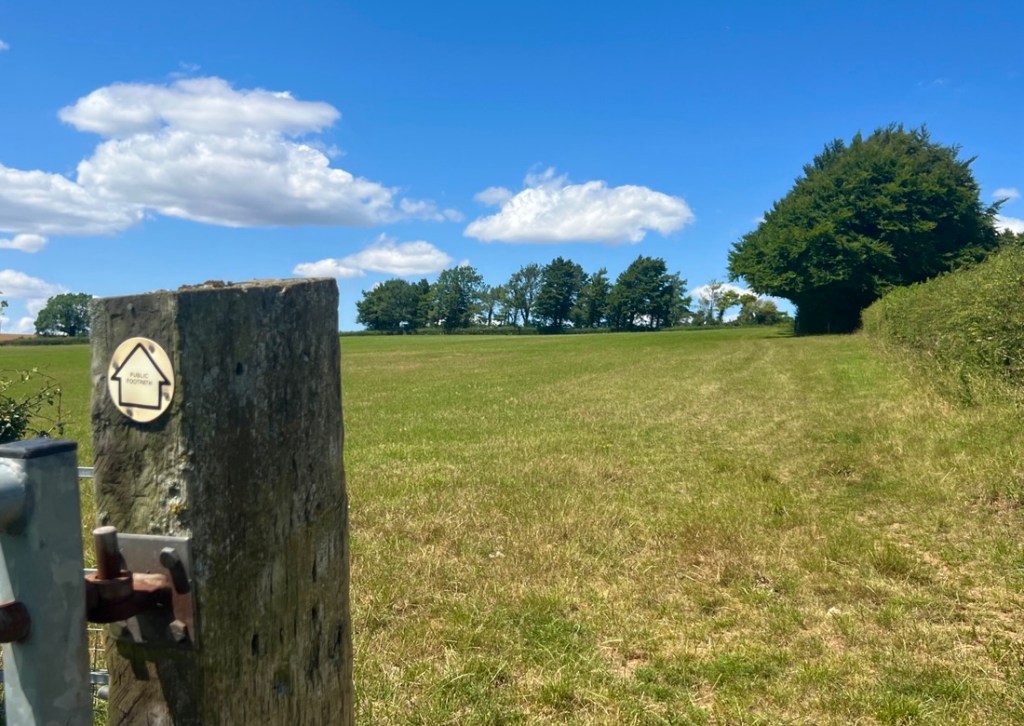
We could just see the outline of a path across this mown field. The cut grass was drying out, soon to be picked up and made into a bale. ‘Ay?The walk up this hill in Dodington Park got the heart muscle working. This estate now belongs to James Dyson, as in the name on your hoover (vacuum cleaner)!This small area of the park looked like moorland in the hills we have seen in the Lake District.Our first game of frogger. A low point of this leg was the number of busy roads we had to cross. I was not able to catch the terrified facial expressions as drivers honked their horns at us.While the road crossings were low points, walking through fields was very relaxing. The gentle slopes led to a fast pace.The milepost indicating 10 miles (X) to Bath had been restored.Crossing fields…A new style of stile. After an easy Frogger stage.Sheep are shorn for their health rather than the wool as the wool is not worth it. They are raised for their meat, or more specifically the meat of their offspring: lamb.The dead centre of Tormarton was quite scenic. The graveyard included this memorial to those who fell in the first and second world wars.The church yard also had this cool tree. Definitely a great dead centre!I need this sign for when I don’t pull my weeds!We walked on a road bridge over the M4, one of UK’s busiest roads and an important milestone on the Cotswold Way. We are getting close to Bath!We were thankful when the path was not on the road. While crossing this lawn was a great location for the footpath, I’m not sure I’d be so happy about it if I lived in that house. The next field was of peas! These fine poppies were on the edge of the pea field. More about poppies soon…This was not a pea field 😁.Max and Stephanie enjoying crossing the fields.We were on our way to Pennsylvania!Another game of Frogger. With only one life each, we took extra care and crossing usually involved running.Our map app tried to take us on a route different from the regular CW signs. Later, we passed this sign for those going the other way, directing them on the route our app has suggested. I guess we’d missed the diversion! We did not witness any indecent behaviour…One of the day’s highlights – a stop and a snack! We saw the bench and thought we’d just sit for a minute, but someone pulled out a snack. It was a lovely snack break!Insects enjoying a dandelion. The fields were speaking to us. We needed to have a cup of tea!We passed Dyrham Park. I’m sure it’s a fine estate with a great cafe, but there was an entrance fee and this was our view through a gate. We did not go in.We passed some friendly horses and felt sorry for them as flies were bothering them.What’s going on? Many of the paths were bordered by stinging nettles. If they touch your skin, they sting which hurts and then itches. Everyone was stung at some point so we learned it was worth walking with our arms in the air. Where nettles grow, there is always another plant called the doc leaf nearby, which soothes the sting when rubbed on the wound.Our lunch stop. Sitting on the grass under a shade tree. Simple bliss. Daisies!A herd of cows was grazing in a field which we had to cross. One cow showed particular interest in Janet, but mooved out of the way as we approached.We did NOT see this cow, but saw several like it! This one takes extra special international breeding.Back to our happy path.Before crossing the busy A420 to get to Cold Ashton, we fancied some refreshments from Ell’s Kitchen. The walk along the road would have been too close to a near death experience, but after a failed attempt to find the path, we found a trail across a field right by this sign.The resident emu wasn’t too welcoming to Janet and Stephanie. Tracy gave the emu a wider berth.What do you want? Have you got any food? Where’s Tracy so I can peck her! (Tracy is terrified of birds…)More than one emu.While an English breakfast was Ell’s Kitchen’s most popular dish, we enjoyed ice cream and millionaires.Outside this Holy Trinity Church of Cold Ashton was this war memorial with poppy wreaths. Why the poppies? Poppies are used for Remembrance Day primarily because of their symbolic connection to World War I battlefields, particularly those in Flanders. The sight of poppies blooming on the desolate fields where so many soldiers had fallen inspired the famous poem “In Flanders Fields” by Canadian Doctor John McCrae in 1915, which in turn led to the poppy becoming a symbol of remembrance and hope for a peaceful future.
In Flanders Fields
In Flanders fields, the poppies blow Between the crosses, row on row, That mark our place; and in the sky The larks, still bravely singing, fly Scarce heard amid the guns below.
We are the Dead. Short days ago We lived, felt dawn, saw sunset glow, Loved and were loved, and now we lie, In Flanders fields.
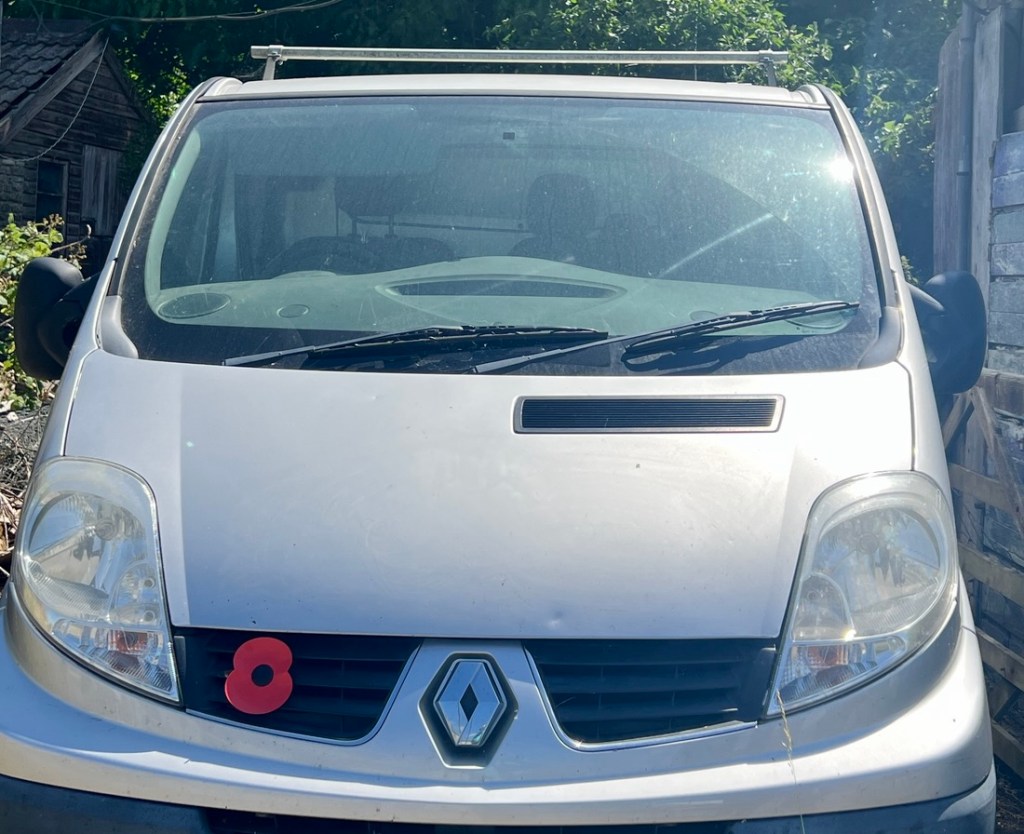
Take up our quarrel with the foe: To you from failing hands we throw The torch; be yours to hold it high. If ye break faith with us who die We shall not sleep, though poppies grow In Flanders fields.Poppies often symbolize remembrance.Cars even wear poppies. Poppies are worn by many people on Remembrance Day on 11 November. Another game of Frogger and another question. Why is tomorrow’s walk over ten miles when that sign says 6. Well… It’s called the scenic route!The final stretch to our destination – up a field to a farm. This had been a surprisingly long day and all I wanted to do was sleep. The fatigue had built up!We were too tired to take our photo on arrival at Toghill House Farm and our luggage arrived after we had. But after showering and eating a delivered dinner, we were ready!Final cuddles with the sheep before going to bed.
Staying on a working farm was such a contrast to our previous nights. While we’d had to walk about a mile off trail, the different type of experience made it worth it. A good night’s sleep was needed by everyone to prepare for the final leg of the Cotswold Way – the hike into Bath.
"Cajunlimeys" combines Lousiana (Janet) and England (Peter). For "limeys," check out scurvy in the English navy.
We love adventures and use blogging to write a photo diary to preserve our memories. Some crazy friends enjoy following us and my notes might help others plan.
View more posts
One thought on “Southern Cotswold Way: Day 4”
I remember when I was a Girl Scout, we sold poppies for 50 cents, with the proceeds going to Veterans. Many, many years ago.




















 The Adventures of the Cajunlimeys
I remember when I was a Girl Scout, we sold poppies for 50 cents, with the proceeds going to Veterans. Many, many years ago.
LikeLiked by 1 person