
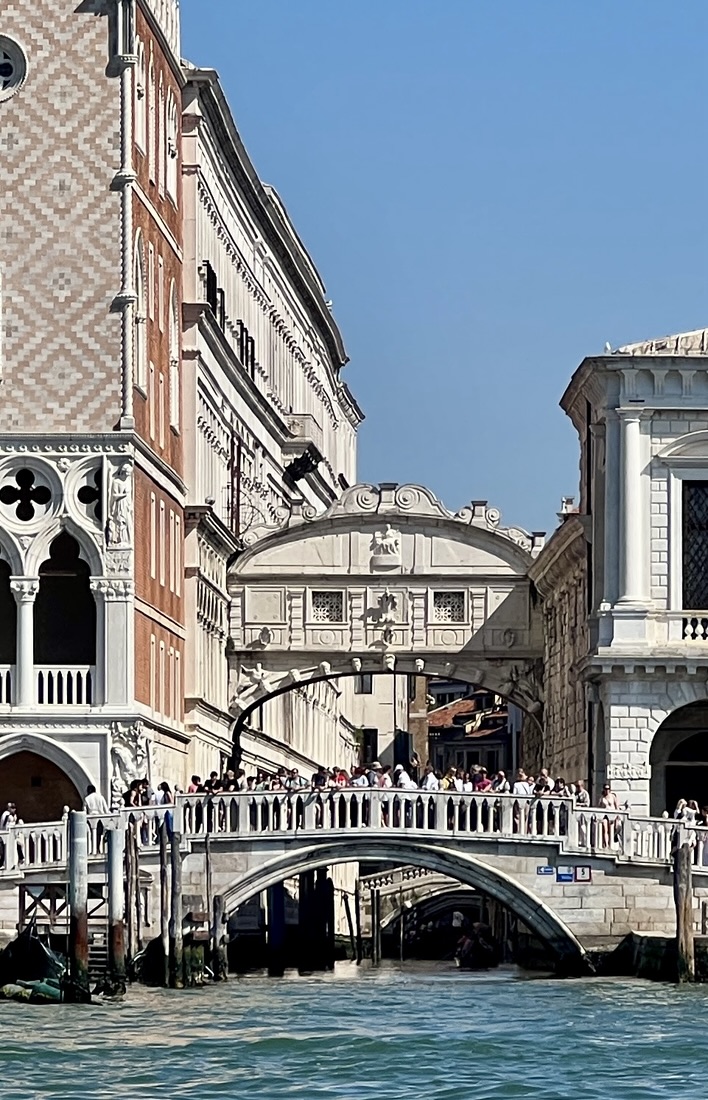
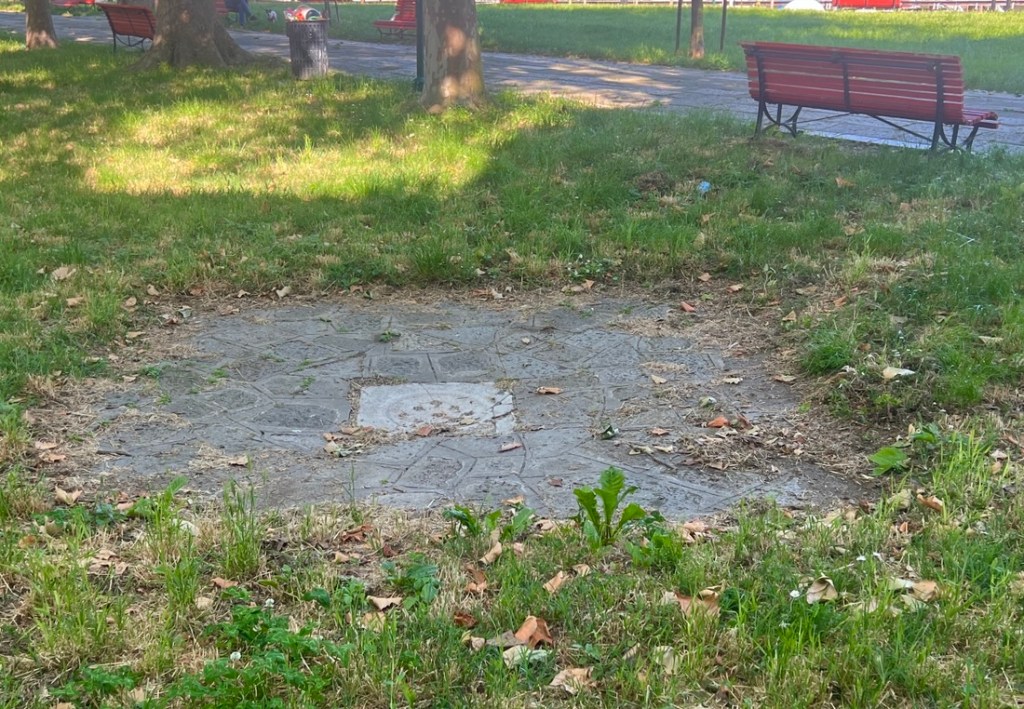
Having experienced a half-day taste of Venice on the previous day, we were ready to find “our” Venice. For Janet and I, that meant heading out early to a distant corner of the main islands to visit the church of San Pietro di Castello.
I’d found this church as it was a geocache which explained that it was the city’s cathedral before St Mark’s, dating back to the ninth century. The city had been founded by refugees fleeing the Romans in the second century AD, building their new home on sedimentary islands at the mouth of the ancient Po river. It became a city across 118 small islands linked by 438 bridges. The Venetians learned to build by driving closely spaced piles of wood through the soft upper sediment into compressed clay underneath. They improved the city’s natural defences by diverting the major rivers to prevent the lagoons and canals from filling with sediment. Venice developed into a powerful maritime empire from the ninth to twelfth centuries. At its peak, it was the most prosperous city in Europe and dominated Mediterranean commerce with 3,300 ships. As Venice’s dominance declined over the following centuries, it remained free from religious fanaticism and was known for its free speech. It largely avoided attack in the second world war.
Natural and manmade factors cause modern Venice to flood. Water drawn from wells to support local industry in the 20th century caused subsidence and were banned in the 1960s, reducing the rate of subsidence to less than 1/10th inch per year, but it still sinks slowly. Rising sea levels compounds the effects of subsidence and high tides with prevailing winds leads to the city’s flooding in the Winter and Spring (known as Acqua alta, or high water). Italy has built a series of 78 flood barriers to protect the city during such high tides, known as the MOSE project, similar to how the Thames Flood Barrier protects London from very high tides.
The other challenge Venice faces is its lack of residents. Multiple factors have led the city’s resident population to dwindle below 50,000 in the old city, reducing by 1,000 every year. It is possible that the old city will become a museum or cultural theme park, even if it is kept above water.
As we explored quiet side streets, I was disinclined to take photos. We’d experienced an emotional roller coaster the day before, from the high of arrival, the sense of peace in the quiet backstreets, and the abhorrence of the crowds. I just wanted to “experience” Venice. A few backstreets later, I recognized that they were almost identical and there wasn’t anything magical about this place. Its history and unique geography was intriguing, and I captured photos as we explored with that in mind.
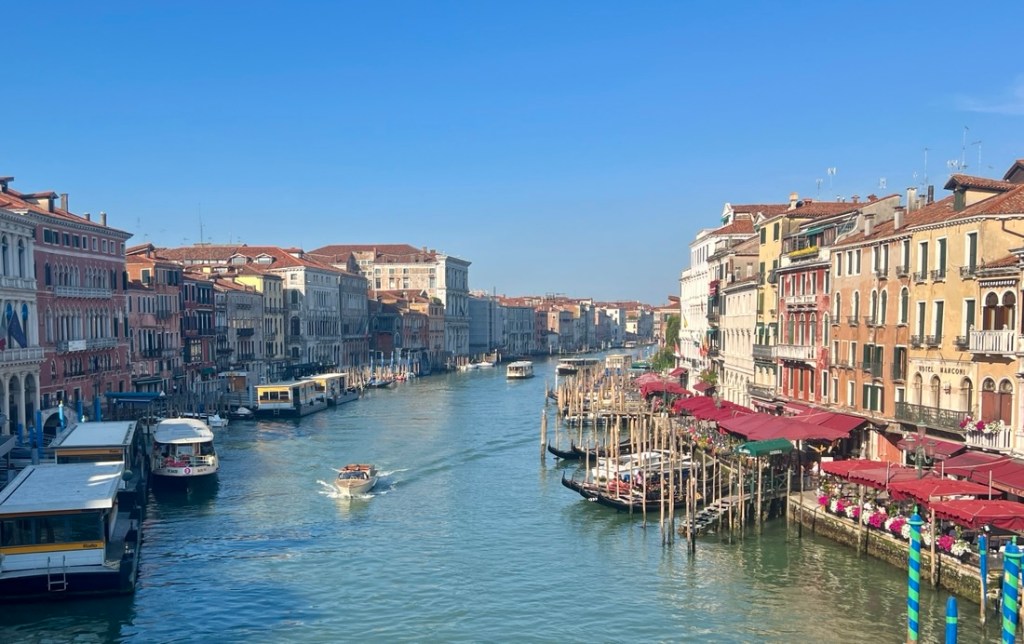

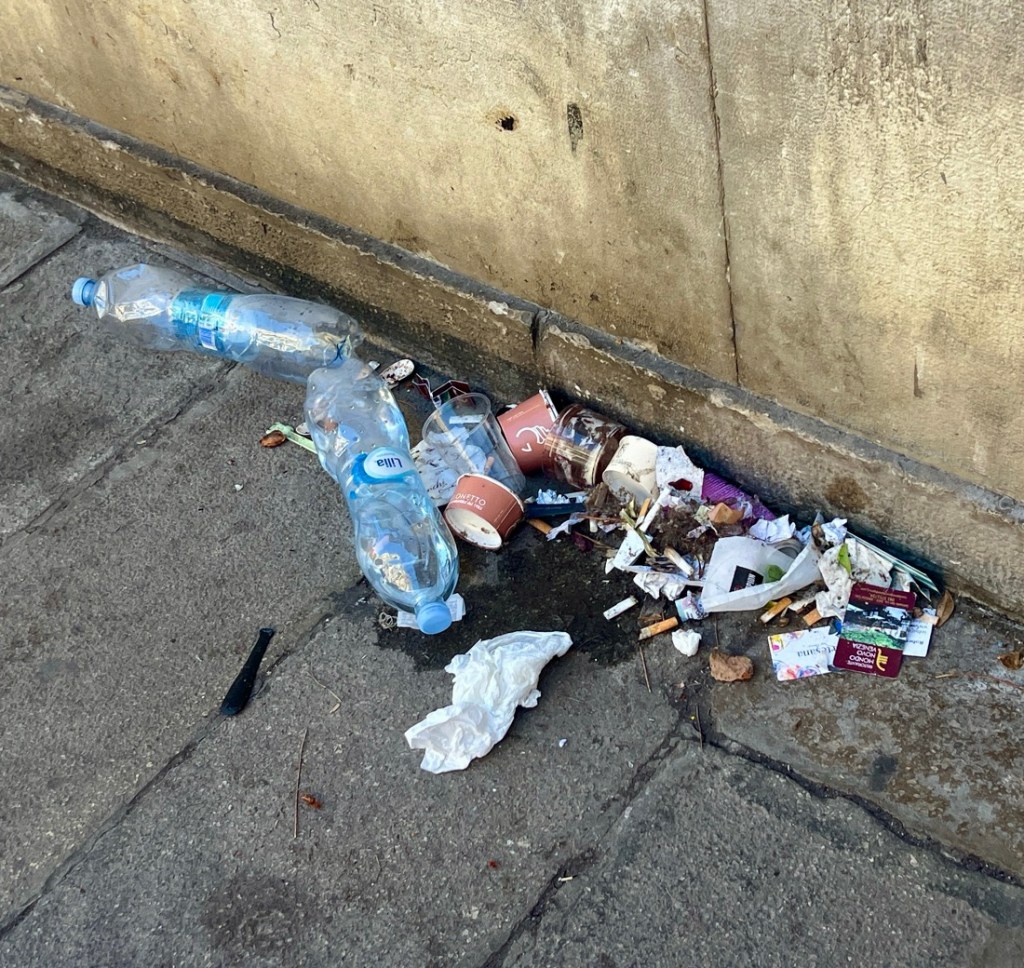
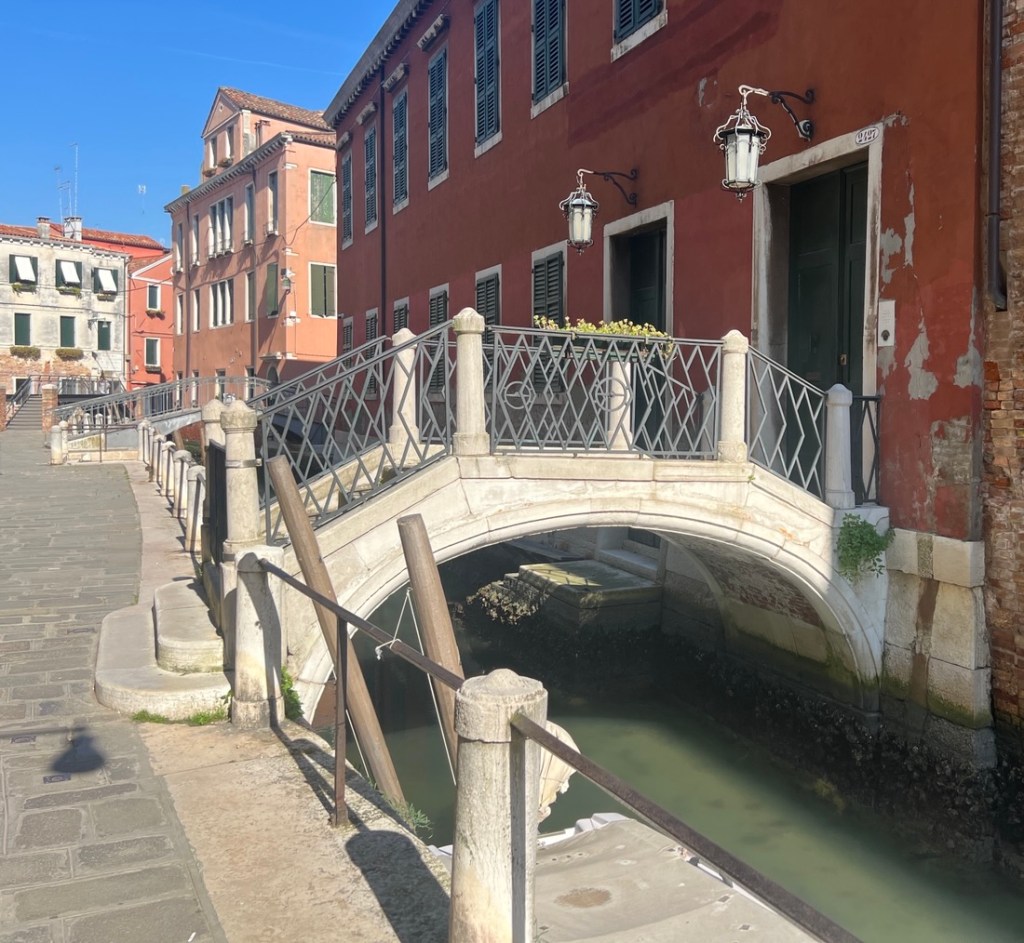

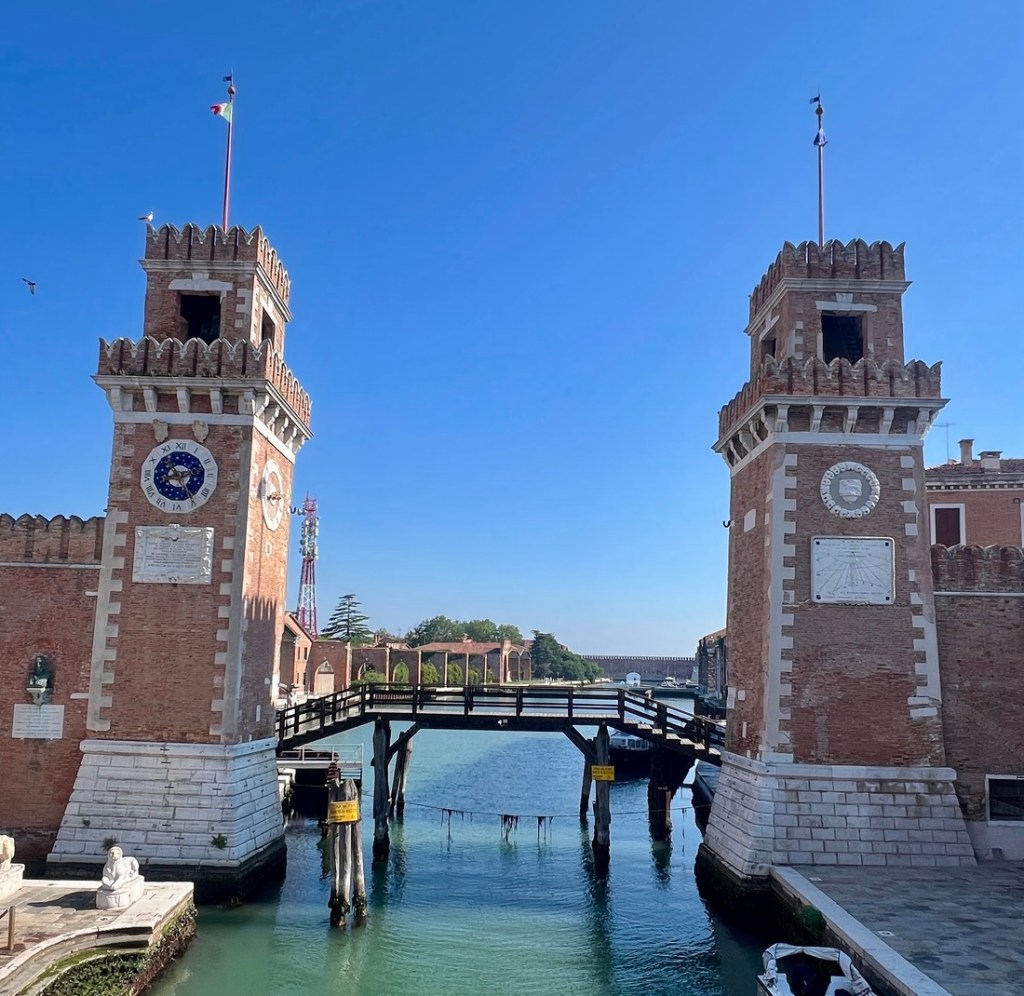
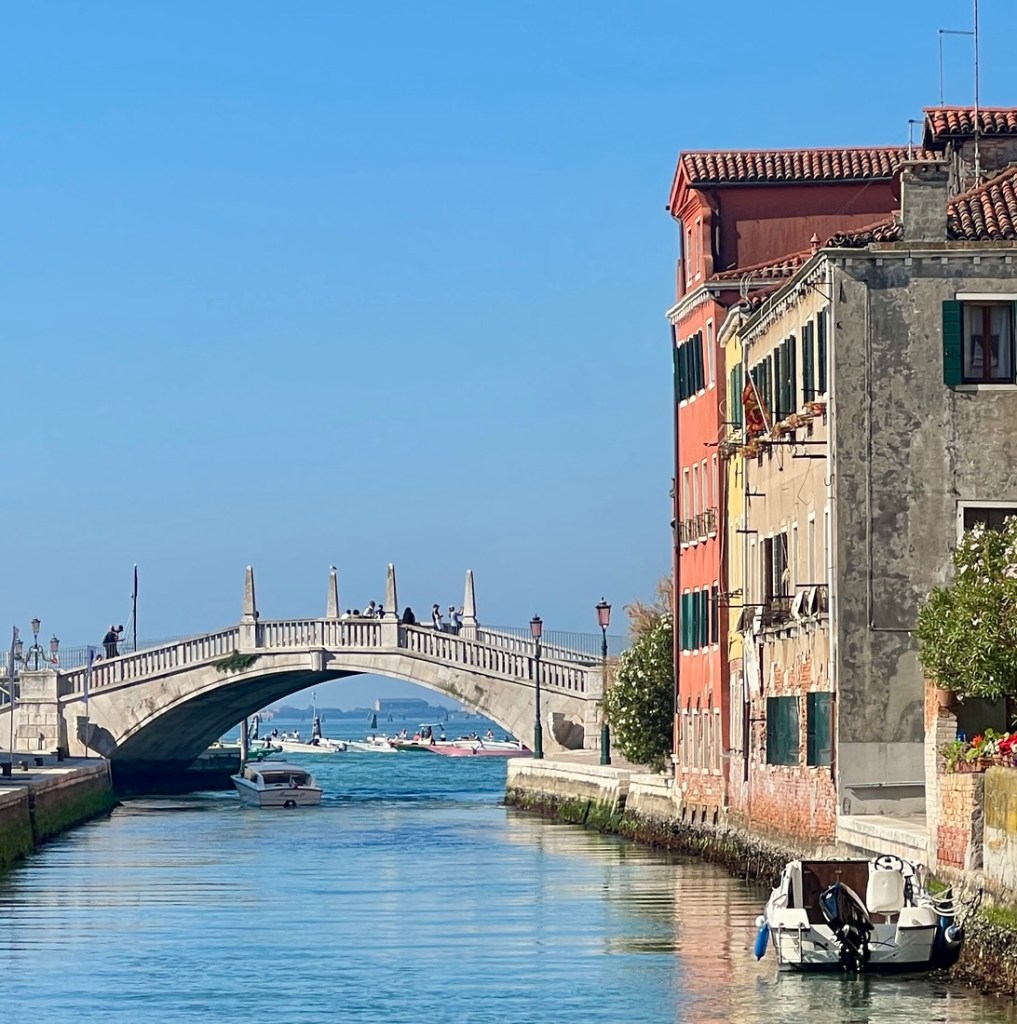
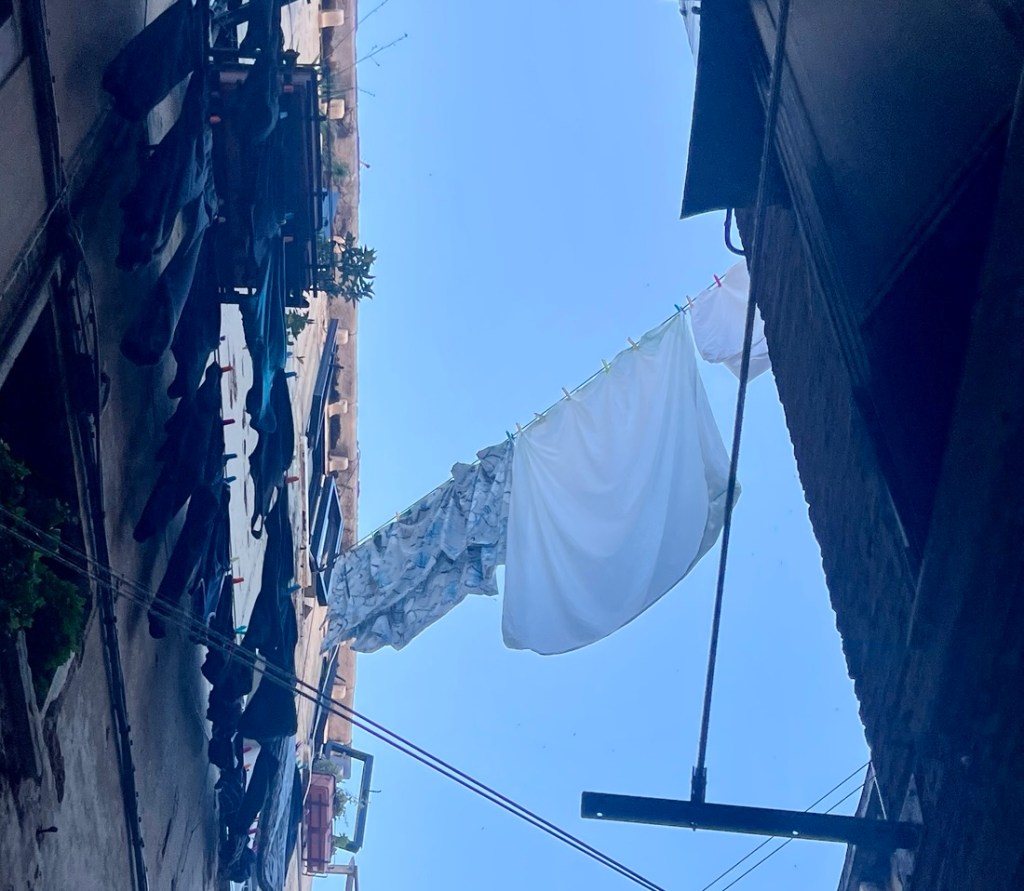
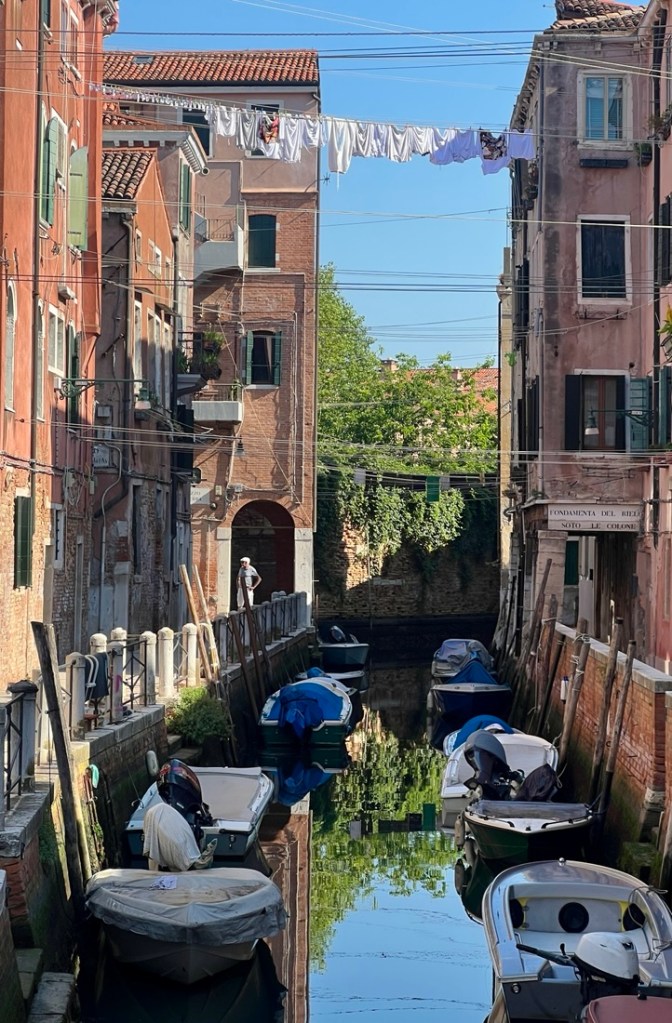

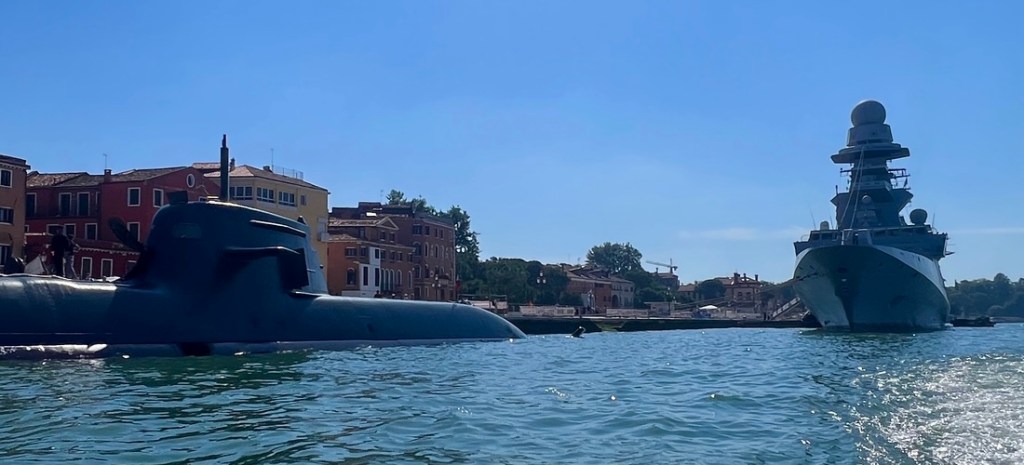
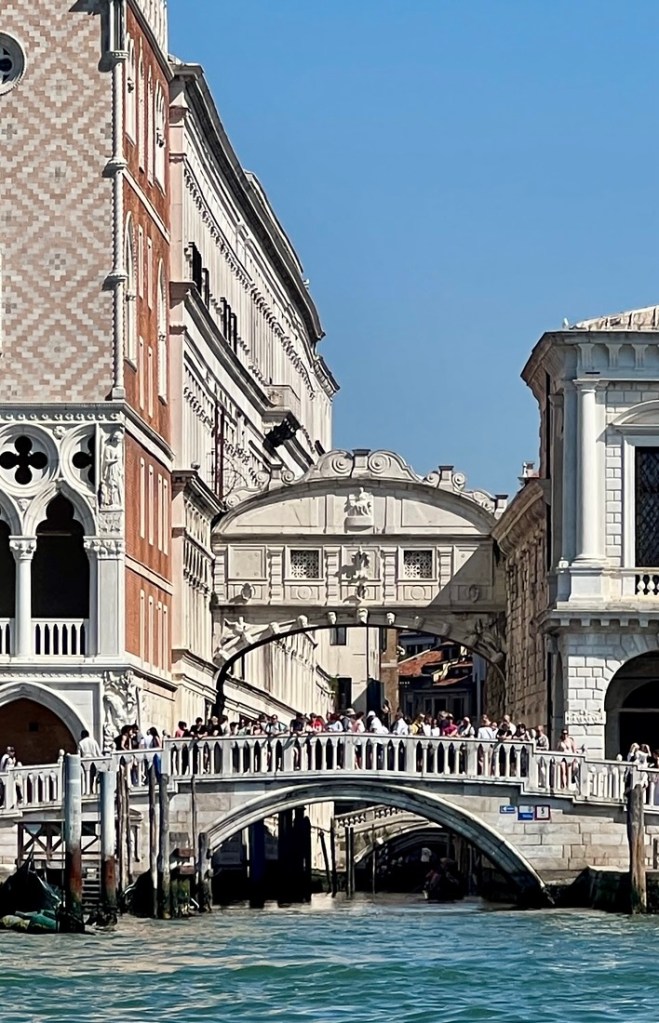
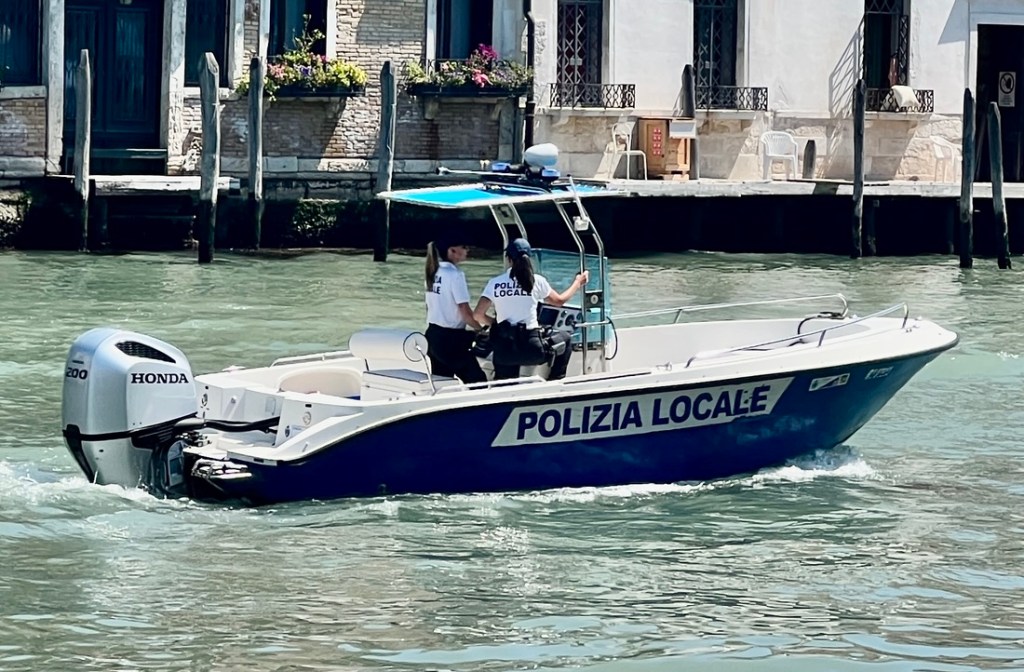
Having walked to our destination, we returned by a vaporetto which circumnavigated the main Venetian islands giving us great views. Sitting on the back open air deck seems like a great idea, but the engine’s gearbox was especially noisy.

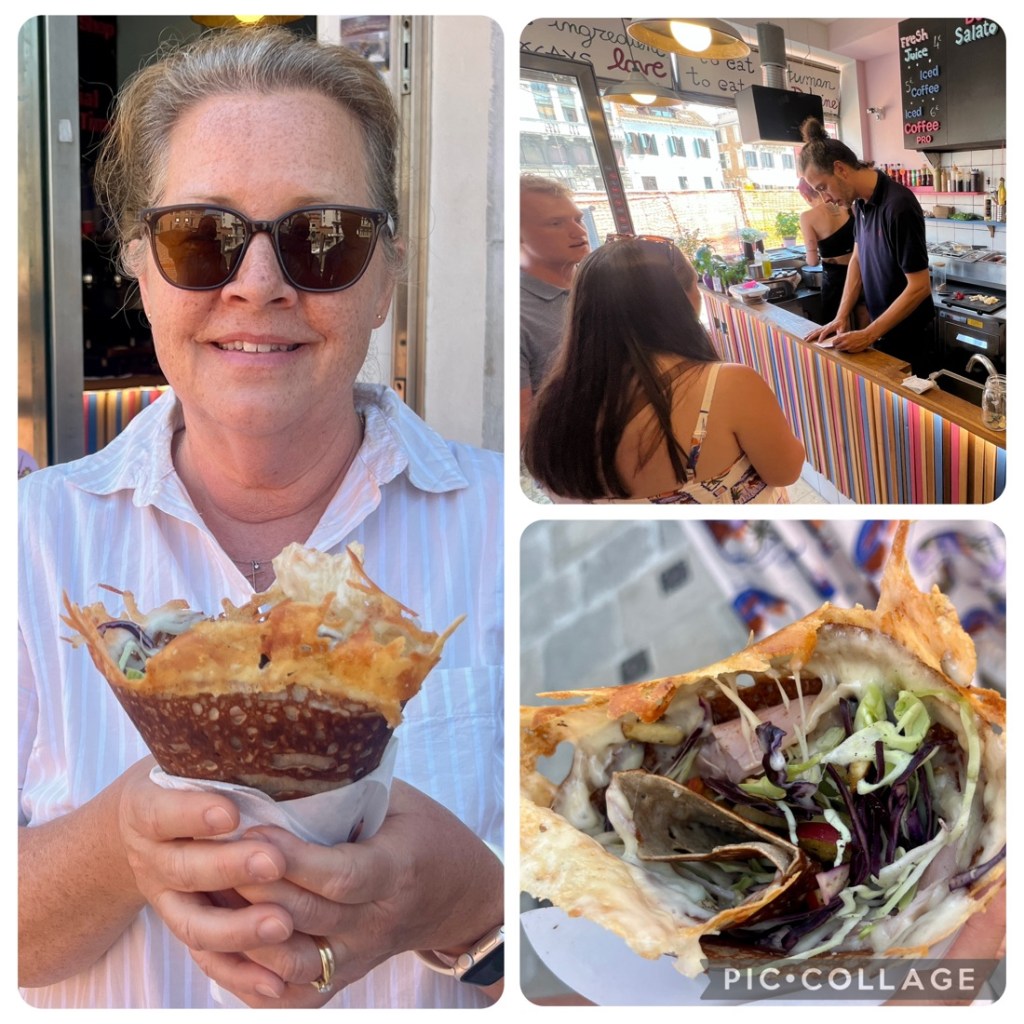
We’d arranged to meet Bailey and Jett for lunch at a pancake shop which was a nice change from the typical Italian food we’d been eating.
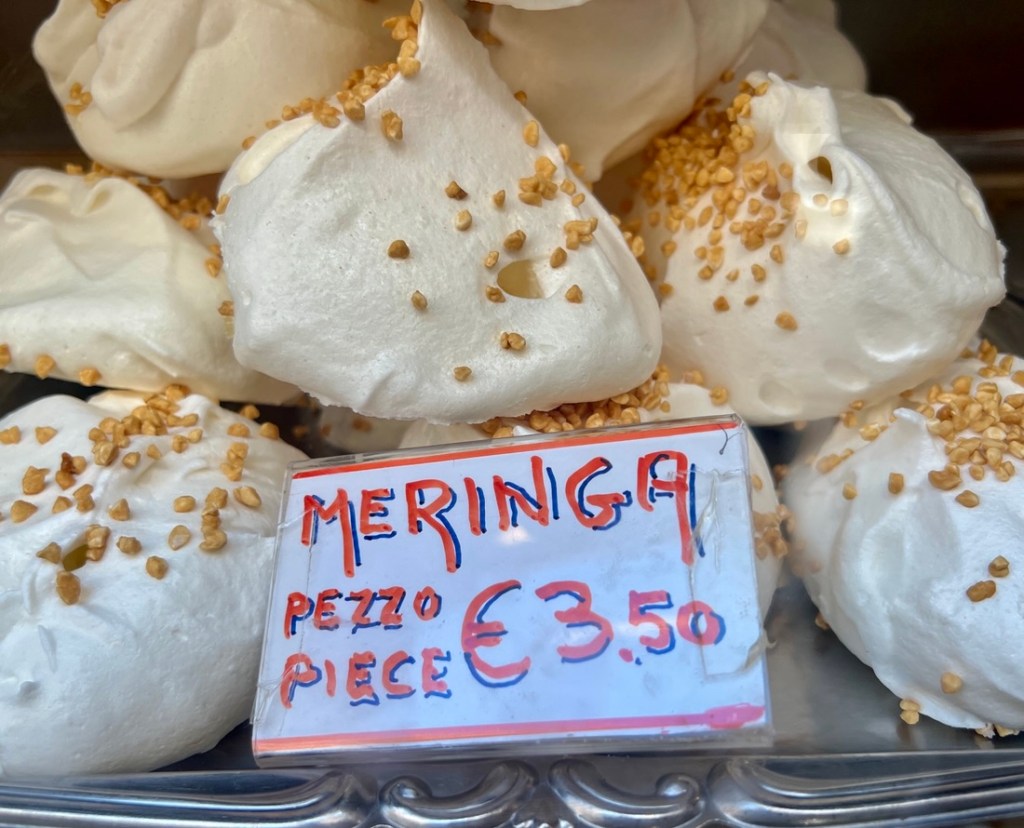
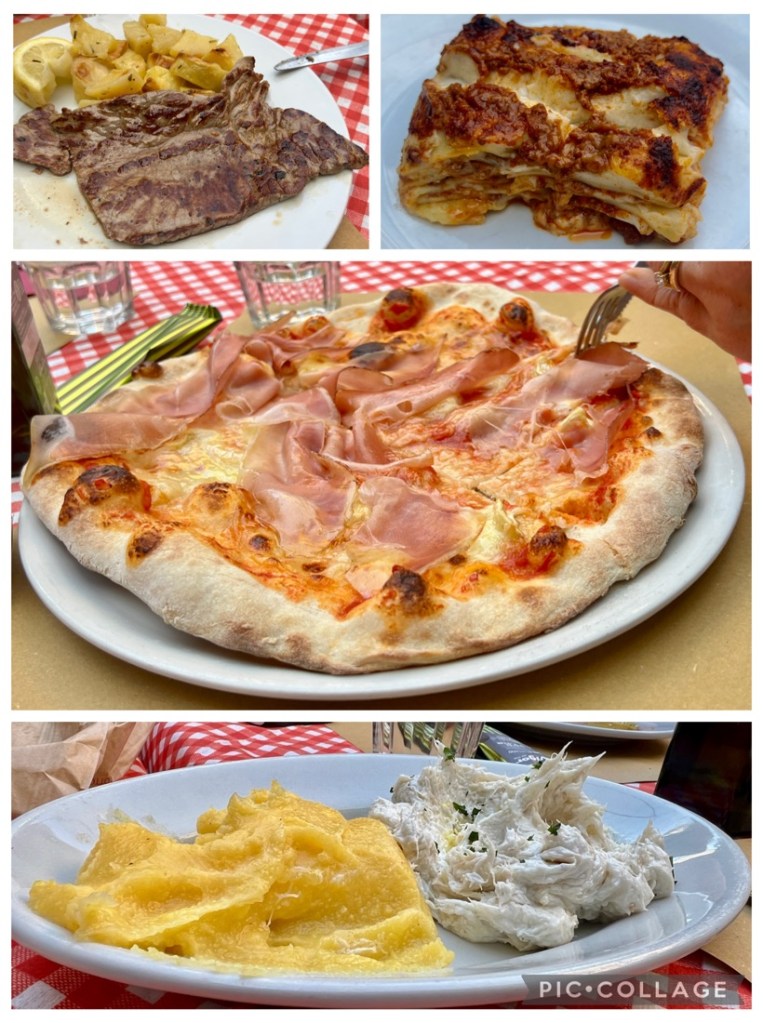
That evening, we enjoyed a fine dinner at a restaurant that Ernest Hemingway used to frequent.

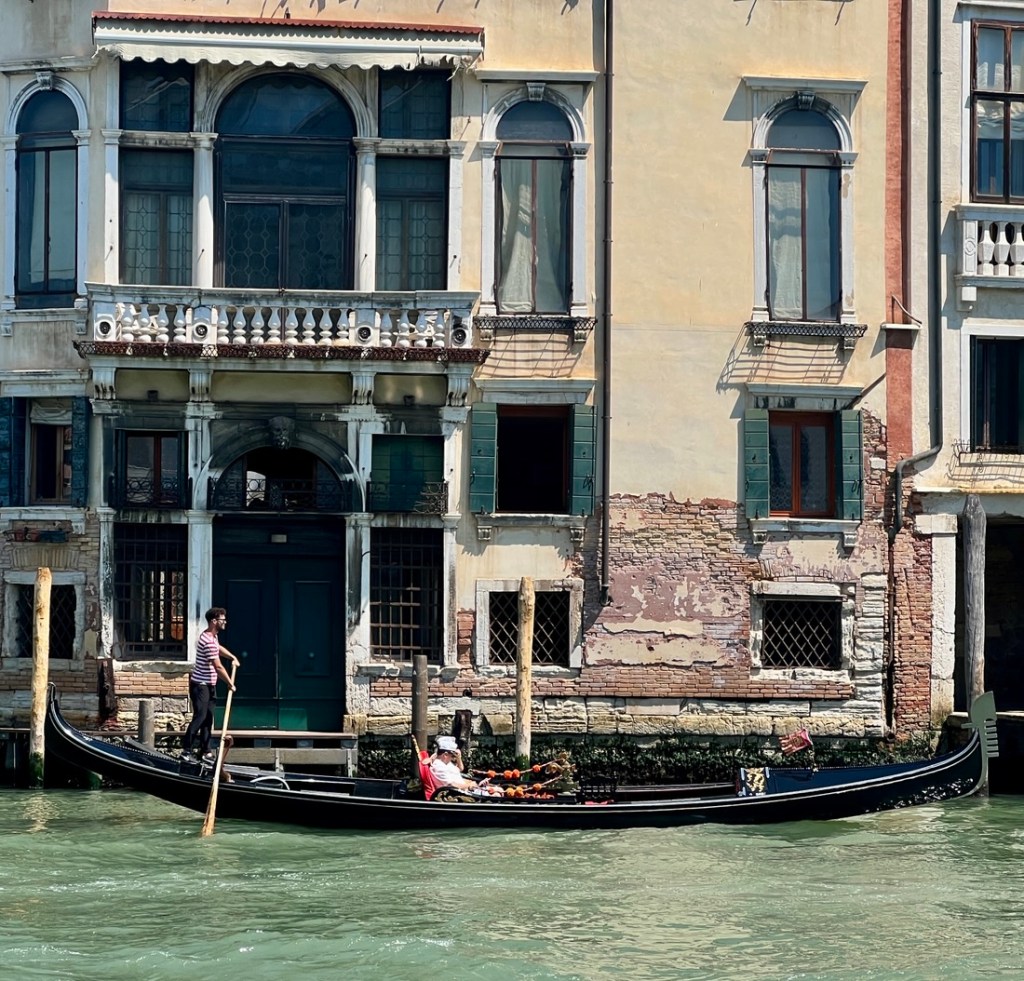
After dinner, we took the vaporetto along the length of the Grand Canal. We walked to the beginning to get on an empty boat so we could get one of the few outside seats at the back and could make the most of the view. Our Rick Steves guidebook helped us identify landmarks on the way.
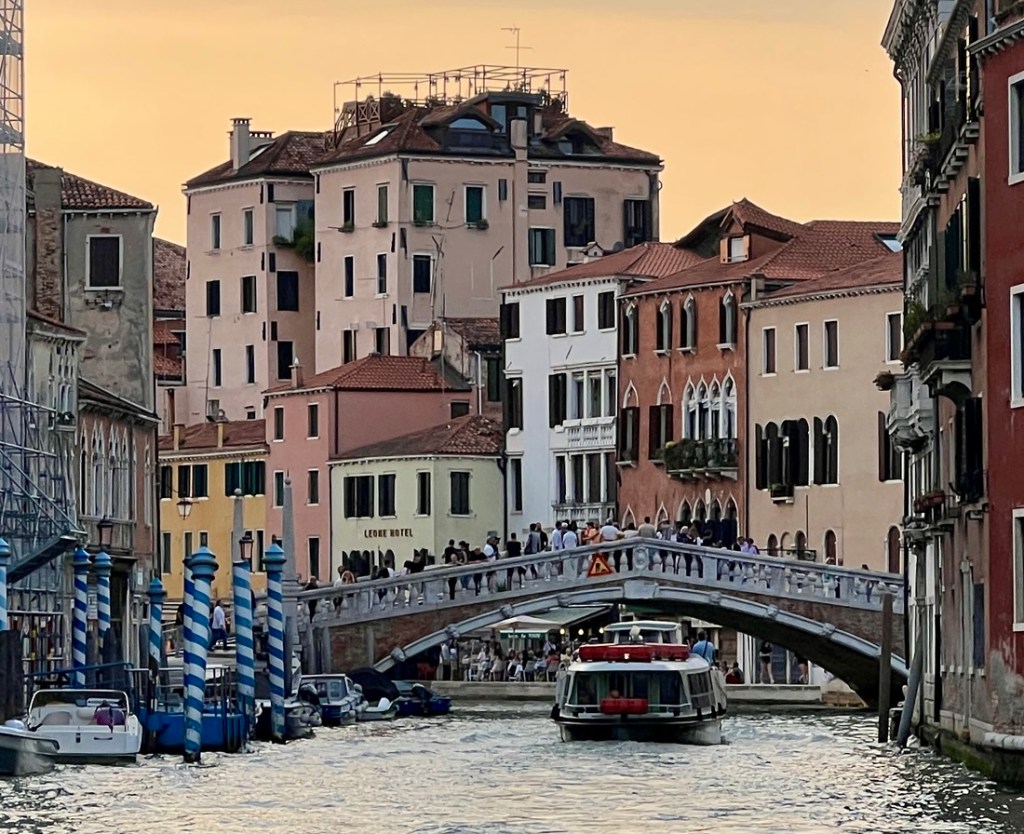
the location’s copper foundry called “gheto.”
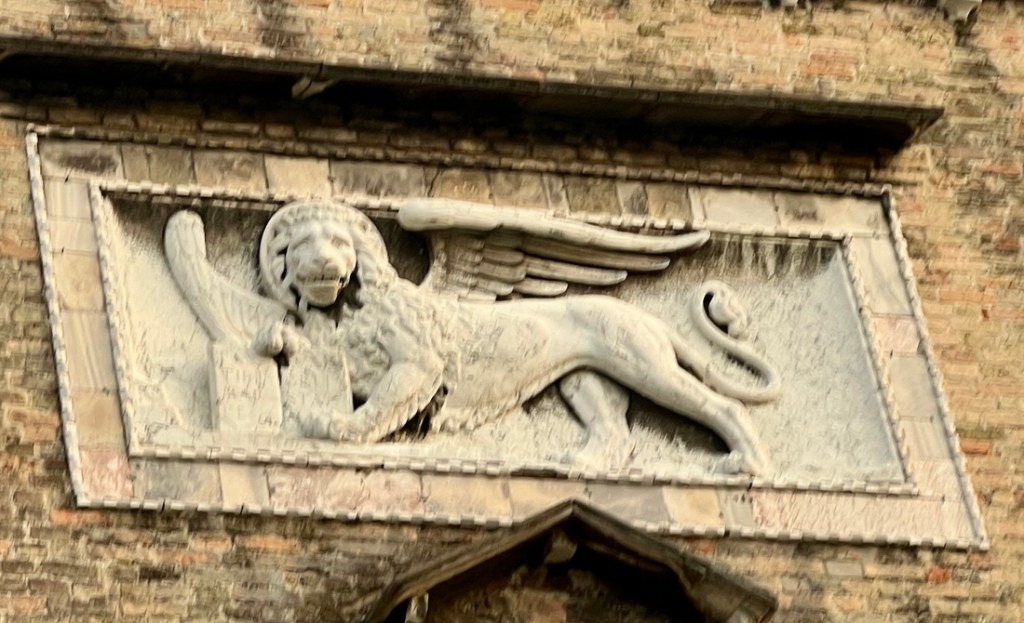
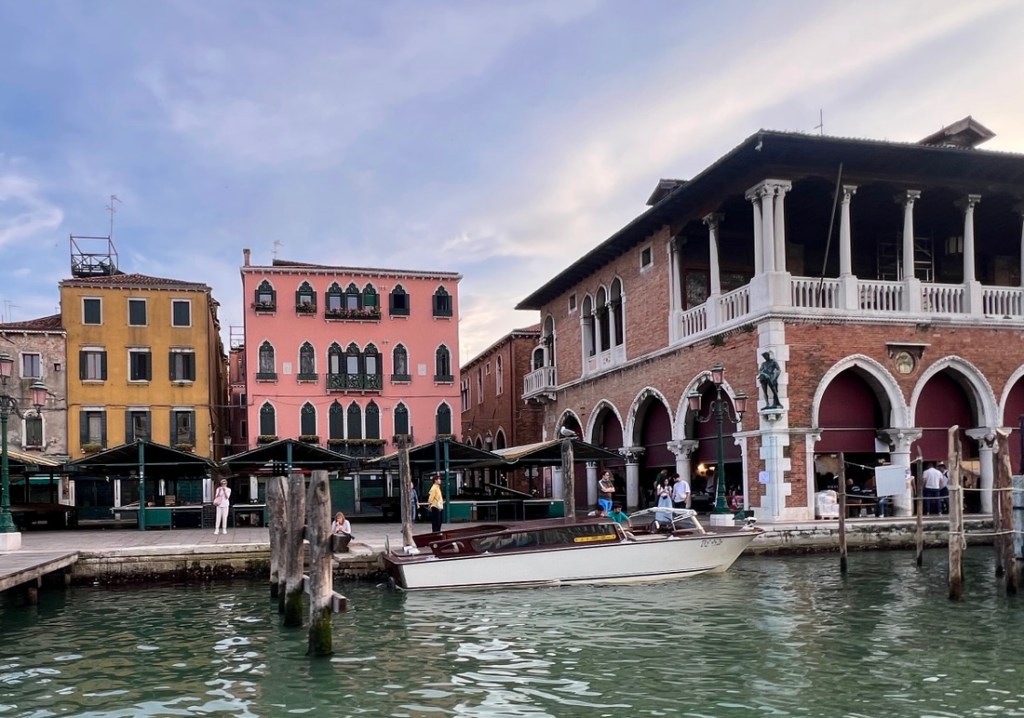
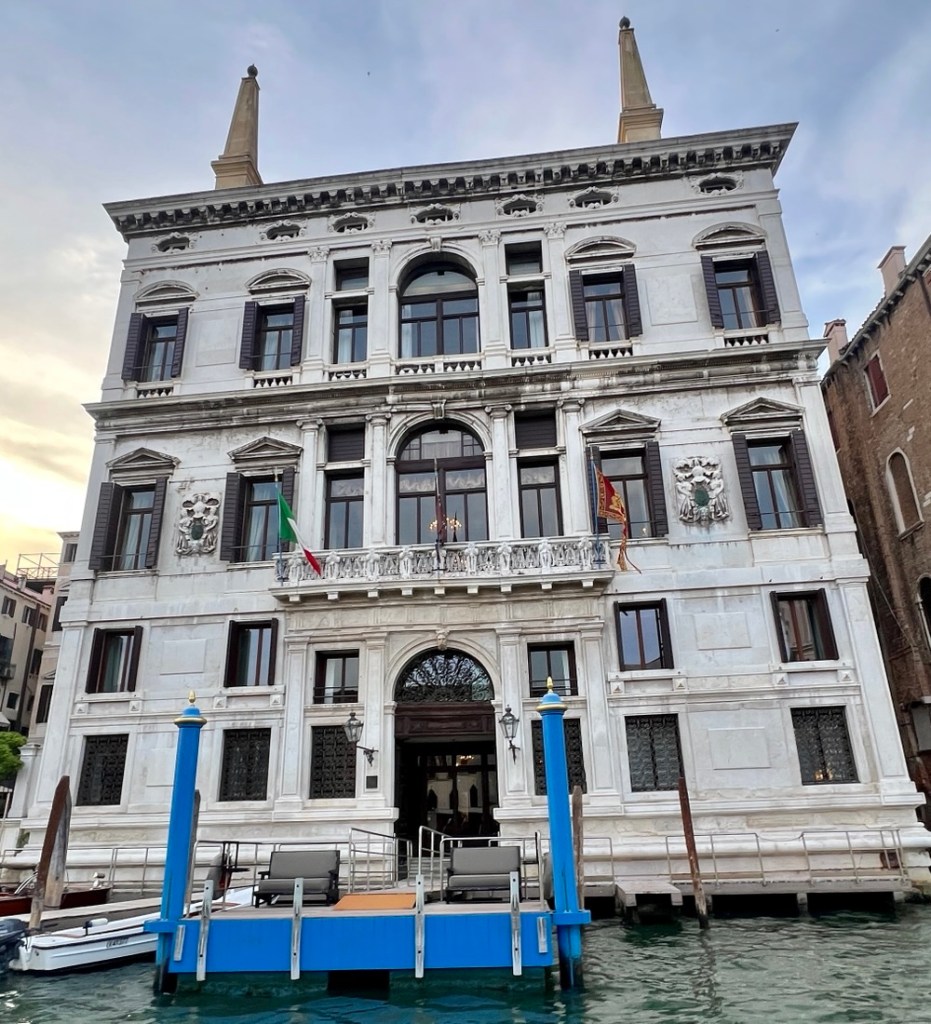
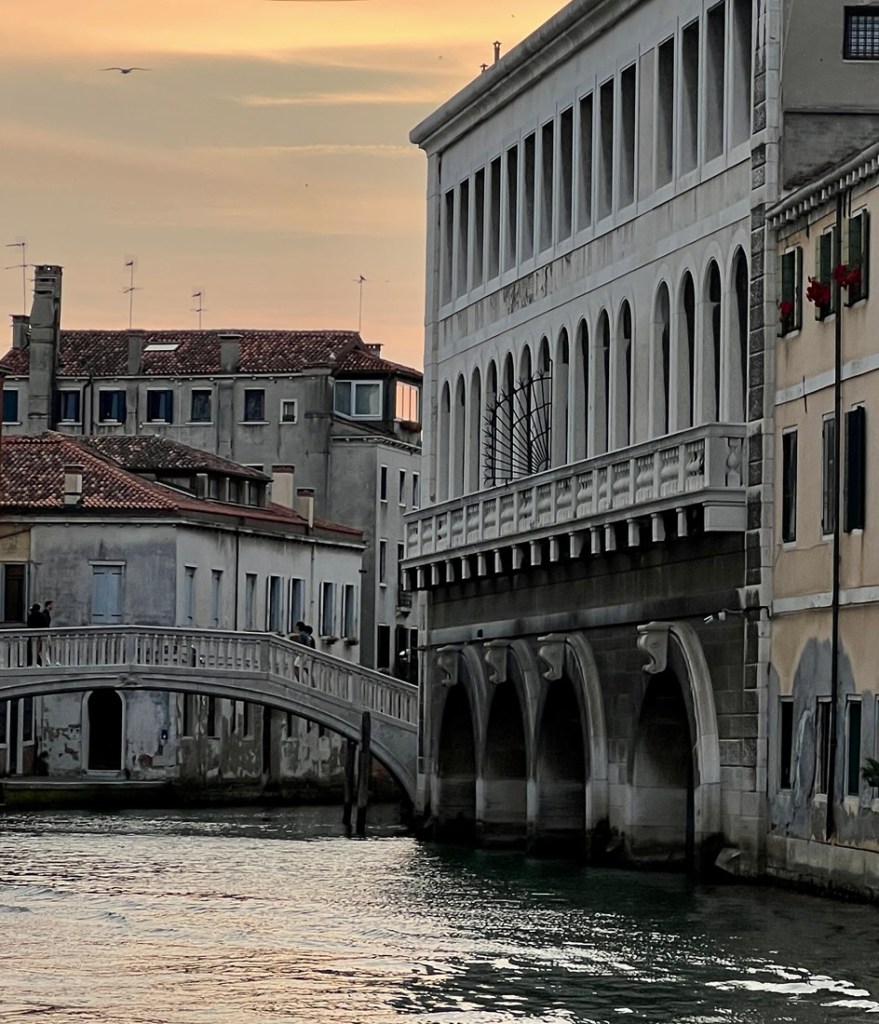
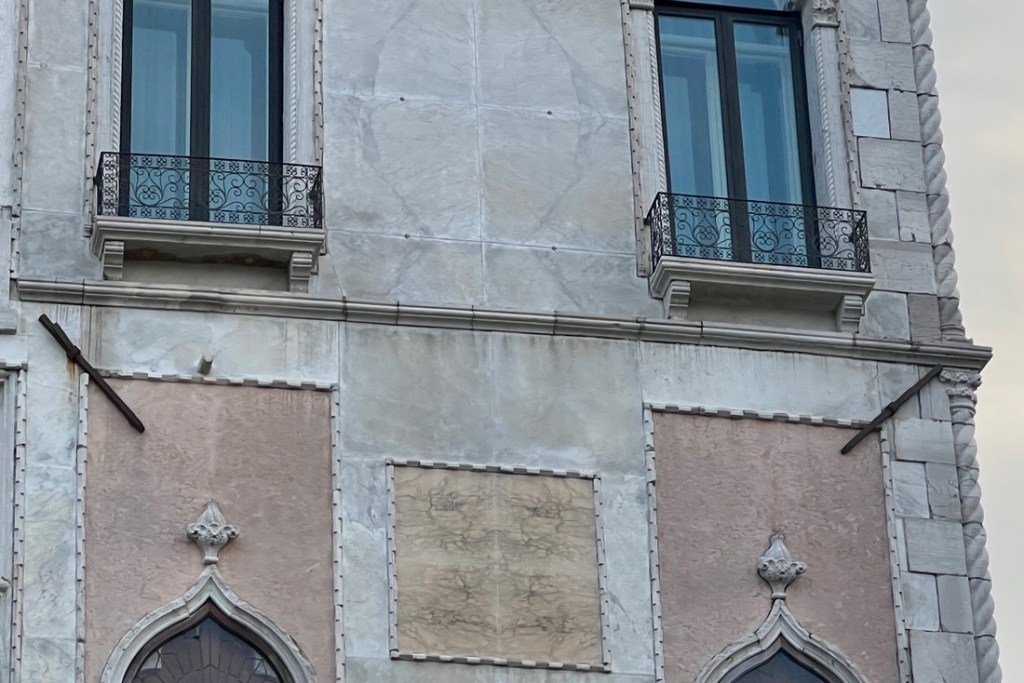
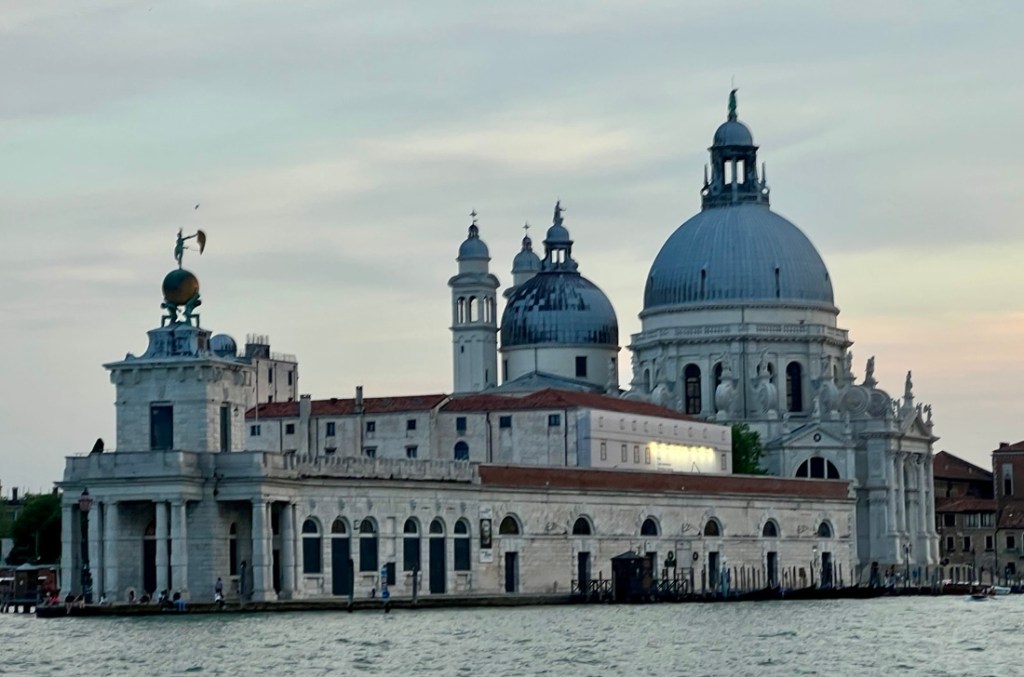

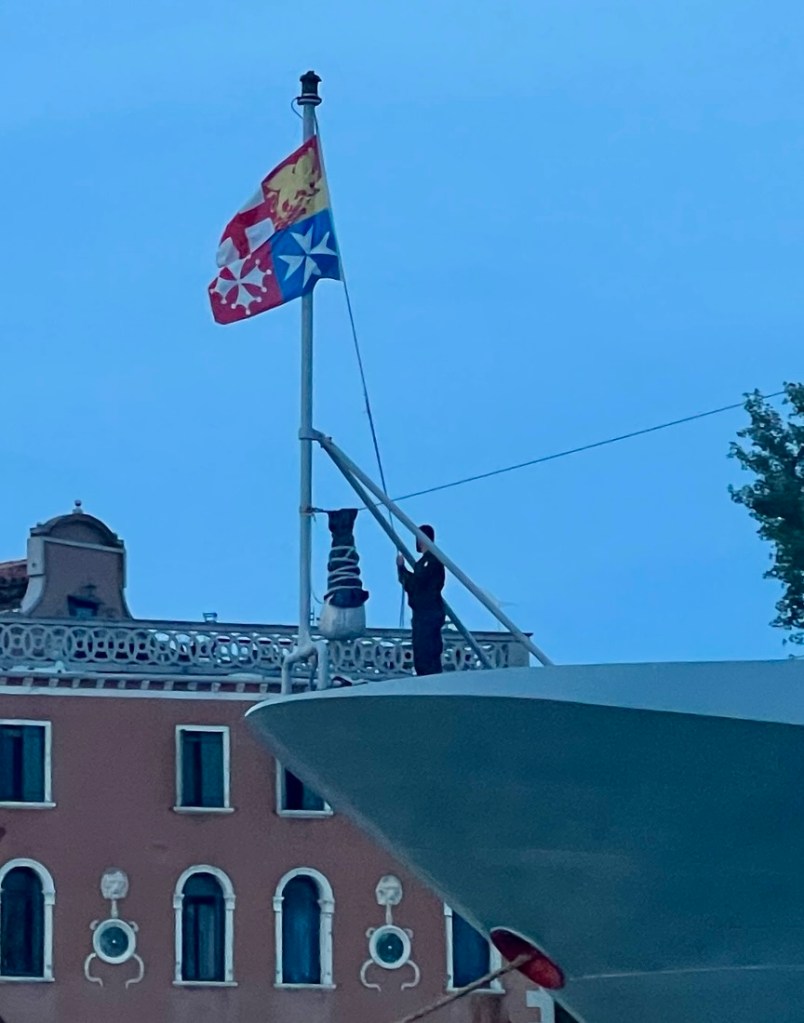

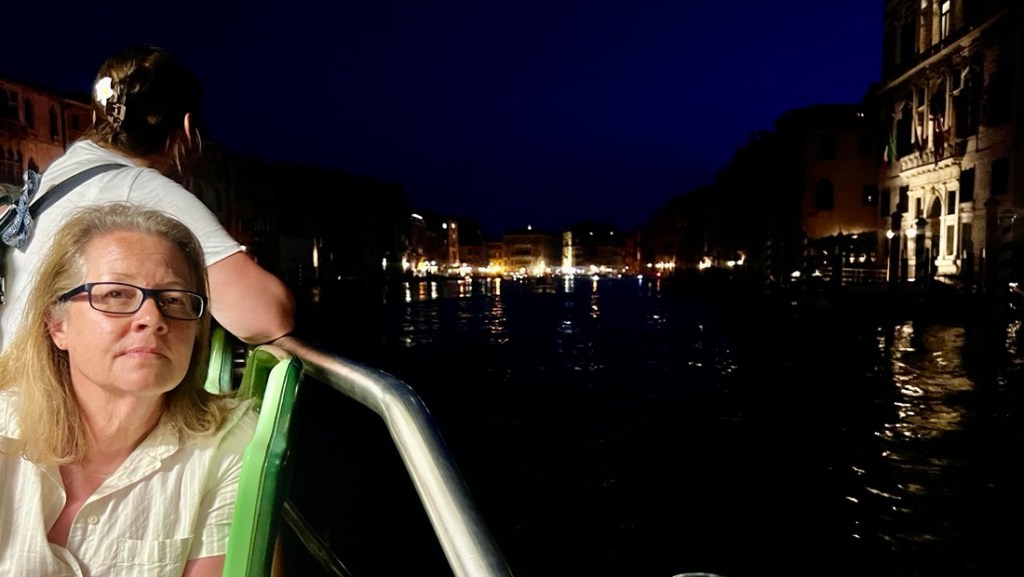
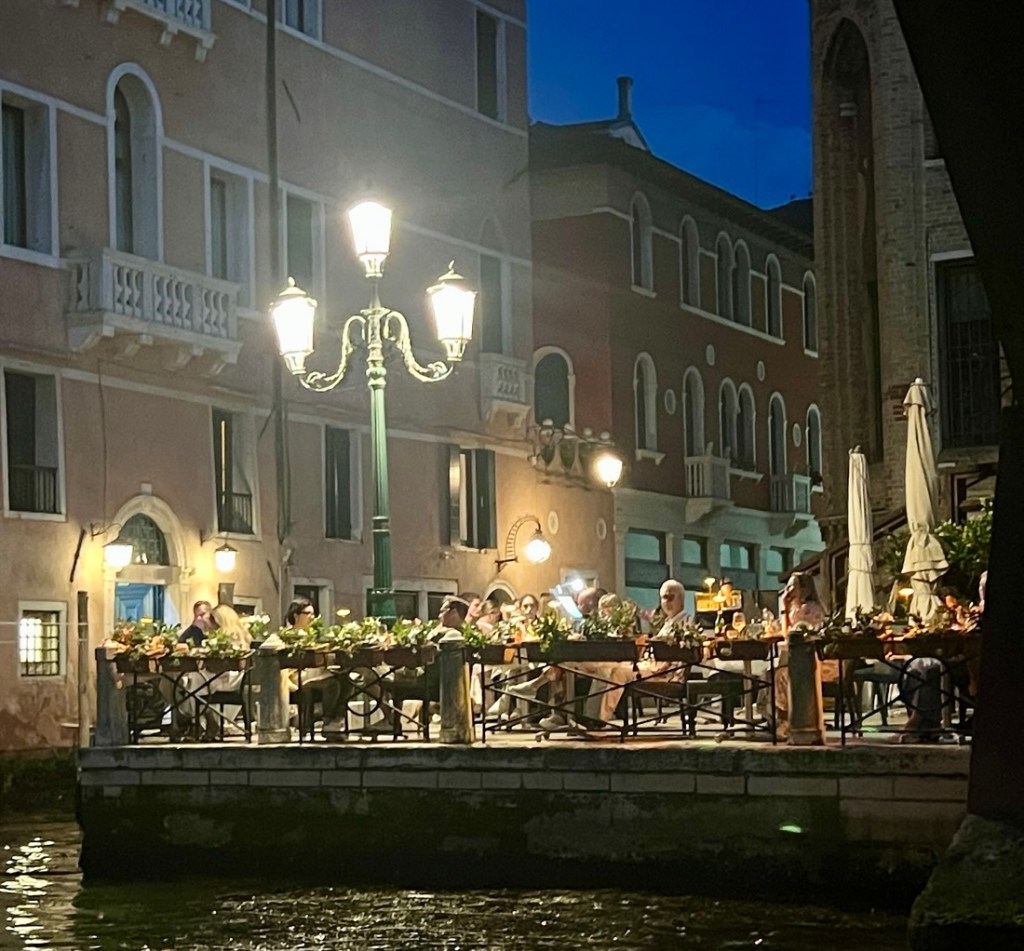
Cruising the Grand Canal in the evening was the perfect end to a day exploring Venice. We had been “all over” and had balanced walking with vaporettos well and had enjoyed a great variety of food. Once again we were very thankful for our centrally located and comfortable apartment, providing great rest for our final day’s adventure.
 The Adventures of the Cajunlimeys