
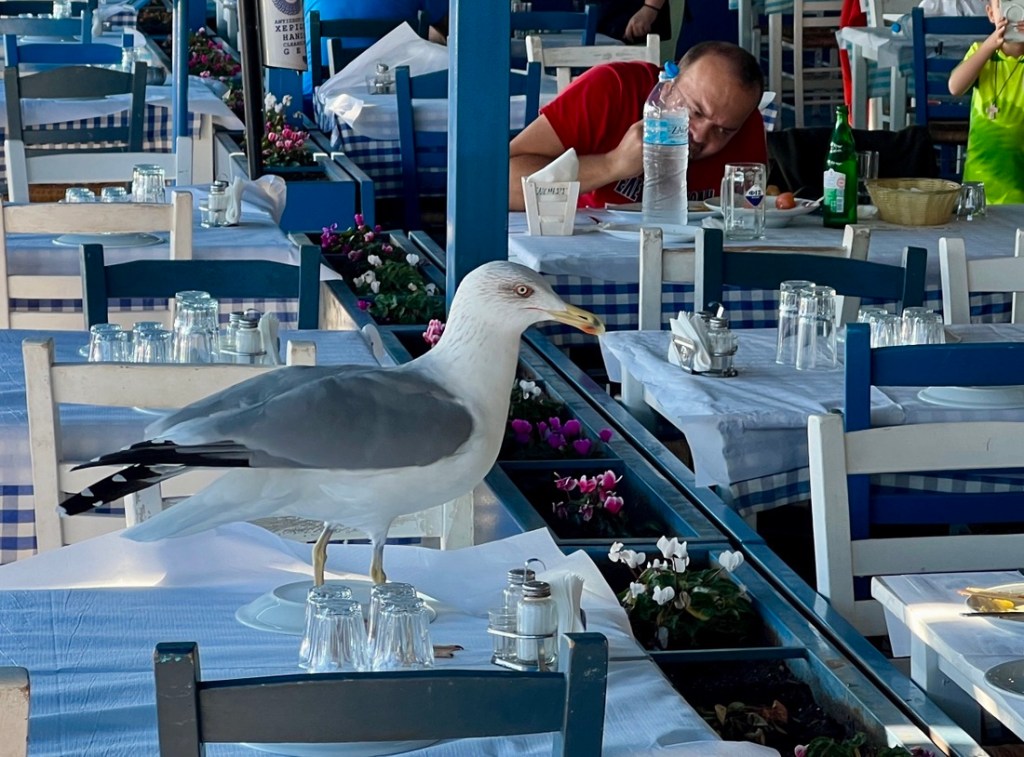
Summary: Our exploration of the sites where Paul first visited Europe brought the Acts narratives to life. We felt the sea breeze and watched seagulls at the port of Neapolis (now Kavala). We felt the water of the river where Paul baptized Lydia. We touched the stones of the Via Egnatia that Paul had walked on. We walked around the agora at Philippi and saw the remains of the church built over the site of Paul’s beating. We rubbed shoulders with the bustling crowds in Thessaloniki. What we covered in a day took Paul several days to walk between, in places where he was whipped, beaten, and imprisoned and his legacy is strong.
Paul’s Initial Steps in Europe
Today was a fantastic day visiting the initial sites that Paul came to in Europe. I will describe them in the order that Paul visited them.
Paul’s Call to Europe
At Paul’s time, northern Greece was the province of Macedonia. Its meaning is “the place of the tall people” and they dressed distinctively. Thus, when a man appeared in Paul’s vision calling him to come and help in Acts 16:9, Paul could tell he was a Macedonian man. This led Paul to travel from Troas to Neapolis. In this verse, Luke changes his account from 3rd person “they” to first person “we,” indicating that this is where Luke joined Paul. We were not able to visit Troas on this trip, but we did get to visit his port of arrival.
Neapolis
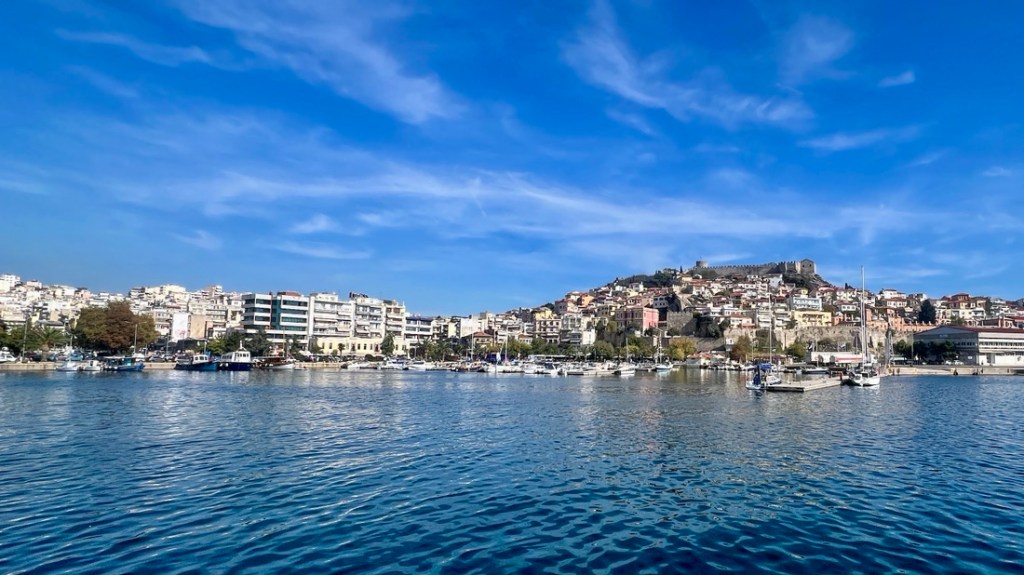
Paul stepped foot on European soil for the first time in Neapolis, as Luke describes in Acts 16:10-11. When Paul visited, Neapolis was an essential port in the Roman Empire, connecting Macedonia with Asia Minor, and was the beginning (or end) of the Via Egnatia, the Roman Road helping to connect Rome with the eastern parts of its empire to facilitate rapid troop deployment. Neapolis was the port that connected Asia, with the road passing through Philippi, Thessaloniki, Berea, and other towns. Paul passed through Neapolis on his way to Philippi. However, when earthquakes destroyed Philippi in the 8th century, the Christian population moved to Neapolis and renamed it Christopolis or “city of Christ.” Today, these places are 30 minutes away from each other, separated by hills. The name lasted until the 15th century when the Ottoman army settled their cavalry at the location and renamed it accordingly to Kavala, which is the port town’s name today.
Philippi
Philippi got its name in 356 BC when King Philip II helped the locals with a dispute over the lands. Rome divided Macedonia into four provinces, one being eastern Macedonia that Philippi was located in, but the capital was Amphipolis (which Paul passed through in Acts 17:1). In 42 BC, there was a famous battle between Mark Antony with the Octavian armies and Brutus and Cassius. The Octavian armies won, putting down the revolt. As a result, faithful Roman commanders were gifted plots of farmland in the area, so it became a Roman colony under Roman law, like a mini Rome.
Calling Philippi “the leading city” (NIV) or “the chief city” (KJV) in Acts 16:12 is misleading as these imply that Philippi was a capital of its district, which it was not. The translation note below from the NET Bible provides background on this and suggests “a leading city”.

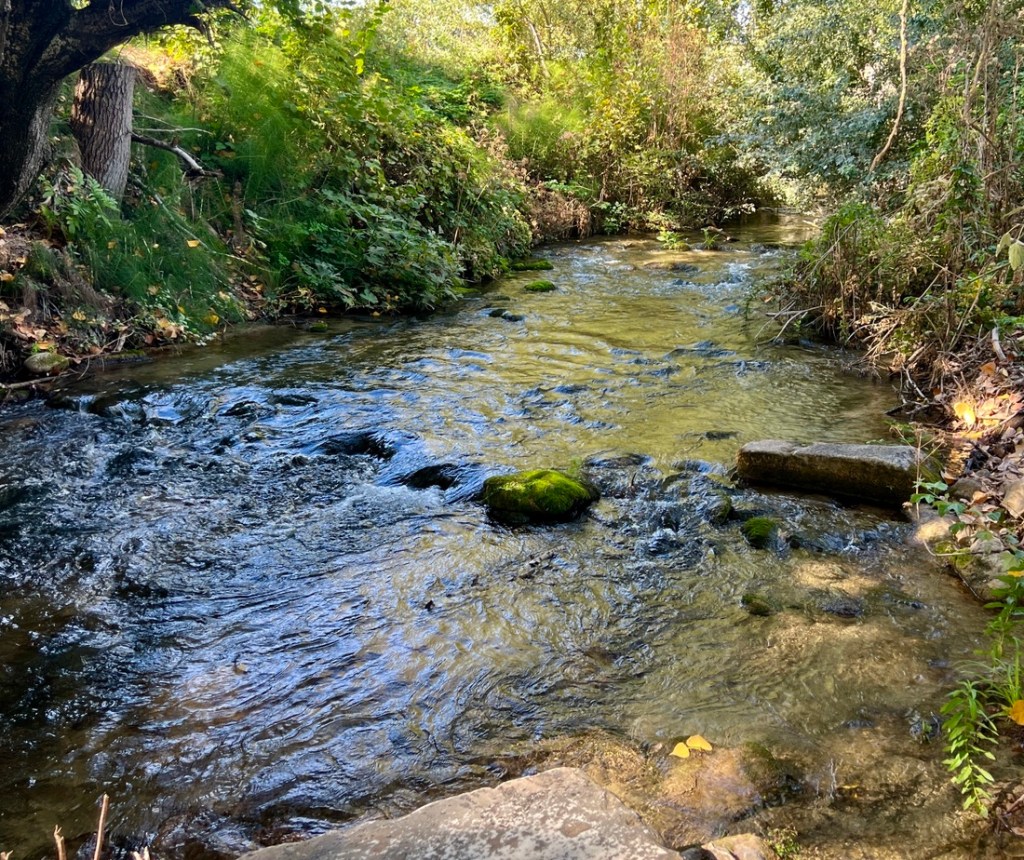
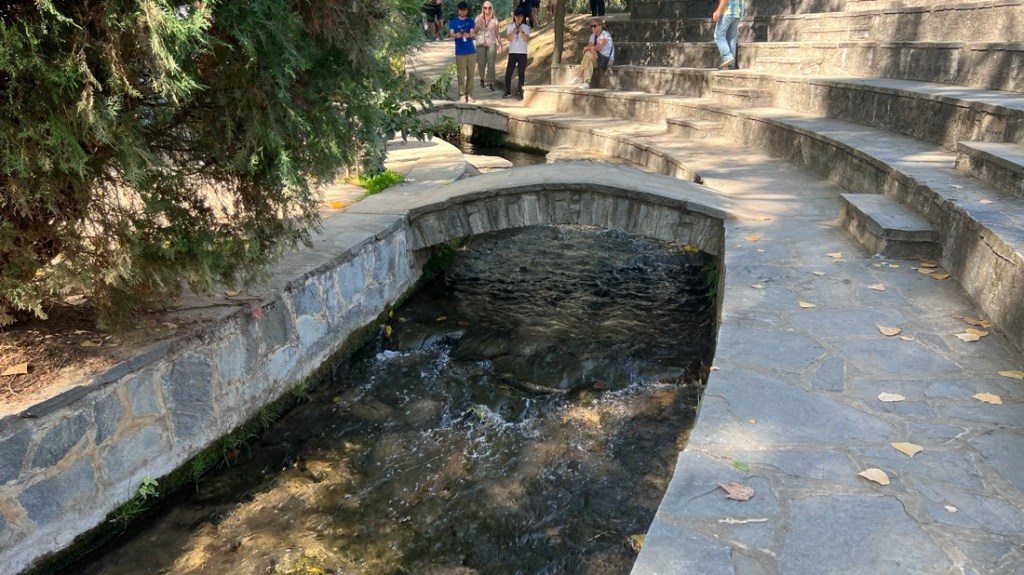
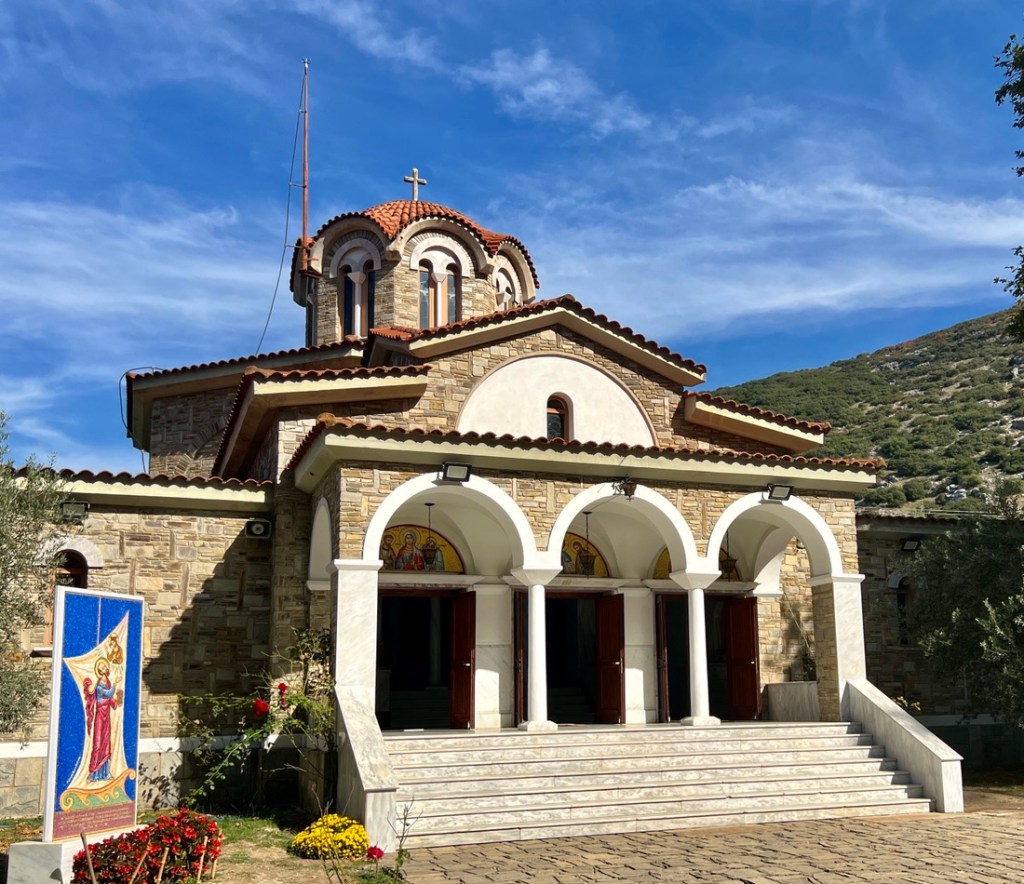
Luke’s narrative in Acts 16:13-15 indicates that there was no synagogue in Philippi, suggesting a very small Jewish population of less than ten. On the Sabbath, Jews without a synagogue would meet by a river outside the city. Paul sought them out, taught them about Jesus, and a lady called Lydia from Thyatira in Asia Minor was the first convert and was baptized in the river. Commentators use this to claim that the man in Paul’s vision turned out to be a woman! We visited this site. Today, Lydia is a Greek saint.
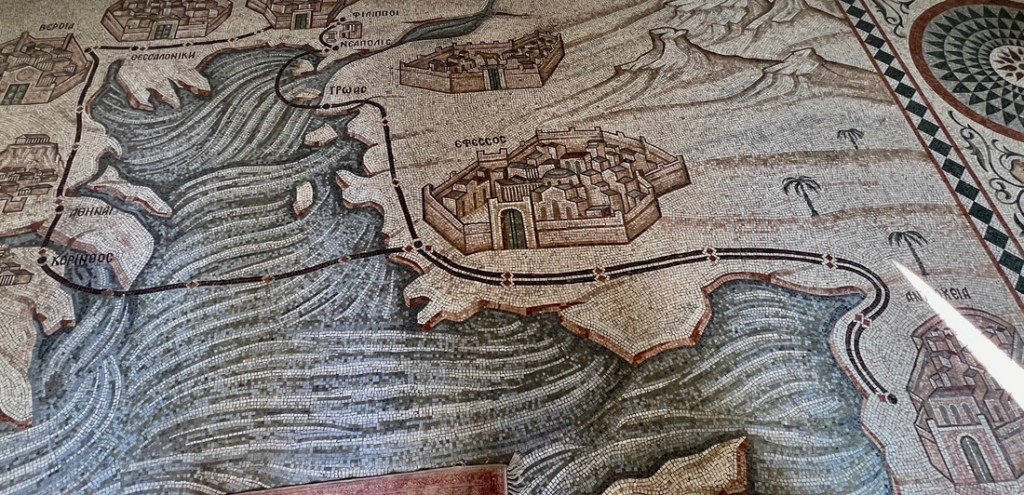
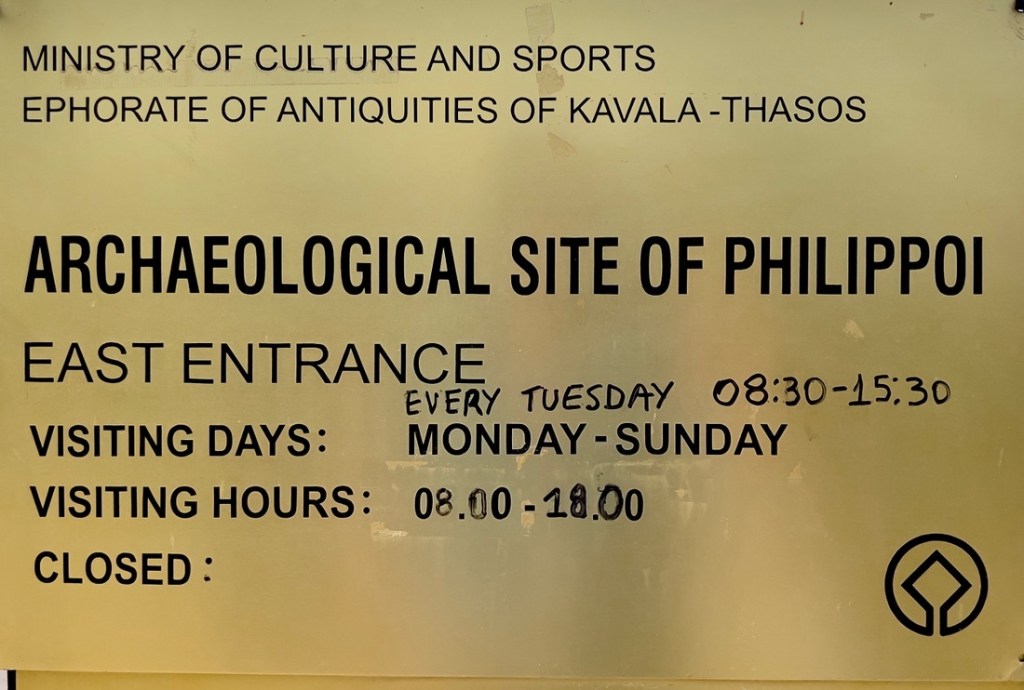
Less than a mile away from Lydia’s baptismal site is Philippi’s main archaeological site. This is where Paul cleansed the slave girl who was foretelling the future. Maryanne explained that part of the reason for Paul doing this is because, according to the biblical text, the girl was screaming that Paul was explaining “a” way to salvation rather than “the” way in Acts 16:17. In the Greek, there is neither an indefinite nor definite article, so it reverts to the context and grammar. The NET Bible has a long explanation about why their translators preferred to use “the.” It starts off by saying that the text is ambiguous! This cleansing angered the slavegirl’s owners because they lost income (Acts 16:19). They brought Paul to the magistrate, potentially at the bema in the agora. They could not accuse them of causing lost revenue, so they highlighted that they were Jewish and causing problems (Acts 16:20-21). This worked and the magistrate ordered them to be beaten (Acts 16:22), which was likely done at another location. After their beating, they were imprisoned (Acts 16:23-24). It is noteworthy that the text does not mention the imprisonment of Timothy or Luke, who were with Paul and Silas, perhaps because they were not ethnic Jews.
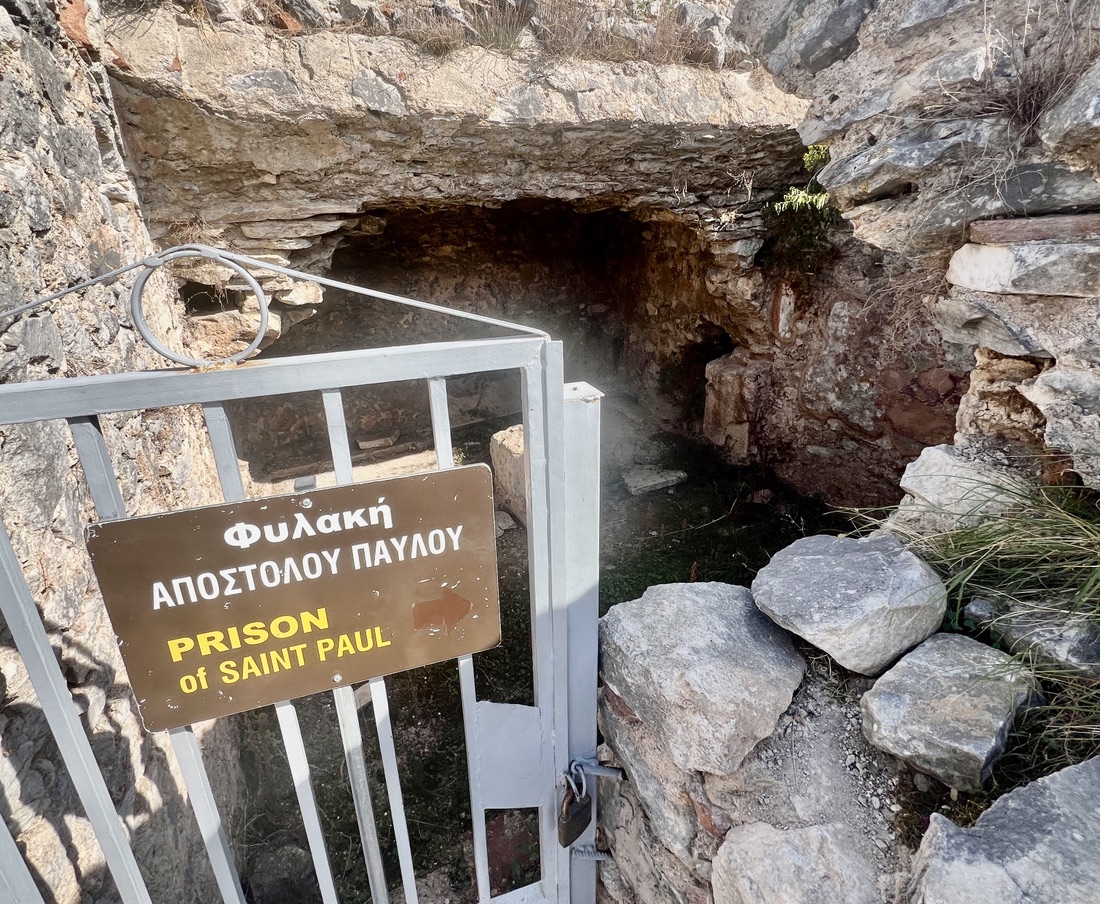
From Roman times, there are the remains of the agora and a theatre. There is also a site which has traditionally been claimed as the jail that Paul was imprisoned in, but this has since been disputed. The walls of the room are more consistent with a water cistern which makes a jail unlikely. Evidence of multiple pagan temples right by the site have been discovered, which makes the location unlikely. An alternative site has not been identified. As explained above, the buildings have been destroyed by earthquakes, supporting that God used a similar event to free Paul and Silas from prison (Acts 16:26).
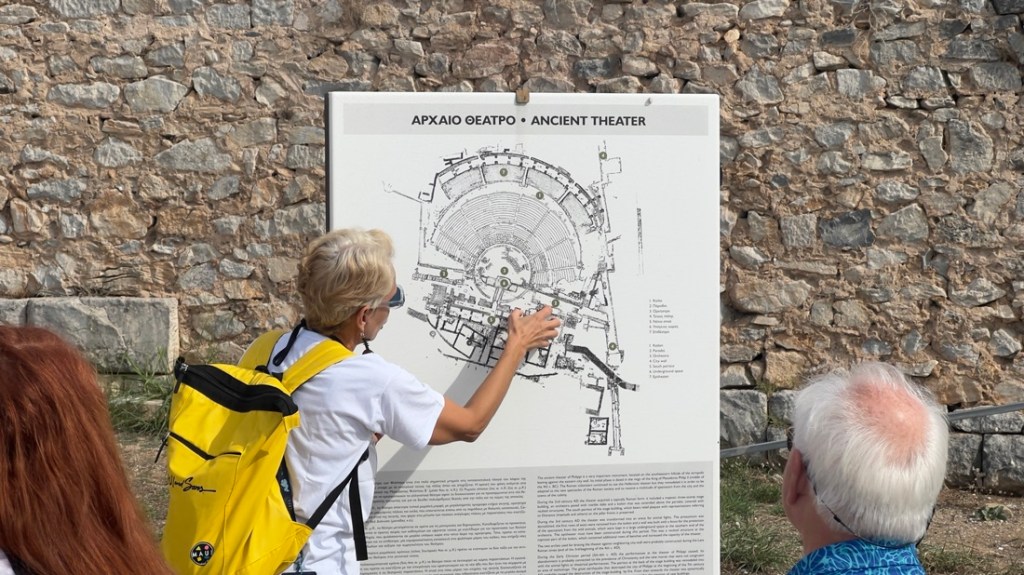


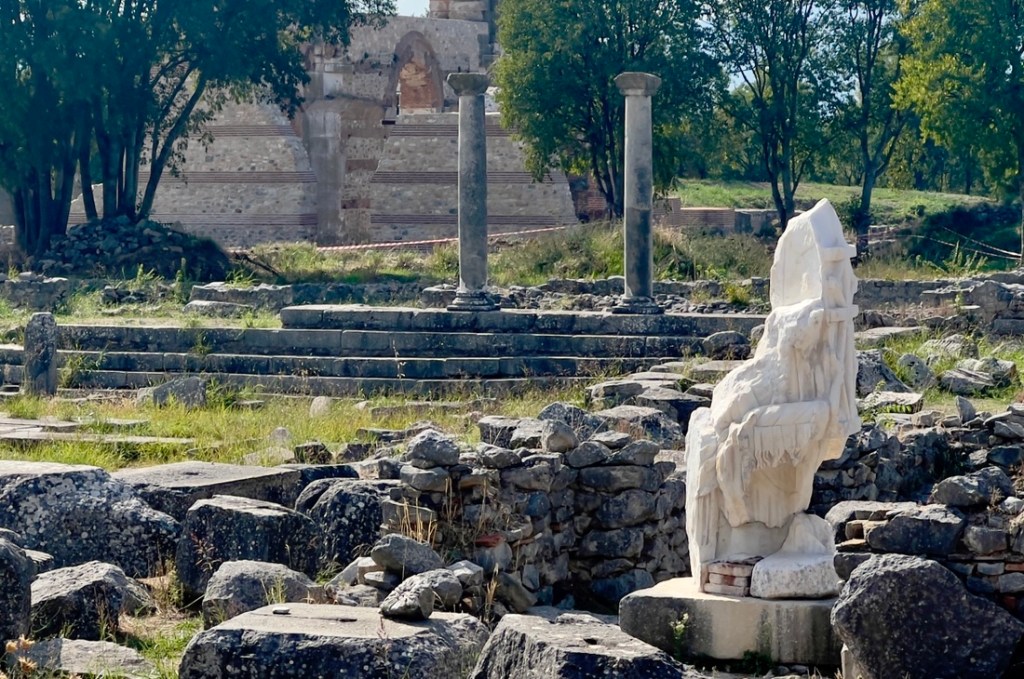
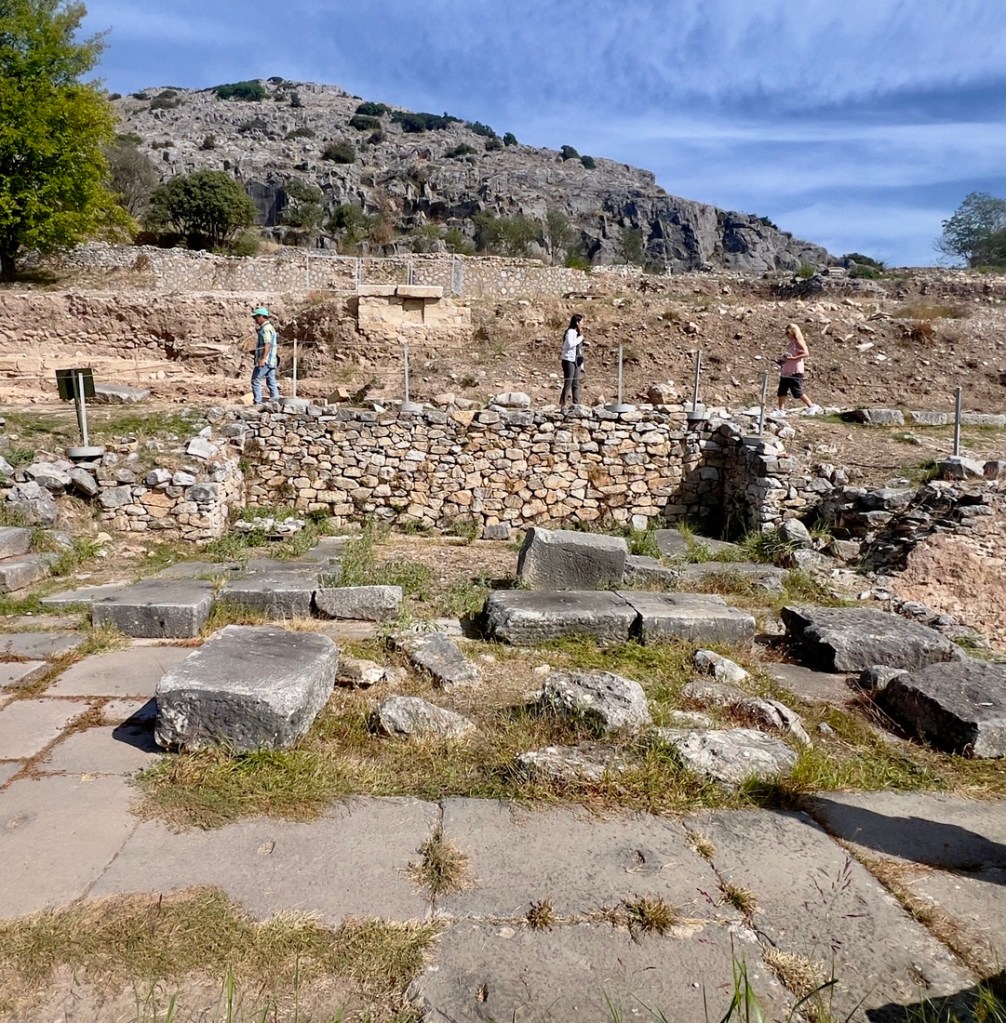

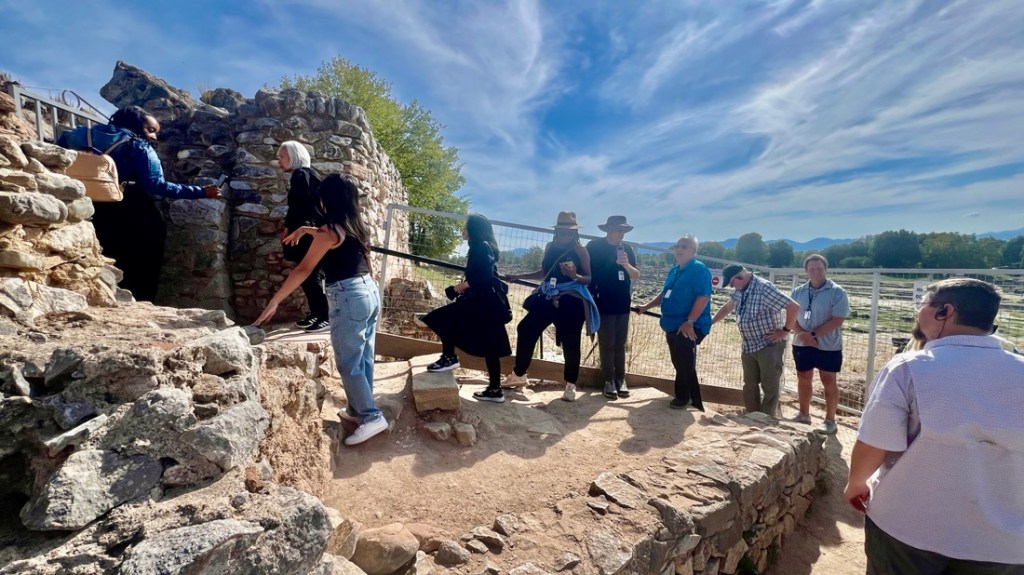

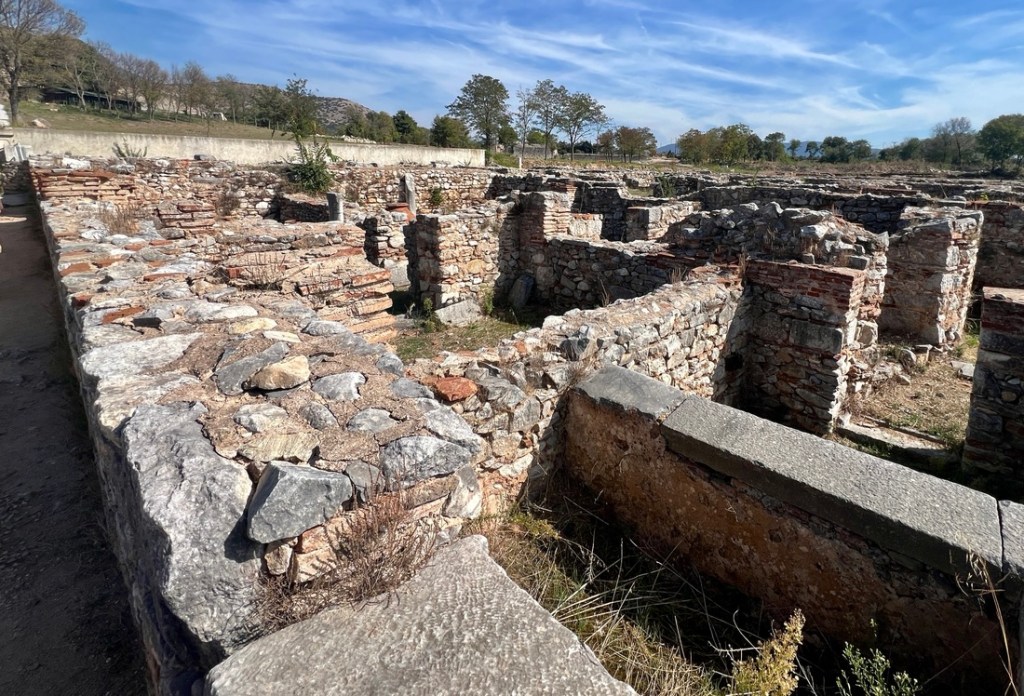
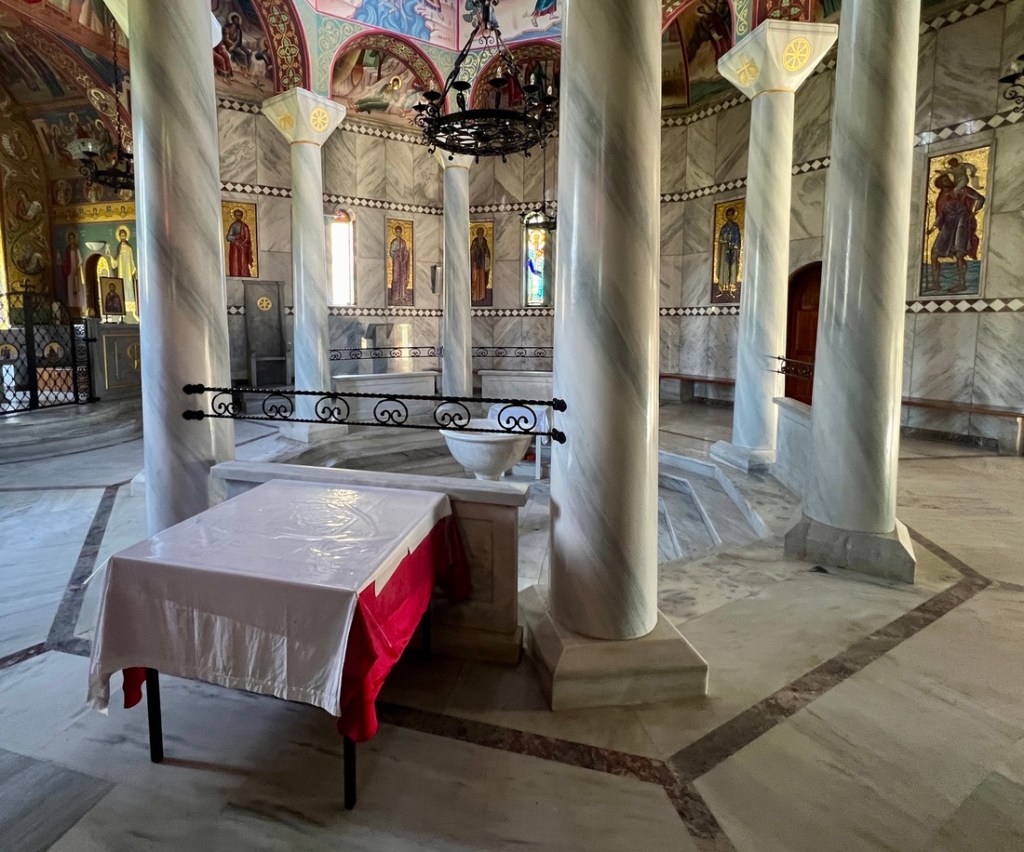
There is lots of extant evidence of significant building after the Romans. On the site where tradition says that Paul and Silas were beaten is an octagonal church from the 4th century AD. The earliest churches would have met in people’s houses, like Lydia’s. There is also evidence of several basilicas, early churches, that were destroyed by earthquakes and the Ottomans.
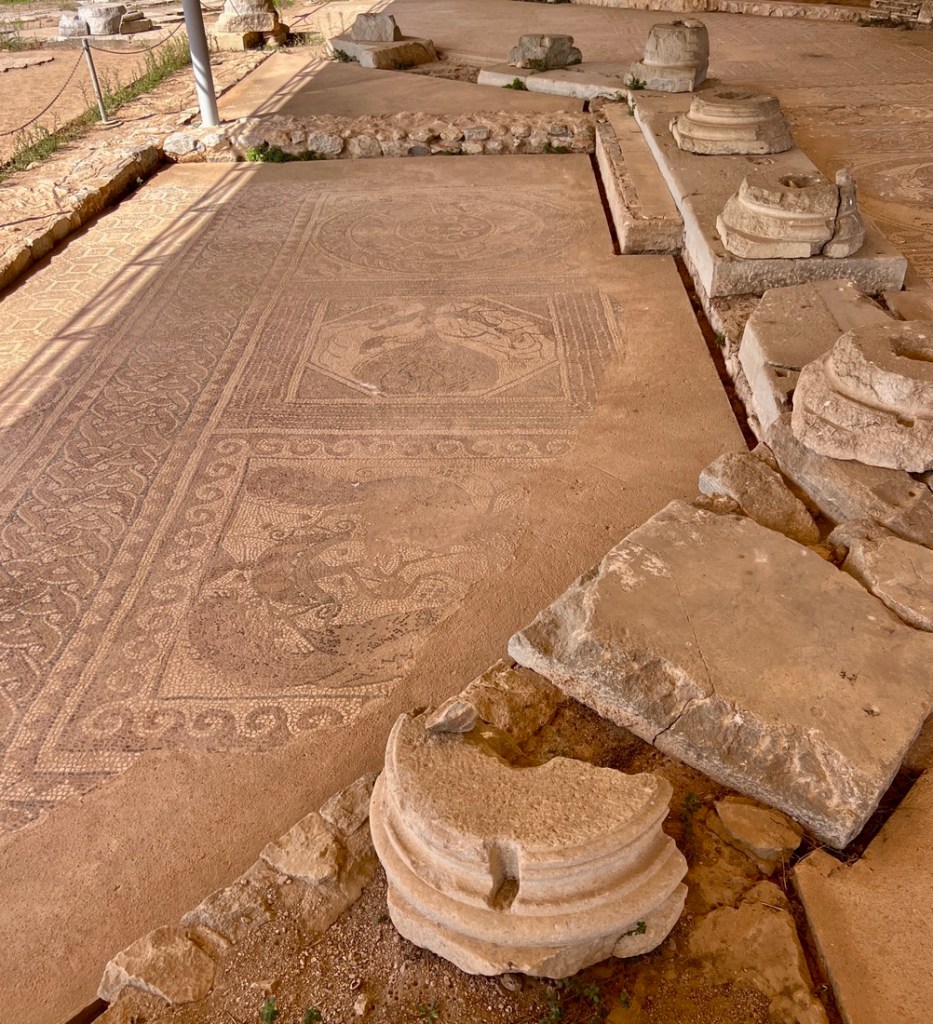

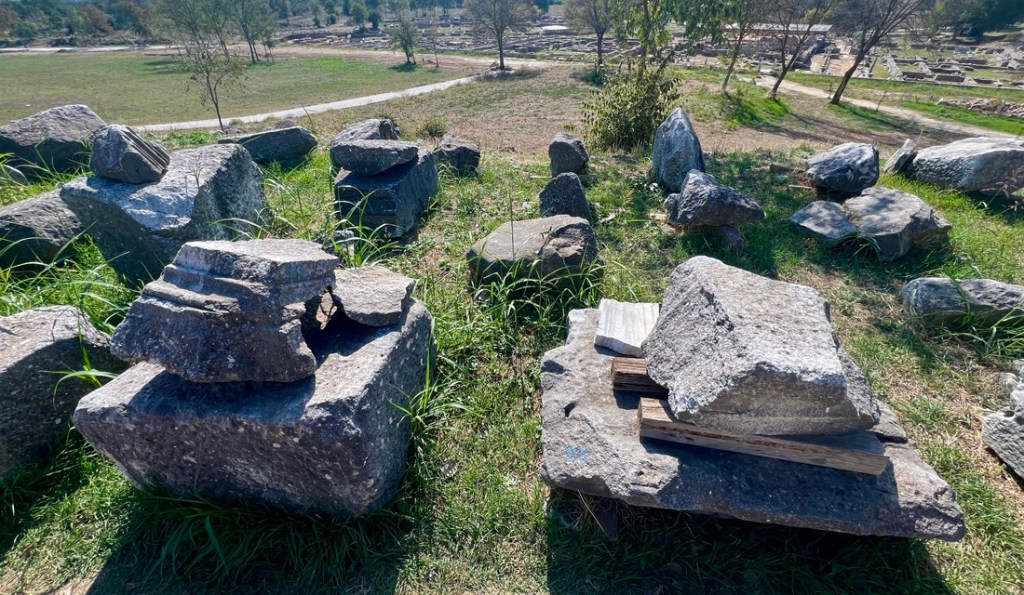
Even though the Bible has only one letter from Paul to the Philippians (written at least a decade after this visit) and Acts mentions a couple of visits (Acts 16 above and implied by Acts 21), it is likely that Paul had a close friendship with the people of Philippians. In the second century, Polycarp wrote about this friendship and referred to multiple letters from Paul to the Philippians. This friendship did not come cheaply. Paul was nearly beaten to death for remaining faithful to the gospel. He did not bring up his Roman citizenship until after his beating, when he was going to be quietly thrown out of town, which would have brought shame on them, and hence the gospel. Their declaration of being Roman would have provided protection for Lydia and the nascent Philippian church. The legacy of that relationship and Paul’s suffering is Paul’s letter and his overall witness, which is part of today’s church’s foundation.
We lamented that it took us two hours to travel the approx. 100 miles from Philippi to Thessaloniki. Our visit to Philippi reminded us that Paul would have made this journey on foot, along the Via Egnatia, just after being beaten close to death. The welts on his body would be fresh and raw, even though the jailer had washed the wounds (Acts 16:33). He had already been stoned and left for dead at least once (Acts 14:19) and injuries most likely lingered. Perhaps he rode a horse given his injuries, but the pain still must have been intense. We complain when our legs ache after walking a few miles!
Thessaloniki
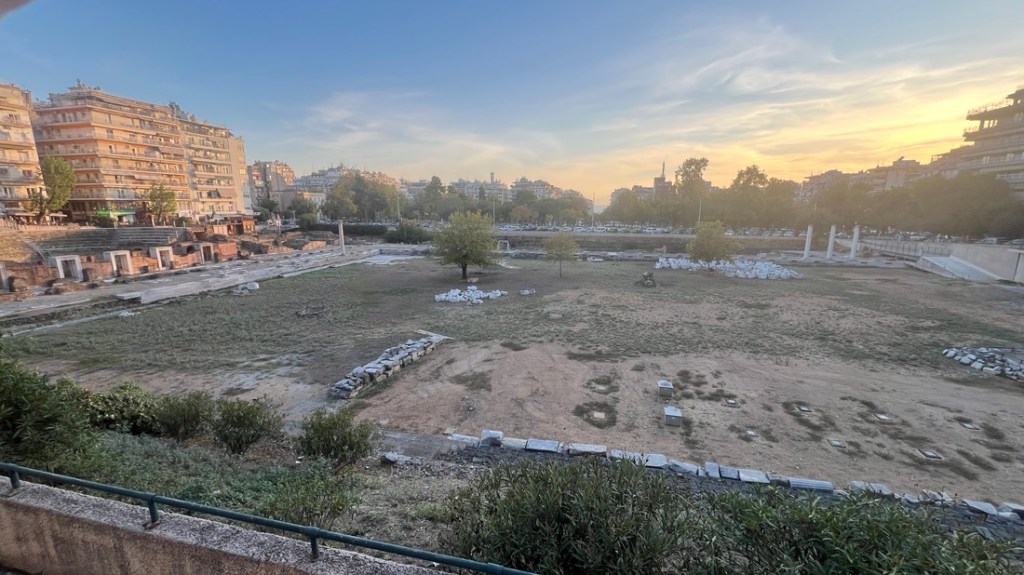
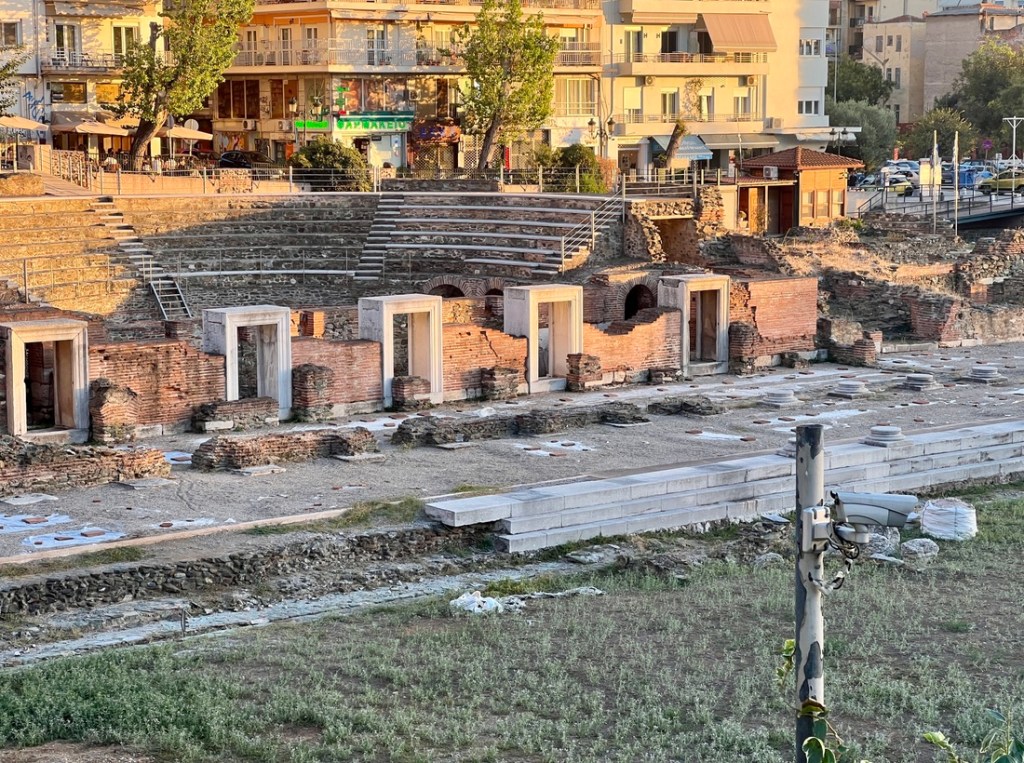
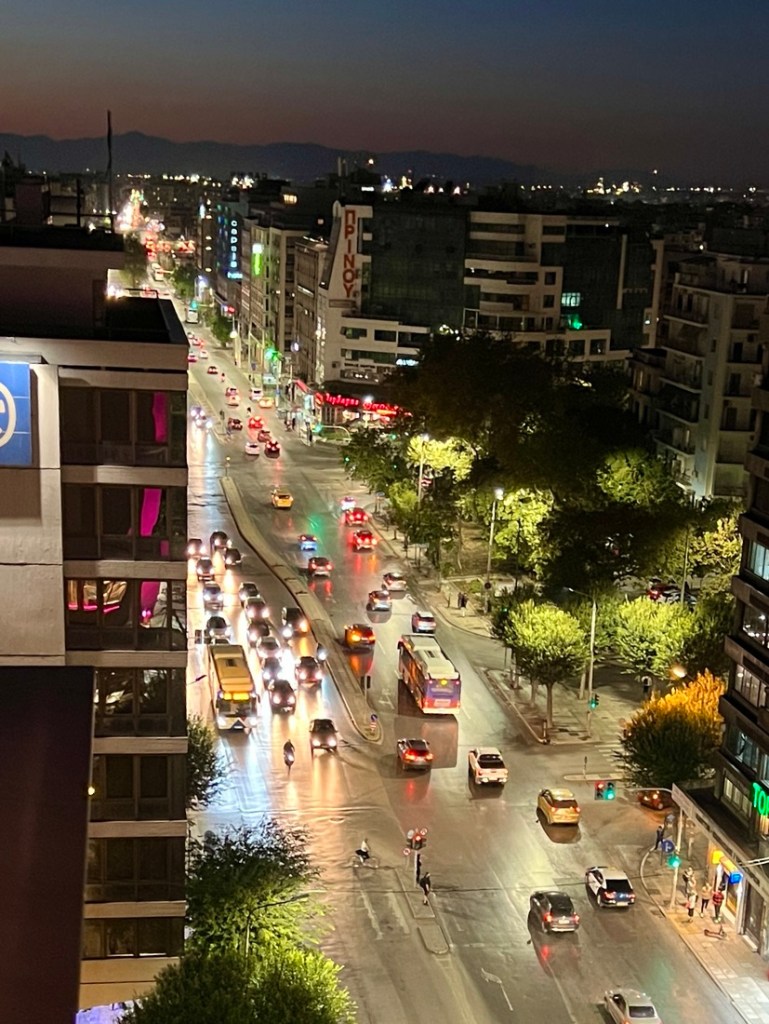
Luke describes Paul’s time in Thessaloniki in Acts 17:1-9 when he was imprisoned before being secreted away to Berea. Since biblical times, the metropolitan area of Thessaloniki has grown to over a million people. It was a provincial capital during Paul’s time, so it would also have been a relatively busy place when he visited. Modern developments had covered all traces from Paul’s time. The city suffered a great fire in 1917 and resulted in a large open area in the middle of town. In 1963, when breaking ground in this area for new law courts, they discovered what turned out to be part of the Roman Forum. This would have been bigger than at Philippi, as Thessaloniki was a provincial capital, and the archaeological exploration remains incomplete. Indeed, anywhere that you now dig in the city results in finding historical artifacts, which immediately become the property of the government and digging has to cease to allow archaeological assessment. The city has been trying to build an underground metro system for over ten years, but it keeps stalling as they find ancient artifacts. The other main historical site in the city is the Arch of Galerius, erected in AD 304 alongside the Via Egnatia to commemorate his victory over the Persians in AD 297. Galerius also persecuted Christians, including martyring Demetrius. A church was built in Saint Demetrius’s honor in the fourth century. The current church on the site dates to the seventh century. Demetrius is Thessaloniki’s patron saint and his church continues to speak out against Galerius!
Luke described the officials in Thessaloniki as “politarchs” (Greek: politarches) in Acts 17:6. This is a unique word for local officials combining the word for city (polis) and authorities (arches). Through the mid-1800’s, this word had not been found anywhere else, including Greek literature, historical records, or archaeological inscriptions. This assisted those that argued that Luke’s account was inaccurate. However, when the Ottomans demolished the city’s royal gate in 1867, they found the word “politarch” inscribed on a marble foundation. This rock is now known as the British Museum, and it vindicated Luke.


Extra Bonus
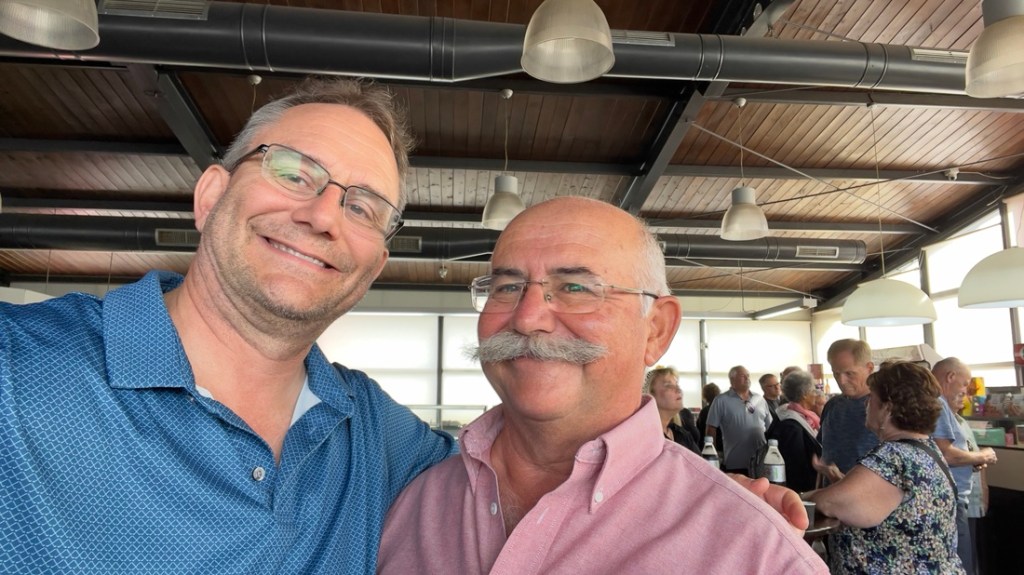
At a rest stop when traveling, I had the privilege of Maryanne introducing me to Costas Tsevas. He wrote one of the guidebooks that I had brought that provided amazing insights into the relationship between the Ancient Greek culture and the New Testament.
Next up, we go for a hike on Mount Olympus. Until tomorrow…
Find other posts from this trip on our Greece page.
Please follow us on this journey by subscribing below. We would love to read your thoughts: please leave comments at the bottom of the post.
 The Adventures of the Cajunlimeys
What a thrill to have the Book of Acts come alive!!
LikeLiked by 1 person
Yes, Soli Deo Gloria!
I have a question regarding travel time on foot between Athens and Thessalonica on the Via Egnatia if I’m spelling that correctly. I’d really appreciate a reply when you’re able, Kate in Portland Oregon.
LikeLiked by 1 person
The Via Ignatia does not go near Athens. It goes east-west across Northern Greece. It was several hours by coach from Athens. Its Wikipedia article shows the relative position. https://en.wikipedia.org/wiki/Via_Egnatia. I believe that there is European long distance path that might be in the area (E4) but I know little about it other than it is not extremely well defined. I found a Via Ignatia trail on Google but it does not go near Athens.
LikeLike