

TL;DR: We traveled to Berea (called Veria in modern Greek) where Paul visited in Acts 17:10. Close by was the underground museum of Philip II, father of Alexander the Great. We then continued into Thessaloniki, and we slept adjacent to the Via Egnatia (Egnatian Way), the ancient Roman Road.
Berea
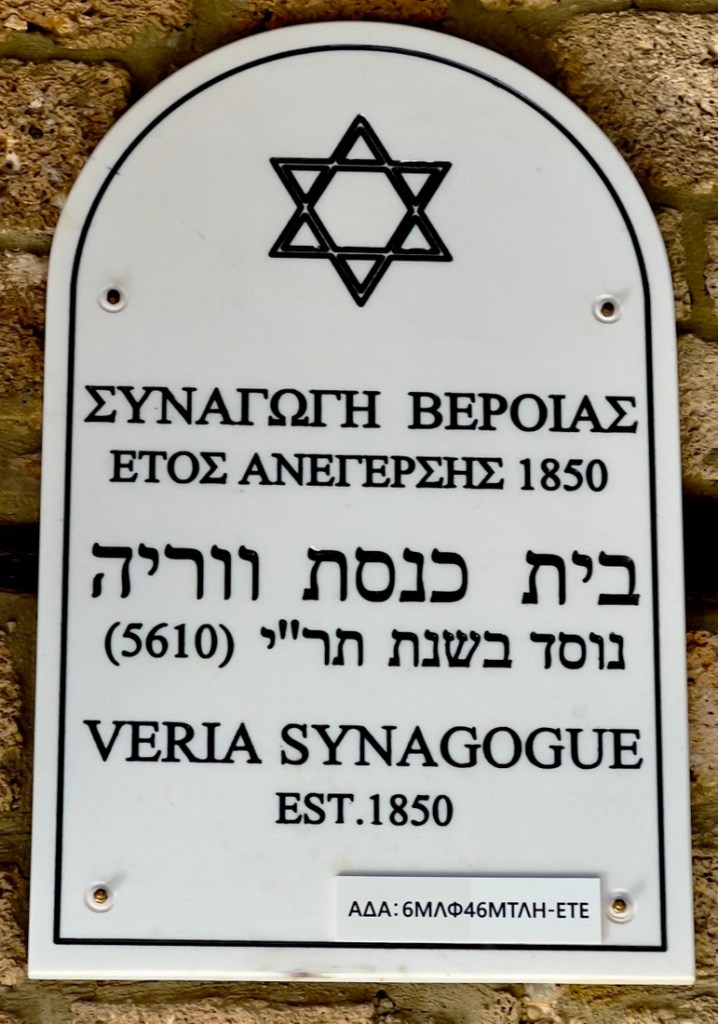
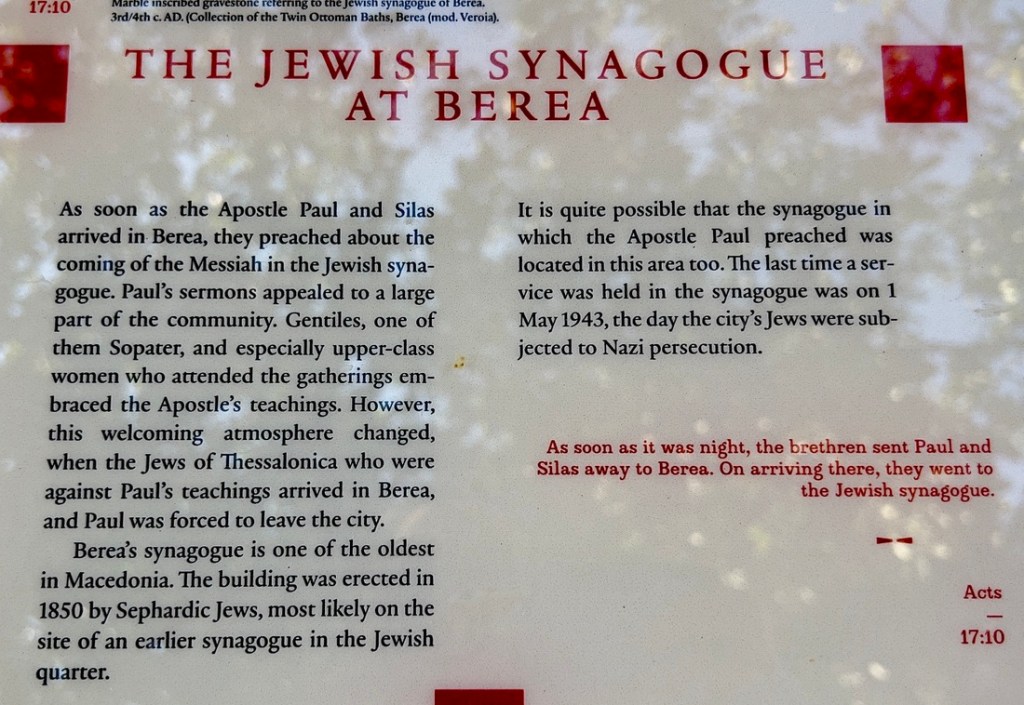
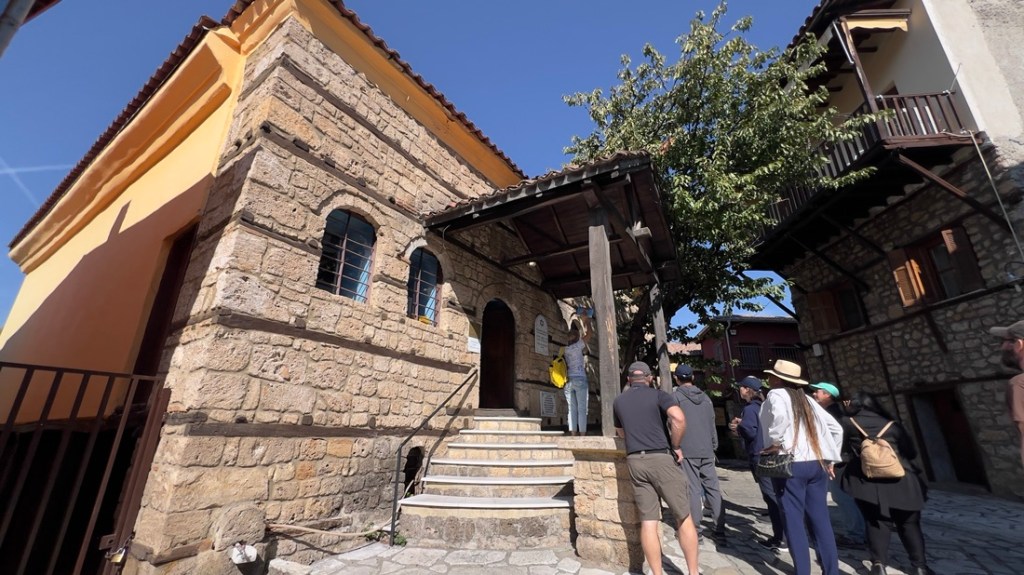
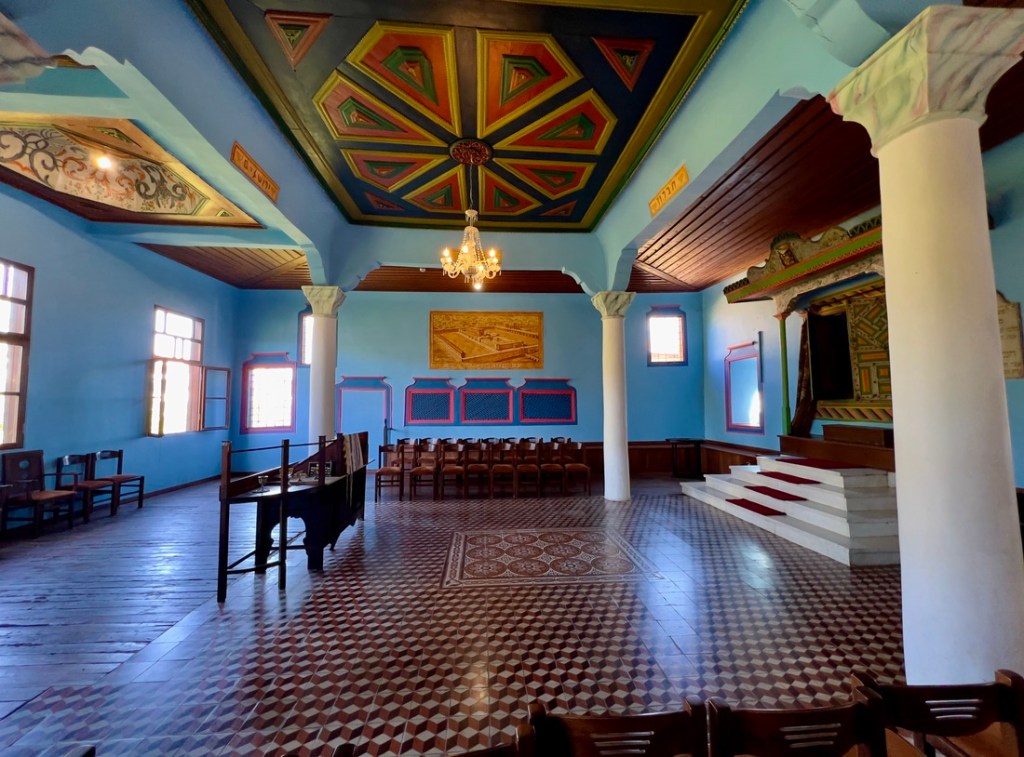
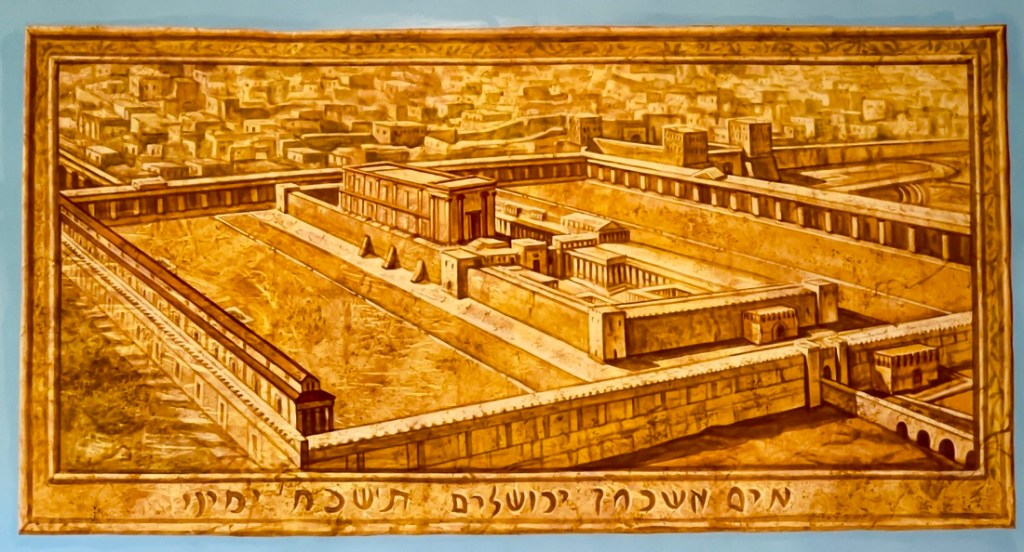
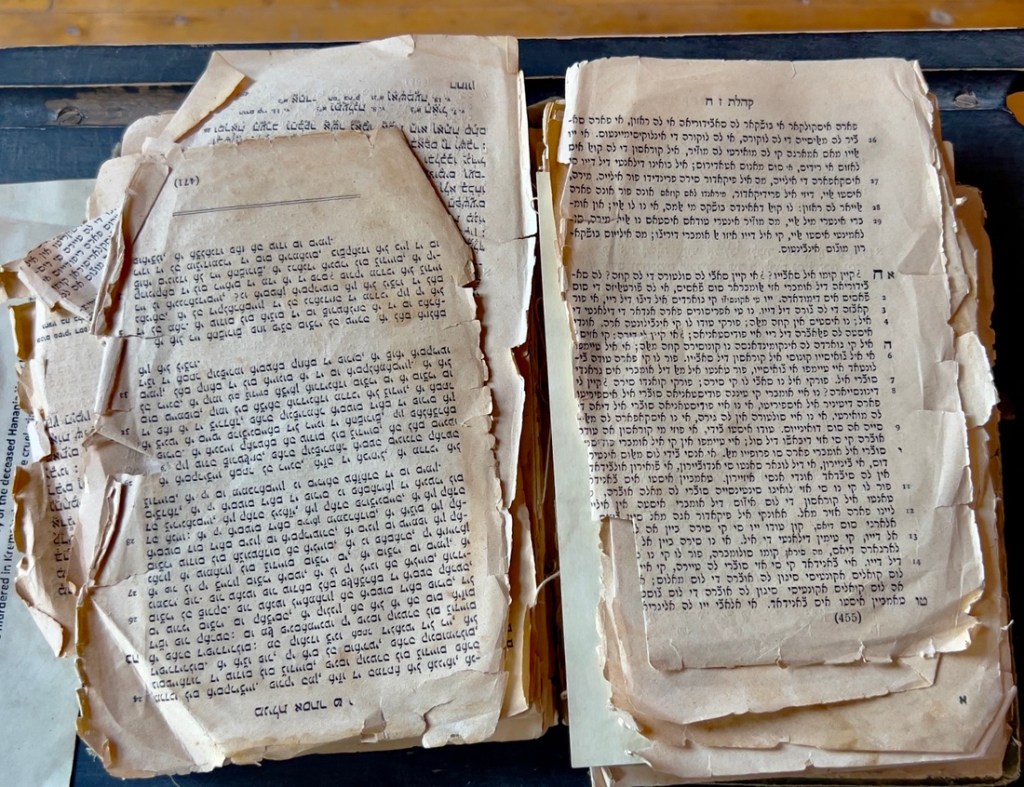
Our journey continued northward toward where Paul first came to Europe and Greece. It was about a two hour drive from Meteora to Veria. This is the modern Greek town at the location that Luke calls Berea in Acts 17:10. During Paul’s second missionary journey, after being chased out of Thessaloniki, Paul and Silas came to Berea. On arrival, they came to the synagogue, where they were given an open-minded reception (Acts 17:10-12). Paul probably returned to Berea on his third missionary journey in Acts 20:1-5. Our first stop in Veria was a synagogue built in 1850 on what is believed to be the site of a synagogue in biblical times, and hence where Paul would have preached. The last time a service was held in the synagogue was in 1943 when the Nazis arrived. The synagogue also acted as a memorial to the Jews that the Nazis executed, especially children. The Nazis stole scrolls of the Jewish Scriptures. One reportedly dates from the second century BC and has a note in the margin that Paul spoke from it, but this scroll ended up in a private collection and the owner does not allow access.
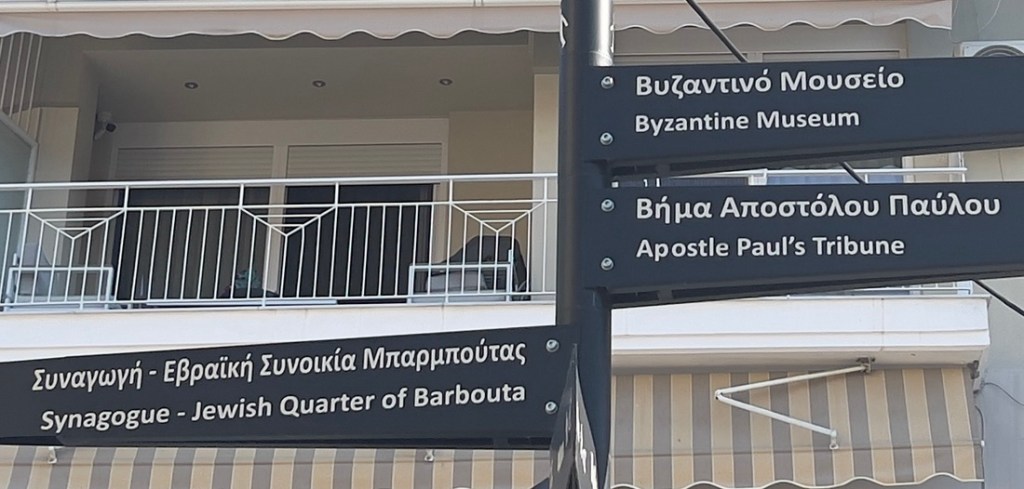



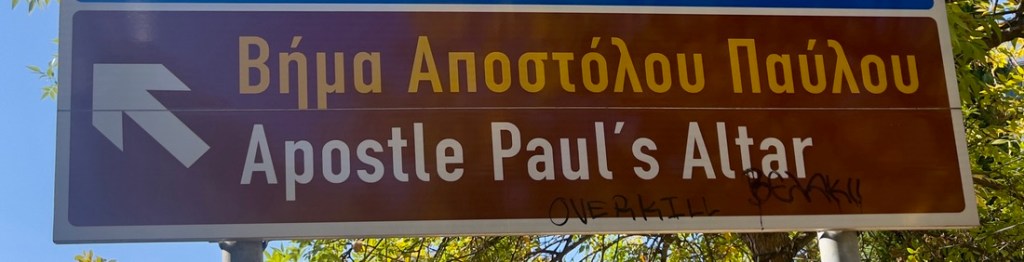
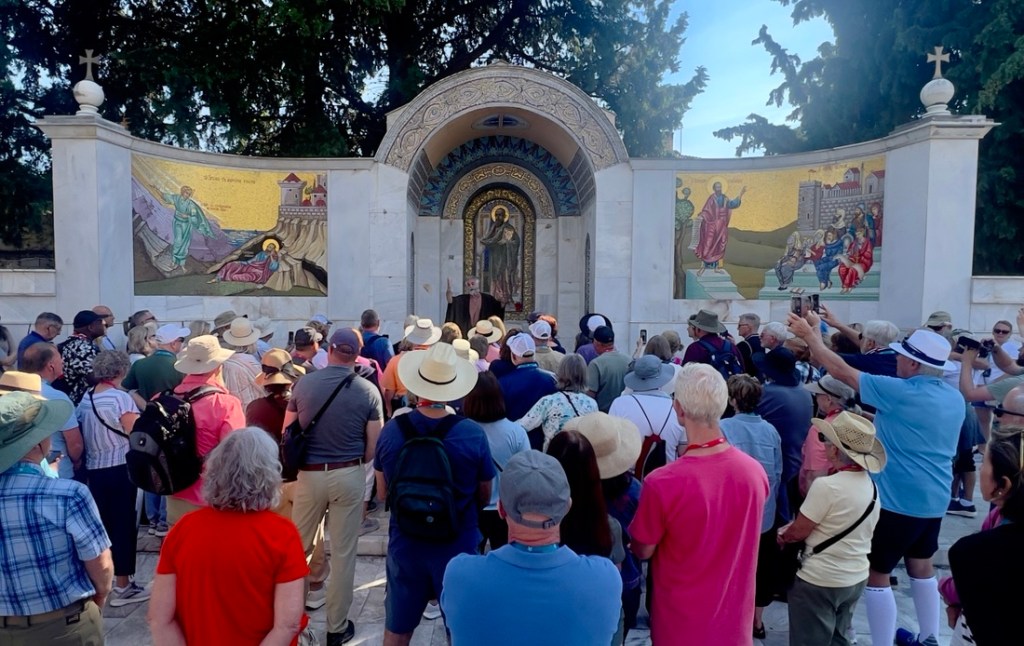
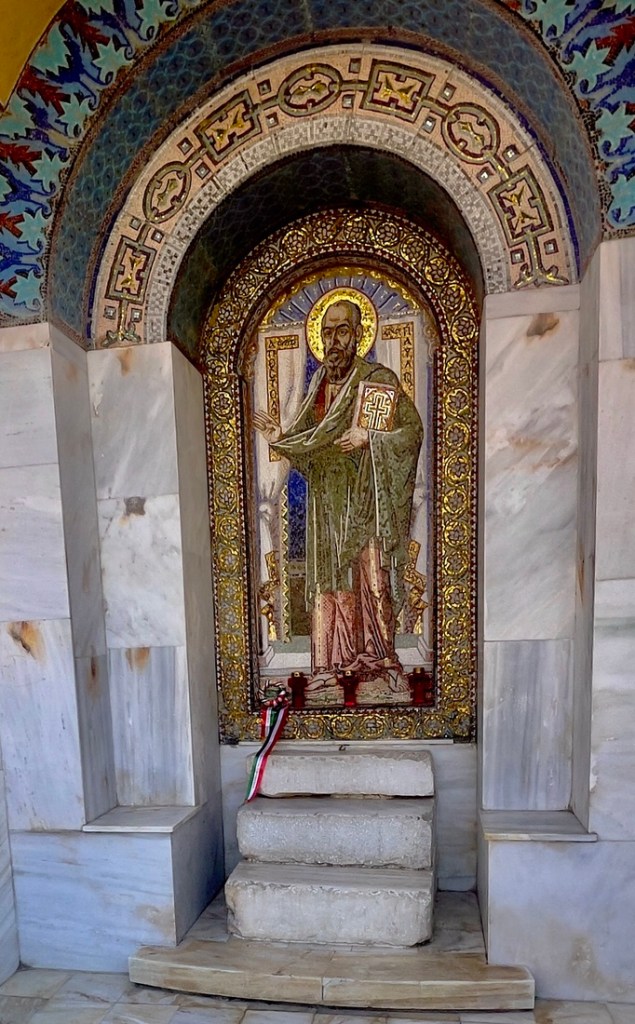
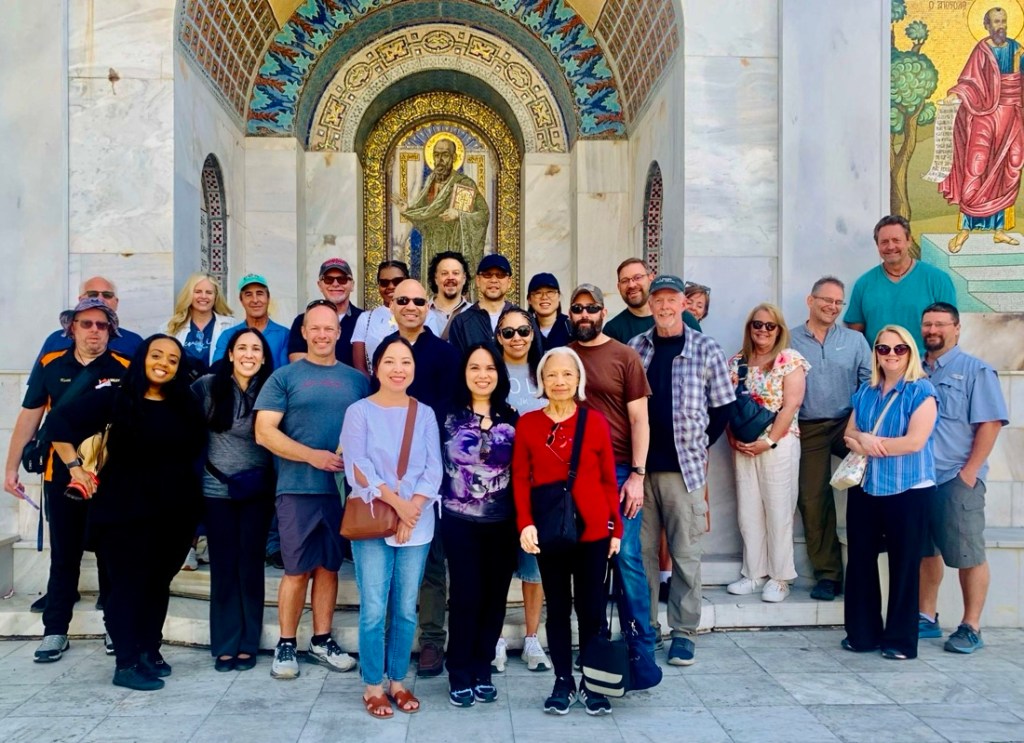
Next, we walked over to the βῆμα (bema). This is believed to be the place where Paul preached to the gentiles in Berea, after the synagogue. A bema has various meanings, ranging from steps to a judgement seat. Even the modern translations of the Greek word that we saw on road signs ranged from “tribune” to “altar.”

Vergina
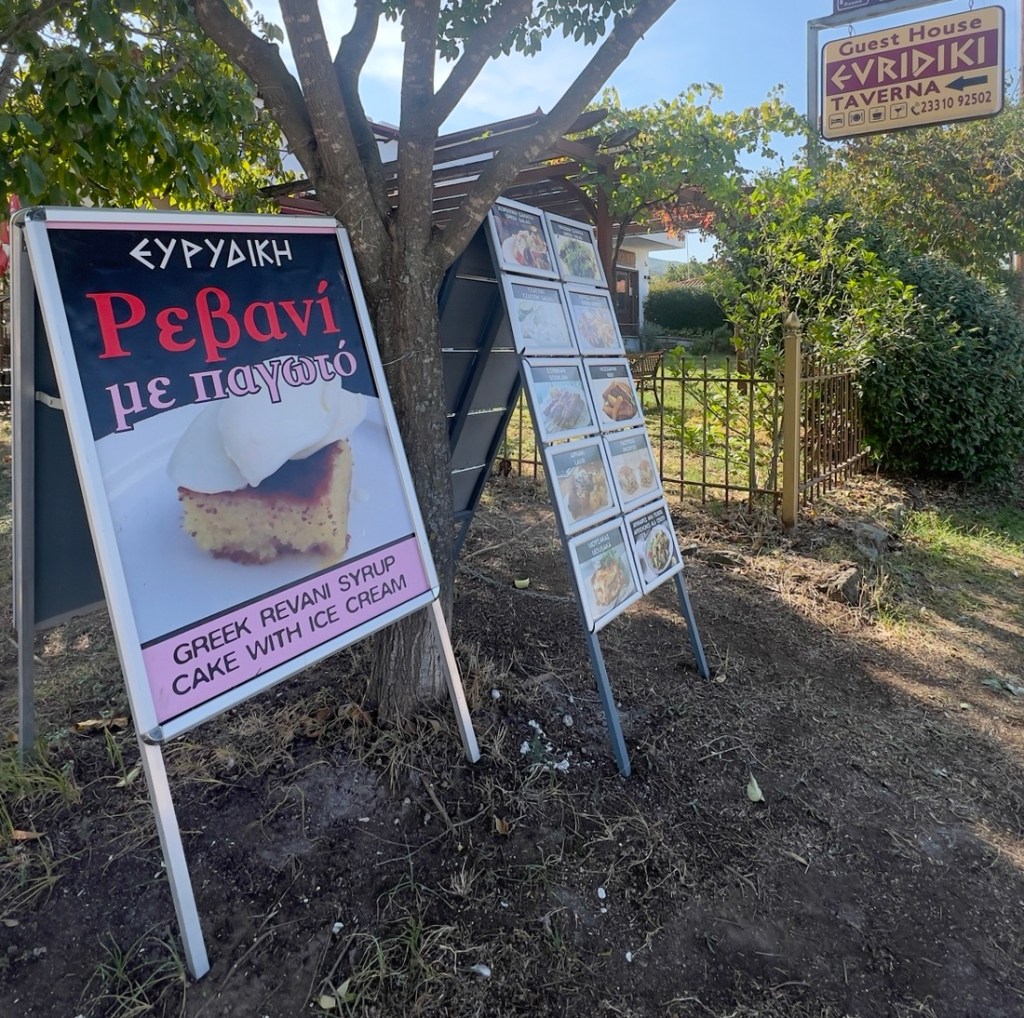
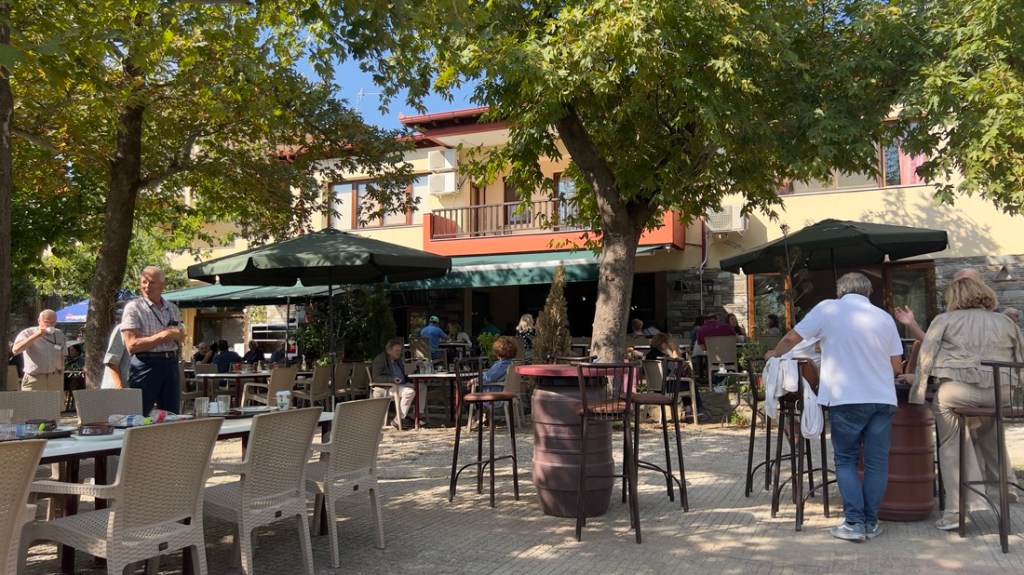
Next, we drove thirty minutes to Vergina to have lunch. For the first time, it was not a set lunch and we got to choose and pay. We had yummy gyros, unlike the ones in the US as there was no pita bread.
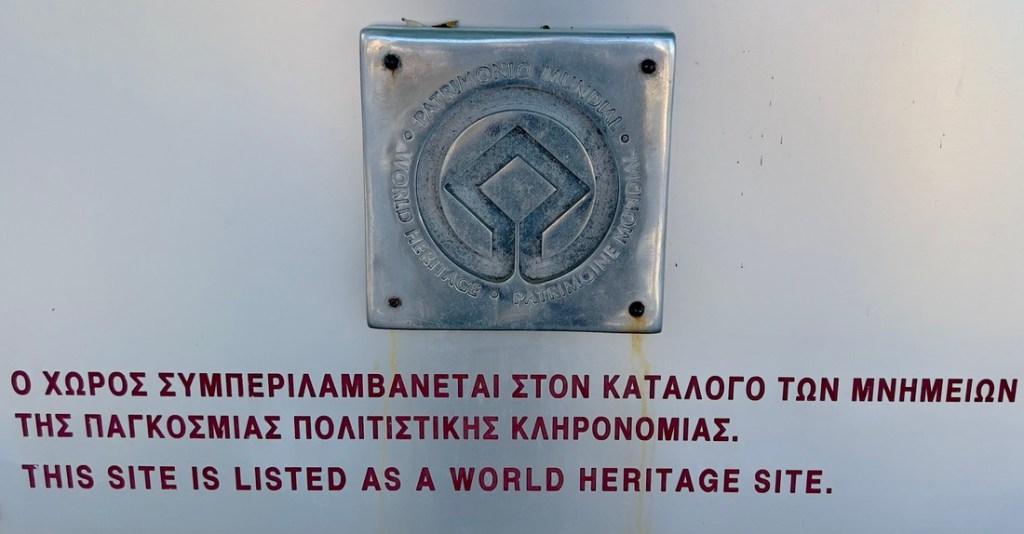
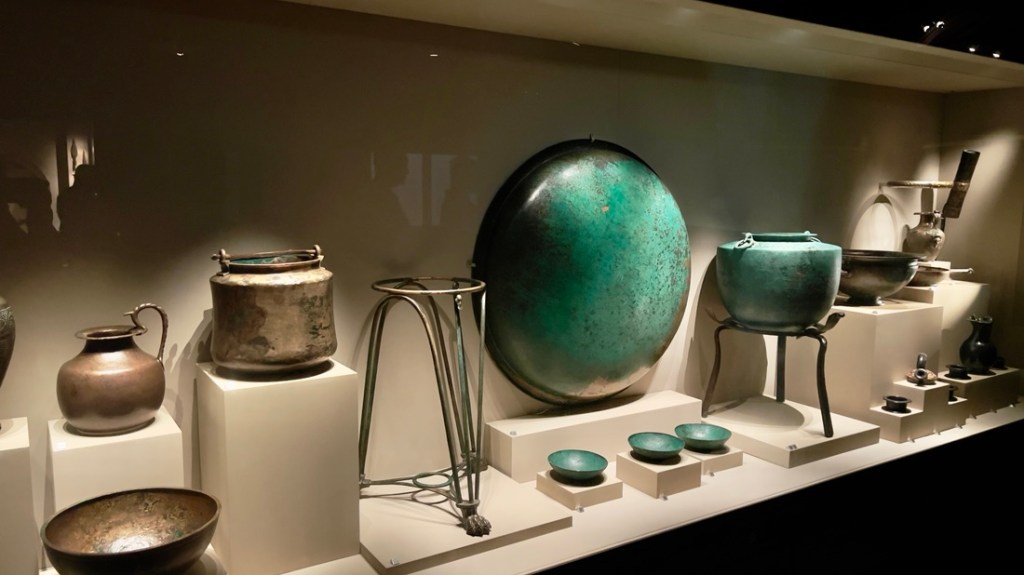
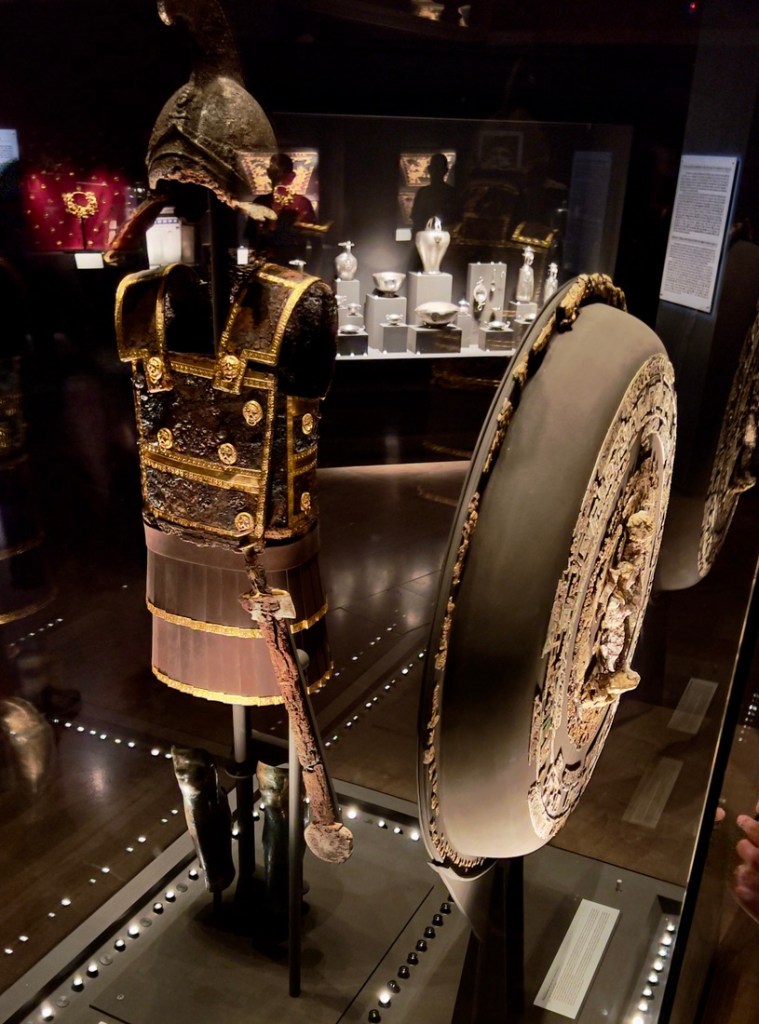
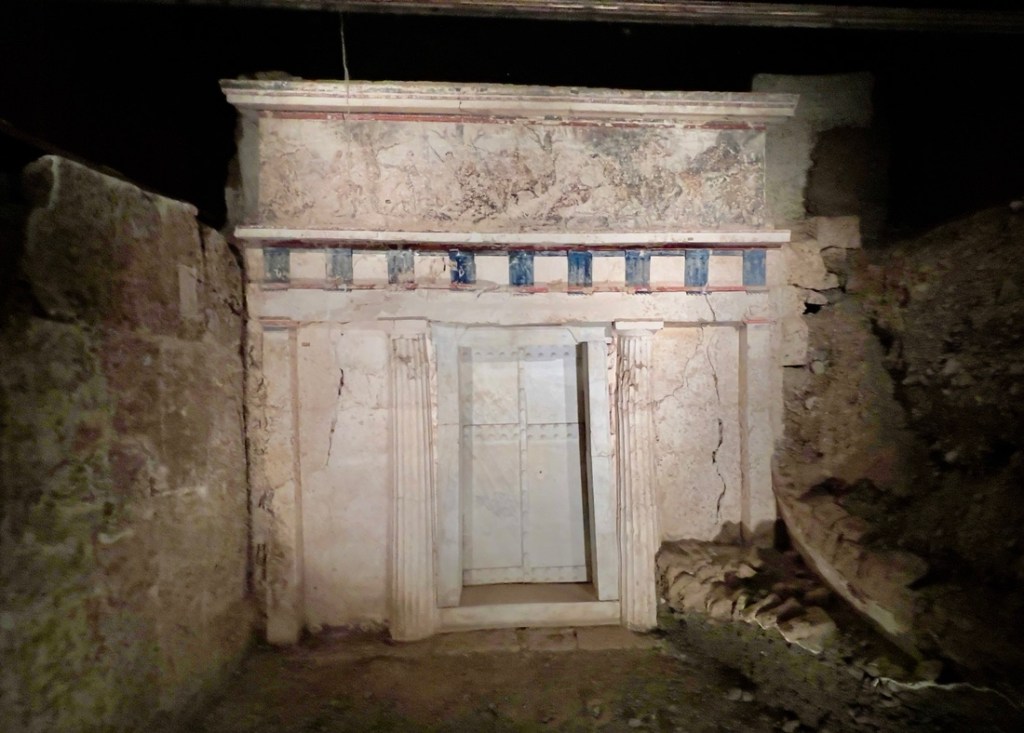
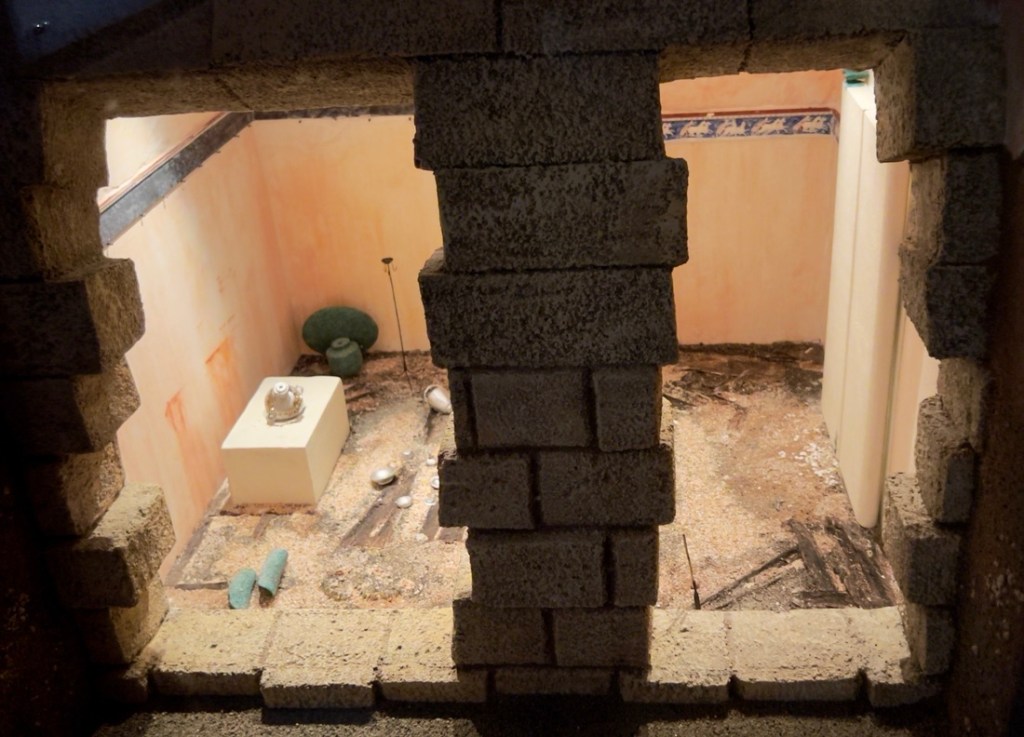
It was a short walk from the restaurant to the Museum of the Royal Tombs at Aigai. Archaeologists discovered a set of tombs under a mound which includes King Philip II of Macedonia who was the father of Alexander the Great. A museum had been constructed on site so the tombs could be viewed in situ. Loose items were in display cabinets. The tombs dated back to the third century BC.





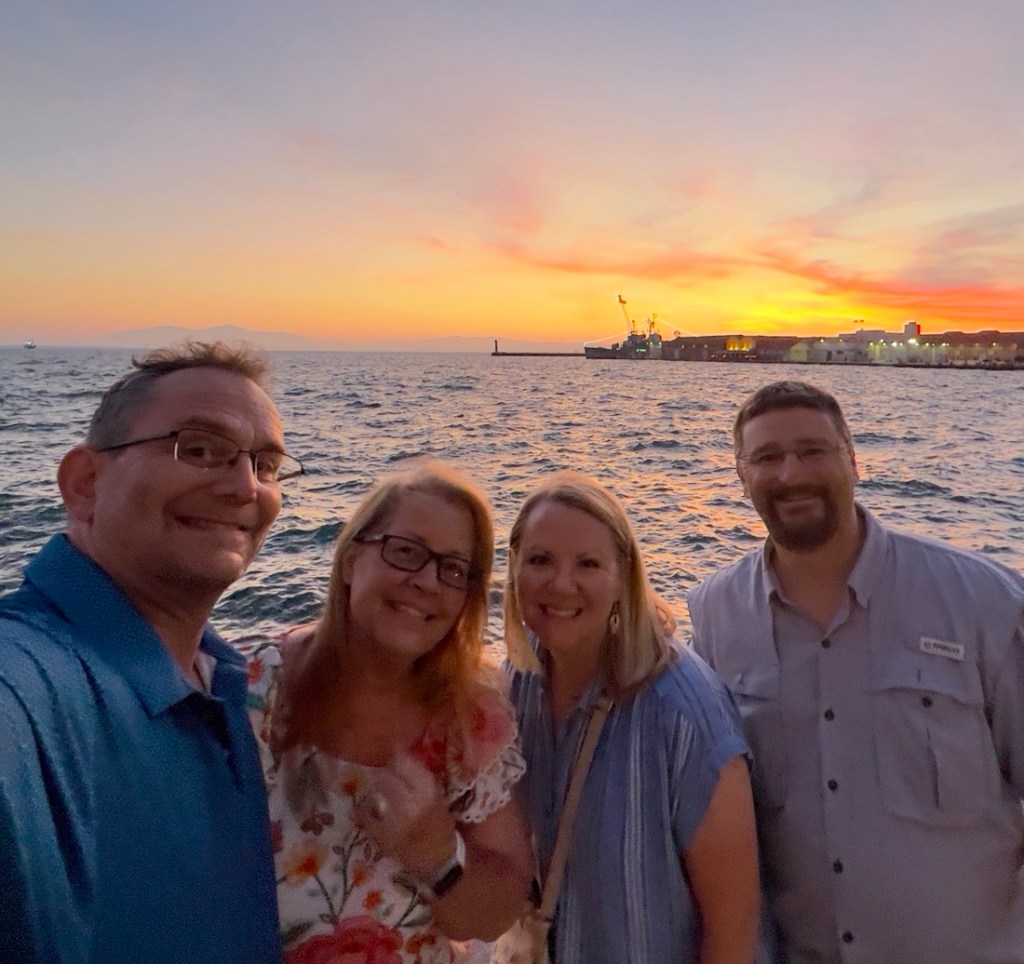
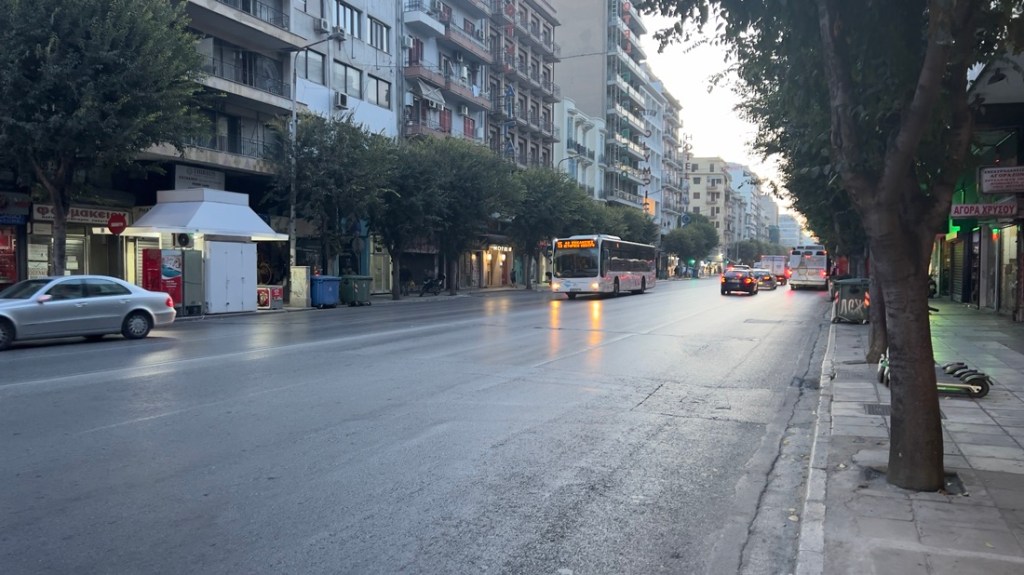
We ended the day in Thessaloniki, with only enough time to walk down to the seafront. It’s cool that our hotel is actually on the Via Egnatia, the Roman Road that ran from Greece to Constantinople, and along which Paul would have traveled from Neapolis to Philippi, Thessaloniki, and Berea.
Reflection
Philip II’s grave is a remarkable archaeological discovery but it has little relevance to the biblical accounts. It is fascinating that Paul traveled so close, about 400 years after the tomb was made. I wonder whether he visited, or if they even did such things back then. The tomb must have been buried at some point which prevented its plunder.
Visiting a couple of sites where Paul preached was insightful. The crowds and the reconstruction of the “bema” in Veria meant it did not feel genuine. However, the synagogue, even though it was only built in 1850, allowed us to think how Paul would have visited such locations as soon as he arrived in a new town, and how he would have used a logical argument from the Hebrew Scriptures that Jesus Christ was the Messiah.
Find other posts from this trip on our Greece page.
Please follow us on this journey by subscribing below. We would love to read your thoughts: please leave comments at the bottom of the post.
 The Adventures of the Cajunlimeys