
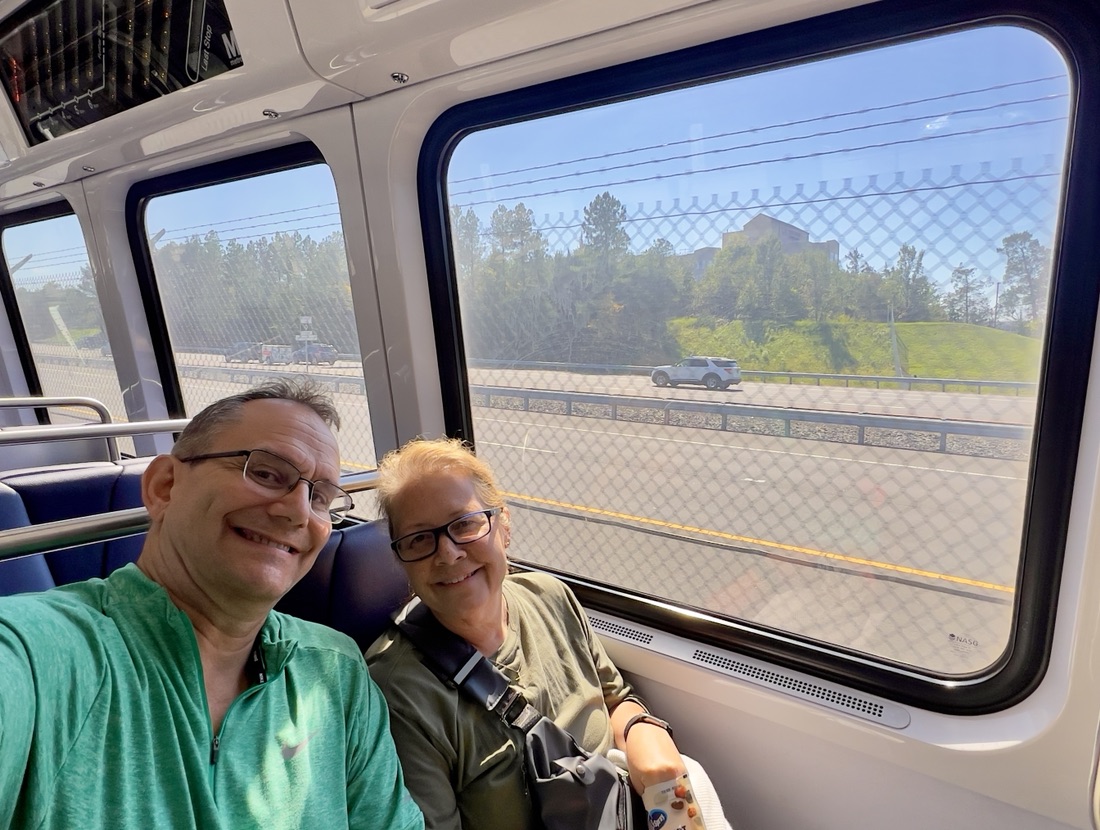
As our flight to Athens was via Dulles airport, we made the most of the stop and checked out Washington DC for a couple of days, visiting the Museum of the Bible, catching a show, and and walking around the monuments. The museum was a great way to set the tone for following in Paul’s steps in Greece and the walking should help with sleep on the flight!
Museum of the Bible
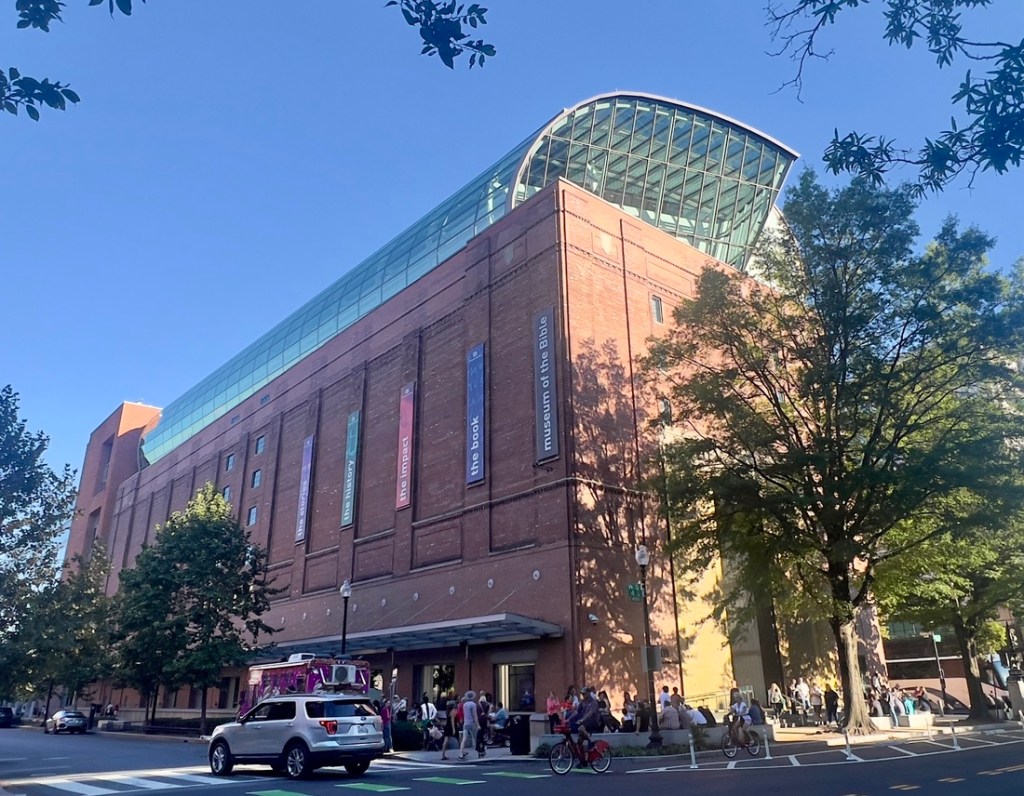
The museum is located in a warehouse originally built in 1922 a couple of blocks south of The Mall and opened in 2017. We spent about three hours visiting.
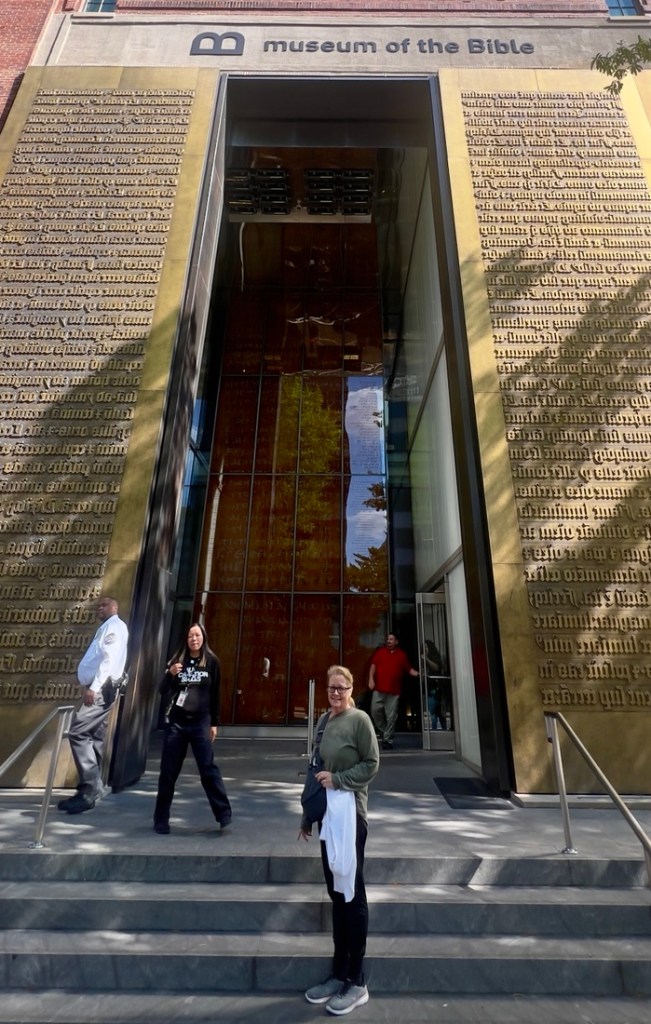
The information desk gave us a personal overview and a map of the six floors. It’s important to understand the overall layout as each floor is large, has multiple exhibits, and has its own theme.
In summary, the museum does an admirable job at showing a broad range of exhibits about the Bible for different tastes, interests, and biblical backgrounds. I expect that all visitors find some exhibits very interesting and some less so. A challenge for any exhibit like this is how to present historical uncertainty, especially with archaeology or locations of biblical events, and I felt they did it well.

We took the elevator to the top and walked down after each floor.
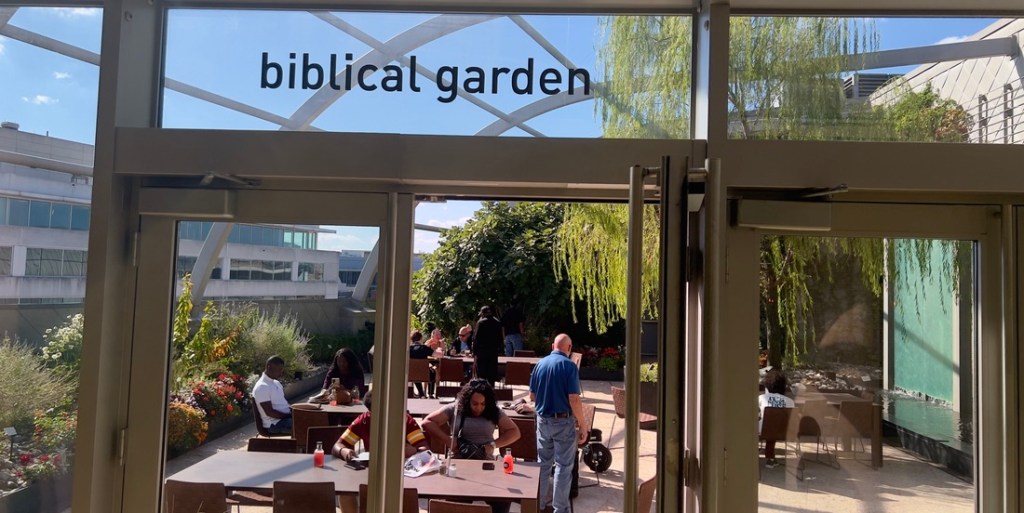
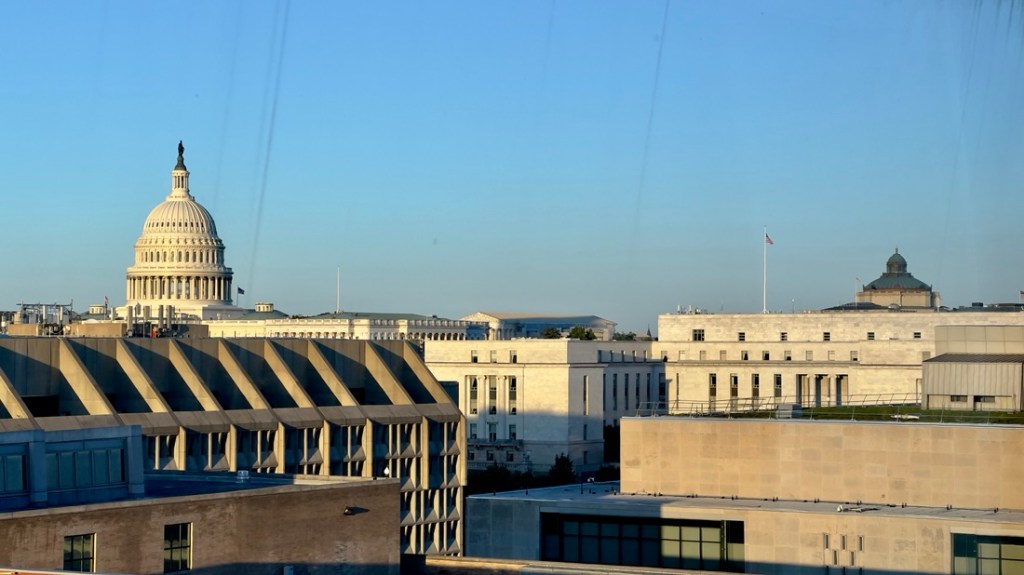
The sixth floor is mainly a restaurant and an outside “Biblical Garden”. There is also a theatre that we visited that night. The highlight of this floor is the view toward The Mall, seeing the taller building rise above the drab federal buildings close by.
The fifth floor’s theme was archaeology and includes three visiting archaeological exhibits. The first was a mosaic floor from a house in Megiddo, Israel, that was rescued by the Israel Antiquities Association during construction of Megiddo prison around 2004 and with the claim of being the oldest discovered site dedicated to Christian worship.


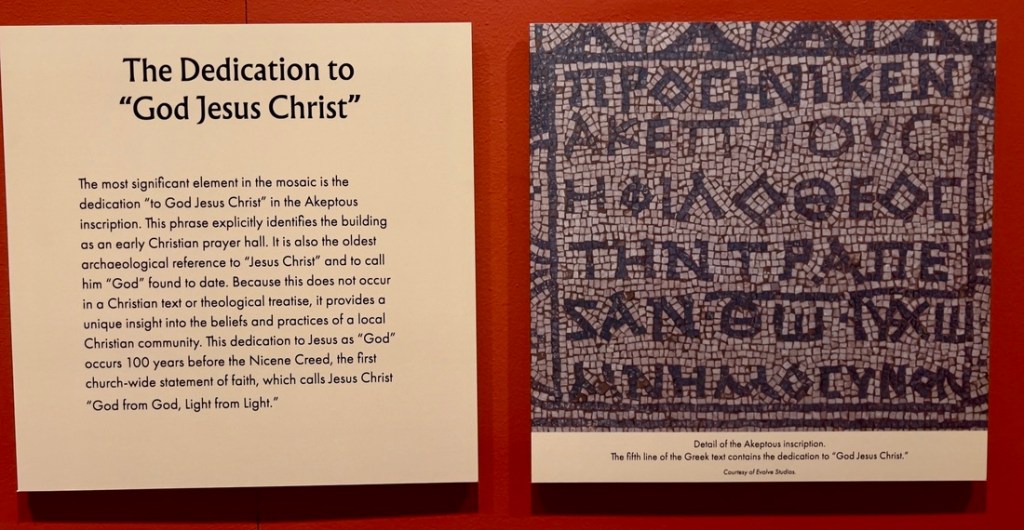
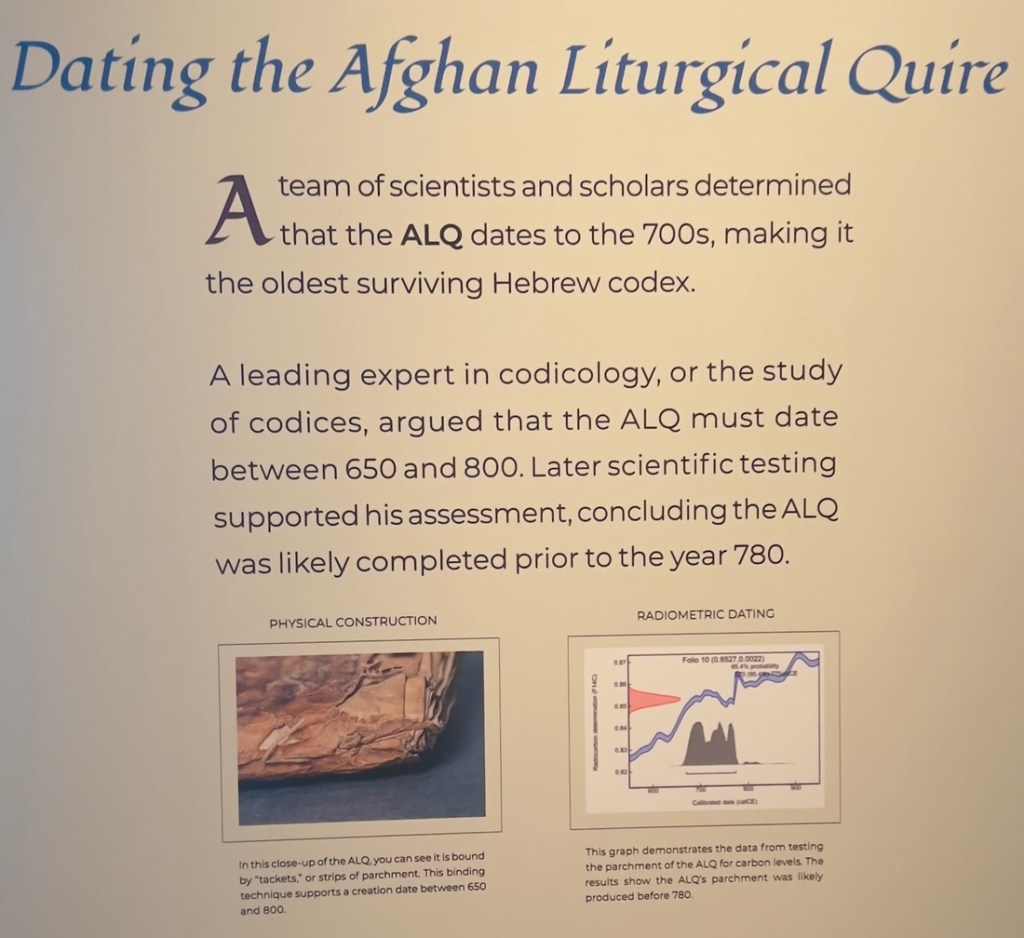
The dating of any archaeology find has uncertainty. Here are some examples of how archaeologists date their finds.

This exhibit was well laid out. The next exhibit was about the land of Ancient Israel. It contained lots of items that archaeologists have found. It was not something we were very interested in but they seemed to have much to see.


The third exhibit on the fifth floor was about a Jewish prayer book, the Afghan Liturgical Quire. Dating from AD 700, it claims to be the oldest Jewish book that has been discovered. Before this date, the Jews used scrolls. The use of the codex, or book, started at about the time of the formation of the New Testament. The exhibit included an interesting discussion of how Judaism spread to Afghanistan along the Silk Road.

The fifth floor was well laid out and not crowded. It is less about the Bible and interested us less, but was still a good place to start.
The fourth floor is the historical heart of the museum. Its exhibits trace the history of the Bible itself, from manuscripts in the original languages, the history of translations into Latin and English, and the current quest to translate the Bible into every language on the planet. There were a tremendous number of exhibits, complemented by many video presentations, and an overall summary in a theatre. As the information desk lady told us, you could spend a whole day, or more, in this floor alone. Our one issue with the exhibit was its layout and we got turned around.

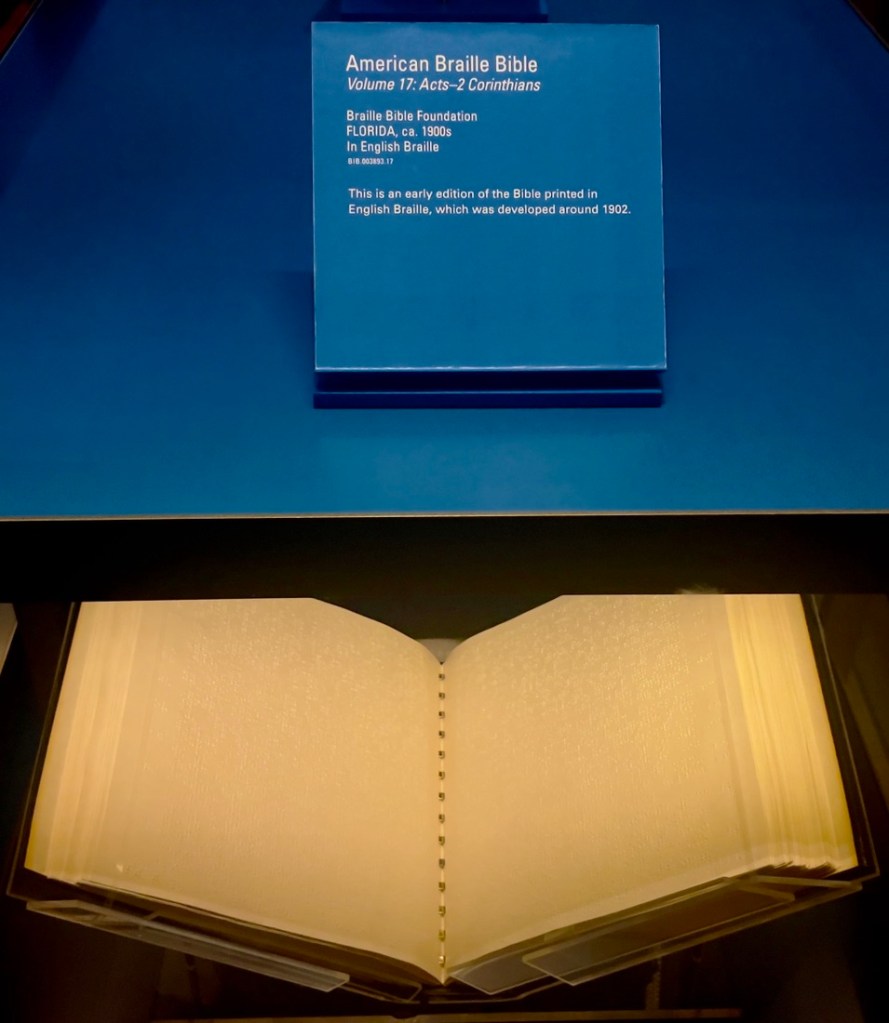
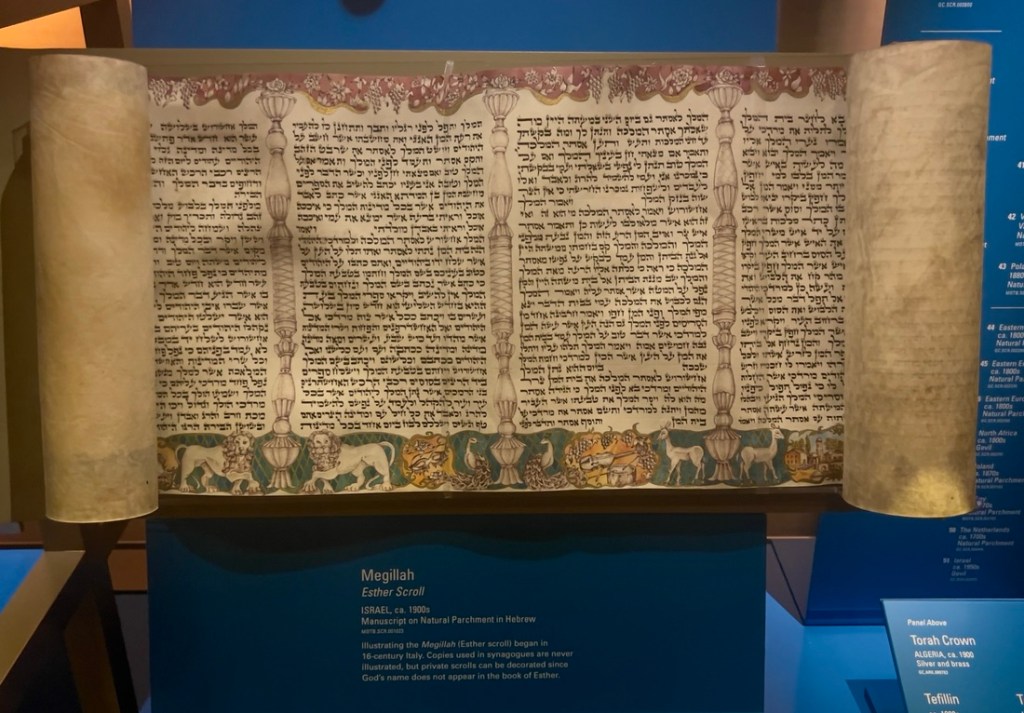


A large exhibit included examples of Bibles translated into the world’s languages. The museums strives to get a copy of every translated Bible.
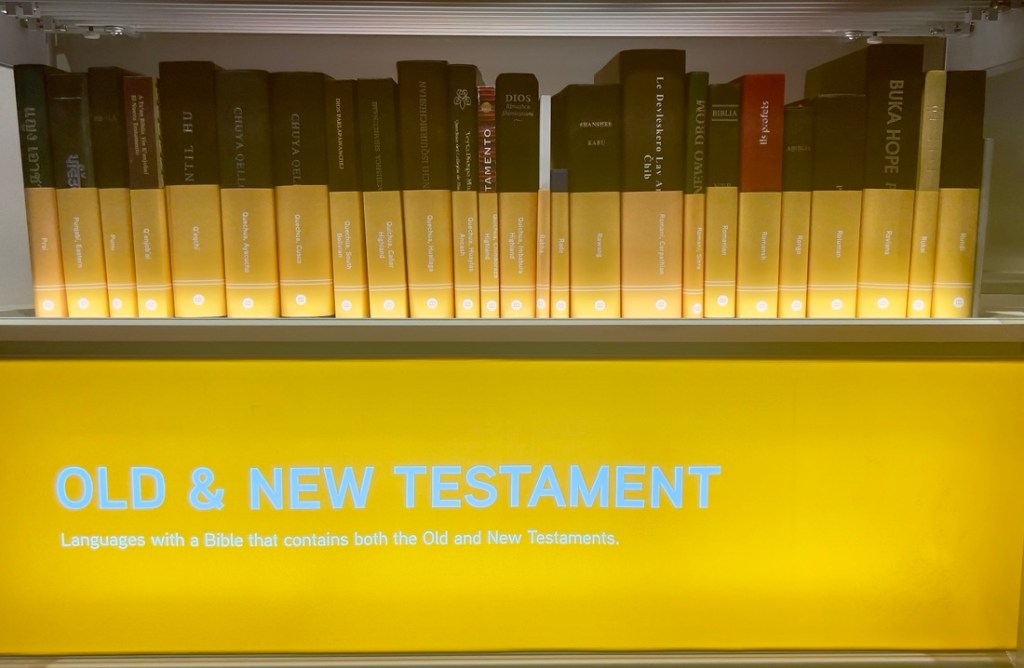
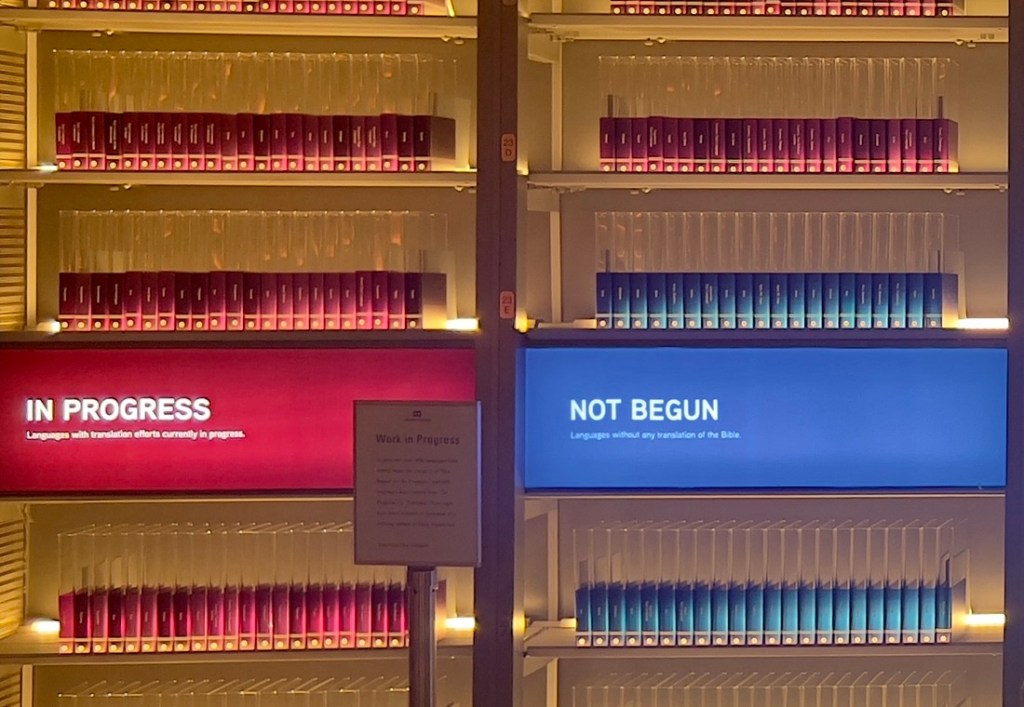
It also included a large display highlighting the many languages that do not have a Bible translation. Some of these are “restricted languages” where the Bible is illegal. There remains 1000s of languages without a Bible translation, but progress is continuously made by organizations such as Wycliffe.
In summary, the fourth floor was the highlight of the museum but was somewhat overwhelming. It’s important to follow this exhibit counterclockwise to stay in chronological order, which we failed to.
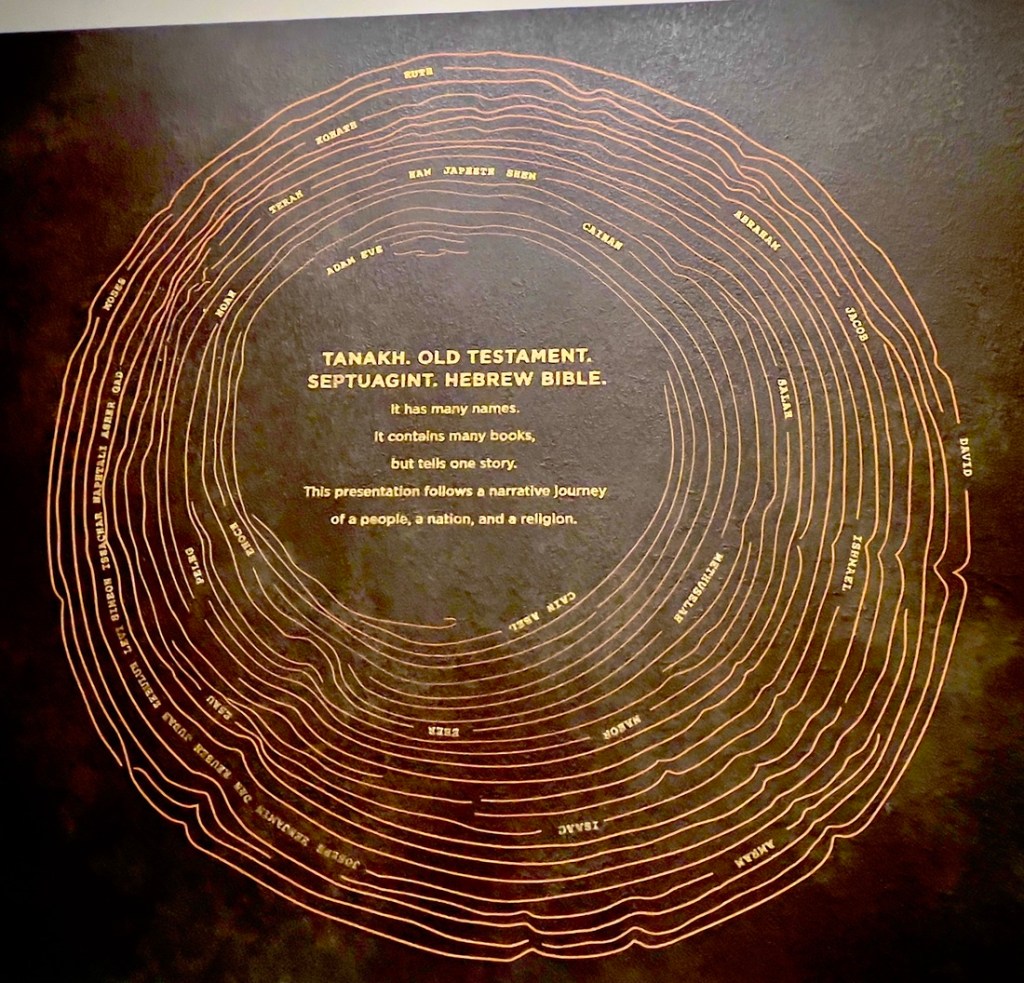
The third floor had three different Bible “experiences.” The Hebrew Bible experience is the most likely place in the museum to have a queue as it allows only thirty to enter as a group about every 10 minutes. It is a series of five video experiences with special effects that tell the story of the Old Testament, abbreviating it to Creation, Abraham and the twelve tribes, Joseph, Moses and the Exodus, and David. It was a fun high level presentation.

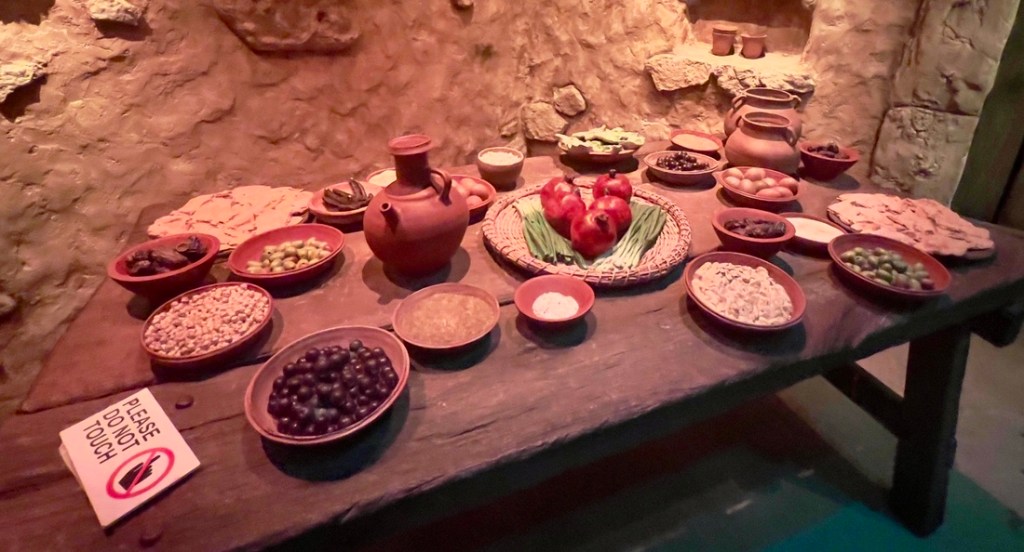
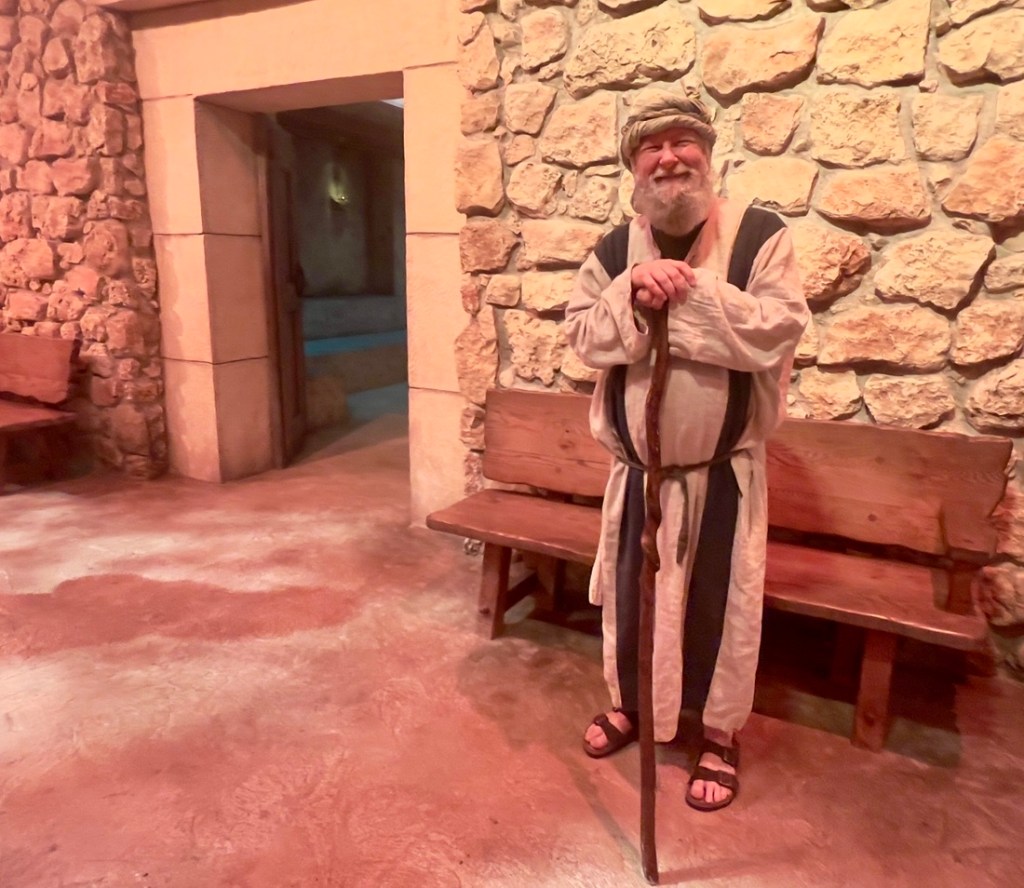
There is a walk through experience of the World of Jesus of Nazareth. This presented how life was like at the time of Jesus. The table of food reminded me of our tour of a Hobbit hole in New Zealand! This visit was made more colorful by a group of visitors performing what seemed like an exorcism in a quiet corner. An actor dressed for the era reverently apologized and wished us a good day.

The third experience was a video about the New Testament. We were short on time so we did not prioritize this, as suggested by the information desk. We might have found a reference to Paul in Greece here!
These interactive exhibits were a fun insight into Old Testament narratives and life at the time of Jesus, and had a completely different vibe to all of the biblical historical artifacts on the fourth floor.
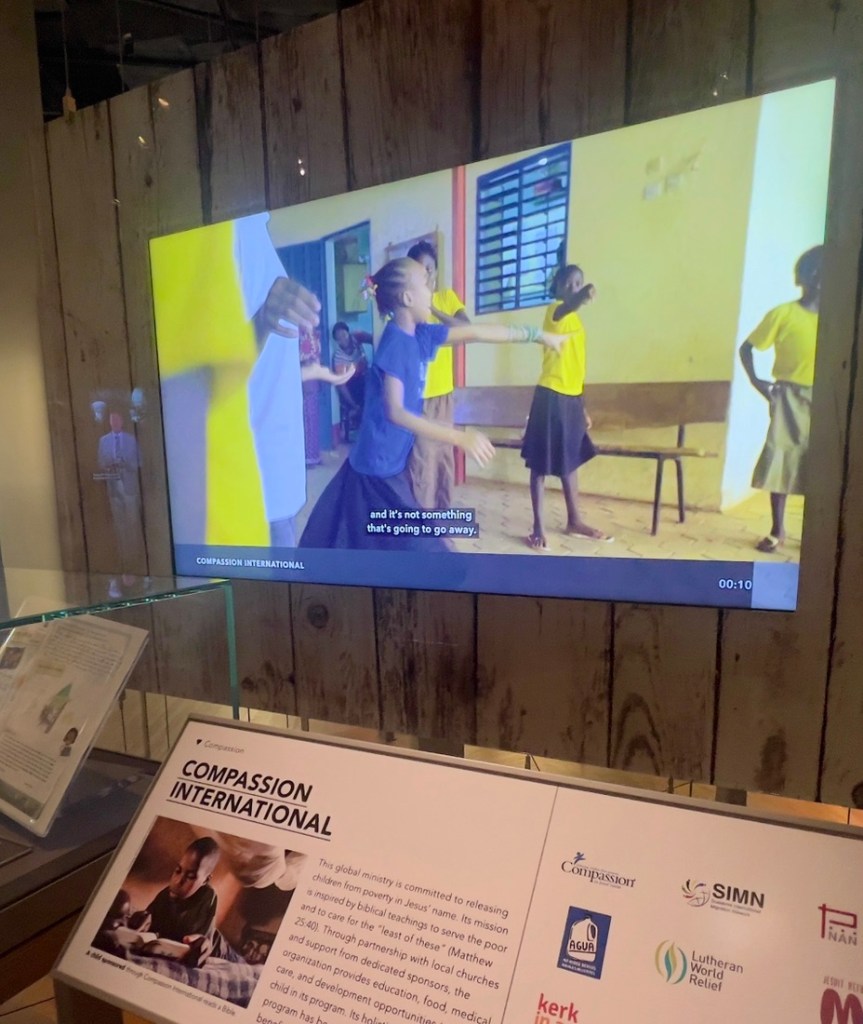
The second floor is about the impact of the Bible on America and on different aspects of culture. It explained the links between the Bible, the Founding Fathers, the constitution, and subsequent leaders. The next exhibit reviewed how biblical values impact a broad variety of aspects of our culture, from compassion to fashion, and from government to education. There was also a working replica Gutenberg press and a discussion about its impact, alongside a mockup of a Nazi book burning. There was a fairly detailed Billy Graham exhibit and various other historical nuggets including the history of the Bible’s travel to the moon!



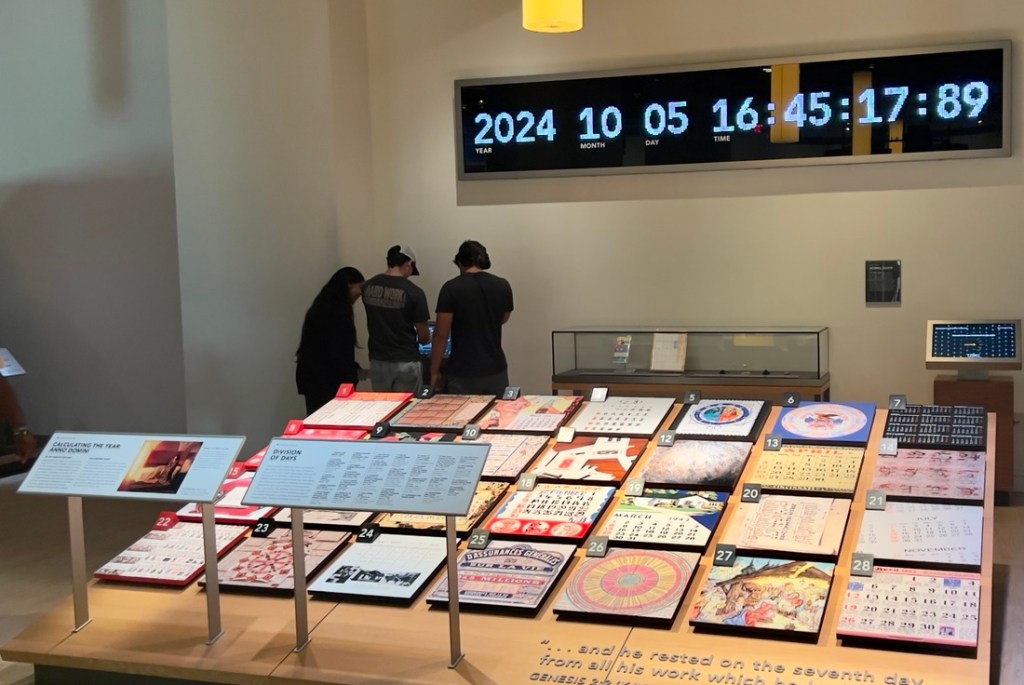


The museum closed promptly at 5pm, which was fine as we were quite museum’ed out.
At the beginning of our visit, we had paid extra for the Explore! Virtual Reality Experience which was a fun 9 minute journey to 34 biblical sites around Israel. The technology is cool and it brought back memories from our trip and included some sites, like Jericho, that we did not visit. The experience is based around contemporary photos of the sites. Unfortunately, it did not include any sites from Greece! There was also an additional temporary exhibit in the basement called All Creation Sings, which we did not visit.
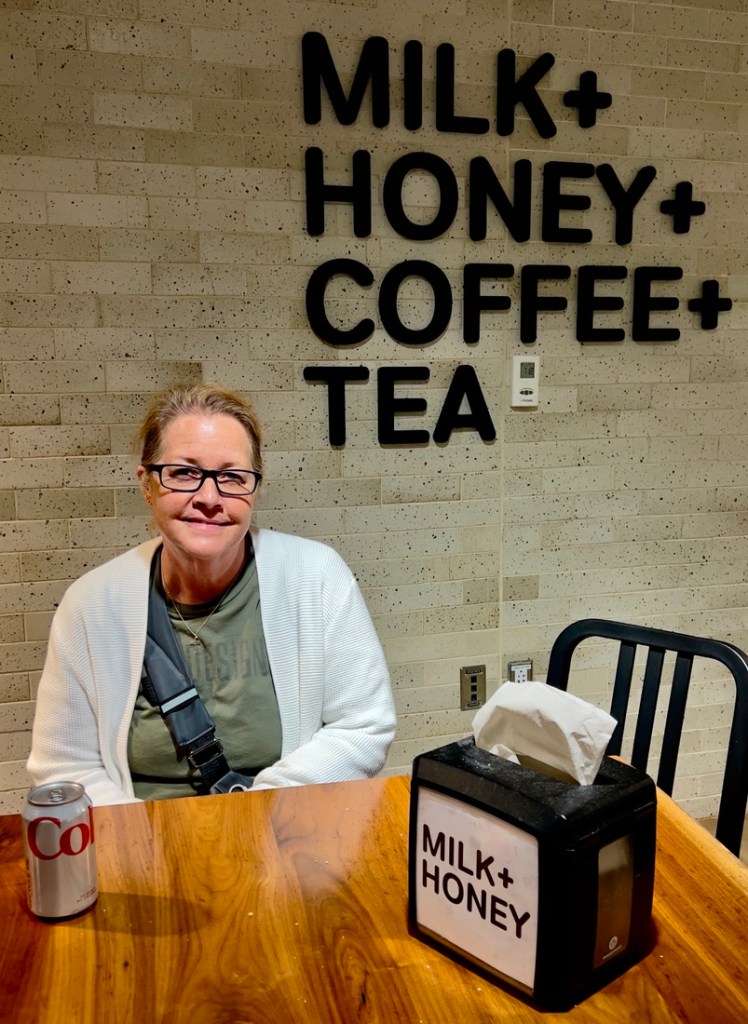
We had also checked out their Milk+Honey cafe when we arrived which was pleasant for a quick snack. The Manna restaurant on the sixth floor had more substantial meals.
As we were shepherded out of the museum, you have to pass through the gift shop (of course). Our quest was to find dinner before returning for a 7pm show. There are few places in this area as it’s mostly federal office buildings. We had a fine slice of Pizza at My Own Pizza, but it wasn’t enough, so we had ice creams (and water) at McDonalds! This killed sufficient time before we returned to the theatre.
The Pilgrim’s Progress
We went back to see a production of Pilgrim’s Progress, an allegory of the Christian life by John Bunyan. The show was produced by the Logos Theatre company who aim to bring Christian literature to life, and they did an excellent job in a great little theatre that the museum has.


The play complemented the museum well. But we were tired, and after the one hour train ride back to our hotel, were very glad to get into our beds.
Walking Around DC’s Monuments
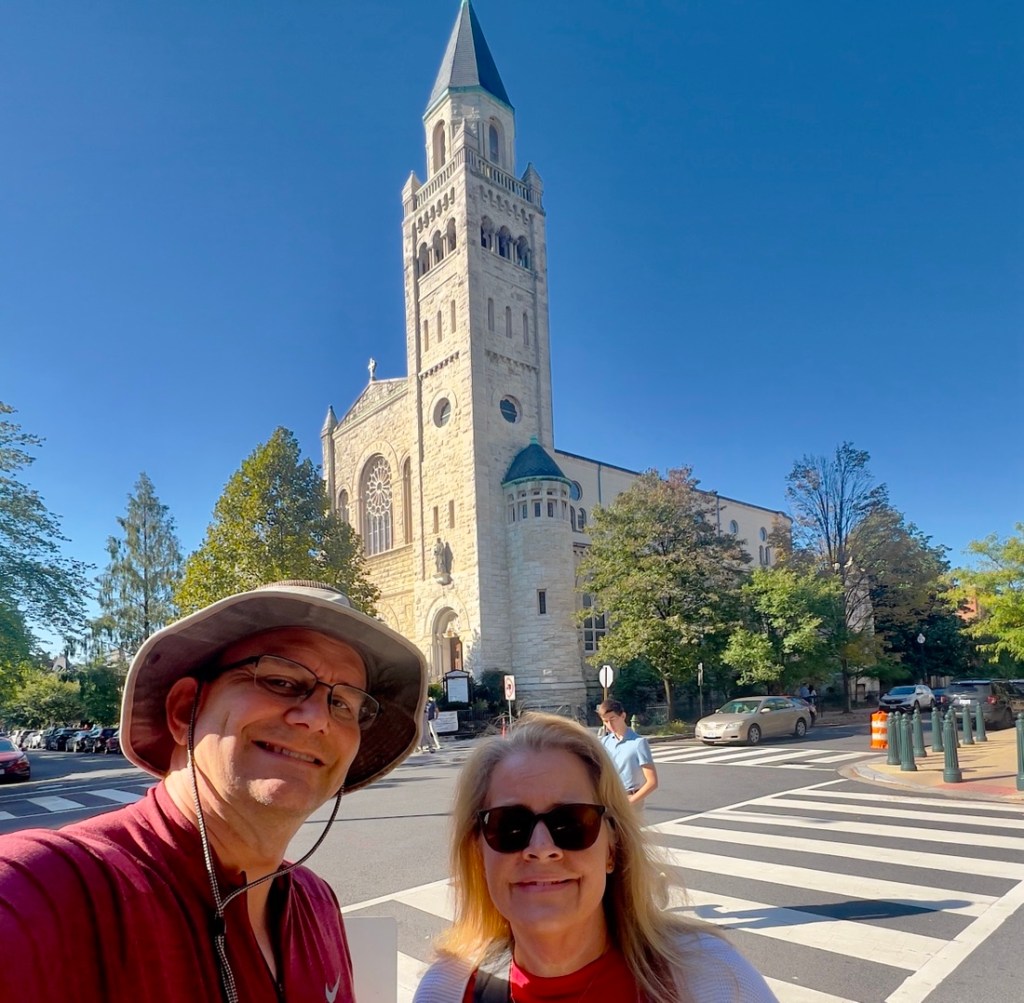
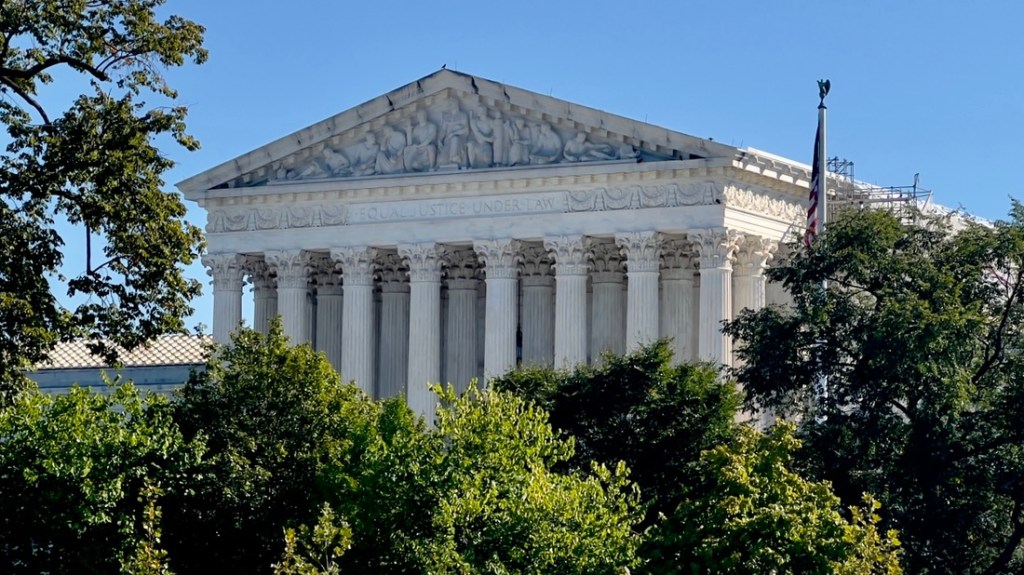
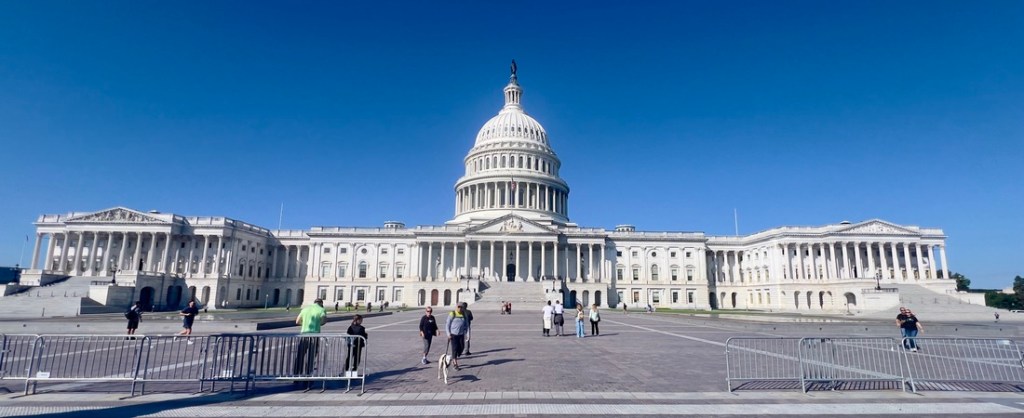
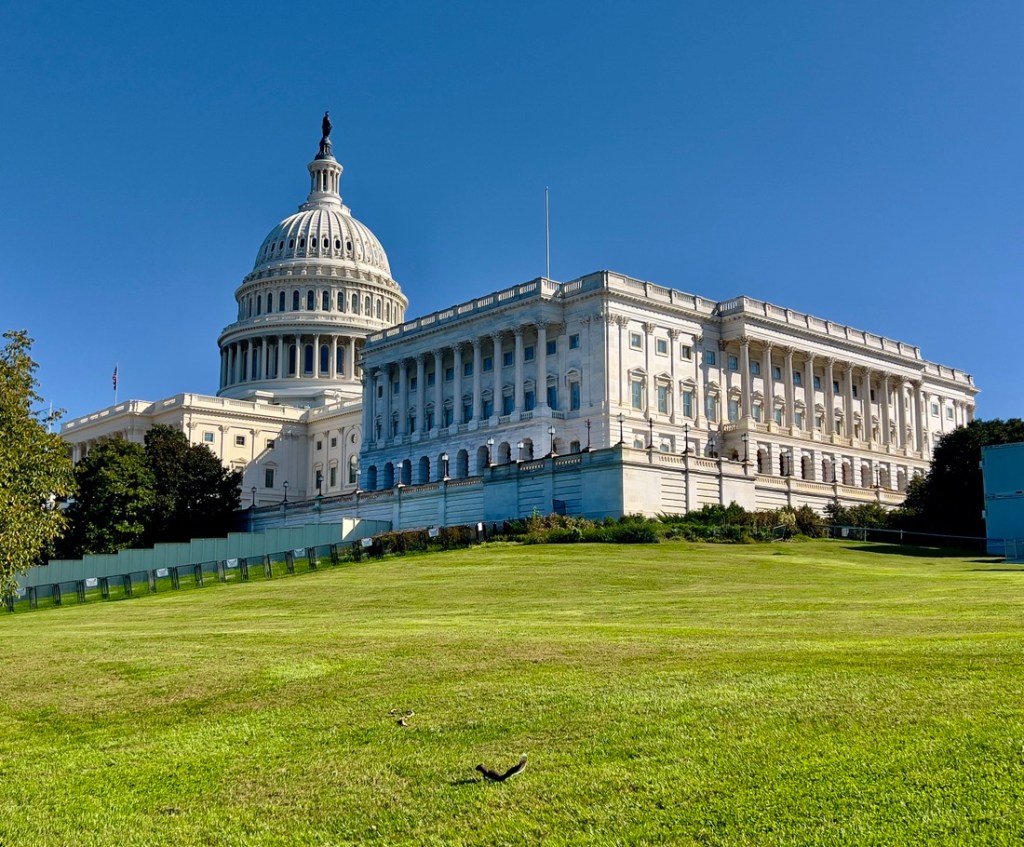
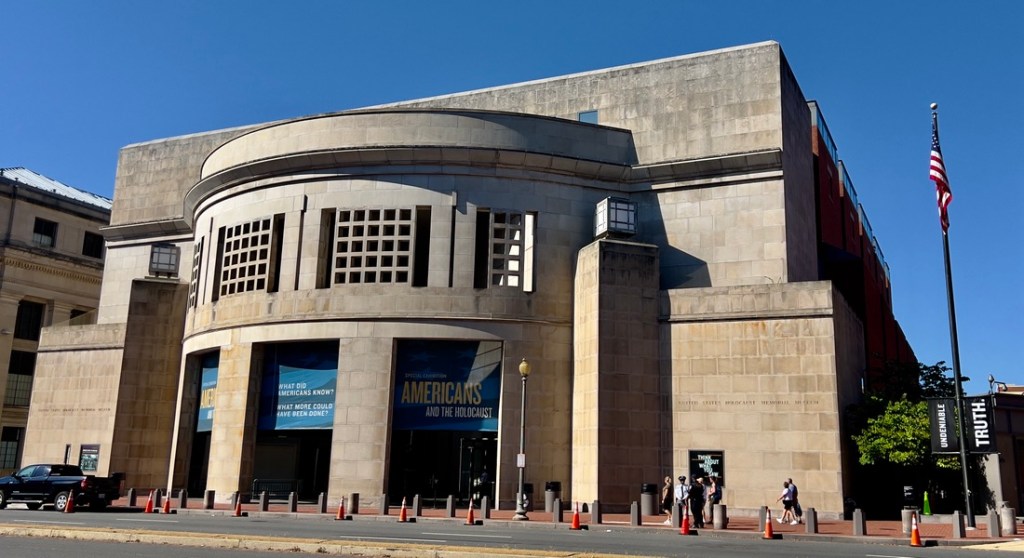
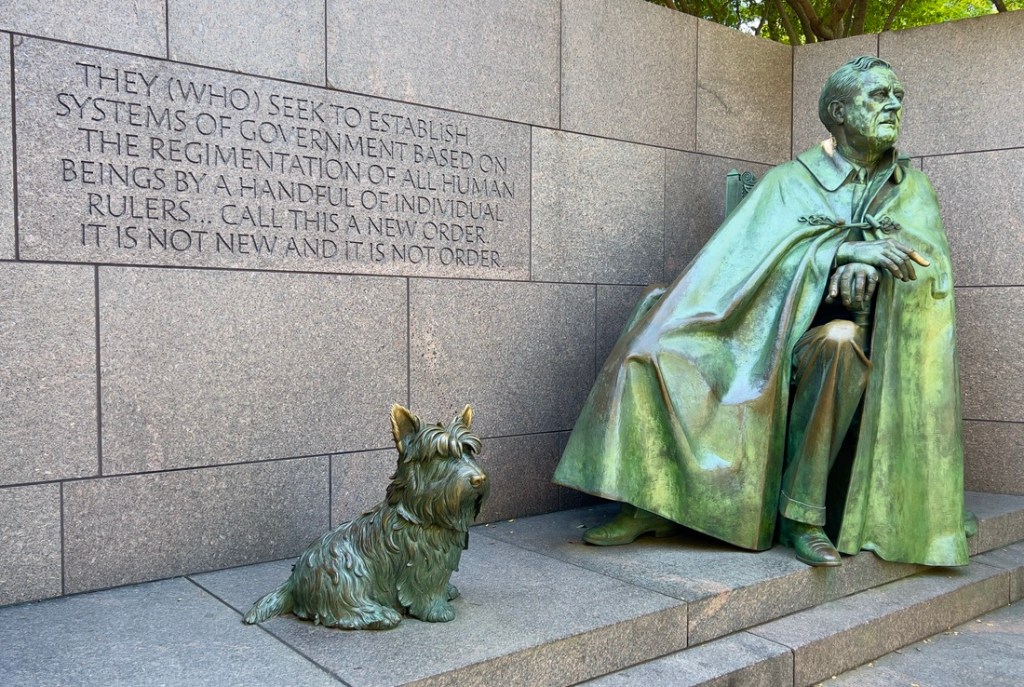
The following morning, we headed back into DC to walk around the main monuments and memorials, mainly following an Alltrails guide. We completely most of it in about two hours, with our main objective to take a photo of each site and get some exercise before our long flight. It was fun, but I was glad I remembered my hat as it was sunny! We were a bit short of time and need to return during cherry blossom season! With no plan to enter museums, we could just wander around and soak in the atmosphere. As the trip was not about checking out these monuments in detail, I just share a gallery of photos below.






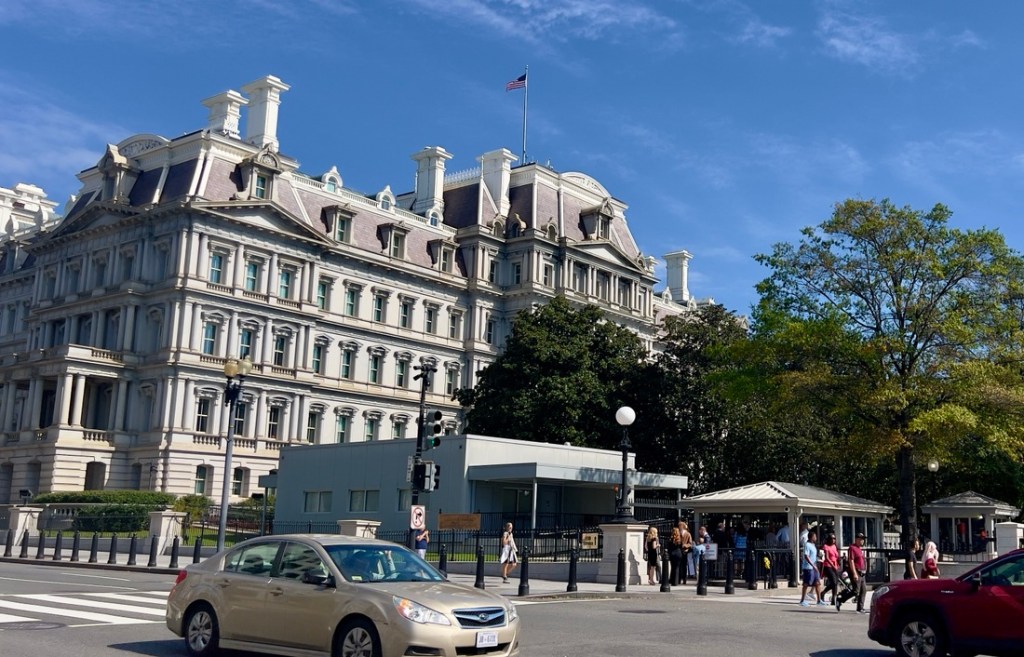
Logistics
We were very happy to make the most of our connection at Dulles and add an overnight visit to Washington. There are so many things to do, and we arrived with plans.
We stayed at the Hyatt Place Herndon/Dulles using points from Chase. It’s about 10 minutes from the airport with a shuttle or an Uber. As we have come to expect, it was comfortable and our room was spacious.
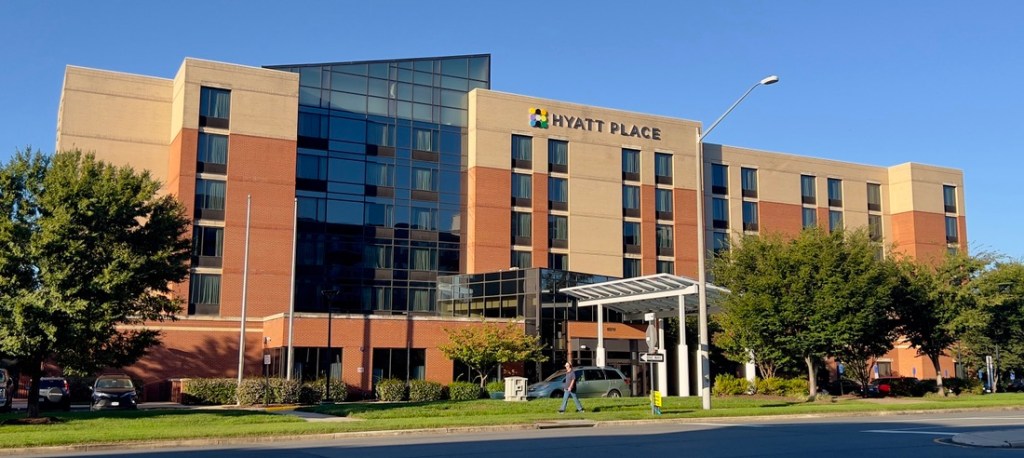

The hotel is a short walk from the Innovation Center station on the Silver Metro Line, with trains every 15 minutes taking you to the main tourist sites in about an hour. Federal SW was a five minute walk from the Museum of the Bible. However, as we went into DC on both the afternoon of our arrival day, and the morning of our departing day (as our flight to Athens was late afternoon), it might have been better to stay at a hotel in town. The Silver Metro line has a stop at Dulles airport.
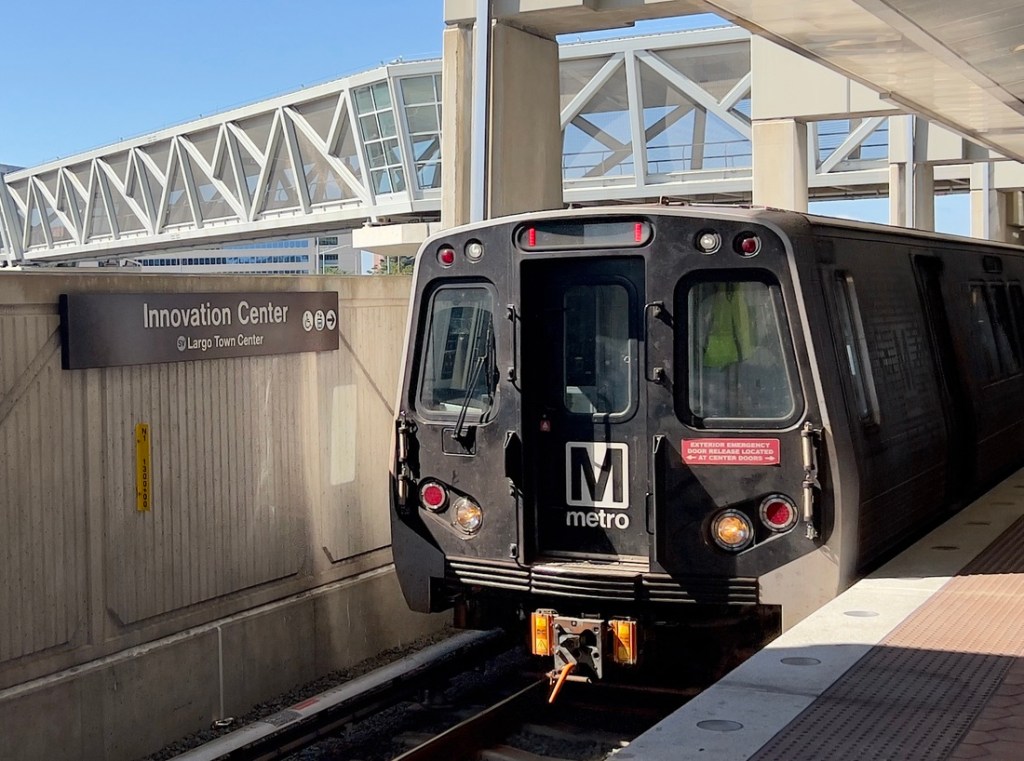

When we went back into town to start our walk at the Capitol, we were surprised by Texas A&M adverts!

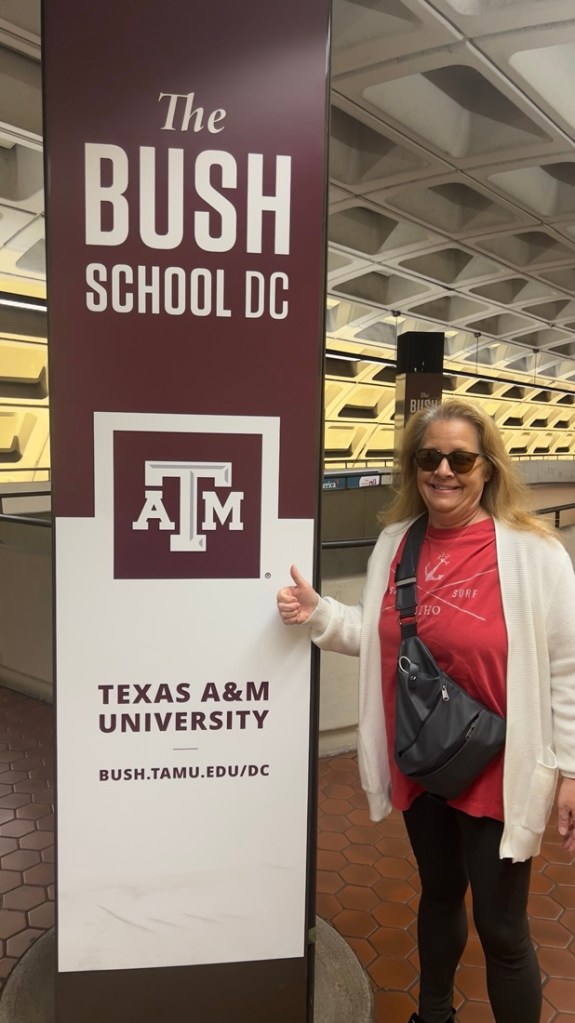
With a final shout out to our Aggie friends, I sign off and look forward to my next words being about actual Greece!
Find other posts from this trip on our Greece page.
Please follow us on this journey by subscribing below. We would love to read your thoughts: please leave comments at the bottom of the post.
 The Adventures of the Cajunlimeys