
I thought we’d finished yesterday, but it doesn’t really sink in until the following morning when you don’t have to put on hiking gear nor get your bag ready for pick up by the magical luggage carrier that you never meet. The legs no longer ache as much, so perhaps they are now ready for walking?
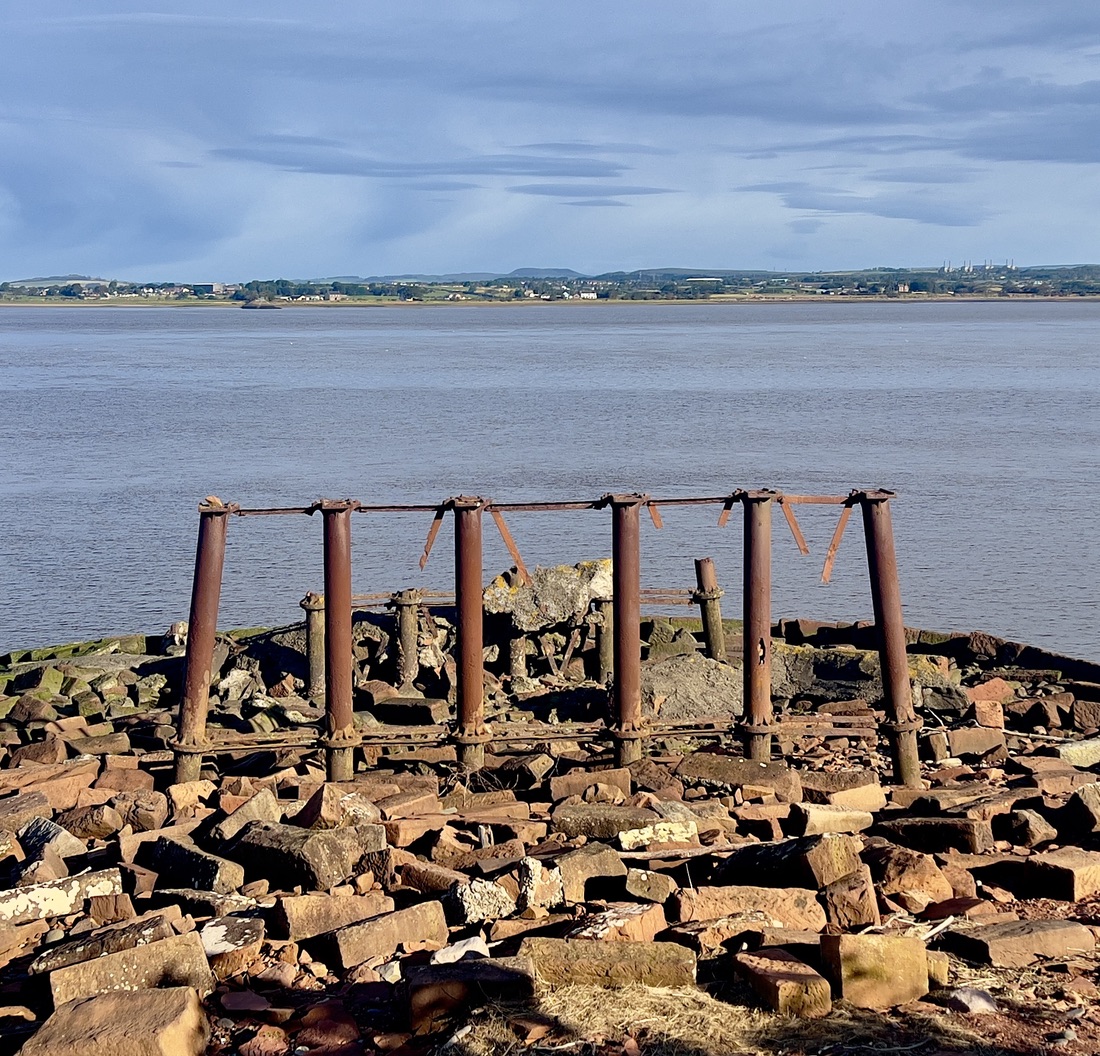
As it was a beautiful morning with a couple of hours to kill before our friends picked us up, I saw the opportunity to check out the old railway bridge and the beach. After walking past about ten houses, I left the village behind me.

I followed the road for about half a mile and nearly missed the turn to the old railway embankments. The only sign was one of the many warnings about sinking sands and fast tides. The path is less used than the HWP, overgrown in places and I caught the overnight cobwebs. I walked through an undergrowth tunnel until I popped out at the end.

A private company built the Solway Junction Bridge in 1869 to help move iron ore from Cumberland to ironworks across the water.
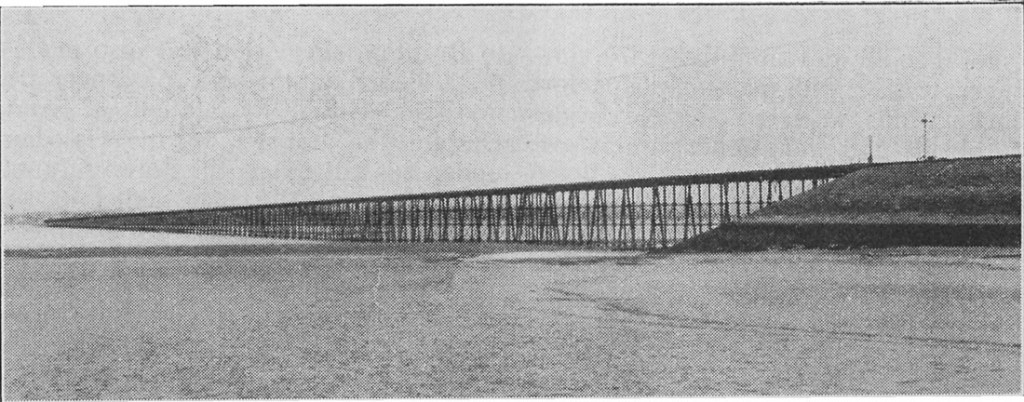
However, the bridge struggled with damage from ice sheets coming down the Solway on the ebbing tides, coupled with declining use. It closed in 1921, and was dismantled in 1931.


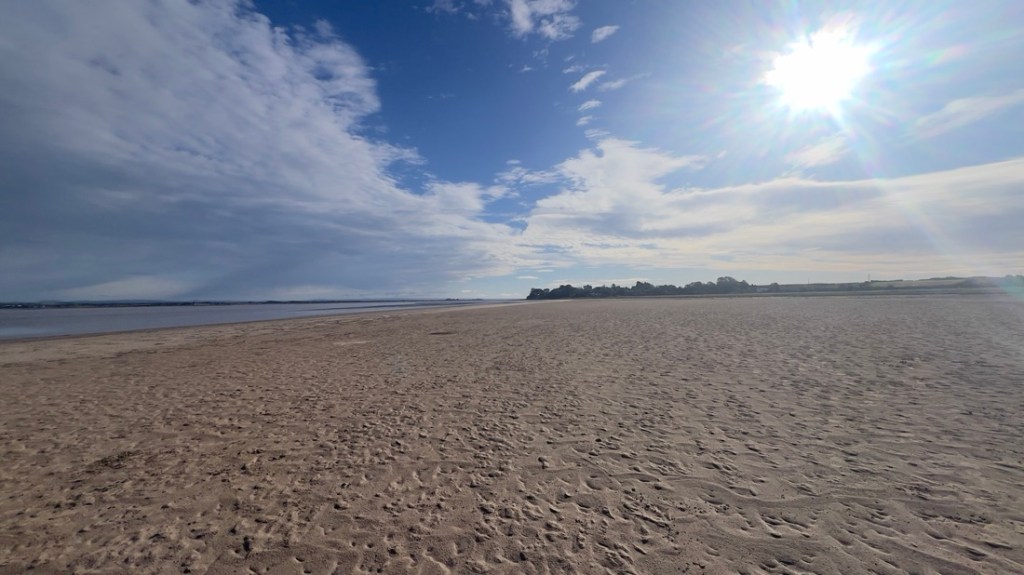
The tide has been coming in and going out for a long time before the Romans arrived and will continue to do so for a long time time into the future.
While we missed the extra walk from Tynemoutb to Wallsend at the eastern end of the wall, I’m glad I checked out Bowness’s old railway bridge and the low tide sands. As well as loosening the legs, the morning stroll allowed me to experience another fabulous England walking experience that you don’t find directly on the HWP. So if you are in Bowness and have a spare hour, go and check out the beach!
This blog post is linked to from my Hadrian’s Wall Path page, where you can find the accounts of the other days in this adventure.
Please follow us on this journey by subscribing below, and we would love to hear your encouraging feedback.
 The Adventures of the Cajunlimeys