

I hesitate to write a “reflections” post, as I hesitated to write a daily blog of our Hawaii trip. It was just a vacation, so it wasn’t that adventurous! However, “adventurous” is a mindset and I hope my reflections on what to do (and not) might help others make the most out of a Hawaii vacation.
I could have titled this “how to visit Oahu,” but I cannot claim to be an expert, and what worked for us might not work for others. “Us” was a group of six, with two adults in their mid-50s and their two children (aged 18 and 20) and their girlfriend/boyfriend, coming from Houston, Texas. We had a range of adventurous outlooks, so we all didn’t participate in everything, but “chilling” was a suitable alternative, though planning needed to take that into consideration.
1. Planning
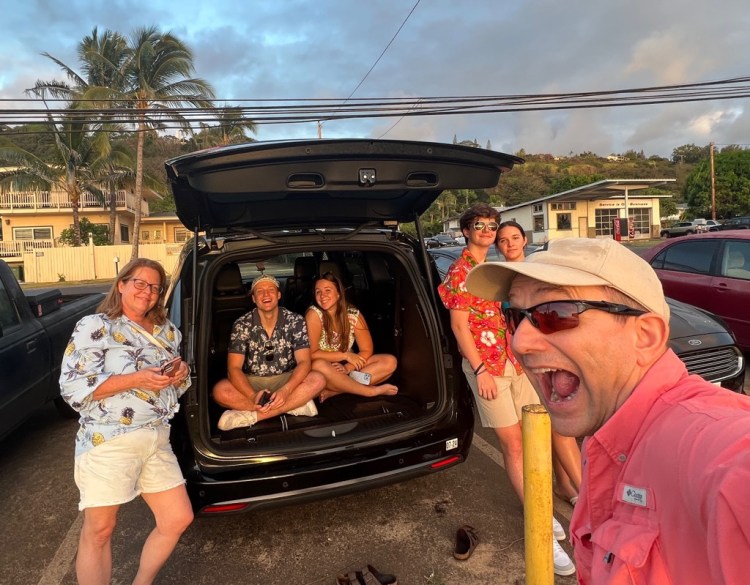
We started planning in October ’22 to travel in June ’23. We had little flexibility on start date though could spend up to two weeks. I found the prospect of planning a Hawaii visit daunting and struggled with where to start. There are multiple islands with names I was vaguely familiar with, and just too much to do. We balanced Internet research with a guidebook (I purchased Frommer’s Hawaii which I recommend to complement Internet research). Previous vacation experiences showed we would squeeze as much as we could into the trip at an unsustainable pace which led to a couple of key decisions. First, we’d spend seven nights in Hawaii which gave a discount on our vacation rental and hire car. Any longer and we risked running out of steam. Second, we would visit only Oahu, as island-hopping would take time, be tiring, and add expense. Also, we wanted to experience Oahu rather than rush through. Oahu was the priority because of Pearl Harbor. Even though we spent just one week on the island, I think we experienced more than the vast majority of other tourists.
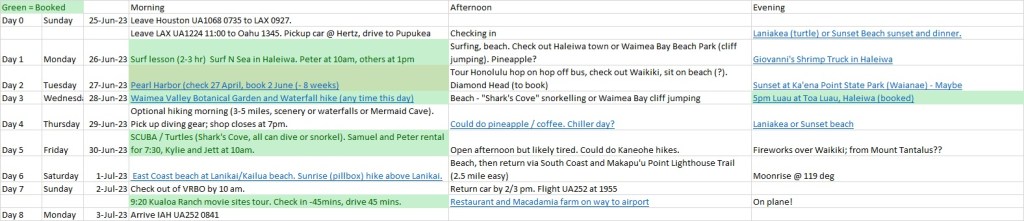
With the first stake planted in the sand (i.e., the flights), I could fill out the rest of the plan. While this is an iterative process, below is what it ended up looking like. While we planned multiple things a day, I built in flexibility as not everything was reserved. We followed the plan pretty closely. The main change was on Day 6, where instead of the Southeast beaches, we stayed on local (North Shore) beaches as we felt the > 1 hour travel, plus the uncertainty of parking etc., wasn’t worth it.
2. Flights
Booking without much flexibility did not put me in a strong position. I’m researching new strategies on how to travel using points and better deals but did not use any of those for this trip. We flew to Honolulu from Houston with United via LAX during the day and flew back direct overnight. My reflective thoughts are:
1. These are long flights, with the direct return being nearly 8 hours. This is like flying to England, but this is NOT an international flight. There might be less space and food/drink than you’d expect for such a long flight, as it is domestic. We appreciated having the stopover in LAX for a break (which saved money) but did not eat into our time in Hawaii, though the risk of delay increases.
2. Our food experiences at the airports were not good. We did not have a plan and spent a lot of money waiting a long time for poor food. It seems IAH and LAX are particularly bad as we have since had a great experience at DEN. HNL was better but expensive.
3. We did check some bags. While I try to avoid this, we chose to check bags on this trip for various reasons, though were lucky we faced no issues. Note than when flying out of HNL, you cannot check bags more than 3 hours before departure.
4. The time zone change is significant enough (5 hours) to cause Jetlag. We used that to our advantage by getting up early.

3. Transport
I managed to find a good deal for a minivan rental with Hertz. Some choose not to rent a vehicle, but it was obligatory for our style of vacation. We only had to pay for parking on our Pearl Harbor / Honolulu / Waikiki day. We did not cover great distances so the fuel cost was not significant. Most places where we went had public transport, but the timing wouldn’t have been ideal. We were not doing organized tours where transport was included so we needed our own. We were not staying in Waikiki, where parking is expensive. In future, I will investigate Turo or similar for renting, but we were very happy with our Hertz experience.
4. Where to Stay
This is arguably the most significant decision you will make about your holiday. Maybe 90% of visitors stay in the Waikiki resorts. While many of them report having great vacations, that is not our vibe. Our initial research showed our activities were mostly around the North Shore, and we looked for AirBNBs and VRBOs as there are few hotels, though there are some hostels. We found a great property in a neighborhood in the hills above Pupukea. While it was about a mile’s drive to the beach, that saved a ton of money. You pay a massive premium to be walking distance to the beach.
Hawaiian law about short-term rentals complicates this. This law controls AirBNB/VRBO-type rentals to protect housing for locals and long-term residents. The property-owner living on-site seems to make this OK and this was no issue during our rental. I did not become an expert on this so suggest you do your own research to understand its impact.
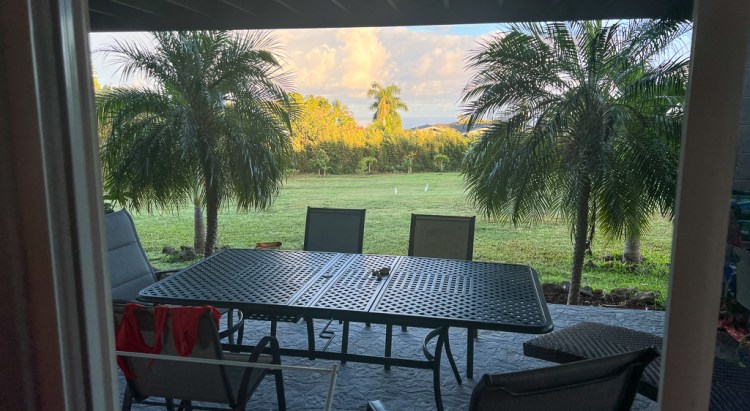
We found a spacious 3-bedroom, 2-bathroom house with a large kitchen, living area, patio, garden, and parking. The North Shore high season is the winter (November – April) when the surf is best, but June/July remains busy and expensive.
Note that there was no air conditioning. During the heat of the day, this is a bit scary, but it cools down at night and there is a breeze. Also, we were always exhausted so had no problem sleeping. Ultimately no AC was NOT an issue.

5. What To Do: Strongly Recommended
I separate activities into four sections. This section is what we strongly recommend people do. The next section is things to do “with caution” and I share advice. The third section is things we advise against doing for an adventurous vacation but recognize they will work well for others. The final section mentions what we did not do but think they could be worth it.
a. Understand the basics of Hawaii’s history.
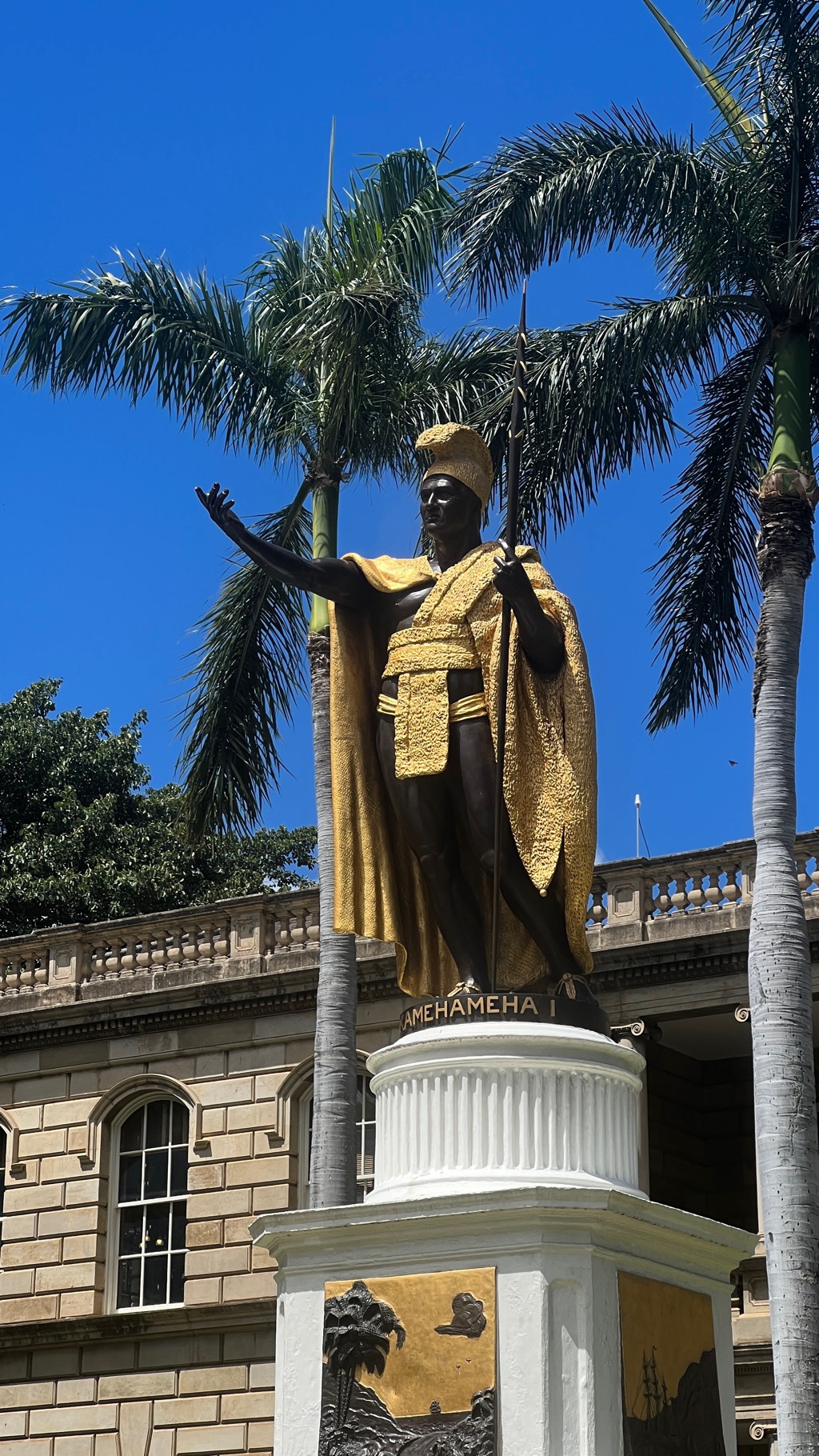
Ten pages in my Frommer’s Guide was a good start. Understanding the impact of initial Western contact by Captain Cook in 1778, well-intentioned missionaries in the 1800s, and the forced overthrow of the Hawaiian Queen in 1893 by US Marines supporting the plantation owners’ interests, is essential. You need to know something about King Kamehameha, Queen Liliuokalani, the history of pineapple, the Hula, and the surfer “Duke.” The history of Waikiki’s development and the evolution of tourism gives a glimpse of what it used to be like. Hawaii did not become a US state until 1959. The Pearl Harbor attack in 1941 changed much in the islands in addition to bringing the United States into World War 2.
Two fascinating historical nuggets:
(1) Queen Liliuokalani wrote the mournful lament “Aloha Oe,” which means “Farewell Hawaii,” as she waited, in vain, for the US government to reverse her overthrow by the US marines and plantation owners on January 17, 1893. If you listen to it at the right tempo, you might recognize it and feel her sadness. “Aloha” means many things including hello and farewell.
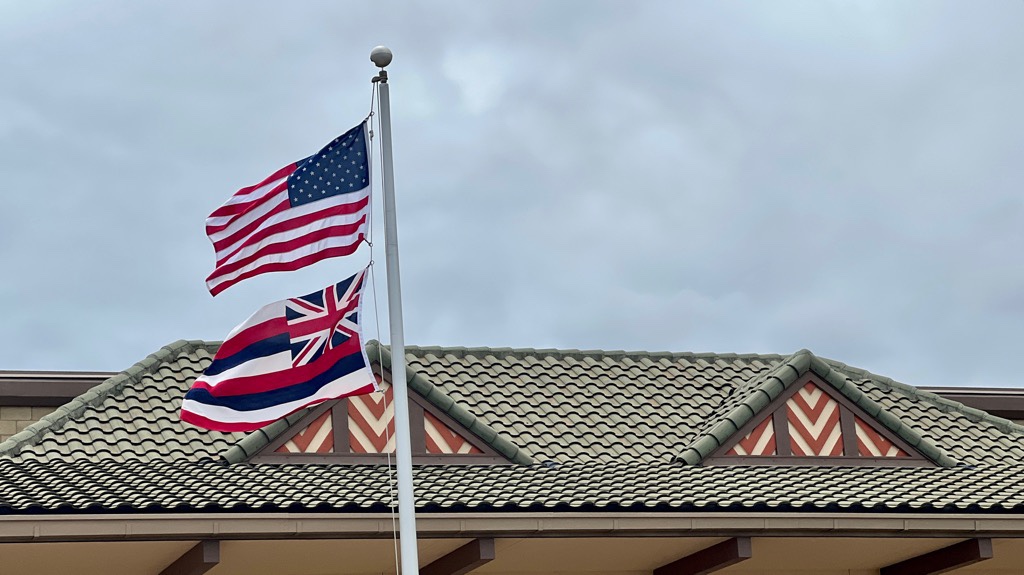
(2) The Hawaii state flag includes Britain’s Union Jack because of a strong link between the countries in the nineteenth century.

A little background greatly enriches conversations with the locals. Our surf instructor had grown up in Pupukea. While waiting for waves, we talked about the forced removal of the Queen. He pointed out that the Hawaiians had been just as bad with each other’s islands before the Queen was removed. History is complicated. If the US were not stationed on Oahu in 1940, WW2 might have been quite different.
b. Understand the geography.
Oahu is not huge and most places were up to an hour from our house. It helps to understand where the mountains, various beaches, and attractions are to make the most of opportunities when plans change. Google Maps worked very well for navigation and estimating travel times, but having an overview of the island in your head is valuable.
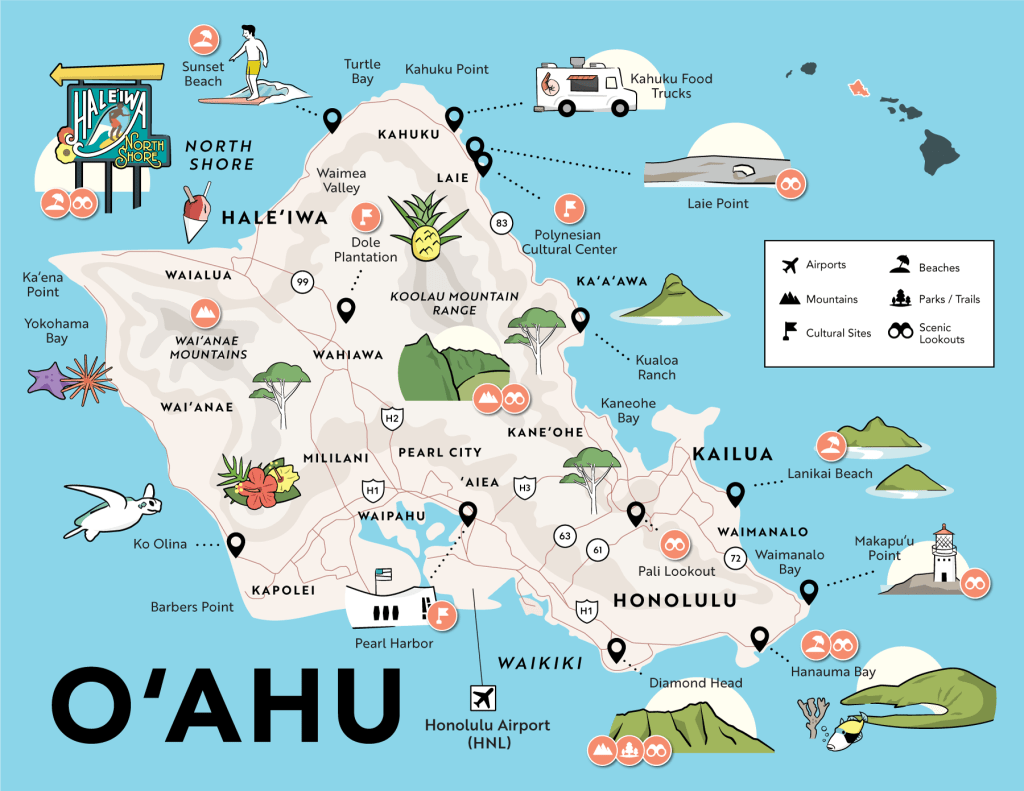
We stayed at Pupukea on the North Shore and just North of Waimea Valley.
c. Do the Toa Luau.
We all agreed this was a highlight of our trip. As well as a great traditional feast, there were cooking demonstrations and a brilliant show celebrating the various Polynesian cultures. We learned to Hula dance and about Polynesian history. A family runs this Luau, and they are all committed to giving everyone a fantastic evening. The Luau ticket also gives access to Waimea Falls, which requires a one-mile walk along a paved road through a botanical garden. The Falls were somewhat underwhelming as (a) they were crowded and (b) a lifejacket was mandatory to enter the water, though it was fun later watching a scene from “Lost” that was filmed here. However, the botanical garden was superb with diverse flowering plants. We took our time walking through it. We bought the cheapest package which I’d recommend, though they sell out so buy early!

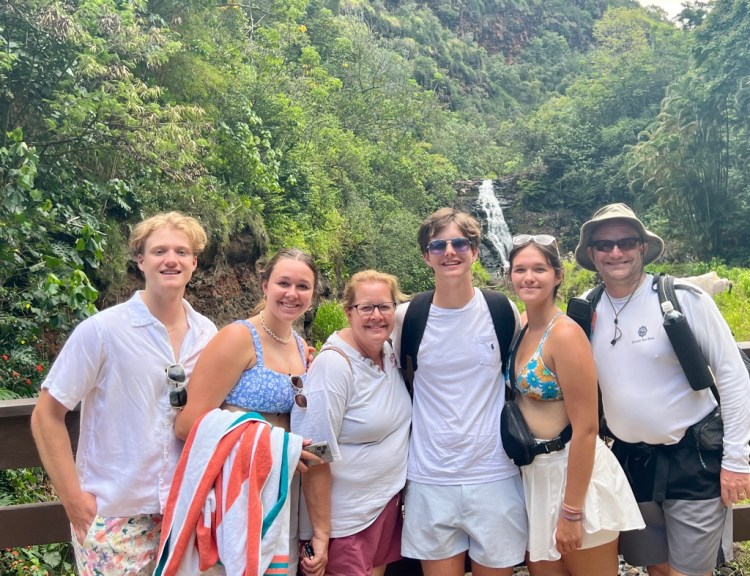
However, the walk through the botanical garden was fantastic.


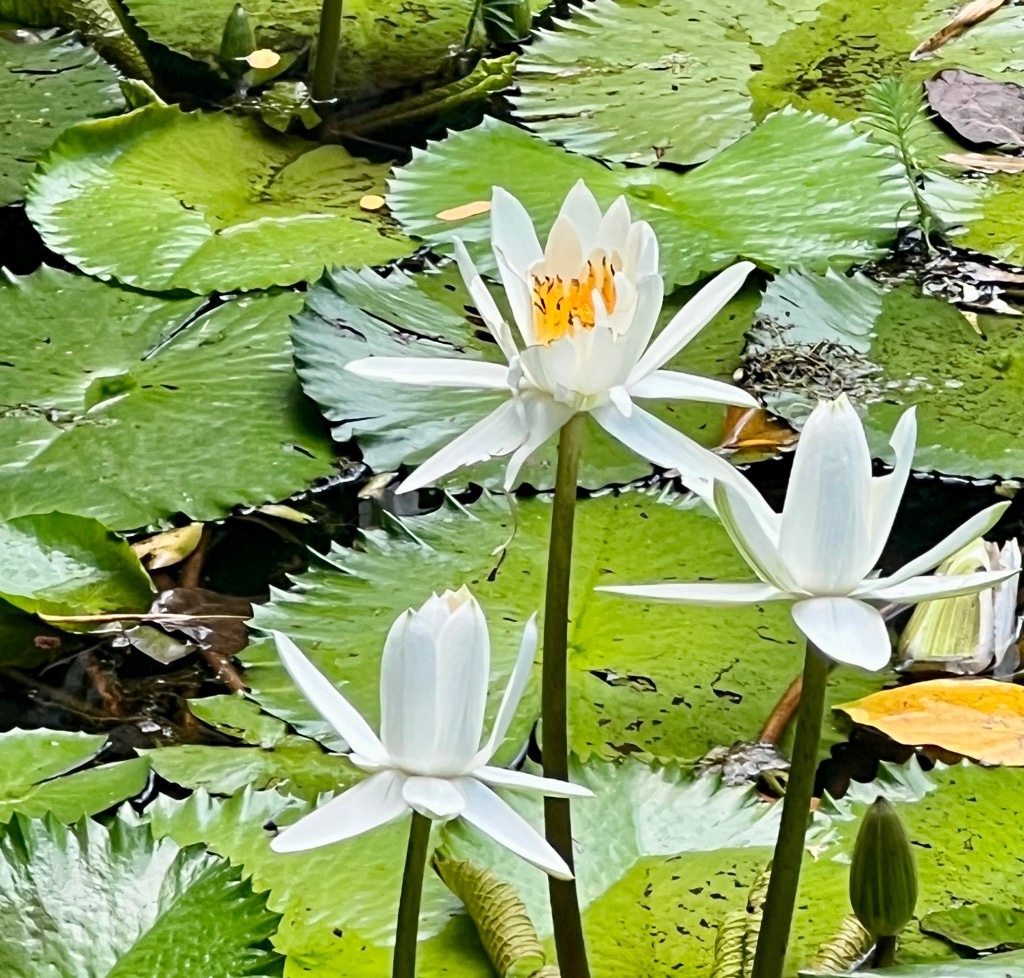
d. Visit the USS Arizona at the Pearl Harbor National Memorial.
The National Park includes several exhibits and memorials. The most important one to visit is the USS Arizona. It is a tremendously moving and emotional visit by boat to a memorial constructed over the remains of the sunken ship which is a national cemetery. The Arizona exploded eleven minutes after the Pearl Harbor attack started when a bomb hit her magazine, killing over 1100 of her crew and trapping over 900 bodies in the wreck. The visit is free but requires a reservation. Their website warns of cancellations due to weather, but that seemed unlikely during our visit.

The visit was one of the most moving experiences of my life. My one disappointment was that my blog post of our visit was the least viewed of our trip. But this makes sense as I was unable to adequately describe it. Read that blog post here. More importantly, make sure you visit if you go to Oahu.
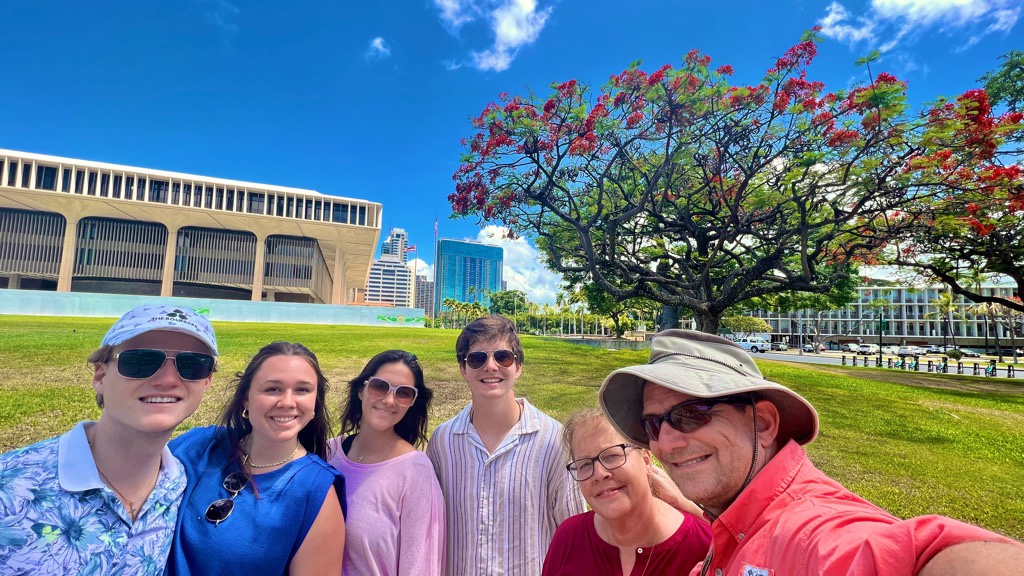
e. Visit Downtown Honolulu. We spent 2-3 hours walking around, following a self-guided tour from GPSMyCity. We parked in Makai Garage. After Pearl Harbor, this walking tour was uplifting, with so much colorful nature surrounding fascinating history, from the first missionary houses to Hawaii’s State Capitol. It is a unique blend of a US city in a tropical climate. What set this apart was how quiet it was. While walking around the State Capitol, we saw one worker and no tourists. It was an unexpected adventure.
f. Beaches.
At last!, you might say, which our daughter would echo. We treated this as a fill-in activity around those we booked. There is a wide variety of beach experiences. We found the best beaches on the North Shore, so we did not venture elsewhere and spoke to others who came this way from Waikiki.
Our recommended beaches are:
(1) For laying on the sand and swimming: Waimea Bay Beach.
This also has a rock that you can jump off into the water, which is relatively safe. The Northern end of the beach is quieter. At this beach, our kids also snorkeled with turtles and a pod of twenty dolphins. Very cool. The challenge is parking. It has a small car park at the beach which fills up early (even by 7 am). There are various places to park and walk, but they fill up too. We were fortunate that Janet and I were not interested in lying on the beach, so we were Uber drivers for them on beach days (including Uber Eats for lunch 😊).


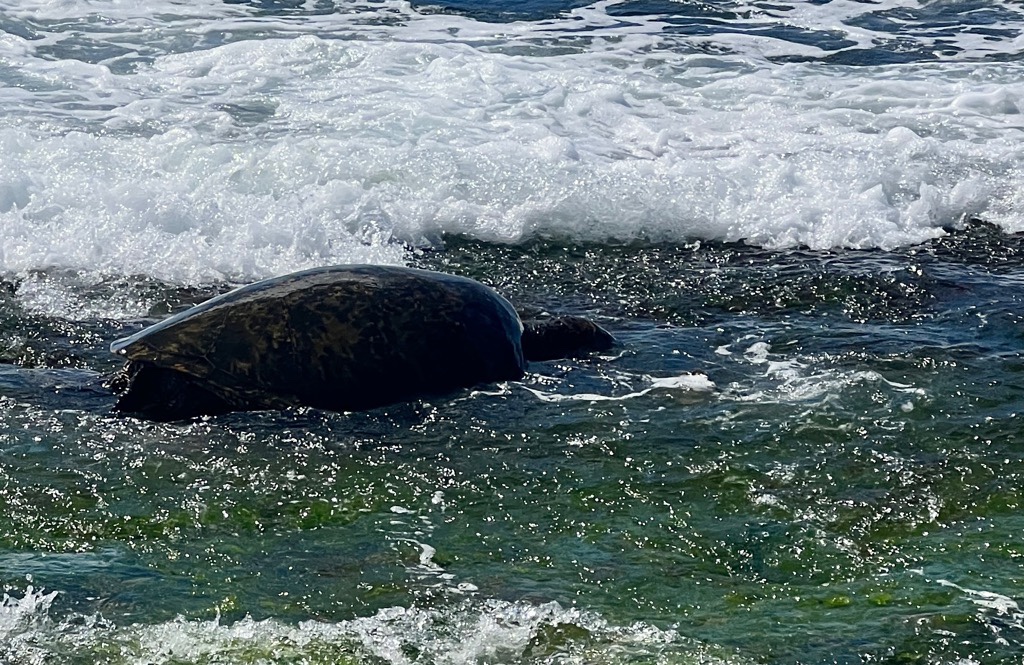
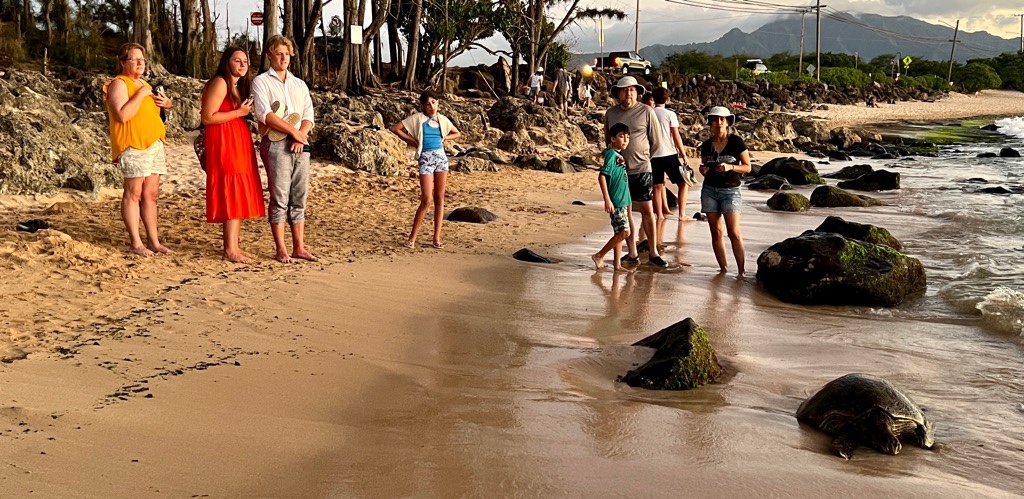
(2) For turtle watching: Laniakea Beach.
We frequently drove past this beach and wondered why there were clusters of people, so we stopped to check it out. It is a rockier beach and the turtles like to eat seaweed growing from the rocks. A volunteer “controlled” the crowd to prevent them from getting too close. Very cool. Parking wasn’t too bad here. We went at sunset and there was space, but it probably fills in the middle of the day.
(3) For sunsets: Sunset Beach Park.
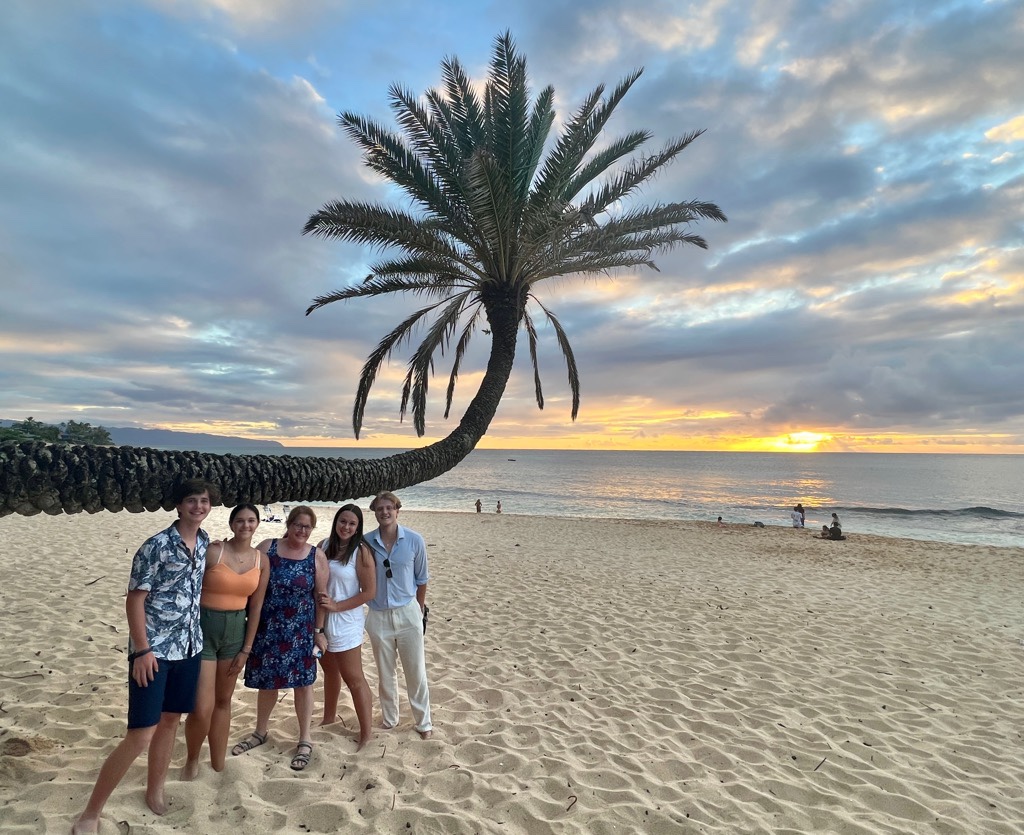
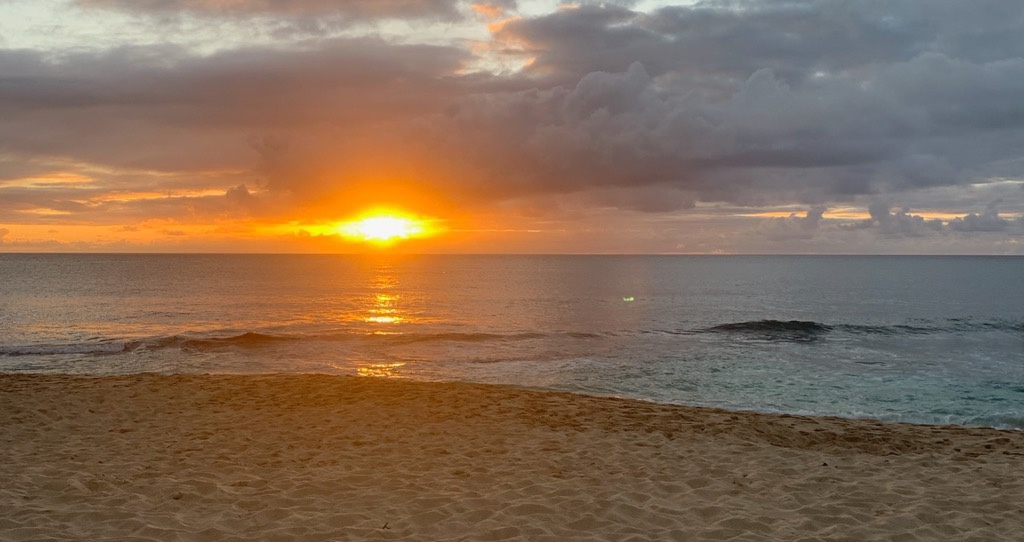
It is probably also a great beach during the day. We enjoyed a couple of sunsets and the famous horizontal tree which is over 100 years old, so treat it with respect. We had no issue finding space in Sunset Beach Parking. While the sunsets were cool, they were not out-of-this-world because of clouds, so don’t get your hopes too high. Enjoy the peace.
(4) For Snorkeling: Shark’s Cove.
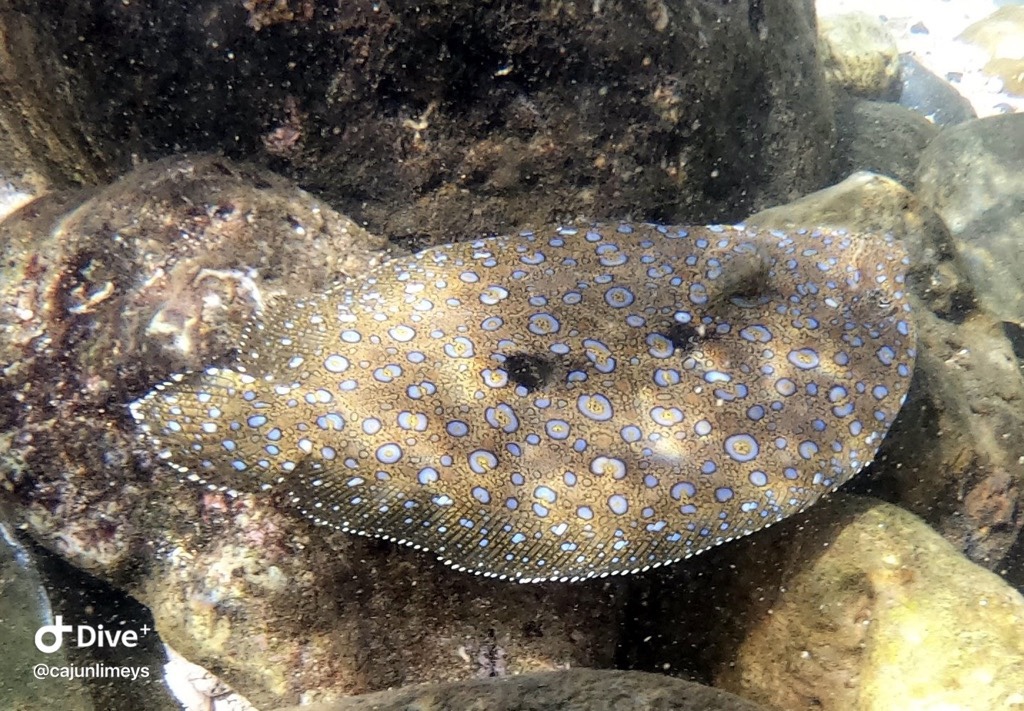
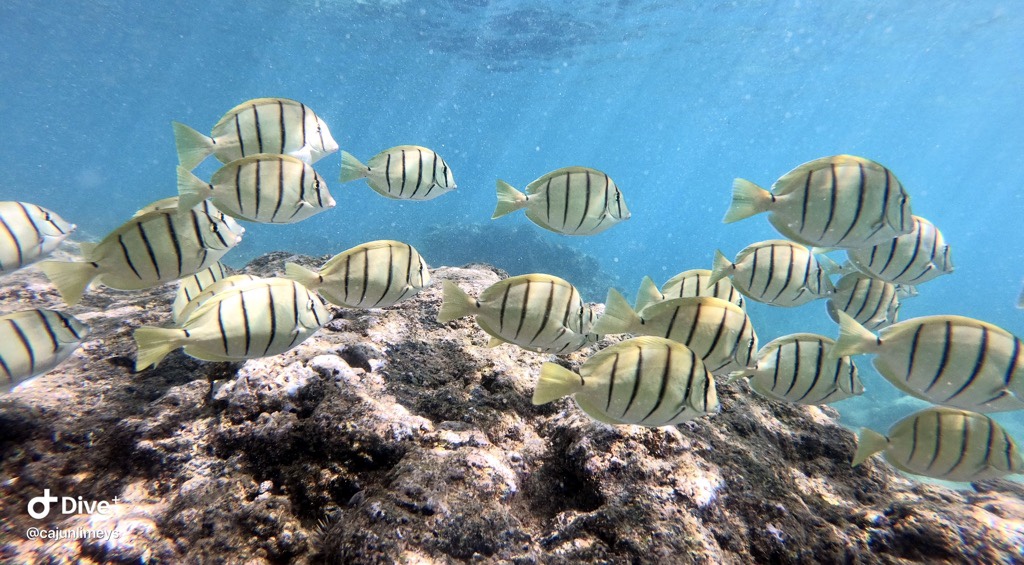
The relatively calm water in the cove has a surprising amount of life which is legally protected. The challenge is getting into the water. Some attempt to rock-hop, and you can get injured. There is a way to get in with minimal rock-hopping and staying on sand, but it is not obvious. Take the path down to the water’s edge that parallels the road, going North from the toilets. Once at the water’s edge, follow the sand to the left. There is a sand channel between the rocks in the shallows that starts at the southernmost tip of the cove and takes you into deep water. There is a lot of parking, but it will fill up. Food trucks, a grocery store, and a coffee shop are nearby. There is also a sandy beach a little south which we did not try, but it looks good and convenient.

(5) For Surf watching.
This is season-dependent. Waikiki Beach looked good, though head South of Duke’s statue, away from the hotels. We did not spend much time here, so can’t comment much. We surfed at Chun’s Reef by Hale’iwa (discussed later), and the beach there was cool to watch surfers, though the currents can make swimming dangerous. During the peak surfing season (winter), the world-famous surf is at various North Shore locations.
After dinner one night at the Turtle Bay resort to the North, we checked out “Turtle Bay” to the west to catch the sunset. It was not a great beach. I think the online reviews about the beaches around Turtle Bay get confused. On Google Maps, there is no “beach” symbol at Turtle Bay, so we should not have even tried.
Our original plan included a day on Lanikai Beach on the Southeast side. The night before, the kids agreed just to spend another day on Waimea Beach, as (a) it could not get any better (and that is the day they swam with twenty dolphins), (b) there was parking uncertainty, and (c) it was > one hour drive away. We concluded there is no need to go anywhere other than the North Shore for beaches.
(g) Hiking.
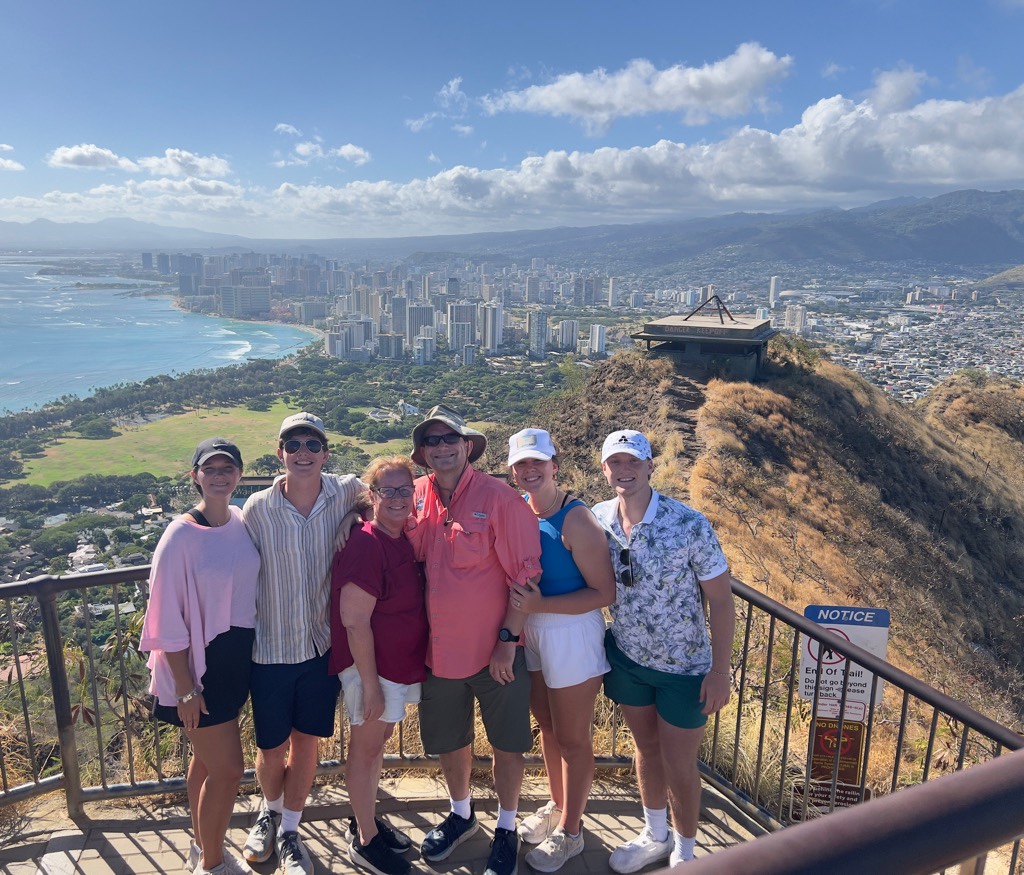
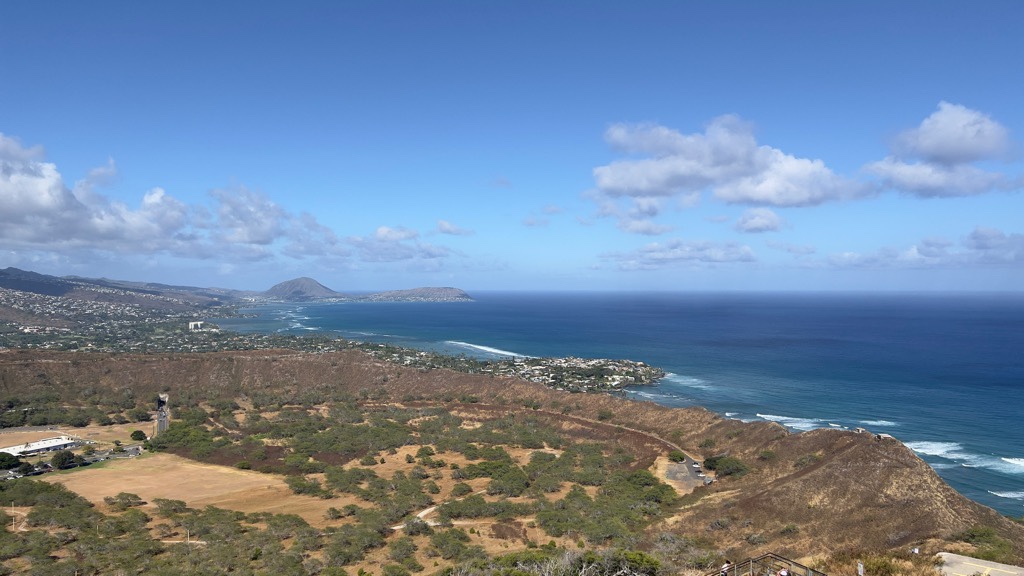
There are lots of hikes in Hawaii which mainly fall into two categories: up onto a ridge for views or into the forest for nature and waterfalls. They vary in length and difficulty, and AllTrails is a great resource that provides location, length, difficulty, reviews, and ratings. However, with so many, it is not easy to know which to choose. For the hike-with-a-view, I strongly recommend Diamond Head State Monument. It is a 0.8-mile hike gaining 560 feet, much of which is on steps, to an old lookout station, with tremendous views of Waikiki, Honolulu, and beyond. However, you need to reserve a place, and the last entry is at 4 pm, but it is worth it. Take water and wear a hat and sunscreen, though you can refill your bottle or buy drinks at the car park. If you want to do additional hikes like this or prefer to avoid the crowds, various “pillbox” hikes around the island have excellent reviews. We planned to do one of these for sunrise but lacked the energy.
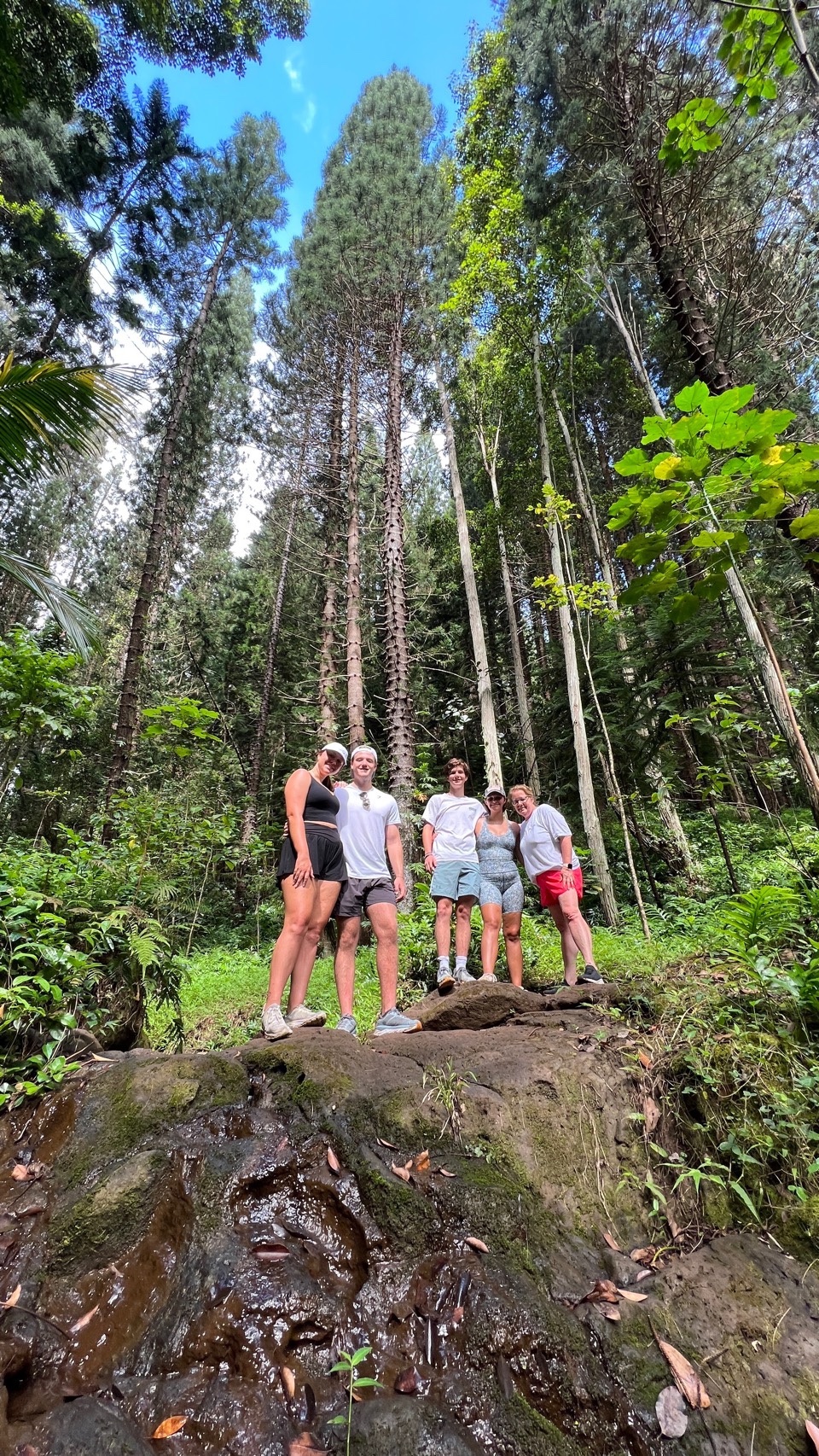
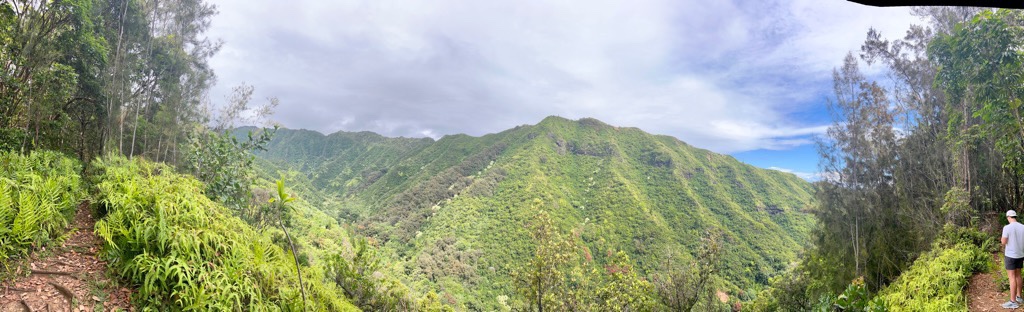
For a hike in the forest, many reviews talk about the amount of mud, which we were keen to avoid. We chose the Hau’ula Loop trail on the Northeast side of the island. It was not overly ambitious at 2.7 miles, 879 ft elevation gain. Recent reviews reported little mud, but there was no waterfall. We saw only a couple of other hikers, so it was away from the crowds. Most of the hike was inside the canopy, so it was cool, though there were a few great viewpoints.
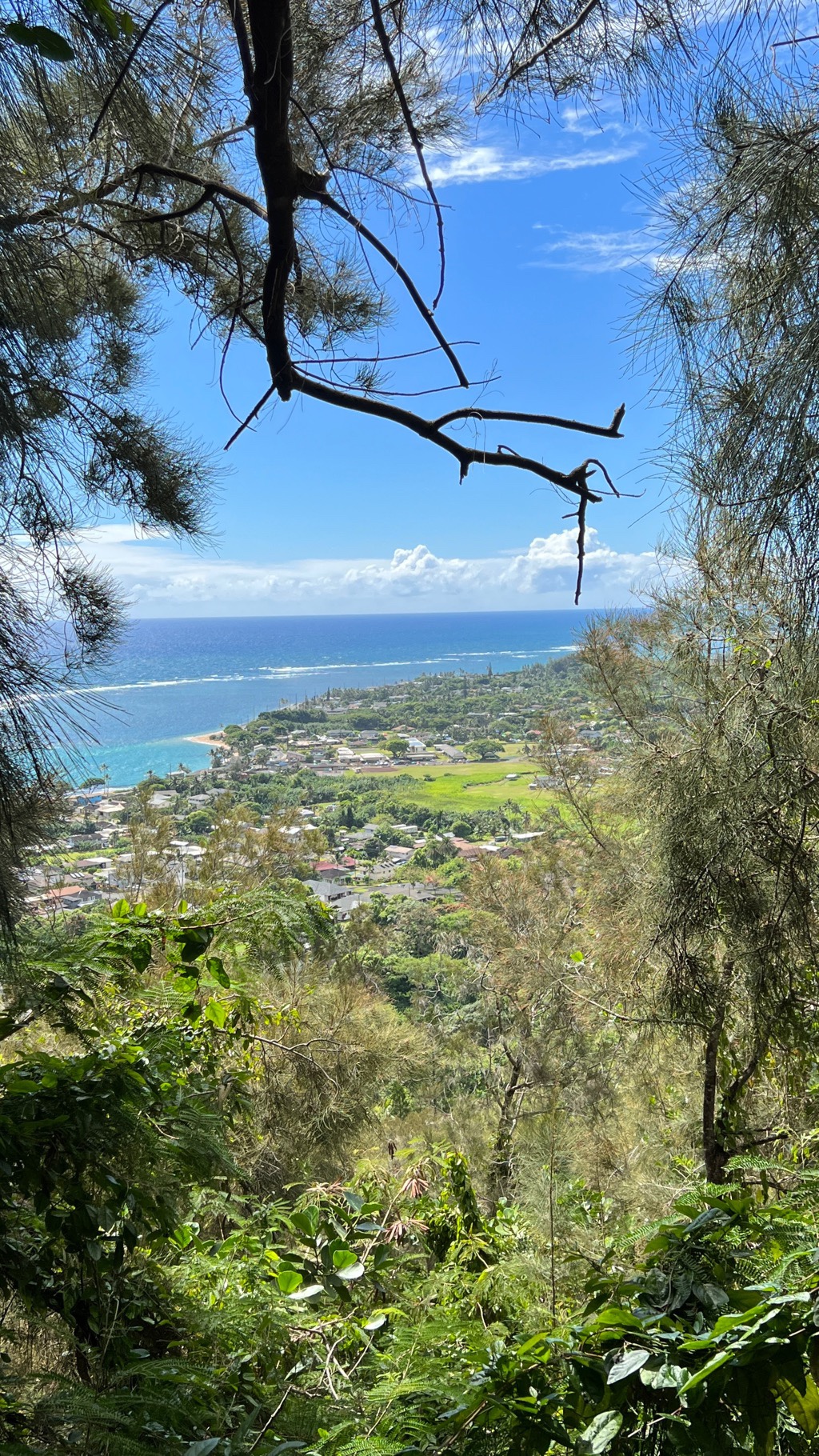
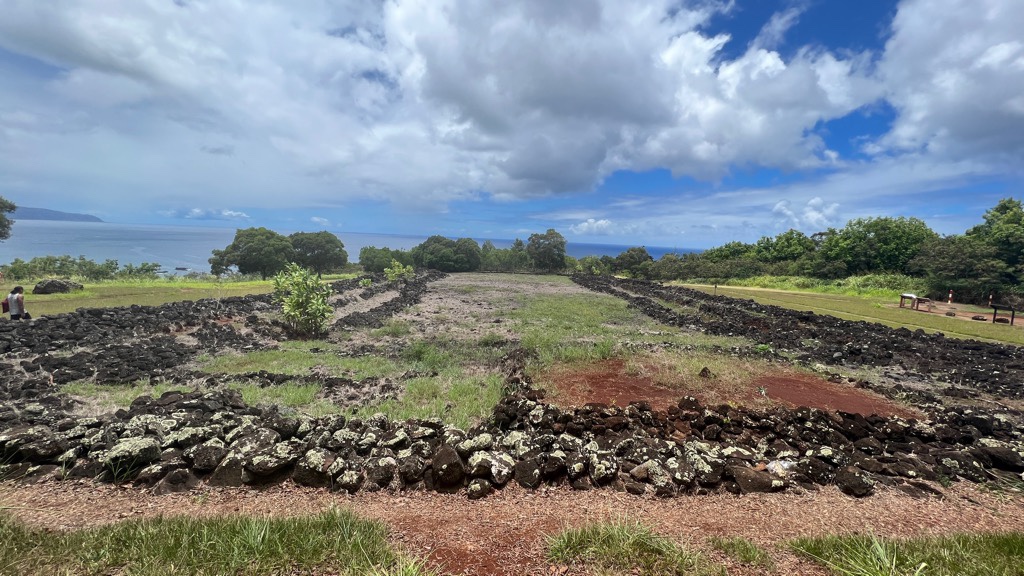
Finally, I recommend doing a Geocache which does not have to involve much hiking. This will likely give you a different perspective of the island. We did one at Pu’u o Mahuka Heiau, very close to our house. It is the remains of a temple from before Hawaii’s contact with the West. It also gave us a great view of Waimea Beach.

(h) If you enjoy the movies, visit Kualoa Ranch.
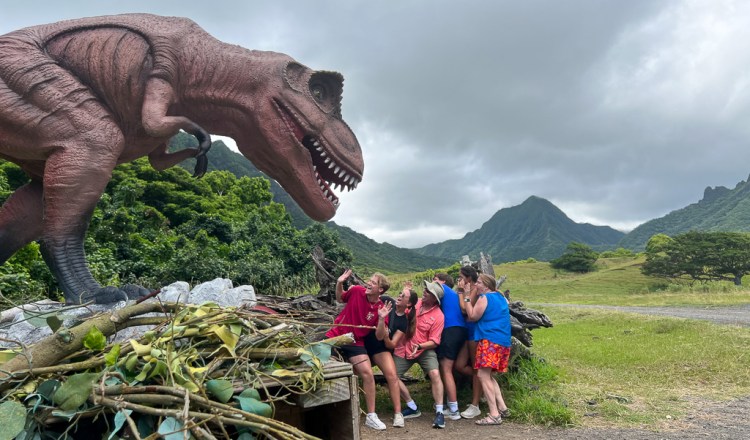
Our family loves movies, so visiting Kualoa Ranch was a priority. While its main claim to fame is Jurassic World and Lost, it has hosted many other films. We went on the Jurassic Adventure Tour, which was nearly three hours driving around the valleys in an open truck in a group of sixteen. While we saw many filming sites, some of which had remnants of the sets, we recreated some of the dinosaur scenes with our guide, which was such fun. This was our most expensive activity and we loved it. They have a range of different tours for all ages.
(i) Visit and drink coffee at the Waialua Estate Coffee and Chocolate store.
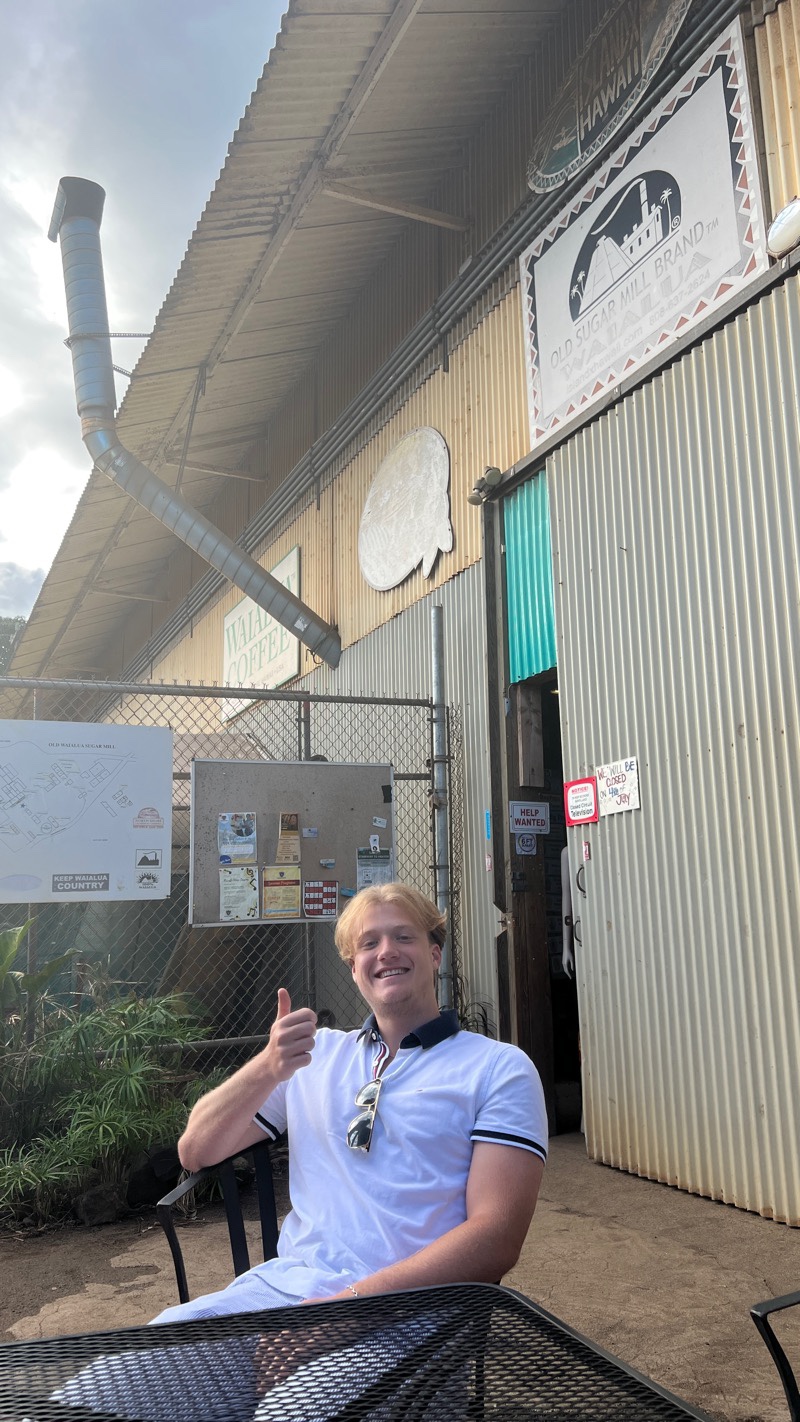
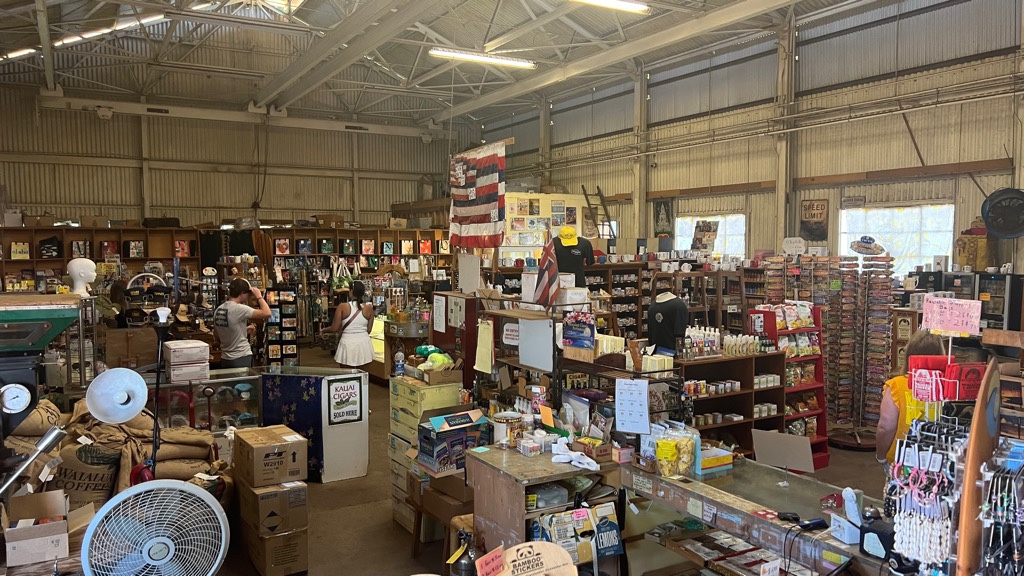
This was our best glimpse of old Hawaii. The store is an old warehouse. Behind the warehouse, they still process coffee and chocolate using traditional methods and they offer a free tour to explain it. While not owned by Dole, they are partnered with them and it seems they depend on them. The same person opened up the store, made our coffee, gave us a tour, gave us samples of coffee and chocolate, and checked out our purchases. We learned the difference between Prime and Fancy coffee and why Kona coffee is so expensive. We loved the vibe. We were there first thing, so had the place to ourselves, which made it more special.


(j) Plan for, or be ready for, downtime. And BLOG (or similar).
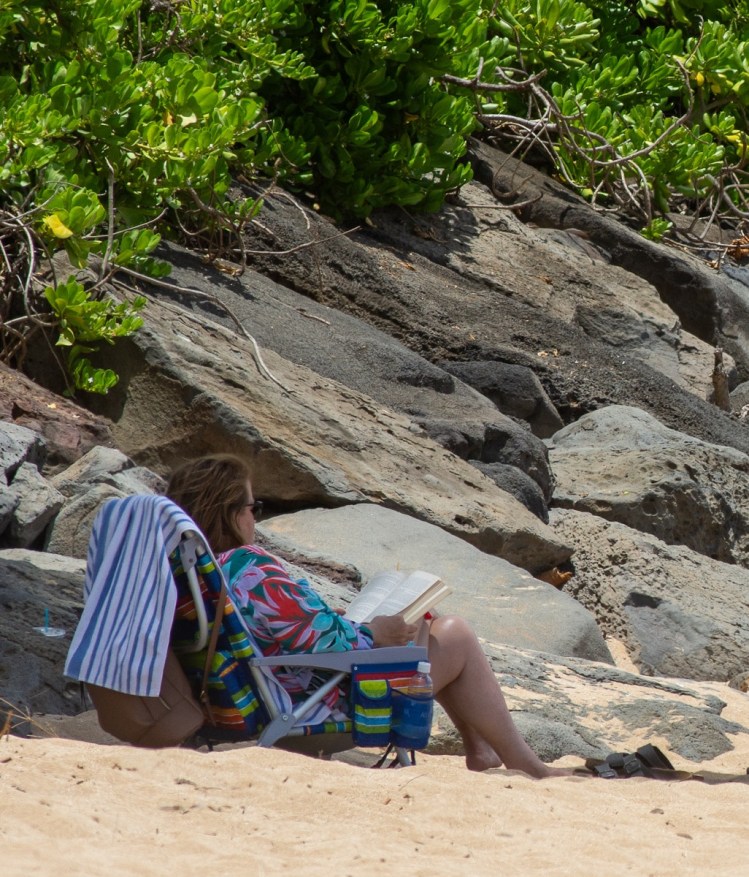
With so much to do, it is not easy to slow down. You might plan for downtime or be flexible for when it happens, but be ready! We enjoyed walking around Hale’iwa when we had an hour to kill, finding an old church and a surf photographer’s shop. We enjoyed reading books and watched “Moana” one evening, which appeared to represent Polynesian culture surprisingly well! I made the most of the jet lag by getting up for sunrise each morning, which is when I wrote my blog. I strongly recommend doing some sort of daily post, whether it’s FB, Insta, or a blog. If you write/post something each day, you capture your memories at that time. While other people enjoy it and “surreptitiously” join in the adventure, you benefit the most by having captured your memories forever. While it could be a private journal, sharing the joy is part of the fun.
6. What To Do “With Caution”
While I strongly recommend the items above, this section is what I recommend with caution. We had mixed experiences.
(a) Surf Lessons.
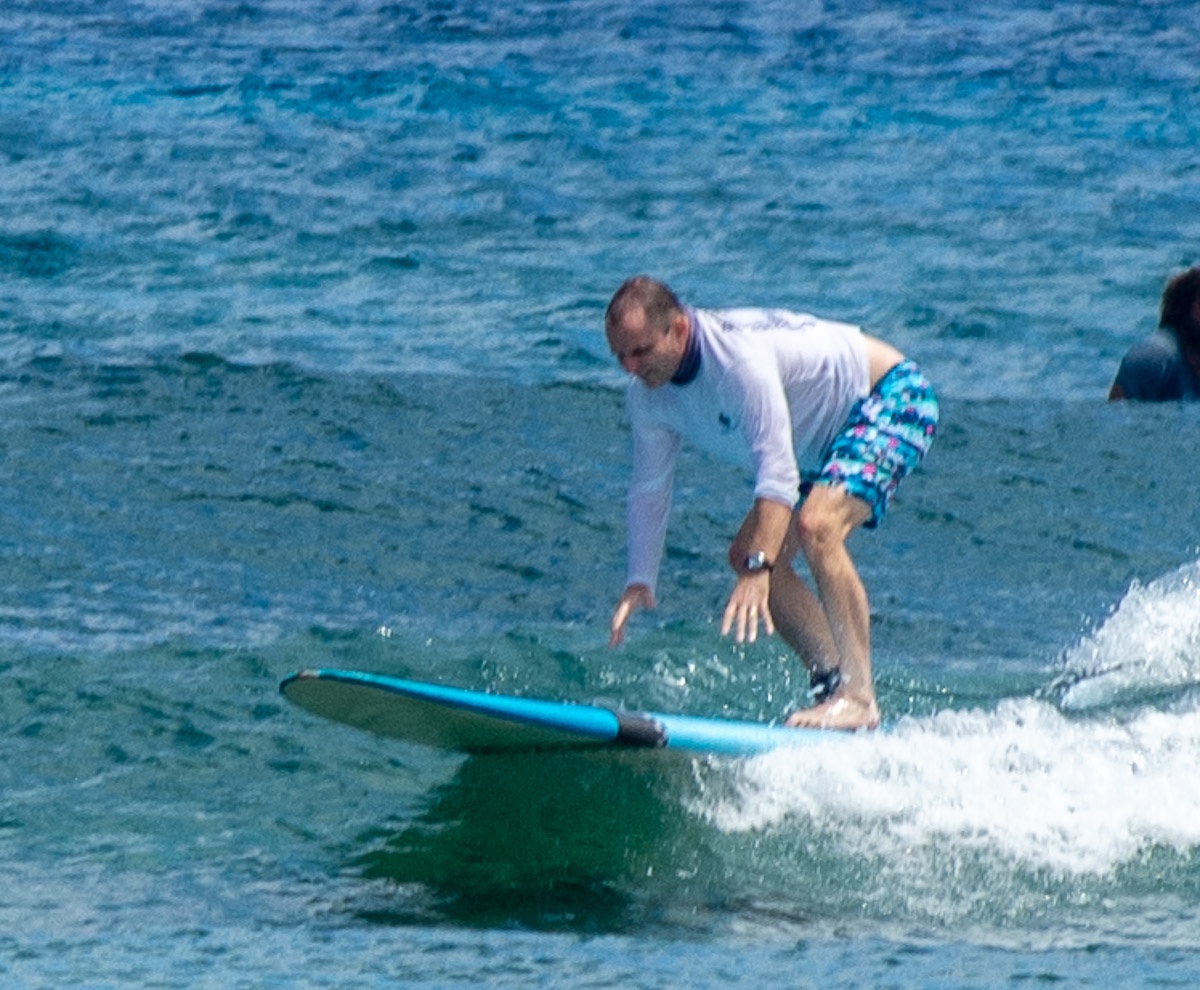
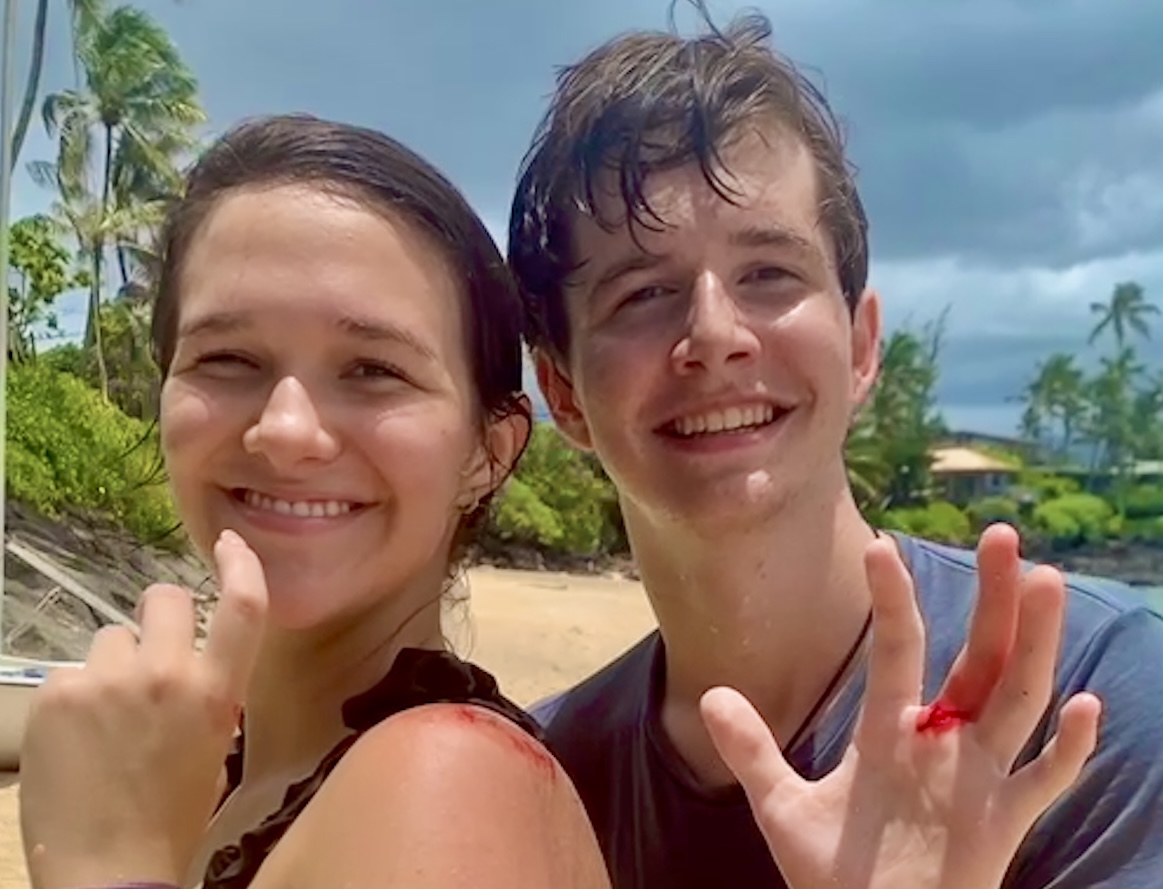
I booked lessons through Surf N Sea in Hale’iwa. The organization and lesson were great; the only caveat was the location. While surfing on the North Shore might be “the best,” it is in shallow water with a sharp, rocky bottom. Beginners don’t need “the best.” Two of us got cut badly on the bottom. The surfing off Waikiki looked safer. I definitely recommend the lessons (though surfing is hard work, and you need to be a good swimmer), though I was surprised that no review mentioned the danger of scraping the bottom on the North Shore.
(b) SCUBA.
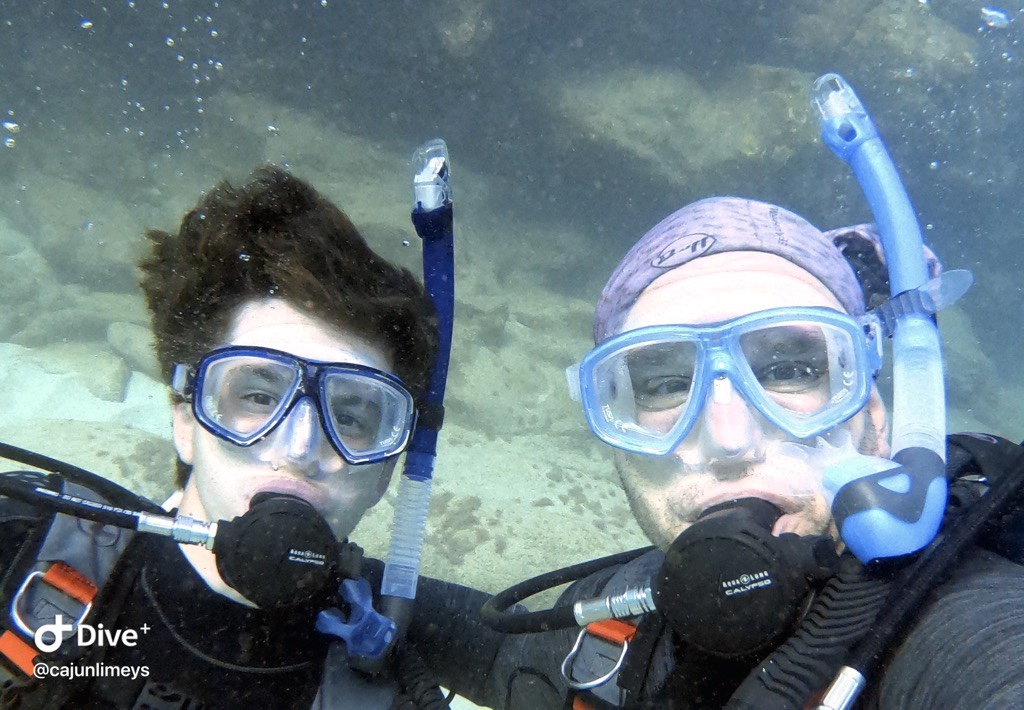
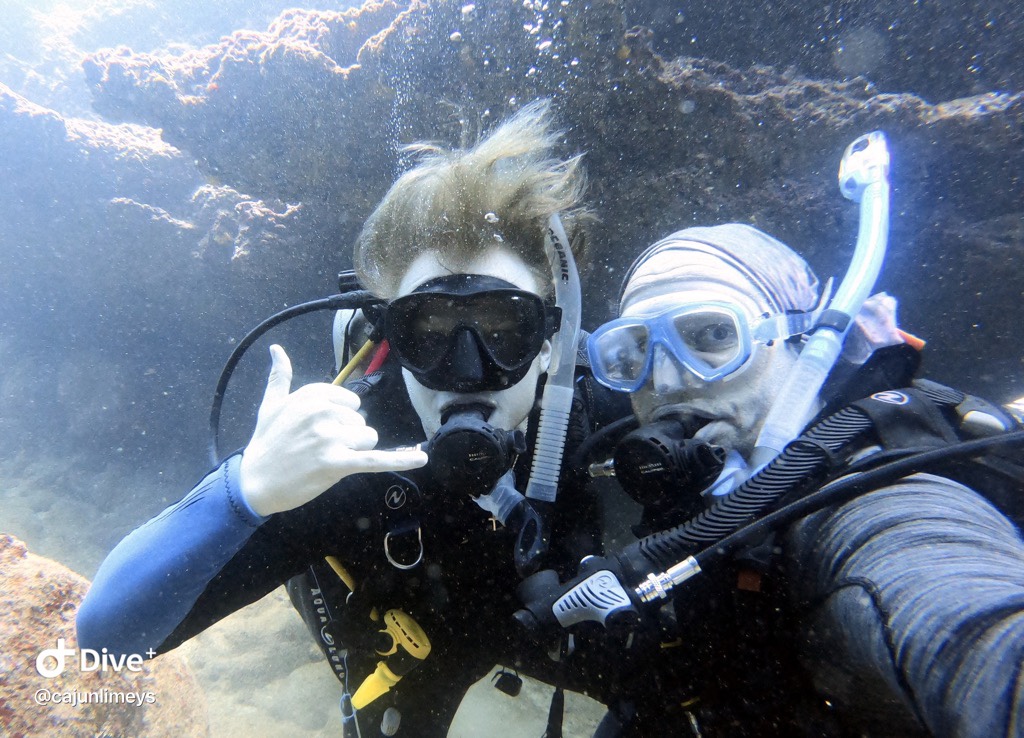
I also booked SCUBA through Surf N Sea, and we did it in two different ways. Two in our group had not previously dived, so I booked a beginner dive in Shark Cove. Samuel and I are experienced, certified divers, and we just rented gear (which was very good) and tanks from Surf N Sea and guided ourselves. It all went well, and I dove both independently with Samuel, and led by the guide, so I can compare. Samuel and I love the independence of diving without a guide, finding our own way. We certainly had fun and we have the experience to do it safely. On the later dives, the guide helped in a few ways. First, he knew the easiest way of getting into the water at Shark’s Cove. Second, he knew the best underwater sites so he could go straight to them. Thirdly, he is familiar with the wildlife, so he could point them out and even pick them up like a starfish and an octopus, though Samuel and I prefer to watch than disturb too much (unless we are hunting invasive species!) As we had chosen to be independent, our dive location was limited to a shore dive without a boat. Boat trips would have taken us to sharks and other excitement for more money. Because not everyone was diving on this trip, limiting the diving to one morning was a fair compromise.


(c) Cameras and Photos.
I brought four cameras on this trip: my SLR with a 200 mm zoom lens, my iPhone, my GoPro, and my DJI Mini drone. My SLR was great for the surf photos but was heavy and awkward to travel with. I took most of my photos with my iPhone. My GoPro was great for snorkeling and SCUBA (especially using the Dive+ app to color-correct). I could have used the GoPro for photographing the others during their surf lessons, but it probably would have been a disaster. I did not use my drone as I did not find the opportunity or inspiration. For a family trip like this, the photos are for memories, not National Geographic, so need to include people. However, photos are only worthwhile if you do something with them, and processing the GoPro diving/snorkeling footage took a lot of time, delaying that day’s blog post by a day. The drone is cool for big shots, but that wasn’t the focus of this trip. Sure, I would have used drone photos if I’d taken any, but it would have taken effort. Next time, I’ll think carefully about the SLR, though I love the surfing photos I took. The heavy SLR only makes sense when I need to zoom in closely, as my iPhone covers everything else well. The GoPro is excellent for anything in water and is small and light. It is a challenge to fit the drone into an action-packed family adventure.
(d) Dole Pineapple Plantation.
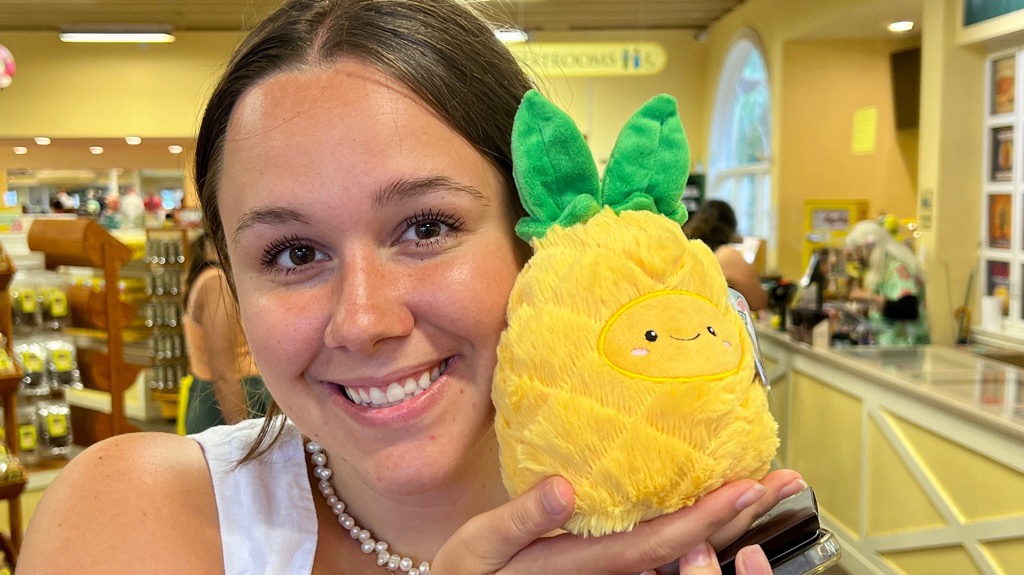
This was on our “must-do” list and was easy to fit in at any time. There are four things to do. There is a large shop for all things Pineapple, including Dole Whip, which is fun. There is a train tour through the plantation, which was interesting. There is a botanical garden walk, which sounded lame and they even encouraged us not to do it (so we didn’t). Finally, there is a giant maze, which we did not do as we ran out of time. While I was a bit disappointed that we missed out on the maze, it sounds very large. A maze for 5-10 minutes sounds fun, but this one can take an hour. We enjoyed the visit, but I don’t think we missed out on much by not doing the maze.

(e) Food
While one must eat, I include this in my “with caution” section. We were expecting great seafood the whole time while aware it would be expensive. Our experiences were mixed. Our first night at North Shore Tacos and North Shore Shrimp Truck was disappointing, and we did not expect the garlic shrimp to be only half-peeled. However, the North Shore Shaved Ice was fantastic. We had great acai bowls from Hale’iwa Bowls and The Sunrise Shack. The feast at the Toa Luau was very well done, and we enjoyed dinner at the Turtle Bay Golf Club, though it was not very Hawaiian. In Waikiki, we had some excellent Poke at Poke Waikiki and loved the range of Hawaiian food on the buffet at Duke’s at the Outrigger Waikiki Beach Resort, followed by ice cream at the Banan Waikiki Beach Shack in the Waikiki Surf Alley. We learned that Hawaii is the home of Poke but not Sushi, even though we had a fine night at Hale’iwa’s Banzai Sushi Bar. The seafood at Hale’iwa’s Stonefish Grill was rather meh, but we had a fantastic evening with live music at Rajanee Thai Hale’iwa. We tried some Hawaiian donuts from the Manuela Malasada food truck which were OK, but grabbing a freshly-sliced pineapple or an ice-cold coconut from a roadside vendor or getting a Huapia Pie from Ted’s Bakery were wonderful experiences. Our favorite meal was breakfast at the Smoking Boar and the Coconut in Waialua, which we stumbled upon after the coffee plantation visit without planning. It was off the tourist trail, was authentic, and I enjoyed my SPAM. One evening when we ran out of time on the other side of the island, we grabbed Hawaiian Pizzas (of course!) from Pizza Hut, which went down very well. The $20 Burger King meal was surprisingly good when departing from the airport.


Eating out is expensive in Hawaii. Close to our house was a Foodland grocery store, which was also very expensive. However, we visited a Walmart and a Target on our travels around the island, and their prices were close to those on the US mainland.
Our planning did not include food, though doing so might have introduced inflexibility. While the Food Network recommends some good restaurants on Oahu, they were not close to us. We thought about driving to one but lacked the energy at the end of the day. Our best choices were the places recommended by our VRBO host. Next time, I will try and do more research beforehand, as great choices are not obvious, but I tend to prioritize activity planning.
7. What To Avoid
Below are things we recommend not doing if you are like us. Tastes vary so they might work for you.
(a) Mermaid’s Cave.
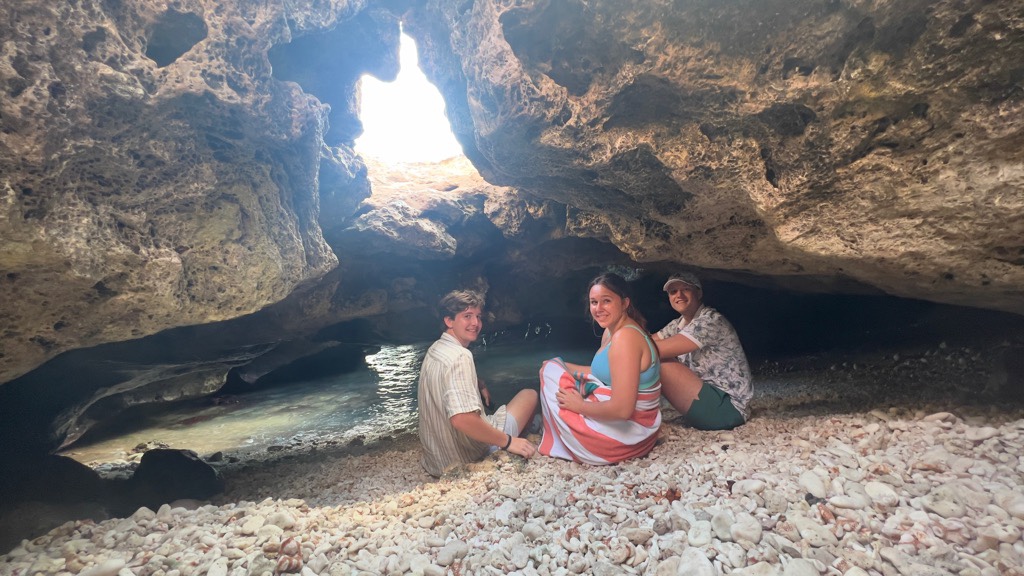
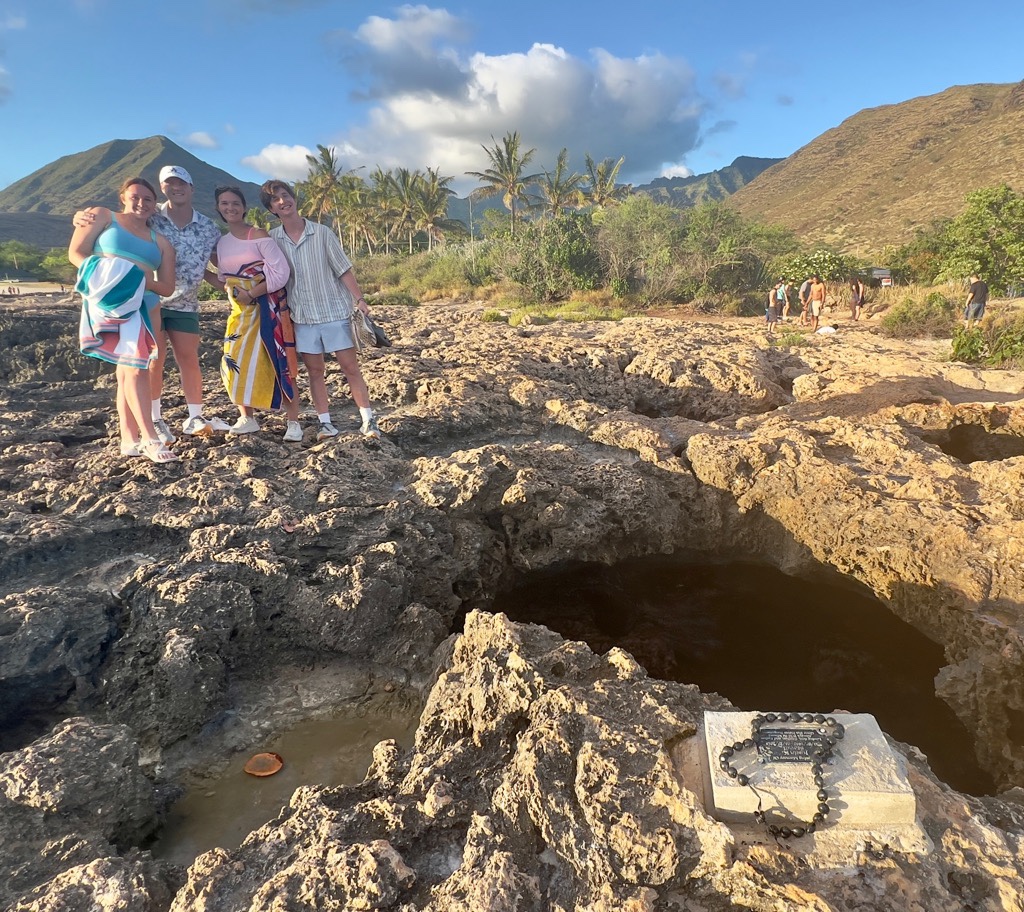
This sounded fascinating. A cave, only exposed at low tide, which is dangerous at other times. We had some time left at the end of a long day, so we headed over. It is out of the way on the South West side of the island, away from the touristy areas. The parking and beach area had the most trash we saw anywhere on the island. As you walk to the entrance, there are 10-15 memorials to people who have died in the caves. When we arrived, which I had ensured was just before low tide, a group of drunk guys (who had cuts bleeding on their feet) were jumping into the water in one of the caves, timing their leap into the hole between waves. We climbed down into the smallest cave which was dry. OK, so the experience was kind-of cool, but it was a long trek. If you are on that side of the island (near the Disney resort), it might be worth checking out, but be very careful, though the memorials will wake you up!
(b) Spending much time in Waikiki
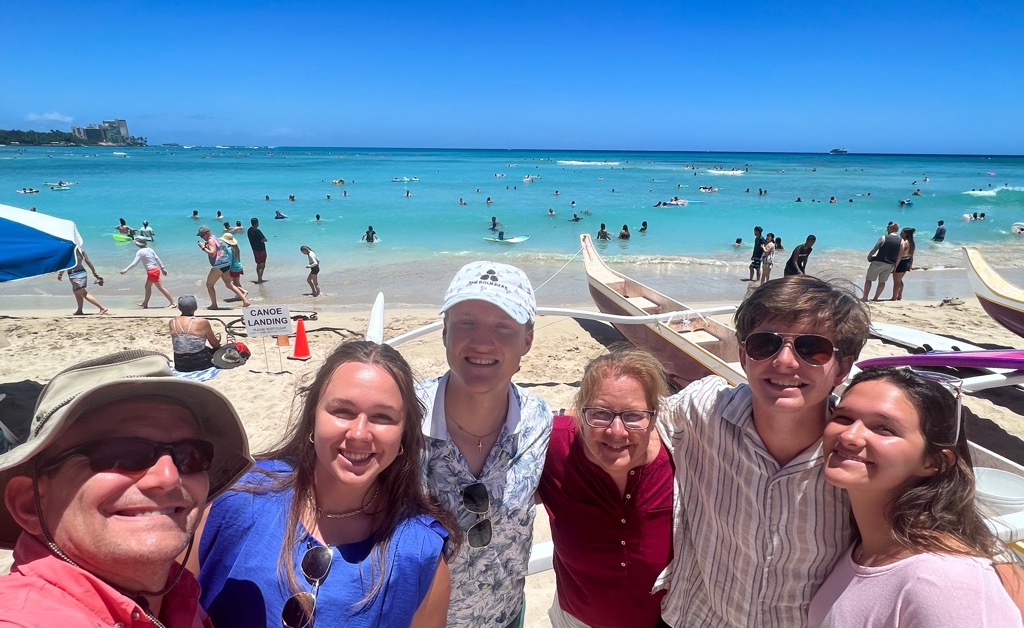
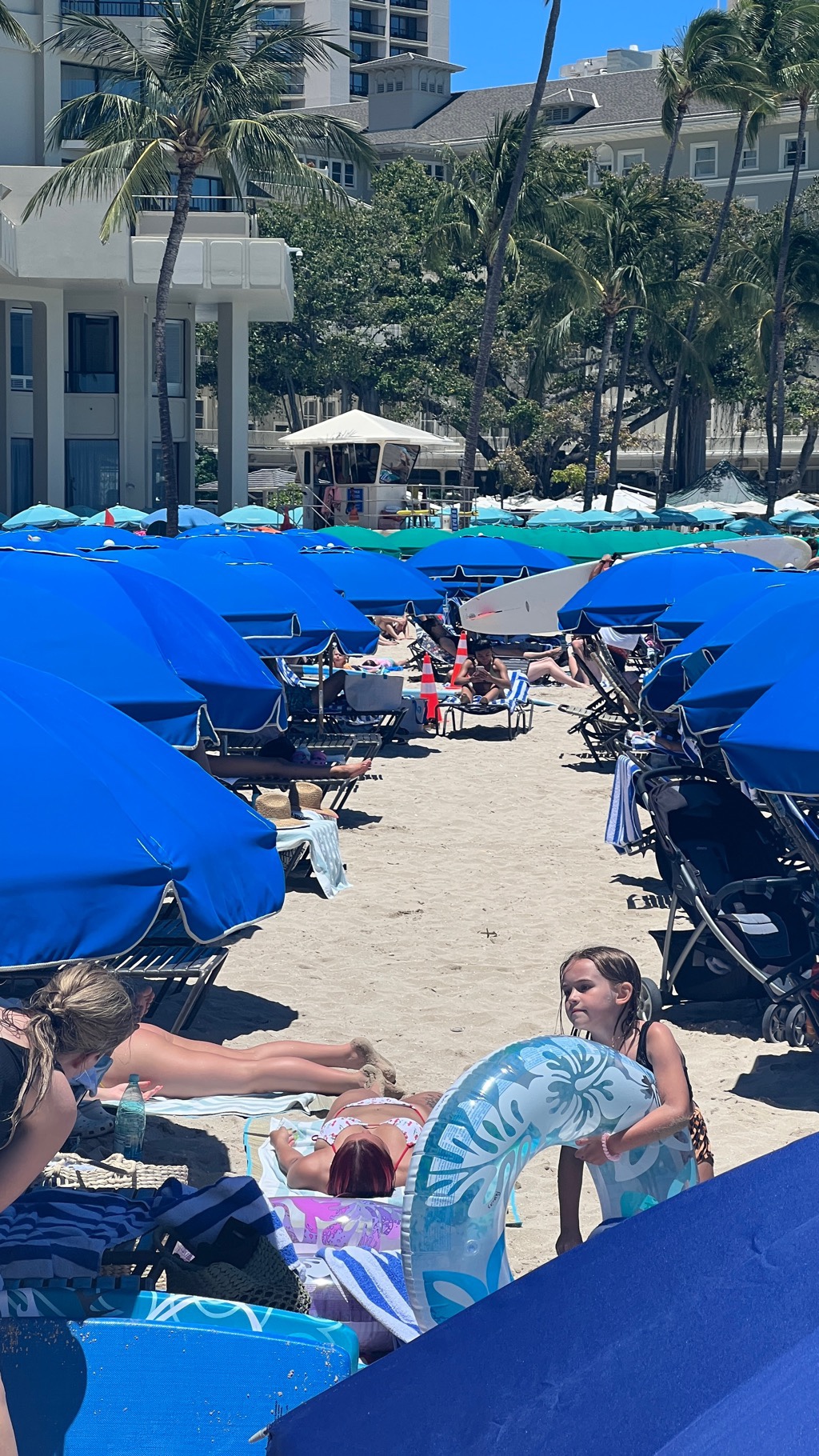
Waikiki is different from the rest of Hawaii. It is very busy, with high-rise hotels, high-end shops, and a very crowded beach. I expect that if you are staying in one of the hotels, you can escape. But it wasn’t a location we wanted to be in and was too busy. I expect many visitors who stay there go on several organized tours to other parts of the island. However, Waikiki was where we had some of our best food. Before visiting, and especially before choosing to stay in Waikiki, do your research to see if it fits.
(c) Probably skip the Polynesian Cultural Center
This sounds like an impressive place. The price tag and the recommendation to visit for multiple days to get the most of it makes me think it does not fit well with a one-week adventurous vacation. I expect it is like Toa Luau but much bigger, though it does have good reviews. It’s a long way from most other places on the island. We were in the area when we did our forest hike and there were some interesting shops and restaurants that did not require an entrance fee. So if you are in the area, you might want to drop in. Again, this place might suit you, but do your research.
(d) Avoid organized tours unless they bring value
As Hawaii is part of the US, it is easy to get around and everyone speaks English. While organized tours are advertised for most of my “must-do” experiences, you can book direct (e.g., Pearl Harbor, Toa Luau, Kualoa Ranch, Diamond Head, Dole plantation, coffee plantation, hiking). The organized tour might be a good idea if you need the transport, but then you are often stuck with a larger group. However, the guide might be good. This comes down to personal preference and the balance between independence and guidance.
8. What We Missed
While we did a lot, there were a few things we missed. I’ve already mentioned the Southeast beaches, where there is also a hike to a lighthouse. A sunrise hike up the mountain on this side of the island would also have been cool, and we heard that this is where there are some cool eateries. If we return to Oahu, we might stay in this area. Also, we didn’t make it to Ka’ena Point State Park and the most westerly point of the island which might have been fun, and there was a lot more hiking that we didn’t do. Watching fireworks over Waikiki was on the list, as well as visiting a Macadamia nut plantation.
9. To Conclude
I have two final thoughts. The first is how positive the overall experience in Hawaii was. The local people are friendly and easygoing and fit very well with such beautiful nature. A conservation attitude is so appropriate here! This drives the second thought, which is how clean everything was. The tropical environment reminds one of less developed countries which are often associated with a lot of trash. It seemed a paradox to be in a tropical environment that was so well looked after.
We will come back to Hawaii. We will take the same approach with Maui and/or a smaller island being of most interest. We have mixed opinions about visiting live volcanoes.
If you’ve enjoyed my review, let me know! I know there are lots of reviews out there, and any feedback or liking or subscribing encourages me to write more.
Please follow us on this journey by subscribing below, and we would love to hear your encouraging feedback.
 The Adventures of the Cajunlimeys